 Photo: Topural [1] / Wikimedia Commons
Italy Wine Regions Guide
Plan wine travel across Italy — Tuscany, Piedmont, Veneto, Sicily, and 16 more regions. Native grape guides, winery visits, costs, and the best wine roads to drive.
Where to Stay in Italy
Make the most of your Italy wine trip by staying in the heart of wine country. From luxurious vineyard estates to cozy B&Bs, find the perfect accommodation near world-class wineries.
- Hotels near top wineries
- Charming vineyard B&Bs
- Vacation rentals and villas
- Free cancellation on most bookings
We may earn a commission
Stay22
Compare Booking, Airbnb, Hotels.com and more in one search
Explore the Italy Wine Map
Explore Italy appellations, châteaux, and key towns on an interactive map.
Italy: A Journey Through Wine
Italy is a wine lover's dream destination, offering extraordinary diversity from the snow-capped Alps in the north to the sun-drenched coastline of Sicily in the south. With over 500 documented native grape varieties and 20 distinct wine regions, Italy produces more wine than any other country on earth. Every valley, hilltop, and coastal plain tells its own story through the wine it produces, shaped by thousands of years of viticulture and deeply rooted local traditions.
Planning a wine travel trip to Italy means choosing which of its extraordinary regions to explore — each offering distinct landscapes, cuisine, and wine culture. Whether you find yourself sipping Barolo in a hilltop Piedmontese cantina, watching the sun set over Tuscany's cypress-lined roads with a glass of Brunello in hand, or tasting volcanic Etna wines on Sicily's dramatic hillsides, Italy's wine country rewards every traveller with unforgettable experiences.
Italy's Key Wine Regions
Italy's 20 wine-producing regions each carry a distinct identity. Here are the destinations that should be on every wine traveller's map:
- Tuscany — Home to Chianti Classico, Brunello di Montalcino, Vino Nobile di Montepulciano, and the prestigious Super Tuscans. The rolling hills of the Chianti zone, framed by cypress trees and medieval stone villages, are among the most picturesque wine landscapes in the world.
- Piedmont — The birthplace of Barolo and Barbaresco, often called the Burgundy of Italy. Nestled beneath the Alps in Italy's northwest, Piedmont also produces Barbera, Dolcetto, Moscato d'Asti, and the rare white truffle that pairs magnificently with local wines.
- Veneto — Italy's most prolific wine-producing region, source of Prosecco, Soave, and Amarone della Valpolicella. The Lake Garda shores, Verona's ancient amphitheatre, and the Valpolicella wine country together create an irresistible travel package.
- Sicily — A wine island of extraordinary character. The volcanic slopes of Mount Etna produce some of Italy's most exciting new wave wines, while the island's long coastline yields Nero d'Avola, Nerello Mascalese, and the sweet Passito di Pantelleria.
- Trentino-Alto Adige — Italy's northernmost wine region, where German-speaking villages and Alpine scenery frame cool-climate whites of exceptional precision: Pinot Grigio, Gewürztraminer, and Müller-Thurgau flourish here.
- Friuli-Venezia Giulia — Italy's premier white wine territory on the Slovenian border. Collio and Colli Orientali del Friuli produce world-class Pinot Grigio, Ribolla Gialla, and Tocai Friulano from mineral-rich hillside vineyards.
- Campania — Home to ancient grape varieties rediscovered by modern winemakers. Aglianico del Taburno, Fiano di Avellino, and Greco di Tufo emerge from volcanic soils around Naples and Vesuvius, delivering wines of remarkable complexity.
- Umbria — Tuscany's quieter neighbour, producing Sagrantino di Montefalco, one of Italy's most powerful and tannic reds, alongside the approachable whites of Orvieto. Fewer tourists and unspoiled landscapes make Umbria a hidden gem for wine travel.
Wine Towns and Villages Worth Visiting

Montalcino, perched on a hilltop in southern Tuscany, is the spiritual home of Brunello — one of Italy's greatest wines. The medieval fortress offers panoramic views over the vineyards of the Val d'Orcia, and the town's wine bars serve as informal tasting rooms where you can try vintages from the best local producers.
Alba, in the Langhe hills of Piedmont, is one of Italy's great food and wine destinations. Famous for the international Truffle Fair held each October, Alba is also the gateway to both Barolo and Barbaresco wine country. Walking the narrow medieval streets before heading out to the vineyards on a misty autumn morning is an experience that stays with visitors for life.
San Gimignano in Tuscany is famous for its medieval towers, but wine lovers come for Vernaccia di San Gimignano, Italy's oldest DOC white wine. The town also hosts excellent wine shops and enotecas where you can taste local vintages while admiring the UNESCO-listed skyline.
Verona is the perfect base for exploring Valpolicella and Soave wine country. The city itself offers magnificent Roman ruins, the Arena amphitheatre, and an outstanding restaurant scene where Amarone — Verona's bold, dried-grape red — flows freely. Day trips to Greve in Chianti, the heart of the Chianti Classico zone, reveal stone villages, castles, and estate wineries open to visitors.
Catania in Sicily serves as a base for exploring Etna wine country. The volcano's dramatic landscape is unlike any other wine region in the world — black lava soils, ancient vines growing at altitude, and a new generation of winemakers producing wines that have captured global attention. The town of Randazzo on Etna's northern slopes is surrounded by some of the region's most exciting producers.
Notable Wine Producers
Antinori is one of the oldest and most respected wine dynasties in the world, with roots in Florence dating to 1385. Their Tignanello was among the first Super Tuscans to blend Sangiovese with Cabernet Sauvignon, changing Italian wine history. Their Chianti Classico estates and the stunning Antinori nel Chianti Classico winery — built into a hillside — are essential visits.
Angelo Gaja in Piedmont single-handedly elevated Barbaresco to world-class status. His controversial decision to age wines in small French barriques rather than traditional large Slavonian oak botti divided opinion but attracted international attention. Today, Gaja's Sorì San Lorenzo, Sorì Tildìn, and Costa Russi are benchmarks for Nebbiolo lovers.
Sassicaia, produced at the Tenuta San Guido estate near the Tuscan coast, pioneered the Super Tuscan movement in the 1970s. Made from Cabernet Sauvignon and Cabernet Franc, it was initially ineligible for DOC status but became so famous that authorities eventually created a dedicated Bolgheri Sassicaia DOC for it alone.
Allegrini in Valpolicella crafts some of Veneto's finest Amarone della Valpolicella, a wine made from partially dried grapes that concentrates sugars and flavours to extraordinary intensity. Their single-vineyard La Grola and Palazzo della Torre are more accessible entry points to understanding the Valpolicella style.
On Etna, Cornelissen, Benanti, and Passopisaro are leading a renaissance of ancient Nerello Mascalese grown on century-old ungrafted vines at altitude. These wines have drawn comparisons to Burgundy's Pinot Noir for their elegance and terroir-driven character, attracting collectors from around the world.
Where to Stay in Italian Wine Country
The agriturismo — a farm stay on a working agricultural property — is the most authentic way to experience Italian wine country. These range from simple rural farmhouses to elegant estates with swimming pools, fine dining, and guided tastings. Booking directly with the estate often gives access to vineyard walks and winery tours not available to day visitors.
Castello di Ama in Chianti Classico combines luxury accommodation with a world-class contemporary art collection. Guests stay in beautifully restored rooms within the medieval castle, with direct access to their award-winning Chianti Classico wines and sculpture installations scattered through the estate.

Borgo Egnazia in Puglia, a five-star resort built to resemble a traditional Apulian town amid olive groves and vineyards, offers access to Primitivo and Negroamaro wine country in one of Italy's most up-and-coming wine regions. Villa d'Este on the shores of Lake Como pairs classical Italian elegance with easy access to Franciacorta sparkling wine country and the vineyards of Oltrepò Pavese.
Food and Wine Pairing in Italy
Italian cuisine is inseparable from Italian wine — both are shaped by centuries of regional tradition and the guiding principle of what grows together, goes together. In Tuscany, the classic bistecca alla fiorentina — a thick-cut T-bone grilled over charcoal — is the perfect partner for a young Chianti Classico Riserva. Further south in the Maremma, wild boar ragu served over hand-rolled pici pasta calls for the earthier notes of Morellino di Scansano.
In Piedmont, the food and wine pairing reaches its pinnacle. Tajarin — thin egg noodles tossed in butter and shaved white truffle — alongside a mature Barolo is one of the great gastronomic experiences available anywhere. Vitello tonnato, Piedmont's famous veal with tuna sauce, is perfectly matched with a glass of Barbera d'Asti. The region's rich culinary tradition includes bagna cauda (warm anchovy and garlic dip), braised beef in Barolo, and an extraordinary range of local cheeses.
Osteria Francescana in Modena, three-time holder of three Michelin stars and repeatedly ranked the world's best restaurant, showcases Emilia-Romagna's gastronomic brilliance. For more everyday dining, trattorie throughout Italy offer honest regional cooking at moderate prices — seek out the handwritten daily menus and trust whatever the nonnas are making that morning.
Italy's Essential Grape Varieties
Vine Cycle — Italy
Full calendar →Italy offers memorable harvest experiences during peak activity.
Italy's native grape varieties are its greatest treasure — and the primary reason why Italian wine offers experiences unavailable anywhere else. While international varieties like Cabernet Sauvignon and Chardonnay are planted throughout Italy, it is the indigenous grapes that make Italian wine irreplaceable.
Key Red Varieties
- Sangiovese — Italy's most planted red grape and the backbone of Chianti, Brunello di Montalcino, and Vino Nobile. It produces wines ranging from light and food-friendly to age-worthy and complex depending on where and how it is grown.
- Nebbiolo — The noble grape of Piedmont, producing Barolo and Barbaresco. High in tannin and acidity but capable of extraordinary complexity with age, often evoking tar, roses, dried cherries, and earthy truffles.
- Montepulciano — Not to be confused with the Tuscan town, this Adriatic grape makes the generous, food-friendly Montepulciano d'Abruzzo. Bold and affordable, it is one of Italy's most reliable everyday reds.
- Primitivo — Puglia's powerful southern red, genetically identical to California's Zinfandel. Rich, dark, and often high in alcohol, it pairs brilliantly with grilled meats and aged cheeses.
- Corvina — The primary grape of Valpolicella, used in both the light Valpolicella Classico and, when dried, the rich and concentrated Amarone della Valpolicella.

Key White Varieties
- Pinot Grigio — In the Alto Adige and Friuli, where it thrives in cool Alpine conditions, Pinot Grigio achieves genuine complexity — far removed from the bland, mass-market versions common elsewhere.
- Garganega — The grape behind Soave Classico in Veneto. At its best in the Classico zone, it produces wines of nutty richness with excellent ageing potential.
- Fiano and Greco — Campania's finest white grapes, producing wines of volcanic intensity and remarkable longevity from the hills around Naples.
Getting There and Getting Around
Major international airports in Rome (Fiumicino), Milan (Malpensa and Linate), and Florence (Peretola) serve as primary gateways to Italian wine country. For Sicily, Catania and Palermo airports handle international connections. Italy's high-speed Frecciarossa and Frecciargento train network connects major cities efficiently — Rome to Florence in 1.5 hours, Milan to Venice in 2.5 hours — making train travel a comfortable and scenic option between wine regions.
A rental car is essential for exploring rural wine country. Most estate wineries are reached by narrow country roads unsuitable for buses, and the freedom to follow a sign to an unexpected cantina is one of the great pleasures of wine travel in Italy. Many wineries require advance appointments — particularly the prestigious estates in Barolo and Brunello country — so contact them ahead of your visit. An increasing number offer online booking through their websites.
Best Time to Visit Italy's Wine Regions
Monthly Climate — Italy
Full explorer →September and October are the prime months for wine travel to Italy. Harvest season (vendemmia) brings the vineyards to life with pickers, tractors, and the sweet smell of fermenting grapes drifting from winery buildings. Many estates hold harvest festivals open to visitors, and the autumn colours in Tuscany and Piedmont are simply stunning. Temperatures are comfortable for touring, and the summer tourist crowds have thinned.
Spring (late April through June) is a quieter and equally beautiful time to visit, with wildflowers covering the hillsides and new-vintage wines just released. Summer visits (July-August) are possible but carry the risk of extreme heat, August closures as Italians take their own holidays, and crowded tourist sites. Winter travel to wine country offers seclusion and the truffle season in Piedmont — the white truffle of Alba is harvested through November and early December, making it an extraordinary time to visit.
Planning Tips for Italian Wine Travel
Book winery visits well in advance, especially for top estates in Barolo, Barbaresco, and Brunello. Many prestigious producers operate invitation-only or require reservations months ahead. Local wine tourism consortia (consorzii) maintain lists of open cellars and can help with planning.
Consider staying a minimum of three nights in each major wine region. Italian wine country rewards slow travel — a hurried two-hour visit barely scratches the surface. Learn a few words of Italian: producers genuinely appreciate the effort, and in rural wine country, English is not always widely spoken. Above all, embrace the Italian philosophy of la dolce vita — linger over meals, accept every invitation to taste another glass, and let the rhythm of the land guide your days.
Planning tools & local info
Explore Wine Regions in Italy
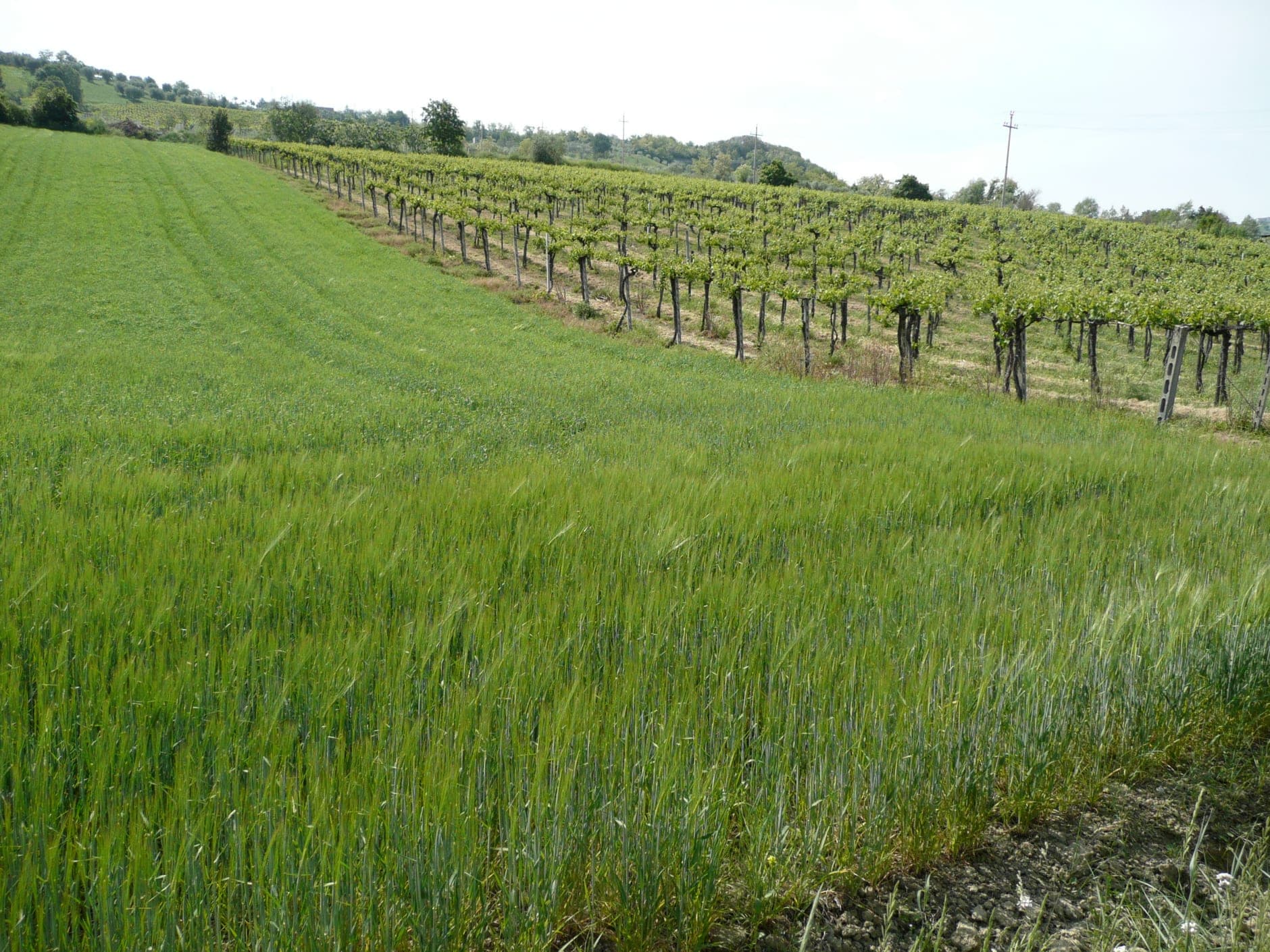
Abruzzo
Discover Abruzzo wines — Montepulciano d'Abruzzo reds, Trebbiano whites, and Cerasuolo rosé from mountain vineyards betw
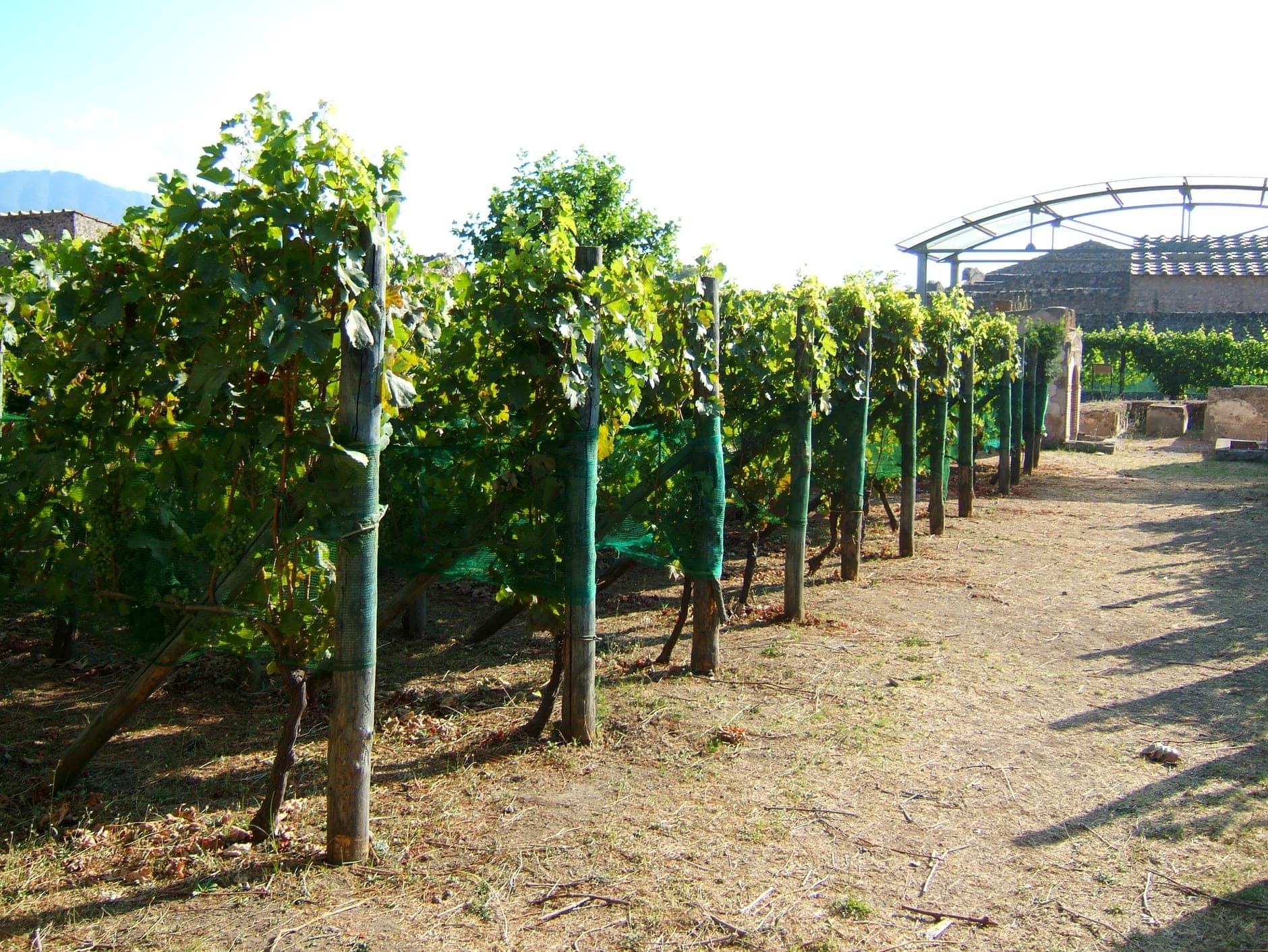
Campania
Campania, nestled in southern Italy, offers a unique blend of ancient history, stunning coastlines, and world-class wine
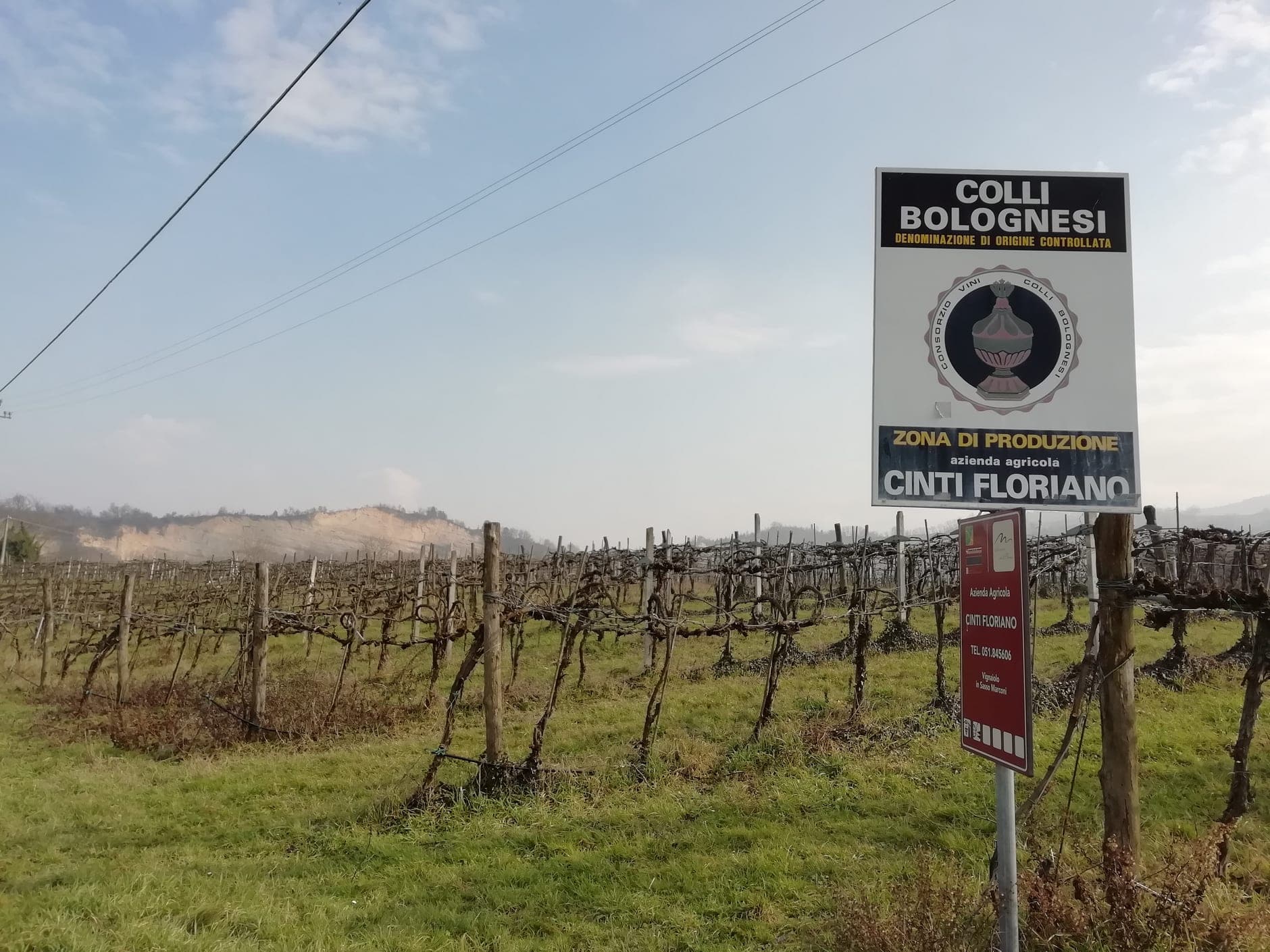
Emilia-Romagna
Emilia-Romagna, a region in northern Italy, is a treasure trove for wine enthusiasts and food lovers alike. Known for it
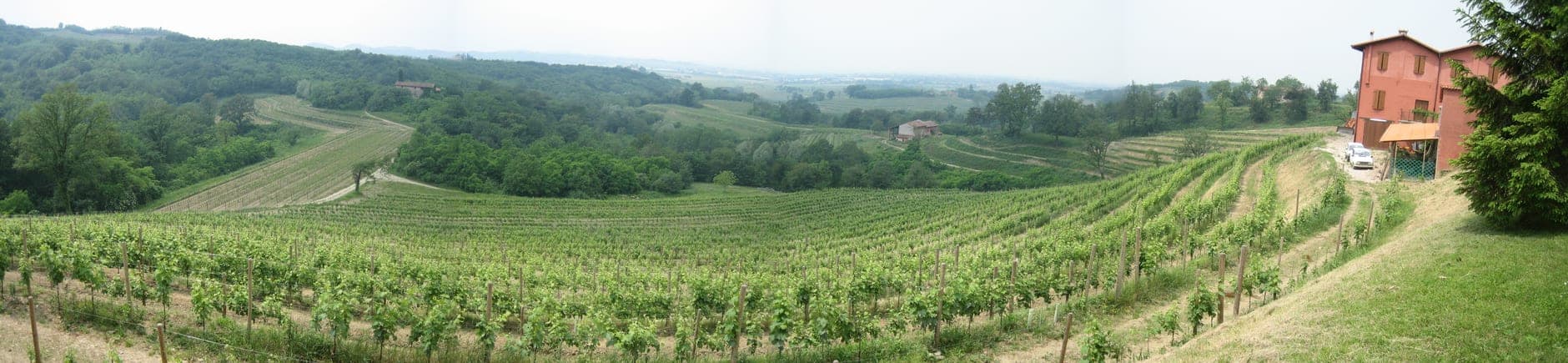
Friuli-Venezia Giulia
Nestled in Italy's northeastern corner, Friuli-Venezia Giulia offers a unique blend of Italian, Austrian, and Slavic cul
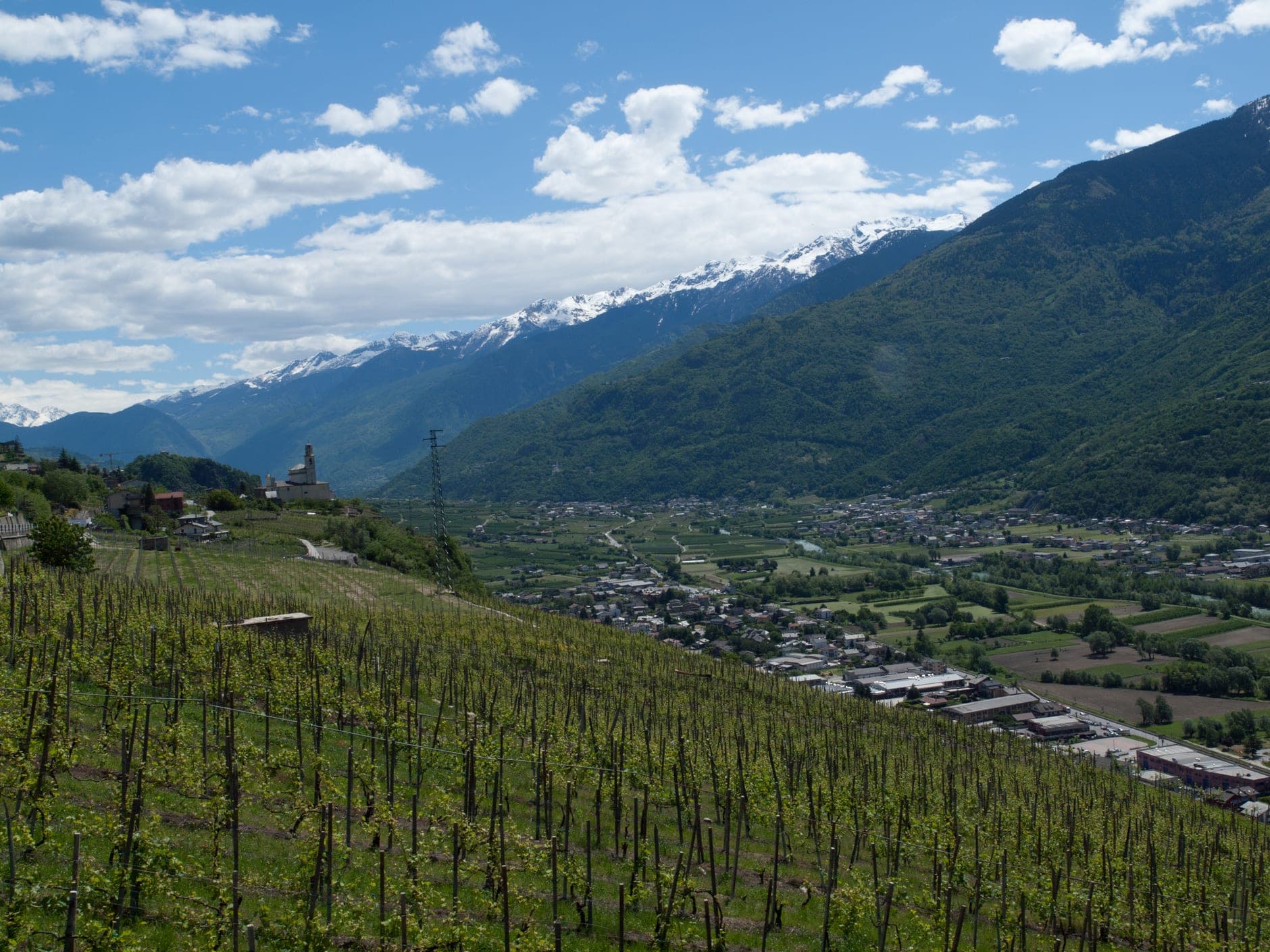
Lombardy
Lombardy, known for its stunning landscapes and rich cultural heritage, offers a diverse wine experience. From the spark
Marche
Nestled along Italy's eastern coast, Marche offers a perfect blend of stunning landscapes, rich history, and exceptional
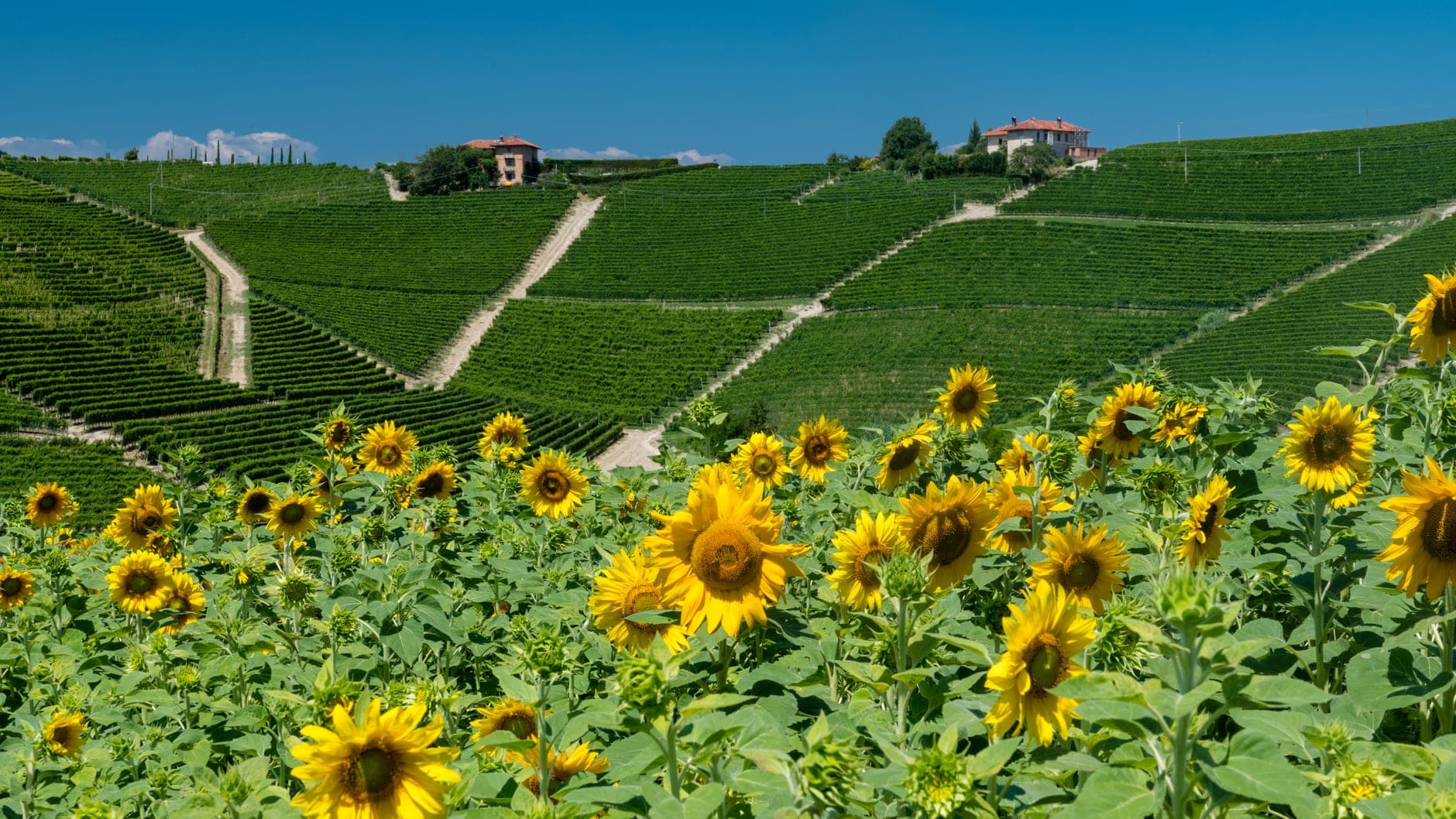
Piedmont
Visit Piedmont wine country — Barolo and Barbaresco vineyards, Langhe hills, Alba truffle season, Asti sparkling, and Ga
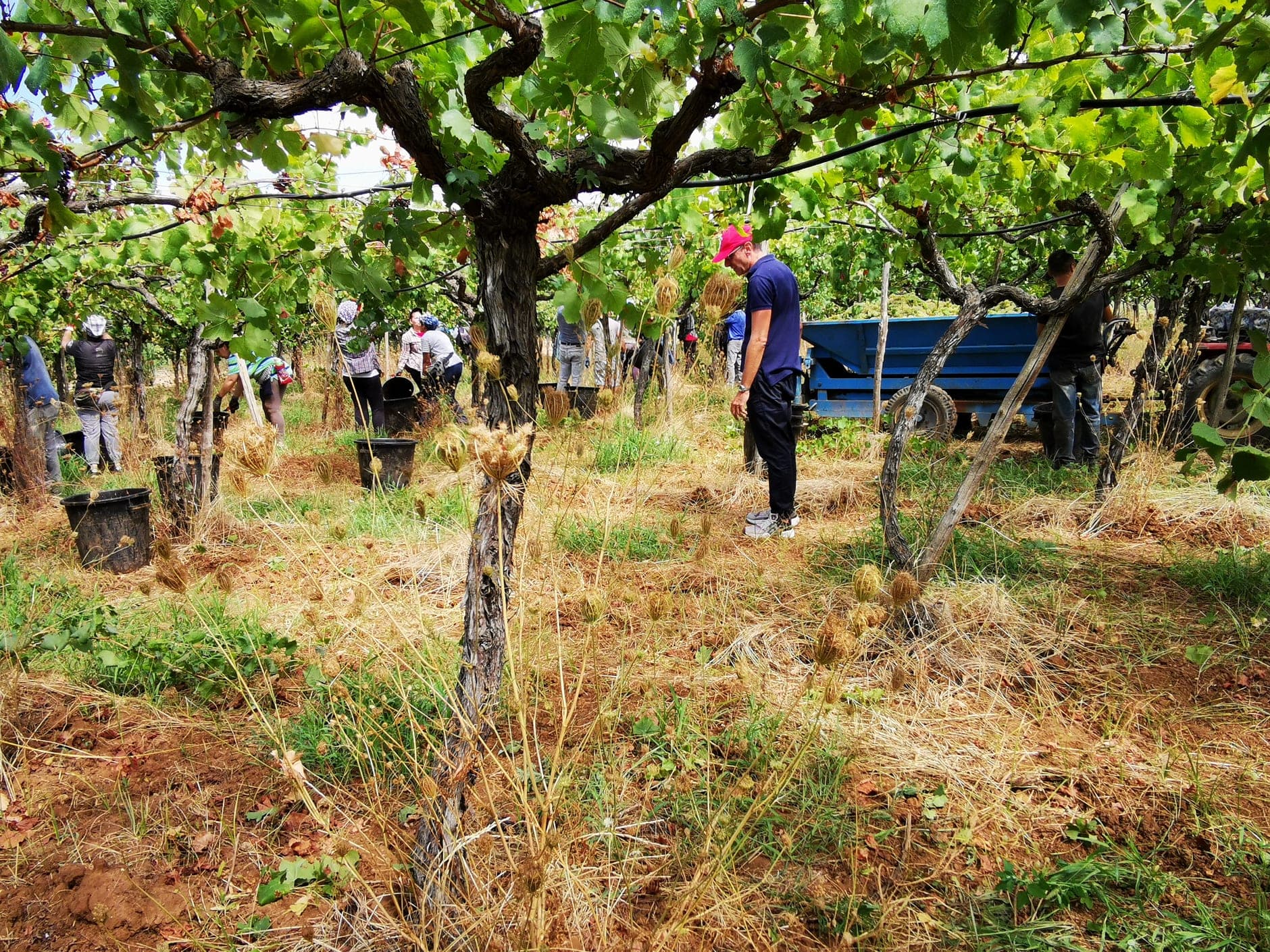
Puglia
Puglia, the sun-drenched heel of Italy's boot, offers a captivating blend of rich history, stunning landscapes, and exce
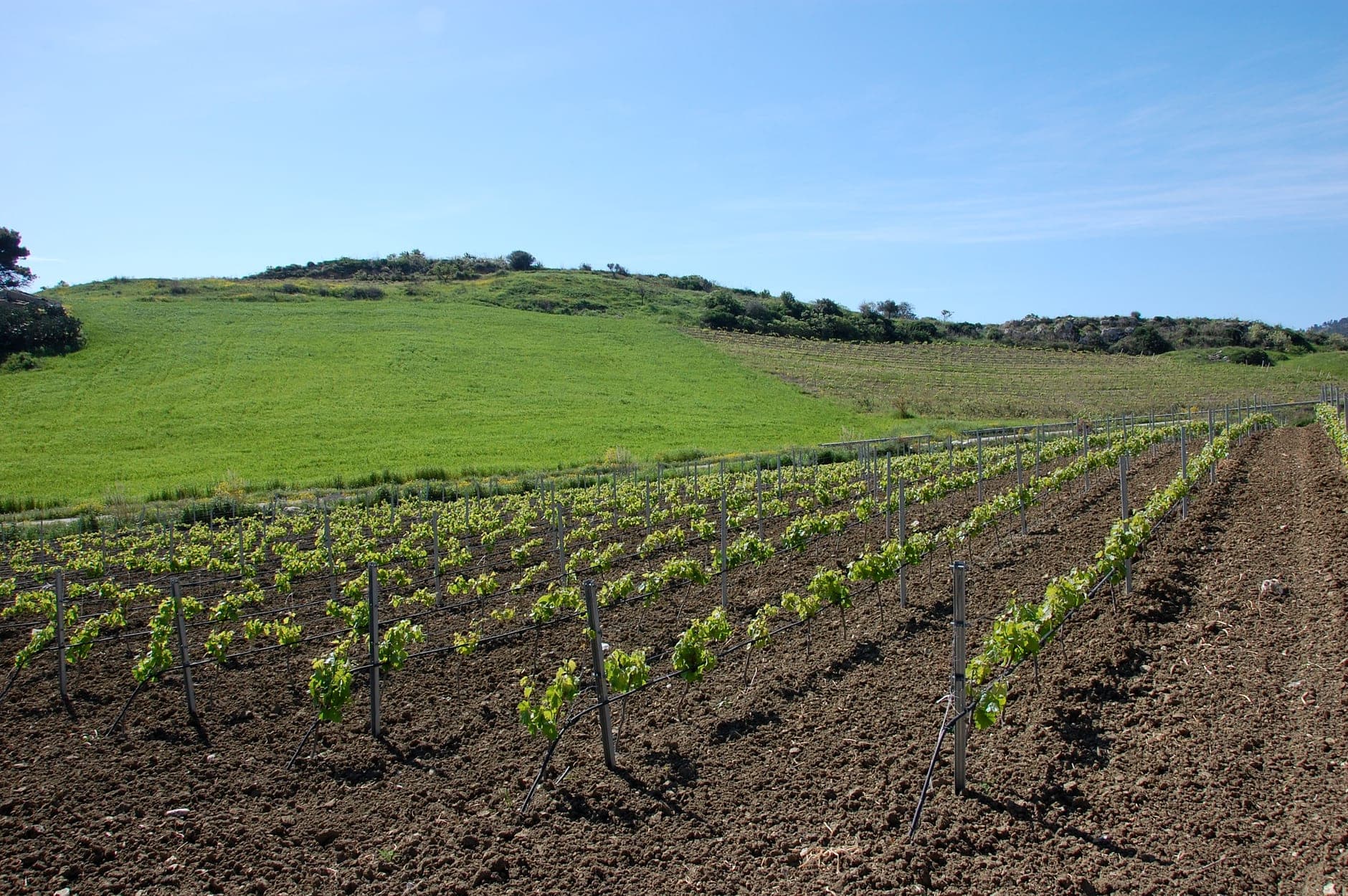
Sardinia
Sardinia, the second-largest island in the Mediterranean, offers a unique wine experience with its ancient vineyards and
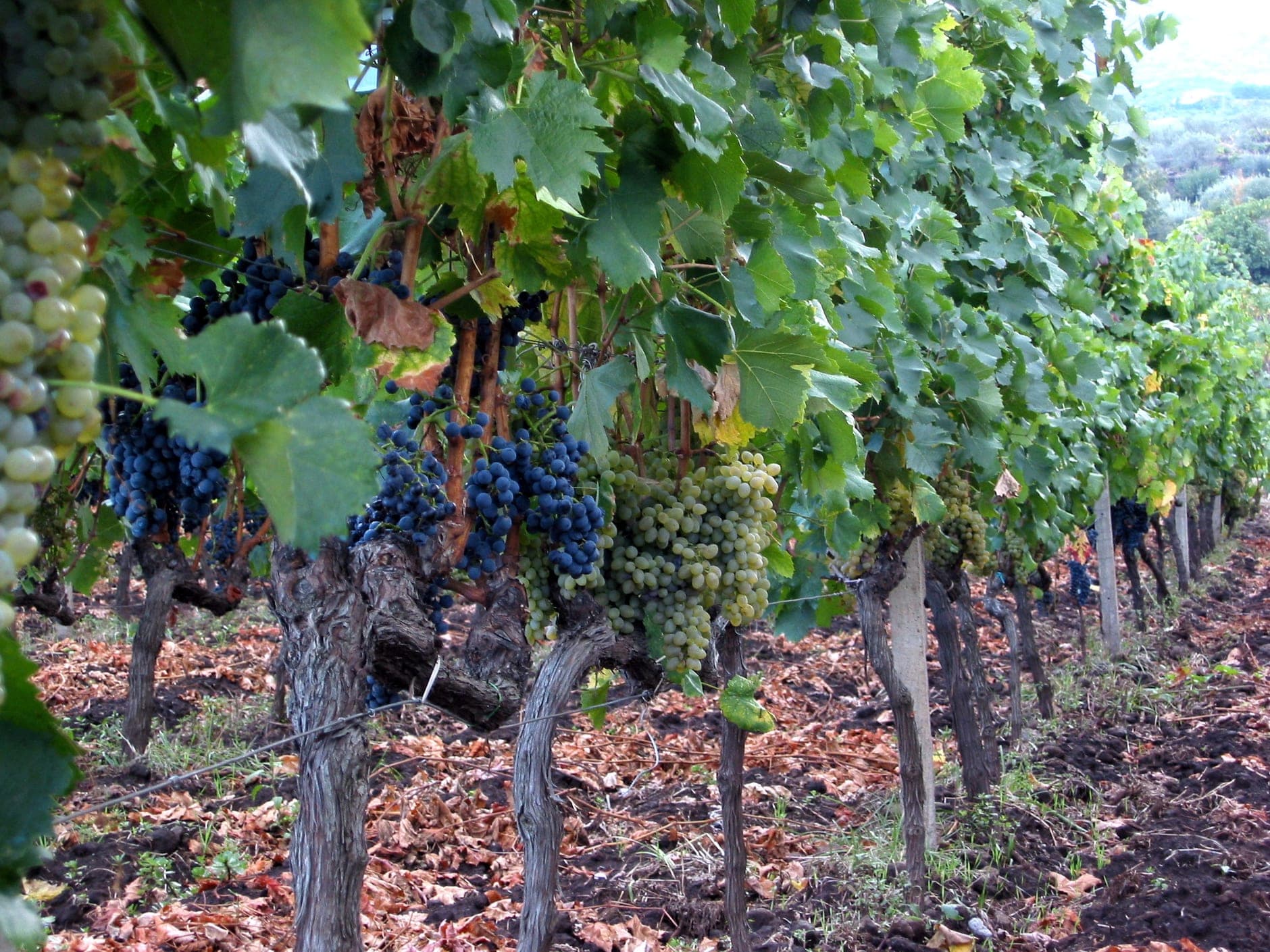
Sicily
Sicily, the largest Mediterranean island, boasts a rich wine heritage dating back thousands of years. Its diverse terroi
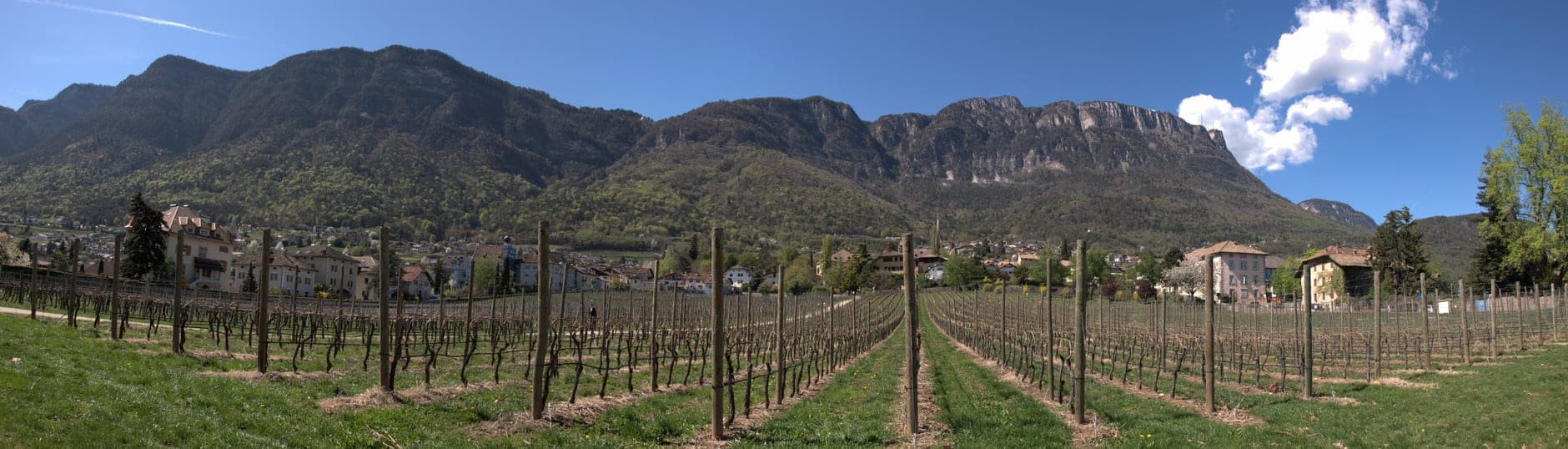
Trentino-Alto Adige
Trentino-Alto Adige, nestled in northeastern Italy, offers a unique blend of Italian and Austrian cultures reflected in
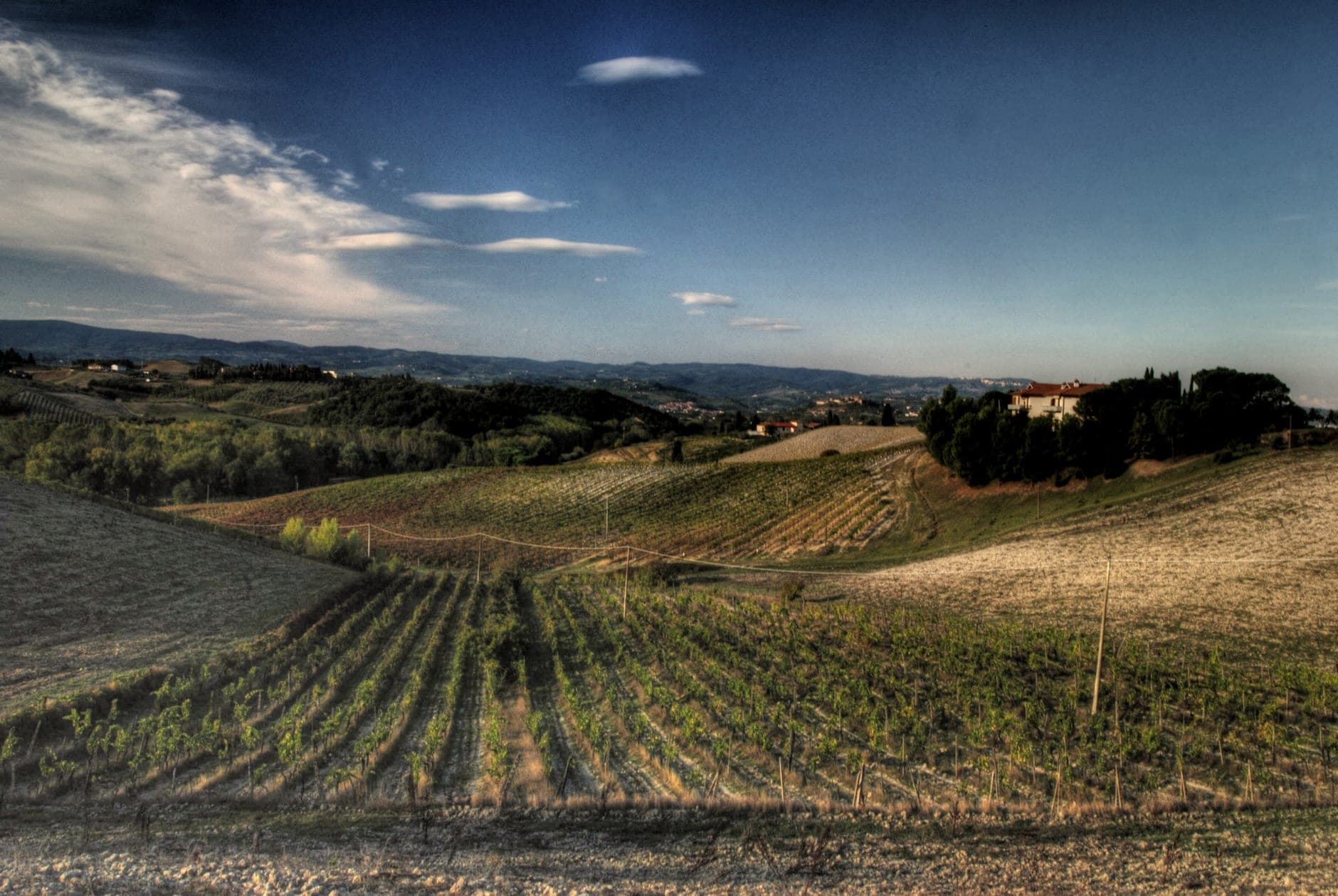
Tuscany
Plan your Tuscany wine trip - estate tastings from EUR25, best Apr-Jun and Sep-Oct. Sassicaia and Ornellaia require 4-8
Umbria
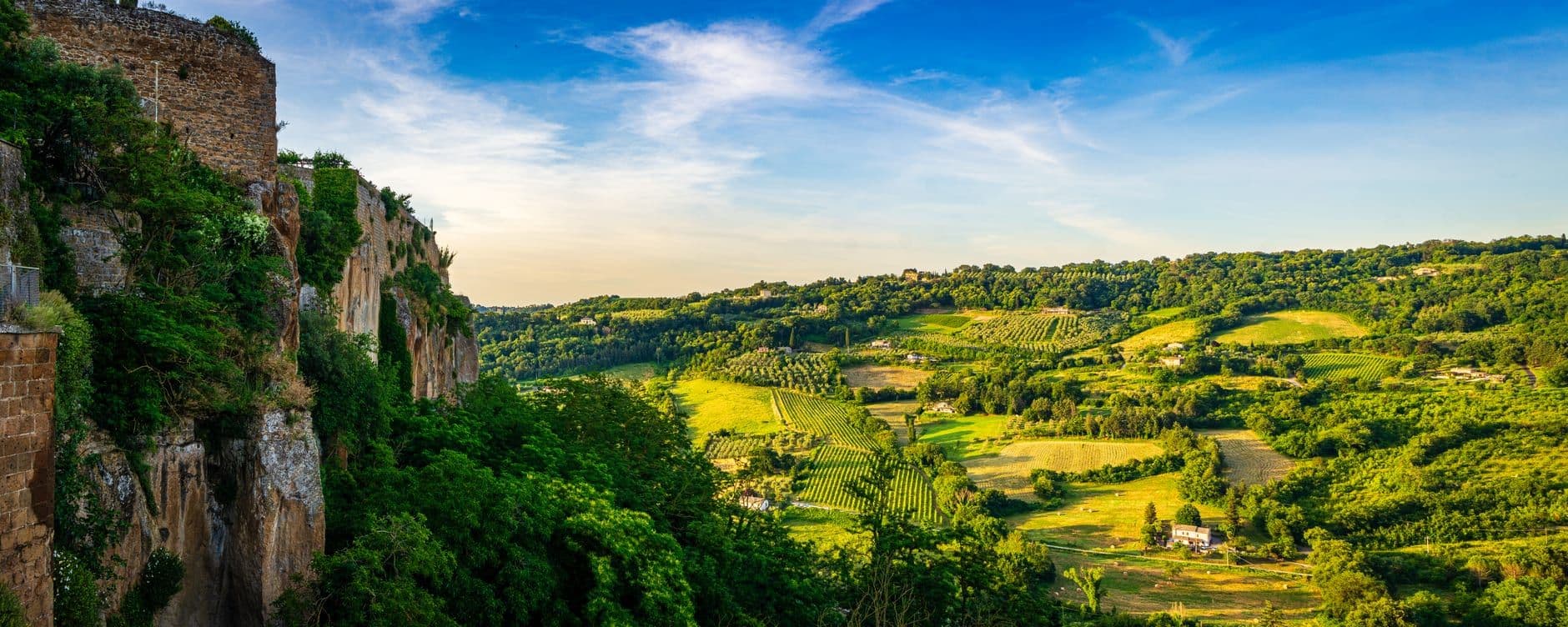
Umbria, nestled in central Italy, offers a captivating blend of rolling hills, medieval towns, and exceptional wines. Th
Veneto
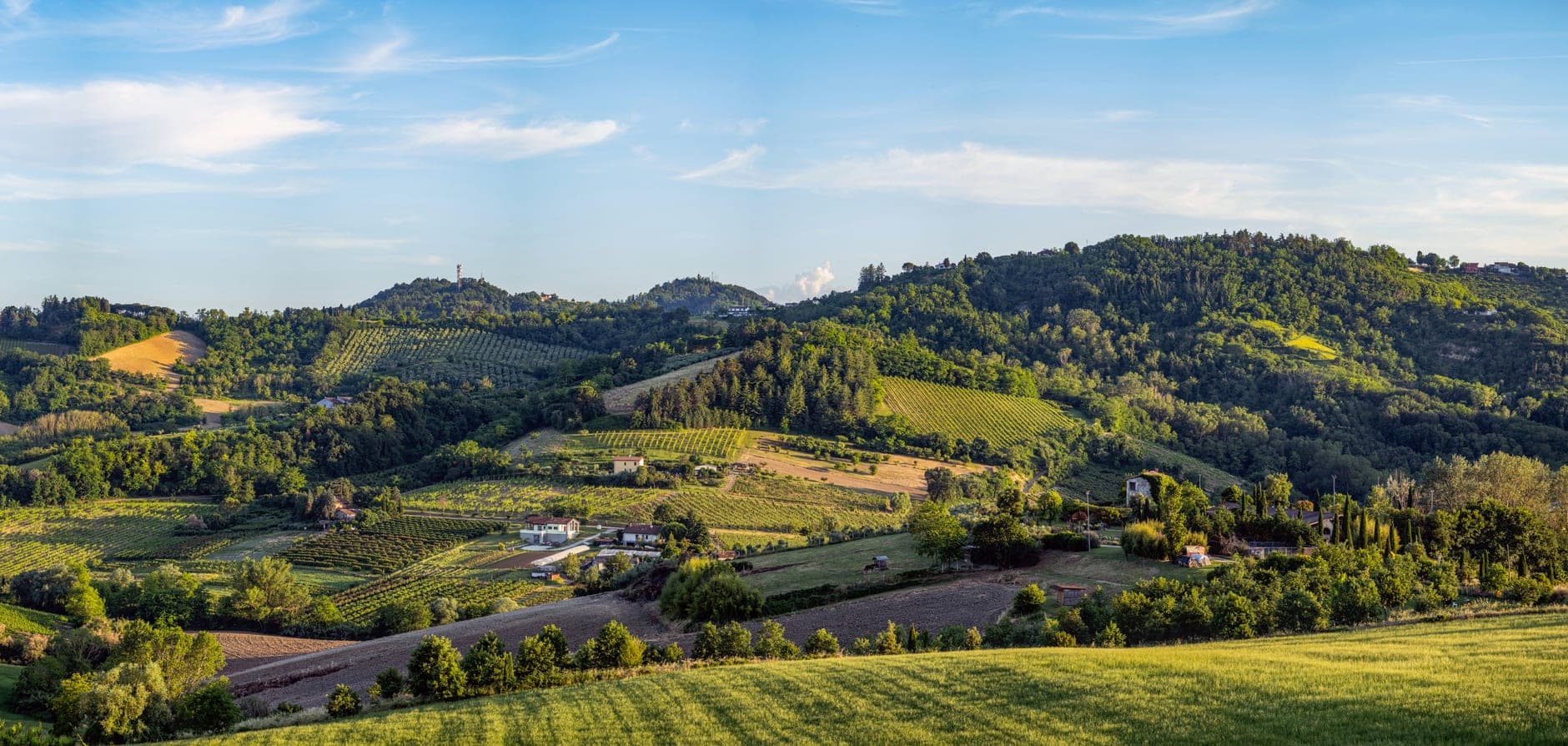
Veneto, a northeastern Italian region, offers an enchanting blend of rich history, stunning landscapes, and world-class
Best Time to Visit Italy
June-August
September-October
Very high in summer, pleasant in spring and fall
Average Monthly High (°C)
Moderate (750mm/year average)Wines of Italy
Key grape varieties and wine styles produced in the region
Primary Grape Varieties
Wine Styles
Food & Dining in Italy
We’re still researching restaurants and must-try dishes for Italy. In the meantime, browse wine-country dining across Italy.
Where to stay in the vineyard
Sleep among the vines — our pick of vineyard hotels and estate stays in Tuscany.
View Tuscany vineyard hotelsUpcoming Wine Festivals in Italy
See all festivalsHidden Gems Nearby
Discover more hidden gemsGiuseppe Mascarello e Figlio
WTG PickPiedmont, Italy
One of Barolo's last true traditionalists, producing monopole wines in a garage-sized cellar with zero marketing.
Nebbiolo · Barbera · Dolcetto
Benanti
Sicily, Italy
The original Etna pioneer, predating the volcanic wine hype by decades, with vineyard elevations reaching 1,000 metres.
Nerello Mascalese · Carricante
La Stoppa
Emilia-Romagna, Italy
A natural wine icon in a forgotten corner of Emilia, producing orange wines and skin-contact whites that are pilgrimages for the in-the-know.
Barbera · Bonarda · Malvasia
Continue Exploring
Did You Know?
We’re still gathering facts about Italy. Tell us what makes it special
Ready to visit Italy?
Build your personalised day-by-day itinerary — choose your travel style and trip length, get accommodation and tour picks per day, and email it to yourself to take along.
Plan Your Visit to Italy
This page contains affiliate links. We may earn a commission at no extra cost to you.