 Photo: Christoph Strässler / Wikimedia Commons
Piedmont Wine Region Guide
Visit Piedmont wine country — Barolo and Barbaresco vineyards, Langhe hills, Alba truffle season, Asti sparkling, and Gavi whites. Cantina visits, costs, and routes.
Key takeaways
- Trip length: 3 days for Langhe core (Barolo + Barbaresco + Alba); 5 days ideal to add Roero and Alto Piemonte without rushing producer appointments.
- Best months are May–June or September; truffle season is mid-October to mid-November (most expensive, most magical — book accommodation by August).
- Base in Alba for logistics (Saturday market, central to both zones, restaurant density); Barolo village for atmosphere; La Morra for views — never further than 25 minutes between estates.
- Book prestige producers (Giacomo Conterno, Bruno Giacosa, Gaja) 4–8 weeks ahead; smaller family estates 1–3 weeks. Walk-ins are rare — Enoteca Regionale del Barolo in the castle is the no-appointment safety net.
Where to Stay in Piedmont
Make the most of your Piedmont wine trip by staying in the heart of wine country. From luxurious vineyard estates to cozy B&Bs, find the perfect accommodation near world-class wineries.
Top areas to stay
- Alba€€-€€€
Truffle capital, central to Barolo and Barbaresco zones
- Barolo village€€€
Walk to legendary producers, stunning hilltop views
- La Morra€€
Panoramic Langhe viewpoint, slightly more affordable
Truffle season (Oct-Nov) and Barolo release (Jan-Feb) are peak — book months ahead
Stay22
Compare Booking, Airbnb, Hotels.com and more in one search
Editorial pick
Best chateaux to visit in Piedmont — top 10 picks 2026
Read the listicle →
Sample itinerary
3 days in Piedmont — full day-by-day plan
Read the itinerary →
Piedmont: A Wine Lover's Paradise
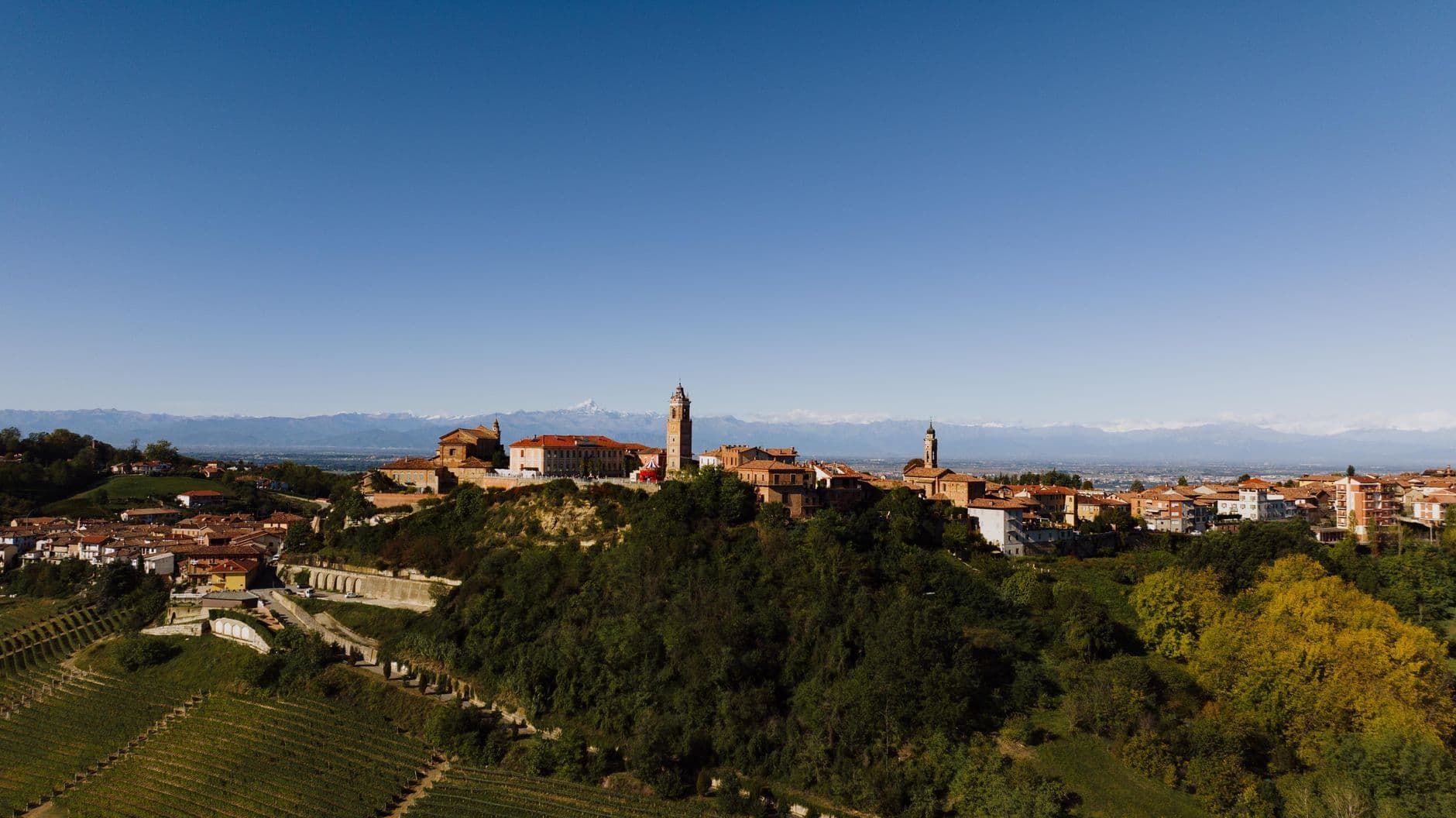
Nestled in northwestern Italy, Piedmont is a wine region par excellence. Its rolling hills, medieval castles, and world-renowned vineyards make it a must-visit destination for oenophiles and food enthusiasts alike.
The region's rich culinary tradition and prestigious wines, including Barolo and Barbaresco, offer an unforgettable gastronomic journey. Piedmont's diverse landscapes and charming towns provide a perfect backdrop for wine tasting adventures.
Wine Regions
Roero: Barolo's Overlooked Neighbour
Cross the Tanaro river from the Langhe -- a five-minute drive from Alba -- and you are in Roero: same Nebbiolo grape, same latitude, 30-40% lower prices, and a fraction of the visitors. Roero's sandy soils produce Nebbiolo wines with more elegance and finesse than the structured power of Barolo; they are ready earlier and pair equally well with the local cuisine.
The native white grape Arneis -- crisp, almond-floral, dry -- is made nowhere else with the same character. It is the natural partner for vitello tonnato, bagna cauda, and fresh pasta. Ceretto's Blange Arneis (~EUR 18) is the benchmark; Bruno Giacosa's version is exceptional but harder to find.
For red, Matteo Correggia sets the standard (Roero Riserva Roche d'Ampsej, ~EUR 45 -- a steal against equivalent Barolo), followed by Angelo Negro (Sudisfa Roero Riserva, ~EUR 38) and Cascina Val del Prete (small family estate, EUR 22-35). A half-day in Roero pays for itself in discovery -- fewer queues, more personal conversations with winemakers, and prices that do not require a cost calculator.
Alto Piemonte: Mountain Nebbiolo
North of the Langhe, where Piedmont meets the foothills of the Alps near Lake Maggiore, Alto Piemonte grows the same Nebbiolo grape in a radically different setting. Gattinara and Ghemme (both DOCG) sit on iron-rich volcanic and morainic soils at 250-450 metres — higher and cooler than Barolo. The wines are leaner, more aromatic, and notably more affordable: top Gattinara from Antoniolo or Travaglini retails for EUR 25-40 against EUR 80+ for equivalent Barolo. Smaller appellations — Boca, Bramaterra, Lessona, Carema — produce some of Italy's most distinctive Nebbiolo. For visitors prioritising mountain elegance over Langhe power, Alto Piemonte is a half-day drive from Milan and rewards the detour.
Towns and Villages
Piedmont boasts numerous picturesque towns and villages, each with its own unique character and wine heritage. Here are some must-visit locations:
- Alba: Known as the white truffle capital, it's also home to excellent Barbaresco and Barolo wines.
- Barolo: The namesake village of the "king of wines" offers stunning vineyard views and top-notch wineries.
- La Morra: This hilltop town provides panoramic vistas of the Langhe region and its vineyards.
- Asti: Famous for its sparkling Asti Spumante and the Palio horse race.
Wine Producers
Piedmont is home to numerous renowned wine producers. Here are some notable ones to visit:
- Gaja: A pioneer in modernizing Barbaresco, offering exclusive tastings by appointment.
Booking Winery Visits: What You Need to Know
Nearly all Barolo and Barbaresco estates require advance appointments -- this is non-negotiable in Piedmont. Unlike California's open tasting rooms or Alsace's cellar doors, Langhe producers are working estates first and visitor destinations second. Walk-ins are rarely turned away with hostility, but you may be told the cellar master is busy and offered nothing more than a shop sale.
Lead times: 1-3 weeks for smaller family estates; 4-8 weeks for prestige producers (Giacomo Conterno, Gaja, Bruno Giacosa). Email is the correct channel -- phone calls are rarely answered. Write in English and briefly mention your wine background. Most estate owners appreciate a visitor who knows their wines.
Walk-in alternatives: Cantina Comunale di La Morra (excellent introduction to the commune, no appointment needed), Fontanafredda (large estate, walk-in tasting room open daily), Enoteca Regionale Piemontese Cavour at Grinzane Cavour castle (no appointment, 30+ producers represented, a good starting point for first-time visitors). Viator-booked guided tours include winery access already arranged, at EUR 80-160 per person -- a practical option if you prefer logistics handled.
- Ceretto: Known for their innovative approach and stunning "Cube" tasting room with panoramic views.
- Marchesi di Barolo: Historic winery offering tours and tastings of their legendary Barolo wines.
- Fontanafredda: Large estate with beautiful grounds, offering various tour and tasting options.
Accommodations
From luxury resorts to charming agriturismos, Piedmont offers diverse lodging options for wine lovers:
- Relais San Maurizio: A 5-star resort in Santo Stefano Belbo with a Michelin-starred restaurant and spa.
- Palas Cerequio: Boutique hotel in La Morra surrounded by Barolo vineyards, offering wine-themed rooms.
- Agriturismo Cascina Baràc: Family-run farm stay near Alba, perfect for an authentic Piedmontese experience.
- Hotel Castello di Sinio: Restored 12th-century castle in the Barolo wine region, combining luxury with history.
Dining

Piedmont's cuisine is as renowned as its wines. Don't miss these culinary experiences:
- Piazza Duomo: Three-Michelin-starred restaurant in Alba, showcasing innovative Piedmontese cuisine.
- La Ciau del Tornavento: Panoramic views and an extensive wine cellar complement the exquisite local dishes.
- Osteria Veglio: Traditional Piedmontese fare in a cozy setting with vineyard views in La Morra.
- Guido Ristorante: Located in Fontanafredda estate, offering refined local cuisine and an impressive wine list.
Wine Shops & Bars
Explore Piedmont's wine culture at these notable establishments:
- Enoteca Regionale del Barolo: Located in Barolo's castle, offering tastings of local wines
- La Vite Turchese: Wine bar in Barolo with an extensive selection of regional wines
- Banco di Vini: Wine shop and bar in Alba, perfect for discovering lesser-known local producers
- L'Enoteca Parlapa: Cozy wine bar in Turin, featuring a rotating selection of Piedmontese wines
Other Shops
Don't miss these specialty stores for local products:
- Tartufi Morra: Renowned truffle shop in Alba, offering fresh and preserved truffles
- Grom: Artisanal gelato chain originating in Turin, using high-quality local ingredients
- Eataly: Flagship store in Turin, showcasing Piedmontese and Italian culinary products
- Guido Gobino: Chocolate shop in Turin, famous for its gianduiotti and other confections
Attractions
Beyond wine, Piedmont offers diverse attractions:
- Royal Palace of Turin: UNESCO World Heritage site, former residence of the House of Savoy
- Sacra di San Michele: Ancient mountaintop abbey with stunning views of the Susa Valley
- National Automobile Museum: In Turin, showcasing Italy's rich automotive history
- Langhe Countryside: Scenic drives through rolling hills and vineyards
Truffle Season: October-November in Alba
The white Alba truffle -- Tuber magnatum pico -- is the most expensive food by weight on earth. A 400g specimen sold at the Alba auction in 2023 for EUR 150,000. The season runs from late September to mid-December, with peak quality in October and early November when nocturnal temperature drops trigger the tuber's final growth phase.
The Fiera Internazionale del Tartufo Bianco d'Alba -- the Alba International White Truffle Fair -- runs every weekend from early October through late November in Alba's town centre. Entry to the outdoor market is free. Inside, you will find the largest concentration of white truffles for sale anywhere in the world, alongside Barolo and Barbaresco from 50+ producers. The truffle auction is theatrical: specimens sell from EUR 2,000 to EUR 5,000 per 100g for top-grade funghi, drawing buyers from New York, Tokyo, and Dubai. The trifolau (truffle hunters) start work at 3am with their trained Lagotto Romagnolo dogs before the fair opens.
Where to eat truffle in the region: Ristorante La Piola in Alba (casual but excellent, EUR 50-80 per person, fresh truffle shaved tableside) is the accessible entry point. Ristorante Il Ciccio da Beppe in Barolo village (intimate, ask for the truffle menu, EUR 90-120) offers a more immersive Langhe experience. For a genuine pilgrimage, Ristorante Centro in Priocca -- remote, reservation essential, Michelin-recognised -- pairs white truffle with aged Barolo in ways that justify the drive.
Practical planning: book accommodation for truffle weekends by June. The good rooms in Alba, Barolo village, and La Morra fill by August. Prices roughly double during fair weekends. If you want to buy truffle to take home, the fair's outdoor market is your best source -- EUR 800-1,500 per 100g for fresh white, significantly cheaper than specialist retailers in London or New York. Truffle-infused oils and preserved products at the market stalls offer a more budget-friendly alternative.
Events
Plan your visit around these wine-centric events:
- Alba White Truffle Fair: October-November, celebrating the prized local delicacy

- Vinum: Wine festival in Alba during April-May, featuring tastings and local cuisine
- Douja d'Or: September wine competition and fair in Asti
- Collisioni Festival: July music and literature festival in Barolo, with wine tastings
Appellations
Piedmont boasts numerous wine appellations, including:
- Barolo DOCG: "King of Wines," made from Nebbiolo grapes
- Barbaresco DOCG: Elegant red wine, also made from Nebbiolo
- Asti DOCG: Home to the famous sparkling Moscato d'Asti
- Gavi DOCG: White wine made from Cortese grapes
The Five Core Barolo Villages
Understanding Barolo means understanding its soil. The DOCG zone spans 11 communes, but five define the style spectrum. The key divide: Tortonian soils (older marine sediments, more clay and sand) produce wines with earlier-drinking charm; Helvetian soils (compact Miocene-era marls and sandstone) give wines that need a decade or more to unfurl. Knowing which commune a wine comes from tells you when to open the bottle.
La Morra
La Morra sits on Tortonian clay-sandy soils -- the most fragrant and approachable Barolo commune. Wines show ripe cherry, violet, and rose petal aromatics with softer tannins and rounder structure. Ready 5-8 years after harvest, though top crus age beautifully for 20+ years. La Morra produces roughly 40% of all Barolo. Standout producers: Vietti (tasting room open Thu-Mon, EUR 30 for 3 wines), Elio Altare (appointment essential, a pioneer of the modernist movement, EUR 35), Rocche Costamagna (walk-in welcome, excellent value, EUR 25). The La Morra belvedere viewpoint -- five minutes from the village centre -- offers the most photographed view in Langhe.
Barolo Village
The village that gave its name to the wine sits on a mix of Tortonian and Helvetian soils, making it a natural benchmark for the appellation. Wines are fruit-forward and balanced -- neither the floralness of La Morra nor the austerity of Serralunga. The Enoteca Regionale del Barolo occupies the village castle: walk-in, no appointment needed, 30+ producers represented. A 3-wine flight costs EUR 18. An essential first stop before committing to producer appointments. Marchesi di Barolo (large estate, walk-in welcome, EUR 20) provides solid accessible Barolo alongside the castle tasting room.
Castiglione Falletto
The smallest commune by area but arguably the most consistently elegant. Helvetian compact soils deliver wines with vivid minerality, defined structure, and a middle path between La Morra softness and Serralunga austerity -- often described as Barolo's version of Gevrey-Chambertin. Top producers: Brovia (classic traditional house, appointment required), Paolo Scavino's Bric del Fiasc (a single-vineyard benchmark, appointment). Castiglione Falletto commands some of the highest per-bottle prices in the appellation for a reason.
Serralunga d'Alba
The most austere and longest-lived Barolo comes from Serralunga's old Helvetian soils -- compact Lequio formation marls with minimal organic matter. Wines here are tannic and tightly wound at release, requiring 10-20 years before opening. But at their peak, they are among the most profound wines Italy produces. Fontanafredda (large estate, walk-in welcome) is the approachable entry point. Massolino (appointment required, EUR 40, benchmark producer) shows the cru system at its finest. Giacomo Conterno's Cascina Francia and Arione crus from Serralunga are among the most sought-after Barolo bottlings on earth.
Monforte d'Alba
Monforte bridges Tortonian and Helvetian soil types across its hillsides, producing some of Barolo's most complex and concentrated wines. Dolcetto-dominated higher slopes transition to Nebbiolo country at the mid-altitude sweet spots. Producers: Conterno Fantino (modern-traditional house, appointment, EUR 30), Giacomo Conterno (Cascina Francia -- considered Barolo's greatest traditional producer; very limited visits), Domenico Clerico (appointment, innovative, EUR 35). The village itself -- often overlooked by tourists -- has excellent restaurants and a Sunday market worth visiting before your first tasting of the day.
Verduno
The sixth and smallest of the Barolo communes, Verduno sits at the northern edge of the appellation on lighter soils that produce some of Barolo's most elegant, aromatic expressions -- higher acidity, florality, and a delicacy that stands apart from the more muscular wines of Serralunga or Castiglione. Sommeliers have increasingly cited the Monvigliero vineyard as one of Barolo's top crus: a southeast-facing slope of calcareous-clay soils that consistently produces Nebbiolo of exceptional perfume. Fratelli Alessandria and G.B. Burlotto are the benchmark estates. Verduno is also the only commune still producing Pelaverga, a rare pale-ruby local variety served chilled in the village's restaurants -- worth ordering alongside a Nebbiolo tasting to understand the full local palette.
UNESCO World Heritage: The Wine Landscapes of Piedmont
In 2014, UNESCO inscribed the �Wine Landscapes of Piedmont: Langhe-Roero and Monferrato� as a World Heritage Site � one of the few living cultural landscapes to receive the designation. The site covers 10,789 hectares across six distinct sub-zones, encompassing the Barolo and Barbaresco growing areas, the Asti and Canelli zones, Nizza Monferrato and Barbera d�Asti, Monferrato Casalese, and the Alto Monferrato hills. What sets this listing apart is that it recognises not ruins or monuments, but an actively farmed, inhabited landscape shaped by centuries of vine-growing tradition.
UNESCO�s criteria cited the �exceptional interaction between people and their environment� � the vine-covered hillsides, the medieval villages perched on ridgelines, the wine cellars carved into the tufa, the seasonal rhythms of harvest that have structured community life here for over two millennia. This is not a preserved relic. The same families who built these villages still prune the same hillside rows each February. Walking through Barolo village or the Barbaresco tower during harvest means walking through a living heritage site.
For visitors, this changes the frame for the whole trip. A day out of Turin � 75 minutes by car � puts you inside a UNESCO-listed landscape of genuine depth. The villages that anchor it � La Morra, Barolo, Barbaresco, Castiglione Falletto � were covered earlier in this guide for their wines. Standing on the La Morra belvedere at golden hour, looking across row after row of Nebbiolo vines falling away into the Tanaro valley, you are not simply visiting a wine region. You are in one of the most significant cultural landscapes on earth, still doing what it has always done.
Barolo vs Barbaresco: What Is the Difference?
Both wines are made from 100% Nebbiolo. Both hold DOCG status. The grape is identical -- the difference lies in terroir, scale, and time.
Barolo covers 11 communes and around 11,000 acres in the Langhe hills. Production exceeds 14 million bottles annually. By law, Barolo requires a minimum of 38 months of aging before release (18 of those months in oak), and Riserva bottlings must age 62 months. The result is a wine that often needs 8-12 years to soften and integrate. Called the "King of Italian Wines." Average retail EUR 45-250 per bottle.
Barbaresco is smaller -- 4 communes (Barbaresco, Treiso, Neive, and San Rocco Seno d'Elvio), roughly 1,700 acres, around 4.5 million bottles per year. Minimum aging is 26 months (9 months in oak), Riserva 50 months. The wines are generally more elegant and accessible 5-8 years after harvest. Called the "Queen of Italian Wines." Average retail EUR 35-180.
In practice: same grape, different timing. A well-chosen Barbaresco from a great producer gives you the Nebbiolo experience 3-4 years earlier than an equivalent Barolo, often at 20-30% lower cost. For visitors with limited time or budget, Barbaresco is frequently the smarter choice.
Where to visit in Barbaresco: Produttori del Barbaresco (cooperative, walk-in welcome, exceptional value at EUR 18-60) is the benchmark starting point. Gaja (appointment required, trade-focused but the prestige visit) and Ca' del Baio (family estate, appointment, EUR 20-30) round out the experience. Barbaresco village is a 25-minute drive from Alba -- both zones can be done in a single ambitious day.
The Barolo Wars: Traditional vs Modern Winemaking
In the 1980s and 1990s, Piedmont split into two philosophically opposed camps -- a debate so fierce it earned the name "the Barolo Wars."
The traditionalists -- led by Bartolo Mascarello, Giacomo Conterno, Giuseppe Rinaldi, and the celebrated small producer Giuseppe Mascarello e Figlio -- used the methods their grandfathers used: long macerations of 30-60 days on the skins, large 50-100 hectolitre Slavonian oak botti for 3-7 years of aging. The wines were tannic, austere, and often undrinkable young -- but capable of evolving for 30-40 years. Bartolo Mascarello famously labelled bottles "No Barrique, No Berlusconi" in protest.
The modernists -- Elio Altare, Angelo Gaja, Domenico Clerico, and the young guard -- adopted Burgundy techniques: shorter macerations of 7-15 days, small French oak barriques (225 litres) for 12-18 months, and sometimes rotary fermenters for deeper colour extraction. The wines were richer, more immediately approachable, and appealed to the international market Robert Parker was shaping in the 1990s.
Today the war is largely over. Most producers work in the middle ground -- shorter macerations than the old school, larger vessels than barriques, wines released with 8-10 years of potential. Both camps produce exceptional wine. For visitors: traditional estates tend to offer longer, more intimate cellar sessions. Modern estates often have better visitor infrastructure. Knowing the difference helps you choose your afternoon appointment.
Nebbiolo Beyond Barolo and Barbaresco
Barolo and Barbaresco together account for roughly 3% of Piedmont's total wine output, yet they define the region's international reputation. The same Nebbiolo grape appears across Piedmont and northern Italy in styles and price points that often surprise first-time visitors.
Nebbiolo d'Alba (DOC) and Langhe Nebbiolo (DOC) come from younger vines or declassified parcels within the Barolo and Barbaresco zones — typically EUR 12-25 a bottle, ready to drink 2-4 years after harvest. They preserve the grape's signature tar-and-roses character without the long aging requirement. Producers including Vietti, Pio Cesare, and Conterno Fantino make excellent versions as an everyday alternative to their flagship wines.
Outside the Langhe, Nebbiolo wears different clothes: Gattinara and Ghemme (Alto Piemonte) emphasise altitude and acidity; Carema, on terraced slopes near the Aosta border, produces wines of extreme finesse in tiny quantities; and across the regional border in Lombardy, Valtellina makes Nebbiolo (locally called Chiavennasca) on south-facing slate terraces — including Sforzato di Valtellina, a dry wine from partially dried grapes that is one of Italy's most singular expressions of the variety.
Grape Varieties
Vine Cycle — Piedmont
Full calendar →Piedmont is Italy's latest harvest region. Nebbiolo clings to the vine deep into October. Visit during the Fiera del Tartufo in Alba for the ultimate pairing of wine harvest and white truffle season.
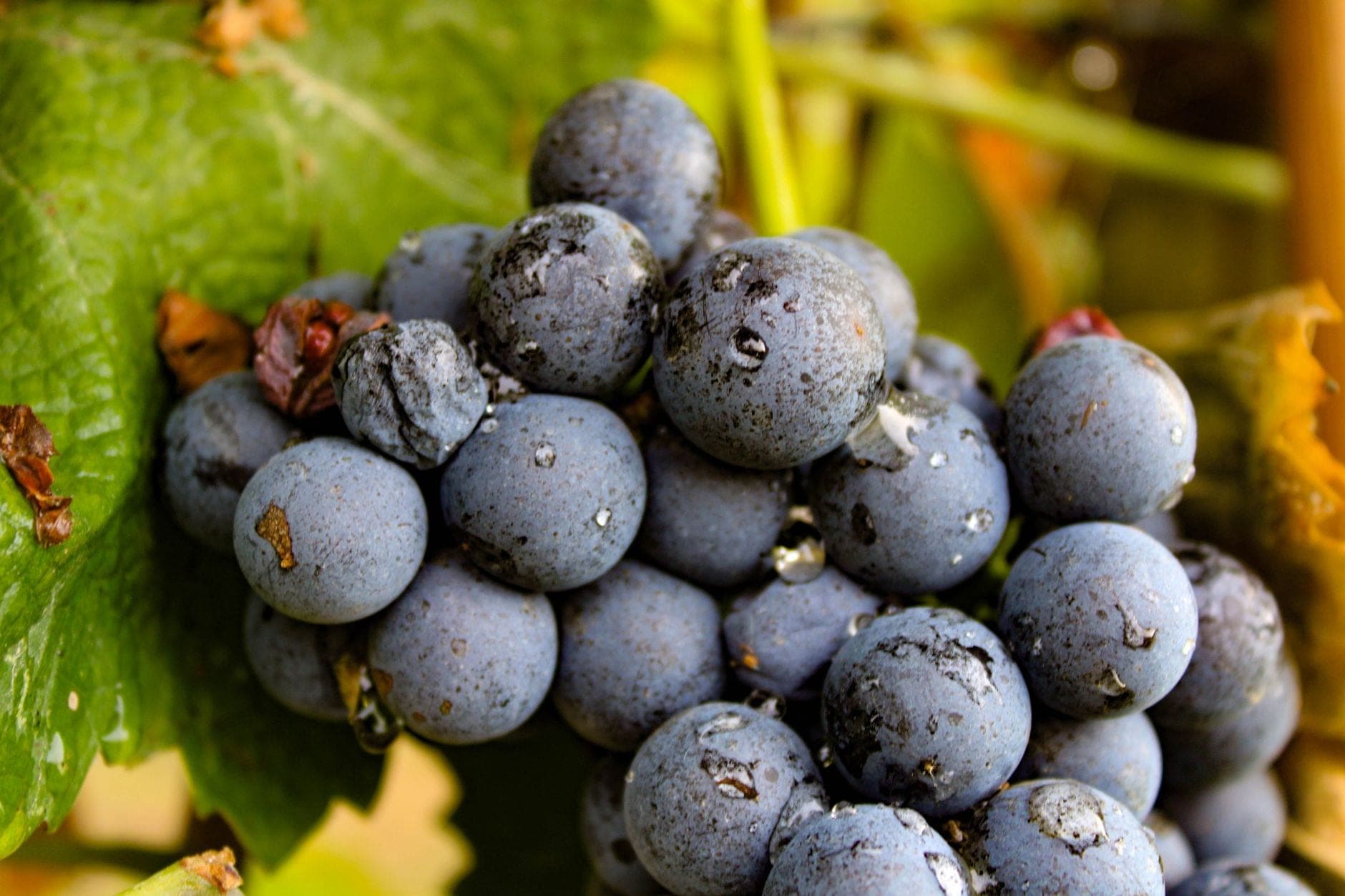
Nebbiolo reigns supreme in Piedmont, producing the region's most prestigious wines. It's the backbone of Barolo and Barbaresco.
Barbera and Dolcetto offer more approachable, fruit-forward options. Barbera is known for its bright acidity, while Dolcetto provides softer tannins.
White grape varieties include Moscato, used in the famous Asti Spumante, and Arneis, a local favorite in Roero.
Main Wine Styles
Barolo and Barbaresco are the crown jewels of Piedmont, both made from Nebbiolo. They're known for their power, complexity, and aging potential.
Barbera d'Asti and Dolcetto d'Alba offer more everyday drinking options, with vibrant fruit flavors and softer tannins.
Asti Spumante and Moscato d'Asti are sweet, aromatic sparkling wines perfect for dessert pairings.
Food Specialties
Tajarin, a thin egg pasta, often served with butter and sage or a rich meat ragù, pairs beautifully with Barolo.
White truffles from Alba are a luxury ingredient, shaved over risotto or pasta. They're best enjoyed with aged Barbaresco.
Vitello tonnato, thinly sliced veal with tuna sauce, is a classic Piedmontese dish that pairs well with Barbera.
Pairing Piedmontese Food with Piedmontese Wine
The wines and the food of Piedmont evolved together over centuries — pairings here are not theoretical exercises but the way locals actually eat and drink. The matches below cover the dishes you will see most often on Langhe menus and the wine styles that grew up alongside them.
Tajarin al tartufo (thin egg pasta with white truffle): aged Barbaresco from Treiso or Neive, or a La Morra Barolo with 8-12 years on it. The wine's mature truffle-and-rose aromatics meet the dish's earthiness without overwhelming it. Young or austere Serralunga Barolo will fight the truffle; choose the softer side of Nebbiolo.
Vitello tonnato (cold veal with tuna-caper sauce): Barbera d'Asti Superiore. Barbera's signature high acidity cuts cleanly through the tuna mayonnaise where lower-acid reds collapse. A young Dolcetto also works for casual lunches.
Agnolotti del plin (pinched ravioli filled with roast meat): Dolcetto d'Alba or a younger Langhe Nebbiolo. The cherry-and-licorice fruit of Dolcetto with its soft tannins frames the meat filling; Nebbiolo adds aromatic lift for fancier preparations.
Bagna cauda (warm anchovy-garlic dip with raw vegetables): Roero Arneis or a young Cortese di Gavi. The dish is brutally savoury; you need crisp, citrusy white wine with enough texture to stand up to the anchovy without competing on richness. Dry sparkling Alta Langa is the local fine-dining answer.
Brasato al Barolo (beef braised in Barolo): the wine you cooked with, or another similarly structured Barolo. The classic pairing of like-with-like — match the braise with a bottle from the same village if possible.
Bonet (chocolate-amaretti pudding): Moscato d'Asti. The dessert's almond-cocoa intensity is balanced by Moscato's low alcohol (5-6%), gentle frizzante, and aromatic sweetness. A glass of Brachetto d'Acqui is the alternative for those who prefer red dessert wine.
Drives & Walks
The Barolo Wine Trail offers stunning views of vineyard-covered hills. Start in La Morra for panoramic vistas, then wind through Barolo and Monforte d'Alba.
For a scenic drive, take the Strada Romantica delle Langhe e del Roero. This route connects charming hilltop towns and offers numerous wine tasting opportunities.
Walk through the Barbaresco vineyards from Treiso to Barbaresco, enjoying breathtaking landscapes and ending with a tasting at the Barbaresco wine shop.
A 3-Day Langhe Itinerary
Langhe rewards a slow approach. Three days lets you cover the core of Barolo, Barbaresco, and Alba without rushing producers. Book winery appointments before you finalise this plan.
Day 1 -- Barolo South: Serralunga and Barolo Village
Morning: Drive to Serralunga d'Alba for an appointment at Massolino (EUR 40, benchmark producer -- book 4+ weeks ahead) or a walk-in at Fontanafredda. Serralunga's wines are the most structured and age-worthy -- understanding them sets a reference point for everything you taste next. Lunch at Ristorante Il Ciccio da Beppe in Barolo village (intimate, booking essential, EUR 50-80). Afternoon: Walk the village, visit Enoteca Regionale del Barolo in the castle (walk-in, 3-wine flight EUR 18 -- an efficient introduction covering 30+ producers). Evening: Osteria dei Sognatori in La Morra for tajarin al tartufo and local Barbera.
Day 2 -- La Morra and Barbaresco
Morning: La Morra belvedere viewpoint at sunrise -- the view across the Langhe is the defining image of Piedmont wine country. Visit Vietti (Thu-Mon, EUR 30) or Elio Altare (appointment essential, EUR 35) for a contrast with yesterday's Serralunga wines. La Morra's Tortonian soils produce floral, earlier-drinking Barolo -- same grape, entirely different personality. Afternoon: 25-minute drive to Barbaresco. Produttori del Barbaresco (cooperative, walk-in, EUR 18-60) is essential: the collective represents 60+ growers whose village-specific wines are among Italy's greatest values. Evening: Ristorante La Pergola in Barbaresco village (~EUR 50, try the agnolotti del plin).
Day 3 -- Alba, Market, and Roero
Morning: Alba's Saturday market -- the best version, filling the medieval centre with local cheese, salumi, and seasonal truffles. Visit Enoteca Regionale di Grinzane Cavour in the castle (walk-in, no appointment, excellent comparative flights). Afternoon: Cross the Tanaro into Roero for a value-hunting session at Matteo Correggia or Angelo Negro -- same landscape, 30% lower prices. Use the trip planner to build a custom itinerary for your travel dates at winetravelguides.com/plan.
Getting to Piedmont Wine Country
Two airports serve Langhe: Turin Caselle (TRN) and Milan Malpensa (MXP). The decision between them is straightforward.
Turin Caselle (TRN): 75 minutes to Alba by car. Smaller airport with fewer international routes but by far the most convenient if flying from within Europe. Direct connections from London Gatwick, Paris CDG, Brussels, and major German cities. Pick up your hire car at TRN arrivals and you are in Barolo territory before lunch. Cuneo airport (CUF) is technically closer but serves only a handful of routes and has limited car hire options -- check before booking.
Milan Malpensa (MXP): 2 hours to Alba via the A26/A7 motorways (EUR 12-15 in tolls). Significantly more international connections from North America, Asia, and the Middle East. If you are flying from outside Europe, MXP is often the only viable option with direct service. The drive through Monferrato is pleasant; time it to avoid rush hour around Milan.
A car is essential for wine country. The Langhe is a patchwork of hilltop villages connected by narrow scenic roads -- there is no practical public transport between estates. Drive distances from Alba: Barolo village (15 min), La Morra (15 min), Castiglione Falletto (18 min), Serralunga d'Alba (22 min), Barbaresco (25 min). In October-November, autumn fog (nebbia -- from which Nebbiolo takes its name) settles in the valleys at night. Allow extra time on morning drives.
Best Time to Visit
Monthly Climate — Piedmont
Full explorer →September to November is ideal for wine enthusiasts. It's harvest season, with festivals and fresh white truffles.
Spring (April-May) offers mild weather and beautiful landscapes, perfect for outdoor activities and wine tasting.
Month-by-Month Visit Planner
April-May: Spring flowering in the vineyards, mild days (15-22 C), cool nights. Vinum festival in Alba (last weekend of April through first of May) draws producers to pour from open cellars in the town centre — an excellent low-cost entry to dozens of estates without individual appointments. Roads and restaurants are quiet. The best window for a first visit.
June-August: Warm to hot (25-32 C, sometimes higher in July). Outdoor tastings, long evenings, agriturismo stays at their best. Italian holiday traffic peaks in August — book accommodation by April. Many smaller producers close for two weeks around Ferragosto (15 August), so confirm visits in advance. Vintage character is taking shape on the vine: drought years (2017, 2022) and balanced years (2019, 2021) play out across the canopy.
September: Barbera and Dolcetto harvest begins mid-month, Nebbiolo follows late September into October. Vineyards are at their most photogenic — heavy fruit, golden afternoon light. Producers are busy but often welcome serious visitors during quieter morning hours. The Douja d'Or wine awards in Asti run early-to-mid September with public tasting weekends.
October-November: Peak season. Nebbiolo harvest wraps in the first half of October; the Alba White Truffle Fair runs weekends from early October through late November. The autumn fog (nebbia) for which the grape is named drifts into the valleys at night. Book accommodation by June for fair weekends; expect double rates. The most photogenic and atmospheric time to visit — also the most expensive.
December-March: Very quiet. Many producers welcome small intimate visits during the dormant season. Mid-January through early February typically brings the first tastings of newly released Barolo and Barbaresco vintages — the Nebbiolo Prima trade preview happens in May for press, but consumer tastings of fresh releases begin in late winter. Cold (often near freezing), short days, but excellent value on rooms and unhurried cellar time.
Sustainability Efforts
Many Piedmont wineries practice organic and biodynamic viticulture. Look for certifications like "Biologico" on wine labels.
The Sustainable Winegrowing Program promotes environmentally friendly practices across the region.
Language Tips
Learn basic Italian wine terms: "Cantina" (winery), "Degustazione" (tasting), "Salute" (cheers).
In smaller villages, English may be limited. A translation app can be helpful for menu items and wine labels.
Further Resources
- Official Langhe Roero Tourism Website
- Wine Traveler's Guide to Piedmont
- Visit Piemonte Official Tourism Portal
These resources offer up-to-date information on wineries, events, and local attractions.
Best for
- First-time visitorsAlba base, Day 1 Serralunga (Massolino) + Barolo village + Enoteca; Day 2 La Morra (Vietti) + Barbaresco (Produttori del Barbaresco); Day 3 Alba market + Roero.
- Barolo collectorsSerralunga d'Alba (Massolino, Vietti's Brunate cru) and Monforte (Conterno Fantino, Clerico) — the most age-worthy bottles in Italy, 10–20 year drinking windows.
- Value huntersCross the Tanaro into Roero — same Nebbiolo, 30–40% lower prices. Matteo Correggia, Angelo Negro, and Arneis (Roero's signature white) deliver Langhe quality at fraction of the cost.
- Truffle huntersAlba Fiera del Tartufo runs every October–November weekend. Stay in Alba or Barolo village (book by August), eat at La Piola or Il Ciccio da Beppe, buy fresh truffle direct from trifolau at the market.
Getting There
TRN — Turin Caselle
70min drive
Train from Turin to Alba (1h30 with change); no direct high-speed
limitedCar rental recommended
Where to Eat
Italian — Piemontese
- €€€€
Piazza Duomo
fine dining
- €€€
Massimo Camia — Locanda nel Borgo Antico
winery restaurant
Where to Stay in Piedmont
- Alba€€-€€€
Truffle capital, central to Barolo and Barbaresco zones
- Barolo village€€€
Walk to legendary producers, stunning hilltop views
- La Morra€€
Panoramic Langhe viewpoint, slightly more affordable
Truffle season (Oct-Nov) and Barolo release (Jan-Feb) are peak — book months ahead
Stay22
Tours & Experiences
Piedmont, Italy
Barolo wine trail tour
Visit 3 Barolo producers from traditional to modernist styles
Alba truffle hunting & Nebbiolo lunch
Hunt for truffles with local trifolau + truffle lunch paired with Nebbiolo
Wine Experiences
Visiting Wineries
Barolo and Barbaresco producers often run appointment-only tastings. Smaller producers in Monferrato may be walk-in friendly off-season. The Langhe region is more formal — always call or email ahead. Harvest season (October–November) is extremely busy.
Book ahead: 2–4 weeks · Top estates: Bruno Giacosa, Gaja: 4–8 weeks. Most smaller Barolo: 2–4 weeks.
Planning tools & local info
Best for
- First-time visitorsAlba base, Day 1 Serralunga (Massolino) + Barolo village + Enoteca; Day 2 La Morra (Vietti) + Barbaresco (Produttori del Barbaresco); Day 3 Alba market + Roero.
- Barolo collectorsSerralunga d'Alba (Massolino, Vietti's Brunate cru) and Monforte (Conterno Fantino, Clerico) — the most age-worthy bottles in Italy, 10–20 year drinking windows.
- Value huntersCross the Tanaro into Roero — same Nebbiolo, 30–40% lower prices. Matteo Correggia, Angelo Negro, and Arneis (Roero's signature white) deliver Langhe quality at fraction of the cost.
- Truffle huntersAlba Fiera del Tartufo runs every October–November weekend. Stay in Alba or Barolo village (book by August), eat at La Piola or Il Ciccio da Beppe, buy fresh truffle direct from trifolau at the market.
Getting There
TRN — Turin Caselle
70min drive
Train from Turin to Alba (1h30 with change); no direct high-speed
limitedCar rental recommended
Where to Eat
Italian — Piemontese
- €€€€
Piazza Duomo
fine dining
- €€€
Massimo Camia — Locanda nel Borgo Antico
winery restaurant
Where to Stay in Piedmont
- Alba€€-€€€
Truffle capital, central to Barolo and Barbaresco zones
- Barolo village€€€
Walk to legendary producers, stunning hilltop views
- La Morra€€
Panoramic Langhe viewpoint, slightly more affordable
Truffle season (Oct-Nov) and Barolo release (Jan-Feb) are peak — book months ahead
Stay22
Tours & Experiences
Piedmont, Italy
Barolo wine trail tour
Visit 3 Barolo producers from traditional to modernist styles
Alba truffle hunting & Nebbiolo lunch
Hunt for truffles with local trifolau + truffle lunch paired with Nebbiolo
Wine Experiences
Visiting Wineries
Barolo and Barbaresco producers often run appointment-only tastings. Smaller producers in Monferrato may be walk-in friendly off-season. The Langhe region is more formal — always call or email ahead. Harvest season (October–November) is extremely busy.
Book ahead: 2–4 weeks · Top estates: Bruno Giacosa, Gaja: 4–8 weeks. Most smaller Barolo: 2–4 weeks.
Explore Wine Regions in Piedmont
Alto Piemonte Wine Travel Guide (Piedmont, Italy)
Discover Alto Piemonte — Nebbiolo-based wines at a fraction of Barolo prices, alpine vineyard views, ancient cellars, an
Langhe Wine Travel Guide (Piedmont, Italy)
Langhe, nestled in Italy's Piedmont region, is a wine lover's dream. Rolling hills covered in vineyards produce world-cl
Monferrato Wine Travel Guide (Piedmont, Italy)
Nestled in the heart of Piedmont, Italy, Monferrato is a picturesque wine region known for its rolling hills, medieval v
Roero Wine Travel Guide (Piedmont, Italy)
Roero: Piedmont's overlooked wine gem across the Tanaro from Barolo. Discover Nebbiolo reds, native Arneis whites, hillt
Best Time to Visit Piedmont
September-November
October-November
High during truffle season (Oct-Nov), moderate otherwise
Average Monthly High (°C)
Moderate (800mm/year)Wines of Piedmont
Key grape varieties and wine styles produced in the region
Primary Grape Varieties
Wine Styles
Food & Dining in Piedmont
Italian — PiemonteseMust-Try Dishes
- Tajarin al tartufo
- Vitello tonnato
- Agnolotti del plin
Where to Eat
- €€€€
Piazza Duomo
Three Michelin stars in Alba, Chef Enrico Crippa's temple of Piedmontese-meets-Japanese cuisine
- €€€
Massimo Camia — Locanda nel Borgo Antico
Michelin-starred dining in La Morra with panoramic Langhe vineyard views
Truffle season (Oct–Dec) is peak — book Piazza Duomo months ahead. Many restaurants close mid-week.
Where to stay in the vineyard
Sleep among the vines — our pick of vineyard hotels and estate stays in Tuscany.
View Tuscany vineyard hotelsUpcoming Wine Festivals in Italy
See all festivalsHidden Gems Nearby
Discover more hidden gemsGiuseppe Mascarello e Figlio
WTG PickPiedmont, Italy
One of Barolo's last true traditionalists, producing monopole wines in a garage-sized cellar with zero marketing.
Nebbiolo · Barbera · Dolcetto
Benanti
Sicily, Italy
The original Etna pioneer, predating the volcanic wine hype by decades, with vineyard elevations reaching 1,000 metres.
Nerello Mascalese · Carricante
La Stoppa
Emilia-Romagna, Italy
A natural wine icon in a forgotten corner of Emilia, producing orange wines and skin-contact whites that are pilgrimages for the in-the-know.
Barbera · Bonarda · Malvasia
Continue Exploring
Did You Know?
We’re still gathering facts about Piedmont. Tell us what makes it special
Ready to visit Piedmont?
Build your personalised day-by-day itinerary — choose your travel style and trip length, get accommodation and tour picks per day, and email it to yourself to take along.
Plan Your Visit to Piedmont
This page contains affiliate links. We may earn a commission at no extra cost to you.