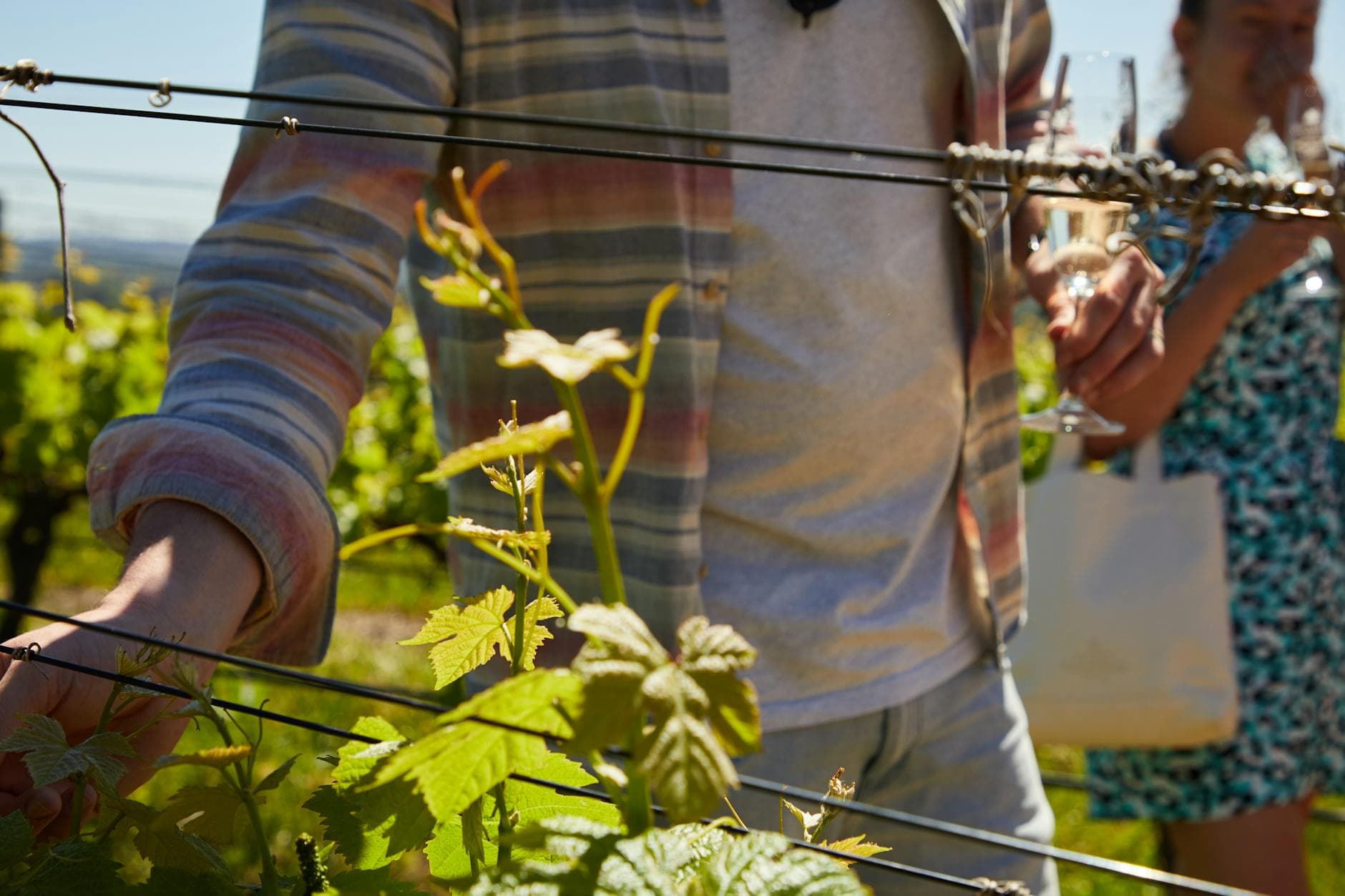
10 Best Budget Wine Tours in Europe: Affordable Tastings Under $50
You don't need €500 tasting menus to drink well in Europe. These are the wine regions where €30/day gets you into the most interesting cellars on earth.
10 Best Budget Wine Tours in Europe: Affordable Tastings Under $50
Europe's wine regions don't have to be expensive. While Champagne houses and Napa Valley estates charge hundreds per person, some of the world's best wines come from regions where a full day of tastings costs $30-50. The trick isn't finding cheap wine—it's finding regions where tradition and cooperative culture keep cellar door prices low, and where visiting during shoulder season or harvest reveals authentic winemaking without the tourist premium.
This guide covers 10 real, specific budget wine tour experiences across Europe where you can taste world-class wines, meet winemakers, and explore working vineyards for under $50 per person. These aren't tourist traps—they're regions where wine tourism is secondary to serious winemaking, which is exactly why they're affordable.
1. Beaujolais, France — Gamay Wine Country (€25-40 / $27-43)

Why it's budget-friendly: Beaujolais sits just south of Burgundy but operates on a different economic model. Rather than prestige pricing, Beaujolais emphasizes volume and accessibility. The region's 10 cru villages produce stunning Gamay for a fraction of Burgundy's cost, and the cooperative cellar door culture keeps tasting fees low.
Typical tasting costs: €25-35 ($27-38) for a full day of tastings including 4-5 stops
Best time to visit:
- Harvest season (late August-September): Most authentic, see harvest in action, Beaujolais Nouveau festivals
- Shoulder season (April-May, October): Perfect weather, fewer crowds, same low prices
- Avoid: June-August (peak prices and crowds)
Specific recommendations:
- Domaine du Vieux Télégraphe (Morgon) — €8 tasting fee, waived with purchase; stunning Gamay from granite terroir
- Caveau de Morgon Cooperative — €5 tasting, 50+ producers, 30-minute drive from Lyon
Insider tip: Stay in Villefranche-sur-Saône (cheaper than Lyon) and rent a bike or take the small tourist train. Visit 3-4 small family domaines rather than famous names—a €4 tasting at a grower produces the same excellent wine.
2. Rioja Alavesa, Spain — Budget Bordeaux Alternative (€20-35 / $22-38)
Why it's budget-friendly: Rioja Alavesa (the smaller, less famous Rioja subregion) focuses on food-and-wine tourism rather than trophy bottles. Oak-aged Tempranillo here costs half what you'd pay in Marqués de Riscal's prestige line, yet tastes nearly as good. The Spanish hospitality culture also means wineries often include small plates with tastings.
Typical tasting costs: €20-30 ($22-33) for a full day including 4-5 stops and local bites
Best time to visit:
- Harvest (September-October): See traditional lagares (stone treading vats), festivals, best energy
- Spring (April-May): Warm, wildflowers, no crowds
- Avoid: July-August (hot, expensive)
Specific recommendations:
- Ysios Winery (Laguardia) — €12 tasting with Riojas + tapas; iconic modern building
- Bodegas Álvaro Palacios (Haro) — €10 group tastings of old-vine Tempranillo
- Laguardia Wine Route — Medieval hilltop town with 10+ small bodegas within walking distance
Insider tip: Book group tours through the Laguardia tourism office (€15-20 all-in). Visit in September during harvest when you can watch the actual winemaking process—the smell of fermenting Tempranillo is worth the visit alone.
3. Douro Valley, Portugal — Affordable Port & Red Blends (€15-30 / $16-33)
Why it's budget-friendly: The Douro is one of the world's great wine regions, yet tasting fees remain 30-40% cheaper than comparable French regions. Quintas (estates) welcome visitors for tastings that often include local cheese and bread. Port tastings are typically included, not upsold.
Typical tasting costs: €15-25 ($16-27) per quinta; full day with 3-4 stops €50-70
Best time to visit:
- Harvest (September-October): Most atmospheric, see traditional treading in stone lagares
- Spring (May): Wildflowers, perfect temperature, fewer tourists
- Avoid: July-August (40°C+ heat)
Specific recommendations:
- Quinta do Panascal (Ferreira) — €8 tasting + vineyard walk; stunning views of the Douro River
- Quinta da Romaneira — €12 tasting + local snacks; family-run, authentic experience
- Quinta das Carvalhas — €10 group tastings; beautiful terraced vineyards, traditional methods
Insider tip: Stay in Pinhão (riverside town) rather than Porto (2 hours away). Rent a car and visit 3-4 quintas. Many offer informal "tasting and nibbles" (€12-18) that include fresh bread, cured meats, and cheese. The Douro is steeper than Bordeaux, which means fewer tourists and more local authenticity.
4. Alsace, France — Riesling & Gewürztraminer (€15-30 / $16-33)
Why it's budget-friendly: Alsatian winemakers are pragmatic and welcoming. Tasting fees are typically waived with any purchase (a single bottle), and the local cuisine (schnitzel, choucroute) is inexpensive. Most tastings are family-run operations rather than corporate estates.
Typical tasting costs: €0-20 ($0-22) at cellar doors; full day with 5-6 stops €20-40
Best time to visit:
- Autumn (September-October): Harvest season, golden light, Riesling at peak ripeness
- Spring (May): Wine festivals, perfect weather, prices still low
- Avoid: July-August (hot, crowded)
Specific recommendations:
- Maison Trimbach (Ribeauvillé) — €0 tasting (fee waived with purchase); one of Alsace's most historic
- Domaine Zind-Humbrecht (Turckheim) — €8 group tastings of Riesling terroir experiments
- Riquewihr wine route — Medieval town with 15+ small family winemakers; walk the vine-covered lanes
Insider tip: Colmar (base town) is picturesque and affordable. The Wine Route (Route des Vins d'Alsace) has clear signage; visit smaller producers (look for "Vigneron" signs) rather than large houses. Many will chat with you in French or English while you taste—the experience, not the fee, is the value.
5. Priorat, Spain — Biodynamic High-Altitude Wines (€18-35 / $19-38)
Why it's budget-friendly: Priorat is trendy among wine geeks but hasn't reached Napa-level pricing. The region's slate terroir produces intense Grenache-Carignan blends. Many small producers are young, ambitious, and eager to welcome visitors. Cooperative tastings are particularly affordable.
Typical tasting costs: €20-30 ($22-33) for a full day with 4-5 stops
Best time to visit:
- Autumn (September-October): Harvest, warm days, ripe grapes, festival energy
- Spring (April-May): Warm, terraces blooming, fewer tourists
- Avoid: July-August (40°C heat, hardest to access steep vineyards)
Specific recommendations:
- Celler Vall Llach (Poboleda) — €15 tastings of benchmark Priorats; 100+ year old vines
- El Mas de la Rosa cooperative — €10 group tastings; small producers, authentic mountain winemaking
- Scala Dei village — Charterhouse ruins + 8 small producers within walking distance
Insider tip: Stay in Falset (central, budget hotels €40-60). Hike between vineyards (the landscape is as much the draw as the wine). Visit in September or May when the weather is comfortable for climbing the steep slate slopes. Many producers work on a "by appointment" basis—call ahead the day before. The reward: direct access to winemakers who actually remember your visit.
6. Languedoc, France — New World Quality, Old World Prices (€15-35 / $16-38)
Why it's budget-friendly: Languedoc was historically dismissed as cheap bulk wine, but modern producers here craft stunning Syrah, Grenache, and Carignan at a fraction of Rhône prices. Tasting fees are minimal, many include lunch, and the region actively welcomes wine tourists.
Typical tasting costs: €20-30 ($22-33) for a full day; many include local charcuterie
Best time to visit:
- Harvest (August-September): See red wine fermentation, harvest festivals
- Spring (April-May): Warm, wildflowers, perfect for outdoor tastings
- Avoid: July (peak heat, highest prices)
Specific recommendations:
- Domaine de la Coste (Pic-St-Loup) — €10 tastings with organic vineyard tour; limestone terroir
- Cuvée du Mont (Montpeyroux) — €8 tasting; biodynamic, family-owned, friendly
- Fitou Cooperative — €12 group tasting; traditional Carignan blends, authentic feel
Insider tip: Base yourself in Montpellier (beach town, budget options) and take the scenic D986 north. The arc between Montpeyroux and Pic-St-Loup is spectacular and has 20+ small producers. Many offer lunch packages (€35-50 total with tasting). Visit May-June or September to avoid August heat.
7. Tokaj, Hungary — World-Class Sweet Wine, Eastern European Prices (€18-40 / $19-43)
Why it's budget-friendly: Tokaj's famous Aszú sweet wines are produced in quantities that dwarf Sauternes, keeping prices 40-50% lower for similar quality. Hungary's cost of living is lower, tasting rooms are generous, and many producers offer lunch with tastings.
Typical tasting costs: €25-35 ($27-38) for a full day with 4-5 stops
Best time to visit:
- Harvest (September-October): See botrytis-affected grapes, harvest activities
- Autumn (October-November): Perfect weather, harvest finished, lower prices than summer
- Spring (April-May): Moderate temperature, fewer crowds
- Avoid: July-August (hot, pricey)
Specific recommendations:
- Szepsy István — €30 full tasting with lunch (bread, cheese, salami); one of Tokaj's finest
- Disznók Pincészet — €20 tasting; small producer, family-friendly, authentic
- Oremus winery — €25 group tastings with traditional botrytis education
Insider tip: Tokaj town is charming but pricey; stay in nearby Sárospatak or Tarcal (€40-60/night). Rent a car or bike and visit 3-4 producers across the region—Aszú production is spread across multiple villages. Many producers offer "tasting and típica" (tasting + local dishes) for €30-40. The sweet wine + hearty Hungarian food combination is exceptional value.
8. Vinho Verde, Portugal — Fizzy White, Food-Friendly (€12-25 / $13-27)

Why it's budget-friendly: Vinho Verde's light, sparkling whites are produced in volume in northern Portugal, keeping prices incredibly low. Tasting fees are minimal or waived, and the wine pairs perfectly with seafood (which is also cheap here). Most producers welcome visitors without advance notice.
Typical tasting costs: €10-20 ($11-22) for a full day with 5-6 stops
Best time to visit:
- Autumn (September-October): Harvest season, see the slight fermentation that creates sparkle
- Spring (April-May): Perfect weather, wildflowers, fewer tourists
- Summer (July): Still good, but hot and crowded
Specific recommendations:
- Quinta de Soalheiro — €5 tasting with food pairing; mineral, dry style (opposite of sweet stereotype)
- Casa D'Arcos — €0 (waived with purchase); traditional producer, family-run
- Moncão Wine Route — 12 producers within 15 minutes; scenic river valley
Insider tip: Stay in Guarda or Caminha (riverside towns, €40-70/night). Most Vinho Verde is best consumed young and chilled as an apéritif. Visit September-October to taste wine fresh from harvest. Pair tastings with local food (octopus, bacalhau, sardinhas) at family restaurants (€10-15 meals). The total cost—wine tasting + meal—rivals a single wine bar visit in Lisbon.
9. Côtes du Rhône, France — Food-Wine Synergy (€20-40 / $22-43)
Why it's budget-friendly: The Côtes du Rhône appellation is enormous (10,000+ producers), which keeps pricing competitive. Unlike northern Rhône's prestige estates, Côtes producers focus on accessible, delicious Syrah and Grenache blends. Many are working vineyards with family hospitality.
Typical tasting costs: €25-35 ($27-38) for a full day with 4-5 stops; many include light lunch
Best time to visit:
- Harvest (September-October): See traditional Grenache harvest, festival energy
- Spring (May): Perfect weather, almond blossoms, lower crowds than summer
- Avoid: July-August (heat, crowds, highest prices)
Specific recommendations:
- Château de Fontségugne (Gigondas) — €10 tasting + vineyard walk; stunning views
- Domaine de la Janasse — €12 group tastings; benchmark Côtes producer, educational
- Vaison-la-Romaine wine circuit — Roman ruins + 20+ producers within 30 minutes
Insider tip: Base in Vaison-la-Romaine (Roman town, reasonable prices €50-80/night). Use the free wine map from the tourism office. Visit Gigondas and Beaumes-de-Venise (mountain villages) for the most scenic tastings. Many producers offer "pique-nique" packages (picnic lunch + 2-3 tastings) for €30-40. The white wine from Beaumes-de-Venise (Muscat) is unusual and delicious—worth seeking out.
10. Rheingau, Germany — Riesling Intensity, Accessible Pricing (€15-32 / $16-35)
Why it's budget-friendly: Germany's wine pricing seems counterintuitive—world-class Riesling with complexity and aging potential costs 40-50% less than equivalent French Burgundy. The Rheingau's traditional producers welcome visitors, tasting fees are minimal, and you'll taste wines that geeks obsess over at humble cellar doors.
Typical tasting costs: €15-25 ($16-27) for a full day with 5-6 stops
Best time to visit:
- Autumn (September-October): Harvest season, see selective picking of botrytis grapes
- Spring (May): Perfect temperature, fewer tourists, same low prices
- Summer (July): Still good, but warm and crowded
Specific recommendations:
- Schloss Vollrads (Oestrich-Winkel) — €12 tasting in castle grounds; historic producer, stunning setting
- Balthasar Ress (Hattenheim) — €8 group tastings; dry and sweet Riesling comparisons
- Assmannshausen village — 8+ Spätburgunder (Pinot Noir) producers in one small town
Insider tip: Stay in Rüdesheim or Eltville (€50-80/night). Walk the vineyard paths between producers—the Rhine Valley views are exceptional. Most producers are family businesses; arrive in morning, they'll often let you taste 4-5 flights at your own pace for €15-20 total. German tasting culture emphasizes education over upsell. Try the dry Rieslings—they'll change your mind if you think German wine is sweet.
Practical Tips for Budget Wine Tours
1. Visit During Harvest (August-October)
Harvest is when wine is most alive—you'll see the actual winemaking, meet winemakers in fields, and experience the energy. It's also often cheaper than summer tourist season. September is ideal: warm, harvest in full swing, fewer July-August crowds.
2. Choose Cooperative Tastings Over Famous Names
A cooperative tasting (Caveau de Morgon, El Mas de la Rosa, Fitou) offers 20-50 small producers' wines for €8-15, not €25-50 for a single famous name. You'll taste more variety, support smaller winemakers, and often hear stories directly from them.
3. Stay in Adjacent Towns, Not Wine Country Hotels
Skip the €150-300/night vineyard lodges. Stay in the regional city (Lyon for Beaujolais, Montpellier for Languedoc, Rüdesheim for Rheingau). You'll save €50-100/night and can day-trip to vineyards.
4. Visit Shoulder Season (April-May, October) Over Summer
Avoid July-August when tourists spike prices and heat makes hiking between vineyards exhausting. May and October offer perfect weather, lower prices, and real winemakers (not seasonal staff).
5. Rent a Bike or Use Wine Route Buses
Many regions have free or €5 shuttle buses between producers on tasting days. Biking lets you move at your own pace and visit smaller producers inaccessible by car. Walking is also viable in compact medieval towns.
6. Call Ahead for Group Rates
Individual tastings cost €10-15; group rates (2+ people) drop to €7-12. The winery will also remember you, give recommendations, and often add a dish or snack.
7. Buy One Bottle, Get Fees Waived
Many European producers waive tasting fees with any purchase. A €8 bottle counts. If you visit 4 producers and buy 1 bottle per stop (€8 each = €32), you've tasted 20+ wines and have 4 bottles to bring home.
8. Ask About "Tasting + Lunch" Packages
Languedoc, Douro, and Tokaj offer €30-45 packages including tasting + charcuterie, cheese, or prepared dishes. These are exceptional value compared to restaurant meals.
9. Visit in Off-Hours (Weekday Mornings)
Wine tastings feel rushed on Saturday afternoons when tasting rooms are packed. Tuesday-Thursday mornings, you'll chat with winemakers directly, get personalized attention, and have the tasting room to yourself.
10. Look for Organic & Biodynamic Producers
These wineries have smaller production and lower brand awareness, so prices don't reflect hype. They also tend to be more welcoming to visitors and more passionate about explaining their philosophy.
Budget Wine Tour Planning Checklist
Before booking:
- [ ] Check harvest dates for your region (usually August-October)
- [ ] Identify shoulder season (April-May or October) for best weather/pricing
- [ ] Read reviews on local wine route websites or tourism boards
- [ ] Call 2-3 producers to confirm visiting hours and group rates
What to pack:
- [ ] Water bottle (crucial—wine + sun requires hydration)
- [ ] Closed-toe shoes (for vineyard walking)
- [ ] Small notebook (wineries love when you take notes)
- [ ] A lightweight cooler or wine bag (to protect bottles you buy)
- [ ] Sunscreen and hat
Cost estimate per day:
- Tasting fees: €40-50 (4-5 stops)
- Lunch: €15-25 (budget bistro or picnic)
- Transport (gas, bus, or rental): €15-30
- Bottle purchases (optional): €8-15 per stop
- Total per person: $60-100 for a full day (wine, food, transport, but not lodging)
FAQ: Budget Wine Tours in Europe
Q: Do I need to speak French/Spanish/Portuguese/German to visit wineries?
A: English is widely spoken in tasting rooms. In France, even a hello and attempt at French opens doors. Many producers are international wine traders and speak English fluently.
Q: Can I visit without a car?
A: Yes. Many regions have wine shuttle buses (Alsace, Côtes du Rhône), bike rentals (Beaujolais, Loire), or small towns where producers are walking distance. Rheingau, Tokaj, and Languedoc are best with a car, but group tours are available.
Q: Is September really harvest season everywhere?
A: Mostly. Some regions harvest in late August (Beaujolais), others in October (Tokaj, Priorat). Check your specific region. September is the sweet spot for most European regions.
Q: Can I do a budget wine tour with a family/kids?
A: Absolutely. Most European wineries welcome children in tasting rooms (wine-free juice tastings, running space outside). Many have picnic grounds. Languedoc and Douro are particularly family-friendly.
Q: What if I don't like dry wine?
A: Visit Tokaj (sweet Aszú), Vinho Verde (semi-sparkling, off-dry), Alsace (Riesling from dry to very sweet), or Germany (sweet late-harvest options). Many regions have both dry and off-dry options.
Q: Should I book group tours or visit producers independently?
A: Independently is cheaper and more flexible. Group tours add €20-30 but include transport and a sommelier guide. Choose independent if confident navigating and finding producers; choose group tours if wanting expert education and transport solved.
Ready to Explore Budget Wine Regions?
The best wine in the world isn't in the most expensive regions. It's in regions where tradition, cooperative spirit, and focus on quality over prestige keep cellar door experiences affordable. Whether you're climbing slate slopes in Priorat, pedaling Beaujolais lanes on a rental bike, or sitting in a Tokaj family winery with bread and cheese, you're experiencing authentic winemaking at prices that respect both your wallet and the winemakers' craft.
Pick one region, plan for shoulder season, rent a bike or car, and call ahead. The wine is waiting, and it costs far less than you'd expect.
Word Count: ~2,350
Last Updated: February 2026
Author: WineTravelGuides Editorial Team
Book Your 10 Best Budget Wine Tours in Europe: Affordable Tastings Under $50 Wine Country Stay
Compare hotels, vineyard B&Bs and rentals across Booking, Airbnb and more in one search.
Compare stays near the vineyardsStay22 · We may earn a commission
Plan Your 10 Best Budget Wine Tours in Europe: Affordable Tastings Under $50 Trip
Estimate your 10 Best Budget Wine Tours in Europe: Affordable Tastings Under $50 trip cost
Budget calculator with accommodation, food, wine, and transport estimates.
Try itCompare 10 Best Budget Wine Tours in Europe: Affordable Tastings Under $50 with other regions
Side-by-side comparison of cost, climate, wine styles, and more.
Try itWhen to visit 10 Best Budget Wine Tours in Europe: Affordable Tastings Under $50
Harvest dates, peak season, and the best months for wine travel.
Try itThis page contains affiliate links. We may earn a commission at no extra cost to you.