 Photo: Gotanero / Wikimedia Commons
Spain Wine Regions Guide
Discover Spanish wine country — Rioja, Ribera del Duero, Priorat, Sherry, and 60+ DOs. Bodega visits, tapas pairings, costs, and the best wine routes across Spain.
Where to Stay in Spain
Make the most of your Spain wine trip by staying in the heart of wine country. From luxurious vineyard estates to cozy B&Bs, find the perfect accommodation near world-class wineries.
- Hotels near top wineries
- Charming vineyard B&Bs
- Vacation rentals and villas
- Free cancellation on most bookings
Stay22
Compare Booking, Airbnb, Hotels.com and more in one search
Explore the Spain Wine Map
Explore Spain appellations, châteaux, and key towns on an interactive map.
Spain: Land of Tempranillo, Sherry, and Spectacular Wine Diversity
Spain boasts the world's largest vineyard area — more than one million hectares of vines — and produces wines of extraordinary diversity across its seventeen autonomous communities. From the elegant, oak-aged Tempranillos of Rioja to the mineral-driven Albariños of Galicia, the powerful Garnacha of Priorat to the bone-dry Fino sherries of Jerez, Spanish wine defies easy categorisation and rewards adventurous exploration.
Despite producing vast quantities of wine, Spain has often been overshadowed by France and Italy in international wine circles. That has changed dramatically in recent decades. A generation of ambitious young winemakers, combined with a rediscovery of ancient indigenous grape varieties and forgotten old vine vineyards, has propelled Spanish wine to the top of the global conversation. Wine lovers visiting Spain today encounter one of the most exciting and undervalued wine landscapes in the world.
Spain's Key Wine Regions
Spain's wine regions stretch from the cool, rain-swept Atlantic coast of Galicia to the sun-baked plains of La Mancha and the Mediterranean shores of Catalonia. Each region produces wines shaped by its own soils, climate, and cultural traditions:
- Rioja — Spain's most internationally recognised wine region, divided into three sub-zones: Rioja Alta, Rioja Alavesa, and Rioja Oriental. The region is synonymous with oak-aged Tempranillo, released as Crianza, Reserva, and Gran Reserva depending on ageing requirements. A new single-vineyard classification (Viñedo Singular) has added further prestige to the finest sites.
- Ribera del Duero — On the high plateau of Castile, 850 metres above sea level, Tempranillo (here called Tinto Fino) produces powerful, structured reds capable of great longevity. The region's extreme continental climate — hot days and cold nights — creates wines of unusual concentration and freshness simultaneously.
- Priorat — A small, dramatic Catalan region of steep, slate-covered hillsides (locally called llicorella) that produce some of Spain's most intensely concentrated and mineral-driven red wines. Garnacha and Cariñena are the main grapes. Priorat was awarded Spain's second DOCa status (the highest classification) in 2000, alongside Rioja.
- Rías Baixas — Galicia's Atlantic-facing DO produces Spain's most celebrated white wines from the Albariño grape. The aromatic, saline, and refreshingly acidic Albariño has won global fans and is among the best food wines produced anywhere, pairing perfectly with seafood from the Galician coast.
- Jerez (Sherry) — The birthplace of one of the world's great wine styles. The chalky albariza soils of the Jerez triangle between Jerez de la Frontera, Sanlúcar de Barrameda, and El Puerto de Santa María produce Palomino grapes that are transformed into a spectrum of styles: bone-dry Fino and Manzanilla, nutty Amontillado, rich Oloroso, and luscious Pedro Ximénez.
- Penedès and Cava Country — Catalonia's versatile wine region around Barcelona produces both still wines and Cava, Spain's flagship sparkling wine made by the traditional method. Innovative producers like Torres have also pioneered the planting of international varieties and rescued endangered indigenous grapes.
- Rueda — Castile's answer to white wine excellence, producing Verdejo-based whites of bright, herbal freshness. Long underrated, Rueda's best wines have earned a devoted following for their aromatic vibrancy and food-friendliness.
- Bierzo — A green, rain-influenced enclave in northwest Spain where Mencía grape produces vibrant, perfumed reds on steep slate terraces. Often compared to Burgundy's Pinot Noir, Bierzo wines offer remarkable value and originality.

Wine Towns and Villages to Visit
Haro, in the heart of Rioja Alta, is Spain's wine capital in microcosm. The town's historic Barrio de la Estación (station district) houses some of Rioja's most venerable bodegas, established in the 19th century when the railway connected the region to export markets. López de Heredia, CVNE, Muga, and La Rioja Alta all have flagship bodegas here, most open for tours. Each 29 June, the town hosts the famous Batalla del Vino — the Wine Battle Festival — where thousands of revellers drench each other in wine to celebrate the town's patron saint.
Logroño, the capital of La Rioja, is a city built for food and wine lovers. The Calle Laurel and Calle San Juan — known locally as the Ruta de los Elefantes — are lined with pintxos bars where for a few euros you can eat and drink your way through an extraordinary variety of Riojan wines and local bites. The city's central market is also worth a visit to understand the local produce that informs the region's cooking.
Laguardia, the medieval walled village of Rioja Alavesa, sits atop a hill with spectacular views over the Ebro valley. Beneath its streets lies a network of ancient underground wine cellars, some dating to the 12th century. Today, several luxury hotels have been built over or into these cellars, including the iconic Hotel Marqués de Riscal — designed by Frank Gehry and wrapped in titanium ribbons — which is one of the most photographed buildings in the wine world.
Jerez de la Frontera is unlike any other wine town in the world. The sherry bodegas — vast cathedral-like buildings where wines age slowly in solera systems of stacked oak casks — can be toured at most of the major houses. Jerez is also the home of flamenco and the Spanish horse, making it one of Spain's most culturally rich destinations. Day trips to Sanlúcar de Barrameda on the Guadalquivir estuary reveal Manzanilla sherry, the lightest and most food-friendly style, at its source.
Notable Wine Producers
López de Heredia in Haro is the most traditional of all Rioja producers, still using methods largely unchanged since the 19th century. Their Viña Tondonia Reserva and Gran Reserva — white as well as red — are wines of extraordinary longevity, released many years after the harvest to allow full maturation. Visiting the bodega feels like stepping back in time.
Vega Sicilia in Ribera del Duero produces what many consider Spain's greatest wine. The estate's Único, released only in the finest vintages after an astonishing ten or more years of ageing in barrel and bottle, commands prices that rival Bordeaux's first growths. Tours of the estate are possible but must be arranged far in advance.
Álvaro Palacios played a central role in the renaissance of both Priorat and Bierzo. His L'Ermita from ancient Garnacha vines in Priorat is one of the world's most expensive wines. His nephew Ricardo Pérez Palacios has led the charge in Bierzo with Descendientes de J. Palacios, producing some of the region's finest Mencías.
Torres, based in Penedès but with operations across Spain and beyond, has been a force for innovation in Spanish wine for half a century. Their Mas La Plana Cabernet Sauvignon famously outperformed Bordeaux châteaux at a Paris tasting in 1979. Today, Torres is equally known for its sustainability work — planting forgotten indigenous varieties and reducing carbon emissions across its operations.
In Rías Baixas, Pazo de Señoráns and Martín Códax are benchmark Albariño producers. Both offer visits and tastings in beautiful estate settings on the Galician coast. In Jerez, González Byass (home of Tío Pepe) and Bodegas Lustau offer outstanding tours of their sherry operations.
Spain's Essential Grape Varieties
Vine Cycle — Spain
Full calendar →Spain offers memorable harvest experiences during peak activity.

Tempranillo is Spain's flagship red grape, known by different names across the country — Tinto Fino in Ribera del Duero, Cencibel in La Mancha, Ull de Llebre in Catalonia. It is versatile and expressive, producing everything from light, early-drinking wines to profound, age-worthy Reservas. Spain's depth of indigenous grape variety goes well beyond Tempranillo, however:
Key Red Varieties
- Garnacha (Grenache) — One of the world's most widely planted red grapes, producing everything from light Garnacha rosados to the intense, alcoholic reds of Priorat and Campo de Borja. Old vine Garnacha from high-altitude sites in Aragón is among Spain's most exciting wine stories.
- Monastrell (Mourvèdre) — The dark, robust grape of Murcia and Valencia, producing wines of great concentration and structure. Jumilla and Yecla are its strongholds, where old bush vines survive without irrigation on dusty red soils.
- Mencía — The aromatic, floral red grape of Bierzo and Ribeira Sacra in northwest Spain. At its best from old vines on slate terraces, it produces wines of remarkable finesse that often remind tasters of cool-climate Pinot Noir.
- Bobal — An indigenous grape of Valencia and Utiel-Requena producing deep-coloured, tannic reds and, increasingly, fresh rosados. Often grown on ungrafted old vines, Bobal is attracting serious attention from quality-focused producers.
Key White Varieties
- Albariño — Galicia's great white grape. Aromatic with notes of peach, apricot, and citrus, balanced by mouthwatering acidity and a saline quality from the Atlantic influence. The classic partner for Galicia's extraordinary seafood.
- Verdejo — The backbone of Rueda's white wines. Herbaceous and fresh with excellent natural acidity, it has replaced much of the region's previous emphasis on oxidised styles. Best drunk young to preserve its aromatic vibrancy.
- Godello — An emerging star from Galicia and Castile-León. Rich and textural with mineral character, Godello from Valdeorras is being aged in barrel to striking effect, producing whites of genuine complexity.
- Palomino and Pedro Ximénez — The grapes of Jerez. Palomino makes the dry styles of sherry (Fino, Manzanilla, Amontillado, Oloroso), while Pedro Ximénez is dried in the sun to concentrate its sugars before producing extraordinarily sweet, raisin-thick dessert wines.
Food, Wine, and Dining in Spain

Spanish food and wine culture is built around sharing, conviviality, and the pleasure of the table. The tapas tradition — small plates served alongside drinks, originally free with your glass of wine — has been elevated into an art form in cities like San Sebastián, where pintxos bars along the Parte Vieja serve some of the most creative small-plate cooking in the world. Pair with local Txakoli, the crisp, low-alcohol Basque white, or a young Rioja Crianza.
Rioja's traditional food is built around roast lamb (cordero asado) and roast suckling pig (cochinillo), both perfect partners for a well-aged Reserva. In Galicia, the oceanic larder is extraordinary — percebes (goose barnacles), centolla (spider crab), navajas (razor clams), and pulpo a la gallega (octopus with paprika and olive oil) all find their ideal companion in a glass of Albariño.
Sherry and food pairing is one of the great undiscovered pleasures of Spanish wine. A chilled glass of Fino alongside jamón ibérico de bellota is arguably the finest simple food and wine combination in the world. Manzanilla with fresh anchovies, Amontillado with aged manchego cheese, and Oloroso with dark chocolate all demonstrate the extraordinary versatility of sherry at the table.
Getting There and Getting Around
International airports in Madrid (Barajas), Barcelona (El Prat), Bilbao, Seville, and Málaga provide easy access to Spain's wine regions. Spain's high-speed AVE train network is excellent and affordable — Madrid to Seville in 2.5 hours, Madrid to Barcelona in under 3 hours — making it possible to cover significant distances without a car between major cities.
For wine country exploration, a rental car is essential in Rioja, Ribera del Duero, Priorat, and Jerez. Many regions offer excellent organised wine tours with transportation, particularly useful if you plan to taste seriously without worrying about driving. Rioja, with its well-developed wine tourism infrastructure, is particularly easy to navigate independently — most major bodegas welcome visitors and many offer English-language tours and tastings.
Best Time to Visit Spain's Wine Regions
Monthly Climate — Spain
Full explorer →Harvest season (late August through October, depending on the region) is the most exciting time for wine travel in Spain. The earlier harvest in southern regions like Jerez gives way to the later picking in Rioja and Ribera del Duero. Many wineries host harvest events and open their doors to visitors during this period, and the vineyards are at their most visually dramatic as the leaves turn gold and red.
Spring (April through June) is an ideal time to visit — mild temperatures, green vineyards, and fewer tourists than the summer peak. Summer (July-August) can be brutally hot in central Spain, with temperatures regularly exceeding 40°C in the Meseta, though coastal regions like Rías Baixas remain comfortable. Winter travel to Andalucía — particularly the sherry country of Jerez — is genuinely pleasant, with mild temperatures and the added bonus of quieter bodegas and lower accommodation prices.
Planning Tips for Spanish Wine Travel
Book winery visits in advance, especially for top estates like Vega Sicilia (often booked months ahead) and the most sought-after Rioja producers. Many medium-sized bodegas can accommodate walk-ins, particularly in Rioja where wine tourism is well established. The Rioja Wine Tourism website and local tourist offices are useful starting points for planning.
Do not overlook sherry on your Spanish wine travels. The sherry triangle of Jerez, Sanlúcar, and El Puerto deserves at least three days to explore properly. Sherry has experienced a dramatic critical and commercial renaissance — young sommeliers in London, New York, and Tokyo have rediscovered its extraordinary quality and versatility, and prices remain remarkably modest given what is in the bottle. A visit to a sherry bodega, watching the solera system in action, is one of the most memorable wine experiences available anywhere in the world.
Planning tools & local info
Explore Wine Regions in Spain
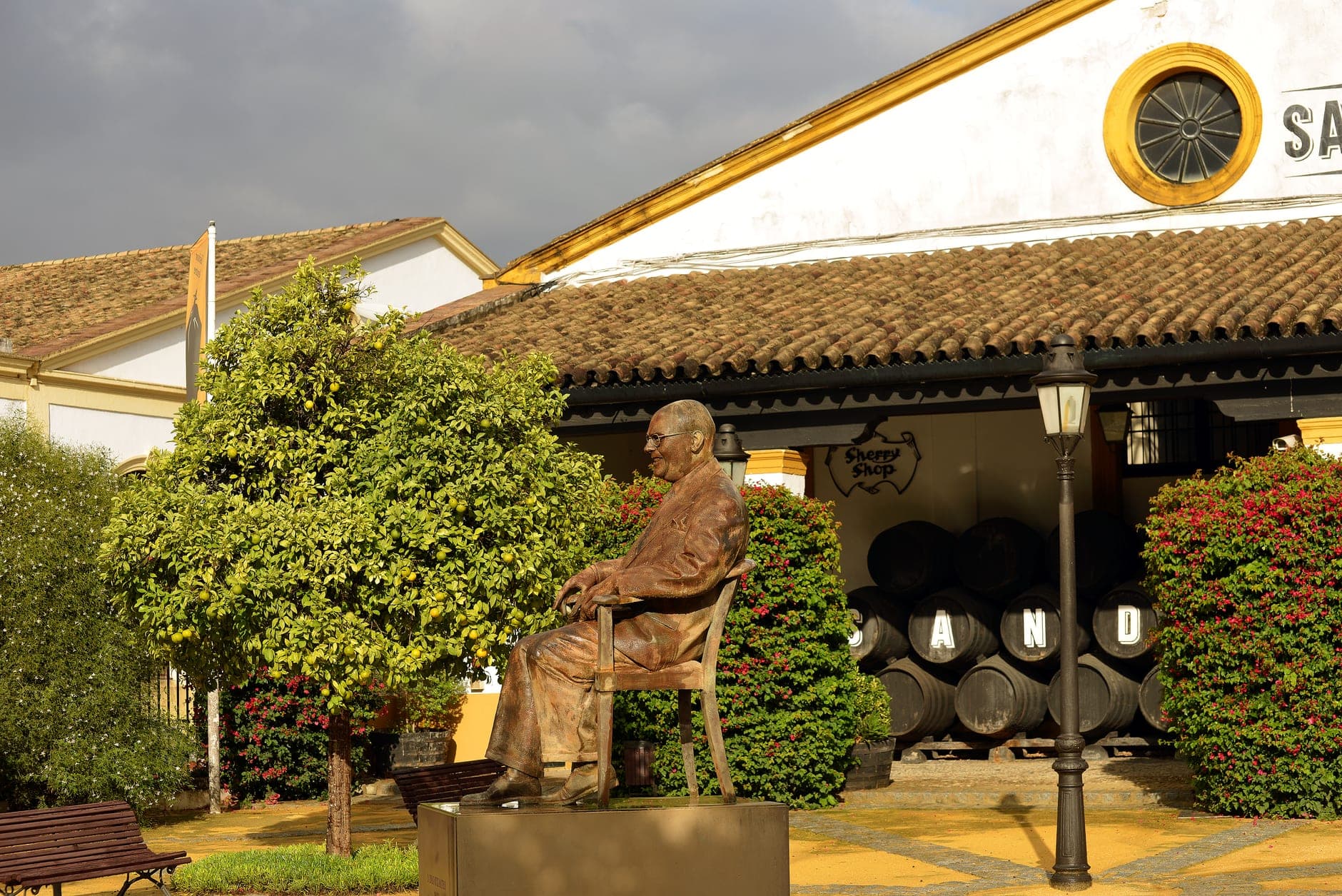
Andalusia
Visit Andalusia wine country — Jerez sherry bodegas, Malaga sweet wines, Ronda mountain vineyards, and tapas pairings. F
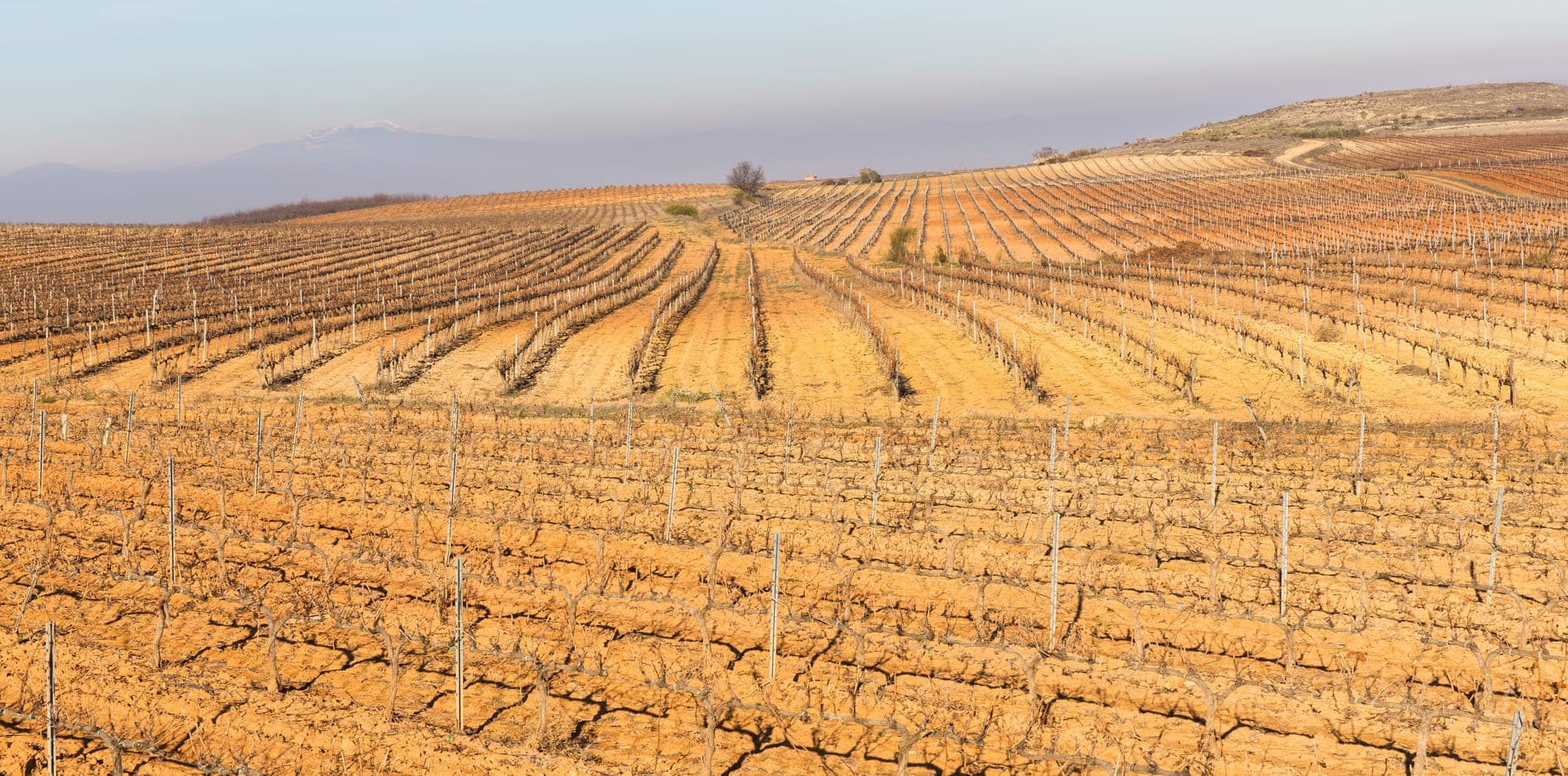
Aragón
Aragón, nestled in northeastern Spain, offers a rich tapestry of wine experiences. This region boasts ancient vineyards,
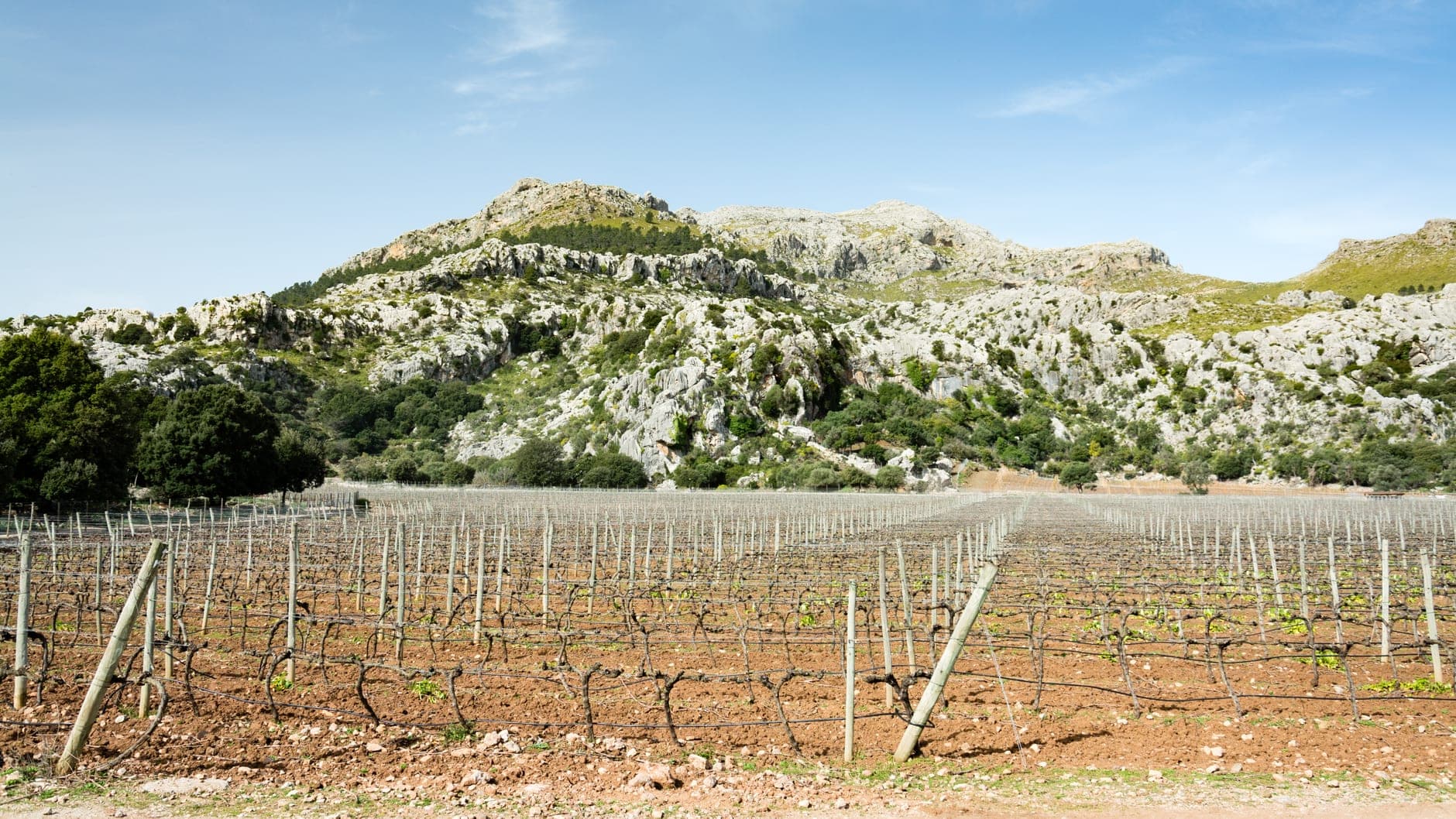
Balearic Islands
The Balearic Islands, an archipelago off Spain's eastern coast, offer a unique blend of Mediterranean charm and vibrant
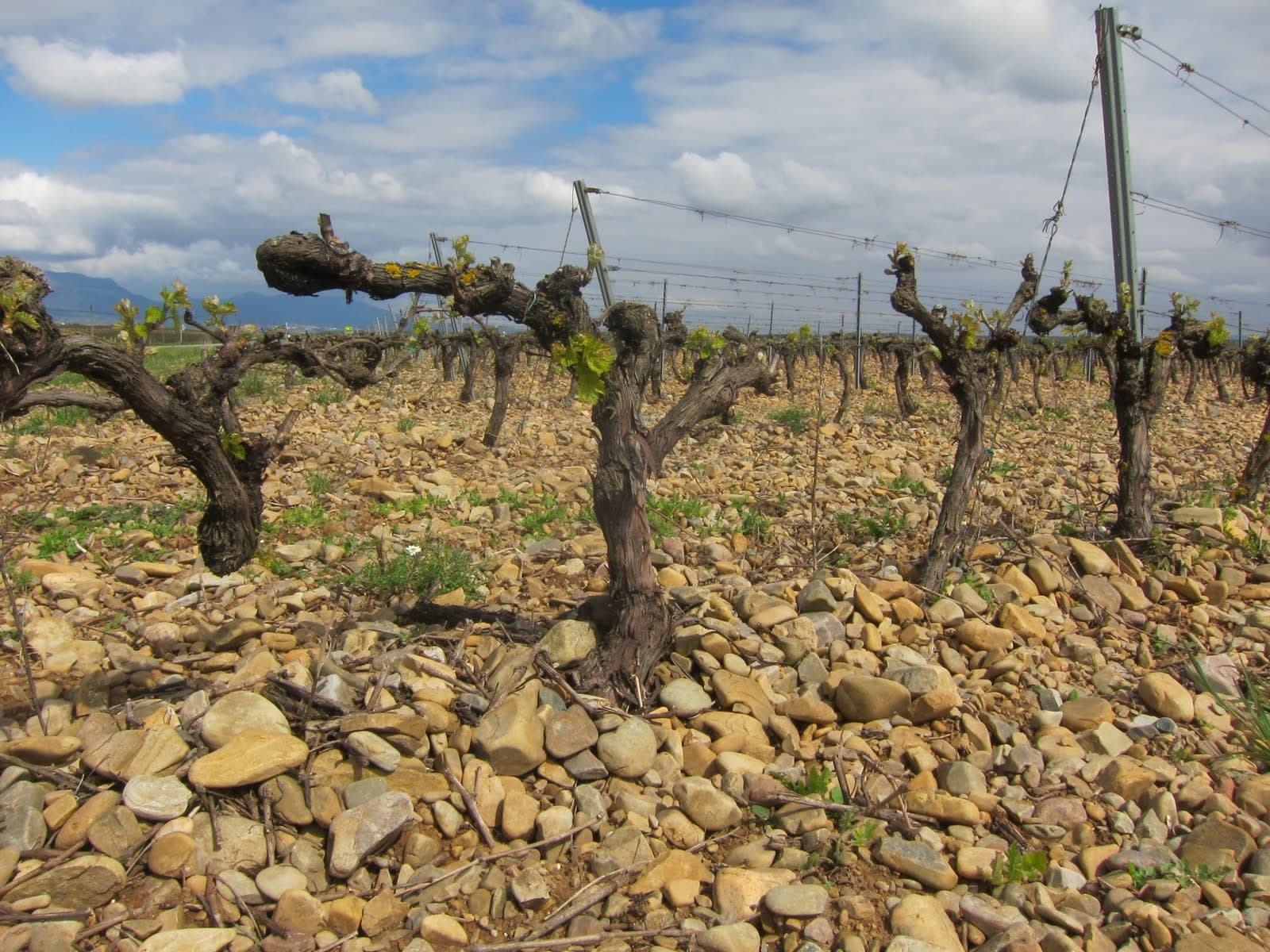
Basque Country
The Basque Country, straddling northern Spain and southwestern France, offers a unique wine experience. This region's ri
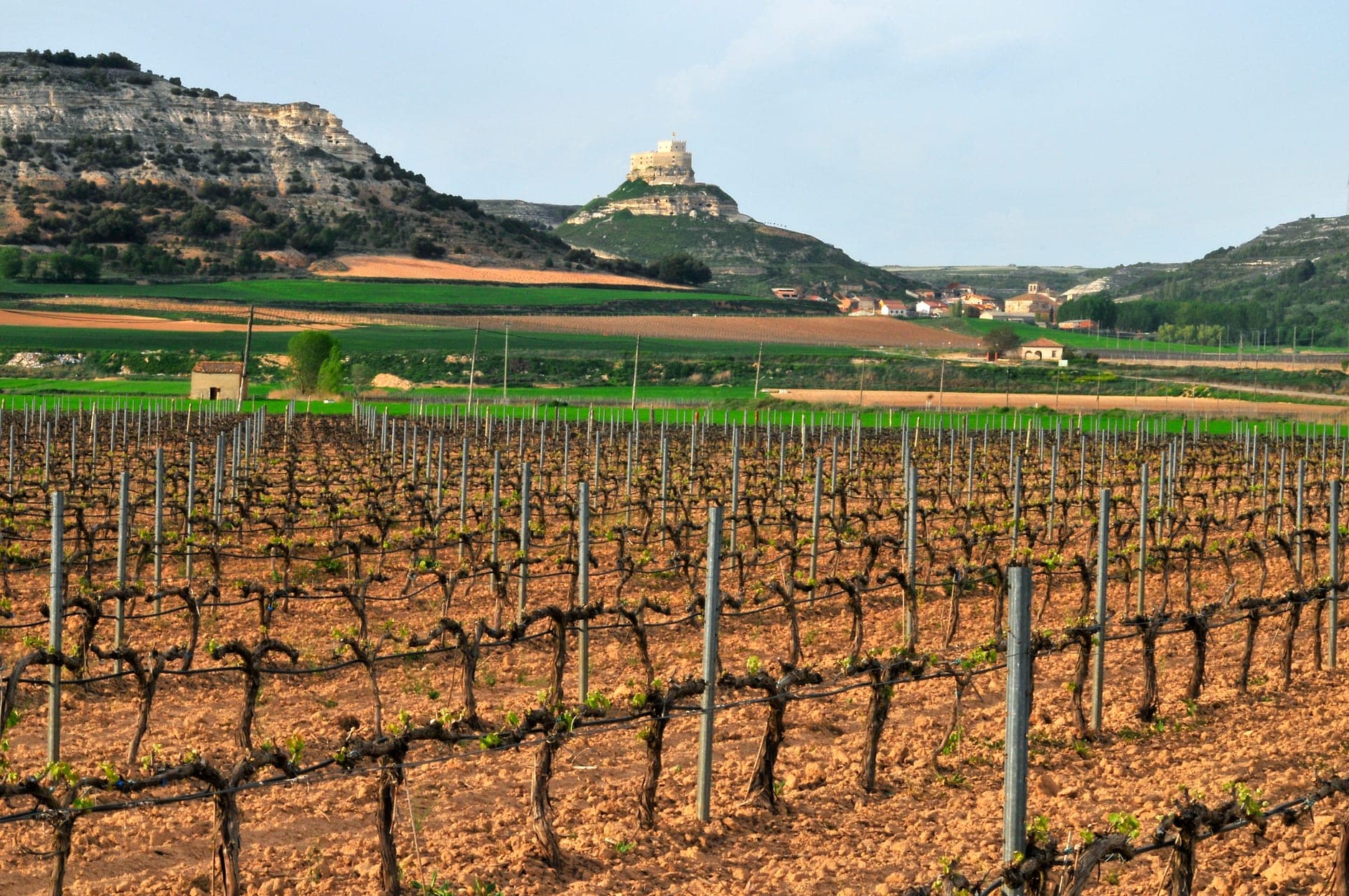
Castilla y León
Castilla y León, Spain's largest autonomous community, offers a rich tapestry of wine experiences. This region boasts ni
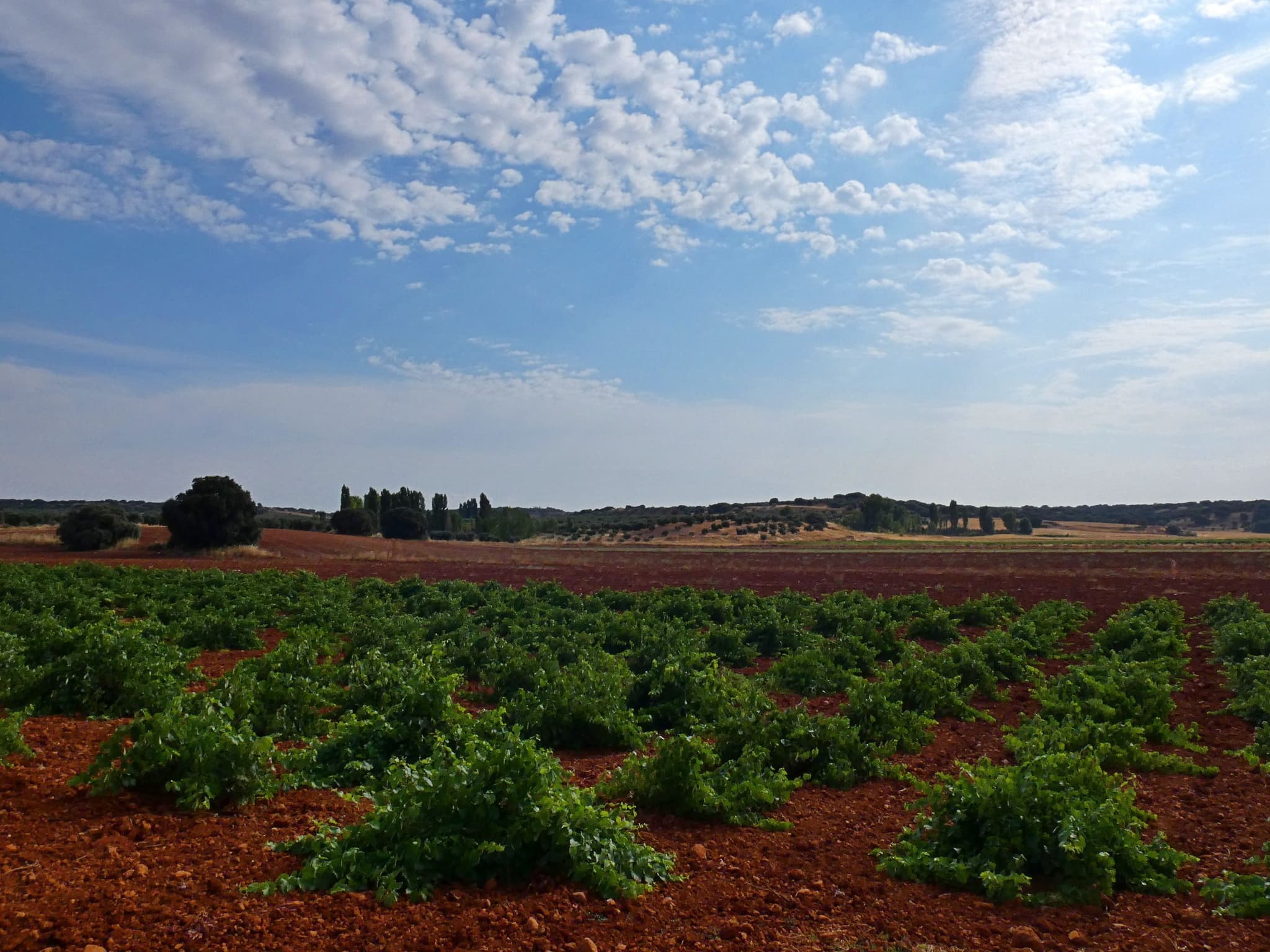
Castilla-La Mancha
Castilla-La Mancha, Spain's third-largest wine region, offers a unique blend of rustic charm and rich winemaking heritag
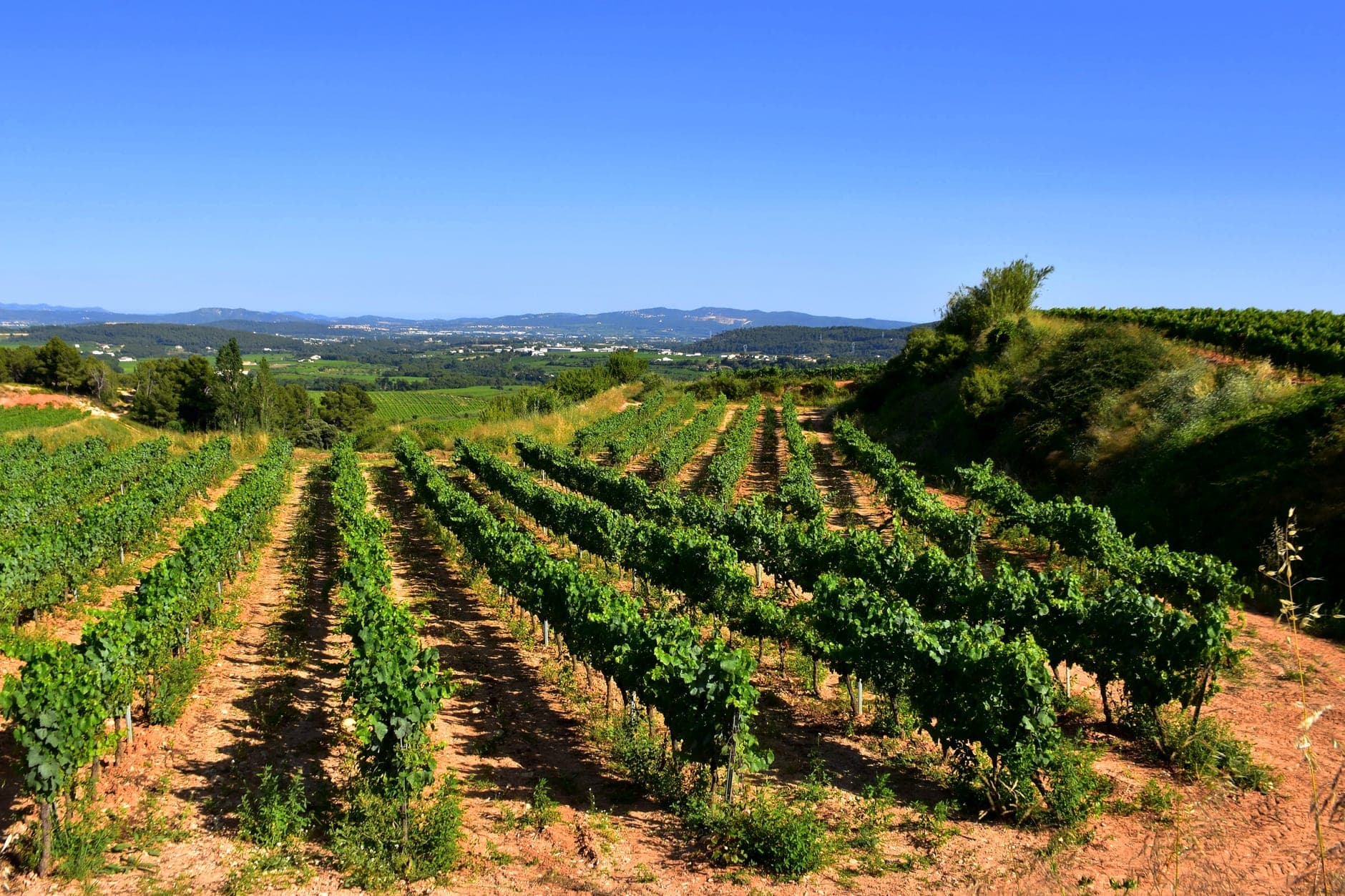
Catalonia
Catalonia, a region in northeastern Spain, offers a rich tapestry of wine experiences. From the sparkling Cavas of Pened
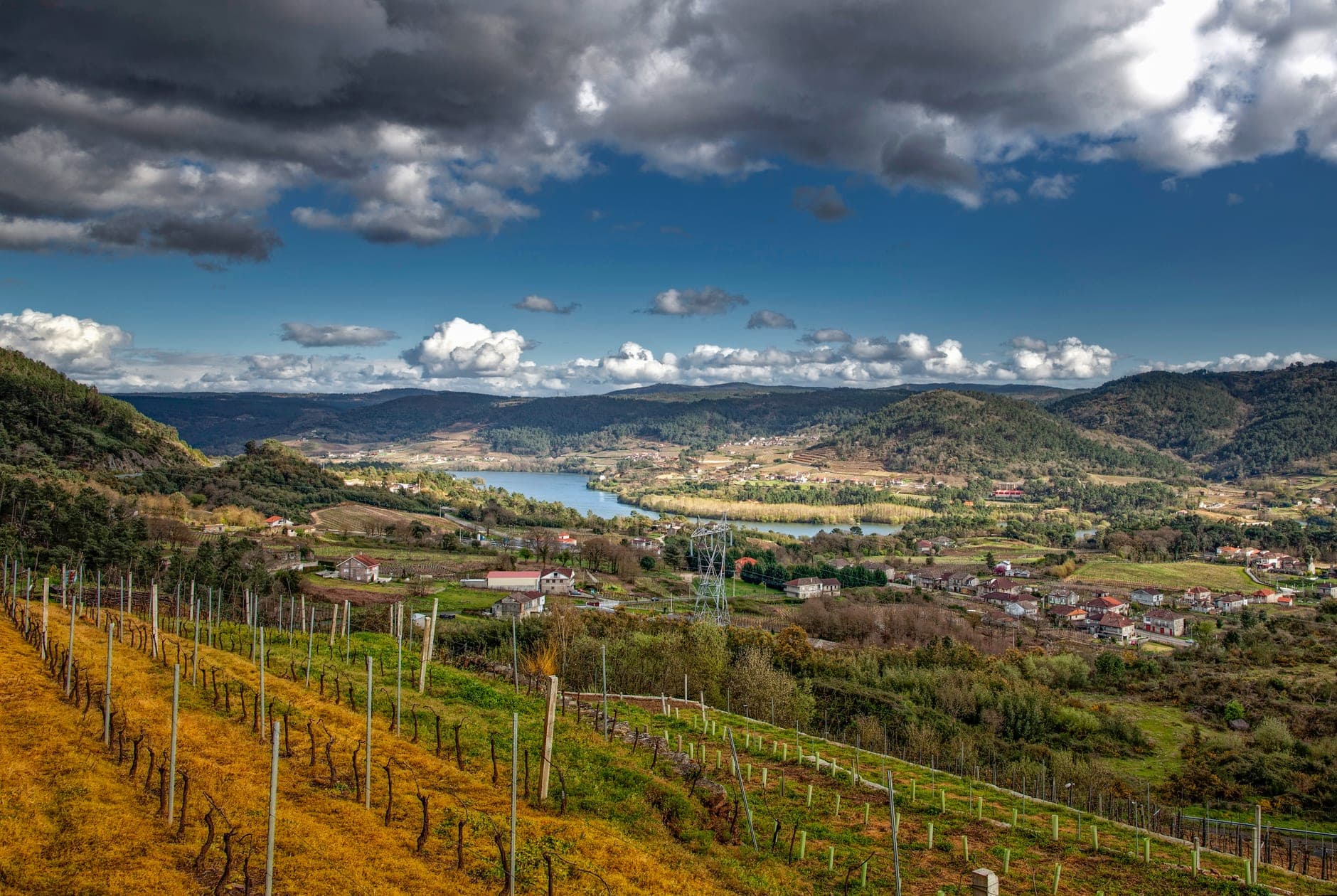
Galicia
Galicia, tucked away in Spain's northwest corner, offers a unique wine experience. This lush, green region boasts a cool
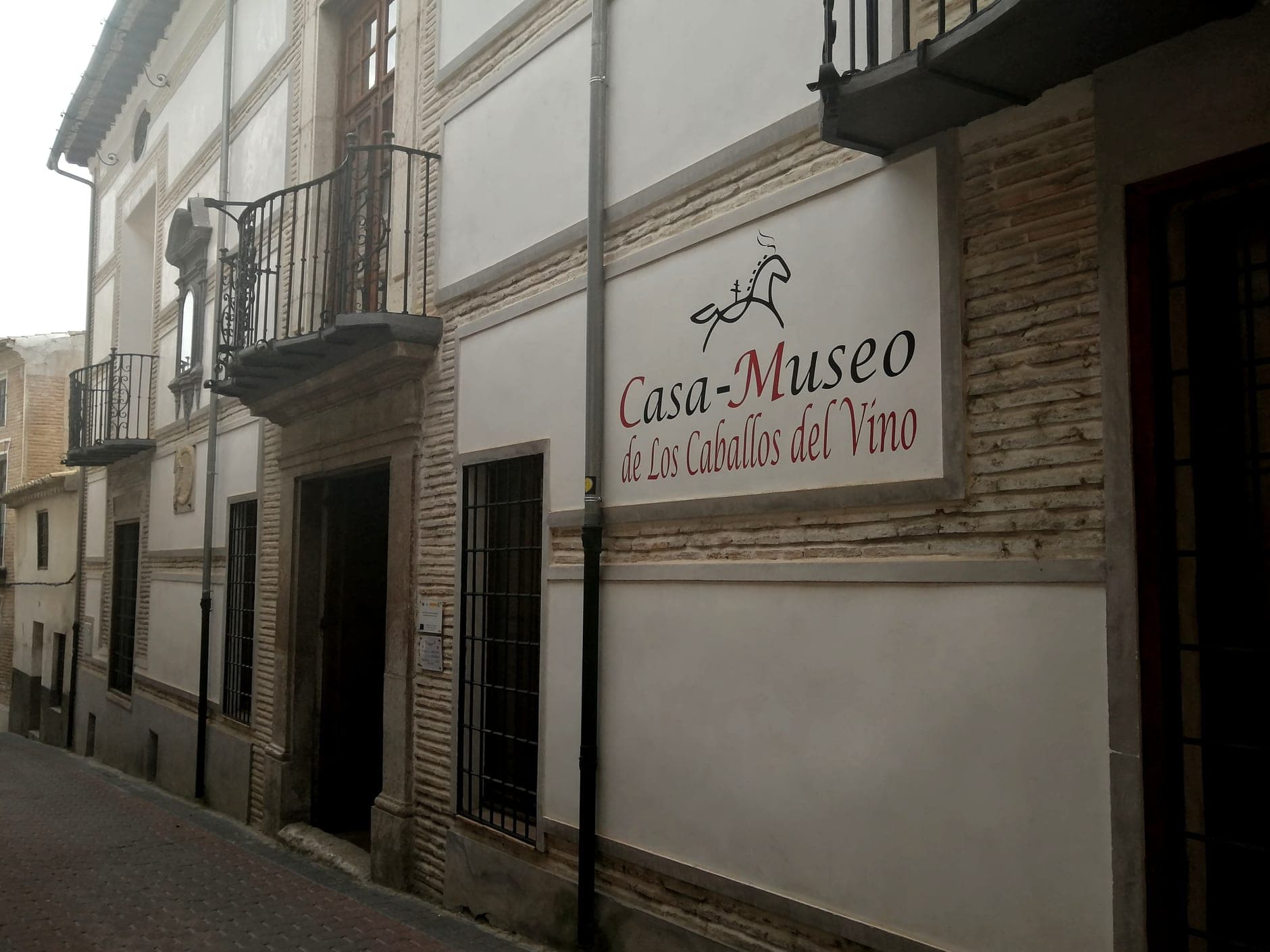
Murcia
Murcia, a sun-soaked region in southeastern Spain, offers wine enthusiasts a chance to explore its rich viticultural her
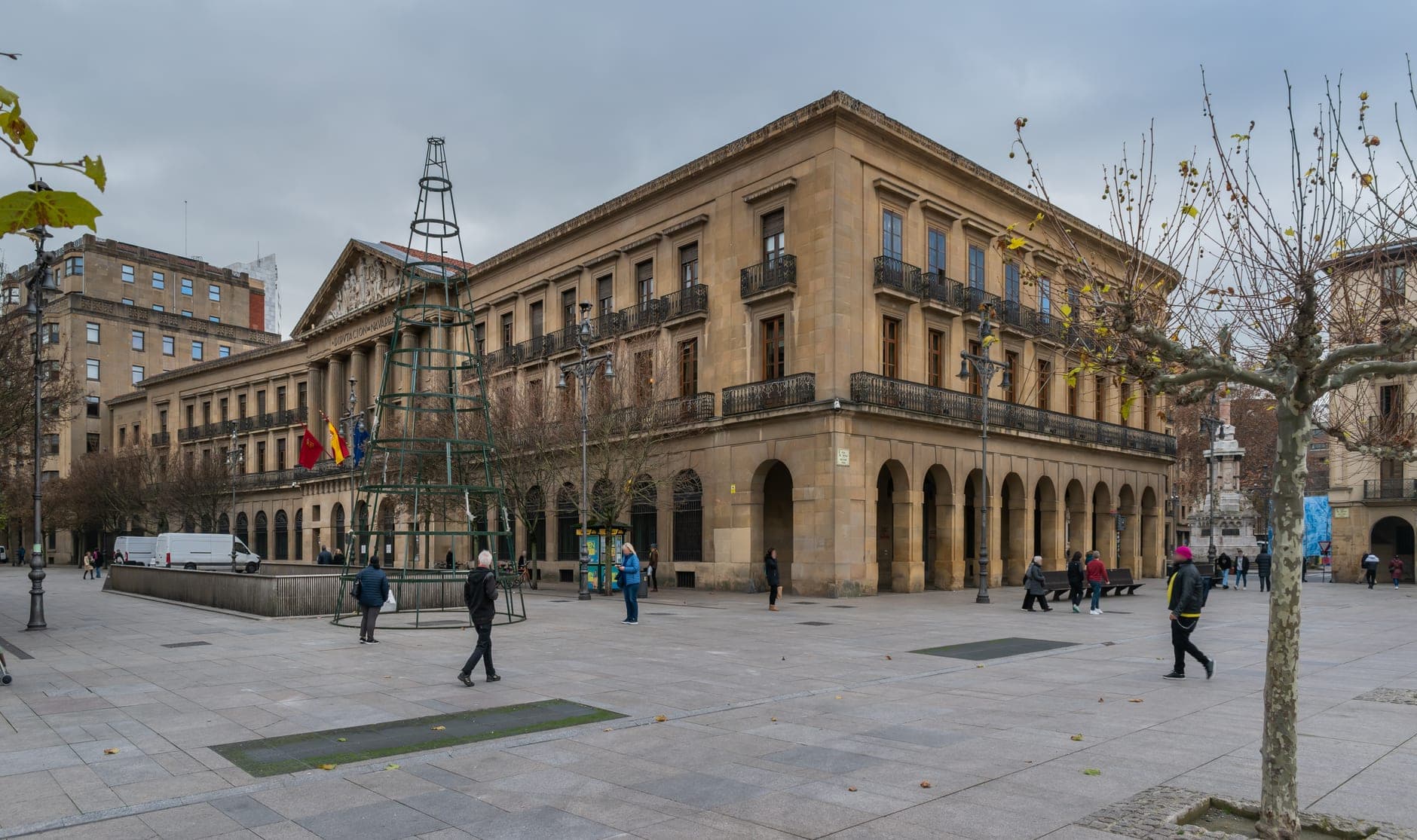
Navarra
Nestled in northern Spain, Navarra offers a captivating blend of rich history, stunning landscapes, and world-class wine
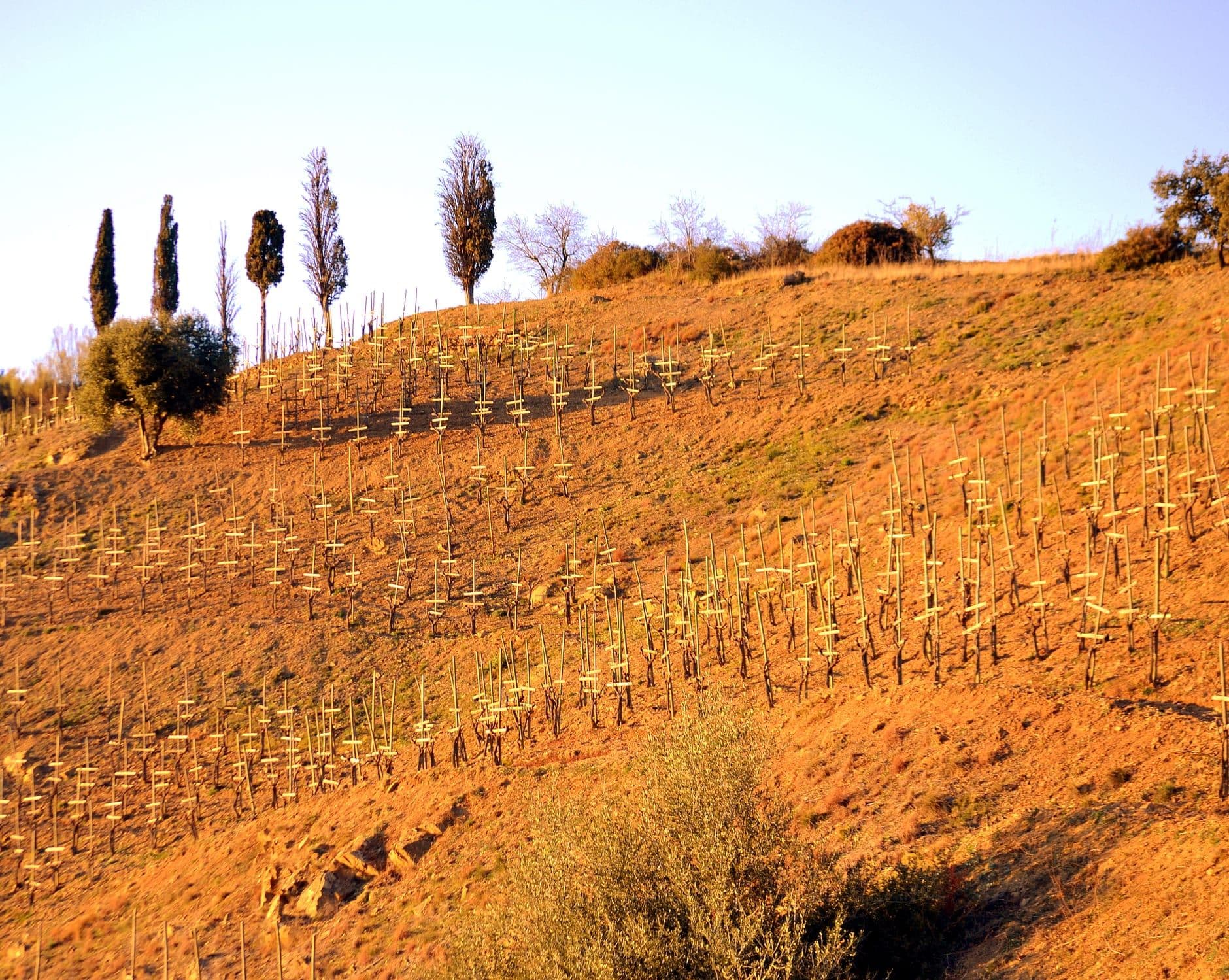
Priorat
Priorat's llicorella slate yields intense Grenache and Carignan from ultra-low-yield vines. Discover Spain's most collec
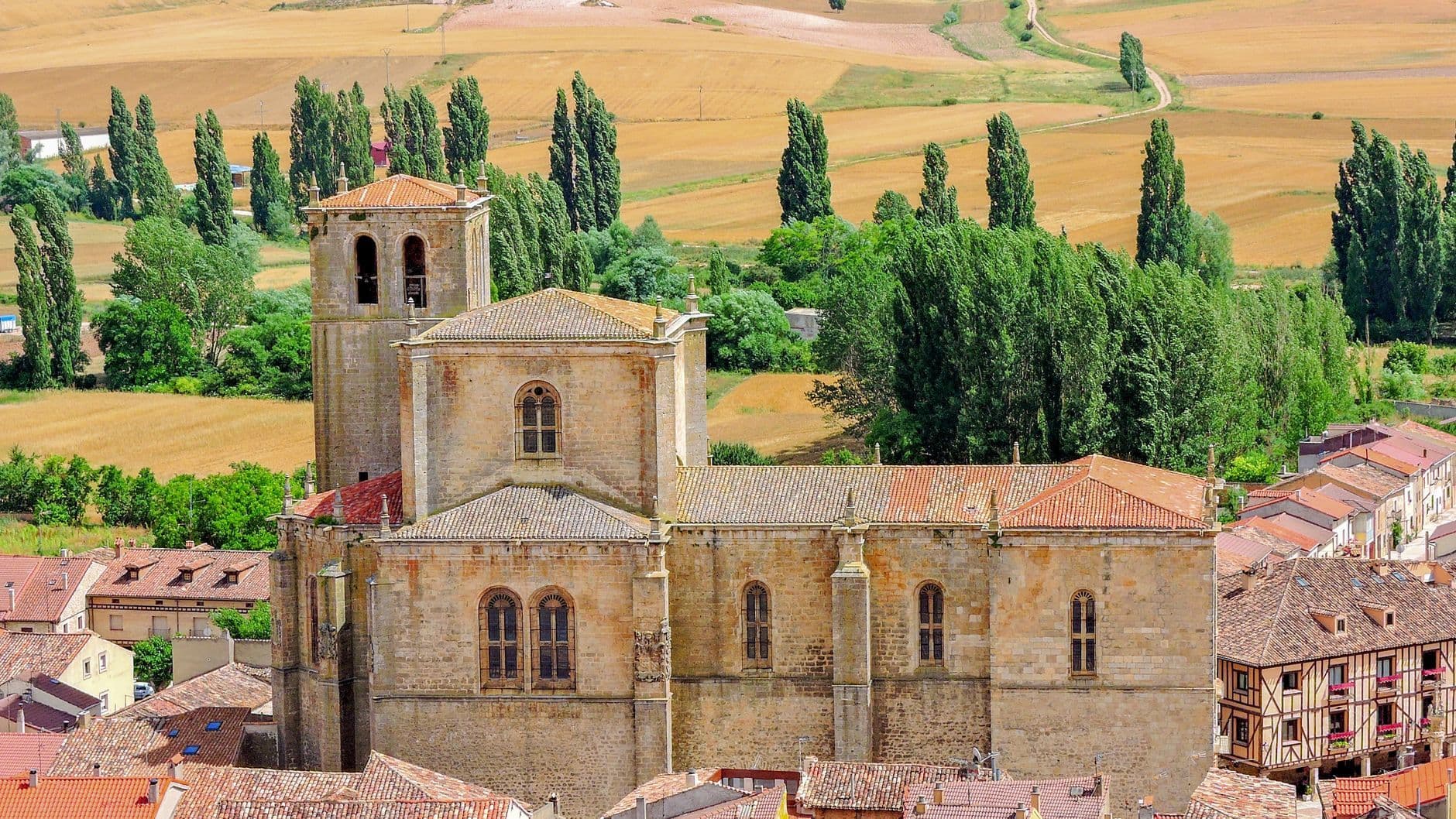
Ribera del Duero
Nestled along the Duero River in northern Spain, Ribera del Duero beckons wine lovers with its world-class red wines. Th
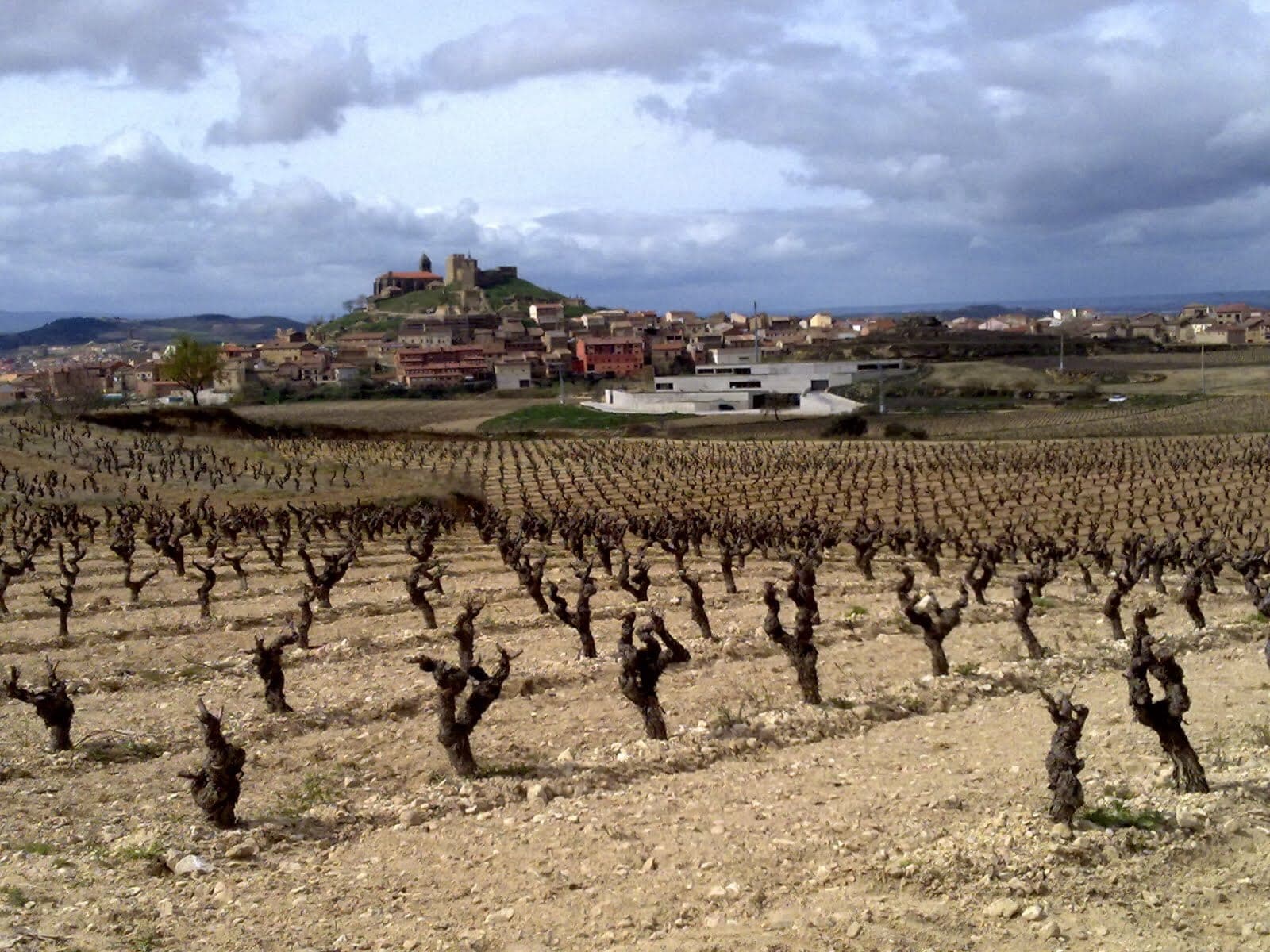
Rioja
From crianza to gran reserva, Rioja transforms Tempranillo into Spain's most celebrated wines. Discover bodegas, wine ro
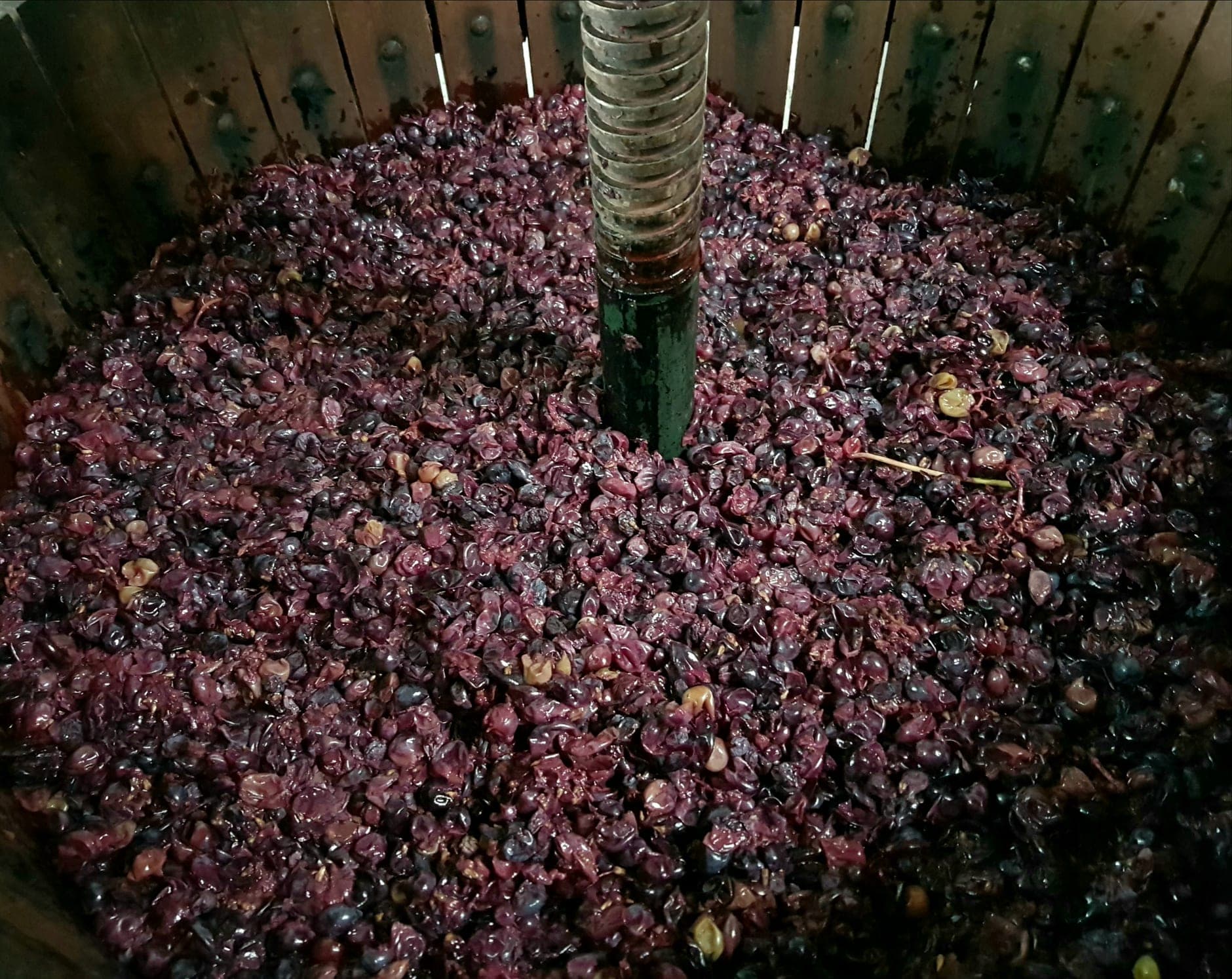
Valencia
Valencia, Spain's third-largest city, offers a perfect blend of historic charm and modern vibrancy. Known for its stunni
Best Time to Visit Spain
June-August
September-October
High on coast in summer, moderate at wineries
Average Monthly High (°C)
Low to moderate (450mm/year average)Wines of Spain
Key grape varieties and wine styles produced in the region
Primary Grape Varieties
Wine Styles
Food & Dining in Spain
We’re still researching restaurants and must-try dishes for Spain. In the meantime, browse wine-country dining across Spain.
Where to stay in the vineyard
Sleep among the vines — our pick of vineyard hotels and estate stays in Spain.
View Spain vineyard hotelsUpcoming Wine Festivals in Spain
See all festivalsHidden Gems Nearby
Discover more hidden gemsClos Mogador
WTG PickPriorat, Spain
One of Priorat's founding five estates, perched on terrifying slate terraces that you can walk through with the winemaker himself.
Grenache · Carignan · Syrah
Envínate
WTG PickCanary Islands, Spain
Pre-phylloxera vines on a volcano at 1,700 metres — Spain's most exciting young winemakers in the most unlikely of locations.
Listán Negro · Listán Blanco
Bodegas Forjas del Salnés
Galicia, Spain
Single-vineyard Albariños that prove this grape belongs in the conversation with great white Burgundy, from a quiet Galician village.
Albariño
Continue Exploring
Explore Nearby
Did You Know?
We’re still gathering facts about Spain. Tell us what makes it special
Ready to visit Spain?
Build your personalised day-by-day itinerary — choose your travel style and trip length, get accommodation and tour picks per day, and email it to yourself to take along.
Plan Your Visit to Spain
This page contains affiliate links. We may earn a commission at no extra cost to you.