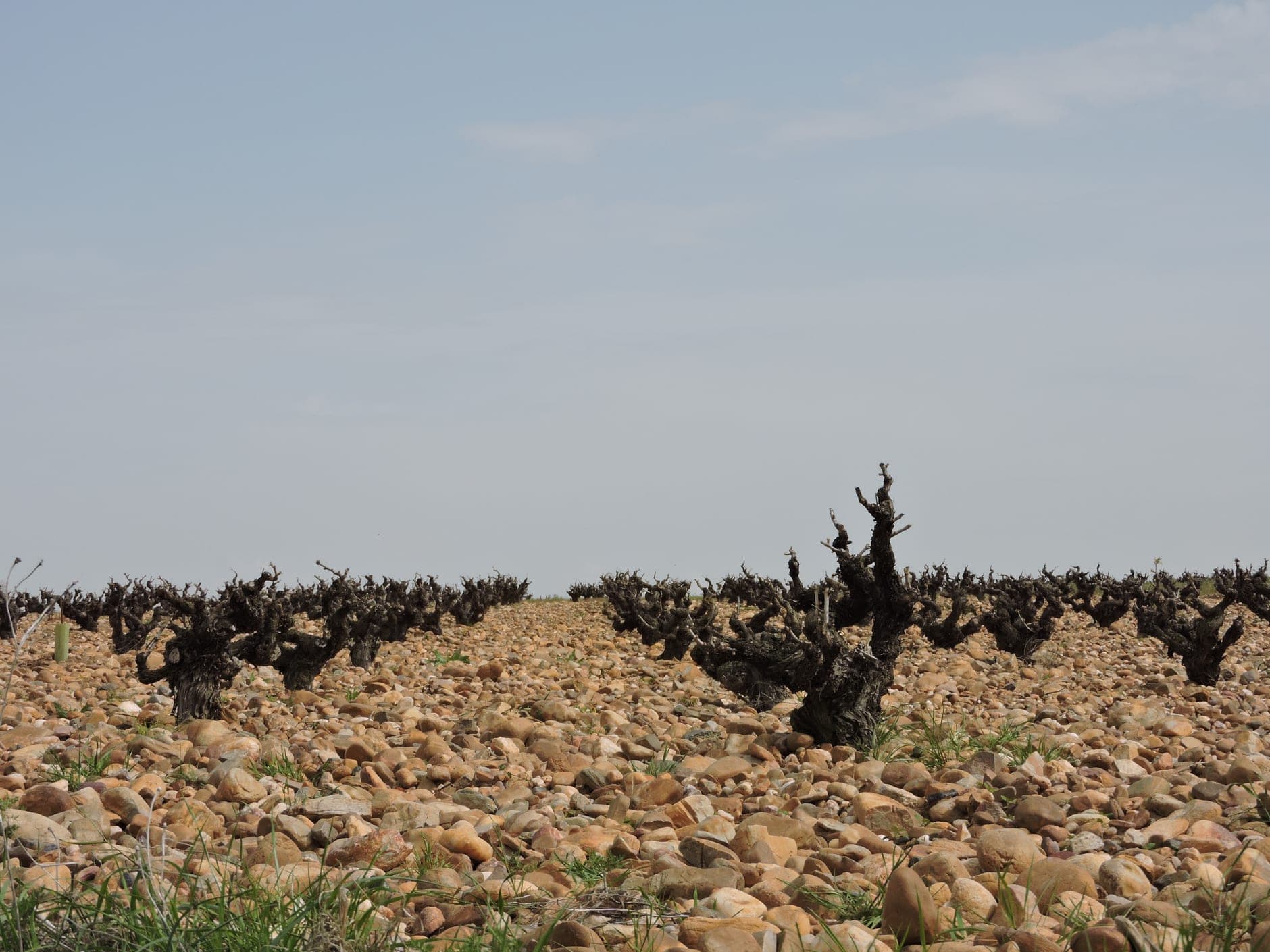
 Photo: VIEX - Ernest Niedermann / Wikimedia Commons
Toro Wine Travel Guide Wine Region Guide
Nestled in the heart of Castilla y León, Toro beckons wine enthusiasts with its rich viticultural heritage and robust red wines. This ancient Spanish wine regio
Where to Stay in Toro
Make the most of your Toro wine trip by staying in the heart of wine country. From luxurious vineyard estates to cozy B&Bs, find the perfect accommodation near world-class wineries.
- Hotels near top wineries
- Charming vineyard B&Bs
- Vacation rentals and villas
- Free cancellation on most bookings
Stay22
Compare Booking, Airbnb, Hotels.com and more in one search
Discover Toro: A Wine Lover's Paradise in Castilla y León
Nestled in the heart of Castilla y León, Toro beckons wine enthusiasts with its rich viticultural heritage and robust red wines. This ancient Spanish wine region, known for its powerful Tempranillo-based wines, offers a blend of history, culture, and unforgettable wine experiences.
Towns and Villages
The town of Toro serves as the epicenter of the region, boasting medieval architecture and stunning views of the Duero River. Morales de Toro and Venialbo are charming nearby villages worth exploring for their rustic beauty and local wineries.
Must-Visit Spots
- Collegiate Church of Santa María la Mayor in Toro
- Plaza Mayor in Toro
- Castillo de Toro (Toro Castle)
Wine Producers
Toro boasts a mix of traditional and modern wineries, each offering unique tasting experiences. Some standout producers include:
- Bodega Numanthia: Known for premium, high-scoring wines
- Bodegas Fariña: A family-run winery with a long history in the region
- Teso La Monja: Produces some of Spain's most expensive and sought-after wines
- Bodegas Vega Saúco: Offers excellent value wines and vineyard tours
Accommodations
Toro offers a range of accommodations to suit various preferences and budgets. Here are some top choices:
- Hotel Juan II: A centrally located hotel with modern amenities
- Parador de Tordesillas: Luxury accommodation in a historic setting
- Hotel Spa Villa de Almazán: Perfect for those seeking relaxation and wine treatments
Dining
Toro's culinary scene perfectly complements its wines. Don't miss these local favorites:
- Restaurante La Parrilla de San Lorenzo: Known for its grilled meats and extensive wine list
- El Chivo: Offers traditional Castilian cuisine with a modern twist
- La Lobita: A Michelin-starred restaurant showcasing local ingredients and wines
Be sure to try local specialties like lechazo (roast suckling lamb) and queso zamorano (local sheep's milk cheese) paired with Toro wines.
Wine Shops & Bars
Toro offers several spots to sample and purchase local wines. Check out these recommended places:

- Vinoteca Montoya: A well-stocked wine shop with knowledgeable staff
- La Bodeguilla de San Agustín: A cozy wine bar featuring an extensive selection of Toro wines
- Enoteca del Canto: Offers wine tastings and tapas in a charming setting
Other Shops
While in Toro, pick up some local specialties and souvenirs:
- Quesería Chillón: Renowned for its artisanal cheeses
- Alfarería Rodríguez: Traditional pottery and ceramics
- Chocolates Mayoral: Handmade chocolates and confections
Attractions
Beyond wineries, Toro offers several cultural and historical attractions:
- Monasterio del Sancti Spiritus: A 14th-century monastery with stunning architecture
- Puente de Piedra: An impressive medieval bridge over the Duero River
- Museo del Vino Pagos del Rey: A wine museum showcasing the region's viticultural history
Events
Plan your visit around these wine-focused events:
- Feria del Vino de Toro (May): Annual wine fair featuring local producers
- Fiesta de la Vendimia (September): Harvest festival with parades and wine tastings
- Jornadas de la Matanza (February): Traditional pork-based gastronomy event
Appellations
The main wine appellation in the region is DO Toro. Established in 1987, it covers about 5,800 hectares of vineyards.
Key characteristics of DO Toro wines:
- Powerful, full-bodied reds
- High alcohol content (often above 14%)
- Intense fruit flavors with firm tannins
Grape Varieties
Toro's wine region is dominated by the Tinta de Toro grape, a local clone of Tempranillo. This thick-skinned variety thrives in the area's harsh climate, producing powerful, full-bodied red wines.

Other grapes grown in smaller quantities include:
- Garnacha (red)
- Verdejo (white)
- Malvasía (white)
Main Wine Styles
Toro is renowned for its bold, intense red wines made primarily from Tinta de Toro. These wines are characterized by their high alcohol content, deep color, and robust tannins.
Wine styles include:
- Joven (young) wines: Fresh and fruity, meant for early consumption
- Crianza: Aged for at least 2 years, with 6 months in oak
- Reserva: Aged for at least 3 years, with 1 year in oak
- Gran Reserva: Aged for at least 5 years, with 2 years in oak
Food Specialties
Toro's cuisine pairs perfectly with its robust wines. Local specialties include:
- Lechazo: Roasted suckling lamb
- Chorizo de Toro: Local spicy sausage
- Queso Zamorano: Sheep's milk cheese from nearby Zamora
- Garbanzos de Fuentesaúco: Locally grown chickpeas
Drives & Walks
Explore the Toro wine region through scenic drives and walks:
- Ruta del Vino de Toro: A wine route connecting various wineries and historic sites
- Duero River Walk: Stroll along the river's banks for stunning vineyard views
- Toro to Zamora Drive: A picturesque 30-minute journey through wine country
Itineraries
Weekend Wine Getaway
Day 1: Arrive in Toro, visit the historic center, and enjoy a wine tasting at Bodega Divina Proporción.
Day 2: Take a guided tour of Bodega Numanthia, followed by lunch at a traditional restaurant. Afternoon walk along the Duero River.

Week-long Wine and Culture Tour
Combine Toro with visits to nearby Zamora and Salamanca. Include winery tours, cultural attractions, and local gastronomy experiences.
Getting There & Around
Toro is located in the Zamora province of Spain, approximately 200 km northwest of Madrid. The nearest airports are:
- Valladolid Airport (VLL): 100 km east
- Madrid-Barajas Airport (MAD): 230 km southeast
From these airports, you can rent a car or take a train to Zamora, then a local bus to Toro. Within the region, a car is the best way to explore wineries and villages.
Best Time to Visit
The ideal time to visit Toro is during spring (April-May) or fall (September-October). These seasons offer mild weather and coincide with key wine events:
- Spring: Budding vines and fewer tourists
- Fall: Harvest season and wine festivals
Sustainability Efforts
Toro's wine industry is increasingly focusing on sustainable practices:
- Organic Vineyards: Many producers are transitioning to organic farming
- Water Conservation: Drip irrigation systems are widely used
- Solar Power: Some wineries have installed solar panels to reduce energy consumption
Language Tips
While English is spoken in tourist areas, knowing some Spanish can enhance your experience. Useful wine-related phrases include:
- "Una copa de vino tinto, por favor" - A glass of red wine, please
- "¿Cuál es su vino más popular?" - What is your most popular wine?
- "Me gustaría hacer una cata de vinos" - I would like to do a wine tasting
Further Resources
For more information on Toro's wine region, consult these resources:
- D.O. Toro Official Website: Official guide to the region's wines
- Turismo Castilla y León - Toro: Regional tourism website with local attractions and events
- Wine Folly - Toro Wine Guide: In-depth information on Toro wines and grape varieties
Visiting Wineries
Toro’s bodegas range from ambitious modern projects to traditional family cellars — book ahead, as the region is rural and English is limited. The town of Toro is the base; Zamora and Valladolid are both within easy reach for a wider Duero trip.
Book ahead: 1-2 weeks for top estates
Planning tools & local info
Visiting Wineries
Toro’s bodegas range from ambitious modern projects to traditional family cellars — book ahead, as the region is rural and English is limited. The town of Toro is the base; Zamora and Valladolid are both within easy reach for a wider Duero trip.
Book ahead: 1-2 weeks for top estates
Best Time to Visit Toro
July-August
September-October
Moderate — busiest around harvest and local wine festivals
Average Monthly High (°C)
Low — extreme continental climate on the high Duero plateau (~400mm/year)Wines of Toro
Key grape varieties and wine styles produced in the region
Primary Grape Varieties
Wine Styles
Food & Dining in Toro
We’re still researching restaurants and must-try dishes for Toro. In the meantime, browse wine-country dining across Spain.
Where to stay in the vineyard
Sleep among the vines — our pick of vineyard hotels and estate stays in Spain.
View Spain vineyard hotelsUpcoming Wine Festivals in Spain
See all festivalsHidden Gems Nearby
Discover more hidden gemsClos Mogador
WTG PickPriorat, Spain
One of Priorat's founding five estates, perched on terrifying slate terraces that you can walk through with the winemaker himself.
Grenache · Carignan · Syrah
Envínate
WTG PickCanary Islands, Spain
Pre-phylloxera vines on a volcano at 1,700 metres — Spain's most exciting young winemakers in the most unlikely of locations.
Listán Negro · Listán Blanco
Bodegas Forjas del Salnés
Galicia, Spain
Single-vineyard Albariños that prove this grape belongs in the conversation with great white Burgundy, from a quiet Galician village.
Albariño
Continue Exploring
Explore Nearby
Did You Know?
We’re still gathering facts about Toro. Tell us what makes it special
Ready to visit Toro?
Build your personalised day-by-day itinerary — choose your travel style and trip length, get accommodation and tour picks per day, and email it to yourself to take along.
Plan Your Visit to Toro
This page contains affiliate links. We may earn a commission at no extra cost to you.