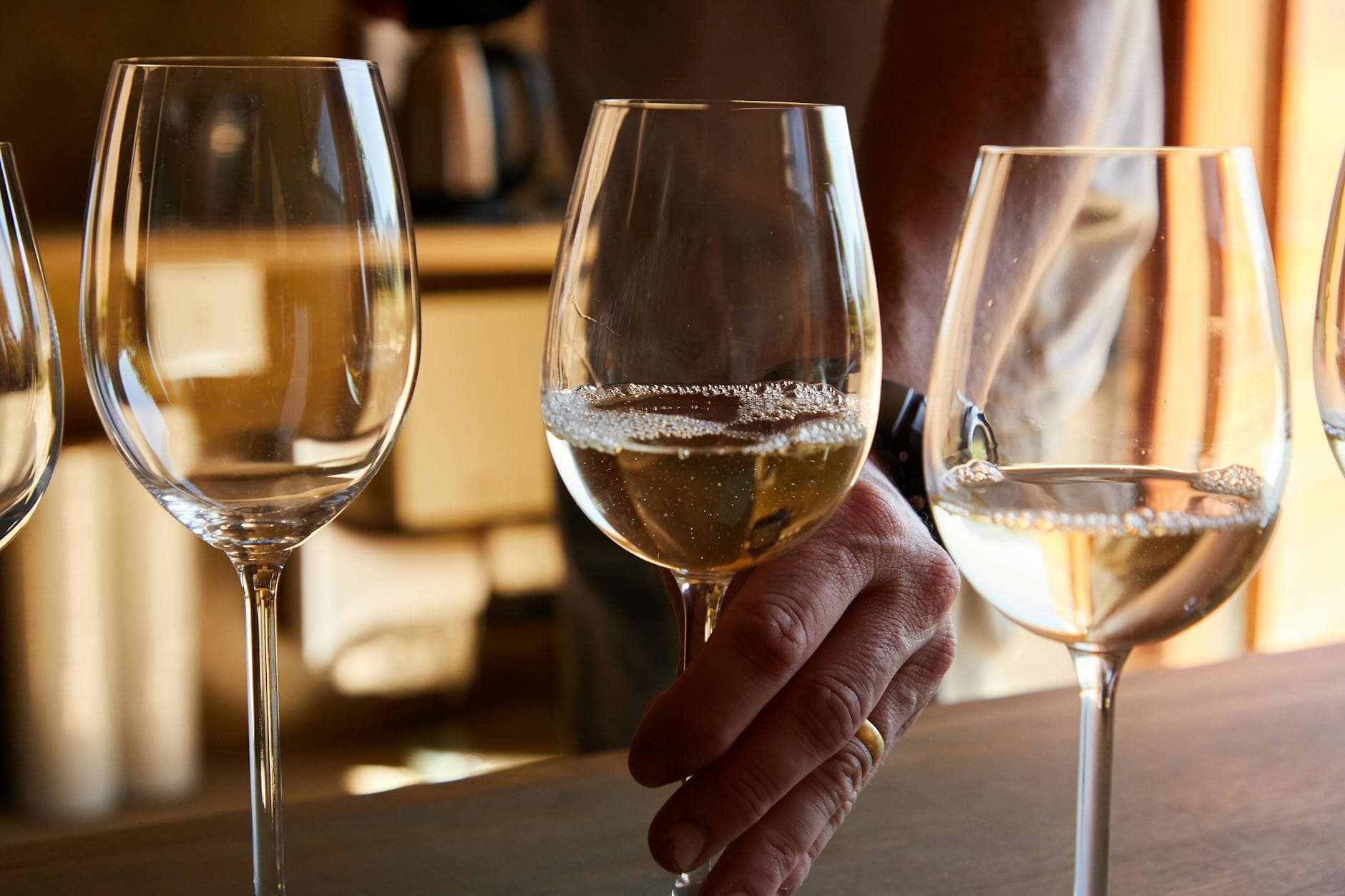
12 Best Wineries to Visit in Marlborough
The best wineries to visit in Marlborough in 2026, from the estates that made Sauvignon Blanc famous to Pinot Noir producers challenging the region's white wine identity. Tasting fees, tips, and what to expect.
12 Best Wineries to Visit in Marlborough (2026 Guide)
Marlborough changed how the world drinks white wine. Before Cloudy Bay released its first vintage in 1985, New Zealand was a footnote in global wine. After it, Sauvignon Blanc was never the same. The variety's combination of intense tropical fruit, cut-grass aromatics, and bright acidity --- amplified by Marlborough's intense sunlight, cool nights, and stony river valley soils --- produced a wine style so distinctive and so immediately appealing that it dominated the variety globally within a decade.
The Marlborough story is more interesting than that single breakthrough suggests. The region now produces over 77% of New Zealand's total wine output. Within that volume are wines of extraordinary quality: single-vineyard Sauvignon Blancs that age gracefully, Pinot Noirs that challenge Central Otago's dominance of New Zealand reds, world-class sparkling wines made by traditional method, and Rieslings and Pinot Gris that consistently outperform their European price-peers.
This guide covers 12 wineries that represent the best of Marlborough's range. The founding estates, the quality outliers, and the producers who are redefining what this region can produce.
Whether you're planning your first wine trip or adding New Zealand to a Pacific wine circuit, Marlborough offers more depth than its Sauvignon Blanc reputation suggests.
What to Know Before Visiting Marlborough Wineries
Before booking your first appointment, here's what matters for tasting in Marlborough in 2026:
- Cellar doors are generally walk-in friendly. Unlike Willamette Valley or Burgundy, most Marlborough wineries welcome visitors without reservations, especially midweek. Weekends during summer and harvest can be busier --- call ahead if visiting a specific producer.
- Tasting fees are low to moderate. Most cellar doors charge NZ$10-20 for a standard tasting, often redeemable against purchase. Premium experiences with older vintages or food pairing run NZ$30-50.
- Blenheim is the main town. Most of the region's major cellar doors are within a 20-minute drive of Blenheim. The Wairau Valley (flat, warm, most planted area) and the Awatere Valley (cooler, windier, produces more mineral Sauvignon Blanc) are the two key sub-regions.
- Cycling is the best way to see the valley. Marlborough's flat terrain, marked cycling trails, and short distances between wineries make this the most bike-friendly wine region in the Southern Hemisphere. Half-day and full-day bike-and-wine tours are the most popular visitor experience.
- The Marlborough Sounds are nearby. Many visitors combine winery visits with a ferry crossing from Picton through the stunning Marlborough Sounds. The ferry terminal at Picton is 28km from Blenheim.
- Summer and harvest are peak season. January to April brings warm weather, harvest activity, and the highest cellar door activity. Spring (October-November) is beautiful and less crowded. See our wine tour planning guide for timing advice.
1. Cloudy Bay (Wairau Valley)
Known for: Sauvignon Blanc, Te Koko (oaked Sauvignon Blanc), Pelorus (sparkling)
Why visit: Cloudy Bay is where modern Marlborough Sauvignon Blanc begins. David Hohnen launched the label in 1985 from Cape Mentelle in Western Australia, intuiting that the Wairau Valley's climate could produce something world-class from Sauvignon Blanc. The first vintage sold out in hours. The wine that followed changed a grape variety's global reputation. Visiting Cloudy Bay is visiting the source of one of the 20th century's most influential wine moments.
The experience: The cellar door and restaurant in the Wairau Valley is one of Marlborough's most polished tasting experiences. You'll work through the core Sauvignon Blanc (the benchmark, deliberately consistent vintage to vintage), the Chardonnay, Pinot Noir, and Te Koko --- the wild-fermented, barrel-aged Sauvignon Blanc that demonstrates the variety's capacity for complexity and age. The restaurant uses local Marlborough produce and the wine list covers the full back catalogue. The staff are well-trained on the brand's history and the winemaking approach.
Best for: Anyone who wants to taste the wine that made Marlborough famous, visitors interested in the wider Cloudy Bay range beyond the flagship Sauvignon Blanc.
Tasting fee: NZ$10-35
Reservations: Walk-ins welcome. Reservations recommended for restaurant.
Website: cloudybay.co.nz
2. Fromm Winery (Wairau Valley)
Known for: Pinot Noir, Malbec, Syrah, Riesling
Why visit: Georg Fromm, a Swiss winemaker, arrived in Marlborough in 1992 convinced that the region could produce red wines as interesting as its whites. Most people told him he was wrong. Two decades of critically acclaimed Pinot Noir, Malbec, and Syrah proved otherwise. Fromm is the essential counter-argument to the idea that Marlborough is only a Sauvignon Blanc region, and their wines --- produced in small quantities from organically farmed vineyards --- regularly rate among New Zealand's finest reds.

The experience: The small cellar door visits are intimate and personal. You'll typically taste through the white program (excellent Riesling and Gewurztraminer) before moving to the reds. The Fromm Vineyard Pinot Noir, from their oldest blocks, shows a complexity and depth that challenges Central Otago's claim to New Zealand Pinot Noir supremacy. The Malbec is one of the most unusual wines made in New Zealand: concentrated, earthy, almost Mendoza-like in density, from a variety that no one expected to ripen this far south.
Best for: Red wine enthusiasts visiting Marlborough, anyone who believes wine regions are more than their flagship variety.
Tasting fee: NZ$15-25
Reservations: Recommended. Small operation, call ahead.
Website: frommwinery.co.nz
3. Hunter's Wines (Wairau Valley)
Known for: Sauvignon Blanc, Chardonnay, Riesling
Why visit: Ernie Hunter was one of Marlborough's true pioneers, winning the 1986 Sunday Times Wine Club Trophy with his Sauvignon Blanc and putting New Zealand on the international map alongside Cloudy Bay. After Ernie's death in 1987, his wife Jane Hunter took over and has run the estate with quiet determination for nearly four decades. Hunter's remains one of Marlborough's most consistent and respected mid-sized producers.
The experience: The cellar door in Rapaura Road is warm and unhurried. Tastings cover the full range, with the Sauvignon Blanc and the oak-aged Fumé Blanc being the highlights. The Riesling, made in both dry and off-dry styles, is consistently one of Marlborough's best examples of the variety. Jane Hunter often visits the cellar door, and a conversation with her about the early days of Marlborough wine --- when the valley had only a handful of producers and nobody believed Sauvignon Blanc would travel --- is one of the region's most memorable experiences.
Best for: Riesling fans, Marlborough wine history enthusiasts, visitors who want to meet one of the region's founding figures.
Tasting fee: NZ$10-20
Reservations: Walk-ins welcome.
Website: hunters.co.nz
4. Dog Point Vineyard (Wairau Valley)
Known for: Sauvignon Blanc, Section 94 (oaked Sauvignon Blanc), Pinot Noir, Chardonnay
Why visit: Ivan Sutherland and James Healy both worked at Cloudy Bay before founding Dog Point in 2002. Their intimate knowledge of what makes Marlborough Sauvignon Blanc exceptional is visible in every bottle. Their standard Sauvignon Blanc --- made from organically farmed fruit --- is among the region's finest expressions of the variety. The Section 94, wild-fermented and aged on lees in French oak, is a more complex and controversial wine that demonstrates the variety's capacity for tertiary development.
The experience: The cellar door on the Sutherland property is small and personal. Tastings cover the core range, with particular attention to how the standard Sauvignon Blanc and Section 94 differ when tasted side by side. The standard version shows Marlborough's typical immediacy: fresh, aromatic, high-toned. The Section 94 is broader, more textured, with a nuttiness that recalls Burgundian white wine. The Pinot Noir, from organically farmed Wairau Valley fruit, is a thoughtful, restrained expression.
Best for: Sauvignon Blanc enthusiasts who want to understand the full range of the variety's expression, organic wine advocates.
Tasting fee: NZ$10-20
Reservations: Recommended. Small operation.
Website: dogpoint.co.nz
5. Spy Valley Wines (Wairau Valley)
Known for: Sauvignon Blanc, Pinot Gris, Riesling, Pinot Noir, Envoy range
Why visit: The Spy Valley name comes from the Government Communications Security Bureau (GCSB) surveillance facility visible from the estate vineyards --- a giant golf ball installation that is one of Marlborough's more unusual landmarks. Beyond the name, the Johnson family has built one of Marlborough's most consistent and well-regarded producers, covering all the region's major varieties with equal care.

The experience: The architecturally designed cellar door and tasting room is one of the best visitor experiences in Marlborough. You'll taste through the core range, which covers Sauvignon Blanc, Pinot Gris, Gewurztraminer, Riesling, and Pinot Noir with consistent quality across varieties. The Envoy series, produced from the best parcels on the estate, represents the top tier --- the Envoy Pinot Gris is one of New Zealand's finest examples of the variety. Staff are knowledgeable and the tasting flights are well-structured.
Best for: Visitors who want a comprehensive overview of Marlborough's white variety range, Pinot Gris enthusiasts.
Tasting fee: NZ$10-25
Reservations: Walk-ins welcome. Reservations for groups.
Website: spyvalleywine.co.nz
6. Wither Hills (Wairau Valley)
Known for: Sauvignon Blanc, Pinot Noir, Chardonnay, Pinot Gris
Why visit: Ben Glover established Wither Hills in 1994 as a quality-focused estate committed to single-vineyard expression. The winery was acquired by Lion Nathan in 2002, which provided scale without compromising quality. Today the estate vineyards across the Wairau Valley produce wines that consistently benchmark Marlborough's major varieties. The cellar door, built into a hillside with panoramic valley views, is one of the most scenic in the region.
The experience: The hillside cellar door design frames the Wairau Valley in every direction. You'll taste through the three-tier range: the accessible core Wither Hills wines, the single-vineyard Taylor River and Rarangi expressions, and the Elms series from the oldest estate blocks. The comparison between Wairau Valley Sauvignon Blanc and Awatere Valley fruit (when available) shows how sub-regional variation works in Marlborough: warmer Wairau produces richer, more tropical wines; cooler Awatere produces leaner, more mineral expressions.
Best for: Sub-regional Marlborough comparison, visitors who want a beautiful setting alongside quality wine.
Tasting fee: NZ$10-20
Reservations: Walk-ins welcome.
Website: witherhills.co.nz
7. Yealands Estate (Awatere Valley)
Known for: Sauvignon Blanc, Pinot Gris, Pinot Noir, Riesling
Why visit: Peter Yealands planted his first vines on previously wind-battered and rabbit-plagued farmland in the Awatere Valley in 2008, using sheep to mow between rows, solar panels for power, and a sustainability philosophy that has since made Yealands one of the world's most environmentally certified wineries. The Awatere Valley location, cooler and windier than the Wairau, produces Sauvignon Blanc with a more mineral, citrus-driven character.
The experience: The cellar door visit includes the sustainability story --- the solar panels, the sheep, the worm farms that process organic waste, the carbon-neutral certification. Tastings cover the core range with emphasis on the Awatere Valley Sauvignon Blanc, which shows a different register to the Wairau: more herbal, more citrus, less tropical. The comparison with a Wairau Sauvignon Blanc makes the sub-regional distinction tangible. The Petit Verdot, a warm-site experiment on the estate, is the most unusual wine in the portfolio.
Best for: Sustainability-focused wine tourism, Awatere Valley Sauvignon Blanc, visitors interested in innovation in vine management.
Tasting fee: NZ$10-20
Reservations: Walk-ins welcome.
Website: yealands.co.nz
8. Seresin Estate (Wairau Valley)
Known for: Pinot Noir, Sauvignon Blanc, Chardonnay, Riesling
Why visit: New Zealand cinematographer Michael Seresin (who shot films including Angela's Ashes and Harry Potter and the Prisoner of Azkaban) founded this biodynamic estate in 1992. His background in visual storytelling informs the estate's approach: everything here is considered, from the biodynamic farming to the label design. The Seresin Pinot Noirs are consistently among Marlborough's finest reds, showing a complexity and depth that challenges the Wairau Valley's white wine identity.

The experience: The biodynamic estate cellar door is thoughtfully designed and peaceful. Tastings cover the full range, with the Pinot Noir being the centrepiece --- the single-vineyard Tatou and the premium Leah (the estate's best barrel selection) show what Marlborough's alluvial soils can produce from the variety when farmed with biodynamic precision. The Riesling and Chardonnay are equally well-made. Conversations here tend toward philosophy as much as wine technique.
Best for: Biodynamic wine enthusiasts, Pinot Noir believers in Marlborough, visitors who want a thoughtful and unconventional experience.
Tasting fee: NZ$15-25
Reservations: Recommended.
Website: seresin.co.nz
9. Montana (Brancott) Estate (Wairau Valley)
Known for: Sauvignon Blanc, sparkling wines, Pinot Noir
Why visit: Montana planted the first commercial Sauvignon Blanc vines in Marlborough in 1973, three years before Cloudy Bay existed. While Cloudy Bay gets the mythologized founding story, Montana (now operating under the Brancott Estate name) planted the first vines and made the first large-scale Marlborough Sauvignon Blanc. The Brancott Heritage site, where those original vines still grow, is the literal origin point of Marlborough's wine industry.
The experience: The Brancott Estate visitor center on the original Brancott Valley site is Marlborough's most complete wine tourism experience: an on-site restaurant, a viewing platform over the historic vineyard, and a tasting room that walks through the region's history alongside the wine. The Heritage Series wines from the original Brancott vineyard blocks are the most interesting part of the tasting: wines made from vines planted in 1973 that show what 50 years of vine age does to Sauvignon Blanc in this valley.
Best for: First-time Marlborough visitors who want the full context, wine history enthusiasts, families (the viewing platform and restaurant work for non-wine visitors too).
Tasting fee: NZ$10-20
Reservations: Walk-ins welcome.
Website: brancottestate.com
10. No. 1 Family Estate (Wairau Valley)
Known for: Traditional-method sparkling wine (Cuvée No. 1, Assemblé, Rosé)
Why visit: Daniel Le Brun came to Marlborough from Champagne's Le Brun family in the 1980s, recognizing that the region's cool climate and chalky soils could produce sparkling wine of serious quality. After selling his previous label, he established No. 1 Family Estate with a singular focus: traditional-method sparkling wine made from Chardonnay, Pinot Noir, and Pinot Meunier with extended lees aging. The results are among the finest sparkling wines produced in the Southern Hemisphere.
The experience: The underground cellar dug into a hillside contains the riddling racks, tirage, and disgorgement equipment that characterizes a Champagne house. Visits here feel more like Champagne than anything else in New Zealand. You'll taste through the sparkling range, with the Cuvée No. 1 (three years on lees) and the extended-aging Assemblé being the highlights. The Rosé, made from Marlborough Pinot Noir, is one of the more delicate and complex sparkling rosés in New Zealand.
Best for: Sparkling wine enthusiasts, Champagne fans looking for Southern Hemisphere parallels, visitors who want a cellar experience different from still wine tastings.
Tasting fee: NZ$20-35
Reservations: Recommended. Underground cellar tours book up in summer.
Website: no1familyestate.co.nz
11. Greywacke (Wairau Valley)
Known for: Sauvignon Blanc, Wild Sauvignon, Pinot Noir, Riesling, Chardonnay
Why visit: Kevin Judd was Cloudy Bay's winemaker for 25 years --- including every vintage from 1985 to 2009 --- before leaving to start Greywacke. Nobody in Marlborough knows how to make Sauvignon Blanc better than the man who spent a quarter century refining the region's most important wine. His standard Sauvignon Blanc is consistently one of the region's finest. The Wild Sauvignon, made with wild yeast fermentation and extended lees aging, is a deliberately different statement about what the variety can be.

The experience: Greywacke doesn't have a cellar door open to the general public, but they do offer visits by arrangement for serious wine travelers. The wines are available through the Cloudy Bay cellar door and at wine merchants throughout Marlborough and New Zealand. The comparison between the standard Sauvignon and Wild Sauvignon is the essential Greywacke tasting: one shows Marlborough's classic immediacy, the other shows what happens when that immediacy is delayed and complicated by time, oxygen, and wild yeast character.
Best for: Anyone who wants to understand the full range of Marlborough Sauvignon Blanc expression, visitors with a connection to the wine trade.
Tasting fee: By arrangement
Reservations: Required. Contact through website.
Website: greywacke.com
12. Clos Henri (Wairau Valley)
Known for: Pinot Noir, Sauvignon Blanc
Why visit: The Bourgeois family from Sancerre in the Loire Valley established Clos Henri in 2000, bringing their expertise with Sauvignon Blanc in a continental climate and applying it to Marlborough's maritime version. The result is one of Marlborough's most distinctive Sauvignon Blancs: more restrained, more textured, less immediately aromatic than the regional norm, and considerably more interesting with food and age. Their Pinot Noir, from old-vine plantings on the estate, is equally considered.
The experience: The estate cellar door is operated with French precision and warmth. Tastings compare the Clos Henri house style with the broader Marlborough norm, which is one of the valley's most illuminating exercises. The Pinot Noir here --- from a single estate with consistent vine management --- shows how Marlborough Pinot develops more savory, Burgundian character with vine age and careful farming. Staff explain the Loire connection and the approach to Sauvignon Blanc with genuine enthusiasm.
Best for: Loire Valley wine fans, visitors who want to taste Sauvignon Blanc made by a European family with a specific regional philosophy, Pinot Noir comparison tastings.
Tasting fee: NZ$15-25
Reservations: Recommended.
Website: closhenri.com
Planning Your Marlborough Winery Visits
Suggested Itineraries
Day 1 --- Wairau Valley (Core Marlborough):
- Morning: Brancott Estate (history, original vineyard, restaurant)
- Late morning: Cloudy Bay (the iconic name, full range tasting)
- Lunch: Rock Ferry (Blenheim --- excellent wine bar and food)
- Afternoon: Dog Point Vineyard (Section 94 comparison tasting)
Day 2 --- Cycling the Wairau:
- Hire bikes in Blenheim
- Spy Valley Wines (Pinot Gris, comprehensive white variety tasting)
- Hunter's Wines (Riesling, meet Jane Hunter if possible)
- Seresin Estate (biodynamic, Pinot Noir, afternoon pace)
Day 3 --- Red Wine + Sparkling Day:
- Morning: Fromm Winery (Pinot Noir, Malbec --- book ahead)
- Late morning: No. 1 Family Estate (underground cellar, sparkling wines)
- Lunch: Wairau River Restaurant (Renwick)
- Afternoon: Clos Henri (Loire connection, estate Sauvignon Blanc)
Where to Stay
Blenheim is the main hub with the most accommodation options. Renwick, in the heart of the Wairau Valley, is a smaller option surrounded by vineyards. The Marlborough Sounds offer scenic waterfront accommodation 30km away in Picton --- a good base if you're combining wine with the ferry crossing. See our where to stay in Marlborough guide for specific recommendations.
Getting Around
- Cycling: The best option for Wairau Valley wineries. Flat terrain, marked routes, bike hire available in Blenheim and Renwick.
- Self-drive with designated driver: Essential for the Awatere Valley (too far to cycle). Keep a non-drinking driver or use the morning to drive, afternoon to cycle.
- Wine tour operators: Full-day guided tours with transport available from Blenheim. Good for visitors without a driving companion.
- Marlborough Wine Trail App: The official trail app marks cellar door locations, opening hours, and cycling routes.
Budget Planning
| Expense | Per Person | Notes |
|---|---|---|
| Tasting fees (4-5 wineries) | NZ$40-100 | Most cellar doors are NZ$10-20 |
| Lunch | NZ$25-50 | Several excellent winery restaurants |
| Bike hire | NZ$25-45 | Half or full day from Renwick or Blenheim |
| Wine purchases | NZ$60-250+ | Excellent value at all quality levels |
| **Daily total** | **NZ$150-445** | Per person, before accommodation |
Frequently Asked Questions
Q: What is Marlborough most famous for?
A: Sauvignon Blanc. Marlborough produces over 70% of New Zealand's wine output and is globally synonymous with the pungently aromatic, grapefruit-and-passionfruit style of Sauvignon Blanc that changed the variety's world standing. Cloudy Bay's first vintage in 1985 is the defining moment.
Q: Is there more to Marlborough than Sauvignon Blanc?
A: Significantly more. The region produces excellent Pinot Noir (Fromm and Seresin being the standouts), world-class traditional-method sparkling wine (No. 1 Family Estate), outstanding Pinot Gris, and complex Riesling. The Awatere Valley sub-region produces a more mineral, citrus-driven Sauvignon Blanc quite different from the Wairau Valley tropical style.
Q: How does Awatere Valley Sauvignon Blanc differ from Wairau Valley?
A: The Awatere Valley sits further inland and at higher elevation, with more maritime influence from the coast to the east. It's cooler and windier than the Wairau. The wines tend to be more restrained: less tropical fruit, more citrus and herb, higher acidity, and a mineral character that gives them more structure for aging.
Q: Can I visit Marlborough on a day trip from Christchurch?
A: Technically yes, but it's a long day. Marlborough is about 3.5 hours from Christchurch by car (or via the scenic route through the Lewis Pass, about 4.5 hours). Most visitors base themselves in Blenheim for at least one night to do the region justice.
Q: When is the best time to visit Marlborough?
A: Summer (December-February) for warm weather and peak cellar door activity. Harvest season (March-April) for vineyard activity. Spring (October-November) for quieter roads and lower prices. Winter (June-August) is cold and some smaller cellar doors reduce hours.
Q: What should I pair Marlborough Sauvignon Blanc with?
A: Marlborough Sauvignon Blanc is one of the world's most food-friendly whites. Classic pairings: Marlborough Sounds green-lipped mussels, Cloudy Bay clams (the bay the wine is named for is locally famous for them), grilled fish, goat's cheese, asparagus, and Thai or Vietnamese cuisine. The variety's high acidity cuts through rich flavors and complements herbaceous and citrus-driven dishes.
Q: Is Marlborough worth visiting beyond the wine?
A: Absolutely. The Marlborough Sounds --- a network of drowned river valleys north of Picton --- are among New Zealand's most beautiful landscapes. The Queen Charlotte Track is one of the country's great multi-day walks. The region also produces some of New Zealand's finest salmon, mussels, and lamb.
Planning a broader New Zealand wine trip? Also read our Marlborough region guide and Central Otago winery guide for New Zealand's other major wine region.
Ready to visit Marlborough?
Build your personalised day-by-day itinerary — choose your travel style and trip length, get accommodation and tour picks per day, and email it to yourself to take along.
Upcoming Wine Festivals in New Zealand
See all festivalsHidden Gems Nearby
Discover more hidden gemsBook Your Marlborough Wine Country Stay
Compare hotels, vineyard B&Bs and rentals across Booking, Airbnb and more in one search.
Compare stays near the vineyardsStay22
Plan Your 12 Best Wineries to Visit in Marlborough Trip
Estimate your 12 Best Wineries to Visit in Marlborough trip cost
Budget calculator with accommodation, food, wine, and transport estimates.
Try itCompare 12 Best Wineries to Visit in Marlborough with other regions
Side-by-side comparison of cost, climate, wine styles, and more.
Try itWhen to visit 12 Best Wineries to Visit in Marlborough
Harvest dates, peak season, and the best months for wine travel.
Try itThis page contains affiliate links. We may earn a commission at no extra cost to you.