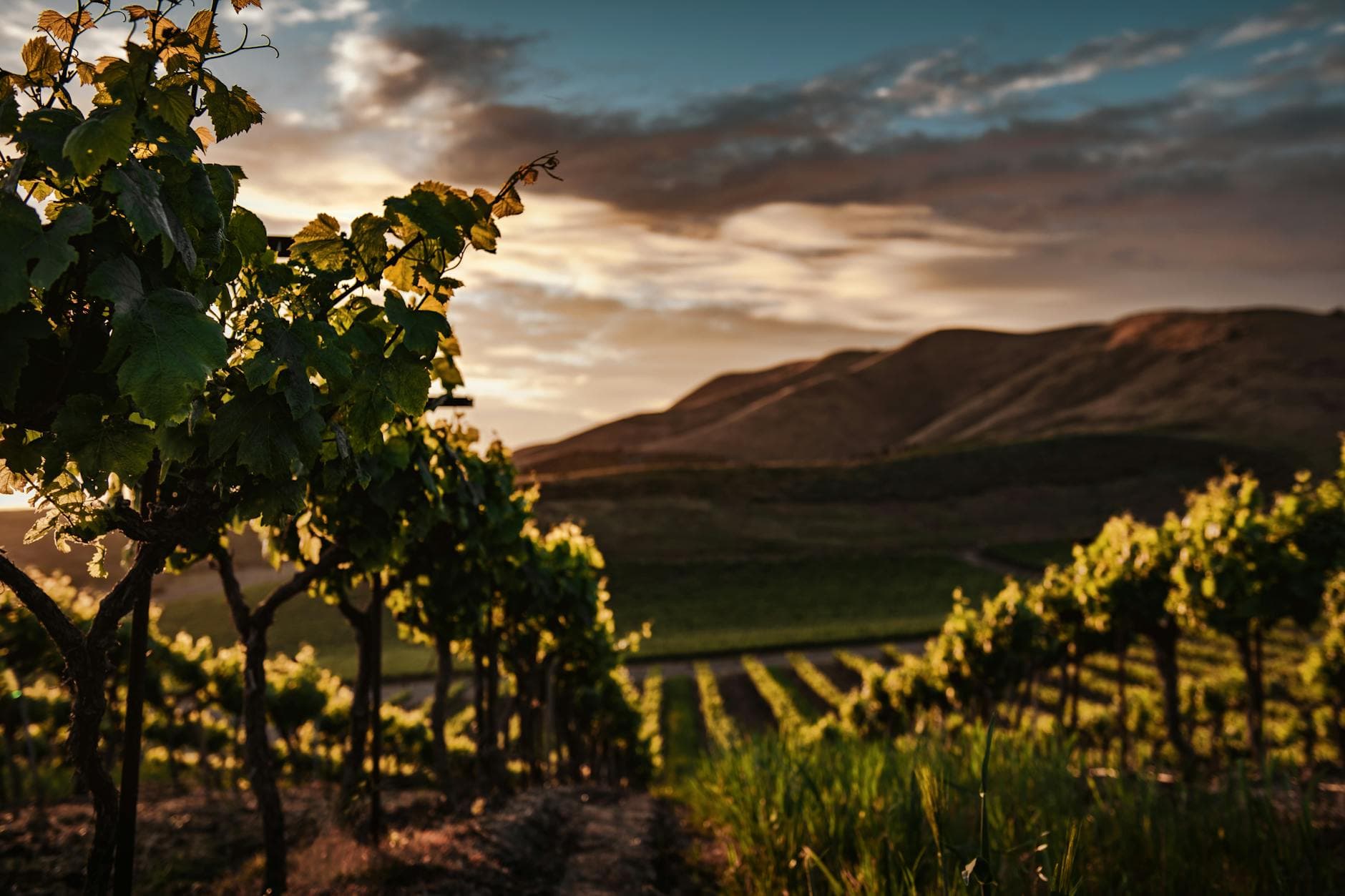
15 Best Wineries to Visit in Willamette Valley
Willamette's Pinot Noir scene rewards those who go beyond the obvious names. The best visits are intimate, often by appointment, and genuinely memorable.
15 Best Wineries to Visit in Willamette Valley (2026 Guide)
Willamette Valley is where Oregon wine begins and ends. Stretching 150 miles south from Portland, this cool-climate region has spent the last five decades proving that the Pacific Northwest can produce Pinot Noir to rival Burgundy --- and doing it with a distinctly Oregon ethos of sustainability, small production, and zero pretension.
The valley is home to over 700 wineries spread across six major AVAs (American Viticultural Areas), each with its own soil types, microclimates, and character. Dundee Hills gives you rich, dark-fruited Pinot Noir. Eola-Amity Hills delivers wines with bracing acidity and volcanic minerality. Yamhill-Carlton tends toward earthy, structured reds. The range is remarkable for a region that was dismissed as "too cold for serious wine" as recently as the 1970s.
This guide covers 15 wineries that represent the best of what Willamette Valley offers --- from the pioneers who planted the first vines to the next generation pushing Oregon wine forward. Whether you're planning your first wine trip or looking for new stops in a region you already know, these are the places that reward the drive.
What to Know Before Visiting Willamette Valley Wineries

Before you start booking tastings, here's what makes wine tasting in Oregon different from most American wine regions:
- Pinot Noir dominates. Roughly two-thirds of Willamette Valley's plantings are Pinot Noir. You'll also find excellent Pinot Gris, Chardonnay, and Riesling, but Pinot Noir is the reason this region exists on the world wine map. If you enjoy comparing Old World and New World wines, Willamette Pinot is the closest thing the US has to red Burgundy.
- It's 45 minutes from Portland. The northern edge of wine country starts just southwest of the city. Dundee Hills, the most concentrated tasting area, is about an hour's drive. That proximity makes day trips easy, but staying overnight is better.
- Tasting fees are lower than you'd expect. Most wineries charge $20-40 per person, with some free or by-donation tastings still available. Compare that to Napa's $50-100+ average and Willamette Valley feels like a bargain.
- The best seasons are summer and early fall. June through October offers the most consistent weather. Harvest (late September to mid-October) is exciting but busy. Winter and spring are cool and rainy --- which is fine if you don't mind grey skies and empty tasting rooms.
- Reservations are recommended but not always required. Larger wineries accept walk-ins, especially midweek. Smaller producers often require appointments. A quick check of the winery's website saves you a wasted drive.
- Dress casually. Oregon wine country is relaxed. Jeans, layers, and comfortable shoes are the norm. See our wine tasting dress code guide for more specifics, but leave the blazer at home.
- Sustainable farming is the default. Oregon has some of the strictest pesticide regulations in the US, and a large percentage of Willamette Valley vineyards farm organically, biodynamically, or under LIVE (Low Input Viticulture and Enology) certification. You'll hear about soil health and cover crops as often as barrel programs.
The 15 Best Wineries to Visit in Willamette Valley
1. Domaine Drouhin Oregon (Dundee Hills)
Why visit: When Burgundy royalty plants vines in Oregon, people pay attention. Robert Drouhin of Maison Joseph Drouhin (a Burgundy house dating to 1880) founded Domaine Drouhin Oregon in 1987 after his daughter Véronique fell in love with the Dundee Hills terroir. The decision was controversial at the time. The wines have long since silenced the skeptics.
The experience: The Estate Tasting ($30-45) covers their Pinot Noir and Chardonnay lineup in a gravity-flow winery built into the Dundee hillside. Véronique's Burgundian winemaking approach --- whole cluster fermentation, native yeasts, gentle extraction --- produces Pinot Noir with a silky texture and earthy complexity that genuinely recalls the Côte de Beaune. The Laurène bottling, named after Véronique's daughter, is their flagship and regularly one of Oregon's finest wines.
Best for: Burgundy fans, anyone wanting to understand the French-Oregon connection, serious Pinot Noir drinkers.
Tasting fee: Around $30-45 depending on the experience
Reservations: Recommended, especially on weekends. Book a few days ahead.
Website: domainedrouhin.com
2. The Eyrie Vineyards (McMinnville / Dundee Hills)
Why visit: This is where Oregon wine started. David Lett planted the first Pinot Noir and Pinot Gris vines in Willamette Valley in 1965, when everyone told him he was crazy. In 1979, his 1975 South Block Reserve Pinot Noir placed in the top tier of a blind tasting against top Burgundies organized by Robert Drouhin --- the event that convinced Drouhin to plant in Oregon himself.
The experience: The tasting room in McMinnville pours their current releases ($25-35), and the wines carry a signature restraint that reflects David Lett's original philosophy: pick early, intervene minimally, let the vineyard speak. Jason Lett, David's son, now runs the winery with the same conviction. Their Original Vines Pinot Noir, from the oldest Pinot Noir vines in the valley, is a piece of Oregon history in a glass.
Best for: Wine history buffs, anyone who wants to taste Oregon's origin story, fans of lighter-bodied, elegant Pinot Noir.
Tasting fee: Around $25-35
Reservations: Recommended.
Website: eyrievineyards.com
3. Sokol Blosser Winery (Dundee Hills)
Why visit: One of Willamette Valley's founding wineries (1971), Sokol Blosser was among the first Oregon wineries to earn B Corp certification and has been a leader in sustainable winemaking for decades. Their tasting room, built into the hillside with a living roof, reflects the commitment to treading lightly on the land.
The experience: The Terrace Tasting ($30-40) offers views across the Dundee Hills while you work through their Pinot Noir, Pinot Gris, and rosé lineup. The Evolution series is a playful, accessible entry point. The estate Pinot Noirs --- particularly the Big Tree Block and Orchard Block --- show the nuance that Dundee Hills red volcanic soil can produce. The atmosphere is welcoming and unpretentious.
Best for: Sustainability-minded visitors, families (the grounds are kid-friendly), anyone wanting a beautiful outdoor tasting.
Tasting fee: Around $30-40
Reservations: Recommended for weekends. Walk-ins often available midweek.
Website: sokolblosser.com
4. Adelsheim Vineyard (Chehalem Mountains)
Why visit: David Adelsheim planted his first vines in 1971 and has spent the decades since not just making wine but building Oregon's wine industry. He helped establish Oregon's wine labeling laws and was instrumental in creating the state's AVA system. The wines are consistently excellent, vintage after vintage.
The experience: The tasting ($30-40) at their Chehalem Mountains estate covers Pinot Noir, Chardonnay, and Pinot Gris from several vineyard sites. What stands out is the precision --- Adelsheim's wines are clean, focused, and expressive without relying on winemaking tricks. The Breaking Ground Pinot Noir is their entry-level and drinks well above its price. The single-vineyard bottlings reward slower attention.
Best for: Wine lovers who appreciate consistency and craftsmanship, anyone interested in Oregon's wine history, Chardonnay fans.
Tasting fee: Around $30-40
Reservations: Recommended.
Website: adelsheim.com
5. Bergström Wines (Dundee Hills)
Why visit: Josh Bergström farms his vineyards biodynamically and makes wines with a Burgundian intensity that few Oregon producers match. He trained in Burgundy, and the influence shows --- not as imitation, but as a shared philosophy of letting the vineyard define the wine.
The experience: Tastings ($40-55) at the Dundee Hills estate are intimate and focused. You'll work through site-specific Pinot Noirs from vineyards like Bergström, de Lancellotti, and Shea, tasting how different soils and exposures shape the same grape variety. The Sigrid Chardonnay, named after Josh's mother, is one of Oregon's best whites --- rich but taut, with a flinty minerality. These are serious wines for people who pay attention.
Best for: Serious wine drinkers, Burgundy comparisons, anyone interested in biodynamic farming.
Tasting fee: Around $40-55
Reservations: Required. Book at least a week ahead.
Website: bergstromwines.com
6. Beaux Frères (Ribbon Ridge)
Why visit: Co-founded by Michael Etzel and his brother-in-law Robert Parker Jr. (yes, that Robert Parker --- the most influential wine critic of the 20th century). The 88-acre estate sits on Ribbon Ridge, one of Willamette Valley's smallest and most distinctive AVAs, known for sedimentary marine soils that produce Pinot Noir with remarkable depth and structure.
The experience: The tasting ($45-60) focuses on their estate Pinot Noir from organically farmed old vines. The wines are generous and concentrated by Oregon standards but never heavy --- there's always a thread of bright acidity keeping things in balance. The Upper Terrace bottling, from the steepest part of the vineyard, is consistently outstanding.
Best for: Collectors, Pinot Noir purists, wine lovers curious about the Ribbon Ridge AVA.
Tasting fee: Around $45-60
Reservations: Required.
Website: beauxfreres.com
7. Ponzi Vineyards (Chehalem Mountains)
Why visit: Dick and Nancy Ponzi were among the original wave of Oregon wine pioneers in 1970. The family has quietly produced excellent Pinot Noir and Pinot Gris for over five decades, avoiding hype while building one of the region's most reliable track records. Their newer tasting room in Sherwood is a beautiful modern space.
The experience: The tasting ($30-45) covers Pinot Noir, Pinot Gris, Chardonnay, and sometimes their excellent Dolcetto. The Avellana Pinot Noir is their benchmark --- medium-bodied, earthy, with a spice complexity that develops over several years in bottle. The family's second-generation involvement (daughters Maria and Luisa Ponzi) keeps things rooted while pushing quality forward.
Best for: Fans of consistent quality, Italian grape variety enthusiasts, families (Sherwood location is spacious and welcoming).
Tasting fee: Around $30-45
Reservations: Recommended.
Website: ponzivineyards.com
8. Archery Summit (Dundee Hills)
Why visit: One of the Dundee Hills' most prominent estates, Archery Summit farms six vineyard sites across the AVA and makes single-vineyard Pinot Noirs that highlight the differences between each. Their wine caves --- hand-carved into the volcanic rock --- are among the few you'll find in Oregon.
The experience: The Cave Tour and Tasting ($50-65) takes you underground into the barrel caves before a seated tasting of their current releases. The Premier Cuvée is an approachable blend, but the single-vineyard bottlings are where Archery Summit shines. The Arcus Vineyard Pinot Noir, from high-elevation volcanic soils, is consistently one of their best. The hilltop views from the tasting room are among the finest in Dundee Hills.
Tasting fee: Around $50-65
Reservations: Required for cave tours. Standard tastings available by appointment.
Website: archerysummit.com
9. Willamette Valley Vineyards (Salem / Eola-Amity Hills)
Why visit: Oregon's most widely recognized wine brand, founded in 1983 by Jim Bernau, who started by selling shares to wine lovers to fund the first plantings. Today, Willamette Valley Vineyards produces a broad range of wines from estate vineyards across several AVAs and remains one of the few publicly traded wineries in the US.
The experience: The main tasting room near Salem offers several tasting options ($20-35), from their accessible Whole Cluster Pinot Noir to the estate reserves. The Griffin Creek line provides good value, while the Bernau Block Pinot Noir --- from the original estate vineyard --- shows what decades-old vines can produce. The tasting room has a large outdoor terrace with sweeping views of the valley and the Cascade Range on clear days.
Best for: First-time Oregon wine visitors, groups looking for a polished tasting room experience, budget-conscious tasters.
Tasting fee: Around $20-35
Reservations: Recommended but walk-ins usually accommodated.
Website: wvv.com
10. Rex Hill (Chehalem Mountains)
Why visit: Founded in 1982 and now owned by A to Z Wineworks, Rex Hill sits on a historic pioneer homestead with a restored hazelnut drying facility as its tasting room. They produce certified-organic wines from estate vineyards across the Chehalem Mountains AVA, with a particular focus on Pinot Noir and Chardonnay.
The experience: The tasting ($25-40) combines their A to Z lineup (excellent value Oregon wine) with the Rex Hill estate wines. The Jacob-Hart Vineyard Pinot Noir is their standout --- from a single site of old vines on Jory soil, it has a dark-fruited intensity balanced by fine tannins. The reclaimed industrial-meets-rustic tasting space has genuine character.
Best for: Value seekers (A to Z), organic wine enthusiasts, anyone who wants good wine without pretension.
Tasting fee: Around $25-40
Reservations: Recommended.
Website: rexhill.com
11. Domaine Serene (Dundee Hills)
Why visit: Ken and Grace Evenstad built Domaine Serene into one of Oregon's most acclaimed estates, with a Pinot Noir program that regularly draws comparisons to Grand Cru Burgundy. Their Clubhouse tasting room is one of the most striking buildings in Oregon wine country --- a five-level stone and timber structure on a Dundee Hills hilltop.
The experience: The Clubhouse Tasting ($45-65) covers their estate Pinot Noirs and Chardonnays in a luxurious setting. The Evenstad Reserve Pinot Noir is their flagship --- concentrated, complex, and built to age. The Grace Vineyard Chardonnay is excellent. These are polished, ambitious wines, and the experience matches. If you want one splurge tasting in the valley, this is a strong candidate.
Best for: Special occasions, collectors, anyone wanting a premium tasting experience.
Tasting fee: Around $45-65
Reservations: Required. Book well ahead for weekends.
Website: domaineserene.com
12. Cristom Vineyards (Eola-Amity Hills)
Why visit: Steve Doerner, one of Oregon's most respected winemakers, has made the wines at Cristom since 1992. The estate sits in the Eola-Amity Hills, where the Van Duzer Corridor funnels cool Pacific air through a gap in the Coast Range, creating a cooler, windier microclimate that gives the wines a striking acidity and mineral drive.
The experience: Tastings ($35-50) feature Pinot Noir from four estate vineyards --- Jessie, Louise, Marjorie, and Eileen --- each named after a woman in the owners' family, each with a distinct personality. Jessie tends toward power, Eileen toward finesse, and comparing them side by side is one of the most educational tastings in the valley. Cristom's Viognier is also outstanding --- one of the few non-Pinot wines in Oregon that genuinely demands attention.
Best for: Wine geeks who love single-vineyard comparisons, Viognier fans, anyone interested in the Eola-Amity Hills terroir.
Tasting fee: Around $35-50
Reservations: Required.
Website: cristomvineyards.com
13. WillaKenzie Estate — Now Avery (Yamhill-Carlton)
Why visit: Originally founded in 1992, WillaKenzie Estate takes its name from the Willakenzie soil series --- ancient marine sedimentary soils that define much of Yamhill-Carlton. Now operating as Avery under Maison Louis Jadot's ownership (another Burgundy house investing in Oregon), the wines continue to express the distinctive character of these clay-rich soils.
The experience: The tasting ($30-45) at their Yamhill-Carlton estate features Pinot Noir and Pinot Gris from vineyards planted on south-facing slopes of Willakenzie soil. The wines tend toward an earthier, more structured style than Dundee Hills Pinot Noir --- darker fruit, firmer tannins, a savoury quality. If you've been tasting in Dundee Hills all morning, this is a good palate reset.
Best for: Terroir nerds, anyone wanting to taste the Yamhill-Carlton AVA, Burgundy enthusiasts curious about Jadot's Oregon project.
Tasting fee: Around $30-45
Reservations: Recommended.
Website: averywines.com
14. Penner-Ash Wine Cellars (Yamhill-Carlton)

Why visit: Lynn Penner-Ash was one of Oregon's pioneering female winemakers, serving as Rex Hill's winemaker before founding her own label in 1998. The gravity-flow winery, designed with floor-to-ceiling windows, is an architectural highlight of the Yamhill-Carlton area and offers panoramic views of the Coast Range.
The experience: The tasting ($35-50) features estate Pinot Noir alongside Syrah and Viognier --- a broader range than most Oregon producers. The Dussin Vineyard Pinot Noir is consistently strong, and their Syrah (from a cooler climate than most American Syrah) has a peppery, Northern Rhône-like character that surprises people expecting fruit bombs.
Best for: Fans of diverse wine styles, architecture enthusiasts, visitors wanting beautiful views with their tasting.
Tasting fee: Around $35-50
Reservations: Recommended.
Website: pennerash.com
15. Lingua Franca (Eola-Amity Hills)
Why visit: Founded by Master Sommelier Larry Stone with winemaking by Dominique Lafon --- the legendary Burgundy producer behind Domaine des Comtes Lafon. If Domaine Drouhin proved that Burgundians could make great wine in Oregon, Lingua Franca is the next chapter of that story, focusing on Chardonnay and Pinot Noir from the Eola-Amity Hills.
The experience: Tastings ($40-55) are focused and cerebral. The Chardonnays are extraordinary --- whole-cluster pressed, fermented in French oak, with a tension and precision that recalls Meursault. The AVNI Pinot Noir, an estate blend, is excellent, while the single-vineyard bottlings are among the most nuanced wines being made in Oregon today. This is a winery for people who care about winemaking detail.
Best for: Chardonnay lovers, Burgundy devotees, sommeliers and advanced wine drinkers.
Tasting fee: Around $40-55
Reservations: Required.
Website: linguafranca.wine
Planning Your Willamette Valley Wine Trip
Suggested Itineraries
Day 1 --- Dundee Hills Circuit:
- Morning: Domaine Drouhin Oregon (Burgundy connection, estate wines)
- Late morning: Sokol Blosser (terrace views, sustainable farming)
- Lunch: The Dundee Bistro or Tina's (both in Dundee)
- Afternoon: Archery Summit (cave tour, single-vineyard Pinots)
Day 2 --- Yamhill-Carlton & Ribbon Ridge:
- Morning: Penner-Ash (architecture, Syrah surprise)
- Late morning: WillaKenzie/Avery (Willakenzie soils, structured Pinot)
- Lunch: Thistle Restaurant (McMinnville)
- Afternoon: The Eyrie Vineyards (McMinnville tasting room, Oregon history)
- Evening: Walk McMinnville's Third Street for dinner
Day 3 --- Eola-Amity Hills & South Valley:
- Morning: Cristom Vineyards (four-vineyard comparison)
- Late morning: Lingua Franca (Burgundy-caliber Chardonnay)
- Lunch: Erath Restaurant or picnic provisions from Red Hills Market
- Afternoon: Willamette Valley Vineyards (terrace views, approachable wines)
Where to Stay
The towns of McMinnville and Dundee are the most convenient bases for wine tasting, with the highest concentration of tasting rooms within a short drive. Newberg is closer to Portland and works well for a shorter trip. See our where to stay in Willamette Valley guide for detailed accommodation recommendations.
Getting Around
- Drive yourself: Willamette Valley is spread out, and a car is the most practical way to get between wineries. Designated driver required --- Oregon takes DUI enforcement seriously.
- Hire a driver or tour service: Private wine tour services run around $250-500 per day depending on group size and itinerary. See our wine tour planning guide for options.
- Bike tours: The flat areas around McMinnville and Carlton are suitable for cycling between tasting rooms, though distances between wineries are longer than in more concentrated regions.
Budget Guide
Willamette Valley is significantly more affordable than Napa Valley or Sonoma, making it one of the best-value wine tasting regions in the US.
| Expense | Per Person (USD) | Notes |
|---|---|---|
| Tasting fees (3-4 wineries) | $75-180 | Budget $25-45 per winery |
| Lunch | $20-50 | Dundee Bistro to McMinnville restaurants |
| Transportation | $60-125 | Split driver cost, or your own car + gas |
| Wine purchases | $30-200+ | Oregon Pinot starts around $25-35/bottle |
| **Daily total** | **$185-555** | Per person, before accommodation |
Accommodation estimates:
- Budget (vacation rental, shared): $80-120/night per person
- Mid-range (McMinnville hotel, Dundee inn): $150-250/night
- Splurge (The Allison Inn & Spa, Atticus Hotel): $300-500+/night
Compared to Napa: You can expect to spend roughly 40-50% less per day on tastings and dining in Willamette Valley, and wine bottle prices average significantly lower for comparable quality.
Frequently Asked Questions
Q: What are the best wineries to visit in Willamette Valley for a first timer?
A: Start with Sokol Blosser (beautiful setting, welcoming atmosphere), Willamette Valley Vineyards (broad wine range, easy to reach), and Domaine Drouhin (the Burgundy-Oregon connection). These three give you a range of experiences and a solid introduction to Oregon Pinot Noir.
Q: What is Willamette Valley best known for?
A: Pinot Noir. Willamette Valley is the largest and most important Pinot Noir producing region in the United States. The cool climate, long growing season, and volcanic and marine sedimentary soils produce Pinot Noir with a balance of fruit, acidity, and earth that draws frequent comparisons to Burgundy. You'll also find excellent Pinot Gris, Chardonnay, and Riesling.
Q: How do I get to Willamette Valley from Portland?
A: Drive southwest on Highway 99W. Dundee Hills, the most popular tasting area, is about 60 minutes from downtown Portland. McMinnville is about 75 minutes. The Eola-Amity Hills and Salem-area wineries are about 60-70 minutes via I-5 South. No public transit serves the wineries directly.
Q: Do I need reservations for Willamette Valley wineries?
A: It depends on the winery. Larger operations like Sokol Blosser and Willamette Valley Vineyards often accept walk-ins, especially on weekdays. Smaller producers like Bergström, Beaux Frères, and Lingua Franca require appointments. Checking ahead is always wise, particularly from June through October.
Q: When is the best time to visit Willamette Valley for wine tasting?
A: Late June through early October offers the most reliable weather. September and October during harvest are especially exciting --- many wineries offer special harvest events and you can see (and smell) the crush in action. Spring (April-May) has wildflowers and fewer crowds. Winter is cool and rainy but wineries are open and you'll often get more personal attention.
Q: How does Willamette Valley compare to Napa Valley for wine tasting?
A: Very different experiences. Willamette Valley is more casual, less expensive, and focused almost entirely on cool-climate varieties (Pinot Noir, Pinot Gris, Chardonnay). Napa is more polished and Cabernet-focused. Oregon tasting rooms tend to be smaller and more personal. If you're planning your first wine trip, Willamette is more approachable on both the palate and the wallet.
Q: What food pairs well with Willamette Valley Pinot Noir?
A: Oregon Pinot Noir's bright acidity and earthy character make it one of the most food-friendly red wines. It pairs well with salmon (abundant in the Pacific Northwest), roasted duck, mushroom dishes, pork tenderloin, and aged cheeses. The lighter style means it works at a dinner table in ways that heavier reds often don't.
Q: Can I visit Willamette Valley wineries as a day trip from Portland?
A: Yes, but staying overnight is better. A day trip gives you time for 3-4 wineries in the Dundee Hills or McMinnville area. If you want to explore multiple AVAs or enjoy a more relaxed pace, plan for at least two days. The Willamette Valley region is spread across a large area, and rushing between appointments diminishes the experience.
Planning an Oregon wine country trip? Read our Willamette Valley guide for region details, or explore our guides on how to plan a wine tour and planning your first wine trip.
Ready to visit Willamette Valley?
Build your personalised day-by-day itinerary — choose your travel style and trip length, get accommodation and tour picks per day, and email it to yourself to take along.
Upcoming Wine Festivals in United States
See all festivalsHidden Gems Nearby
Discover more hidden gemsMontinore Estate
Willamette Valley, United States
America's largest Demeter-certified biodynamic estate, hiding in plain sight with Pinot Noir that punches way above its price.
Pinot Noir · Pinot Gris · Riesling
Ravines Wine Cellars
WTG PickFinger Lakes, United States
A French-trained winemaker producing America's most underrated Rieslings on a glacial lake that most wine lovers have never visited.
Riesling · Cabernet Franc · Pinot Noir
Barboursville Vineyards
Virginia, United States
Thomas Jefferson's vision of Virginia wine fulfilled — world-class Bordeaux blends and Italian varieties on a historic plantation most oenophiles overlook.
Bordeaux Blend · Vermentino · Nebbiolo
Book Your Willamette Valley Wine Country Stay
Compare hotels, vineyard B&Bs and rentals across Booking, Airbnb and more in one search.
Compare stays near the vineyardsStay22
Plan Your 15 Best Wineries to Visit in Willamette Valley Trip
Estimate your 15 Best Wineries to Visit in Willamette Valley trip cost
Budget calculator with accommodation, food, wine, and transport estimates.
Try itCompare 15 Best Wineries to Visit in Willamette Valley with other regions
Side-by-side comparison of cost, climate, wine styles, and more.
Try itWhen to visit 15 Best Wineries to Visit in Willamette Valley
Harvest dates, peak season, and the best months for wine travel.
Try itThis page contains affiliate links. We may earn a commission at no extra cost to you.