 Photo: Gever / Pexels
5 Days in the Douro Valley: Portugal's Most Dramatic Wine Country
A 5-day Douro Valley itinerary from Porto into the heart of Portugal's port wine country. Day-by-day plan covering river cruises, quinta visits, terraced vineyard hikes, port tastings, and the best local cuisine along the way.
5 Days in the Douro Valley: Portugal's Most Dramatic Wine Country
The Douro Valley is the oldest demarcated wine region in the world, carved into northern Portugal's schist hillsides since 1756. The terraced vineyards climbing from the river look like an amphitheatre designed by a civilization that truly loved wine -- because that is exactly what they are. Generations of farmers built these walls by hand, and the wines they produce, both port and the increasingly celebrated Douro DOC still wines, rank among Europe's finest.
Five days gives you time to start in Porto, work your way upriver through the valley's three sub-regions, and return without feeling like you missed something essential. You will taste vintage port in centuries-old lodges, drink still reds that rival top Bordeaux at a fraction of the price, cruise one of the most beautiful rivers in Europe, and eat food that makes you wonder why Portuguese cuisine does not get more international attention.
| Day | Focus | Base |
|---|---|---|
| 1 | Porto arrival, port lodges in Vila Nova de Gaia | Porto |
| 2 | Porto to Peso da Régua, riverside quintas | Peso da Régua |
| 3 | Douro river cruise, Pinhão, quinta visits | Pinhão |
| 4 | Upper Douro, terraced vineyard hikes, deep valley | Pinhão |
| 5 | Return to Porto via Amarante, final tastings | Porto |
Before You Go
- Book quinta visits in advance. The major estates (Quinta do Crasto, Quinta do Vallado, Quinta da Pacheca) take reservations online. Smaller producers often require a phone call or email. Two weeks ahead is usually sufficient; one month for September harvest season.
- Rent a car. The train from Porto to Peso da Régua and Pinhão runs along the river and is beautiful, but you need a car to reach most quintas and viewpoints. Roads are winding but well-maintained. Pick up at Porto airport (OPO) or Campanhã station.
- Bring layers. The valley can be 10-15°C warmer than Porto. Mornings on the river are cool; afternoons in the upper Douro in summer push past 40°C.
- Port wine basics. Port is a fortified wine -- fermentation is stopped with grape spirit (aguardente), leaving residual sugar. Ruby ports are young and fruity; tawny ports are aged in barrel (10, 20, 30, 40 years). Vintage and vintage vintage ports are from a single outstanding year. Understanding these categories makes your tastings much more meaningful.
- Best seasons. May-June for wildflowers and moderate heat. September-October for the grape harvest (vindima), when the valley is at its most alive. July-August works but temperatures in the valley regularly exceed 40°C. Winter is quiet and many quintas reduce hours.
Day 1: Porto & the Port Lodges of Vila Nova de Gaia
Morning
Arrive in Porto. If you are flying in, the metro runs directly from the airport to the city centre in about 30 minutes (EUR 2.50 with a rechargeable Andante card). Drop your bags at your hotel -- the Ribeira waterfront district or the Baixa neighbourhood both put you within walking distance of everything today.
Walk through the Ribeira, Porto's UNESCO-listed riverside quarter. The narrow streets, tiled facades, and medieval layout are disorienting in the best way. Cross the lower deck of the Ponte Dom Luís I, the iron arch bridge that frames every postcard of the city, into Vila Nova de Gaia.
Afternoon
Vila Nova de Gaia is where port wine is aged and sold. The south bank of the Douro is lined with port lodges (armazéns) belonging to every major house. You could spend a week here, but today, pick two contrasting visits.
First stop: One of the historic British-founded houses. Taylor's, Graham's, and Sandeman all offer excellent tours that explain the port-making process, show you barrel rooms lined with centuries of cobwebs, and finish with guided tastings. Expect EUR 15-25 per person for a standard tour and tasting. Taylor's has particularly good views from their terrace.
Second stop: A smaller, more modern producer for contrast. Quinta do Noval's Gaia space or Kopke (the oldest port house, founded 1638) offer more intimate experiences and often pour wines you will not find outside Portugal. Kopke's Colheita ports -- single-vintage tawnies -- are extraordinary value.
Evening
Walk back across the bridge's upper deck for the panoramic view of both cities at sunset. This is the best free experience in Porto.
Dinner in the Ribeira or Cedofeita neighbourhood. Portuguese cooking is generous, unfussy, and affordable. Look for dishes like bacalhau à Gomes de Sá (salt cod baked with potatoes, onions, and olives), francesinha (Porto's signature indulgent sandwich), or arroz de pato (duck rice). A full dinner with wine in a good local restaurant runs EUR 20-35 per person.
Pro tip: The port lodges closest to the waterfront are the most touristic and most crowded. Walk 5 minutes uphill and you will find the same quality with a quarter of the wait. Graham's Lodge, set on the hill above, rewards the climb with one of the best terraces in Gaia.
Day 2: Porto to Peso da Régua -- Gateway to the Douro
Morning
Pick up your rental car and drive east toward the Douro Valley. You have two excellent route options:

Option A: The fast route via the A4 motorway to Peso da Régua (about 1 hour 15 minutes). Efficient but dull.
Option B: The scenic route via the N108 river road. This takes 2-2.5 hours but follows the Douro from Porto through Gondomar and Entre-os-Rios, with the valley gradually narrowing and the terraces appearing as you approach Régua. Take this one.
Your first stop before Régua: Quinta de Santa Eufémia, a family-run estate between Lamego and Régua that has been making port since 1890. The tours here are personal -- often led by a family member -- and the wines are honest and well-priced. Tasting is typically free or EUR 5-10.
Afternoon
Arrive in Peso da Régua (locals just say "Régua"), the commercial hub of the Douro wine trade. It is not a pretty town in the way Pinhão is, but it is the valley's working heart and has two essential stops.
Visit the Museu do Douro, housed in a converted 18th-century warehouse on the waterfront. It covers the history of Douro winemaking, the evolution of the terraces, and the human labour behind every bottle. The permanent exhibition is well-curated and takes about 90 minutes. EUR 8 per adult.
Walk along the Régua waterfront. The river here is wide and calm, flanked by terraced hills. In the late afternoon light, you begin to understand why painters and photographers are drawn to this valley.
Evening
Check into your accommodation. Régua has good mid-range hotel options, or look for a quinta with guest rooms in the surrounding hills for a more immersive experience.
Dinner in Régua. The local cuisine leans on river fish (lamprey in season, January-April), grilled meats, and the region's excellent olive oil. Pair everything with Douro DOC reds -- the still wines from this region are Portugal's best, built on Touriga Nacional, Touriga Franca, and Tinta Roriz grapes. A bottle of excellent Douro red in a restaurant costs EUR 12-25, which by international standards is absurdly generous.
Pro tip: If you are here in February or March, ask about lampreia à bordalesa (lamprey in blood sauce). It sounds challenging but it is one of Portugal's iconic dishes, and the Douro is where to try it.
Day 3: River Cruise & Pinhão
Morning
Drive (or take the train -- the Linha do Douro from Régua to Pinhão is one of Europe's most scenic railway journeys) to Pinhão, 25 km upriver. The train takes about 30 minutes and costs under EUR 5. If you drive, the N222 road along the north bank is regularly voted one of the world's best driving roads -- the curves trace the river through a corridor of terraced vineyards.
Arrive in Pinhão, a village of about 600 people that punches absurdly above its weight in wine. The train station itself is worth a stop -- its walls are covered in blue-and-white azulejo tile panels depicting the grape harvest, barrel transport, and river boats (rabelos).
Afternoon
Board a Douro river cruise from Pinhão. Several operators run 1-2 hour cruises up to the Valeira dam and back, passing through the heart of the valley's Cima Corgo sub-region. This is the landscape that appears on port wine labels -- steep terraces dropping to the water, quintas perched on hillsides, not a flat surface in sight. Cruises cost EUR 15-25 per person.
After the cruise, visit Quinta do Bomfim (owned by Symington Family Estates, who also make Dow's and Graham's). The self-guided vineyard walk here is excellent, with information panels explaining the different grape varieties, terracing systems, and the microclimate that makes this bend of the river so prized. The tasting room overlooks the valley. Tastings EUR 10-20.
For a second quinta, Quinta do Crasto sits high on the south bank with commanding views. Their wines -- particularly the Reserva Old Vines -- are among the Douro's most acclaimed still reds. Book ahead; they take small groups only. Tastings EUR 15-30.
Evening
Check into your Pinhão accommodation. This is the most charming base in the valley. Options range from the boutique Vintage House Hotel on the riverfront to small guest houses and quinta stays in the surrounding hills.
Dinner in or near Pinhão. The village is small but the surrounding quintas often have restaurants. Expect robust Douro cooking: cabrito assado (roasted kid goat), feijoada transmontana (bean stew with smoked meats), and always olive oil and bread to start. Budget EUR 20-40 per person with wine.
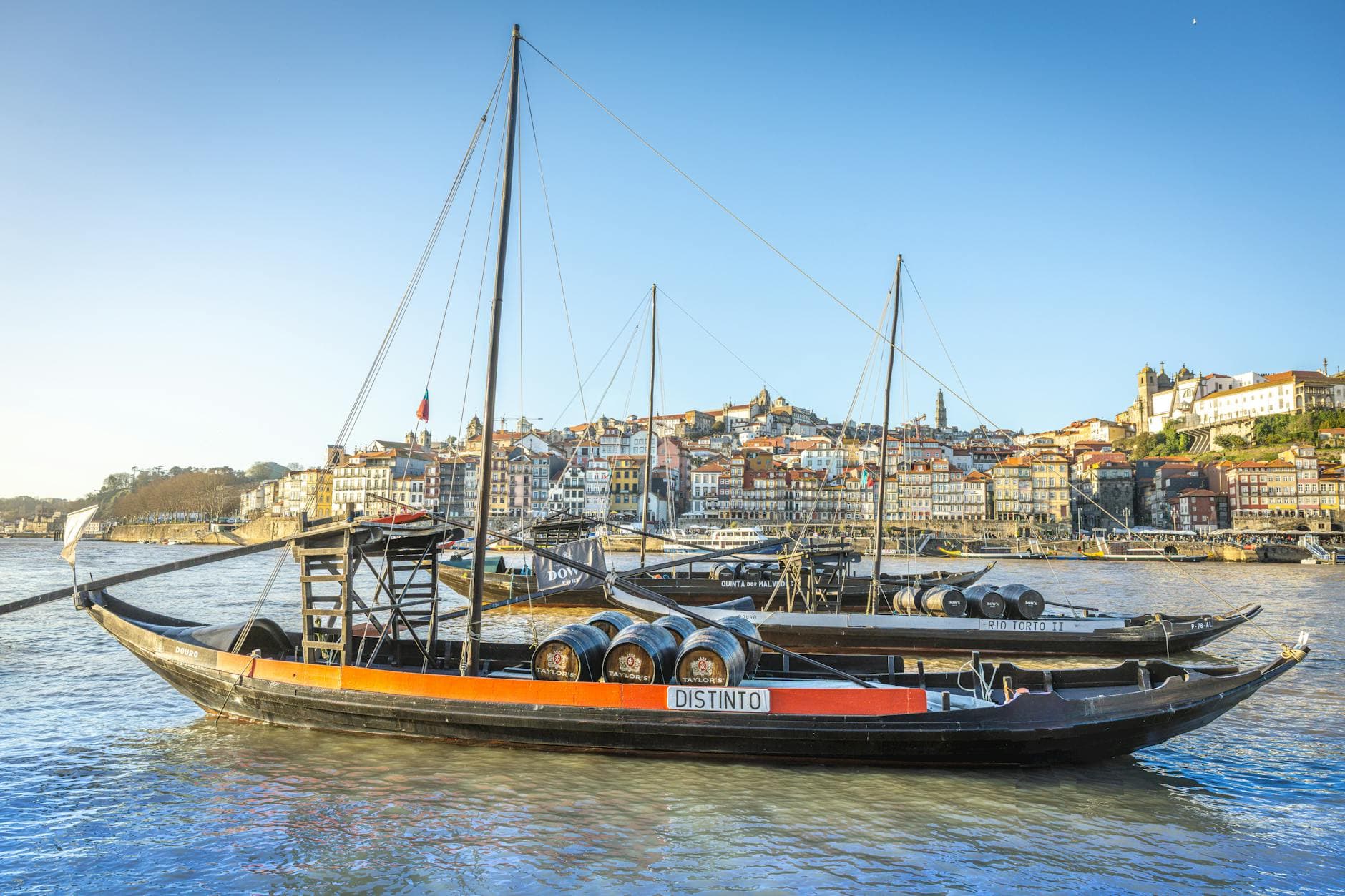
Pro tip: Ask your quinta or hotel about arranging a private rabelo boat experience. The traditional flat-bottomed boats that once carried port barrels downriver to Gaia are now used for intimate tastings on the water. It is expensive (EUR 100-200 for a small group) but genuinely special.
Day 4: Upper Douro & Terraced Vineyard Hikes
Morning
Today you explore the Douro Superior -- the upper valley east of Pinhão, where the landscape becomes even more dramatic and the tourist density drops to almost nothing.

Drive east on the N222 toward São João da Pesqueira. Stop at the Miradouro de São Salvador do Mundo, a viewpoint perched above a series of river bends that is arguably the most spectacular panorama in the entire valley. On a clear morning, the terraces stretch in every direction, layer upon layer, until they dissolve into haze. Bring your camera. There is no entrance fee.
Late Morning
Hike through the terraced vineyards. Several quintas offer guided vineyard walks, or you can explore independently along the paths between São João da Pesqueira and the river. The terrain is moderate -- mostly dirt tracks and stone steps between terrace walls -- but bring proper shoes and water. The heat in the valley floor can be intense by mid-morning in summer.
A good structured option: the walking trail from Quinta do Seixo (Sandeman's Douro estate). The trail loops through their vineyards with interpretive panels, and the estate's modern visitor centre at the end has tastings and a terrace with views. EUR 10-15 for tasting.
Afternoon
Drive to São João da Pesqueira, a hilltop town that calls itself the "Capital of the Douro." The town has a handsome main square, several good restaurants, and the Aneto winery (one of the valley's best sparkling wine producers -- a surprise to most visitors).
Visit one more quinta on the return. Quinta do Vale Meão, near the Spanish border, produces some of the Douro's most sought-after wines. The estate was originally part of the legendary Barca Velha vineyard. Tours and tastings are by appointment and take about 90 minutes. EUR 20-40.
Evening
Return to Pinhão for your final evening in the valley. If weather allows, find a terrace with river views for dinner. The slow sunset over the Douro, with the terraces turning golden, is the valley's defining moment.
Pro tip: Harvest season (mid-September to early October) is the most exciting time to visit the upper Douro. Many quintas invite guests to participate in traditional foot-treading of grapes in stone lagares -- an experience that connects you directly to centuries of winemaking tradition. Ask about vindima experiences when booking.
Day 5: Return to Porto via Amarante
Morning
Check out and drive west, but take a detour through Amarante, a gorgeous riverside town about halfway between Pinhão and Porto. Cross the 18th-century São Gonçalo bridge, visit the monastery church, and walk along the Tâmega river. Amarante is famous for its pastries -- the conventual sweets and the local specialty, papos de anjo, are worth a stop.
Late Morning
Continue to Porto, arriving by early afternoon. Return your rental car and spend your final hours on foot.
Afternoon
Two options for your last Porto afternoon:
Option A: The wine route. Visit WOW (World of Wine), a cultural district that opened in Vila Nova de Gaia with multiple museums covering wine, cork, chocolate, and Porto's history. The Wine Experience museum (EUR 23) is the most relevant, but the complex is worth browsing even if you just visit the terrace restaurants.
Option B: The city route. Walk to the top of the Clérigos Tower (EUR 8, 240 steps, panoramic views), browse the Lello bookshop (EUR 8 entry, deducted from purchases), and wander through the Bolhão market for local cheeses, cured meats, and Douro wines to bring home.
Evening
Final dinner in Porto. Treat yourself to something memorable. For modern Portuguese cooking, look for restaurants in the Cedofeita or Bonfim neighbourhoods where young chefs are reinterpreting traditional recipes. For classic Porto, the Ribeira waterfront restaurants serve reliably good bacalhau and grilled fish. Budget EUR 30-50 per person for a celebratory final meal with good wine.
End the night with a final glass of tawny port. Anywhere overlooking the river will do. You have earned it.
Budget Breakdown
| Category | Budget (per person) | Mid-Range (per person) | Splurge (per person) |
|---|---|---|---|
| Accommodation (4 nights) | EUR 200-320 | EUR 400-700 | EUR 800-1500 |
| Meals (5 days) | EUR 150-200 | EUR 300-450 | EUR 500-800 |
| Wine tastings & tours | EUR 60-100 | EUR 120-200 | EUR 250-400 |
| Rental car (5 days) | EUR 120-180 | EUR 120-180 | EUR 200-300 |
| River cruise | EUR 15-25 | EUR 15-25 | EUR 80-200 |
| Attractions & museums | EUR 30-50 | EUR 30-50 | EUR 50-80 |
| Fuel & tolls | EUR 40-60 | EUR 40-60 | EUR 40-60 |
| **Total** | **EUR 615-935** | **EUR 1025-1665** | **EUR 1920-3340** |
Portugal is one of Europe's best-value wine destinations. A tasting that would cost EUR 40 in Bordeaux or Napa runs EUR 10-15 here, and restaurant wine lists remain remarkably affordable. The Douro delivers a world-class wine travel experience at a fraction of what comparable regions charge.

Getting There & Getting Around
Flights: Porto airport (OPO) has direct connections from most European hubs and seasonal transatlantic routes. Budget airlines Ryanair and easyJet serve Porto extensively.
Train: The Linha do Douro runs from Porto (Campanhã station) to Pocinho, stopping at Peso da Régua, Pinhão, and Tua. The journey from Porto to Régua takes about 2 hours and costs EUR 12-15. It is one of Europe's great train rides, but service is infrequent (2-4 trains daily depending on section), so check timetables at cp.pt.
Car rental: The most flexible option. Book in advance for the best rates. An automatic economy car runs EUR 25-40/day from Porto airport. Portuguese highways (autoestradas) charge tolls via electronic billing -- make sure your rental includes a Via Verde transponder or register your license plate online.
Driving in the Douro: The N222 is beautiful but demands attention. Single lane in each direction, blind curves, occasional tractors. Drive it in daylight. Parking at quintas is free; parking in Porto is the usual urban challenge (use a garage, EUR 10-15/day).
Practical Tips
- Language: Portuguese is spoken everywhere. English is common in Porto, at larger quintas, and in tourist-facing businesses. In smaller villages and traditional restaurants, a few words of Portuguese go a long way. "Obrigado/obrigada" (thank you) and "uma prova, por favor" (a tasting, please) will serve you well.
- Tipping: Not mandatory but appreciated. Rounding up the bill or leaving 5-10% at restaurants is standard. No tipping expected at wine tastings.

- Mobile data: Portugal has excellent mobile coverage. EU residents benefit from free roaming. Others should buy a local SIM at the airport (NOS, Vodafone, or MEO; EUR 15-20 for a data pack).
- Cash vs. card: Porto and larger quintas accept cards. Smaller village restaurants, markets, and some quinta shops are cash-preferred. Carry EUR 50-100 in small bills.
- Packing: Comfortable walking shoes for vineyard paths (not sandals -- schist gravel is rough). Sunscreen and a hat for the valley. A light jacket for Porto's Atlantic evenings, even in summer.
Final thought: The Douro Valley rewards slow travel. Resist the urge to cram in one more quinta. Some of the best moments -- a glass of tawny on a terrace watching the light change on the terraces, a long lunch that stretches into the afternoon -- happen when you leave space in the schedule.
Ready to visit Douro Valley?
Build your personalised day-by-day itinerary — choose your travel style and trip length, get accommodation and tour picks per day, and email it to yourself to take along.
Upcoming Wine Festivals in Portugal
See all festivalsHidden Gems Nearby
Discover more hidden gemsHerdade do Esporão
Alentejo, Portugal
A complete wine tourism destination in the Alentejo with a restaurant, museum, and amphora wines — yet almost unknown outside Portugal.
Touriga Nacional · Aragonez · Antão Vaz
Quinta do Vallado
Douro Valley, Portugal
A 300-year-old Douro estate with a stunning modern wine hotel, making table wines that rival the best in Portugal — yet overshadowed by the port houses.
Touriga Nacional · Tinta Roriz · Port
Quinta dos Roques
Dão, Portugal
A Dão pioneer making some of Portugal's most elegant reds in a region that's a fraction of the price and crowds of the Douro.
Touriga Nacional · Encruzado · Tinta Roriz
Book Your Douro Valley Wine Country Stay
Compare hotels, vineyard B&Bs and rentals across Booking, Airbnb and more in one search.
Compare stays near the vineyardsStay22
Plan Your 5 Days in the Douro Valley: Portugal's Most Dramatic Wine Country Trip
Estimate your 5 Days in the Douro Valley: Portugal's Most Dramatic Wine Country trip cost
Budget calculator with accommodation, food, wine, and transport estimates.
Try itCompare 5 Days in the Douro Valley: Portugal's Most Dramatic Wine Country with other regions
Side-by-side comparison of cost, climate, wine styles, and more.
Try itWhen to visit 5 Days in the Douro Valley: Portugal's Most Dramatic Wine Country
Harvest dates, peak season, and the best months for wine travel.
Try itThis page contains affiliate links. We may earn a commission at no extra cost to you.