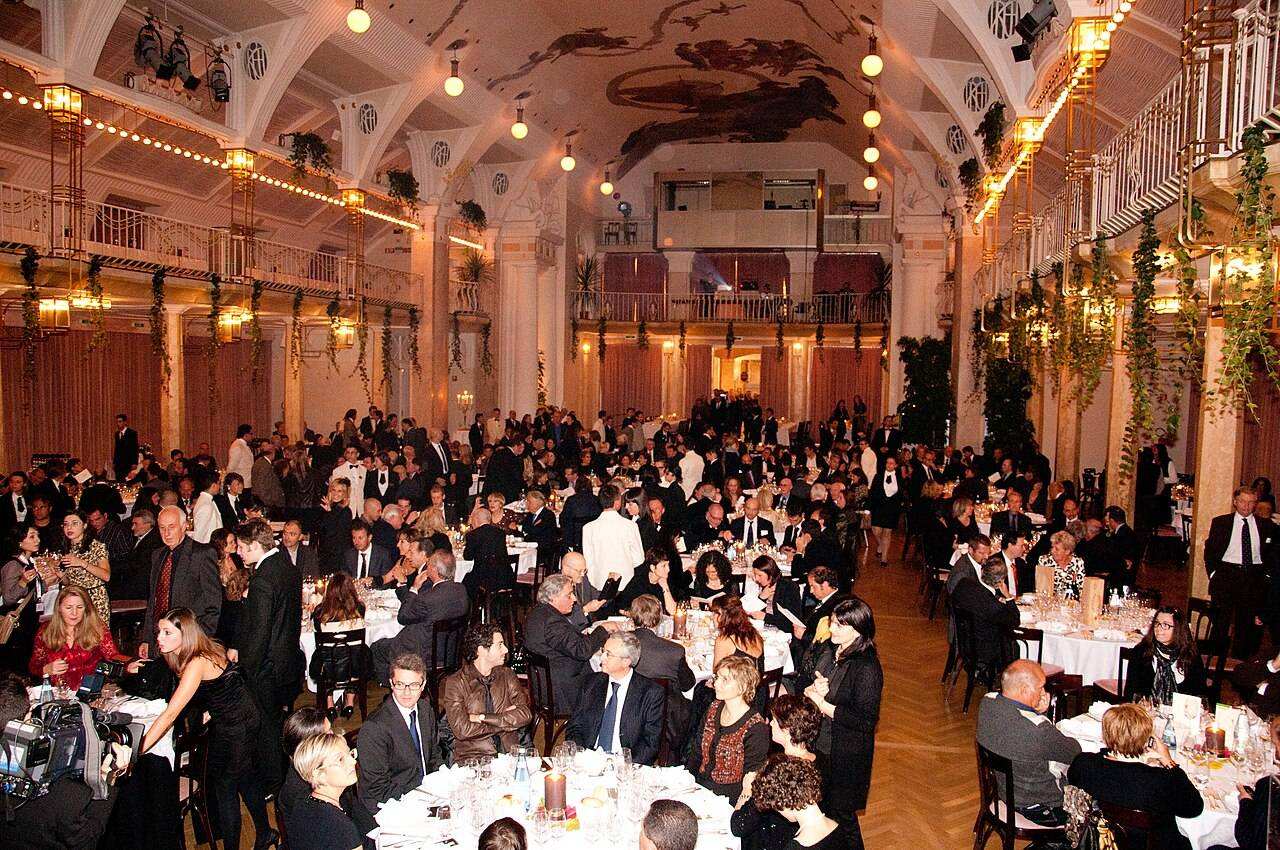
Photo: Clipper verde · Wikimedia Commons · CC BY-SA 3.0
Merano WineFestival
Best for
Plan a visit to Merano WineFestival
Hotels and B&Bs near Merano.
Find hotels near MeranoWe may earn a commission
One of Europe's most prestigious curated wine events, held in the elegant thermal spa town of Merano in South Tyrol. Only pre-selected producers who pass a quality jury are admitted — around 400 Italian and international estates pour over four days in the Art Nouveau Kurhaus. Quality is consistently exceptional.
~10,000 visitors
Bolzano (BZO)
6-10 November
€80 - €150
1–10°C
~6 rainy days · 3.5h sunshine/day
Merano WineFestival is the most rigorously curated wine event in Europe. Held every November in the Art Nouveau Kurhaus in the centre of the South Tyrolean spa town of Merano, it admits only producers who have passed a quality jury convened by the festival's founder, Helmuth Köcher. Around four hundred producers — Italian and international — pour across four days to an attendance of roughly ten thousand. The festival is unusual in that the producer field is not self-selecting: a producer can apply, but admission depends on the jury vote.
That curation is the single most important fact about the event. At a normal commercial wine fair, the producer mix is a function of which estates can afford the booth fee; at Merano, it is a function of which estates have been judged good enough to attend. The result, in practice, is that the average bottle poured at Merano sits at a quality threshold several rungs higher than at any open-entry European fair.
Why the curation matters
Helmuth Köcher founded the festival in the 1990s on the premise that the wider Italian wine fair circuit had become commercially diluted — too many producers, too many tasting tents, too little quality control. The Merano jury was the response: a panel of sommeliers, journalists, and producers who taste blind from applicants and vote on admission. A producer who is admitted in one year is not automatically re-admitted; the jury revisits the selection annually.
The practical consequence for visitors is that the variance in producer quality across the fair is meaningfully compressed compared to other Italian fairs. At Vinitaly the producer field spans the full commercial range from cult estates to bulk commodity producers; at Merano the lower bound is significantly higher, and the festival's curated reputation means many small high-quality producers attend Merano who do not bother with the larger fairs. For collectors interested in discovering rather than confirming, this is one of the best two or three tasting events in Europe.
The Kurhaus and how the fair is laid out
The Kurhaus is the original belle époque spa building of Merano, a long Art Nouveau hall built in 1874 along the river promenade. The festival uses the main hall and several adjacent rooms — the Kurhaus, the Pavillon des Fleurs, and the Casinò Municipale — connected by short walks along the promenade. The space is on a deliberately smaller scale than the convention-centre format of most large fairs, and the result is that the producer-to-visitor density is high and conversations with the producers themselves are unhurried.
The fair is structured into themed halls. The main producer hall houses the bulk of the Italian and international estates. The BIO&DYNAMICA hall is dedicated to certified organic, biodynamic, and natural-wine producers — many of the smaller and more interesting low-intervention producers in Italy attend Merano specifically to be in this hall, and several of them do not pour at any other major fair. The Catwalk hall hosts special verticals and library tastings by individual producers; the Food Hall presents food producers selected to the same jury quality standard as the wines.
How the four days are structured
The fair runs from the first or second Friday of November through the following Monday or Tuesday. Friday is the trade and press opening day, slightly quieter than the public weekend; Saturday and Sunday are the peak days with full attendance; Monday is a quieter wind-down day with extra room around the producer stands. The Saturday afternoon block, particularly the two-to-five window, is the busiest single session of the festival and the producer stands at the most allocation-limited estates run out of pour by mid-afternoon.
Parallel to the main fair, the Catwalk programme runs scheduled tastings throughout each day — individual producer verticals, regional flights, masterclasses with specific journalists. These are ticketed separately on top of the main entry pass and sell out in advance. The Catwalk sessions are where most of the deepest tasting happens at the festival; for serious visitors, booking two or three Catwalk slots in advance is the realistic way to get past the surface-level Saturday crowd.
Tickets, access, and practical logistics
Main fair tickets sit broadly in the €80–€150 range per day depending on the day and advance purchase. Catwalk tasting passes are sold individually on top, typically in the €30–€80 range per session. Trade and press credentials are available on application and grant access to all four days plus the trade-only Friday morning preview. The festival does not run a public sales channel for the most allocation-limited Catwalk sessions; those go to trade and press first.
Merano hotel inventory during the festival week is fully saturated by late summer and prices roughly double. Booking by July for a November visit is realistic; later than September, the alternative is to stay in Bolzano (thirty-five minutes south by train), in nearby villages like Tirolo or Lana (ten to fifteen minutes by car), or in the wider Alto Adige wine country in the Eisacktal and Überetsch valleys. The Bolzano railway connection to Merano runs every half hour through the festival weekend and is materially easier than driving and parking in the historic centre.
Pair the fair with Alto Adige
Alto Adige is one of the most distinctive cool-climate wine regions in Italy — high-altitude vineyards on alpine slopes, a strong Germanic winemaking tradition rooted in the region's Austro-Hungarian history, and a producer mix that runs from large cooperatives (Cantina Terlano, Cantina Tramin) producing genuinely top-quality wines at fair commercial prices through to small family estates working a few hectares of Lagrein or Gewürztraminer. November is post-harvest and the producers are open and willing to talk; cellar visits during festival week are the natural extension of the fair.
A common Merano trip pattern is the festival Friday through Sunday, a Monday in the Eisacktal valley north of Bolzano for cellar visits at Kuenhof or Strasserhof, and a Tuesday in the Überetsch around Lake Caldaro for Lagrein and Schiava producers. November weather is reliably cold (single-digit Celsius highs, near-freezing overnight) but the autumn colour through the vineyards is excellent. Our Trentino-Alto Adige guide covers the producer-visit logistics and a recommended four-day itinerary.
Never miss a wine festival — get our monthly alerts.
No spam. Unsubscribe anytime.
Where it is
Merano, Italy
Official Website
Visit the official site for tickets, schedules, and the latest updates.
Visit WebsiteMake Merano WineFestival the centrepiece of a Italy wine trip
Anchor the weekend on the festival, then explore Italy wine country either side.
More Wine Festivals
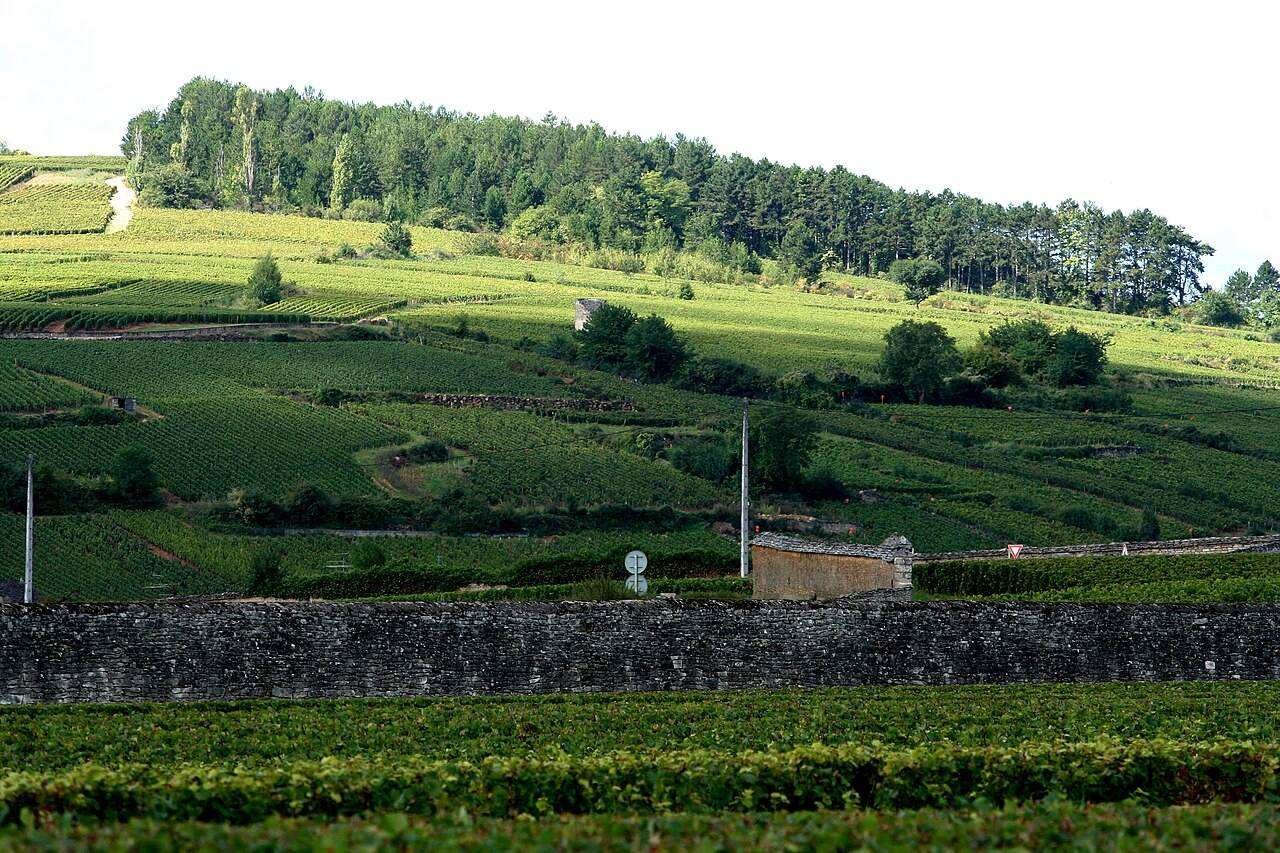
Nuit des Grands Crus
Photo: Megan Mallen · CC BY 2.0
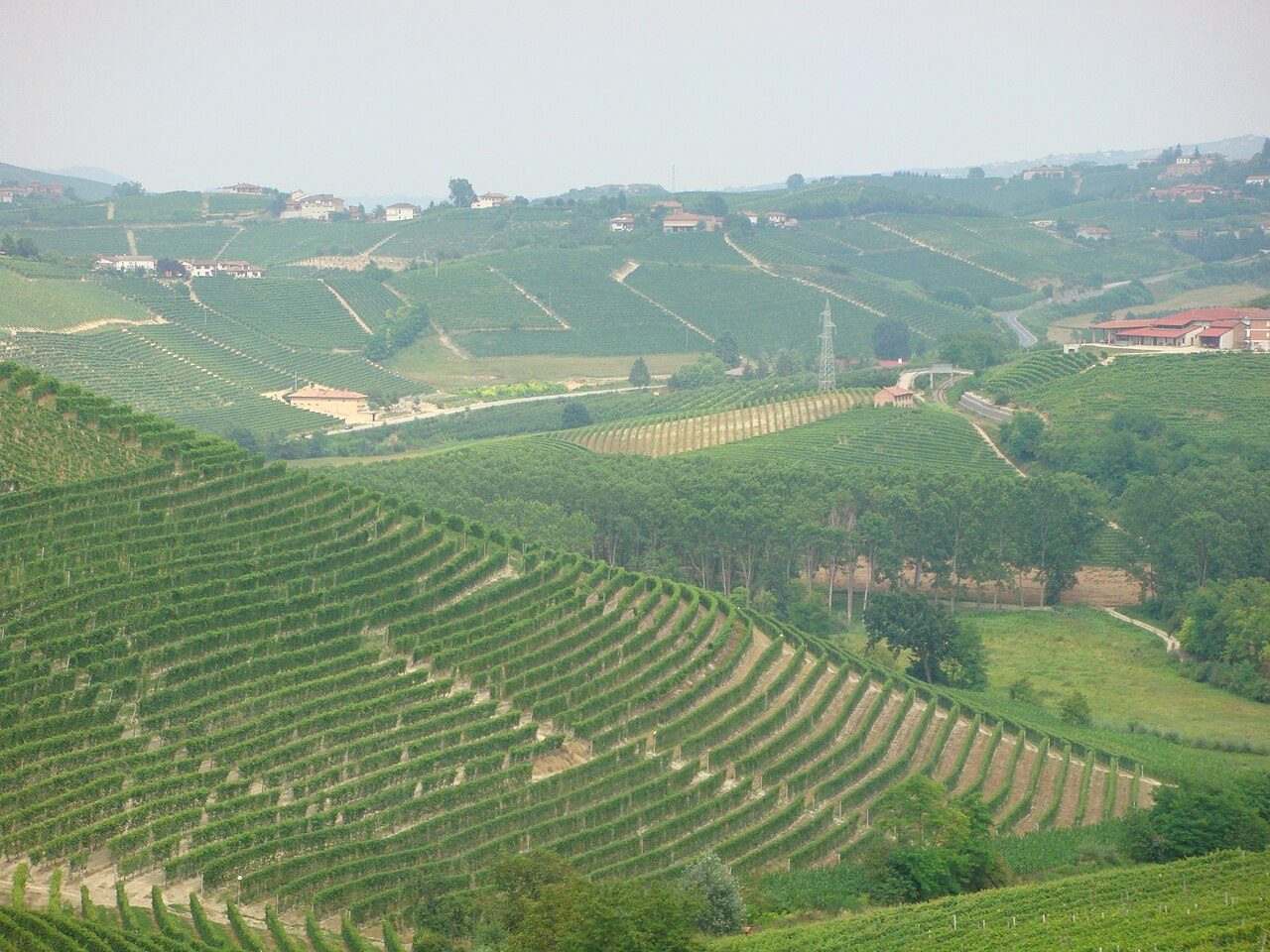
Nebbiolo Prima
Photo: Philip Larson · CC BY-SA 2.0
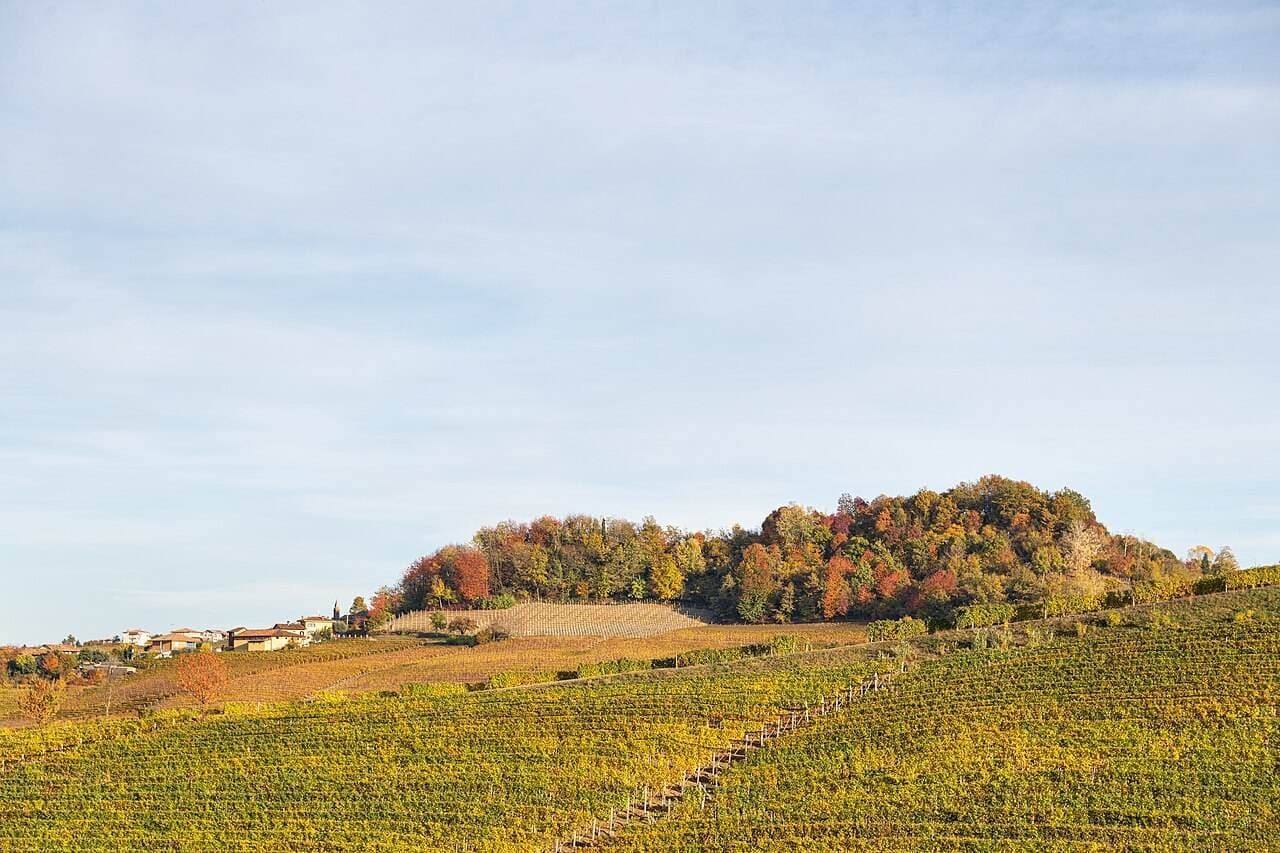
Vendemmia a Barolo
Photo: Giorgio Galeotti · CC BY 4.0
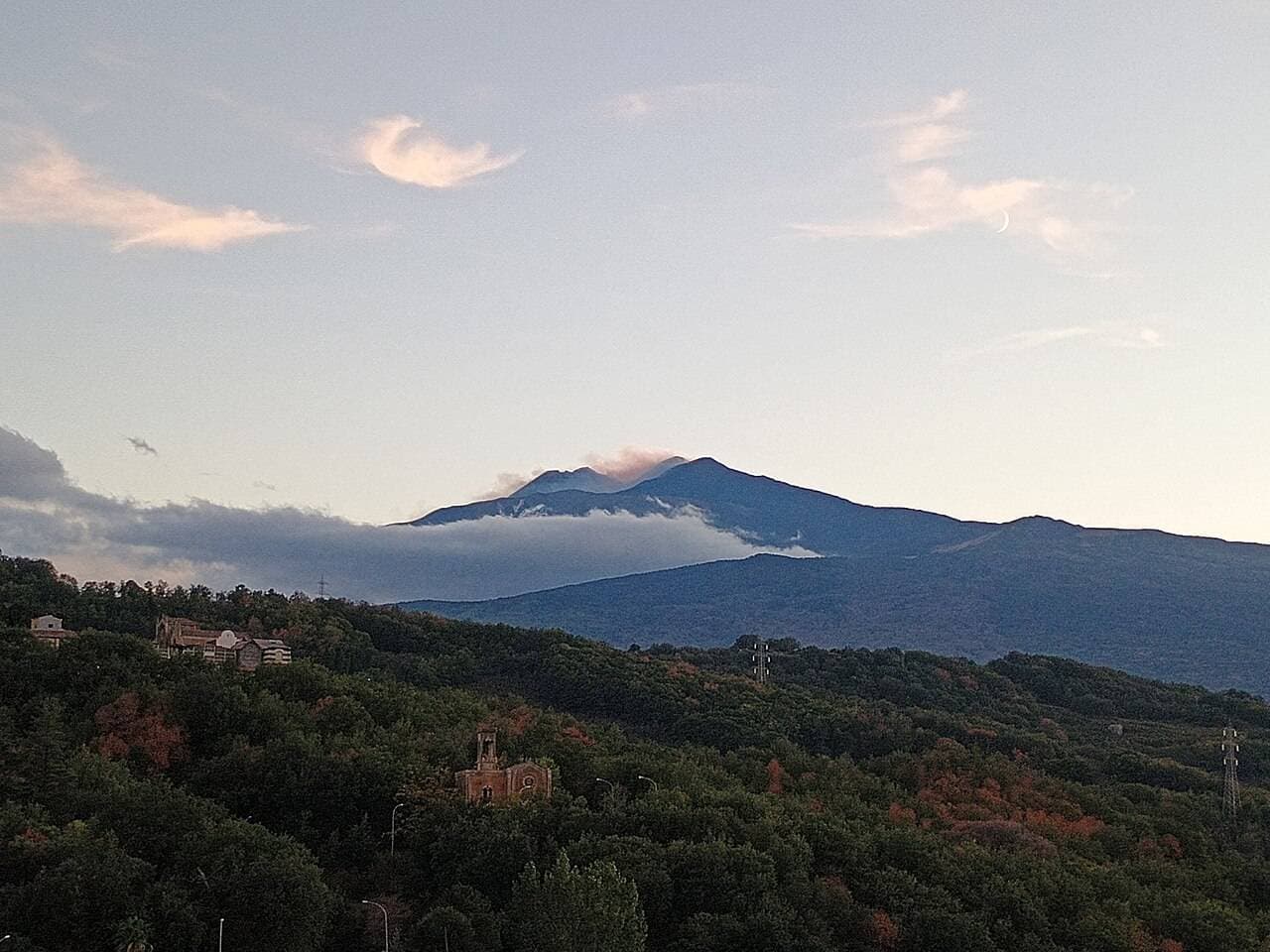
Contrade dell'Etna
Photo: Pequod76 · CC BY-SA 4.0
Festivals around the same time
Within two weeks of Merano WineFestival — plan a single trip with multiple stops.
Frequently asked questions
When is Merano WineFestival held?
First or second weekend of November, four days
Where does Merano WineFestival take place?
Merano WineFestival is held in Merano, Italy.
How much does it cost to attend Merano WineFestival?
Tickets range from €80 to €150.
How many people attend Merano WineFestival?
Approximately ~10,000 visitors attend each edition.
What's the nearest airport to Merano WineFestival?
The nearest airport is Bolzano (BZO).
Who is Merano WineFestival best for?
Best for collectors, trade professionals and couples.
Planning around more than one festival? Get the European festival calendar (PDF)
A printable month-by-month calendar of every European wine festival in the next 12 months — dates, cities, and a one-line reason to go for each. Enter your email and it opens ready to save as a PDF.
Know a festival we’ve missed?
Tell us about a wine festival in Italy we don’t cover yet. We check every submission before it goes live.