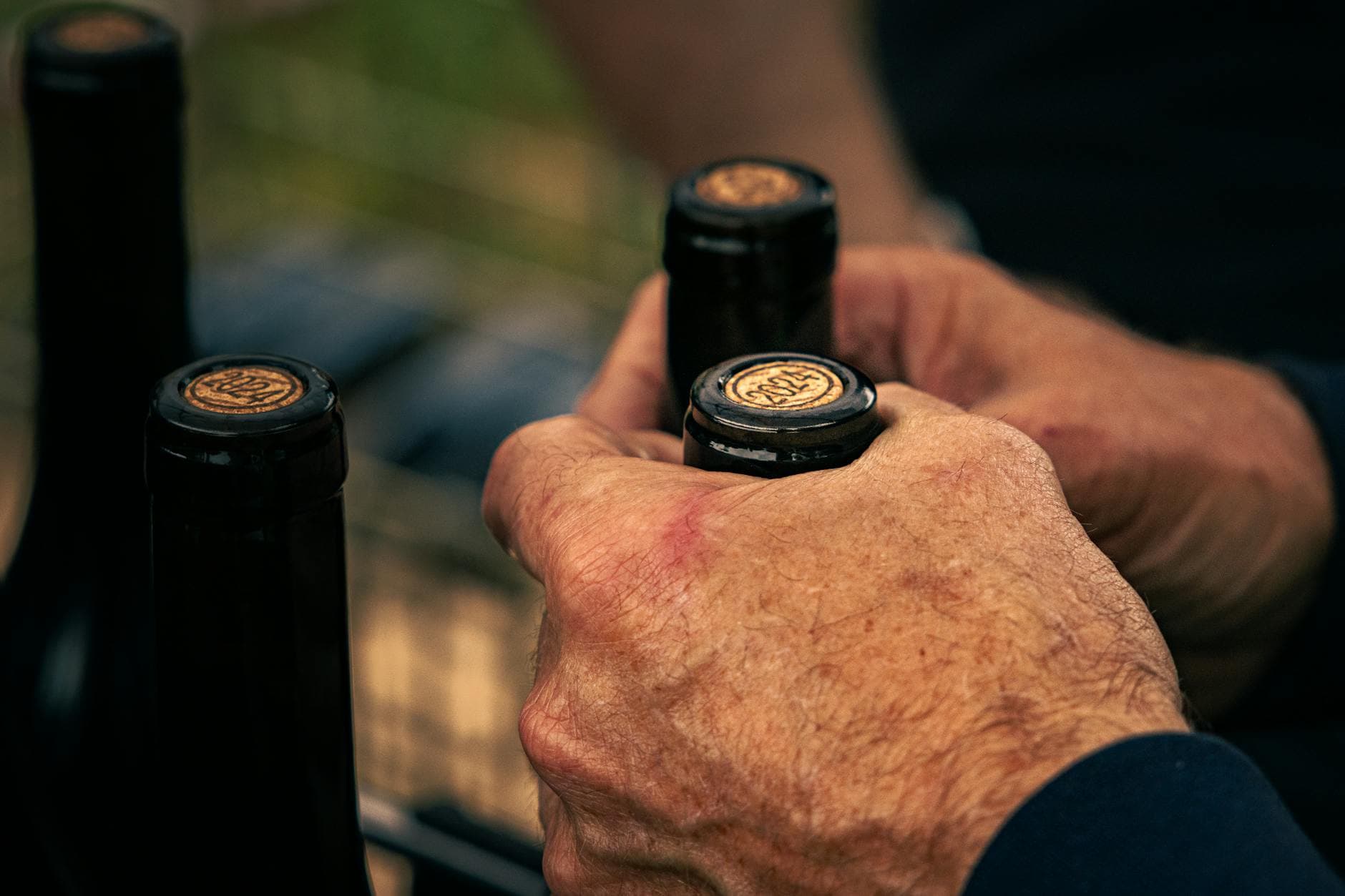
7 Days in Georgia Wine Country — The World's Oldest Wine Region
Georgian wine is made in buried clay pots and tastes like nothing else. Here's a 7-day guide to Kakheti, the world's oldest continuous wine-making region.
Georgia may be the birthplace of wine. Archaeological evidence from the Caucasus foothills dates grape cultivation and fermentation here to at least 6000 BCE — 8,000 years before the current vintage. The method is unique: whole-cluster grapes fermented in qvevri — large clay amphora buried in the earth — with extended skin contact producing amber- or orange-coloured whites of extraordinary texture and tannin. This is not a curiosity. Natural wine producers in Burgundy, Tuscany, and California are studying Georgian methods; the amber wine movement has spread to every continent.
Kakheti in eastern Georgia produces 70% of the country's wine across two principal sub-zones: Telavi and Gurjaani in the Alazani Valley, and the Mtkvari Valley around Kaspi. The region is accessible, affordable (one of the cheapest wine destinations in Europe), and genuinely off the tourist track outside its capital, Tbilisi. Budget: US$80/day mid-range. Accommodation US$30–70/night. Wine: GEL 15–50 per bottle (US$5–18). Tastings at most small producers are free if you buy.
Day 1–2 — Tbilisi: Wine Capital of the Caucasus

Fly into Tbilisi International Airport (TBS) — well connected from Istanbul, Munich, Vienna, Dubai, Moscow, and many Central Asian cities. The city is an extraordinary fusion of Eastern and Western influences: medieval Ottoman baths, Art Nouveau townhouses, Soviet concrete housing blocks, and ultra-modern Zaha Hadid bridges all within walking distance of each other.
Day 1: Spend the afternoon in the Old Town (Abanotubani and Narikala areas) and the new wine bar strip on Aghmashenebeli Avenue in the Marjanishvili neighbourhood. Georgia's natural wine movement is centred here: Vino Underground on Galaktion Tabidze Street is the essential first stop — a cellar bar run by a collective of Georgia's most progressive small producers, with 50+ wines by the glass from US$3–8. Try an orange Rkatsiteli, a Saperavi rosé, and a skin-contact Mtsvane in your first two hours.
Day 2: Morning at the Georgian National Museum — the wine history exhibit traces 8,000 years of viticulture in the Caucasus, with archaeological artefacts, reconstructed qvevri, and maps of ancient trade routes. Afternoon: Tbilisi wine bar circuit — Wine Factory Number 1 (former Soviet collective winery converted to wine bar and restaurant complex) and 8000 Vintages wine bar both have extensive by-the-glass lists. Dinner at Barbarestan restaurant — the menu is based on a 19th-century Georgian cookbook and the wine list is all-Georgian.
Day 3 — Drive to Telavi (Kakheti)
Telavi is the capital of Kakheti, 80km east of Tbilisi via the Gombori Pass (1.5 hours by car) or the Alazani Valley highway (2 hours, flatter but slower). The Gombori route is more scenic — forested mountain pass with occasional views of the snow-capped Greater Caucasus to the north.
Telavi itself is a small town with a 17th-century Batonis Tsikhe (Palace Fortress) and a 900-year-old plane tree reputed to be the oldest in Georgia. Check into a Telavi guesthouse (US$35–65/night) and use the town as a base for the next four days. Dinner at one of Telavi's local restaurants: supra (Georgian feast) with mtsvadi (grilled meat), lobiani (bean-filled flatbread), and local wine from pitchers.
Day 4 — Teliani Valley and Château Mukhrani

Teliani Valley is one of Kakheti's most professional producers — large enough to offer daily cellar tours (GEL 20–30, approximately US$7–11) but still family-oriented. Their Saperavi and Rkatsiteli in both European and traditional qvevri styles give an excellent side-by-side comparison of Georgian wine's two dominant philosophies.
Drive 30 minutes to Château Mukhrani — an 1879 chateau built by Georgian royalty, fully restored since 2002, and producing some of the country's most refined dry reds. The Château Mukhrani Goruli Mtsvane (a rare indigenous white) and the Château Mukhrani Royal Reserve red are the premium tier. The winery tour and tasting (GEL 30–50) is one of Georgia's best-organised wine experiences. The château building, formal gardens, and museum of Georgian aristocratic life justify the visit even without wine.
Day 5 — Alaverdi Monastery and Pheasant's Tears
Alaverdi Monastery (11th century) is one of Georgia's most impressive religious buildings — the cathedral tower is 50 metres tall and visible across the Alazani Valley for 30 kilometres. The monastery has its own winery in the basement crypt, where monks make wine in qvevri using the same method documented in monastic records since the 9th century. The monk responsible for winemaking will show visitors the process if asked respectfully; the wines are sold at the gate (GEL 20–40/bottle).
Afternoon: Pheasant's Tears in Sighnaghi, established by American-born painter John Wurdeman and Georgian winemaker Gela Patalishvili in 2007, is the most internationally celebrated of Georgia's natural wine producers. All wines are made in qvevri with no additions — no sulphur, no fining, no filtration. The skin-contact Rkatsiteli amber, the Tavkveri red, and the Chinuri white are unique expressions of Georgia's ancient winemaking. The cellar door and restaurant in Sighnaghi are among the best wine tourism experiences in the Caucasus.
Day 6 — Twins Old Cellar and Shumi Winery
Twins Old Cellar near Napareuli is run by twin brothers Giorgi and Gela Nanitashvili, whose family has been making wine since the Soviet era. The cellar contains 16-tonne buried qvevri — the largest working qvevri in Georgia — and the tour (GEL 20–30 with tasting) shows the full traditional process: grape reception, foot-treading, fermentation in qvevri with skins for 6 months, and the spring racking. The Saperavi from these ancient vessels is extraordinary. Simple lunch at the family table (GEL 15–25) with puri bread, sulguni cheese, and tkemali plum sauce is included.
Drive the 25km south along the Alazani Valley to Shumi Winery near Tsinandali — a large, modern producer that combines museum-quality wine history exhibits with a functioning commercial winery. Their museum covers Georgia's wine-making heritage from the Bronze Age; the tasting room has 20+ wines available from GEL 5 per glass. The adjacent Tsinandali Estate (former palace of Georgia's greatest 19th-century poet, Aleksandre Chavchavadze) has a park, mansion, and its own historic winery.
Day 7 — Sighnaghi and Return Tbilisi
Sighnaghi is Georgia's most picturesque small town — a hilltop walled city rebuilt in the 18th century by King Erekle II with views across the Alazani Valley to the Caucasus Mountains. The town has become a wine tourism hub with multiple tasting rooms, a wine museum, and excellent guesthouses. Morning: visit Iago's Winery (Iago Bitarishvili makes one of Georgia's most singular wines — a skin-contact Chinuri of phenomenal complexity) and the Kakheti Wine Centre which stocks 200+ small-producer wines.
Drive back to Tbilisi (2 hours) for evening departure or final night. If time allows, stop at Ninotsminda Cathedral on the way — a 6th-century Georgian Orthodox basilica surrounded by monasteries that survived Mongol and Persian invasions and still operates its own small vineyard.
Budget Breakdown (7 Days, Mid-Range)
- Accommodation: US$30–70/night (US$210–490 total)
- Wine tastings/tours: US$7–18 per visit (US$49–126 total)
- Meals: US$15–30/day (US$105–210 total)
- Car rental/driver: US$40–70/day (US$280–490 total)
- Flights to Tbilisi: highly variable by origin
- Total on-the-ground: approx US$644–1,316 per person (extremely affordable)
Practical Tips
- Hiring a local driver-guide for Kakheti (US$50–70/day) is far easier than self-driving — roads are unpaved in places, signage is in Georgian script only, and local guides unlock family wineries not open to walk-ins.
- Georgian script: Georgian alphabet is one of the world's 14 oldest scripts. Learn to recognise GEL (₾) for prices.
- Qvevri wine: the amber colour and tannins in skin-contact whites are an acquired taste — start with a few by-the-glass before committing to bottles.
- Safety: Georgia is one of the safest countries in Europe for solo travellers. Crime is low.
- Full regional guide: Georgia wine guide
Wines of 7 Days in Georgia Wine Country — The World's Oldest
Key grape varieties and wine styles produced in the region
Primary Grape Varieties
Wine Styles
Ready to visit Georgia?
Build your personalised day-by-day itinerary — choose your travel style and trip length, get accommodation and tour picks per day, and email it to yourself to take along.
Upcoming Wine Festivals in Georgia
See all festivalsHidden Gems Nearby
Discover more hidden gemsBook Your Georgia Wine Country Stay
Compare hotels, vineyard B&Bs and rentals across Booking, Airbnb and more in one search.
Compare stays near the vineyardsStay22 · We may earn a commission
Plan Your 7 Days in Georgia Wine Country — The World's Oldest Trip
Estimate your 7 Days in Georgia Wine Country — The World's Oldest trip cost
Budget calculator with accommodation, food, wine, and transport estimates.
Try itCompare 7 Days in Georgia Wine Country — The World's Oldest with other regions
Side-by-side comparison of cost, climate, wine styles, and more.
Try itWhen to visit 7 Days in Georgia Wine Country — The World's Oldest
Harvest dates, peak season, and the best months for wine travel.
Try itThis page contains affiliate links. We may earn a commission at no extra cost to you.