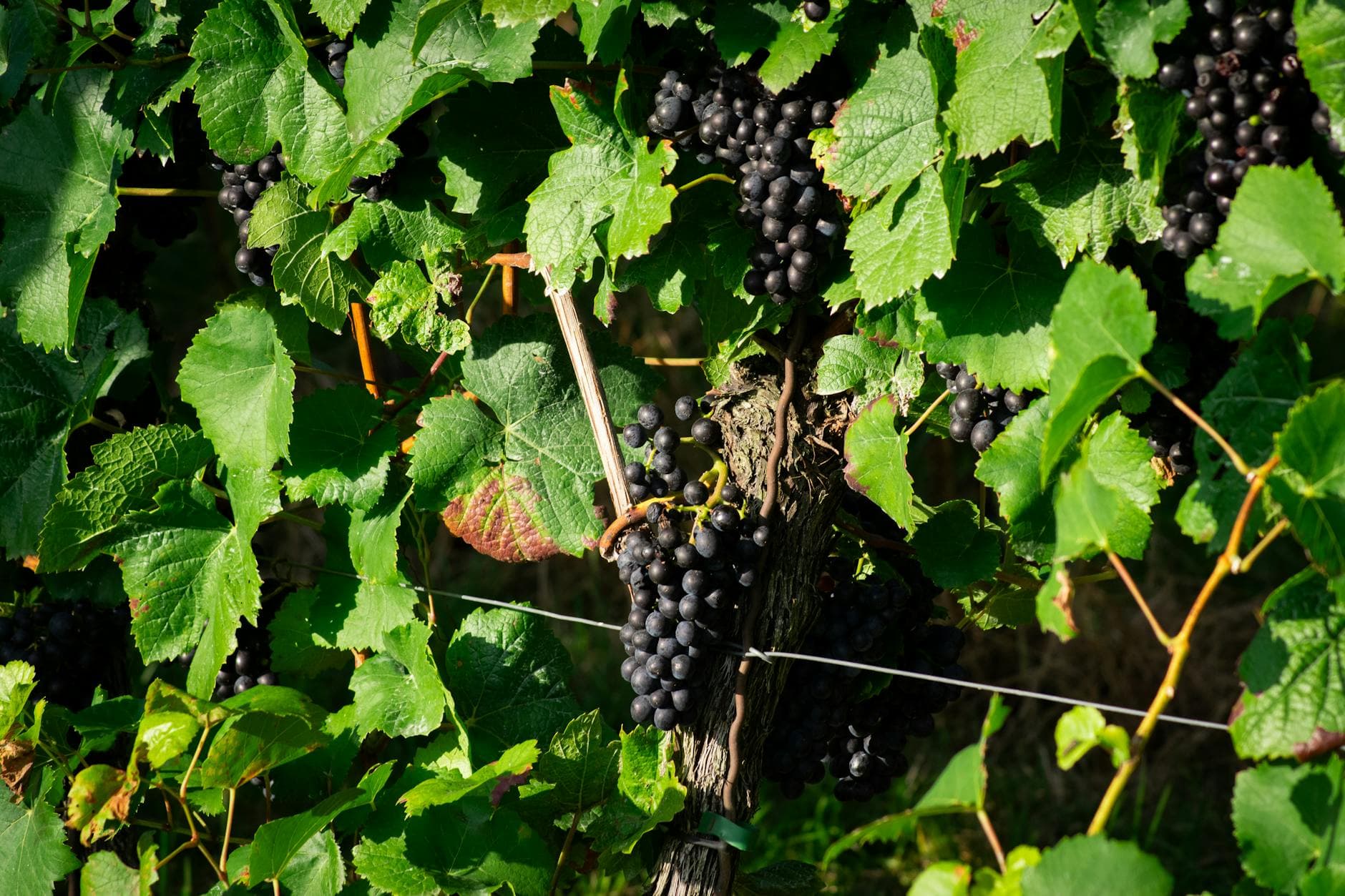
Wine Harvest Season: When and Where to Visit for Grape Crushing
Harvest is the pinnacle of wine travel. This guide covers exact dates for 20+ regions in both hemispheres, what actually happens during harvest, and how to book before the limited spots fill up.
Harvest is the event that every serious wine traveller circles on their calendar. This is the one time of year when vineyards become production floors, when the air fills with the sweet, heavy perfume of crushed grapes, and when winemakers operate on adrenaline and instinct, making split-second decisions that will define the vintage. Witnessing a harvest is witnessing the birth of wine.
It is also the hardest time to visit. The best harvest experiences sell out months ahead. Winemakers are busy — sometimes too busy for visitors. But for those who plan well and arrive at the right moment, there is nothing in wine travel that compares to the energy of crush season.
Here is a comprehensive guide to harvest timing across more than 20 wine regions in both hemispheres, along with practical advice on how to book the experience before it fills up.
What Actually Happens During Harvest
Harvest is not a single day — it unfolds over 4-8 weeks in any given region, with different grape varieties picked at different times. Understanding the process helps you target the right moment for your visit.
The harvest sequence:
- Véraison (6-8 weeks before harvest): Grapes change colour and begin sugar accumulation. Visually dramatic — see red and green grapes on the same vine.
- Picking decisions: The winemaker tests sugar (Brix), acidity, and phenolic ripeness daily. The picking date is often decided just 2-3 days in advance.
- Hand vs. machine harvest: Premium wines are hand-picked. Commercial volumes use mechanical harvesters that work through the cool night hours.
- Sorting and crushing: Grapes arrive at the winery, are sorted (by hand at top producers), destemmed, and crushed. White grapes go straight to press; red grapes go to fermentation tanks with their skins.
- Fermentation begins: Within hours of crushing, wild or added yeasts begin converting sugar to alcohol. The winery hums with activity 16-20 hours a day.
Northern Hemisphere Harvest Dates (2026)
Northern Hemisphere harvests run from August through November, with southern European regions starting earliest. Exact dates shift by 1-3 weeks each year depending on the growing season. The dates below are typical averages; check with specific wineries for the current vintage's timing.
France
- Provence: Late August to mid-September. Rosé grapes are among the first picked in France. Early-morning harvests to preserve freshness.
- Bordeaux: September to mid-October. Merlot first (early September), Cabernet Sauvignon last (early-mid October). The Left Bank and Right Bank harvest on different schedules.
- Burgundy: Mid-September to early October. The Ban des Vendanges officially opens the harvest season. Pinot Noir's thin skin makes timing critical — rain during harvest can be devastating.
- Champagne: September to early October. One of the latest harvests in France due to northern latitude. The official harvest start date (Ban de Vendange) is set each year by the CIVC.
- Loire Valley: September to October. Sweet wine grapes (Vouvray) may be picked as late as November in noble rot vintages.
- Alsace: September to November. Vendange Tardive (late harvest) and Sélection de Grains Nobles wines require picking into November — freezing fingers, extraordinary sweetness.
Italy
- Sicily: August to October. One of the earliest harvests in Europe due to Mediterranean heat. Etna's altitude vineyards harvest later than coastal sites.
- Tuscany: September to mid-October. Sangiovese is the last major grape picked. The Brunello di Montalcino harvest in October is the most prestigious event in Italian wine.
- Piedmont: October to November. Nebbiolo is famously late-ripening — the last grape harvested in Italy. Barolo and Barbaresco vineyards are still picking when most of Europe has finished.
Spain
- Jerez (Sherry): August to early September. The earliest harvest in Spain. Palomino grapes are picked fast to preserve acidity.
- Rioja: Late September to mid-October. The San Mateo festival in Logroño (September 21) coincides with the start of harvest and includes ceremonial grape-treading.
- Ribera del Duero: October. High altitude (800m+) means late ripening. Tempranillo picks up here just as Rioja finishes.
Germany
- Mosel: October to November. Among the latest harvests in the world. Steep slate slopes require hand-picking. Eiswein (ice wine) grapes may hang until December or January.
- Rheingau: October to November. Similar timing to Mosel. The Rheingau Gourmet & Wine Festival coincides with early harvest.
Portugal
- Douro Valley: September to October. The traditional foot-treading of grapes in granite lagares (stone troughs) still happens at top Port houses — one of wine's most participatory experiences.
Austria
- Wachau: October to November. Terraced Danube valley vineyards are hand-harvested. The new-wine Heurigen season starts immediately after harvest.
United States
- Napa Valley: August to October. Called 'crush' in California. Many wineries offer crush experiences where visitors can punch down fermenting grapes, sort fruit on the sorting table, or watch the press in action.
- Willamette Valley: September to October. Oregon Pinot Noir harvest. Smaller estates welcome harvest volunteers — a unique hands-on experience.
- Finger Lakes: September to November. Ice wine grapes may hang until December. The late-season fall foliage makes this a spectacular visual experience.
Southern Hemisphere Harvest Dates (2026)
Southern Hemisphere harvests run from January through May — roughly the opposite of the north. This means Northern Hemisphere travellers can experience two harvests in one year: one in March-April (south) and one in September-October (north).
Australia
- Barossa Valley: February to April. Shiraz picks later than white varieties. The Barossa Vintage Festival (April, odd years) celebrates the end of harvest.
- Margaret River: February to April. Chardonnay and Sauvignon Blanc come first; Cabernet Sauvignon finishes the season.
- Hunter Valley: January to March. One of the earliest harvests in Australia due to low latitude and warm conditions.
New Zealand
- Marlborough: March to April. Sauvignon Blanc harvest happens fast — the grapes can go from perfect to overripe in a few days.
- Central Otago: March to April. The southernmost harvest on earth. Pinot Noir at this latitude develops a unique character from extreme UV light.
South America
- Mendoza, Argentina: February to April. The Vendimia festival (March) is South America's biggest wine celebration — a week of parades, concerts, and crowning of the Harvest Queen.
- Colchagua Valley, Chile: March to May. Harvest at lower-altitude sites begins first; high-altitude plots extend into May.
South Africa
- Stellenbosch: January to March. The earliest major harvest in the Southern Hemisphere. Cape Town's summer weather (25-29°C) makes this a popular time to combine wine and beach.
- Franschhoek: January to March. The compact valley buzzes with activity. Some estates offer grape-treading experiences during harvest.
How to Book Harvest Experiences
Harvest is the most in-demand time to visit wine country, and the best experiences have limited capacity. Here is a practical timeline for securing your spot:
6+ months before:
- Book accommodation. Harvest-season hotels in regions like Napa, Bordeaux, Tuscany, and Mendoza sell out by spring for autumn visits.
- Reserve grape-stomping or sorting-table experiences at specific estates — these cap at 10-20 people per day.
3-4 months before:
- Book tasting appointments at your must-visit wineries. Many estates restrict visitor numbers during harvest to keep production running smoothly.
- Secure festival tickets (Vendimia, San Mateo, Barossa Vintage Festival) — these often sell out.
2-4 weeks before:
- Confirm exact harvest timing with wineries. The actual dates shift each vintage based on growing conditions.
- Be flexible. If a winery says 'we're picking next Tuesday,' adjust your itinerary. The live harvest experience is worth rearranging your plans.
What to Expect During Your Visit
Harvest wineries are working environments. The romance is real, but so is the mud on your shoes, the early mornings, and the controlled chaos of crush operations. Here is how to make the most of it:
- Arrive early. Picking often starts at dawn (5-6am for white grapes, 7-8am for reds). The energy at first light is unforgettable.
- Dress practically. Closed-toe shoes, layers (mornings are cool, afternoons warm), and clothes you don't mind getting grape juice on.
- Be patient. Winemakers may cancel or cut short your visit if something demands their attention. This is not rudeness — it is their Super Bowl, and every minute counts.
- Ask questions. Winemakers during harvest are running on adrenaline and passion. Most love explaining what they're doing and why. Their answers are often more candid than in the tasting room.
- Taste the grapes. Ask if you can try a grape fresh off the vine. The sweetness will surprise you — this is what 25 Brix tastes like, and it's very different from a table grape.
Harvest season is wine at its most visceral. The sights, sounds, and smells of crush are what connect the drink in your glass to the land it comes from. No amount of reading can replace the experience of standing in a vineyard at dawn, watching a winemaker bite into a grape and decide — today is the day. Book early. Be flexible. And bring an appetite for the most exciting week in the wine calendar.


Book Your Wine Harvest Season: When and Where to Visit for Grape Crushing Wine Country Stay
Compare hotels, vineyard B&Bs and rentals across Booking, Airbnb and more in one search.
Compare stays near the vineyardsStay22
Plan Your Wine Harvest Season: When and Where to Visit for Grape Crushing Trip
Estimate your Wine Harvest Season: When and Where to Visit for Grape Crushing trip cost
Budget calculator with accommodation, food, wine, and transport estimates.
Try itCompare Wine Harvest Season: When and Where to Visit for Grape Crushing with other regions
Side-by-side comparison of cost, climate, wine styles, and more.
Try itWhen to visit Wine Harvest Season: When and Where to Visit for Grape Crushing
Harvest dates, peak season, and the best months for wine travel.
Try itThis page contains affiliate links. We may earn a commission at no extra cost to you.