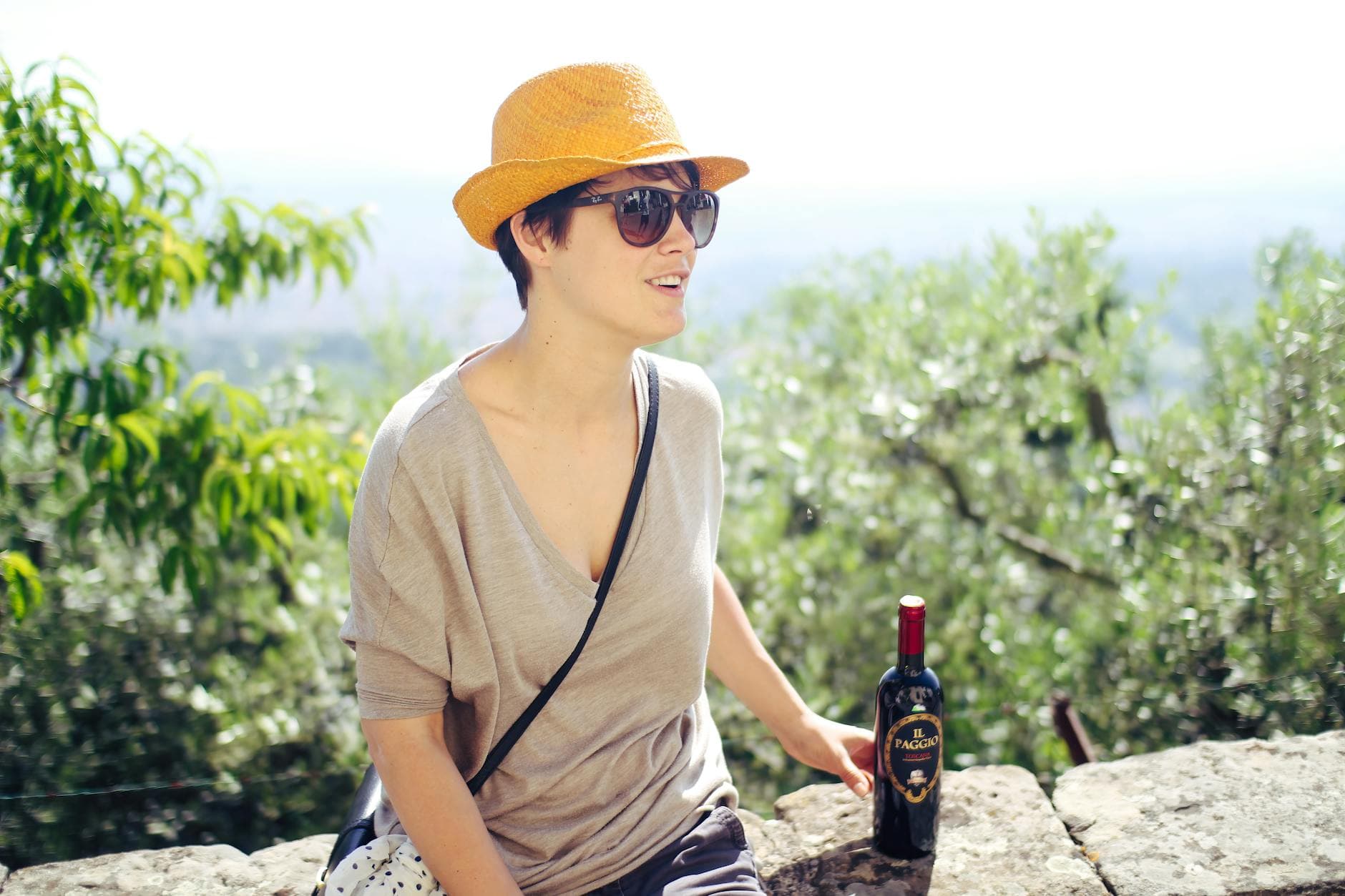
How to Plan a Wine Country Trip — From Research to Booking
Planning a wine trip isn't like planning a city break. Here's how to research regions, time your visit, and book the right experiences.
A wine country trip rewards research. Unlike city holidays where spontaneity works fine, wine regions have unpredictable appointment windows, seasonal closures, harvest traffic, and producers who receive visitors by arrangement only. The travellers who get the best experiences — barrel tastings, lunches with winemakers, access to wines never exported — are the ones who planned three months ahead, not three days.
Step 1: Choose Your Region

The right region depends on three factors: your wine interests, your budget, and how much non-wine activity you want alongside the drinking. Burgundy and Champagne are intensely wine-focused — the landscape is beautiful but the regions are relatively compact and the primary activity is tasting. Tuscany and the Douro Valley offer far more non-wine tourism: art cities, river cruises, hill towns. Napa Valley sits in California wine country an hour from San Francisco, making it easy to combine with a city break.
Budget is a real variable. Napa Valley is expensive: accommodation runs $300–600 per night at decent hotels, tasting fees are $40–100 per flight, and fine dining is Michelin-starred and priced accordingly. Rioja, the Douro, and Alsace offer equivalent quality experiences at 30–50% of the cost. Argentina's Mendoza is exceptional value — world-class Malbec, asado lunches at bodegas, and accommodation at a fraction of European prices.
Use our region comparison tool at /tools/compare to stack up regions across budget, season, wine style, and scenery before committing.
Step 2: Pick Your Season

Every wine region has a high season, a harvest season, and a quiet season — and each offers a different experience. High season (July–August in the Northern Hemisphere) brings the best weather but also the most tourists, the highest prices, and the fewest appointment slots. Many small producers close for August holidays entirely.
Harvest season (September–October in Northern Hemisphere, February–April in Southern Hemisphere) is magical for atmosphere — tractors moving, fruit being sorted, the smell of fermentation — but many producers are too busy to receive visitors properly. The large commercial wineries still run tours, but the small family estates may have reduced tasting availability.
Shoulder season — May–June and September in Europe — offers the best balance: manageable crowds, reasonable prices, and producers who have time to talk. Spring brings bud break and the vineyards look vivid green. Late autumn after harvest, with golden vines and no tourists, can be beautiful but some tasting rooms close from November through February.
Step 3: Build Your Winery List
Aim for no more than three wineries per day if you're doing proper tastings — four is the absolute maximum. More than that and you'll either be driving impaired or too fatigued to appreciate the later visits. Build your list in tiers: one or two "anchor" visits (the prestigious addresses you've always wanted to see), two or three "discovery" visits (smaller producers off the tourist circuit), and one flexible slot for recommendations you pick up on the ground.
Research tools: the winery's own website, Wine-Searcher for production profile and pricing, local wine tourism boards (Civb in Bordeaux, Wines of Germany, New Zealand Winegrowers), and forums like Wine Berserkers for first-hand recent visitor reports. Instagram is genuinely useful for seeing what the tasting room looks like and whether the producer is actively engaged with visitors.
Email producers directly. A brief, enthusiastic email in the local language (Google Translate is fine for a booking request) gets better responses than a generic booking platform inquiry. Mention what you already know about their wines — it signals genuine interest and sometimes unlocks experiences the casual tourist never accesses.
Step 4: Book Accommodation Strategically

In wine country, location relative to your wineries matters more than in cities. In Burgundy, staying in Beaune puts you central to both the Côte de Nuits (to the north) and the Côte de Beaune (to the south). In Bordeaux, staying in the city itself gives you good access to the Left Bank Médoc (40 minutes north) and Saint-Émilion on the Right Bank (45 minutes east). In Tuscany, a villa between Siena and Florence positions you for Chianti Classico, Montalcino, and Montepulciano without too much driving.
Accommodation within a working vineyard estate is the gold standard — you're surrounded by the landscape, the farm, and usually the family. Agriturismo in Italy, chambres d'hôtes at French domaines, and quintas in the Douro all offer this. Book these early: the best-positioned ones fill up four to six months ahead. Expect to pay €120–280 per night for a quality room within a producing estate.
Step 5: Plan Your Daily Logistics
Calculate realistic driving times. In Napa, the main highway (CA-29) through the valley crawls in summer — allow 20 minutes for what maps show as 8 minutes. In Burgundy, the Route des Grands Crus is a narrow two-lane road through village after village. In the Douro, the river road is winding and spectacular but slow.
Designate a driver before you start. Alternating driving duties per day is a common arrangement. If you're both drinking, hire a driver — local wine tour companies offer this in every major region, typically €150–350 per day for a private vehicle and driver.
Build in a non-winery afternoon. Markets, medieval towns, a river walk, a restaurant without a wine flight attached — you need the contrast to appreciate the wine experiences more fully. Use our trip planner at /tools/trip-planner to map your day-by-day itinerary and add specific wineries to a shareable plan.
Book Your How to Plan a Wine Country Trip — From Research to Booking Wine Country Stay
Compare hotels, vineyard B&Bs and rentals across Booking, Airbnb and more in one search.
Compare stays near the vineyardsStay22
Plan Your How to Plan a Wine Country Trip — From Research to Booking Trip
Estimate your How to Plan a Wine Country Trip — From Research to Booking trip cost
Budget calculator with accommodation, food, wine, and transport estimates.
Try itCompare How to Plan a Wine Country Trip — From Research to Booking with other regions
Side-by-side comparison of cost, climate, wine styles, and more.
Try itWhen to visit How to Plan a Wine Country Trip — From Research to Booking
Harvest dates, peak season, and the best months for wine travel.
Try itThis page contains affiliate links. We may earn a commission at no extra cost to you.