3 Days in Alsace — Wine Itinerary (2026)
Route des Vins essentials — Colmar old town, the most photogenic wine villages, and the Grand Cru vineyards above Riquewihr.
Last reviewed May 2026
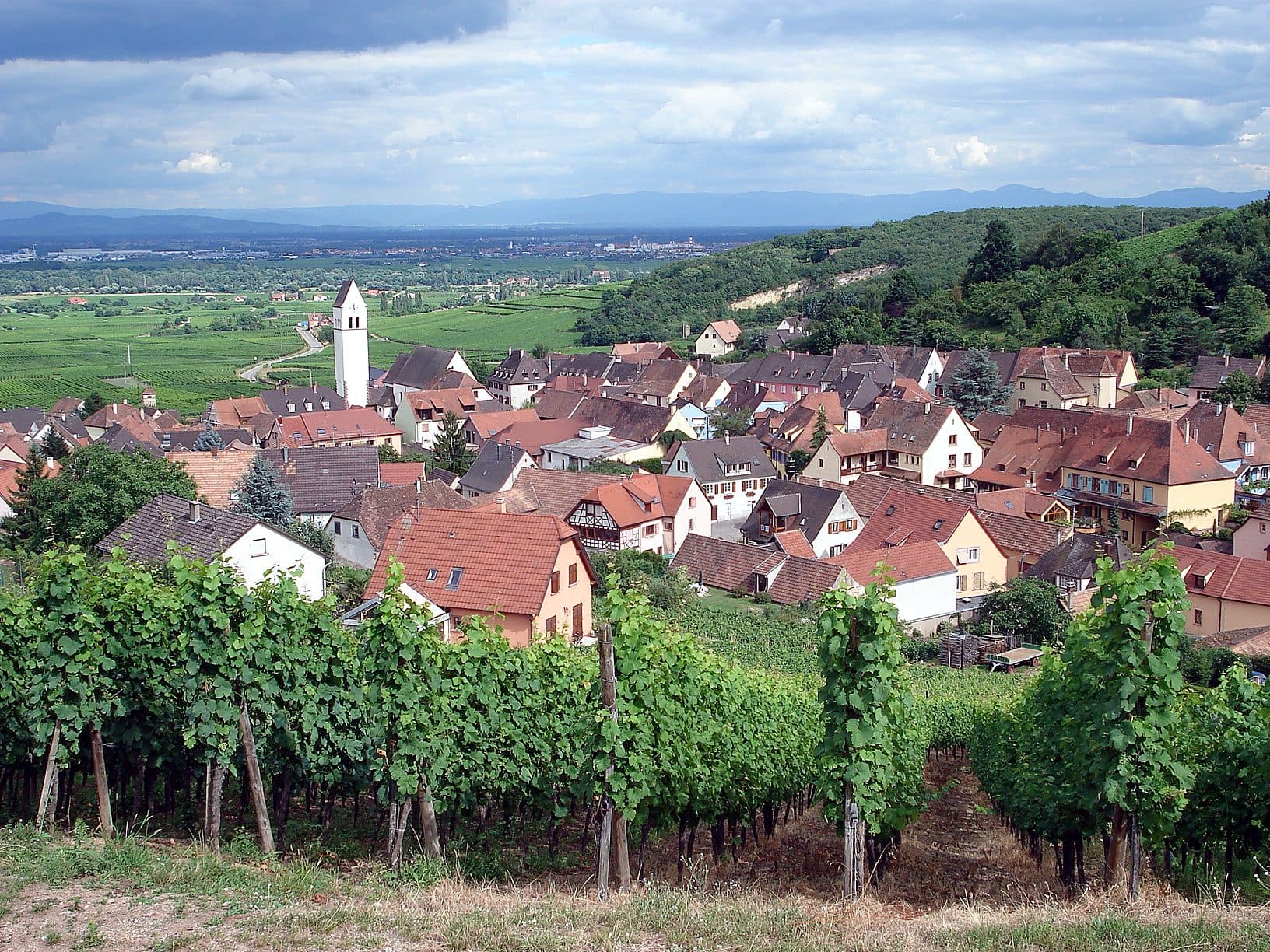
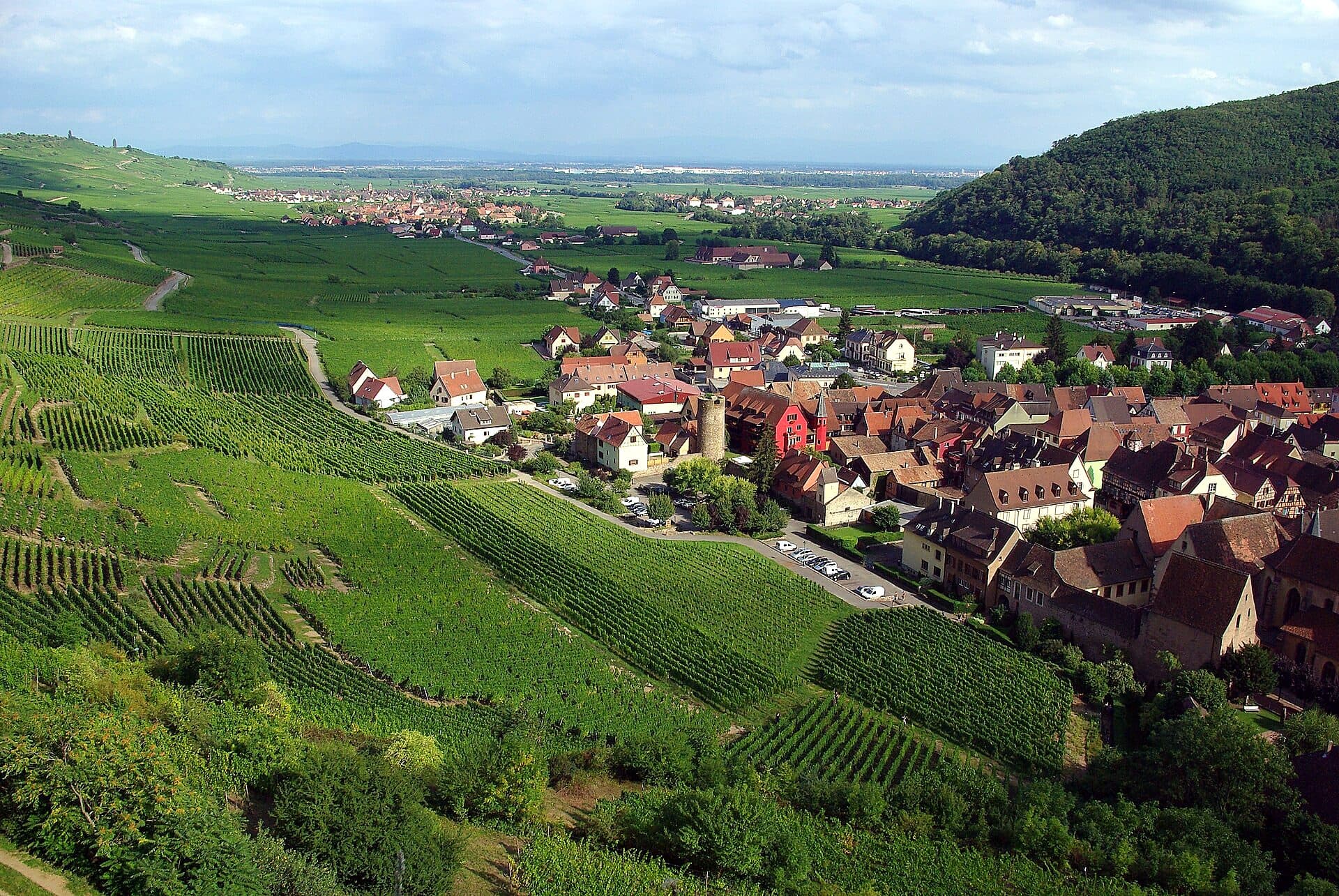
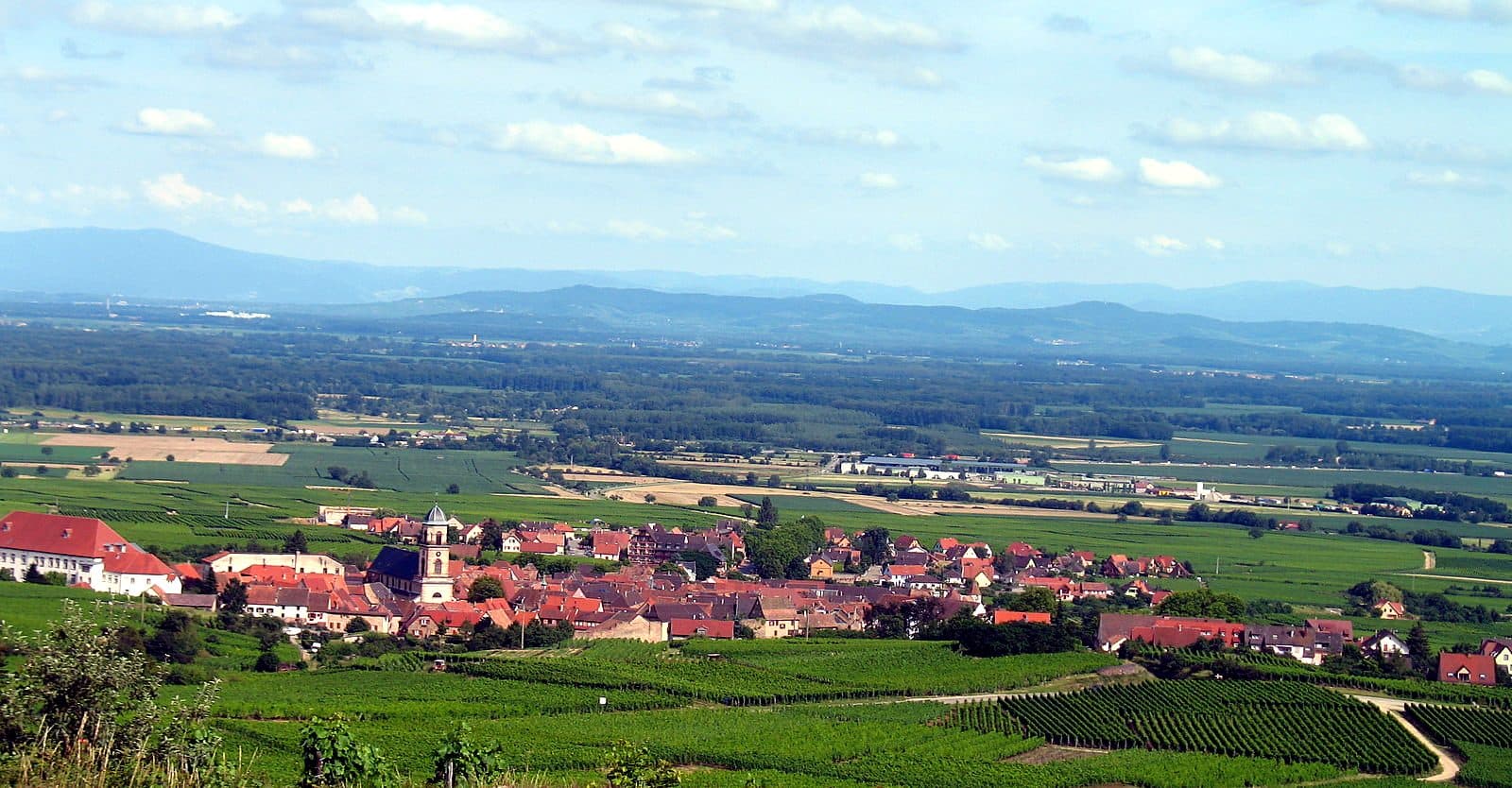
Three days is the minimum to make sense of Alsace — a region that is unmistakably French in cuisine and culture, yet Germanic in wine genetics, architecture, and varietal logic. The Route des Vins d'Alsace runs 170 kilometres from Marlenheim in the north to Thann in the south, threading 67 wine villages between the Vosges foothills and the Rhine plain. This itinerary doesn't attempt the full route; it concentrates on the central stretch between Colmar and Ribeauvillé, where the most intact medieval villages, the most celebrated Grand Crus, and the best-known producers cluster within easy driving distance of each other. Colmar serves as the most practical base — a proper city with good restaurants, a train connection to Strasbourg, and a 15–30 minute drive to any village on this itinerary. Riquewihr and Kaysersberg are the atmospheric alternatives if you want to sleep inside a wine village. Budget roughly €200–€350 per person per day covering a mid-range village hotel or gîte, cellar door fees (typically €10–€20 per tasting), and lunches and dinners at regional restaurants.
- Length
- 3 days
- Best for
- Francophile wine lovers on a Route des Vins introduction
- Cost estimate
- From €200–€350 per person per day (cellar door fees, charming gîte or village hotel, meals)
- Sub-regions
- Colmar · Eguisheim · Turckheim · Kaysersberg · Riquewihr · Schoenenbourg Grand Cru · Ribeauvillé · Bergheim
Deliberately skipping: Northern Alsace (Barr, Andlau, Obernai), Grand Cru Rangen at Thann (southernmost), Rouffach and southern villages, Green Valley of the Vosges. See the longer itineraries if you want to fit these in.
Book ahead
- Domaine Weinbach (Kaysersberg) — email at least 2–3 weeks ahead via the domaine's website. One of Alsace's most admired biodynamic estates; slots are limited and tasting rooms do not operate on a walk-in basis.
- Zind-Humbrecht (Turckheim) — appointment required. The estate produces Grand Cru-level Riesling and Pinot Gris under a biodynamic regime; contact via zind-humbrecht.com well in advance as visitor numbers are tightly managed.
- Marcel Deiss (Bergheim) — by appointment only, typically booked 3–4 weeks ahead. Jean-Michel Deiss is one of Alsace's most individual producers, making field-blend wines that cross varietal boundaries; the visit is as much philosophy seminar as tasting.
- Hugel (Riquewihr) — walk-in tasting available at the cellar door in the village centre, no appointment needed. A practical anchor on any day you can't get appointments elsewhere.
Day 1 — Colmar old town + Eguisheim
Base: Riquewihr or KaysersbergColmar to Eguisheim: 10 min south. Eguisheim to Turckheim: 20 min north. Turckheim to Riquewihr: 15 min northeast.
- Morning
- Arrive into Colmar — by TGV from Paris (2h20), by car from Basel EuroAirport (40 min), or from Strasbourg (45 min south by road). Spend the morning in Colmar's old town: the Petite Venise canal quarter, the tanners' district, and the Unterlinden Museum, which houses the Isenheim Altarpiece — one of the most extraordinary paintings in northern Europe. Allow 90 minutes for the museum if you have any interest in art; it has nothing to do with wine but is the single most memorable thing you can do in Colmar.
- Afternoon
- Drive 10 minutes south to Eguisheim — a circular medieval village of concentric streets that won France's favourite village vote in 2013 and has not changed visually since the 16th century. Walk the inner ring, note the Grand Cru Eichberg and Pfersigberg vineyards beginning just above the village walls, and visit the Léon Beyer cellar in the village centre (no appointment needed; the Beyer family has made wine in Eguisheim since 1580). From Eguisheim, drive 20 minutes north to Turckheim, where Zind-Humbrecht's cellar sits at the foot of the Brand Grand Cru — if you have an appointment, this is an exceptional way to close the afternoon.
- Evening
- Drive north to your base in Riquewihr or Kaysersberg (20–25 minutes from Turckheim). Dinner in Riquewihr: the village has several winstub restaurants serving the regional standards — choucroute garnie, tarte flambée, baeckeoffe — with Alsace wine lists that read like a pocket guide to the Route des Vins. Reserve ahead in high season.
Day 2 — Kaysersberg + Riquewihr
Base: Riquewihr or KaysersbergRiquewihr to Kaysersberg: 10 min west. Return to Riquewihr for lunch and afternoon: 10 min back east. Schoenenbourg vineyard walk from the village gate: 20 min on foot.
- Morning
- Start in Kaysersberg, 10 minutes west of Riquewihr at the mouth of the Weiss valley. The village is less visited than Riquewihr and arguably more beautiful — fortified bridge, a 13th-century castle ruin above the vines, half-timbered houses in various states of picturesque disrepair. If your Domaine Weinbach appointment is confirmed, the domaine sits at the edge of the village behind the Clos des Capucins walls — a former Capuchin monastery whose south-facing enclosure produces some of Alsace's most precisely crafted Riesling, Gewurztraminer, and Pinot Gris. If no appointment, walk the village and note how the Schlossberg Grand Cru rises above the town to the north — the granite soils here are visible in the vine rows even from the road.
- Afternoon
- Return to Riquewihr after lunch. The village is the most photographed in Alsace and justifiably so — the 16th-century ramparts are intact, the main street (rue du Général de Gaulle) is lined with merchant houses from the 1500s, and the Hugel cellar door on the main street requires no appointment and pours the family's full range from Gentil and Classic up to Vendanges Tardives and Sélection de Grains Nobles. After tasting, walk up through the village gate and along the vineyard track above town to see the Schoenenbourg Grand Cru in context — Hugel's benchmark Riesling vineyard, with clay-limestone soils and a south-southeast exposure that explains the wine's depth and ageing potential.
- Evening
- Dinner in Riquewihr. The Au Sarment and the Auberge du Schoenenbourg are the two most reliable options for regional food with serious Alsace wine lists; book in advance in summer and during the Christmas market period (late November through December).
Day 3 — Ribeauvillé + Bergheim
Base: Depart from ColmarRiquewihr to Ribeauvillé: 8 min north. Ribeauvillé to Bergheim: 6 min north. Bergheim to Colmar: 25 min south via N83.
- Morning
- Drive 8 kilometres north to Ribeauvillé — the home of Trimbach, whose Clos Ste Hune Riesling from the Rosacker Grand Cru is one of the most celebrated dry white wines in France. Trimbach visits are strongly recommended to book in advance via the estate website; the tasting room opens on weekdays and the cellar beneath the family house in the village holds bottles going back decades. The village also has three ruined towers visible on the hillside above — the Ulrichsburg, Girsberg, and Saint-Ulrich — accessible via a 90-minute walk if your energy allows.
- Afternoon
- Drive 6 kilometres north to Bergheim, a compact fortified village with a well-preserved town gate. If you secured a Marcel Deiss appointment, the domaine is here — Jean-Michel Deiss's concept of planting all Alsace varieties in the same parcel and harvesting together, then fermenting the field blend, runs directly against Alsace's varietal convention and produces wines unlike any others in the region. The Altenberg de Bergheim Grand Cru above the village is one of the reasons Bergheim is worth the detour even without an appointment. From Bergheim, it is an easy 25-minute drive south to Colmar for onward travel, or north to Dambach-la-Ville and Obernai if you are routing toward Strasbourg.
- Evening
- Return to Colmar for departure, or extend the night in Colmar for a last dinner before a morning flight or train. Colmar's Maison des Têtes restaurant in an ornate 17th-century building offers the most formal regional-food experience in the city; JY'S (Jean-Yves Schillinger) is the Michelin option.
Frequently asked
Is a car necessary or can you cycle between the villages?
The Route des Vins is genuinely cycle-friendly for the central section covered in this itinerary. The villages are 6–15 kilometres apart on flat to gently rolling terrain, and a dedicated cycling path runs parallel to the main D1b road through much of the central route. Riquewihr to Ribeauvillé is about 8 kilometres; Riquewihr to Kaysersberg is about 10 kilometres with a slight incline at the end. A car is useful for getting to and from Colmar and for Grand Cru vineyard access above the villages, but three days of cycling between Eguisheim, Turckheim, Kaysersberg, Riquewihr, and Ribeauvillé is one of the better wine-touring experiences in France. E-bikes are available to rent in Colmar and several villages.
What is VT (Vendanges Tardives) and is it worth buying?
VT (Vendanges Tardives) is Alsace's designation for late-harvest wines — grapes picked at significantly higher sugar levels than normal, producing wines that are often off-dry to medium-sweet with intense aromatic concentration. They are not made every year; VT requires declared exceptional ripeness conditions and is controlled by regulation. SGN (Sélection de Grains Nobles) goes further — individual botrytis-affected berries selected by hand, producing wines of tremendous sweetness and concentration that age for decades. Both are made from Riesling, Gewurztraminer, Pinot Gris, and Muscat. A 2018 or 2015 VT Riesling from Hugel or Trimbach is the most useful single bottle for understanding what Alsace can do that no other region does at the same quality level.
Can I combine Alsace with the Black Forest or Freiburg across the Rhine?
Yes, and it's a natural extension. Freiburg im Breisgau is 30 minutes east of Colmar via the A35 and Rhine crossing — a university city with excellent food markets and a small but serious Baden wine scene (Pinot Noir, or Spätburgunder as it's called there, grown in similar soils to the Alsace side of the Vosges foothills). The contrast between Alsatian Pinot Gris and Baden Grauburgunder made from the same grape, 30 kilometres apart, is an interesting side-by-side if you are analytically inclined about terroir. The Black Forest itself is a 45-minute drive further east — scenic rather than gastronomic, but worth an afternoon if you want to break the vine-to-vine rhythm.
What are the Christmas markets like, and is December a good time to visit?
Alsace in December is a different trip to Alsace in October, and for some visitors it is the better one. Colmar's Christmas market (late November to Christmas Eve) is considered among the most atmospheric in France — the Petite Venise quarter and the old town are decorated without the plastic excess that affects some German markets across the Rhine. Riquewihr and Kaysersberg run their own smaller village markets, and the vine rows above the villages are dormant but scenic under frost. Wine tasting continues normally in December; most cellar doors are open and harvest decisions are behind the producers, so visits are relaxed and unhurried. The main trade-off is cold (0–5°C daytime) and shorter days. Book accommodation earlier than you think necessary — Colmar fills fast in December.
Want to customise this itinerary?
Use the trip planner to mix-and-match days, or read the full Alsace guide.
New Guides, Straight to Your Inbox
Get notified when we publish new wine travel guides — region deep-dives, hidden gems, and planning tools.
No spam. Unsubscribe anytime. We respect your privacy.
This page contains affiliate links. We may earn a commission at no extra cost to you.