5 Days in Alsace — Wine Itinerary (2026)
The full Route des Vins north to south — Strasbourg, Bas-Rhin villages, the central Grand Crus, Colmar, Eguisheim, and the volcanic Rangen at Thann.
Last reviewed May 2026
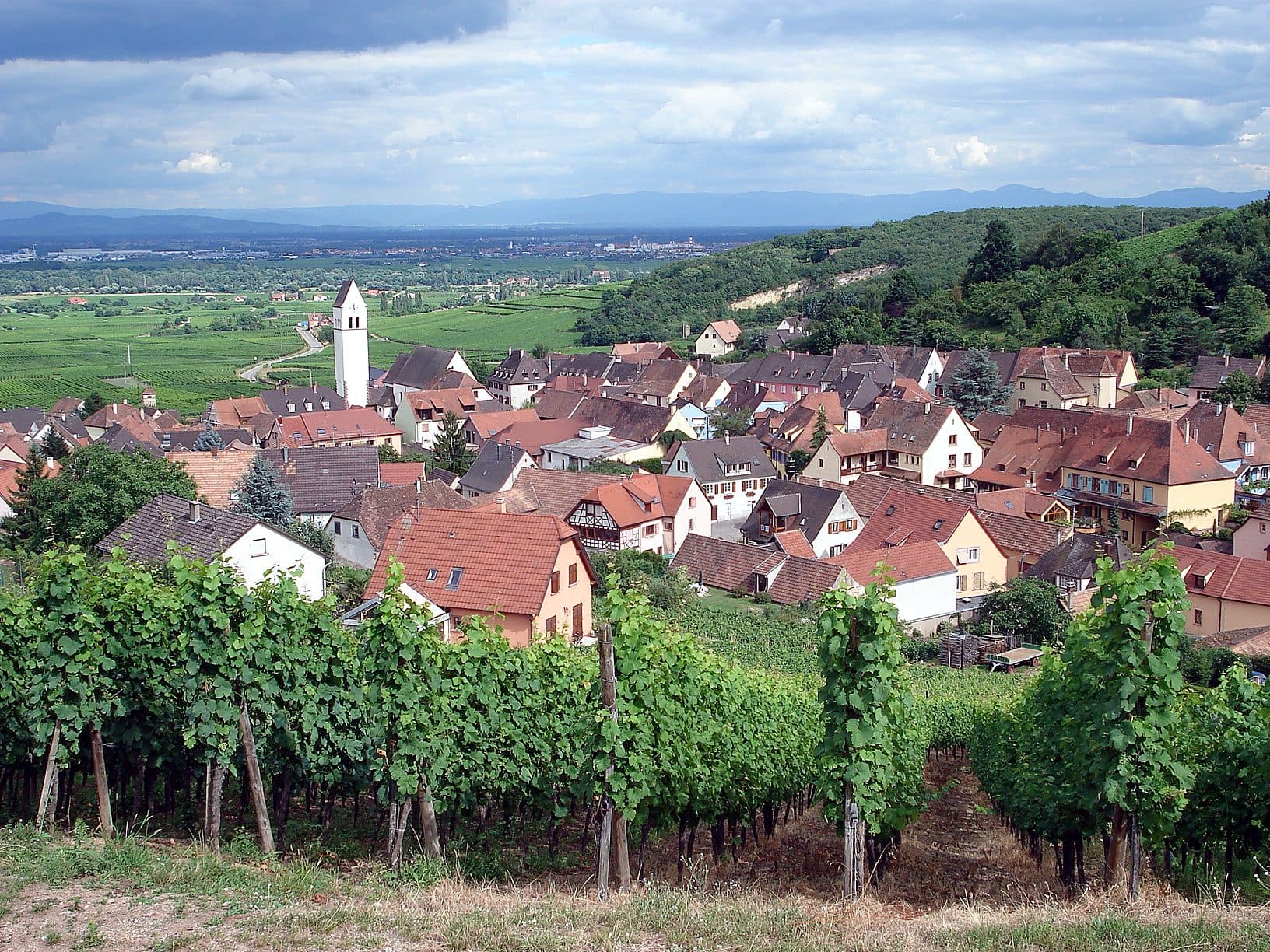
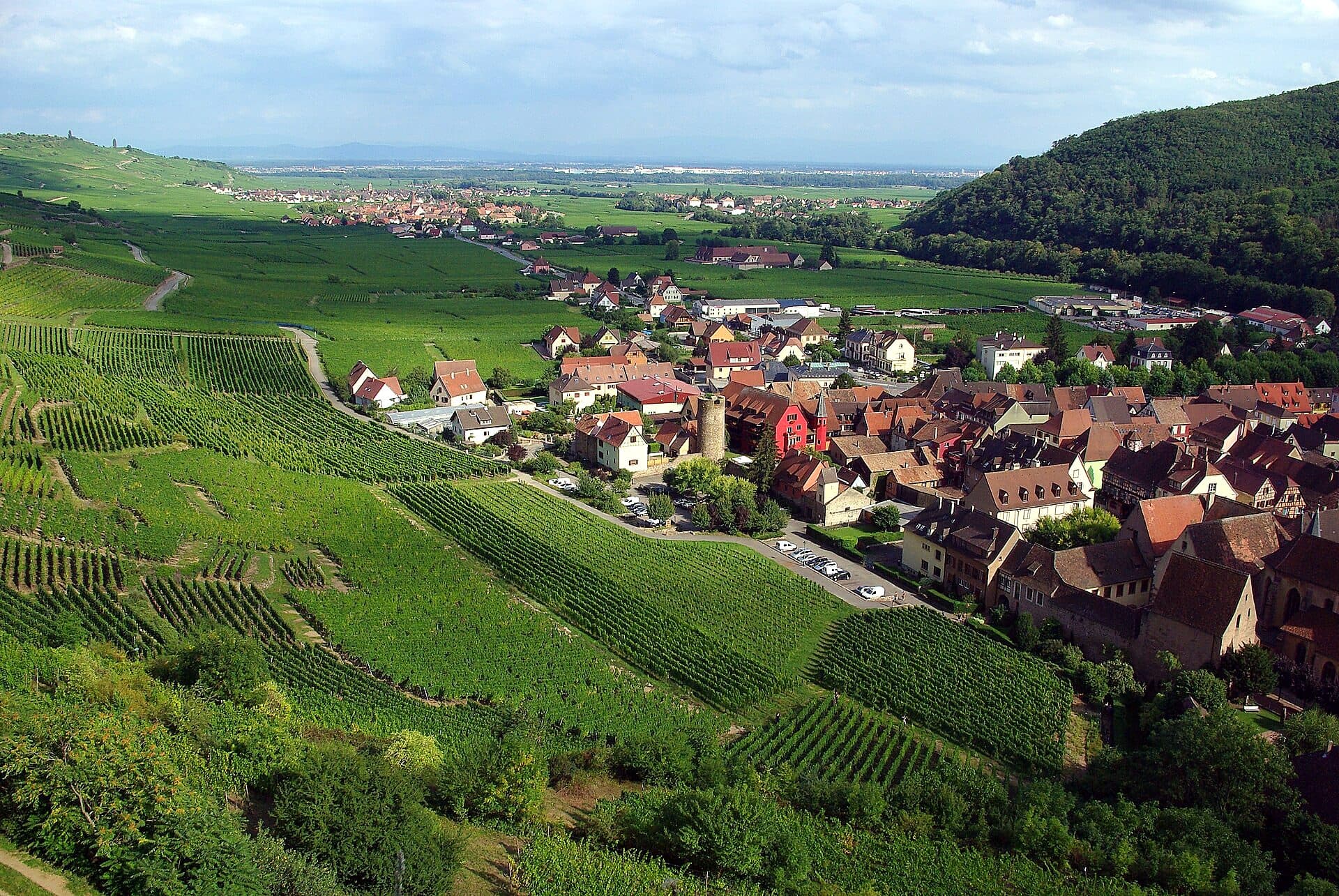
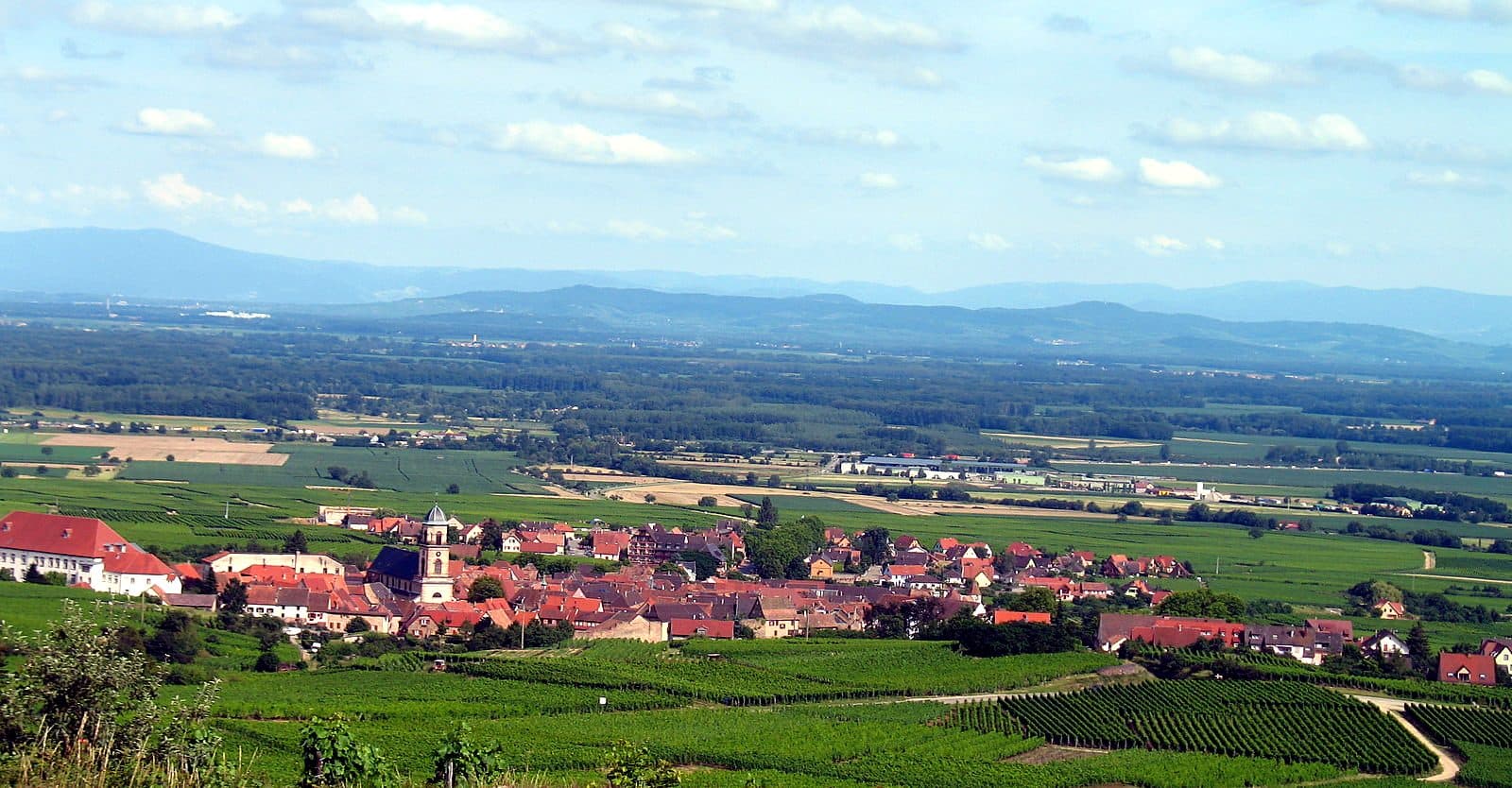
Five days allows you to drive the Route des Vins d'Alsace in something close to its entirety — from the northern Bas-Rhin villages near Strasbourg down through the photogenic central cluster to the rarely visited southern end near Thann, where the Grand Cru Rangen sits on steep volcanic basalt that produces some of the most distinctive Riesling in France. This is not a race to cover all 67 wine villages; it is a structured journey through the climatic and geological variation that makes Alsace more internally diverse than its modest size suggests. The itinerary runs broadly north to south, beginning in Strasbourg and ending with a flight from Basel EuroAirport or a return north by train. Colmar is the natural midpoint base — use it for Days 3 and 4, and book a village hotel in Riquewihr or Kaysersberg for Days 1 and 2 if you want to wake up inside the wine route. Budget roughly €220–€380 per person per day for mid-range lodging, three cellar door visits, and regional restaurant meals. Appointment-only estates (Weinbach, Zind-Humbrecht, Marcel Deiss, André Ostertag) require bookings 2–4 weeks ahead; plan those fixed points first, then build the rest around them.
- Length
- 5 days
- Best for
- Wine enthusiasts with time for the full Route des Vins from north to south
- Cost estimate
- From €220–€380 per person per day (cellar door fees, village hotel or Colmar city hotel, regional meals)
- Sub-regions
- Strasbourg · Barr · Andlau · Épfig · Dambach-la-Ville · Ribeauvillé · Hunawihr · Riquewihr · Schoenenbourg Grand Cru · Kaysersberg · Kientzheim · Turckheim · Brand Grand Cru · Colmar · Eguisheim · Rouffach · Thann · Rangen Grand Cru
Deliberately skipping: Marlenheim and the far northern villages (Bas-Rhin beyond Obernai), Molsheim and Westhoffen, Wolxheim and Traenheim, Orschwihr and Pfaffenheim (between Eguisheim and Thann). See the longer itineraries if you want to fit these in.
Book ahead
- Domaine André Ostertag (Épfig) — appointment required; one of Bas-Rhin's most respected producers, working biodynamically with Pinot Gris and Riesling on sandstone terroirs. Contact via ostertag.fr 2–3 weeks ahead.
- Domaine Weinbach (Kaysersberg) — email 2–3 weeks ahead. A biodynamic estate of consistent quality across Riesling, Gewurztraminer, and Pinot Gris; the Clos des Capucins site is one of Alsace's most distinctive walled parcels.
- Zind-Humbrecht (Turckheim) — appointment required via zind-humbrecht.com. Olivier Humbrecht MW makes the reference benchmark for Grand Cru Riesling and Pinot Gris in Alsace; visits are educational rather than purely commercial.
- Marcel Deiss (Bergheim) — by appointment only, 3–4 weeks ahead. Jean-Michel Deiss's field-blend philosophy and Altenberg de Bergheim Grand Cru wines are unlike anything else on the Route des Vins; well worth the scheduling effort on a 5-day trip.
- Trimbach (Ribeauvillé) — strongly recommended to book ahead via trimbach.fr. Walk-in access to the cellar is not guaranteed; the family tasting room in Ribeauvillé village is the correct address.
Day 1 — Strasbourg arrival + Barr area
Base: Riquewihr or BarrStrasbourg to Obernai: 30 min south. Obernai to Barr: 10 min south. Barr to Épfig: 5 min. Barr to Riquewihr: 45 min south.
- Morning
- Arrive at Strasbourg — by TGV from Paris (2h10), by air via Strasbourg Entzheim airport (45 min to city), or by car from Frankfurt via A5 (2.5 hours). Strasbourg's old town is UNESCO-listed and worth half a day on its own: the Gothic cathedral (one of the tallest medieval buildings ever completed), the Petite France quarter of 16th-century tanners' houses along the river channels, and the European Parliament district to the east. The old town is dense and walkable — two hours on foot covers the essentials. Lunch in the city before driving south.
- Afternoon
- Drive 40 minutes south into the Bas-Rhin wine villages. Obernai is the first major wine village south of Strasbourg — well-preserved, with a market square and a wine-producing cooperative. Continue south through Barr, a quieter town at the foot of the Vosges, where several small estates produce Sylvaner, Pinot Blanc, and Riesling on sandstone soils that differ markedly from the granite of the central route. If you have an appointment at Domaine André Ostertag in nearby Épfig, this is the right timing — Ostertag's Pinot Gris and Riesling offer an early benchmark against which to measure the central-route Grand Crus you'll taste over the next two days.
- Evening
- Continue south to your base in Riquewihr (45 min from Barr) or stay overnight in Barr itself if you want a longer Bas-Rhin morning tomorrow. Riquewihr gives you an earlier start on Day 2's central section; Barr gives you more flexibility to add Dambach-la-Ville in the morning.
Day 2 — Northern Route des Vins: Dambach + Ribeauvillé + Bergheim
Base: RiquewihrRiquewihr to Dambach-la-Ville: 30 min north. Dambach to Bergheim: 15 min south. Bergheim to Ribeauvillé: 6 min south. Ribeauvillé to Riquewihr: 8 min south.
- Morning
- Drive to Dambach-la-Ville (15 minutes south of Barr), one of the quieter wine villages on the central route and a good place to see the working-village reality of Alsace wine country away from the tourist centres. The Frankstein Grand Cru rises above the village on granite outcrops — notable for producing a floral, nervy style of Riesling that contrasts clearly with the clay-limestone Schoenenbourg you'll visit this afternoon. Continue south to Bergheim for a Marcel Deiss appointment if secured — the Altenberg de Bergheim Grand Cru site above the village, with its chalky marl soils, is one of the geological counter-arguments to the region's granite-dominant narrative.
- Afternoon
- Drive 6 kilometres south to Ribeauvillé for the Trimbach appointment (book in advance). Trimbach's Clos Ste Hune from the Rosacker Grand Cru is the estate wine most frequently cited in discussions of Alsace's finest dry Riesling; the cellar visit traces the family history (recorded in the village since 1626) and the winemaking logic behind their deliberately structured, slow-developing style. After Trimbach, walk the village and note the three ruined châteaux on the hill above — the Ribeauvillé market town has a more working character than Riquewihr and is worth a longer stop for that reason.
- Evening
- Return 8 kilometres south to Riquewihr for the evening. Dinner in the village; the Auberge du Schoenenbourg restaurant is the most reliable anchor for regional food with an Alsace-centric wine list.
Day 3 — Riquewihr, Kaysersberg + Turckheim
Base: ColmarRiquewihr to Kaysersberg: 10 min west. Kaysersberg to Turckheim: 20 min south. Turckheim to Colmar: 15 min southeast.
- Morning
- Start the morning in Riquewihr itself before driving on — the village deserves the slower morning hours before the tour groups arrive. The Hugel cellar on the main street is open walk-in; Hugel's range from entry-level Gentil through to library Vendanges Tardives covers most of what Alsace produces, and the family's role in establishing the VT and SGN regulations in the 1980s makes the tasting a history lesson as well as a sensory one. Walk up through the Dolder gate after tasting and follow the vineyard track to the Schoenenbourg Grand Cru — 30 minutes on foot with views north across the central route that justify the detour.
- Afternoon
- Drive 10 minutes west to Kaysersberg for the Domaine Weinbach appointment if confirmed. The Clos des Capucins walled parcel at the edge of the village dates from the Capuchin monks of the 16th century; the Faller family has farmed it biodynamically for decades and the resulting Riesling, Gewurztraminer, and Pinot Gris are wines of obvious place rather than obvious variety. From Kaysersberg, continue 20 minutes south to Turckheim for a Zind-Humbrecht appointment if secured — the Brand Grand Cru's granite soils and the steep angle of the vineyard are visible from the road even without going inside; with an appointment, Olivier Humbrecht's explanations of the soil-wine connection are among the most instructive cellar conversations available on the Route des Vins.
- Evening
- Move base to Colmar (15 minutes southeast of Turckheim). Colmar has more restaurant variety than the wine villages and is well-positioned for the Day 4 southern push. Dinner in the old town; the brasseries around the Place de l'Ancienne Douane serve the full regional canon.
Day 4 — Colmar + Eguisheim + the southern route
Base: ColmarColmar to Eguisheim: 10 min south. Eguisheim to Rouffach: 15 min south. Return to Colmar: 25 min north.
- Morning
- Dedicate the morning to Colmar itself — the Unterlinden Museum (Isenheim Altarpiece, the most important painting in Alsace by almost any measure, allow 90 minutes), the Petite Venise canal quarter, and the Dominican church housing Martin Schongauer's Madonna in the Rose Garden. Colmar's old town is more than a gateway to the wine route; it has been a merchant city since the Middle Ages and the architecture reflects that history more clearly than any wine village. Late-morning coffee at one of the patisseries on the Grand Rue before driving south.
- Afternoon
- Drive 10 minutes south to Eguisheim — the circular medieval village that won France's favourite village award in 2013 and has changed almost nothing since then. Walk the inner ring, visit the Léon Beyer cellar (open without appointment, producing classic Riesling and Gewurztraminer in a deliberately non-showy style), and note the Grand Cru Eichberg and Pfersigberg vineyards encircling the village. Continue south through Rouffach (where the Zinnkoepflé Grand Cru produces big, textured Gewurztraminer and Pinot Gris on the limestone flank of the Vosges) toward Guebwiller. The southern villages have a quieter, more agricultural character than the central route; the crowds thin noticeably south of Eguisheim.
- Evening
- Return to Colmar for dinner. The restaurant density in Colmar allows for a properly exploratory final evening meal — Alsatian cuisine is one of France's most distinctive regional traditions, built on charcuterie, fermented cabbage, freshwater fish, and the local Munster cheese, all of which pair with the wines you've been tasting in ways that are not coincidental.
Day 5 — Thann and Grand Cru Rangen + departure
Base: Depart from Colmar or BaselColmar to Thann: 35 min south. Thann to Wettolsheim: 40 min north. Wettolsheim to Bergheim: 20 min northeast. Bergheim to Basel EuroAirport: 50 min south.
- Morning
- Drive 35 minutes south from Colmar to Thann, the final village on the Route des Vins. The Grand Cru Rangen is the most unusual vineyard in Alsace — steep volcanic basalt above the town, the southernmost and hottest Grand Cru on the route, producing Riesling and Pinot Gris of extraordinary richness and spice from soils found nowhere else in the region. Zind-Humbrecht's Rangen de Thann Clos Saint-Urbain is the benchmark wine from this site; if you are in Thann on a weekday morning, the village co-operative gives access to Rangen wines without requiring an advance appointment. The steep vineyard itself can be walked from the village — allow 45 minutes for the ascent.
- Afternoon
- Drive 30 minutes north to Wettolsheim (just west of Colmar) to visit Domaine Albert Mann, a biodynamic estate producing Grand Cru Riesling from Schlossberg and Furstentum; appointments are easier to secure here than at Zind-Humbrecht and the quality is close. Then drive north 15 minutes to Bergheim for a final tasting at Gustave Lorentz, one of the larger Alsace négociant-growers, whose Altenberg de Bergheim Grand Cru Riesling and Gewurztraminer provide a good closing comparison to the small-estate wines of the previous four days. From Bergheim, Basel EuroAirport is 50 minutes south; Strasbourg train station is 55 minutes north.
- Evening
- Depart via Basel EuroAirport (50 min south) or return to Strasbourg for an evening flight or TGV departure. Alternatively, extend the night in Colmar for a final dinner before an early morning Basel departure.
Frequently asked
Is five days enough to see all of Alsace, or does it still involve trade-offs?
Five days covers the full geographic range from Strasbourg to Thann but still involves genuine trade-offs. The northern Bas-Rhin villages beyond Obernai — Marlenheim, Westhoffen, Molsheim — get only a passing mention on this itinerary; they produce good Sylvaner and Pinot Blanc at cooperative level but no Grand Crus and are less essential for a first comprehensive trip. The real trade-off is depth versus breadth: five days allows you to stand in the Rangen at Thann and also in the Schoenenbourg above Riquewihr and understand they are different places, but gives you less time to linger at any one estate than a week or more would allow. If Alsace becomes a recurring destination (and it does, for most people who go once), the five-day itinerary is the framework trip — subsequent visits drill into specific producers or sub-regions.
What is the difference between Riesling in Alsace and German Riesling?
The principal difference is sweetness convention and body. German Riesling Kabinett and Spätlese are typically off-dry to medium-sweet; Alsace Riesling is almost always fermented to dryness unless labelled VT or SGN. Alsace Riesling is also generally fuller-bodied and higher in alcohol than German Mosel or Rheingau equivalents, because the Vosges create a rain shadow that produces drier, sunnier conditions than the Rhine valley to the east. Grand Cru Alsace Riesling ages in a direction that overlaps with aged German Auslese — petrol notes, waxy texture, concentrated citrus — but starts from a drier, more austere base. Tasting Zind-Humbrecht's Riesling Brand next to a Mosel GG (Grosses Gewächs) is the most direct illustration of how two wines from the same grape variety, 200 kilometres apart, can age along parallel but distinct trajectories.
Should I rent a car or is public transport viable for a 5-day trip?
A car is strongly recommended for five days on the Route des Vins. The villages are connected by the D1b Route des Vins road, which is not served by frequent public transport; trains connect Colmar to Strasbourg and Basel but don't run through the wine villages themselves. The most practical car-free version of the trip is to base in Colmar throughout and take day trips by bicycle — the flat central section from Eguisheim to Ribeauvillé is manageable on two wheels, and e-bike rental is available in Colmar. For the southern day (Thann, Wettolsheim) and the northern day (Barr, Dambach), a car is effectively essential unless you are comfortable with 40–50km cycling days.
What does biodynamic mean in the Alsace context, and does it affect the wine?
Biodynamic viticulture follows the Demeter certification standards — a holistic farming approach derived from Rudolf Steiner's agricultural philosophy, which treats the vineyard as a self-contained organism regulated by lunar and astronomical calendars, with specific herbal and mineral preparations applied to soil and vines. In Alsace, the biodynamic producers (Weinbach, Zind-Humbrecht, Ostertag, Albert Mann, Marcel Deiss among the best-known) adopted the approach because it suits the Vosges terroir — heavy rainfall on the western slopes requires careful canopy and soil management, and the emphasis on living soil suits the complex Grand Cru geology. Whether biodynamics as a philosophy causes better wine is debated; that those four producers routinely produce Alsace's most site-expressive bottles is not. Demeter certification is visible on the label.
Want to customise this itinerary?
Use the trip planner to mix-and-match days, or read the full Alsace guide.
New Guides, Straight to Your Inbox
Get notified when we publish new wine travel guides — region deep-dives, hidden gems, and planning tools.
No spam. Unsubscribe anytime. We respect your privacy.
This page contains affiliate links. We may earn a commission at no extra cost to you.