5 Days in Burgundy — Deep-Dive Wine Itinerary (2026)
The deep Burgundy trip — Beaune anchor, both Côtes, Chablis day-trip, a whites-focused day in Meursault and Puligny-Montrachet, and one day on foot along the Route des Grands Crus.
Last reviewed May 2026
Five days is the trip we'd recommend for anyone who wants to actually understand Burgundy rather than tick its biggest names. The pattern: base in Beaune for all five nights (no point relocating), spend Day 1 walking the négociant capital, Day 2 driving the Côte de Nuits, Day 3 in the white-Burgundy benchmark villages of Meursault, Puligny-Montrachet and Chassagne-Montrachet, Day 4 on the long round-trip up to Chablis, and Day 5 on foot along the Route des Grands Crus from Vougeot through Vosne-Romanée to Nuits-Saint-Georges — climat by climat. The 1,247 climats of Burgundy were inscribed on the UNESCO World Heritage list in 2015, and walking even a 15 km stretch of them is the single best way to internalise why this region is fragmented the way it is. You will not relocate to Chablis (the day-trip works), you will not visit Domaine de la Romanée-Conti or the prestige Puligny domaines (none receive the public), and you will skip the Côte Chalonnaise and Mâconnais.
- Length
- 5 days
- Best for
- Serious wine lovers and second-time visitors
- Cost estimate
- From €1,950 per person (mid-range, double occupancy at a 3- or 4-star Beaune hotel, 8–10 tastings + 5 dinners + rental car or driver share — excludes flights and TGV)
- Sub-regions
- Beaune (base, 5 nights) · Côte de Nuits (Vougeot, Vosne-Romanée, Nuits-Saint-Georges) · Côte de Beaune whites (Meursault, Puligny-Montrachet, Chassagne-Montrachet) · Chablis (William Fèvre + village) · Route des Grands Crus on foot (Vougeot → Nuits-Saint-Georges) · Hospices de Beaune + Marché aux Vins
Deliberately skipping: Côte Chalonnaise (Mercurey, Givry, Rully) — the value-tier reds and whites; covered in a 7+ day plan, Mâconnais (Pouilly-Fuissé, Saint-Véran) — closer to Lyon than to Beaune; folds better into a Rhône-Burgundy combined trip, Dijon overnight (uses it as TGV transit only), The November Hospices de Beaune wine auction (third weekend of November — major event, separate ticketing, accommodation premium), Domaine de la Romanée-Conti and the prestige Vosne-Romanée and Puligny-Montrachet domaines (not open to the public). See the longer itineraries if you want to fit these in.
Book ahead
- TGV Paris Gare de Lyon → Dijon (1h35) then TER Dijon → Beaune (25 min) — book 3–6 weeks ahead via sncf-connect.com
- Bouchard Père & Fils in Beaune (Day 1) — book 2–3 weeks ahead via bouchard-pereetfils.com
- Joseph Drouhin in Beaune (Day 5) — book 2–3 weeks ahead via drouhin.com; the cellars under the old town are the most architecturally rich of the négociant visits and the tasting can stretch from Chablis premier cru up to red Grand Crus
- Château du Clos de Vougeot (Day 2 morning) — book 1–2 weeks ahead via closdevougeot.fr; museum-tour ticket only, no tasting on site
- Domaine Faiveley in Nuits-Saint-Georges (Day 2 afternoon) — request 4–6 weeks ahead via bourgognes-faiveley.com
- Château de Meursault (Day 3 morning) — book 1–2 weeks ahead via chateau-meursault.com
- William Fèvre in Chablis (Day 4) — book 2–3 weeks ahead via williamfevre.com; Premier Cru / Grand Cru flight if available
- Restaurants in Beaune — Le Bénaton, Loiseau des Vignes and La Garaudière fill 3–4 weeks ahead for weekend dinners; book the full 5-night spread when the trip is locked
- Rental car at Beaune (Avis, Europcar, Sixt) for Days 2, 3 and 4. Day 5 is a walking day — leave the car at the hotel and take the local TER from Beaune to Vougeot/Nuits-Saint-Georges if you don't have a non-tasting driver.
Day 1 — Arrive Beaune, Hospices + Bouchard cellar
Base: BeauneParis Gare de Lyon → Dijon: 1h35 TGV. Dijon → Beaune: 25 min TER. All Day 1 stops walkable inside Beaune.
- Morning
- TGV Paris Gare de Lyon to Dijon (1h35) then the local TER south to Beaune (25 minutes). Drop bags — Hôtel Le Cep and Hostellerie Le Cèdre are inside the walls; the Hôtel des Remparts is the mid-range workhorse. Walk straight to the Hospices de Beaune for the late-morning museum visit. The 15th-century Hôtel-Dieu was founded as an almshouse for the poor by Nicolas Rolin in 1443, the polychrome glazed-tile roof is the visual icon of Burgundy, and the Last Judgement polyptych in the back room is worth the hour on its own.
- Afternoon
- Lunch on Place Carnot. Then walk to Bouchard Père & Fils for the early-afternoon cellar tour inside the 15th-century Château de Beaune (founded 1731, 130 hectares across the Côte d'Or, the natural anchor visit on a Burgundy trip). For a second stop, the Marché aux Vins in the former Église des Cordeliers runs a self-guided 7- or 13-wine tasting at flat published prices — useful to calibrate your palate across appellations before the producer visits start in earnest tomorrow.
- Evening
- Dinner at Loiseau des Vignes (the Bernard Loiseau group's Beaune Michelin-starred outpost, with a 70+ wines-by-the-glass list deep on Burgundy) or Caves Madeleine for a small-plates format with a producer-driven list.
Day 2 — Côte de Nuits (Vougeot + Vosne-Romanée + Faiveley)
Base: BeauneBeaune → Vougeot: 25 min via N74. Vougeot → Vosne-Romanée: 10 min via D109. Vosne-Romanée → Nuits-Saint-Georges: 5 min via D974. Nuits-Saint-Georges → Beaune: 25 min via N74.
- Morning
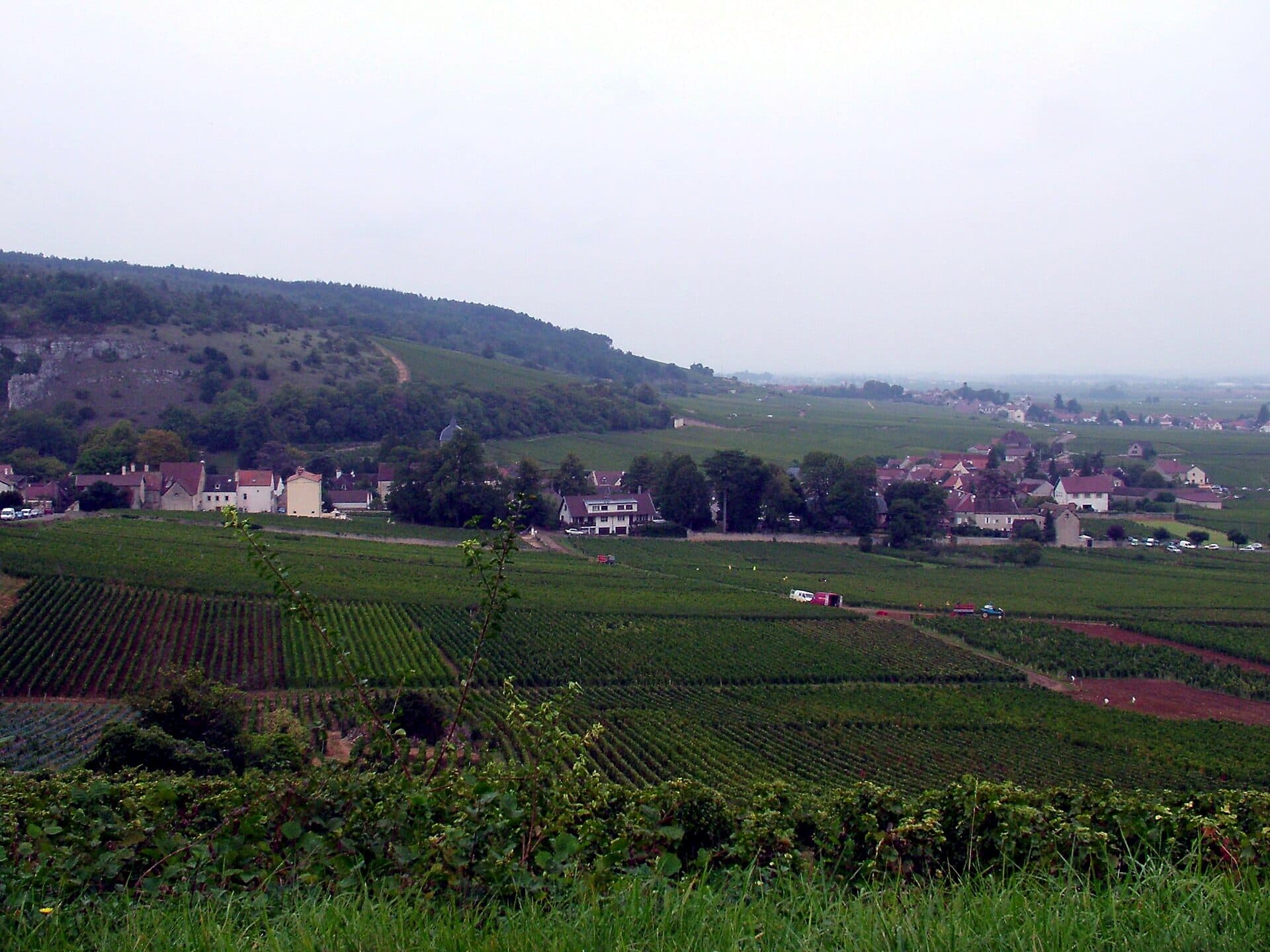
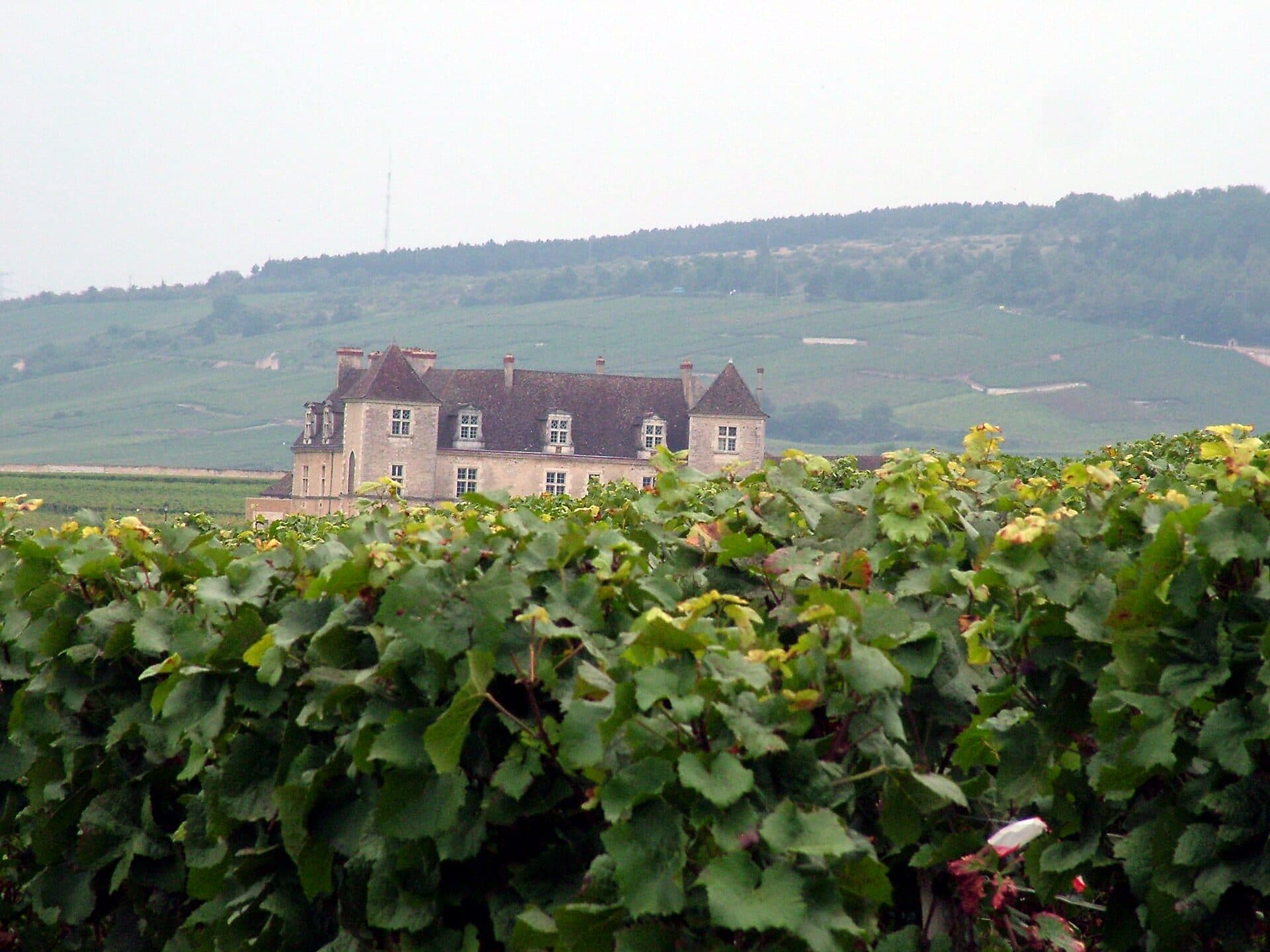
- Drive 30 minutes north — the N74 is the fast road, the Route des Grands Crus is the parallel scenic alternative for the last few villages. The Château du Clos de Vougeot is the morning anchor: a 12th-century Cistercian site at the heart of the 50-hectare Clos de Vougeot Grand Cru — the largest single Grand Cru vineyard in Burgundy, fragmented today across 80+ owners. The guided museum tour is the cleanest single explanation of why Burgundy is structured the way it is.
- Afternoon
- Drive ten minutes north to Vosne-Romanée village. Park near the church and walk up the signposted lane past Romanée-Saint-Vivant, Richebourg, La Tâche and the stone cross at the top of the Romanée-Conti monopole — free, 30 minutes round-trip, the most photographed walk in world wine. Lunch at Le Comptoir aux Vins in Vosne-Romanée village. Then drive five minutes south to Nuits-Saint-Georges for the afternoon Faiveley appointment — family-owned since 1825, ~120 hectares including more Grand and Premier Cru land than almost any other Burgundy producer, and the closest realistic visit on this trip to a serious Côte de Nuits domaine cellar.
- Evening
- Drive 25 minutes back to Beaune. Dinner at L'Air du Temps or the bistro at Hôtel Le Cep.
Day 3 — Côte de Beaune whites (Meursault + Puligny-Montrachet + Chassagne)
Base: BeauneBeaune → Meursault: 10 min via D973. Meursault → Puligny-Montrachet: 5 min via D113B. Puligny → Chassagne: 5 min via D906. Chassagne → Beaune: 20 min via D906/D973.
- Morning
- Drive 10 minutes south to Meursault for the morning Château de Meursault appointment. The château sits in the middle of the village, owns 60 hectares across nine appellations (Meursault, Volnay, Pommard, Beaune, Aloxe-Corton among them), and the visit walks the 14th-century cellars and the park before a structured tasting of estate whites including Meursault village and Premier Cru. This is the visitable face of white Burgundy.
- Afternoon
- Lunch at Le Chevreuil on the main square in Meursault, or 10 minutes south at Le Montrachet in Puligny-Montrachet (book ahead — its wine list is one of the deepest in Burgundy). Walk Puligny-Montrachet village in the afternoon: the Grand Cru Le Montrachet sits between Puligny and Chassagne, and the climat boundary stones in the vineyards are how you read why Puligny-Montrachet, Bâtard-Montrachet, Chevalier-Montrachet and Bienvenues-Bâtard-Montrachet are different wines. None of the prestige Puligny domaines (Leflaive, Sauzet) receive the public, so this is a vineyard-walking afternoon rather than a tasting one — finish at the Caveau du Domaine in Chassagne-Montrachet (Caveau Municipal-style tasting) before driving 20 minutes back to Beaune.
- Evening
- Dinner at Le Bénaton (one Michelin star, modern register) or La Garaudière for grilled meats with a deep Burgundy list.
Day 4 — Chablis day-trip (William Fèvre + village)
Base: BeauneBeaune → Chablis: 2h30 via A6 / A38 / D965. Chablis → Beaune: 2h30 via the same return route.
- Morning
- Early start. Drive north on the A6 for 2 hours 30 minutes to Chablis — leave Beaune by 7:30am to make a 10:30am appointment with margin. Chablis is geographically separate from the rest of Burgundy: 170 km north-west, the Yonne département, half-way back to Paris. The Grand Cru hill above the village holds seven climats — Bougros, Les Preuses, Vaudésir, Grenouilles, Valmur, Les Clos and Blanchot — and they all face south-west across the Serein river. Park in Chablis village and walk to William Fèvre for the morning appointment. Fèvre owns the largest single block of Chablis Grand Cru land (~15 hectares) and the Premier-Cru-to-Grand-Cru flight at the cellar is the cleanest way to taste the appellation hierarchy in one sitting.
- Afternoon
- Lunch at Au Fil du Zinc or Le Bistrot des Grands Crus in Chablis village (both book a few days ahead). Walk up the slope behind the village to see the Grand Cru hill from above — the climat boundary signs are useful for understanding why a Vaudésir is different from a Les Clos. If you have appetite for a second appointment, Domaine Long-Depaquit and Domaine Laroche both run visits from the village. Otherwise head back south by 4pm — the A6 return takes 2h30 minimum and longer in summer weekend traffic.
- Evening
- Late dinner in Beaune — Caves Madeleine (kitchen runs late) or a hotel bistro. This is the heaviest driving day of the trip.
Day 5 — Route des Grands Crus on foot + final négociant in Beaune
Base: BeauneBeaune → Vougeot: 25 min by TER (or 30 min by car / driver drop). Vougeot → Nuits-Saint-Georges on foot: 15 km / 4–5 hours of walking with stops. Nuits-Saint-Georges → Beaune: 20 min by TER.
- Morning
- Take the morning TER from Beaune north to Vougeot (or have a driver drop you off). Walk the Route des Grands Crus on foot from the gate of Clos de Vougeot through Vosne-Romanée, Échezeaux and Nuits-Saint-Georges — about 15 km flat across the Côte de Nuits with climat boundary stones every few hundred metres. Each walled or boundary-defined parcel is a climat, and the 1,247 climats of the Côte d'Or were inscribed on the UNESCO World Heritage list in 2015 precisely because this fragmentation is what makes Burgundy Burgundy. Pack water and a cap — there is no shade.
- Afternoon
- Lunch in Nuits-Saint-Georges (La Cabotte is the locals' pick). Catch the early-afternoon TER back to Beaune for a final négociant visit at Joseph Drouhin — the cellars under the old town date to the 13th century and the tasting can stretch from Chablis premier cru up to red Grand Crus in one sitting, which is the right closing visit on a 5-day trip that has covered all those appellations on the ground. Time the booking for 3:30 or 4pm.
- Evening
- Final dinner at Loiseau des Vignes if you didn't go on Day 1, or Le Carmin on Place Carnot for a more contemporary register. The next morning's TER from Beaune to Dijon connects to the TGV back to Paris — Beaune to Paris Gare de Lyon door-to-door is about 3 hours.
Frequently asked
Is 5 days enough for Burgundy?
Yes — 5 days is the trip that lets you cover both Côtes properly, fold in Chablis without lying about the geography, dedicate a day to the white-Burgundy benchmark villages, and walk the climats on foot. The honest gaps at 5 days are the Côte Chalonnaise (Mercurey, Givry, Rully — the value tier south of Beaune) and the Mâconnais (Pouilly-Fuissé, Saint-Véran — closer to Lyon than to Beaune). Both are worth a separate trip and both fold better into a 7-day plan that combines Burgundy and the northern Rhône.
Domaine vs négociant — which should I prioritise?
Both, deliberately. Burgundy's négociant maisons (Bouchard, Drouhin, Jadot, Latour, Bichot, Champy) own substantial estate vineyards in addition to buying grapes from growers, and the largest of them — Bouchard with 130 hectares, Drouhin with 80+ — give you a mapped tour of the whole Côte d'Or in one tasting. They are also the realistic public visit option for most travellers, because they have proper visitor programmes and book online. Domaines that receive the public on appointment (Faiveley in Nuits-Saint-Georges is the anchor on this trip; Château de Meursault, Château de Pommard and Château du Clos de Vougeot are château-format estates with visitor programmes) give you the smaller-scale producer experience. The prestige domaines that everyone asks about — DRC, Leroy, Leflaive, Coche-Dury, Roulot, Comte de Vogüé — do not run public visits and never have. A good 5-day plan does two or three négociants and two or three appointment domaines/châteaux.
What is a climat and why does it matter?
A climat is the Burgundy term for a single named, walled or boundary-defined vineyard plot — there are 1,247 of them across the Côte d'Or, each with its own soil, exposure, microclimate and historic name (Les Amoureuses, La Tâche, Le Montrachet, Les Bressandes). The same producer can make wine from a dozen climats in the same village and each wine is a different bottling sold under the climat name, not under the producer's brand. The climats were inscribed on the UNESCO World Heritage list in 2015 because this medieval fragmentation — most of it codified by Cistercian and Benedictine monks from the 12th century onwards — is what makes Burgundy structurally different from Bordeaux (where the unit is the château) or Champagne (where the unit is the house). Walking the Route des Grands Crus on Day 5 is the fastest way to internalise the concept.
Can I really day-trip to Chablis from Beaune?
Yes, but it's a long day. The drive each way is 2 hours 30 minutes via the A6 and the cellar visit + village lunch in the middle is another 4 hours, so the realistic timing is leave Beaune at 7:30am and back in Beaune by 7pm. The alternative is to fold Chablis in as a stop on the way down from Paris (TGV Paris → Auxerre, then a 25-minute taxi to Chablis) or as a stop on the way back, which saves the duplicated driving but means an extra hotel night. On a 5-day Beaune-anchored trip the day-trip works because Day 4 is the heaviest driving day and Days 1, 2, 3 and 5 are short-range. Don't try to add a second Chablis appointment unless you have a non-tasting driver.
Want to customise this itinerary?
Use the trip planner to mix-and-match days, or read the full Burgundy guide.
New Guides, Straight to Your Inbox
Get notified when we publish new wine travel guides — region deep-dives, hidden gems, and planning tools.
No spam. Unsubscribe anytime. We respect your privacy.
This page contains affiliate links. We may earn a commission at no extra cost to you.