3 Days in Rioja — First-Timer Wine Itinerary (2026)
Rioja essentials — Haro's Barrio de la Estación, medieval Laguardia, and the Gehry tower at Marqués de Riscal.
Last reviewed May 2026
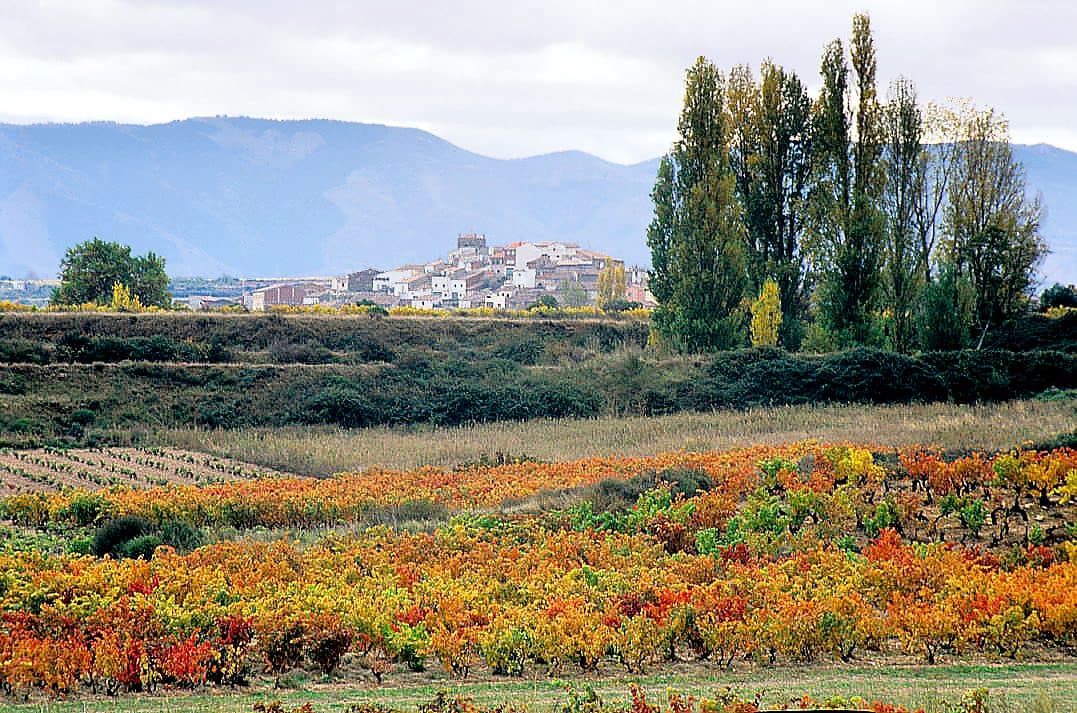
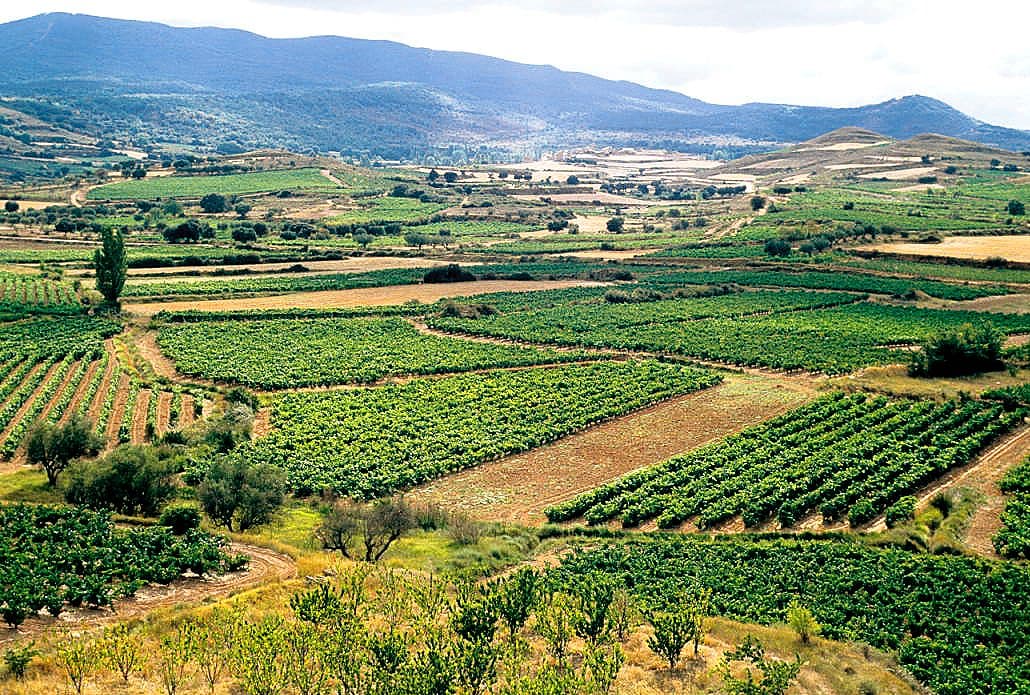
Three days is the right length for a first Rioja trip that covers both sub-zones without rushing. The structure: one afternoon and evening in Haro (the centre of Rioja Alta), then a full morning in Haro's Barrio de la Estación — a cluster of top-tier bodegas all within 800 metres of each other, which exists nowhere else in the wine world — followed by a move to Laguardia for the Rioja Alavesa half of the trip. The third day is built around the Marqués de Riscal detour in Elciego, where Frank Gehry's titanium-ribbon hotel makes for an architectural stop that needs no wine justification, before returning to Bilbao or Logroño. What you skip: Rioja Oriental (the eastern, more Mediterranean sub-zone around Alfaro — worth its own day on a longer trip), a Calle Laurel pintxos crawl in Logroño (90 minutes from Laguardia, squeezable into the 5-day plan), and any deep dive into Logroño city itself.
- Length
- 3 days
- Best for
- First-time visitors to Rioja who want both the old-school and the architectural highlights
- Cost estimate
- From €800 per person (mid-range, double occupancy at Hospedería El Batán in Laguardia for nights 2-3 and a hotel in Haro for night 1, 4 tastings + 3 dinners + rental car — excludes flights)
- Sub-regions
- Haro (Barrio de la Estación) · Laguardia · Elciego (Marqués de Riscal) · Rioja Alta · Rioja Alavesa
Deliberately skipping: Rioja Oriental (Alfaro, Palacios Remondo), Logroño city (Calle Laurel pintxos street), Logroño bodegas (Bodegas Ontañón), Smaller Rioja Alavesa producers. See the longer itineraries if you want to fit these in.
Book ahead
- López de Heredia in Haro (Day 2 morning) — appointment essential, book 6+ weeks ahead in peak season (April–October) via lopezdeheredia.com; the cellars, built in 1877, are the most atmospheric in Rioja and the visit is unhurried by design
- Artadi in Laguardia (Day 2 afternoon, if choosing Artadi over Ysios) — appointment required, 2–3 weeks ahead via artadi.com; the philosophy conversation with staff is what makes it worth it over a walk-in tasting
- Hospedería El Batán in Laguardia — 16 rooms, books up fast in summer; reserve 3–4 weeks ahead
- Rental car (Bilbao Airport or Logroño) — the three sub-zones are 40–60 minutes apart; public transport between Haro, Laguardia and Elciego is impractical
- Beethoven restaurant in Haro — no reservation needed for lunch, but dinner fills up at weekends; call ahead to be safe
Day 1 — Arrive Bilbao or Logroño, settle in Haro
Base: HaroBilbao BIO → Haro: 1 hour via AP-68. Logroño → Haro: 40 min via N-232.
- Morning
- Fly into Bilbao (BIO) — the main international gateway, about 1 hour to Haro via the AP-68 motorway. If coming from Madrid, Logroño (RJL) is the closer airport but has few direct international routes; the 3-hour drive from Madrid Barajas is possible but long. Pick up the rental car at the airport — all three Rioja sub-zones require a car; the bodegas are not served by reliable public transport.
- Afternoon
- Arrive Haro by early afternoon and drop bags at your hotel (Hotel Los Agustinos, a converted 14th-century convent, is the mid-range standard; or the smaller Hotel Arrope closer to the plaza). Then walk the Barrio de la Estación — the historic railway station district on the edge of town where a freak of 19th-century planning left López de Heredia, Muga, La Rioja Alta, CVNE, and Roda within 800 metres of each other. No appointments needed to walk the district and look at the exteriors; some bodegas have walk-in tasting rooms. The Muga tasting room is often open without appointment on weekday afternoons — ask at the door. La Rioja Alta has a small shop with vertical tastings by the glass.
- Evening
- Dinner at Beethoven restaurant on Calle Santo Tomás in Haro — the oldest wine restaurant in the town, with a Rioja wine list that goes back decades and a menu built around roast lamb and local vegetables. Classic order: menestra de verduras (seasonal vegetables in a light sauce) followed by chuletillas al sarde (lamb chops).
Day 2 — López de Heredia + Laguardia
Base: LaguardiaHaro → Laguardia: 40 min via LR-123 / A-124.
- Morning
- Your booked López de Heredia appointment is the anchor. The cellars, carved into the hillside below the station district, were built in 1877 and are home to spiderwebs the winery takes deliberate care not to remove — they regulate humidity and are part of the López de Heredia identity. The tour walks the barrel galleries (which hold wine in wood for 3–10 years longer than modern Rioja), the bottling hall with antique equipment still in use, and the peacock garden. The tasting almost always includes a Viña Tondonia Blanco Reserva — one of the few white Riojas aged in oak for 6+ years, tasting nothing like what any producer description prepares you for. Allow 90 minutes.
- Afternoon
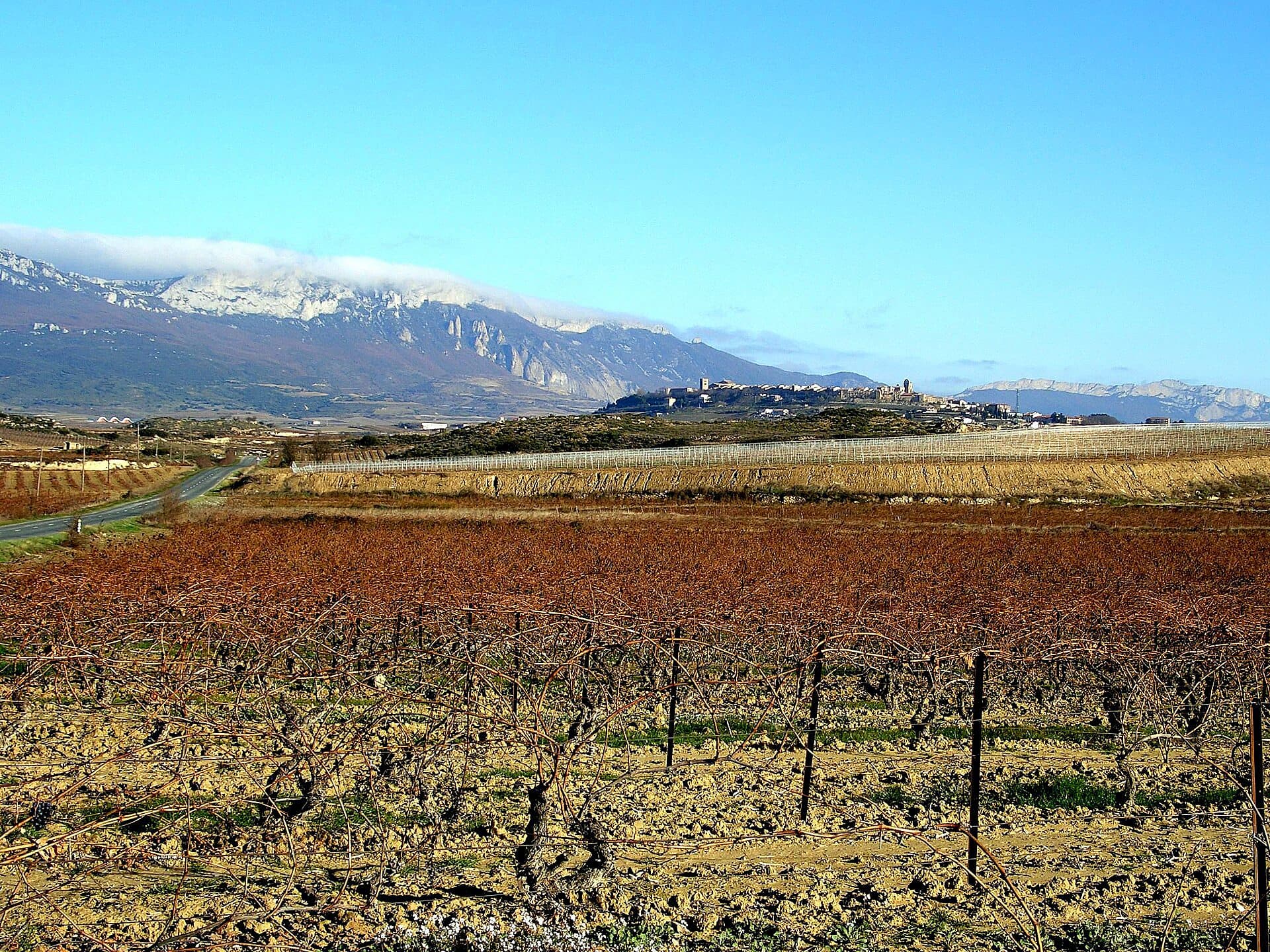
- Drive to Laguardia — 40 minutes east via the LR-123. Laguardia is a medieval walled village on a hilltop above the Rioja Alavesa plain, with the Sierra de Cantabria running behind it and the Ebro valley spreading out below. If your Artadi appointment is confirmed, the visit is worth the drive alone — Artadi is one of the most focused single-estate operations in Rioja, farming without irrigation and making wines from old-vine Tempranillo. If you didn't book Artadi (or prefer a walk-in), Ysios bodega is 1 kilometre outside Laguardia's walls: the building, designed by Santiago Calatrava in 2001, is a rippling aluminium roof that echoes the Sierra de Cantabria behind it. Walk-in tastings run weekends and some weekdays (call ahead to confirm). Check in at Hospedería El Batán inside the walled village.
- Evening
- Walk the Laguardia walls at sunset — the panorama over Rioja Alavesa with the Sierra de Cantabria lit behind it is the single best view in Rioja. Dinner inside the village at Restaurante Amelibia (grilled vegetables, lamb, local cheese, good Alavesa Rioja list) or Bodega El Fabulista, a small winery with a restaurant in the cellar below the old town.
Day 3 — Marqués de Riscal, then Bilbao or Logroño
Base: Laguardia (check out morning)Laguardia → Elciego: 10 min. Elciego → Bilbao BIO: 1 hr 15 min via AP-68. Elciego → Logroño: 45 min via A-124 + N-232.
- Morning
- Check out and drive to Elciego — 10 minutes south of Laguardia. Marqués de Riscal is one of the oldest Rioja estates (founded 1858) and Frank Gehry's titanium-ribbon hotel, built in 2006, wraps the modern winery building in the same style as the Bilbao Guggenheim. Rooms start at €350 per night (book months ahead if staying), but the winery visit is open separately and does not require a hotel reservation. Tasting tours run 2–2.5 hours and include the original 1862 cellar, the Gehry building walkthrough, and a tasting of the current Reserva and Gran Reserva. Book via marquesderiscal.com. The architecture alone justifies the stop even if you've reached tasting fatigue.
- Afternoon
- Lunch in Elciego or Laguardia before driving back to the airport. Return to Bilbao (1 hour 15 min from Elciego via AP-68) or Logroño (45 min from Elciego via A-124 + N-232) depending on your outbound flight.
- Evening
- If you have an evening flight from Bilbao, you have time to walk the Bilbao Old Town (Casco Viejo) and eat lunch pintxos on Calle García Rivero before heading to BIO.
Frequently asked
Why base in Haro rather than Logroño?
Haro is 40 minutes from Logroño but it puts you sleeping inside the Barrio de la Estación cluster — which means the López de Heredia appointment, the Muga tasting room, and the La Rioja Alta shop are all a 10-minute walk from your hotel. Logroño is the region's capital and has the better restaurant scene (Calle Laurel, in particular), but staying there adds 45 minutes of daily driving to the Haro visits and 40 minutes to the Laguardia visits. On a 3-day trip, base where the bodegas are. Logroño gets its own day in the 5-day plan.
Is López de Heredia worth the effort to book 6 weeks out?
Yes, with no qualification. The winery operates as if the 20th century was a detour — wines aged in old Bordeaux barrels for years longer than any modern producer would consider, bottled by hand, filtered through Spanish esparto grass rather than modern filters. The 1877 cellars look unchanged because they largely are. Viña Tondonia is not a wine that makes sense until you stand in those cellars; after the visit it makes complete sense. If you can only book one visit in Rioja, this is it.
Artadi or Ysios for the Laguardia afternoon?
Artadi if you want depth — the winemaking philosophy is genuinely interesting, the staff are engaged rather than scripted, and the wines (particularly Artadi Viñas de Gain and El Pisón) are among the most talked-about in Rioja Alavesa. Ysios if you're with a non-wine traveller or didn't book ahead — the Calatrava building is striking, the walk-in process is easy, and the basic tasting is competent. They're different experiences, not interchangeable.
When is the best time to visit Rioja?
Late September to mid-October for harvest — the energy in the bodegas is at its peak, the light is exceptional, and many estates run grape-picking experiences. The trade-off: bodegas are at their busiest and appointments need to be locked in further ahead. May to June is the second-best slot — comfortable temperatures (15–22°C), fewer visitors, and the vineyards are green from spring growth. July and August are hot (35–42°C in Logroño), and August particularly sees some smaller family bodegas close for staff holidays. December to February is quiet but cold; not all bodegas run regular visit programmes out of season.
Want to customise this itinerary?
Use the trip planner to mix-and-match days, or read the full Rioja guide.
New Guides, Straight to Your Inbox
Get notified when we publish new wine travel guides — region deep-dives, hidden gems, and planning tools.
No spam. Unsubscribe anytime. We respect your privacy.
This page contains affiliate links. We may earn a commission at no extra cost to you.