5 Days in Rioja — Complete Sub-Zone Wine Itinerary (2026)
Full Rioja across three sub-zones: Rioja Alta, Rioja Alavesa, and a push east to Rioja Oriental. Plus Calle Laurel and the Gehry tower.
Last reviewed May 2026
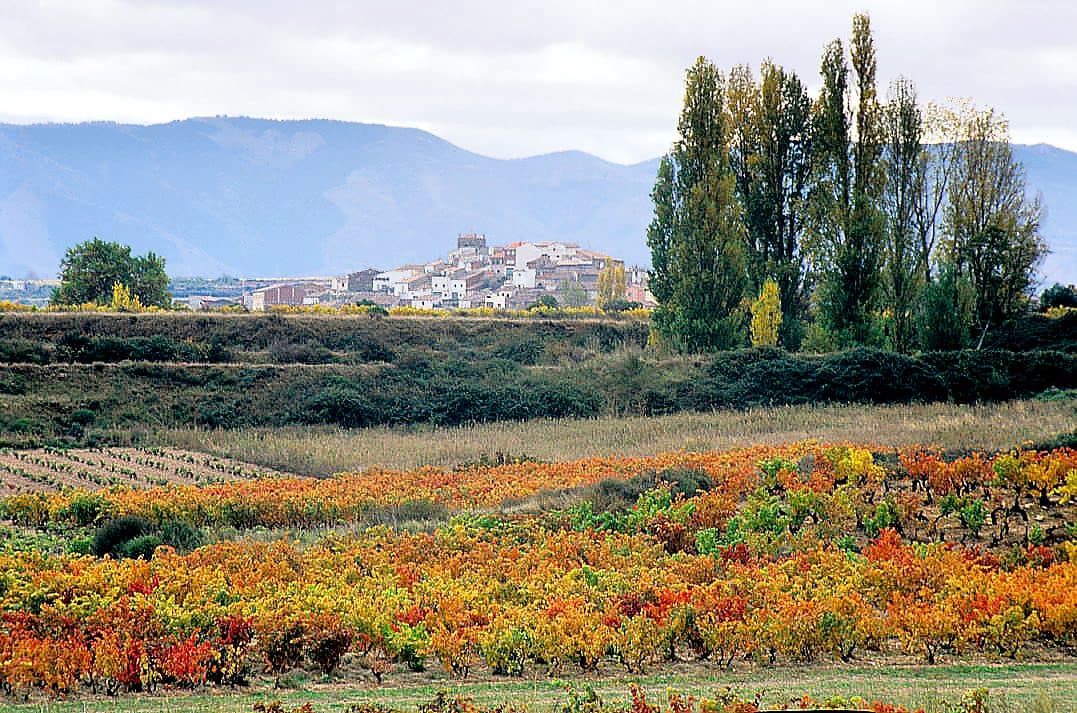
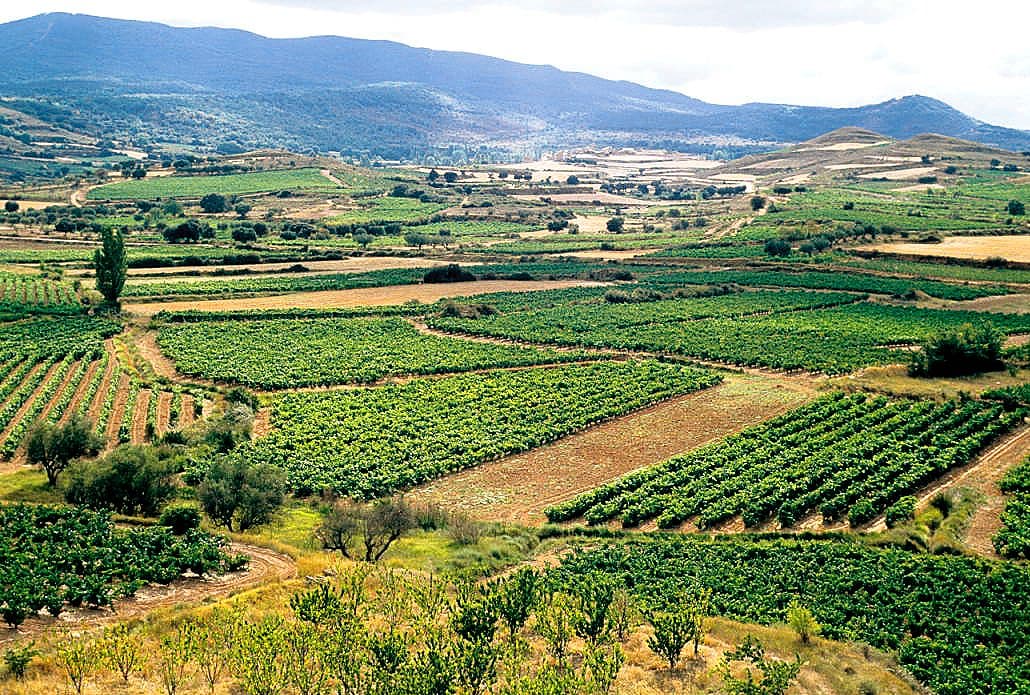
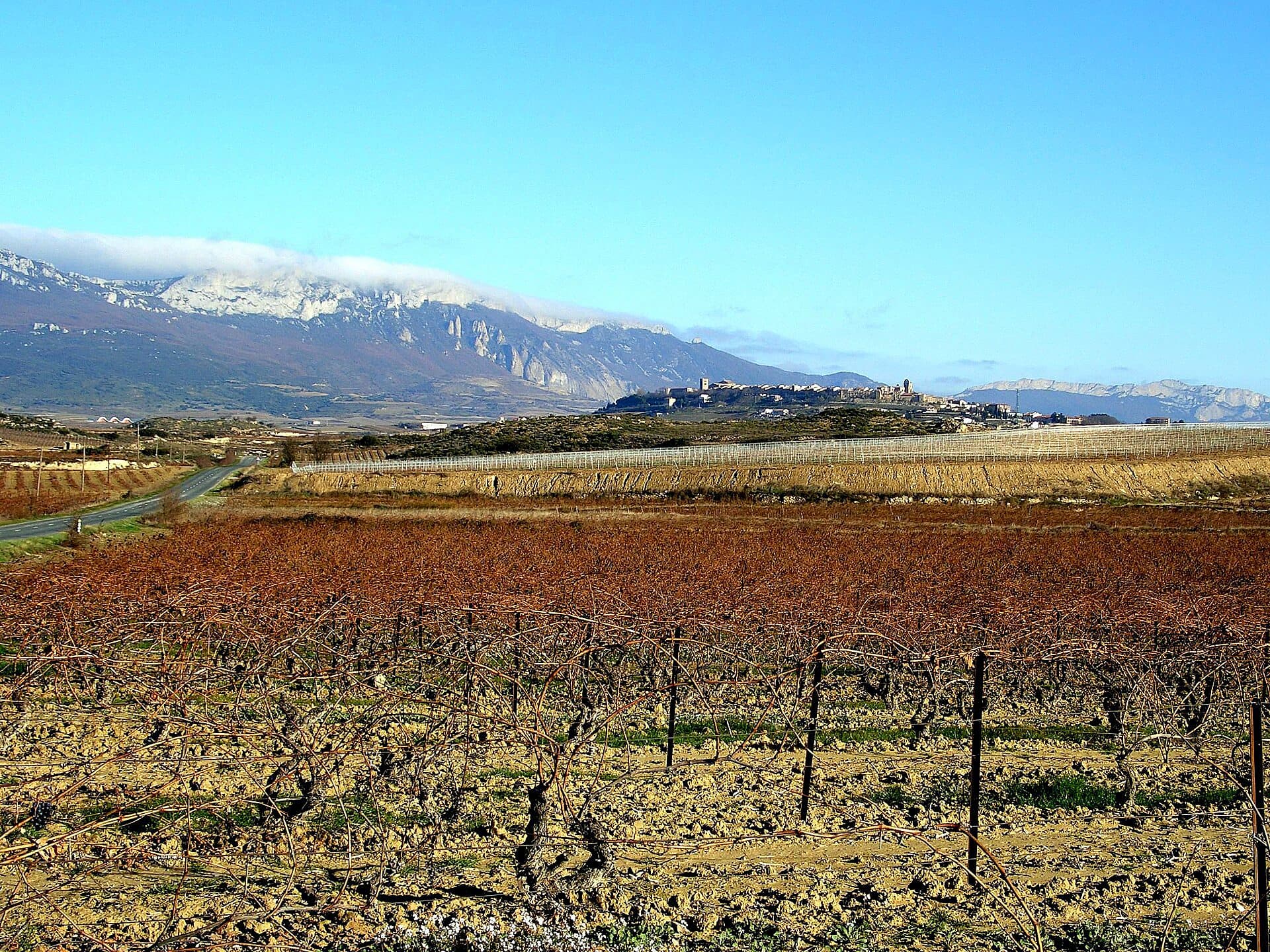
Five days allows a proper exploration of all three Rioja sub-zones — Rioja Alta in the west, Rioja Alavesa across the Ebro, and Rioja Oriental in the east — plus enough time in Logroño to do Calle Laurel properly, which is the best food experience in the region. The structure: two days based in Haro (so you can give the Barrio de la Estación bodegas the attention they deserve), then a move to Laguardia for two nights in Rioja Alavesa, and a day in and around Logroño before returning to the airport. Day 4 is the most logistically ambitious — Logroño for lunch, then a 45-minute push east to Rioja Oriental to taste how the climate shifts and the wines change character. The López de Heredia appointment (booked 6+ weeks ahead) anchors Day 2; everything else builds around it.
- Length
- 5 days
- Best for
- Wine enthusiasts who want to cover all three Rioja sub-zones and understand how they differ
- Cost estimate
- From €1,200 per person (mid-range, double occupancy — 2 nights Haro, 2 nights Laguardia, 1 night Logroño; 6 tastings + 5 dinners + rental car — excludes flights)
- Sub-regions
- Haro (Barrio de la Estación) · Laguardia and Rioja Alavesa · Logroño (Calle Laurel) · Rioja Oriental (Alfaro, Palacios Remondo) · Elciego (Marqués de Riscal)
Deliberately skipping: Deep dive into individual Logroño bodegas (Ontañón is the accessible one — Day 4 includes a stop if time allows), Navarran wine country to the north (requires a separate trip), Bilbao city stay (use it as a transit hub in and out). See the longer itineraries if you want to fit these in.
Book ahead
- López de Heredia in Haro (Day 2 morning) — 6+ weeks ahead in season via lopezdeheredia.com; the most in-demand visit in Rioja, group size limited
- Artadi in Laguardia (Day 3 afternoon) — appointment required, 2–3 weeks ahead via artadi.com; worth more than Ysios if you want a real conversation about terroir
- Marqués de Riscal in Elciego (Day 3 morning or Day 5 detour) — book via marquesderiscal.com; day visits to the winery are separate from hotel stays
- Palacios Remondo in Alfaro (Day 4 afternoon) — call or email ahead; they accept visits but the operation is smaller and appointment-led
- Hospedería El Batán in Laguardia — 16 rooms, summer books fast; reserve 3–4 weeks ahead
- Rental car essential — none of the three sub-zones are connected by practical public transport
Day 1 — Arrive Bilbao, evening in Haro
Base: HaroBilbao BIO → Haro: 1 hour via AP-68. Haro is a walking town — hotel, Barrio de la Estación, and the main plaza are all under 15 minutes on foot.
- Morning
- Fly into Bilbao (BIO). Pick up the rental car — do not attempt Rioja by public transport; the bodegas are spread across three sub-zones that share no practical bus or rail connections. Drive the AP-68 motorway southeast to Haro: 1 hour in light traffic. Arrive by midday.
- Afternoon
- Walk the Barrio de la Estación before checking into your hotel — this is the cluster of major bodegas that grew up around Haro's 1880 railway station. The proximity is a geographic accident, but the result is the most concentrated collection of serious Rioja producers anywhere: López de Heredia, Muga, La Rioja Alta, CVNE, and Roda are all within 800 metres. Muga has a walk-in tasting room (ask at the gate on weekday afternoons); La Rioja Alta has a shop with vertical tastings by the glass. This afternoon is an orientation walk, not an appointment — save your tasting energy for tomorrow.
- Evening
- Dinner at Beethoven on Calle Santo Tomás in Haro — the benchmark traditional restaurant in the town. Order menestra de verduras (the local seasonal vegetable dish) and chuletillas al sarde (lamb chops). The wine list favours Riojas going back 20+ years and the markups are honest by restaurant standards.
Day 2 — Haro Barrio de la Estación deep dive
Base: HaroAll walking — the Barrio de la Estación cluster is 10 minutes from the main plaza on foot.
- Morning
- Your López de Heredia appointment is the centrepiece. Arrive at the gate on the station road for the booked time (typically 10am or 11am) and allow 90 minutes. The 1877 cellars are carved into the hillside and hold wines in old Bordeaux barrels for 3–10 years longer than any modern Rioja producer — the cobwebs are intentional, the esparto grass filters are still in use, the bottling hall looks like 1930. Viña Tondonia Blanco Reserva (a white Rioja aged 6+ years in oak) is the wine most people can't place without context; after the cellar visit, it makes complete sense.
- Afternoon
- Walk back through the station district to La Rioja Alta — one of the oldest bodegas in Haro, founded 1890, and the most visitor-friendly of the major names in the cluster. The visit programme runs tours of the old underground cellar and a tasting of the Viña Ardanza Reserva and Gran Reserva 904, which are among the most consistent wines in the region. If you have energy for a third stop, Roda bodega is at the far end of the cluster and runs a smaller, more focused visit with a higher-quality tasting (book a few days ahead).
- Evening
- Dinner at Terete restaurant in Haro — a 1867 institution famous for whole roast lamb (cordero asado) that has barely changed the menu since opening. Reserve ahead. The wine list is a deep Rioja archive.
Day 3 — Laguardia + Artadi (Rioja Alavesa)
Base: LaguardiaHaro → Laguardia: 40 min via LR-123. Laguardia → Elciego (Marqués de Riscal): 10 min. Laguardia → Artadi: 5 min from the village walls.
- Morning
- Check out of Haro and drive to Laguardia — 40 minutes east via the LR-123 through the Conchas de Haro gorge, where the road cuts between sheer rock walls and the Ebro runs below. Arrive in Laguardia — a medieval walled village on a hilltop, ringed by old vineyards. Check into Hospedería El Batán. If your Marqués de Riscal visit is timed for this morning, detour 10 minutes south to Elciego: the Frank Gehry titanium-ribbon building (2006, same commission as the Bilbao Guggenheim) wraps the modern winery. Day visits to the winery run 2 hours and include the 1862 original cellar and a tasting of the Reserva and Gran Reserva. Architectural stop even for non-architecture people.
- Afternoon
- Your Artadi appointment is the anchor. Artadi farms without irrigation in Rioja Alavesa and makes wines from old-vine Tempranillo that have attracted the same kind of critical attention as top Burgundy producers — the comparison is intentional. The visit is small-group and conversational rather than scripted; plan 90 minutes. If you didn't book Artadi, Ysios bodega is 1 kilometre from Laguardia's walls with a walk-in visit: Santiago Calatrava's rippling aluminium roof echoes the Sierra de Cantabria behind it and the basic tasting covers the estate range.
- Evening
- Walk the Laguardia walls at sunset — the panorama over the Rioja Alavesa vineyards with the Sierra de Cantabria lit behind is the best single view in Rioja. Dinner at Restaurante Amelibia inside the walled village (grilled vegetables from the kitchen garden, lamb, strong Alavesa wine list). Or descend to the cellar restaurant at Bodega El Fabulista for a more informal evening with the winemaker's own pours.
Day 4 — Logroño (Calle Laurel) + Rioja Oriental push
Base: Laguardia or LogroñoLaguardia → Logroño: 1 hour via A-124 + LO-20 bypass. Logroño → Alfaro: 45 min via N-232. Alfaro → Laguardia: 1 hour via N-232 + A-124.
- Morning
- Drive to Logroño — 1 hour from Laguardia. Logroño is the regional capital and the commercial centre of Rioja, with a functioning city life that the smaller wine villages don't have. Spend the morning at La Grajera — a reservoir park on the western edge of the city with vines growing on the slopes around the water — or walking the old town around the Calle del Laurel district before lunch.
- Afternoon
- Lunch on Calle Laurel — a 200-metre street with 40+ pintxos bars that is the main reason to visit Logroño. Arrive at 1pm (not 2pm — it fills fast). The protocol is to move between bars, order a pintxo and a glass of house Rioja at each, pay as you go. Do not sit down unless you want the full menu. Key stops: Bar Soriano (the mushroom-and-shrimp pintxo is the most photographed snack in the city — order it), Bar Blanco y Negro (anchovies and peppers), El Juanito (traditional; good croquetas). After lunch, drive east on the N-232 toward Alfaro — 45 minutes — and into Rioja Oriental, the easternmost sub-zone. The climate here is drier and more Mediterranean than Haro; the wines are bigger and fuller-bodied. Palacios Remondo in Alfaro is the anchor visit: a mid-sized estate with a public visit programme (appointment required), making wines from both indigenous Rioja varieties and Garnacha from old vines.
- Evening
- Return to Laguardia (1 hour from Alfaro) or stay overnight in Logroño for Day 5 airport access. If staying in Logroño, dinner at La Cocina de Ramón on Calle Portales — one of the most consistently rated restaurants in the city, with a Rioja wine list and a menu that goes beyond pintxos into serious plating.
Day 5 — Return Bilbao or fly Logroño
Base: Laguardia or Logroño (last night)Laguardia → Bilbao BIO: 1 hr 30 min via A-2124 + AP-68. Laguardia → Logroño: 1 hour via A-124. Logroño → Madrid: 3 hours via N-232 + A-2.
- Morning
- If returning through Bilbao BIO (the practical choice for most international routes), drive west from Laguardia on the A-2124 through the Sierra de Cantabria foothills and then north on the AP-68 — allow 1 hour 30 minutes to the airport. If your flight allows time, stop in the Conchas de Haro gorge viewpoint on the way out — a short walk to the cliff edge above the Ebro where the vineyards are visible in both directions.
- Afternoon
- If flying from Logroño (RJL) or continuing to Madrid by car, the drive from Laguardia to Logroño is 1 hour. Logroño airport is tiny; check in early.
- Evening
- If you have a late flight or a connection through Bilbao city, the Casco Viejo (old town) has excellent pintxos bars — García de Salazar street is the main cluster — and it's 30 minutes from the airport. A final glass of Rioja Gran Reserva in Bilbao is not a bad way to close.
Frequently asked
How different are the three Rioja sub-zones in practice?
Rioja Alta (Haro area) is the coolest and most Atlantic-influenced — Tempranillo here is the most structured and the most age-worthy; it's where López de Heredia, La Rioja Alta, and Muga all operate. Rioja Alavesa (Laguardia area, across the Ebro in the Basque Country) is at higher altitude on clay-limestone soils; it produces wines with more freshness and a distinctive mineral edge — Artadi and Remírez de Ganuza are the names to know. Rioja Oriental (formerly Rioja Baja, renamed 2018) is drier and warmer, producing fuller-bodied wines with more Garnacha in the blend — rounder and less structured than Alta, different rather than lesser. A 5-day trip is the minimum that lets you taste all three with any sense of comparison.
Is Calle Laurel as good as people say?
Yes, and it works better at 1pm than at 8pm for a first visit — quieter in the early lunch slot, easier to move between bars. The pintxos format here is less elaborate than the San Sebastián style (fewer architectural constructions, more toast + topping + skewer) but the quality is consistent and the Rioja pours are usually a step above what you'd get in a random bar. Bar Soriano's mushroom pintxo has been the same for 40 years and is worth going to Logroño for on its own. Budget around €25–€35 per person for a full Calle Laurel circuit.
Why not base in Logroño for the whole 5 days?
Logroño is the most practical logistics hub — central to all three sub-zones, more hotel choice, better restaurant variety. But the trade-off is 40 minutes of driving in each direction to Haro and another hour to Alfaro, which adds up to a lot of time behind the wheel across 5 days. The Haro-then-Laguardia structure keeps you sleeping near the bodegas on the days you're visiting them, and Laguardia itself is worth the stay. If you want a simpler logistics plan and don't mind driving, Logroño-based works fine — but you lose the medieval village experience and the sunrise/sunset views from Laguardia's walls.
What's the best vintage context for tasting Rioja right now?
As of 2026, the vintages you're most likely to encounter in tasting rooms are 2018 and 2019 for Reserva (both rated excellent, 2019 particularly in Alavesa), 2016 for Gran Reserva (widely regarded as one of the best Rioja vintages of the past 20 years), and 2020–2022 for Crianza. The López de Heredia visit is where this becomes most interesting — their current Reserva release is typically the late 2010s vintage, and their current Gran Reserva might be 2012 or 2013, because the wines spend so long in wood and bottle before release. Ask specifically which vintage is being poured at each visit.
Want to customise this itinerary?
Use the trip planner to mix-and-match days, or read the full Rioja guide.
New Guides, Straight to Your Inbox
Get notified when we publish new wine travel guides — region deep-dives, hidden gems, and planning tools.
No spam. Unsubscribe anytime. We respect your privacy.
This page contains affiliate links. We may earn a commission at no extra cost to you.