3 Days in Tuscany — First-Timer Wine Itinerary (2026)
Tuscany essentials — Chianti Classico + a Montalcino day. The minimum to taste two DOCGs.
Last reviewed May 2026
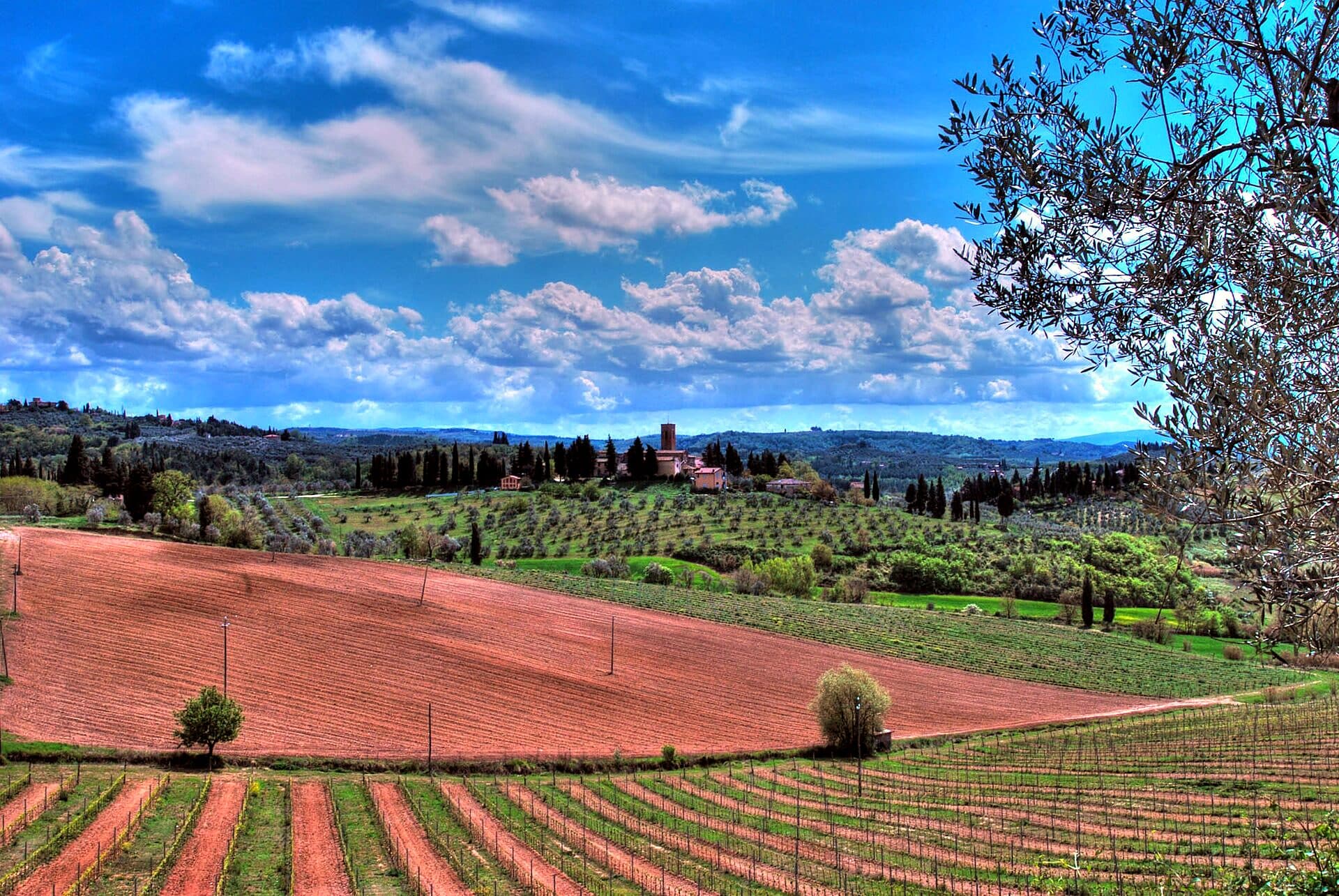
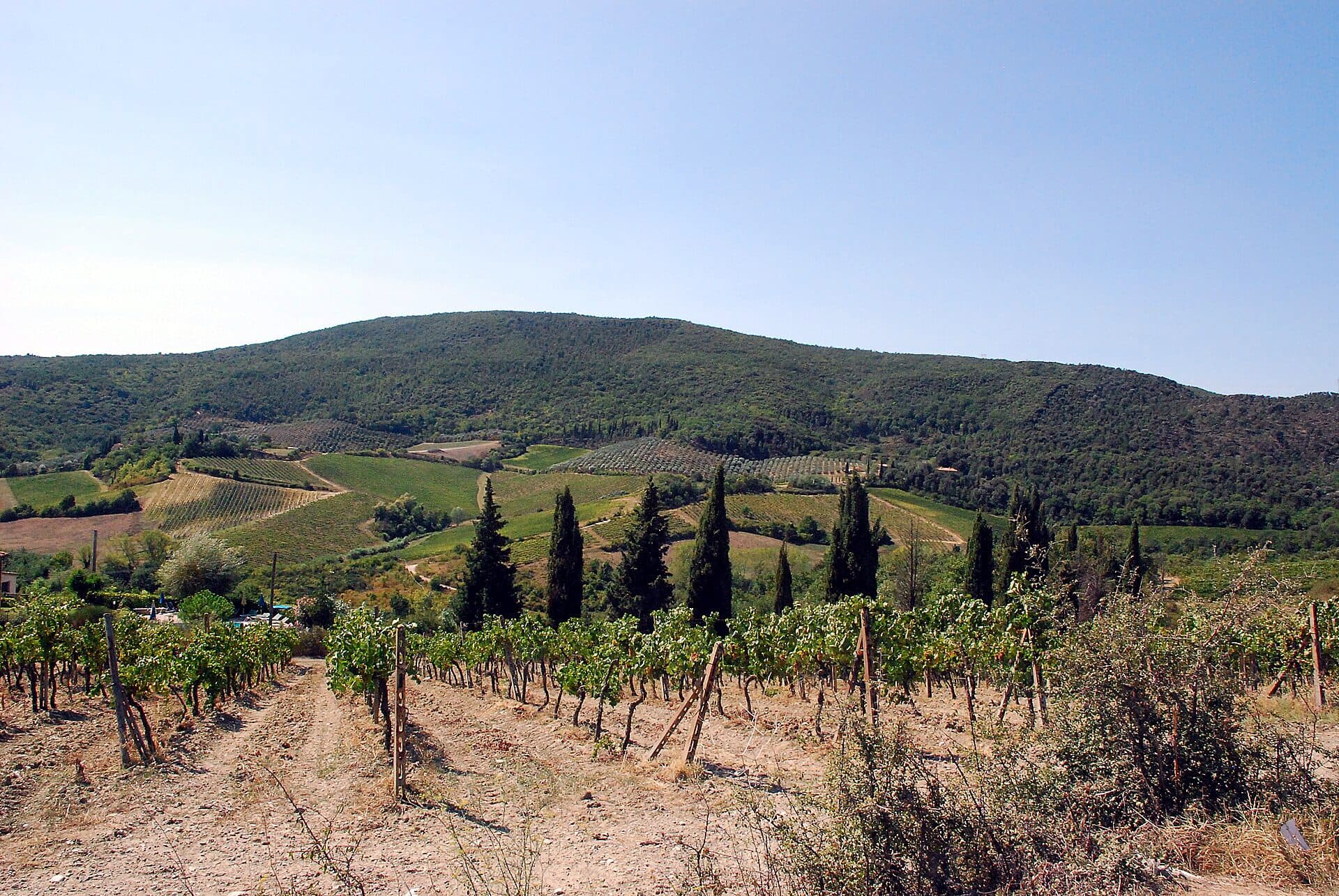
Three days is the shortest Tuscany trip we'd recommend that lets you taste two DOCGs — Chianti Classico and Brunello di Montalcino. The pattern: two days based in Chianti (Greve as the hub, Panzano and Brolio as the day visits), then one day-trip south to Montalcino with an early start and a late return. You will not have time for Bolgheri's Super Tuscans (2 hours west of Chianti, separate trip), Bolgheri requires its own 2-day visit. You will skip San Gimignano unless you bolt on a half-day, which we don't recommend on a 3-day plan.
- Length
- 3 days
- Best for
- First-time visitors
- Cost estimate
- From €1,050 per person (mid-range, double occupancy at a Chianti agriturismo, 7 tastings + 3 dinners + rental car — excludes flights)
- Sub-regions
- Florence (transit) · Greve in Chianti · Panzano · Castello di Brolio (Gaiole) · Montalcino · Sant'Antimo Abbey
Deliberately skipping: Bolgheri (Sassicaia, Ornellaia), Vino Nobile di Montepulciano, San Gimignano + Vernaccia, Florence as a city stay (uses it as transit only), Val d'Orcia agriturismo overnight. See the longer itineraries if you want to fit these in.
Book ahead
- Antinori nel Chianti Classico in Bargino (Day 1 afternoon) — book 2–3 weeks ahead via antinori.it; €35–€60 for a structured tour of the architecturally striking new winery
- Castello di Brolio in Gaiole (Day 2 morning) — book 1–2 weeks ahead via ricasoli.com; €25–€35 historic-cellar visit at the Ricasoli family estate
- Fontodi in Panzano (Day 2 afternoon) — book 1–2 weeks ahead via fontodi.com; €25–€30 four-wine tasting including Flaccianello
- Biondi-Santi in Montalcino (Day 3) — book 2–4 weeks ahead via biondisanti.com; €60–€120 for the founding Brunello estate, vintage Brunello tasting on the terrace
- Il Poggione or Casanova di Neri as Montalcino alternative — both 2–3 weeks ahead via their websites
- Rental car at Florence Airport — Chianti Classico estates are not realistic by public transport. Compact car fine; roads are narrow.
- Osteria di Passignano (Antinori's Michelin-starred restaurant) — book 6+ weeks ahead if you want it for Day 1 dinner
Day 1 — Florence to Greve + Antinori nel Chianti Classico
Base: Greve in ChiantiFlorence Airport → Greve: 40 min via SS222. Greve → Antinori Bargino: 25 min via SP69. Antinori → Greve: 25 min.
- Morning
- Pick up the rental at Florence Airport and drive south on the SS222 — the Strada del Vino Chianti. Lunch in Greve in Chianti on the main piazza (Mangiando Mangiando is reliable). Drop bags at your agriturismo — Villa il Poggiale, Castello Vicchiomaggio, or Villa Bordoni all sit inside 10 minutes of Greve and are the mid-range workhorses. Walk the village before the afternoon visit.
- Afternoon
- Drive 25 minutes north-west to Antinori nel Chianti Classico in Bargino — the Marchesi Antinori family's flagship winery, terraced into the hillside and barely visible from the road. The €35–€60 tour walks the cantina and barrel hall and ends with a 4–6 wine flight, typically including Tignanello (their Super Tuscan benchmark) and Solaia. The Antinori family has been making wine since 1385; this is the most produced and most polished single visit in modern Chianti.
- Evening
- Dinner at Osteria di Passignano on the Antinori property (Michelin-starred, book 6+ weeks ahead) or back in Greve at Ristoro di Lamole (vineyard terrace, classical Tuscan cooking). Lamole is the better-value option and the drive back to your agriturismo is shorter.
Day 2 — Brolio + Panzano (Chianti Classico deep)
Base: Greve in ChiantiGreve → Brolio: 45 min via SS222 + SP484. Brolio → Panzano: 40 min via SR222. Panzano → Greve: 15 min.
- Morning
- Driver pickup or rental departure 9am. Drive south on the SS222 to Castello di Brolio in Gaiole (45 minutes) — the 12th-century castle is the spiritual home of Chianti Classico. The Ricasoli family formalised the original Chianti formula here in 1872, and the historic-cellar visit (€25–€35) ends with a tasting of the Castello di Brolio Gran Selezione and Colledilà single-vineyard. Walk the castle gardens and the small museum.
- Afternoon
- Lunch at Osteria del Castello on the Brolio estate (book ahead), or 5 minutes away in Gaiole village. Then drive back north toward Panzano (40 minutes) for the afternoon visit at Fontodi. Fontodi's Flaccianello della Pieve is the benchmark 100% Sangiovese Super Tuscan, and the family operation is the right antidote to over-polished tasting rooms. €25–€30 for a four-wine flight. If you have appetite for a fourth tasting, drive 10 minutes to Enoteca Falorni in Greve — the 1806 institution stocks 1,000+ Tuscan labels and the self-serve machine lets you taste 100 open bottles at €2–€15 a pour.
- Evening
- Dinner at Officina della Bistecca in Panzano — Dario Cecchini's famous beef restaurant. The menu is entirely Cecchini's beef and the wine list runs deep on Chianti Classico Riserva. Book 1–2 weeks ahead.
Day 3 — Montalcino day-trip (Brunello)
Base: Greve (last night) or FlorenceGreve → Montalcino: 90 min via Firenze-Siena motorway + SP14. Montalcino → Sant'Antimo: 15 min. Sant'Antimo → Florence Airport: 120 min.
- Morning
- Early start. Drive south from Greve to Montalcino — 90 minutes via the Florence-Siena motorway, then the SP14. Park in Montalcino village and walk the Fortezza for the panorama before the late-morning Biondi-Santi appointment. Biondi-Santi is the founding Brunello estate (the Biondi-Santi family invented the appellation in 1888) and the €60–€120 visit ends with a tasting on the terrace including library vintages. This is the deepest Brunello experience available to non-allocation visitors.
- Afternoon
- Lunch at Re di Macchia or Boccon di Vino in Montalcino village (book ahead). Afternoon visit at Il Poggione or Casanova di Neri — both 10 minutes outside Montalcino, both €40–€60, both pour through Rosso di Montalcino (the value entry) and Brunello (the flagship). Casanova di Neri's Tenuta Nuova is the bottle to taste if you can. Drive 15 minutes south to Sant'Antimo Abbey — the 12th-century Romanesque abbey is one of the most photographed buildings in Tuscany, and the Gregorian chants at the late-afternoon office (4:45pm) are a non-wine highlight that breaks up the tasting fatigue.
- Evening
- Drive back north — 2 hours from Sant'Antimo to Florence Airport, longer in summer. Aim for a 9pm flight earliest, or one more night at the Greve agriturismo and a Monday-morning airport run.
Frequently asked
Is 3 days enough for Tuscany?
It's enough for two DOCGs — Chianti Classico and Brunello — at a brisk pace. It's not enough to add Bolgheri (the coastal Super Tuscan zone is 2 hours west and warrants its own 2-day visit), San Gimignano, Vino Nobile in Montepulciano, or any Florence city days. If you have one extra day, the strongest add is a Florence walking day before the wine trip starts — the food (and the museums) deserve their own slot.
Should I base in Greve or Florence?
Greve. Florence is gorgeous and the food is excellent, but every wine visit in this itinerary starts with a 40+ minute drive south. Base in Chianti and you save 2 hours of daily driving plus parking grief. The Greve agriturismi (Villa il Poggiale, Castello Vicchiomaggio, Villa Bordoni) are €180–€280 per night and run their own breakfast service. Florence works if you want city dinners and museums; it doesn't work if wine is the priority.
Why Biondi-Santi over Sassicaia for the Day 3 anchor?
Two reasons. One: Biondi-Santi is in Montalcino, which is 90 minutes from Chianti. Sassicaia is in Bolgheri, which is 2.5+ hours from Chianti — adding it to a 3-day trip wrecks the geography. Two: Biondi-Santi invented the Brunello appellation in 1888 and the terrace tasting includes library vintages; Sassicaia is a Bordeaux blend (Cabernet-led) and the experience is more curated than informative. If you specifically want Sassicaia, plan a separate 2-day Bolgheri trip — see our 7-day plan, which folds Bolgheri in.
When is harvest in Tuscany?
Vendemmia runs early September to early October. Sangiovese (Chianti Classico, Brunello) is picked late September; the white Vernaccia comes in mid-September. The energy in the wine towns is the best time of year if you can handle the price premium and the booked-out estates — Greve agriturismo prices run 30–40% above shoulder months and Brunello visits need to be booked 4+ weeks ahead. May–June (wildflowers, comfortable temps) is the value sweet spot. Avoid August: 40°C, staff holidays, closed cellars.
Want to customise this itinerary?
Use the trip planner to mix-and-match days, or read the full Tuscany guide.
New Guides, Straight to Your Inbox
Get notified when we publish new wine travel guides — region deep-dives, hidden gems, and planning tools.
No spam. Unsubscribe anytime. We respect your privacy.
This page contains affiliate links. We may earn a commission at no extra cost to you.