Tuscany Weekend Itinerary — 2 Days in Chianti Classico (2026)
Tuscany in 2 days — Chianti Classico spine, no Brunello, no Bolgheri.
Last reviewed May 2026
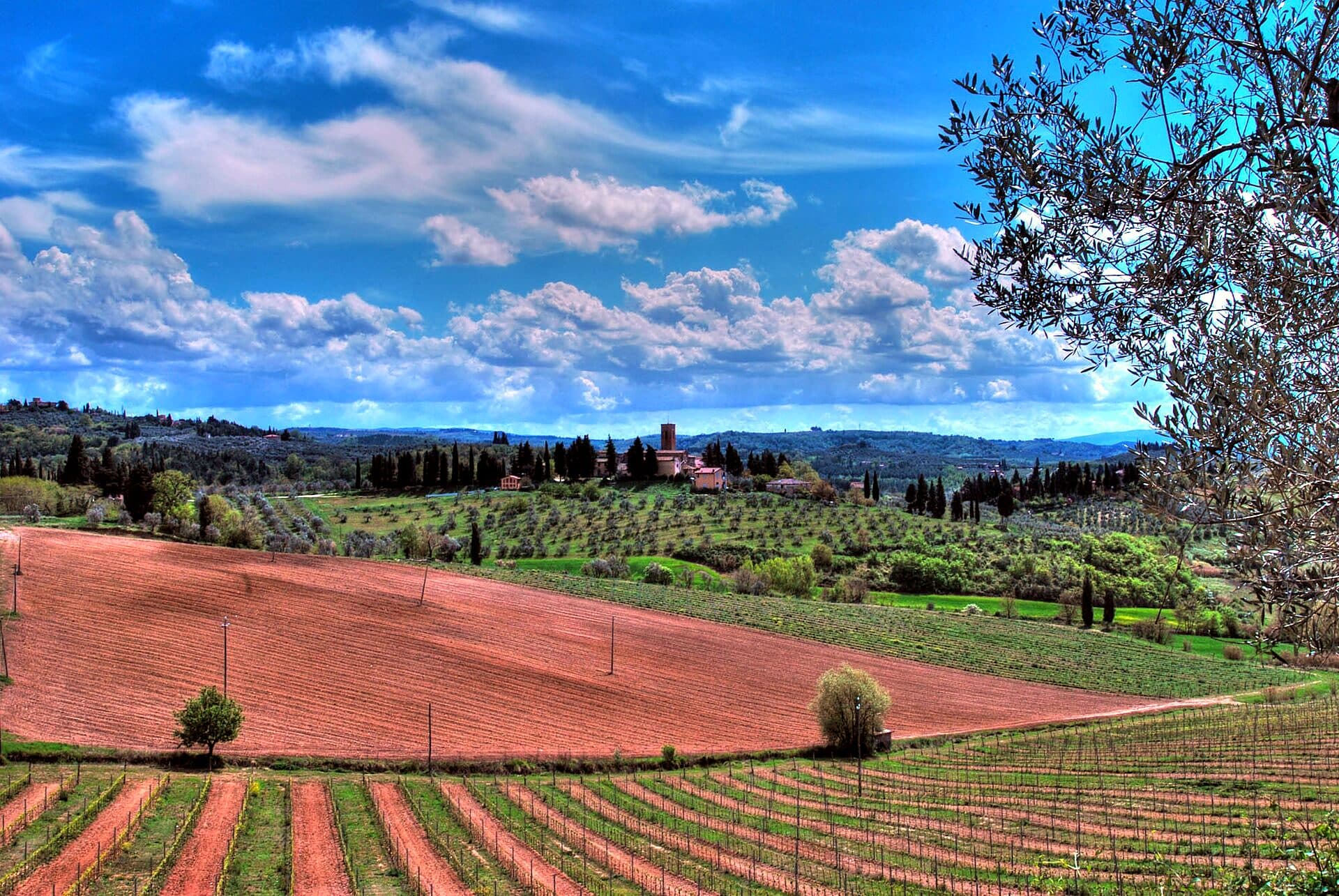
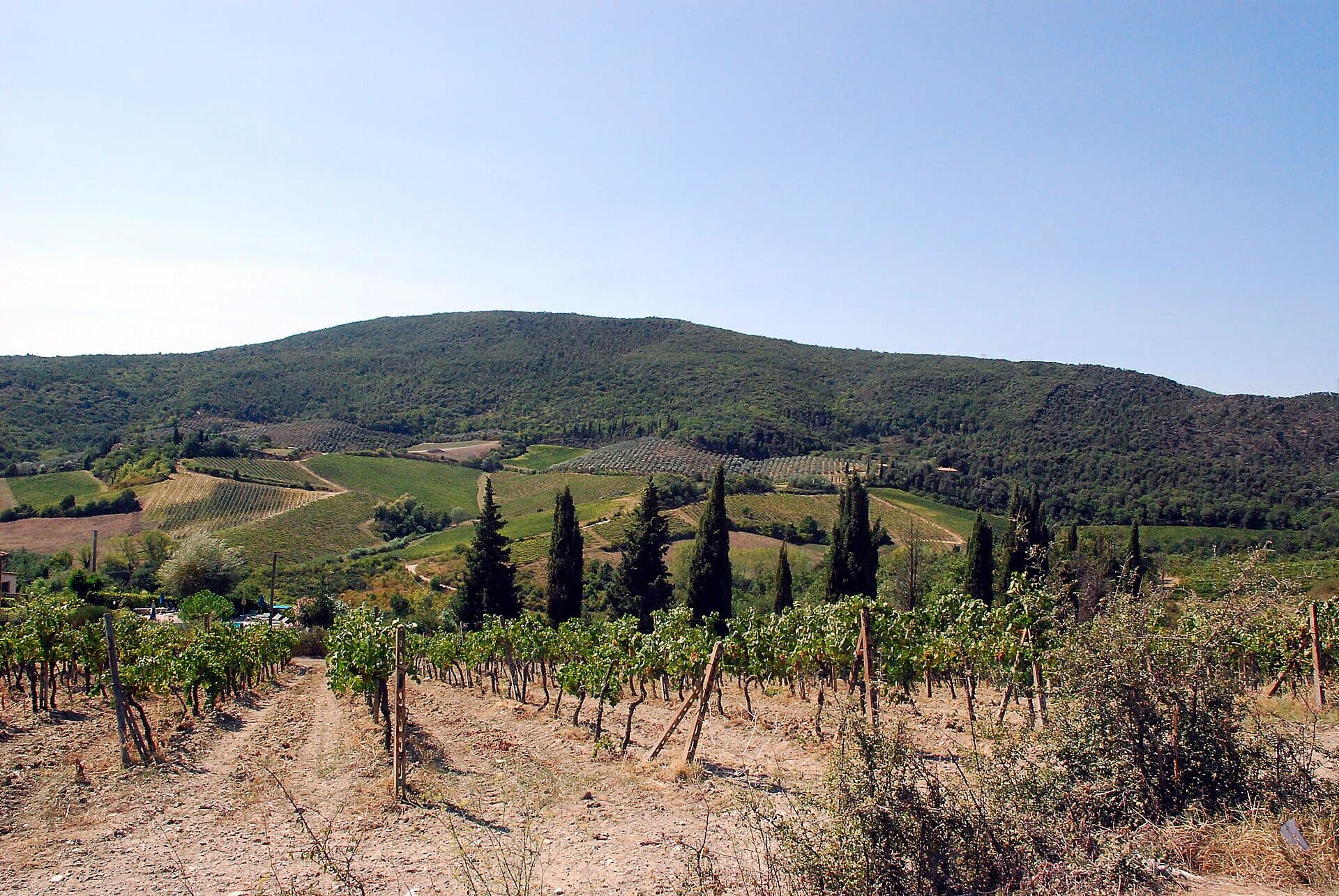
Two days is not enough to do Tuscany. It is enough to do Chianti Classico properly, which is what this itinerary picks. Based out of Greve in Chianti — the spine of the appellation, 40 minutes south of Florence Airport — you can cover Panzano, Radda and the SS222 Strada del Vino in a tight loop, taste at two or three serious producers, eat very well, and skip everything else with no apologies. What you do not get: Brunello di Montalcino (90 minutes south), Bolgheri Super Tuscans (2 hours west), Vino Nobile in Montepulciano, or Vernaccia in San Gimignano. Each of those needs its own day, and this trip does not have one to spare.
- Length
- Weekend
- Best for
- Weekend trip / Florence add-on for art-and-wine travellers
- Cost estimate
- From €600 per person (mid-range, double occupancy at a Greve agriturismo, 4 tastings + 2 dinners + rental car — excludes flights)
- Sub-regions
- Florence (transit) · Greve in Chianti · Panzano · Radda in Chianti · Castellina
Deliberately skipping: Brunello di Montalcino, Bolgheri (Sassicaia, Ornellaia), Vino Nobile di Montepulciano, San Gimignano + Vernaccia, Val d'Orcia / Pienza. See the longer itineraries if you want to fit these in.
Book ahead
- Fontodi in Panzano (Day 1 afternoon) — book 1–2 weeks ahead via fontodi.com; €25–€30 for a four-wine tasting including Flaccianello della Pieve
- Castello di Brolio (Day 2 morning) — book 1–2 weeks ahead via ricasoli.com; €25–€35 for the historic-cellar visit at the Ricasoli family estate
- Castello di Ama near Lecchi (Day 2 afternoon) — book 1–2 weeks ahead via castellodiama.com; €35 estate visit with contemporary art installations
- Rental car at Florence Airport — Chianti Classico is not realistic by public transport. Book through Sixt or Hertz, 5 days ahead. Compact is fine; roads are narrow.
Day 1 — Florence to Panzano via SS222
Base: Greve in ChiantiFlorence Airport → Greve: 40 min via SS222. Greve → Panzano: 15 min. No driver needed — pace is forgiving for one taster + one designated driver.
- Morning
- Pick up the rental at Florence Airport and drive south on the SS222 — the Strada del Vino Chianti, the spine of Chianti Classico. It is 40 minutes to Greve in Chianti, the appellation's main town. Drop bags at your agriturismo (Villa il Poggiale, Castello Vicchiomaggio or Villa Bordoni are the three reliable mid-range options inside 10 minutes of Greve), then walk into Greve for lunch. The main piazza is triangular, lined with osterie pouring local Chianti by the glass.
- Afternoon
- Stop at Enoteca Falorni on Greve's main piazza before the afternoon visit — the institution has been there since 1806 and stocks 1,000+ Tuscan labels. The self-serve enoteca machine pours 100 open bottles at €2–15 a pour: 30 minutes here calibrates your palate to Chianti Classico before you start tasting at estates. Then drive 15 minutes south to Fontodi in Panzano for the afternoon visit. Fontodi's Flaccianello della Pieve is one of the benchmark Sangiovese-only Super Tuscans, and the family operation is the right antidote to over-polished tasting rooms. €25–€30 for a four-wine flight.
- Evening
- Dinner at Officina della Bistecca in Panzano — Dario Cecchini's restaurant, where the menu is entirely Cecchini's beef and the wine list runs deep on Chianti Classico Riservas and Gran Selezione. Book at least a week ahead. Alternative: Mangiando Mangiando in Greve's main piazza for a quieter Florentine bistecca with local Chianti.
Day 2 — Brolio + Castello di Ama
Base: Greve in Chianti (check out morning)Greve → Castello di Brolio: 45 min via SS222 + SP484. Brolio → Castello di Ama: 20 min via Lecchi. Lecchi → Florence Airport: 90 min.
- Morning
- Check out and drive south on the SS222 to Castello di Brolio (45 minutes from Greve) — the Ricasoli family estate where Bettino Ricasoli formalised the original Chianti formula in 1872. The historic-cellar visit (€25–€35) walks through the 12th-century castle and ends with a tasting of the Castello di Brolio Gran Selezione and the Colledilà single-vineyard. Lunch at Osteria del Castello on the estate (book ahead) or back in Gaiole village 5 minutes away.
- Afternoon
- Drive 20 minutes to Castello di Ama near Lecchi — the estate has built a contemporary art collection (Anish Kapoor, Louise Bourgeois, Daniel Buren) inside the working winery, and the visit is a hybrid of art tour and tasting. €35 for the estate visit. The Ama San Lorenzo and L'Apparita Merlot are the wines to seek; the Merlot is one of the few internationals planted in Chianti Classico that has earned its critical reputation.
- Evening
- Drive back north toward Florence for the evening flight — about 90 minutes from Lecchi to Florence Airport. If you have an early-Monday return instead, dinner in Greve at Ristoro di Lamole (book ahead, vineyard view at sunset) before driving back to the airport in the morning.
Frequently asked
Why not include San Gimignano or Siena on a weekend trip?
Either would push the wine programme out by half a day. Siena is gorgeous but adding it means losing one of the four estate visits. San Gimignano is the most photographed hill town in Tuscany and is heaving with tour groups by 10am — you trade tasting time for queueing in the Piazza del Duomo. Both work better as a non-wine half-day on a longer trip. If you must, swap the Day 2 Castello di Ama afternoon for a 90-minute walk around Siena.
Can I do this without a rental car?
Not realistically. Public buses run Florence-Greve-Radda but the timetables are sparse and the estates are 5-20 minutes off the main road by car. The pragmatic alternative is a pre-booked driver for both days (about €450 for the weekend through Tuscany Wine Tours or Wine Tasting Tuscany) — works well if neither of you wants to be the spitter. Self-driving + one designated driver is still the cheapest option.
Is Antinori nel Chianti Classico worth a visit on a weekend?
Yes, if you swap it for Castello di Ama. Antinori's new architectural winery near Bargino is the most-talked-about visit in modern Chianti — terraced into the hillside, barely visible from the road. Tours run €35–€60 and Osteria di Passignano (the Michelin-starred restaurant on site) is one of the best meals in Chianti Classico. The trade-off: Castello di Ama's art-plus-wine experience is more memorable for first-timers; Antinori is more impressive architecturally.
When should I avoid Tuscany?
August. Temperatures reach 40°C, many family-run estates close for staff holidays, and the towns are heaving. June through July are also hot but estates stay open. The sweet spots are April–May (wildflowers, 14–20°C, 30–40% lower hotel rates) and September (vendemmia — harvest energy, cool nights, still warm days). October is also good but some estates wind down their visitor programmes mid-month.
Want to customise this itinerary?
Use the trip planner to mix-and-match days, or read the full Tuscany guide.
New Guides, Straight to Your Inbox
Get notified when we publish new wine travel guides — region deep-dives, hidden gems, and planning tools.
No spam. Unsubscribe anytime. We respect your privacy.
This page contains affiliate links. We may earn a commission at no extra cost to you.