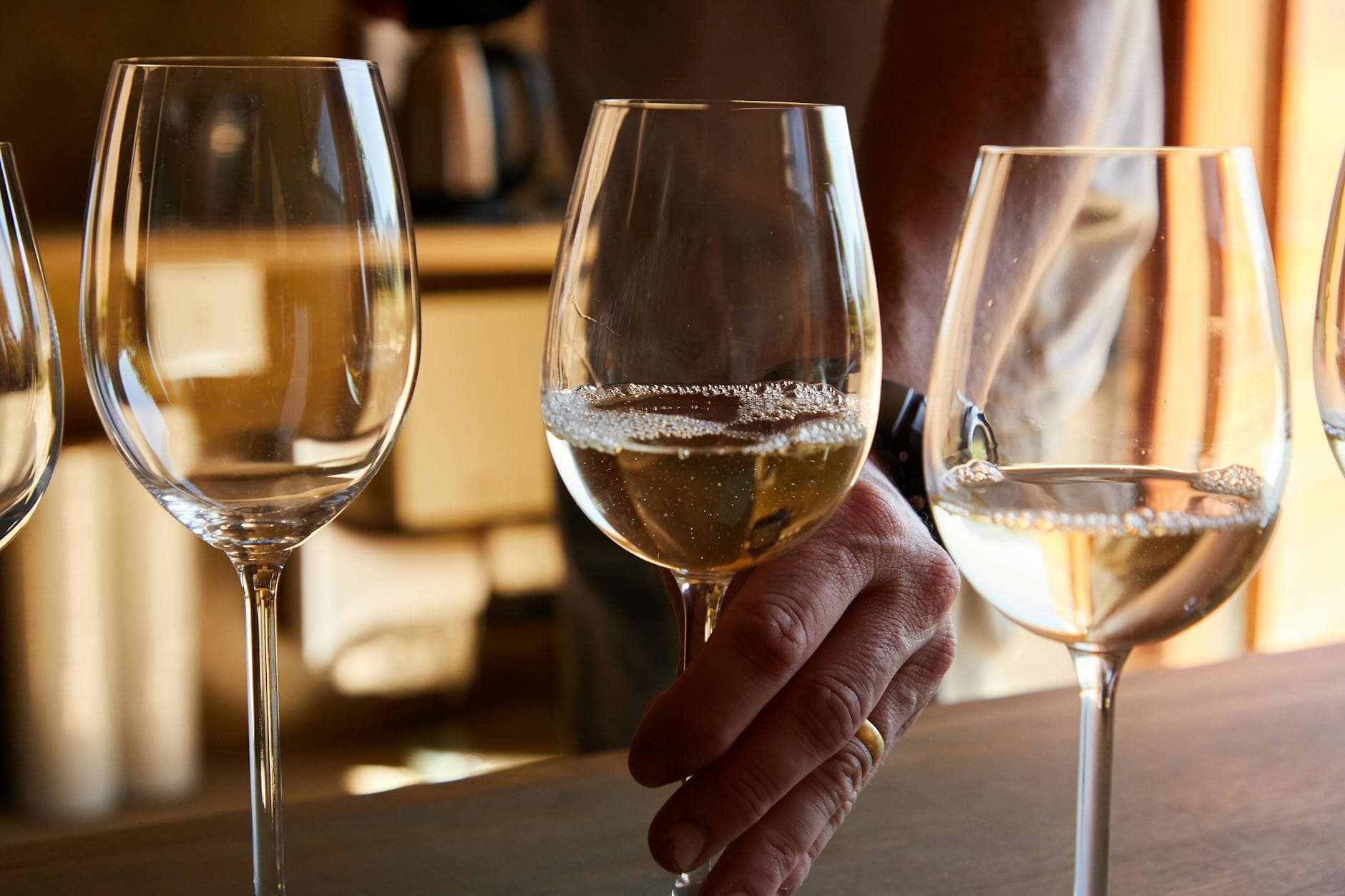
Marlborough Wine Region Guide: Sauvignon Blanc, Wineries & Visitor Tips
Marlborough Wine Region Guide: Sauvignon Blanc, Wineries & Visitor Tips
Marlborough occupies the northeastern tip of New Zealand's South Island, sheltered from the Tasman Sea by ranges to the west and north. It is a relatively young wine region by global standards -- serious commercial production began only in the 1970s -- and yet it has become one of the most recognisable wine names in the world. The region produces roughly 75 percent of all New Zealand wine by volume, and its Sauvignon Blanc has defined an entire style category.
The grape and the region found each other almost by accident. In 1973, Montana Wines planted the first commercial Sauvignon Blanc vines in the Wairau Valley after surveying the region's reliable sunshine hours and relatively dry conditions during the growing season. The first wines appeared in 1980, and the response was immediate. The aromatic intensity, the piercing acidity, the flavour profile of grapefruit, passionfruit, and cut grass -- it was unlike anything coming out of the Loire Valley (where Sauvignon Blanc had its European home), and it found an enthusiastic international audience.
What followed was rapid expansion. By the 1990s, Marlborough Sauvignon Blanc had become a standard pour in restaurants and wine bars across the United Kingdom, Australia, and the United States. By the 2000s it was the dominant style in the category globally. The grape and region have become so associated that "Marlborough Sauvignon Blanc" functions effectively as a brand name even among people who otherwise know little about wine.
The interesting question for visitors to Marlborough today is: what lies beyond that dominant style? The answer, it turns out, is quite a lot. The region's three main sub-valleys produce meaningfully different expressions of Sauvignon Blanc. Pinot Noir has been developing serious quality credentials. Pinot Gris, Riesling, and Chardonnay all find the climate congenial. And the broader landscape -- the Richmond Ranges to the south, the Wairau River running through the valley, the combination of mountain and sea -- is genuinely worth experiencing.
For practical guidance on structuring a winery visit here or elsewhere, see our how to plan a wine tour guide.
The Wairau Valley

The Wairau Valley is Marlborough's heartland and the source of most of the region's production. The valley runs roughly east-west, opening onto Cloudy Bay at its eastern end, with Blenheim -- the region's main town -- sitting toward the middle. The Wairau River, fed by snowmelt from the Richmond Ranges, runs through the length of it.
The soils on the valley floor are deep alluvial gravels -- stones and silt deposited by centuries of river movement. These soils drain freely, which means vines have to push their roots down to find moisture during the dry summer months. This water stress, combined with the stony, low-fertility ground, naturally limits yields and concentrates flavour. The stones also retain daytime heat and release it at night, moderating the temperature swings that can stress vines at more extreme sites.
The Wairau climate is reliably dry during the growing season, with the ranges to the west intercepting much of the rainfall from the Tasman. Sunshine hours are high -- higher than most of France's major wine regions -- and the long summer days allow extended photosynthesis. Night temperatures drop sharply, preserving the natural acidity in the grapes.
The combination produces Sauvignon Blanc that is typically direct, expressive, and immediately appealing: high aromatic intensity, clear citrus and tropical fruit, and a clean, fresh finish. Most of the large producers -- Cloudy Bay, Brancott Estate, Villa Maria, Wither Hills -- have their core operations in the Wairau Valley.
The Southern Valleys
Running south from the Wairau Valley proper are a series of narrower valleys carved into the Richmond Ranges: Brancott Valley (where Montana made its original planting), the Omaka Valley, and the Waihopai Valley. These are collectively known as the Southern Valleys.
The soils here differ from the Wairau floor. Rather than deep gravels, the Southern Valleys have more clay in their composition, with heavier soils that retain water more effectively. The terrain is more broken, with north-facing slopes that capture maximum sun and south-facing slopes that stay cooler. Yields tend to be lower than in the Wairau, and the wines often show more weight and textural richness.
Southern Valleys Sauvignon Blanc can be less immediately exuberant than Wairau floor wines -- sometimes more restrained and herbal in youth, with more stone fruit and less tropical character. Given some time in bottle, they can show additional complexity. The Pinot Noir from this zone has attracted particular attention, as the clay soils and cooler aspects suit the variety's preference for well-drained but moisture-retaining ground.
Brancott Estate's Heritage Block -- on the original Montana planting site in the Brancott Valley -- is a Marlborough landmark, and the cellar door there is positioned on a hillside with views across the valley that justify a visit on their own terms.
Awatere Valley
The Awatere Valley lies south of the Wairau, accessible via the Awatere River Road from Blenheim. It is a longer drive from the main visitor cluster, which means fewer day-trippers reach it, but the wines produced here are distinctive enough to justify the effort.
The Awatere is cooler and windier than the Wairau Valley. The valley runs more directly east-west, which means it receives the full force of the northerly winds that funnel in from Cook Strait. Those winds keep temperatures down and reduce disease pressure (fungi struggle in the wind), but they also make viticulture more demanding.
The soils are shallower here, with more loess -- wind-deposited silt -- in their composition. The combination of cool temperatures, low humidity, and lean soils produces Sauvignon Blanc with a distinctly different profile from the Wairau floor: more mineral in character, with citrus and flint rather than tropical fruit, and a marked structural firmness from higher acidity. Harvest in the Awatere typically runs two to four weeks later than in the Wairau, extending the hang time and building additional flavour complexity.
Vavasour was the first winery to establish in the Awatere and remains a significant producer there. Several Wairau-based houses also source Awatere fruit for blending or single-valley bottlings.
Grape Varieties in Marlborough
Sauvignon Blanc dominates the regional plantings by a considerable margin. The variety suits the climate precisely: its natural tendency toward aromatic intensity and high acidity is amplified by Marlborough's cool nights and brilliant sunshine. The range within Marlborough Sauvignon Blanc is wider than its reputation suggests -- from the immediate, tropical-fruited style designed for early drinking, to the more restrained, mineral-edged versions from the Southern Valleys and Awatere that reward several years of cellaring.
Pinot Noir is Marlborough's most significant red variety and its quality has been steadily improving. The cooler sub-valleys and south-facing slopes within the Southern Valleys and Awatere produce Pinot Noir with genuine depth. It tends toward a leaner, more elegant style than Central Otago Pinot Noir (the other major New Zealand Pinot region), with more red fruit and spice than the darker-fruited, more voluptuous Central Otago style. The best examples from producers like Greywacke and Dog Point are genuinely competitive internationally.
Pinot Gris has developed a strong local following and suits the climate well. Marlborough Pinot Gris tends toward an off-dry or dry style with stone fruit (pear, quince) and some textural weight from the variety's natural inclination toward phenolic richness. It pairs particularly well with the seafood the Marlborough Sounds supply.
Riesling finds the cool nights and high acidity of Marlborough congenial. The wines range from bone dry to medium-sweet and can age well. Far fewer producers focus on it than on Sauvignon Blanc, but Framingham and Forrest Estate make consistent examples worth seeking.
Chardonnay is the fourth significant white variety. Marlborough Chardonnay tends toward freshness rather than the richness of warmer-climate examples -- more Chablis than Burgundy in orientation. Villa Maria and Cloudy Bay produce reliable versions.
Top Wineries to Visit
Cloudy Bay
The name is synonymous with Marlborough Sauvignon Blanc internationally, and visiting the cellar door is worthwhile even for those who have bought the wine from supermarket shelves for years. The cellar door experience at Cloudy Bay goes substantially beyond the flagship Sauvignon Blanc -- the tasting room pours Te Koko (the fermented-on-wild-yeast, oak-aged Sauvignon Blanc that is dramatically different from the standard release), Pelorus sparkling wine, Pinot Noir, and Chardonnay. The facility is well-designed, the team is knowledgeable, and the standard tasting is walk-in friendly. If you want access to cellar door-exclusive library releases, call ahead. The estate is on Jacksons Road in the Wairau Valley.
Brancott Estate
The Brancott Estate cellar door at the Heritage Block sits on the hillside of the original Montana planting from 1973, with clear views across the valley where the modern Marlborough wine industry began. The tasting covers the Brancott range plus, usually, some single-vineyard and premium-tier bottlings not widely available at retail. The visitor facilities are among the most polished in the region. Walk-ins welcomed; seated tasting experiences available by appointment.
Villa Maria
Villa Maria is New Zealand's largest family-owned winery (founded by George Fistonich in 1961) and one of the country's most awarded producers. The Marlborough operation on Paynters Road handles production for the company's South Island fruit. The cellar door experience is thorough -- the tasting covers the Private Bin (entry-level), Cellar Selection, Reserve, and Single Vineyard tiers, making it a useful education in how the quality steps work across a large New Zealand producer. The Reserve Marlborough Sauvignon Blanc and Reserve Pinot Noir are consistently strong.
Wither Hills
Named for the tawny ranges overlooking the Wairau Valley from the south, Wither Hills has a large, well-appointed cellar door on New Renwick Road. The wines cover Sauvignon Blanc, Pinot Noir, Pinot Gris, and Chardonnay. The top tier, the Single Vineyard range, sources from specific estate blocks in the Wairau and Brancott valleys and shows how distinct those soil types perform in the same season. The cellar door is spacious and suited to groups. Walk-in tasting available.
Greywacke
Greywacke is the personal project of Kevin Judd, who was head winemaker at Cloudy Bay for over two decades. The wines are made in a deliberately more restrained, complexity-focused style than the mainstream Marlborough Sauvignon Blanc template. The Wild Sauvignon (fermented on wild yeasts in old oak) is particularly distinctive -- it shows more texture, more complexity, and ages in a way that the standard release does not. Greywacke does not have a dedicated cellar door open to the public; wines are best found at restaurant wine lists and good wine retailers in Blenheim. Worth seeking for those who want to explore the upper end of what Marlborough Sauvignon Blanc can do.
Saint Clair
Saint Clair Family Estate on Centenary Avenue is a family-owned winery that punches above its size in terms of portfolio depth. The cellar door experience is thorough: the Wairau Reserve range, the Pioneer Block single-vineyard series (where individual blocks from across the valley are bottled separately), and the Vicar's Choice and Doctors Creek entry-tier wines are all available. The single-vineyard Pioneer Block series is one of the most useful introductions to how different sites within the Wairau perform -- tasting Block 3 (Sauvignon Blanc, stony soils) against Block 1 (Riesling, different aspect) makes the terroir conversation real rather than theoretical. Walk-in tastings available.
The Marlborough Food Scene
Marlborough's food credentials rest heavily on what comes out of the surrounding water rather than the land. The Marlborough Sounds -- the drowned valley system of inlets and bays north of Blenheim -- produce some of New Zealand's finest seafood.
Green-lipped mussels are the signature product. They are farmed extensively in the Sounds on long lines, and the quality available locally -- fat, sweet, and meaty -- is noticeably better than what reaches supermarkets elsewhere. Several cafes and restaurants in Blenheim and at cellar doors along the wine trail serve them simply, steamed with local wine and herbs. The Mussel Pot in Havelock (a small town west of Blenheim at the head of the Pelorus Sound) is one of the most consistently praised venues specifically for mussels, and worth the 35-minute drive if you are serious about eating well.
Salmon from the Marlborough Sounds and surrounding waters is another local highlight. King salmon (Chinook) is farmed in the cold, clear water of the Sounds and is available fresh at good fishmongers in Blenheim and at several winery restaurants.
Crayfish (rock lobster) from the Kaikura coast, an hour south of Blenheim, appear on menus throughout the region. Like the mussels, they are better eaten here close to the source than they are once refrigerated and transported.
The Marlborough Farmers Market runs every Sunday morning at A&P Park in Blenheim. Seasonal produce, local cheeses, artisan bread, and honey are the staples. It is a smaller market than equivalents in Auckland or Wellington but draws enough genuine local producers to be worthwhile for self-caterers or those assembling a picnic for the vineyard.
Fine dining options in the region are modest compared to the Barossa or Burgundy. Wairau River Restaurant at Wairau River Winery is the most established winery restaurant, with an outdoor setting in the vineyard. Arbour in Blenheim has developed a reputation for locally-sourced, produce-forward cooking with a strong local wine focus.
When to Visit Marlborough
Harvest (March to April) is when the region is most active. Picking starts with Chardonnay and Pinot Noir in late March and works through to the last Sauvignon Blanc parcels in mid-April. The Awatere Valley finishes later than the Wairau. Cellar doors are at their busiest during harvest, and most have their full team available. Some producers run harvest events or vineyard walks during this period.
Summer (December to February) is peak visitor season and the most reliable weather window. Long days, warm temperatures, and consistent sunshine make it the easiest time to visit. Blenheim averages the highest sunshine hours of any New Zealand city during summer. The downside is that cellar doors are crowded, accommodation is more expensive, and some of the more intimate producer experiences need to be booked further ahead.
Autumn (April to May) is arguably the best compromise: harvest activity continues through April, the worst of the summer crowds have thinned, and the landscape takes on autumn colour as the vines slow down. Temperatures remain comfortable and daylight hours are still adequate for a full visit day.
Spring (September to November) sees the vines bud and grow through to flowering. The weather is variable -- cool days and warm spells alternate -- and some days see the famous Marlborough wind in full force. This is the quietest visitor period and the right time if you want to have extended conversations with winery teams who are less pressed.
Winter (June to August) is cold, grey, and wet. Pruning is underway and the vineyards are bare sticks. Several cellar doors reduce hours or close entirely for the season. If you are in the South Island for other reasons and pass through, some of the larger operations stay open, but it is not the season for a wine-focused trip.
Getting There
By air: Blenheim Airport (BHE) has direct flights from Auckland, Wellington, and Christchurch. The airport is small and the flight times are short (40 minutes from Wellington, 55 minutes from Christchurch). Flying into Blenheim is the most direct option.
By ferry from Wellington: The Interislander and Bluebridge ferries cross Cook Strait from Wellington to Picton, a small port town 28 kilometres north of Blenheim. The crossing takes approximately three hours and is a scenic experience through the Marlborough Sounds on the final approach. Many visitors from the North Island take the ferry with a rental car and self-drive through Marlborough before continuing south on the South Island. The ferry is particularly convenient for those already in Wellington.
By road from Christchurch: The drive north from Christchurch through the Kaikura Coast to Blenheim takes approximately four hours. The coastal road (SH1) is scenic, passing through the seaside town of Kaikura where whale watching and crayfish are both available. This route works well if you are doing a broader South Island circuit.
Self-drive: Once in Marlborough, a car is essential. The wineries are spread across a 40-kilometre corridor from Blenheim through the Wairau Valley to the western end of the valley, with the Southern Valleys accessible via branching roads south of Renwick, and the Awatere Valley requiring its own detour. Distances between cellar doors are short -- most of the Wairau Valley wineries cluster within 10 kilometres of Renwick -- but public transport does not serve them.
The wine trail: A dedicated walking and cycling trail, the Marlborough Wine Trail, connects most of the Wairau Valley cellar doors. It is flat, well-signed, and around 26 kilometres end-to-end. Cycling between cellar doors is genuinely practical and increasingly popular. Several operators in Renwick hire bikes and provide luggage transfer and drop-off services.
Where to Stay in Marlborough
Blenheim is the regional hub and the most practical base. It has the widest range of hotels, motels, and cafes, and sits centrally between the airport, the wine trail, and the ferry connection at Picton. Staying in Blenheim means you are 10-15 minutes from most Wairau Valley cellar doors by car.
Renwick is the small town that sits at the centre of the wine trail and is surrounded by wineries. Several boutique accommodation options are here, including vineyard-stay properties where you are literally between the vines. This is the right base if you plan to cycle the wine trail or want to walk to dinner at a winery restaurant.
Vineyard cottages and homestays are the most distinctive accommodation option in the region. Several wineries rent cottages on their estates -- some with exceptional vineyard views, some with private outdoor areas for evening tastings. These book quickly in summer and over harvest. Worth checking directly with individual wineries.
Picton is an alternative base for those arriving by ferry who prefer a smaller, quieter base. It is 28 kilometres north of Blenheim and requires driving into the wine country each day, but it is a pleasant town with good cafes and easy access to the Marlborough Sounds for a day on the water.
For detailed accommodation guidance for the Marlborough region, see our New Zealand wine travel guide.
Frequently Asked Questions
What makes Marlborough Sauvignon Blanc different from those made elsewhere?
The combination of climate factors is the key: high sunshine hours during the growing season, cool nights (which preserve aromatic compounds and acidity), and free-draining alluvial soils that stress the vines into producing concentrated fruit without irrigation. These conditions push the Sauvignon Blanc grape toward aromatic intensity in a way that warmer, more fertile regions do not. Marlborough Sauvignon Blanc typically shows more overt aromatics -- passionfruit, grapefruit, cut grass, capsicum -- than French Loire Valley versions (which are crisper and more mineral) and a cleaner, brighter acidity than versions from California or South Africa.
Can you visit Marlborough as a day trip?
From Wellington via ferry, Marlborough is a day trip -- but only just, and only if you take the morning sailing and return on an evening crossing. You would have roughly five or six hours in the region. More realistically, Marlborough works as a two-to-three night stop on a South Island road trip, or as a standalone three-to-four night destination with flight access. The Interislander morning sailing from Wellington at 8:25am puts you in Picton by 11:30am, giving you most of the day in the wine country.
What is the difference between the Wairau Valley, Southern Valleys, and Awatere Valley?
The Wairau Valley (the main valley floor) produces Marlborough's most immediately expressive Sauvignon Blanc: tropical fruit, citrus, direct aromatics, high volume. The Southern Valleys (Brancott, Omaka, Waihopai) have more clay-heavy soils and narrower aspects, producing wines with more textural weight and often more herbal or stone-fruit character. The Awatere Valley is cooler, windier, and more exposed, producing the most mineral and structured Sauvignon Blancs in the region, with later harvest dates.
Which cellar doors require advance booking?
Most of the large producers -- Cloudy Bay, Brancott Estate, Villa Maria, Wither Hills, Saint Clair -- accept walk-ins for standard tastings. Premium tasting experiences (library wines, hosted flights with winemakers) generally need a reservation. The smaller boutique producers not listed here often request advance contact. In summer and during harvest, even large cellar doors can have waits for seated tastings, so calling ahead during peak season is sensible. For style guidance on what to wear, see our wine tasting dress code guide.
Is Marlborough Sauvignon Blanc meant to be aged?
The standard commercial releases are designed for early consumption -- within one to three years of vintage -- and the aromatics that make them appealing begin to fade with extended aging. The more serious single-vineyard and premium tiers from producers like Greywacke (Wild Sauvignon), Saint Clair (Pioneer Block), and Dog Point (Section 94) are built with more structure and can develop over four to six years. Aged versions take on honeyed, waxy, and more complex characters as the primary aromatics settle. But the category's natural home is freshness, and most Marlborough Sauvignon Blanc is best drunk young.
What is the best way to get around the wine trail?
Cycling is the most practical and enjoyable option for the Wairau Valley cluster. The terrain is flat, the distances between cellar doors are short (one to five kilometres), and the trails are well-maintained. Several operators in Renwick hire bikes and will collect you at the end of the day or transfer your bags between accommodation stops. Self-driving with a designated driver works if your group has one person willing to abstain. Tour operators from Blenheim offer half-day and full-day guided tours.
When is harvest in Marlborough?
Harvest timing varies by variety and sub-valley. Chardonnay and Pinot Noir typically start in late March. Sauvignon Blanc on the Wairau floor follows in late March to early April. Riesling and Awatere Valley Sauvignon Blanc finish in mid to late April. Early-season vintages (in warmer years) can see picking begin in mid-March. Late-season vintages (in cooler years) may run through to early May in the Awatere.
How does Marlborough Pinot Noir compare to Central Otago Pinot Noir?
The two regions produce distinctly different styles of New Zealand Pinot Noir. Central Otago Pinot tends to be darker-fruited, richer, and more opulent -- the influence of an extreme continental climate with very hot days and very cold nights. Marlborough Pinot Noir is typically leaner, more structured, and more red-fruited, with the hallmark acidity of a cooler maritime climate. Neither is inherently superior; the choice depends on preference. Marlborough Pinot is often more approachable younger, Central Otago more age-worthy in top examples.
What seafood should I prioritise eating in Marlborough?
Green-lipped mussels are the first priority -- they are farmed locally in the Marlborough Sounds and the quality at source is exceptional. Eat them simply, steamed with white wine and garlic, rather than in complex preparations that obscure the fresh flavour. Marlborough Sounds king salmon is the second priority: available fresh (not frozen) in the region, it is richer and more flavoursome than most farmed salmon. Crayfish from the Kaikura coast (sold and served fresh in the region) is the premium option -- expensive but worth it if you want to eat well in this part of the South Island.
Is Marlborough wine country suitable for children?
Most of the large cellar doors are family-friendly -- outdoor spaces, room to move around, non-alcoholic options, and welcoming staff. The cycling trail is suitable for children who are confident cyclists. Picton and the Marlborough Sounds offer genuinely excellent family activities (ferry trips into the Sounds, kayaking, wildlife) that make a Marlborough stop work for mixed groups. The Sounds ferry connection from Picton is an attraction in itself.
What is the best Marlborough Sauvignon Blanc under NZD 20?
A direct recommendation depends on current vintage and retail availability, so naming a single bottle would risk outdating quickly. As a category observation: the second-tier releases from the major houses (Villa Maria's Cellar Selection, Wither Hills Sauvignon Blanc, Brancott Estate Letter Series) typically offer the best reliability-to-price ratio in the range. Supermarket own-labels sourced from Marlborough can also deliver the regional character at low prices. Asking the cellar door team when you visit what they consider their best-value wine often produces a more useful answer than any printed guide.


The Marlborough Wine Trail: Cycling Between Estates
The Marlborough Wine Trail is a dedicated cycling and walking route threading through the heart of the Wairau Valley, connecting cellar doors that sit within a few kilometres of each other along unsealed back roads and purpose-built tracks. The terrain is pancake flat — the Wairau Valley floor is one of the few wine regions in the world where you genuinely can cycle between estates without breaking a sweat.
The trail covers roughly 45 kilometres in total, but most visitors cover a comfortable 20–30 kilometres in a day, visiting four to six cellar doors at a relaxed pace. A typical route from Renwick takes in Saint Clair, Wither Hills, Seresin Estate, Fromm Winery, and Spy Valley, with time for a proper lunch at one of the cellar door restaurants along the way.
Bike hire is available in both Blenheim and Renwick. Bike2Wine operates from central Blenheim with rentals from approximately NZD 35–45 per day and will deliver bikes to Renwick on request. The Blenheim i-SITE visitor information centre holds a current list of hire operators. Electric bikes are increasingly available for those who want the vineyard cycling experience without effort on windier afternoons.
Practical tips: start before 11am to avoid the afternoon northwesterly wind, which picks up reliably in summer and turns the return leg into a grind. Pack water and snacks from Renwick Four Square before setting off — not all cellar doors provide food. Book ahead at smaller producers like Fromm (appointment-only) and Dog Point. Most large cellar doors have bike racks outside and are walk-in friendly; staff are well accustomed to cyclists arriving in helmets.
Staying in Renwick rather than Blenheim puts you within cycling distance of the trail from your accommodation front door. The 28-kilometre transfer from Blenheim to Renwick is manageable by bike but adds time — most cyclists take a taxi or shuttle to Renwick and ride from there.
Sustainable Winegrowing in Marlborough
More than 90 percent of Marlborough vineyards hold Sustainable Winegrowing New Zealand (SWNZ) certification — one of the highest regional participation rates of any wine-producing area in the world. SWNZ is an independently audited programme covering pesticide and chemical use, water management, soil health, energy consumption, and biodiversity. Certified vineyards are required to maintain wildlife corridors and native plantings between rows, and to document and reduce inputs year on year.
For visitors, certification means you can walk through most Marlborough vineyards without concern about chemical residues — a practical consideration when cycling along unsealed tracks between estates. Yealands Estate in the Awatere Valley achieved carbon-zero winery certification and runs a programme integrating Babydoll miniature sheep (which graze under vines without damaging the canopy), solar power, and wetland restoration. Cloudy Bay holds B Corp certification, a broader standard covering social and environmental performance across the entire business.
Ask at cellar doors about their sustainability practices — most winemakers are happy to walk you through the vineyard and explain specific initiatives. The Marlborough Wines industry body publishes an annual sustainability report at marlboroughwine.co.nz for those who want the full regional data.
Beyond the Wineries: Marlborough Sounds
Marlborough Sounds is the vast network of drowned valleys and inlets that opens onto Cook Strait at the northern tip of the South Island. The Sounds cover more than 1,500 kilometres of coastline and most of it is accessible only by water taxi or on foot. It is one of New Zealand's most dramatic coastal landscapes and the reason many visitors extend a Marlborough wine trip into a multi-day stay.
Picton, the ferry terminal town 28 kilometres north of Blenheim, is the gateway. From the Picton waterfront, water taxis depart to Queen Charlotte Sound, where the Queen Charlotte Track offers a four-day (or more) walking or mountain biking trail along ridgelines above the water. Day sections are accessible via water taxi drop-off — you can walk one section and be collected at the far end without carrying camping gear.
The combination itinerary — wine trail in the Wairau Valley on one or two days, Sounds by boat on another — is the format that most Marlborough tour operators build their packages around. The Marlborough Sounds wine and seafood cruise (typically 5 hours, NZD 120–200 per person) combines green-lipped mussel farm visits with wine tasting and is bookable through Viator and GetYourGuide. It is one of the better ways to see the Sounds without planning an overnight trip.
An hour south of Blenheim, Kaikura is a strong day-trip candidate: whale watching with year-round sperm whale pods and dolphin encounters, and a crayfish restaurant scene that matches what the wineries offer to the north. It sits on the same coastal drive from Christchurch that most southbound visitors travel. Budget a full day rather than a pass-through.
Marlborough Cellar Door Guide: Tasting Fees and Practical Details
Most Marlborough cellar doors charge a tasting fee of NZD 15–30 for a structured flight of four to six wines. The fee is typically waived on a bottle purchase — a standard arrangement across the region. Walk-in visits are accepted at the major producers, but peak summer weekends (late December through January) can see waits at Cloudy Bay and Brancott Estate; booking ahead is worthwhile if you plan to visit on a Saturday during this window.
Cloudy Bay
Tasting fee approximately NZD 20–25 for a flight of current releases. Appointment recommended on weekends and during January–February peak. The cellar door is on Jackson's Road in the Wairau Valley with an outdoor terrace. A separate premium tasting experience is available by appointment only.
Brancott Estate
Walk-in friendly; no advance booking required except for groups of eight or more. The hillside cellar door includes a winery tour option (approximately NZD 15 extra) and a restaurant open for lunch. Tasting fee in the NZD 15–20 range.
Wither Hills
One of the most walk-in-friendly large cellar doors in the valley, with an open-air terrace and complimentary tastings for individuals and couples. On New Renwick Road — well-positioned for cyclists coming off the Wine Trail.
Fromm Winery
Appointment only — book ahead by phone or email. Fromm produces small-batch wines, mostly Pinot Noir and Malbec, rarely seen outside New Zealand. The tasting experience (approximately NZD 25–35) is unhurried and led by winery staff. Worth the planning required.
Dog Point Vineyard
Appointment only. Dog Point produces benchmark Marlborough Sauvignon Blanc (the Section 94 label) and Pinot Noir from a single large estate. The cellar door visit is personal and requires booking via their website. Fees in the NZD 20–30 range.
General opening times: most cellar doors operate 10am to 4:30pm daily during summer, with reduced hours or weekday-only openings in winter (June–August). Confirm current hours directly before visiting, as seasonal changes are common.
A Brief History of Marlborough Wine
The story of Marlborough wine has a precise starting point: 1973, when Montana Wines (now Brancott Estate) planted the first commercial Sauvignon Blanc vines on the floor of the Brancott Valley. The company was looking for cheap land for volume wine production — the critical qualities of the Marlborough climate for aromatic varieties were not yet understood. The early harvests exceeded expectations.
The pivotal moment came in 1985 when Cloudy Bay released its first vintage. The wine attracted international attention almost immediately: characterised by its vivid cut-grass and passionfruit aromatics, it defined a style that had no real precedent. Export orders followed, then imitation. Within a decade, Marlborough Sauvignon Blanc had become New Zealand's defining export wine style and one of the most recognisable white wine categories in the world.
The 1985 Marlborough Wine and Food Festival launched the same year — it is now the largest wine festival in the Southern Hemisphere by attendance, drawing 10,000+ visitors to the Brancott Estate Amphitheatre each February and typically selling out six months in advance. Growth across the region has been consistent: by the early 2000s, Marlborough accounted for more than 70 percent of New Zealand's total wine production, a proportion that has remained broadly stable since. The region today has over 150 wineries and 25,000 hectares under vine.
The Maori name for the Wairau River — "Kei puta te Wairau" ("the place where the Wairau finds the sea") — gives some indication of how long the valley has been a point of significance on the South Island. Pre-European settlement, the Ngai Tahu and Ngati Apa peoples used the valley as a travel corridor and the Sounds as a food source. The rich soils that make Marlborough so productive for vines were first cultivated for wheat and later sheep farming before the 1973 vine-planting shifted the region's identity entirely.
Wines of Marlborough Wine Region Guide: Sauvignon Blanc, Wineries & Visitor Tips
Key grape varieties and wine styles produced in the region
Primary Grape Varieties
Wine Styles
Ready to visit Marlborough?
Build your personalised day-by-day itinerary — choose your travel style and trip length, get accommodation and tour picks per day, and email it to yourself to take along.
Upcoming Wine Festivals in New Zealand
See all festivalsHidden Gems Nearby
Discover more hidden gemsBook Your Marlborough Wine Country Stay
Compare hotels, vineyard B&Bs and rentals across Booking, Airbnb and more in one search.
Compare stays near the vineyardsStay22
Plan Your Marlborough Wine Region Guide: Sauvignon Blanc, Wineries & Visitor Tips Trip
Estimate your Marlborough Wine Region Guide: Sauvignon Blanc, Wineries & Visitor Tips trip cost
Budget calculator with accommodation, food, wine, and transport estimates.
Try itCompare Marlborough Wine Region Guide: Sauvignon Blanc, Wineries & Visitor Tips with other regions
Side-by-side comparison of cost, climate, wine styles, and more.
Try itWhen to visit Marlborough Wine Region Guide: Sauvignon Blanc, Wineries & Visitor Tips
Harvest dates, peak season, and the best months for wine travel.
Try itThis page contains affiliate links. We may earn a commission at no extra cost to you.