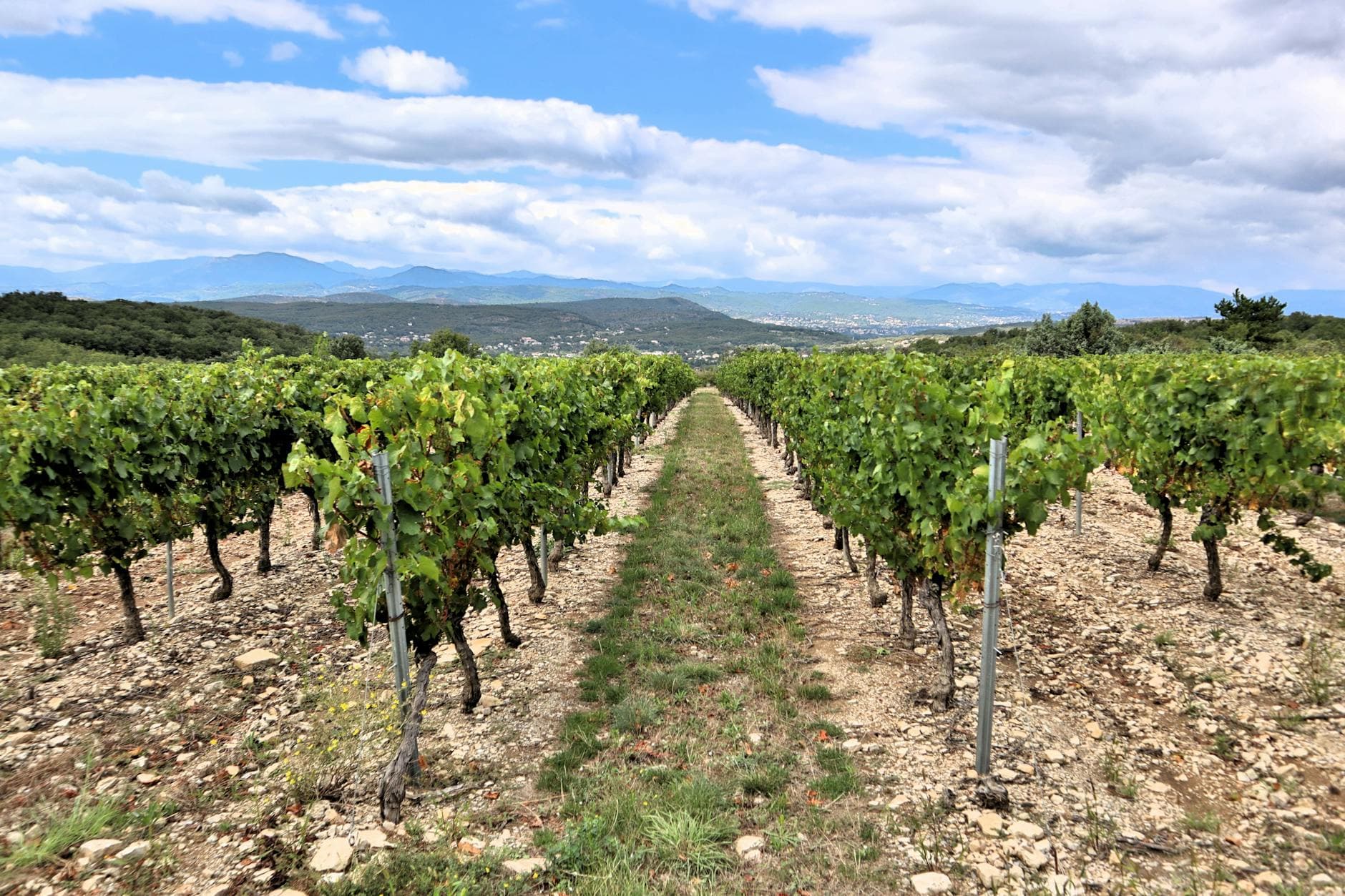
Naoussa Wine Region Guide
Naoussa Wine Region Guide: Northern Greece's Best-Kept Secret for Xinomavro Lovers
When people think of Greek wine, they picture Santorini -- volcanic cliffs, white-washed churches, and Assyrtiko served with sunset views. What they miss is one of Europe's most compelling red wine regions sitting quietly in the foothills of Mount Vermion, 500 kilometres north of the caldera crowds. Naoussa, in the Macedonia region of Northern Greece, produces structured, age-worthy red wines from the Xinomavro grape that have drawn serious comparisons to Nebbiolo-based wines from Piedmont's Barolo and Barbaresco.
This is not a comparison made lightly. Xinomavro shares Nebbiolo's pale garnet colour, high acidity, firm tannins, and extraordinary capacity to develop complexity over decades in the bottle. The best Naoussa wines evolve from tight, austere youth into layered expressions of dried cherry, sun-dried tomato, leather, tobacco, and spice -- a transformation that rewards patience in ways few European reds outside Piedmont can match.
Naoussa earned its Protected Designation of Origin (PDO) in 1971, making it one of Greece's first officially recognised wine appellations. Yet it remains largely unknown outside the Greek wine community. For wine travellers willing to venture beyond the tourist-saturated islands, Naoussa offers world-class wine, generous hospitality, exceptional food, and an authenticity that Santorini lost two decades ago -- at a fraction of the cost.
Why Naoussa Matters
Greece has been making wine for over 4,000 years, but its modern wine renaissance dates only to the 1990s, when a generation of European-trained winemakers returned home and began applying contemporary techniques to indigenous grape varieties. Naoussa was at the centre of this revival.
The region's significance rests on three pillars:
Single-grape identity. Naoussa PDO regulations require 100% Xinomavro. Unlike many European appellations that permit blending, Naoussa is defined entirely by one grape in one place. This purity of expression gives the wines a terroir transparency that is rare in the wine world.
Age-worthiness. While most Greek wines are made for immediate consumption, top Naoussa bottlings can cellar for 15-30 years. Producers like Boutari, Kir-Yianni, and Thymiopoulos release reserve wines with 5-10 years of age already on them, giving visitors access to mature wines that would cost three times as much from equivalent Italian or French estates.
Value. A bottle that would cost EUR 60-100 if it came from Barolo costs EUR 12-30 from Naoussa. Tasting fees at most wineries are EUR 5-15, and some still offer complimentary tastings. The economic argument for Naoussa is as strong as the qualitative one.
| Factor | Naoussa | Barolo (Comparison) |
|---|---|---|
| Primary grape | Xinomavro | Nebbiolo |
| PDO since | 1971 | 1980 (DOCG) |
| Vineyard altitude | 150-450m | 170-500m |
| Reserve bottle price | EUR 15-35 | EUR 50-150+ |
| Tasting fee | EUR 5-15 | EUR 20-50 |
| Tourist crowds | Low | High |
| Annual visitors | ~15,000 | ~200,000+ |
The Xinomavro Grape: Greece's Answer to Nebbiolo
Xinomavro (pronounced "ksee-NOH-mav-roh") translates literally as "acid black" -- a name that tells you exactly what to expect. High natural acidity and deep colour are the grape's calling cards, though the colour often deceives: despite the name, aged Xinomavro tends toward garnet and brick-red rather than inky black.
Tasting Profile
Young Xinomavro (1-5 years): Bright red cherry, pomegranate, green olive, tomato paste, and a pronounced tannic grip. These wines can feel austere and closed in youth -- the parallel with young Barolo is unmistakable. Decanting for an hour or more is advised.
Mature Xinomavro (5-15 years): The transformation is dramatic. Dried cherry, leather, tobacco, truffle, sun-dried tomato, and sweet spice emerge. The tannins resolve into a silky texture, and the acid backbone keeps everything lifted and fresh. This is where the grape reveals its greatness.
Old Xinomavro (15-30+ years): The best examples develop tertiary complexity rivalling aged Barolo or Burgundy -- forest floor, tar, dried herbs, aged balsamic, and an almost ethereal delicacy. Boutari's Grande Reserve bottlings from the 1990s are living proof of Xinomavro's longevity.
Styles Produced in Naoussa
| Style | Aging Requirement | Character | Price Range |
|---|---|---|---|
| **Naoussa PDO** | Min. 12 months oak | Fresh, vibrant, firm tannins | EUR 8-18 |
| **Reserve (Epilegmenos)** | Min. 24 months oak + 12 months bottle | Structured, more complex | EUR 15-30 |
| **Grande Reserve** | Min. 24 months oak + 24 months bottle | Deep, layered, age-worthy | EUR 25-50 |
| **Single vineyard** | Varies by producer | Site-specific expression | EUR 20-45 |
Terroir and Climate
Naoussa's vineyards climb the eastern slopes of Mount Vermion (2,052m) in the Central Macedonia region, at altitudes ranging from 150m to 450m above sea level. The mountain's mass creates a unique mesoclimate that is fundamentally different from the Mediterranean conditions most people associate with Greece.
Continental influence. Naoussa experiences cold winters with regular snowfall on the upper slopes, warm (but not scorching) summers, and large diurnal temperature swings during the growing season. Night-time temperatures in September and October can drop 15-18 degrees Celsius below daytime highs -- a pattern that preserves acidity and develops aromatic complexity in the grapes. This continental character is what makes Naoussa wines more Piedmontese than Provencal.
Soils. The dominant soil types are clay-limestone and sandy clay, with alluvial deposits on the lower slopes. The limestone contributes mineral tension to the wines, while the clay provides water retention during the dry summer months. Higher-altitude vineyards on rockier, shallower soils tend to produce wines with greater concentration and aromatic intensity.
Rainfall. Naoussa receives 550-650mm of annual rainfall -- significantly more than the Greek islands (300-400mm) and comparable to many Northern Italian wine regions. This means irrigation is rarely needed, and vine stress is moderate rather than extreme.
The Mount Vermion effect. The mountain acts as both a weather shield and a cooling system. It blocks the harshest continental air from the north while channelling cool evening breezes down the slopes through the vineyards. Winemakers here talk about the mountain the way Burgundians talk about their slopes -- it is the defining geographical feature of the appellation.
Best Wineries to Visit
Kir-Yianni
Founded in 1997 by Yiannis Boutaris (son of the Boutari wine dynasty), Kir-Yianni has become the flagship estate of Naoussa. The winery sits at 300m altitude in Yianakohori with commanding views across the vineyard plain toward Thessaloniki. The modern facilities contrast with the traditional winemaking philosophy: minimal intervention, extended maceration, and patient oak ageing.
The tasting room is spacious, well-organised, and accustomed to international visitors. English-speaking staff guide you through a structured flight that typically includes a young Naoussa PDO, the Ramnista single-vineyard bottling, and the Diaporos blend. The Ramnista -- from vines planted in the 1970s on clay-limestone at 350m -- is consistently one of Greece's greatest red wines.
Tasting fee: EUR 10-20 for a guided flight of 4-6 wines. Must-try: Ramnista Xinomavro. Appointment: Recommended but walk-ins accepted in summer. Website: kiryianni.gr
Boutari Naoussa
The Boutari family has been making wine in Naoussa since 1879, making them the region's oldest continuous producer. Their Naoussa winery focuses exclusively on Xinomavro and maintains one of Greece's most impressive library collections of aged wines. The Grande Reserve programme, with wines released after 5+ years of ageing, offers visitors a rare opportunity to taste mature Xinomavro without the commitment of cellaring.
The winery building itself is a modernist structure set among vineyards on the outskirts of Naoussa town. The guided tour covers the full production process, and the tasting room features both current releases and library wines available by the glass.
Tasting fee: EUR 8-15. Must-try: Grande Reserve Naoussa (ask for the oldest available vintage). Appointment: Required. Website: boutari.gr
Thymiopoulos Vineyards
Apostolos Thymiopoulos is one of Greece's most exciting young winemakers, and his approach to Xinomavro is distinctly modern without abandoning tradition. Working with old-vine vineyards at higher altitudes (350-450m) on the slopes of Mount Vermion, Thymiopoulos produces wines that are more immediately approachable than the classic Naoussa style -- rounder, more fruit-forward, and with finer tannins -- while retaining the structure and ageability that define the region.
His "Young Vines" Xinomavro is one of Greece's best-value red wines (EUR 8-10 at the cellar), while the "Earth & Sky" and single-vineyard bottlings compete at the top end of the appellation. Visits are personal and intimate; Apostolos or his team will walk you through the vineyards and explain his altitude-focused approach.
Tasting fee: EUR 10-15. Must-try: "Earth & Sky" Xinomavro. Appointment: Required (small operation). Website: thymiopoulos.gr
Dalamara Winery
Kostis Dalamaras trained in Bordeaux before returning to Naoussa to establish his family winery, and the French influence shows in his precise, elegant winemaking style. Dalamara produces some of the region's most refined Xinomavro -- wines with the structure of Naoussa but a textural finesse that recalls good Pauillac.
The winery is small and personal, and visits feel more like tasting at a friend's house than a commercial operation. Kostis is deeply knowledgeable about both Naoussa terroir and broader European winemaking, making conversation as rewarding as the wines.
Tasting fee: EUR 10-15. Must-try: Paliokalias single-vineyard Xinomavro. Appointment: Essential (very small production). Website: dalamarawinery.gr
Alpha Estate
Technically located in the Amyndeon PDO (about 90 minutes northwest of Naoussa), Alpha Estate is worth the detour for anyone serious about Greek wine. The winery sits at 620m altitude beside Lake Vegoritida -- one of the highest-altitude vineyard sites in Greece -- and produces both Xinomavro-based reds and exceptional sparkling wines. The modern, architecturally striking winery includes a restaurant serving dishes designed to pair with the estate wines.
Alpha Estate's "Hedgehog Vineyard" Xinomavro is among Greece's most prestigious bottlings. The altitude gives the wines a distinctly fresh, almost alpine character that provides an illuminating contrast to the warmer-climate Naoussa expressions.
Tasting fee: EUR 12-20. Must-try: Hedgehog Vineyard Xinomavro. Appointment: Recommended. Website: alpha-estate.com
Domaine Karanika (For Sparkling Wine)
Also in Amyndeon (near the village of Ano Ano), Domaine Karanika has built a reputation as Greece's finest sparkling wine producer. Using Xinomavro and Assyrtiko, Laurens Hartman and Annette Karanika produce traditional-method sparkling wines that rival mid-range Champagne -- at a quarter of the price.
The brut rose, made entirely from Xinomavro, is a revelation: pale salmon colour, fine persistent mousse, and flavours of wild strawberry and brioche. If you think Greek sparkling wine sounds like a contradiction, this estate will change your mind permanently.
Tasting fee: EUR 8-12. Must-try: Brut Rose (100% Xinomavro). Appointment: Required. Website: karanika.gr
<!-- AFFILIATE: Naoussa wine tour booking widget - wine tasting tours from Thessaloniki to Naoussa region -->
Pro tip: Most Naoussa wineries are closed on Sundays and may have reduced hours during harvest (September-October). Always call or email ahead, even when appointments are listed as optional. Greek winemakers are extraordinarily hospitable, but showing up unannounced at a small family estate is considered poor form.
Food Pairings and Local Cuisine
Naoussa is in Macedonia, a region with one of Greece's richest culinary traditions. The food here is hearty, meat-focused, and built for cold winters -- and it pairs magnificently with Xinomavro.
Classic Pairings
| Dish | Description | Why It Works with Xinomavro |
|---|---|---|
| **Kontosouvli** | Slow-spit-roasted pork with herbs | Fat and char tame the tannins; herbs echo the wine's herbal notes |
| **Giouvetsi** | Lamb or beef baked with orzo pasta in tomato sauce | Tomato acidity mirrors the wine's acidity; braised meat matches structure |
| **Pastitsio** | Baked pasta with spiced meat sauce and bechamel | Rich, layered flavours complement aged Xinomavro's complexity |
| **Grilled lamb chops** | Bone-in, charcoal-grilled, lemon and oregano | The quintessential Greek red wine pairing -- simple and perfect |
| **Aged Graviera cheese** | Hard sheep's milk cheese, aged 6-12 months | Nutty, savoury flavours with the texture to stand up to the wine |
| **Loukaniko** | Cured pork sausage with orange peel and leek | Sweet spice and cured meat flavours are natural Xinomavro companions |
Where to Eat
Stamnagathi (Naoussa town) -- A taverna that has earned a loyal following among visiting winemakers. The menu changes with the seasons, but the slow-cooked lamb and regional meze plates are consistently excellent. Expect to pay EUR 20-35 per person for a full meal with local wine.
Tottis (Naoussa town) -- More contemporary Greek cooking with an emphasis on local ingredients. The wine list features an unusually deep selection of Naoussa producers. EUR 25-45 per person.
Village tavernas -- The small villages around Naoussa (Yianakohori, Trilofos, Gastra) often have simple tavernas serving grilled meats and salads at remarkably low prices. EUR 12-20 per person. Ask your winery host for their personal recommendation -- they always have one.
<!-- AFFILIATE: Naoussa/Thessaloniki food and wine experience booking widget -->
Where to Stay
In Naoussa Town
Naoussa is a small, pleasant town of about 20,000 people. It has a traditional Greek plateia (main square), several good restaurants, a handful of hotels and guesthouses, and a walkable centre. It is not a tourist destination in the conventional sense -- which is precisely the appeal. You will be the only foreign wine tourist in most places.
- Hotel Naousa -- The main hotel in town, comfortable and functional. Central location steps from the plateia. EUR 50-80/night.
- Guesthouses and Airbnbs -- Several restored stone houses are available for rent in and around Naoussa. These offer more character than hotels and often include kitchens. EUR 40-70/night.
In the Surrounding Villages
For a more immersive experience, stay in one of the vineyard villages on the slopes of Mount Vermion:
- Agios Nikolaos -- A mountain village 20 minutes above Naoussa with cooler temperatures and panoramic views. Several stone guesthouses available. EUR 45-75/night.
- Seli -- Greece's oldest ski resort village, at 1,500m altitude on Mount Vermion. In summer, it offers cool mountain air and hiking access. A good base if you plan to combine wine with mountain activities. EUR 40-65/night.
In Thessaloniki (City Base)
Some visitors prefer to base themselves in Thessaloniki and day-trip to Naoussa (90 minutes each way). This makes sense if you want the restaurants, nightlife, and cultural attractions of Greece's second city while making targeted winery visits during the day.
- The Met Hotel -- Thessaloniki's most design-forward hotel, walking distance from the waterfront. EUR 100-180/night.
- Electra Palace -- Overlooking Aristotelous Square, a grand hotel with rooftop pool and Thermaic Gulf views. EUR 90-160/night.
- Midrange options -- Budget hotels near the city centre run EUR 50-90/night.
Getting There
From Thessaloniki
Thessaloniki is the gateway city. Naoussa is 130 km west of Thessaloniki, connected by the E90/A2 motorway.
| Mode | Duration | Cost | Notes |
|---|---|---|---|
| **Rental car** | 90 minutes | EUR 25-45/day | Best option -- essential for winery hopping. Motorway is excellent. |
| **KTEL bus** | 2 hours | EUR 10-14 one-way | Regular service from Thessaloniki's Macedonia bus station. 4-6 departures daily. Arrives at Naoussa bus station. |
| **Private transfer** | 75 minutes | EUR 80-120 one-way | Bookable through hotels or Thessaloniki agencies. Comfortable but less flexible. |
Strong recommendation: Rent a car. The wineries are spread across 15-20 km of hilly terrain, and public transport between them is nonexistent. A car also opens up visits to Vergina, Edessa, and Amyndeon (Alpha Estate, Karanika). Greek motorways are modern and well-maintained; driving is straightforward.
Getting to Thessaloniki
- By air: Thessaloniki Airport (SKG) receives direct flights from most European capitals. Budget carriers (Ryanair, Wizz Air, easyJet) serve SKG extensively, with fares from major hubs often under EUR 50.
- By train: Athens to Thessaloniki takes about 4 hours on the new high-speed line (EUR 25-45 one-way).
- By ferry: If arriving from the Greek islands, ferries connect several Aegean islands to Thessaloniki port (seasonal schedules).
<!-- AFFILIATE: Thessaloniki car rental comparison widget - for winery touring in Naoussa region -->
Best Time to Visit
| Season | Weather | Crowds | Experience |
|---|---|---|---|
| **April-May** | Mild (14-22C), wildflowers in vineyards | Very low | Spring awakening, bud break, green hills, uncrowded wineries |
| **June-August** | Warm to hot (25-35C), dry | Low | Full services, long evenings, occasional heat on lower slopes |
| **September-October** | Warm days, cool nights (12-25C) | Low-medium | Harvest season, grape picking, golden light, new vintage energy |
| **November** | Cool (6-14C), occasional rain | Very low | New wine, atmospheric, quieter cellar visits |
| **December-March** | Cold (0-8C), snow on upper slopes | Very low | Some tasting rooms closed; ski season at Seli; winter taverna culture |
Best time to visit: Late September through mid-October is the sweet spot. Harvest is underway, the vineyards are at their most photogenic, winemakers are energised, and daytime temperatures are comfortable for walking among the vines. Crucially, "crowded" in Naoussa means you might see another visiting group at the same winery -- nothing remotely comparable to peak-season Santorini or Tuscany.
Second-best: May to early June, when the hillsides are green, wildflowers dot the vineyards, and you have the region almost entirely to yourself.
Note on harvest visits: Unlike Napa or Bordeaux, where wineries often restrict visits during harvest, most Naoussa producers welcome visitors during this period. Seeing the grapes arrive and the fermentation begin adds a dimension to tasting that no other time of year can match. Just book your appointments well in advance.
Naoussa vs. Santorini: A Wine Traveller's Comparison
For wine-focused travellers choosing between the two most talked-about Greek wine regions, the differences are stark:
| Factor | Naoussa | Santorini |
|---|---|---|
| **Primary grape** | Xinomavro (red) | Assyrtiko (white) |
| **Wine style** | Structured, age-worthy reds | Mineral, high-acid whites |
| **Tourist density** | Very low | Extremely high (2M+ visitors/year) |
| **Tasting fee** | EUR 5-15 | EUR 15-40 |
| **Meal cost** | EUR 15-35 | EUR 40-80 |
| **Hotel/night** | EUR 40-100 | EUR 150-500+ |
| **Winery experience** | Personal, unhurried, often with the winemaker | Polished, efficient, often crowded |
| **Best for** | Serious red wine exploration | Instagram, Assyrtiko, volcanic terroir |
| **Getting there** | 90 min from Thessaloniki (drive) | 45 min flight or 8-hr ferry from Athens |
Neither is better in absolute terms. Santorini's volcanic Assyrtiko is genuinely unique, and the scenery is extraordinary. But if your primary motivation is wine discovery, value, and a deeper connection with the people who make the wine, Naoussa delivers an experience that Santorini's tourist infrastructure makes increasingly difficult.
The Barolo Parallel: How Serious Is It?
Wine critics have compared Xinomavro to Nebbiolo since the 1990s, and the parallel is more than marketing. Both grapes share:
- Pale colour with age. Both lighten to garnet and brick-red, looking older than they taste.
- High acidity. Both maintain bracing freshness even at high alcohol levels.
- Firm tannins. Both are tannic in youth and require time (or food) to soften.
- Aromatic complexity with age. Tar, leather, dried roses, truffle -- the descriptors overlap remarkably.
- Site sensitivity. Both grapes express terroir differences between vineyards with unusual transparency.
The differences are real too. Xinomavro tends toward tomato and olive notes (reflecting its Mediterranean context) where Nebbiolo tends toward rose petal and tar. Naoussa wines generally reach maturity a few years earlier than top Barolo. And the price difference is enormous: a wine of equivalent quality and age costs 3-5 times more from Piedmont.
For wine lovers who have explored Barolo and are looking for the next frontier, Naoussa is not a compromise -- it is a legitimate parallel tradition with its own distinct voice.
Nearby Attractions
Vergina (UNESCO World Heritage Site)
Just 20 minutes southeast of Naoussa, Vergina is the site of the ancient Macedonian royal tombs, including the unlooted tomb of Philip II (father of Alexander the Great). The underground museum is one of Greece's most impressive archaeological sites, and the golden burial artifacts are breathtaking. Entry EUR 12. Allow 1.5-2 hours.
Edessa Waterfalls
The town of Edessa, 45 minutes west of Naoussa, is famous for its waterfalls cascading off a cliff at the edge of the town. A walking trail follows the water through parks and past old textile mills. Free to visit. Combine with lunch in Edessa's old town.
Mount Vermion Hiking and Skiing
The mountain that defines Naoussa's terroir is also a recreational destination. Summer offers marked hiking trails through beech and oak forests. Winter brings skiing at the Seli resort (3-5 Vermion), with affordable lift passes (EUR 15-25/day) and a charmingly low-key atmosphere.
Thessaloniki
Greece's second city and cultural capital deserves at least a day. The Ano Poli (upper town), White Tower, Roman-era Rotunda, vibrant Modiano Market, and Ladadika dining district are all within walking distance. The food scene -- particularly the seafood tavernas along the waterfront -- is among the best in Greece.
Planning Your Trip: Sample Itineraries
Long Weekend (3 Days)
| Day | Morning | Afternoon | Evening |
|---|---|---|---|
| **Day 1** | Fly into Thessaloniki, pick up rental car | Drive to Naoussa, check in, explore town | Dinner at Stamnagathi |
| **Day 2** | Kir-Yianni (tasting + vineyard tour) | Boutari (tasting + library wines) + Thymiopoulos | Dinner at village taverna |
| **Day 3** | Vergina archaeological site | Dalamara (tasting) + drive to Thessaloniki | Dinner in Thessaloniki's Ladadika district |
Extended Trip (5 Days)
Add Day 4 for a day trip to Amyndeon (Alpha Estate + Domaine Karanika + Edessa Waterfalls) and Day 5 for Thessaloniki city exploration, Modiano Market, and a final seafood lunch before your flight.
Budget Summary
| Category | Budget | Mid-Range | Comfort |
|---|---|---|---|
| Accommodation/night | EUR 40-60 | EUR 60-100 | EUR 100-180 |
| Meals/day | EUR 20-35 | EUR 35-60 | EUR 60-100 |
| Tastings/day (2-3 wineries) | EUR 10-25 | EUR 20-40 | EUR 30-60 |
| Car rental/day | EUR 25-35 | EUR 35-50 | EUR 50-80 |
| **Daily total** | **EUR 95-155** | **EUR 150-250** | **EUR 240-420** |
A long weekend in Naoussa (3 nights) is comfortably achievable for EUR 450-750 per person at mid-range, including car rental, accommodation, tastings, meals, and fuel. This is roughly one-third the cost of an equivalent Santorini wine weekend and less than half the cost of a Barolo trip.
Practical Tips
- Learn one phrase. "Yamas" (cheers/to our health) is the universal Greek toasting word. Using it at the start of every tasting sets the tone perfectly.
- Pronunciation matters. Xinomavro is "ksee-NOH-mav-roh." Naoussa is "nah-OO-sah." Getting these right signals genuine interest and earns warmer hospitality.
- Bring an extra suitcase. Naoussa wines are difficult to find outside Greece, and cellar door prices are dramatically lower than export prices (when export is available at all). Most wineries will box bottles securely for transport.
- Cash is helpful. Larger wineries accept cards, but smaller producers and village tavernas may not. Bring EUR 100-150 in cash as backup. ATMs are available in Naoussa town.
- Driving distances are short. The entire Naoussa appellation is compact -- most wineries are within 15-20 minutes of each other. You will not spend hours in the car between stops.
- Don't rush tastings. Greek winemakers are generous with their time. If your host sits down to talk, they are not trying to sell you something -- they genuinely want to share their work. Budget 60-90 minutes per winery visit rather than the quick-fire 30-minute stops common in more commercial regions.
- Try the tsipouro. Greece's indigenous grape spirit (similar to Italian grappa) is served everywhere in Macedonia, often complimentary at the end of a winery visit or meal. The anise-flavoured version is most traditional. Sip cautiously -- it is potent.
- Combine regions. If time allows, the Amyndeon PDO (Alpha Estate, Domaine Karanika) is 90 minutes northwest and offers a high-altitude contrast to Naoussa's warmer hillside vineyards. Goumenissa PDO, 60 minutes east toward Thessaloniki, blends Xinomavro with Negoska for a softer, more approachable style. Together, the three appellations give you a comprehensive picture of Xinomavro's range.
More Greek Wine Travel Guides
- Greece Wine Regions
- Macedonia Wine Guide
- Santorini Wine Guide
- Best European Wine Regions for Spring 2026
- Old World vs New World Wine Regions
Word Count: ~2,800
Last Updated: February 2026
Author: WineTravelGuides Editorial Team


Book Your Naoussa Wine Country Stay
Compare hotels, vineyard B&Bs and rentals across Booking, Airbnb and more in one search.
Compare stays near the vineyardsStay22
Plan Your Naoussa Trip
Estimate your Naoussa trip cost
Budget calculator with accommodation, food, wine, and transport estimates.
Try itCompare Naoussa with other regions
Side-by-side comparison of cost, climate, wine styles, and more.
Try itWhen to visit Naoussa
Harvest dates, peak season, and the best months for wine travel.
Try itThis page contains affiliate links. We may earn a commission at no extra cost to you.