Old World vs New World Wine Travel
Visiting Burgundy and visiting Napa are completely different experiences — even though both produce world-class wine. Here's what actually differs.
The Old World vs New World debate in wine is one of the industry's oldest arguments. In the glass, the distinction has blurred considerably — top Napa Cabernet challenges Bordeaux, Central Otago Pinot rivals Burgundy, and natural winemakers in California are making things that would confuse a blind taster in Lyon. But as travel destinations, Old World and New World wine regions remain genuinely, profoundly different. Not just in what you drink, but in how you experience wine tourism itself.
This guide cuts through the romanticism and explains what actually differs when you book your wine trip.
Defining the Terms

Old World wine regions are the traditional European producers: France, Italy, Spain, Portugal, Germany, Austria, and the rest. New World covers everywhere else — California, Oregon, Australia, New Zealand, South Africa, Argentina, Chile, South Africa. The label has historical roots (Europe dominated wine before colonisation spread viticulture) but it now also carries stylistic connotations that are increasingly contested.
For travel purposes, the distinction is more meaningful in the experience than in the glass.
Winery Access and Culture
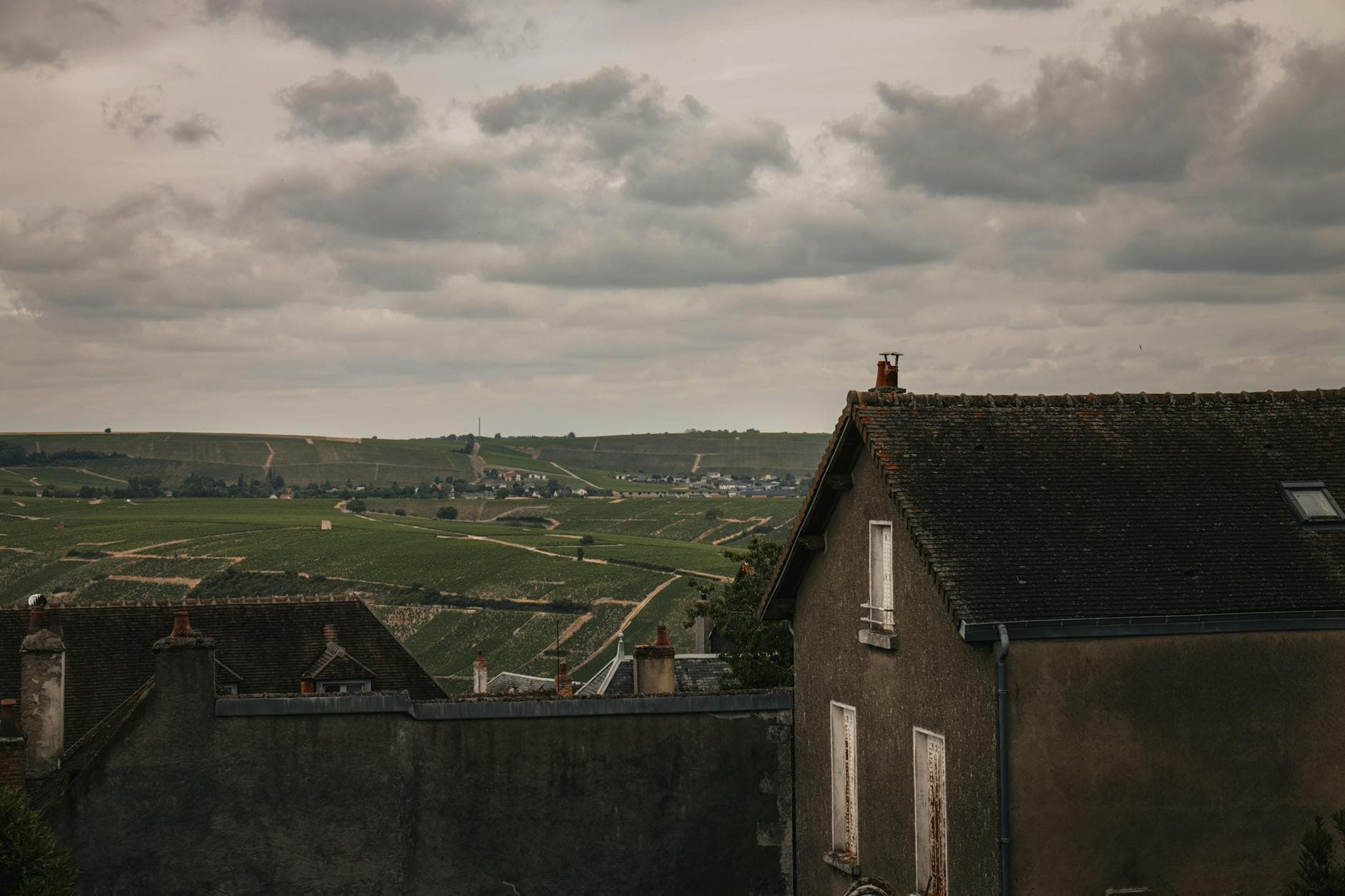
In the Old World, small family estates dominate. A Burgundy domaine might produce 10,000 bottles a year from two hectares. Visiting means ringing ahead, arriving at a farmhouse, and sitting across a stained table from the person who made the wine. Tastings at grower-Champagne houses happen in 14th-century chalk cellars. Rioja producers have been in the same family for five generations. The physical weight of history is everywhere: not performative, just present.
In the New World, wine tourism was often designed from scratch as a hospitality product. Napa Valley wineries built tasting rooms with architects. The Barossa Valley offers a polished visitor experience with cheese plates and view decks. Marlborough's estates are professional, friendly, and set up for busloads. This is not criticism — the professionalism makes it more accessible and often less intimidating for first-time wine tourists. But the lived-in quality of the best Old World visits is hard to replicate.
- Old World: informal access, family estates, history embedded in stone and cellar
- New World: purpose-built visitor infrastructure, more English spoken, more accessible
- Old World: harder to navigate (language, small producers, booking etiquette)
- New World: easier logistics, more predictable experience, fewer surprises
Wine Styles You'll Taste
The Old World generally produces wines with higher acidity, lower alcohol (relative to warm-climate New World), and a tighter fruit profile. The emphasis is on structure and terroir expression — what the place tastes like, not the winemaker's preference. French whites are mineral; Italian reds have cutting tannins designed for food; Spanish Rioja is earthy and restrained.
New World wines historically leaned toward ripe fruit, generous oak, and higher alcohol — the "international style" that won over 1990s critics. That has changed substantially. Tasmania, Central Otago, and Healdsburg's cooler sub-AVAs are making wines that are indistinguishable from premium European equivalents in blind tastings. But the warm-climate New World heartlands — Barossa, McLaren Vale, Mendoza, Napa — still produce in a different register: bigger, riper, more immediately pleasurable.
Cost and Value
Old World wine travel varies enormously. Bordeaux and Burgundy are expensive; Portugal, southern Italy, and the Priorat are excellent value. New World varies similarly: Napa is eye-wateringly expensive; Margaret River, Clare Valley, and New Zealand's lesser-known regions offer tremendous quality-to-price ratios.
As a generalisation, New World wine tourism infrastructure often costs more than comparable Old World experiences, because it was built as a commercial product. But New World accommodation outside the top destinations is reliably cheaper than equivalent European options.
The Romantic Cliché vs Reality

There is a persistent idea that Old World wine travel is inherently more romantic — tumbling Tuscan hills, ancient Burgundian villages, the long table in Provence. This is real, but it is also curated and sold. The reality of visiting a small Beaujolais domaine in November involves muddy boots, a cold barrel cellar, and a producer who speaks no English and has 45 minutes for you between harvest duties. Which is, depending on your disposition, either the best or worst thing about the experience.
New World wine regions have their own stunning landscapes — the Barossa Valley at dawn, the Wairau Plain with the Richmond Ranges behind it, the high-altitude vineyards of Mendoza with Aconcagua on the horizon. The scenery is not Old World scenery, but it is spectacular in its own way.
Which Trip to Take
Choose Old World wine travel if:
- The history, architecture, and cultural context of wine is as important as the wine itself
- You want to sit with a fourth-generation vigneron who has never heard of Instagram
- You are prepared to navigate language barriers and less-polished logistics
- You want wines that are genuinely impossible to replicate anywhere else (Grand Cru Burgundy, vintage Rioja Reserva, single-quinta Douro Port)
- You plan to combine a wine trip with broader cultural travel (Paris, Rome, Seville)
Choose New World wine travel if:
- You want professional hospitality without the formality of European service culture
- English is your only language and you don't want that to be a barrier
- You're travelling with a group of varying wine interest levels — accessibility matters
- You want to combine wine with other outdoor activities (hiking, cycling, wildlife) — Australia, NZ, and South Africa excel here
- You're drawn to the discovery aspect: these regions are still being defined, and producers welcome the conversation
The smartest approach: use the Old World for your wine education and inspiration, the New World for your wine adventure. They are different kinds of journeys, and serious wine travellers eventually want both.
Book Your Old World vs New World Wine Travel — What's the Difference? Wine Country Stay
Compare hotels, vineyard B&Bs and rentals across Booking, Airbnb and more in one search.
Compare stays near the vineyardsStay22
Plan Your Old World vs New World Wine Travel — What's the Difference? Trip
Estimate your Old World vs New World Wine Travel — What's the Difference? trip cost
Budget calculator with accommodation, food, wine, and transport estimates.
Try itCompare Old World vs New World Wine Travel — What's the Difference? with other regions
Side-by-side comparison of cost, climate, wine styles, and more.
Try itWhen to visit Old World vs New World Wine Travel — What's the Difference?
Harvest dates, peak season, and the best months for wine travel.
Try itThis page contains affiliate links. We may earn a commission at no extra cost to you.