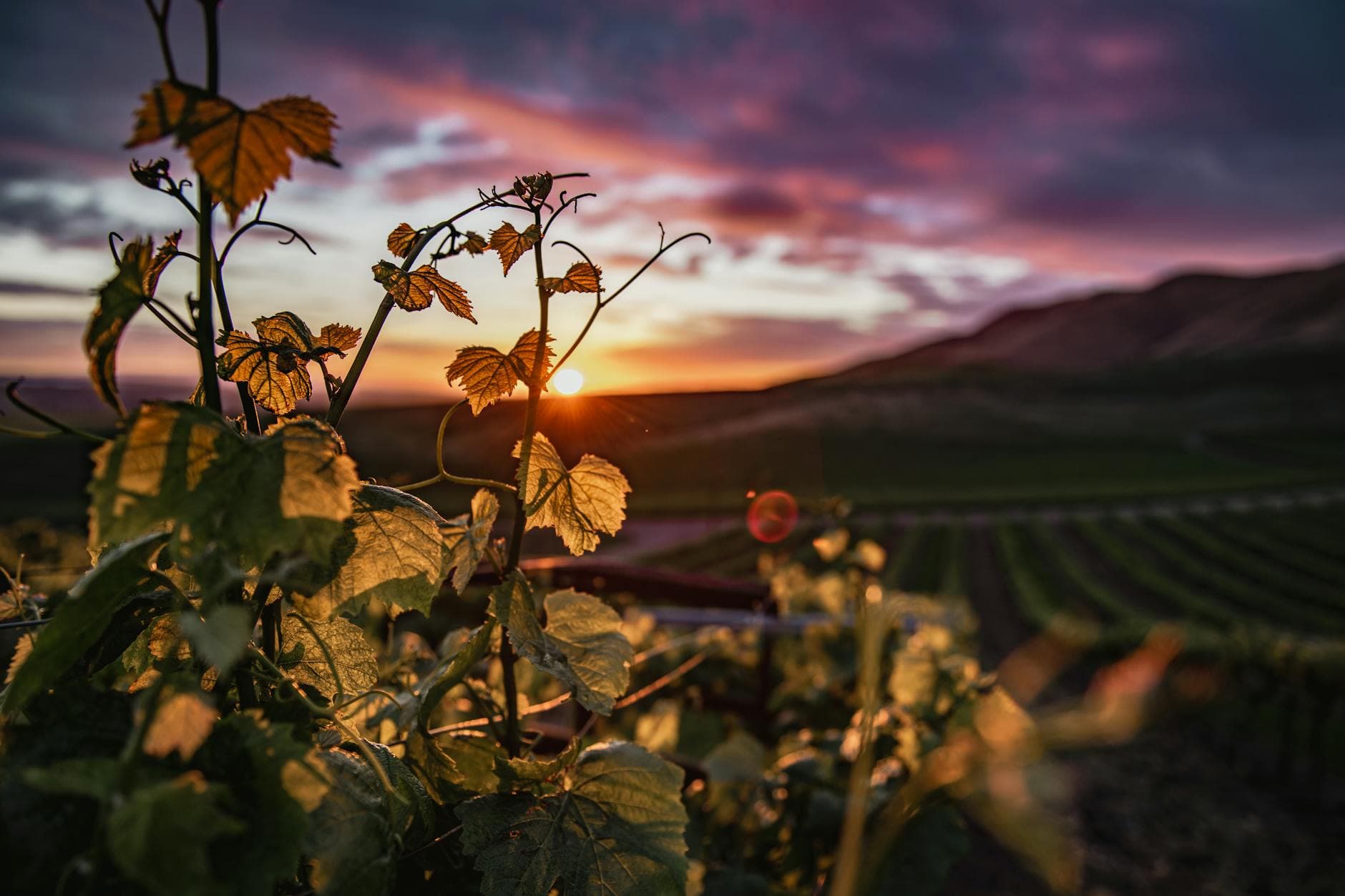
 Photo: Laker / Pexels
Where to Stay in Basque Country for Wine Lovers: Complete 2026 Guide
Find the best places to stay in Basque Country, Spain for wine travel. From San Sebastián pintxos bars to Txakoli vineyards in Getaria and Rioja Alavesa's wine architecture in Laguardia and Elciego.
Planning a trip to Where to Stay in Basque Country for Wine Lovers: Complete 2026 Guide?
Compare hotels, vineyard B&Bs and rentals across Booking, Airbnb and more in one search.
San Sebastián is regularly called the best food city on earth, and the claim holds up under scrutiny. Three restaurants hold three Michelin stars each — Arzak, Martín Berasategui, and Akelarre — and the Parte Vieja old town packs more pintxos bars per square metre than anywhere else in Spain. This is the Basque Country, where eating and drinking aren't pastimes but core cultural acts, and where two radically different wine traditions sit within an hour of each other. On the coast, Txakoli (Getariako Txakolina) is poured from a height into small tumblers — a sharp, slightly fizzy, bone-dry white made from Hondarrabi Zuri grapes grown on steep hillsides above the Bay of Biscay. Inland, Rioja Alavesa — the Basque side of Rioja — produces structured, elegant Tempranillo in a region studded with some of the most audacious wine architecture anywhere: Frank Gehry's titanium-clad Hotel Marqués de Riscal in Elciego and Santiago Calatrava's wave-roofed Bodegas Ysios in Laguardia.
What makes Basque Country singular for wine travel is this combination of coastline and interior, white and red, fishing village and medieval hilltop town, all held together by a food culture that treats every meal as serious business. Bilbao's Guggenheim Museum draws millions, but the real pull is what happens after: standing at a zinc-topped bar in Casco Viejo eating bacalao pil-pil with a glass of Txakoli, or driving south through mountain passes to reach Laguardia's ancient walls and the bodegas carved into the rock beneath them. No other wine region gives you world-class gastronomy, avant-garde architecture, Atlantic surf beaches, and two distinct wine appellations in a territory you can cross in ninety minutes.
Best Areas to Stay in Basque Country at a Glance:
- For food + wine: San Sebastián — world's best pintxos, Txakoli nearby, Michelin density
- For Rioja Alavesa wines: Laguardia — medieval walled village, underground bodegas, vineyard views
- For urban culture: Bilbao — Guggenheim, Txakoli bars, pintxos, transport hub
- For Txakoli at source: Getaria / Zarautz — fishing villages, coastal vineyards, grilled fish
- For wine architecture: Elciego — Gehry's Marqués de Riscal, Rioja Alavesa estate stays
Best Areas to Stay for Wine Tasting
San Sebastián / Donostia
The undisputed food capital of the Basque Country and a strong argument for the best food city in the world. San Sebastián holds more Michelin stars per capita than Paris or Tokyo, and the pintxos culture in the Parte Vieja old town is without equal — dozens of bars, each with a counter loaded with elaborate small plates, visited in a slow crawl that constitutes both dinner and social ritual. The city sits on La Concha, one of Europe's most beautiful urban beaches. Txakoli vineyards begin just 25 minutes west along the coast in Getaria and Zarautz.
Why wine lovers choose San Sebastián:
- Three 3-Michelin-star restaurants (Arzak, Berasategui, Akelarre) plus dozens more
- Parte Vieja pintxos crawl — the best bar food on earth, paired with Txakoli
- La Concha beach for downtime between tastings
- 25 minutes to Getaria (Txakoli heartland), 90 minutes to Laguardia (Rioja Alavesa)
- Txakoli poured at every bar — you're drinking it all day without trying
Price range: €120–350/night
Best for: Food obsessives, couples, anyone who wants world-class dining as the backbone of a wine trip
Wine access: Txakoli producers in Getaria/Zarautz are a short drive or bus ride. Several San Sebastián wine bars stock deep Rioja Alavesa lists. Arzak and Mugaritz both have wine programmes worth the visit alone.
Trade-off: Not wine country itself — you drive or bus to vineyards. Expensive, especially in summer. Accommodation books out for San Sebastián Film Festival (late September) and Semana Grande (August).
Where to stay: Hotel Maria Cristina (a 136-room luxury property overlooking the Urumea River) and Villa Soro (a boutique property) are two named options in San Sebastián.
Laguardia
A medieval walled village perched on a ridge above the Rioja Alavesa plain, with the Sierra de Cantabria mountains rising behind and vineyards stretching to every horizon. Laguardia's streets are narrow and stone-paved, its houses date to the 14th and 15th centuries, and beneath them lie underground cellars — calados — carved into the rock centuries ago for fermenting and storing wine. Some are open to visitors. The village is compact enough to walk in ten minutes end to end, but the bodega density is extraordinary: Bodegas Ysios (Calatrava's aluminium wave), Artadi, Bodegas Campillo, and Bodegas El Fabulista (with tastings inside a medieval calado) are all within striking distance.
Why wine lovers choose Laguardia:
- Medieval walled village with underground wine cellars (calados)
- Heart of Rioja Alavesa — the Basque side of Rioja, known for elegant, fruit-forward Tempranillo
- Spectacular mountain-and-vineyard setting
- Bodegas Ysios (Calatrava), Artadi, and El Fabulista nearby
- Small, walkable, with good restaurants and wine shops
- 90 minutes from San Sebastián, 45 from Bilbao
Price range: €80–220/night
Best for: Wine-focused travellers who want to sleep inside wine country, architecture fans, history lovers
Wine access: Multiple bodegas within walking distance or a short drive. Appointments recommended at most. Artadi welcomes visitors; Ysios offers architectural tours with tastings.
Trade-off: Small village — limited nightlife and restaurant variety. You'll need a car to reach producers outside the immediate area. Summer afternoons are hot (the meseta influence).
Where to stay: Hotel Viura (avant-garde architecture) and Posada Mayor de Migueloa (a 17th-century Baroque mansion among the vines) are two named options.
Bilbao
Bilbao is most people's arrival point — the Basque Country's largest city, with an international airport and high-speed rail connections. The Guggenheim Museum Bilbao, Gehry's 1997 titanium masterpiece, remains one of the world's great buildings and single-handedly redefined the city. But Bilbao earns its place on a wine itinerary through its food scene: the Casco Viejo (old quarter) is packed with pintxos bars where Txakoli flows freely, poured from a height into small glasses with practised flair. The Mercado de la Ribera, Europe's largest covered market, is worth a morning.
Why wine lovers choose Bilbao:
- Guggenheim Museum — essential cultural stop
- Casco Viejo pintxos bars rival San Sebastián for quality (locals will argue they're better)
- Txakoli from Bakio and Bizkaiko Txakolina DO poured everywhere
- Best transport links in the region (airport, rail, motorway)
- Easier on the wallet than San Sebastián
- Day-trip distance to both Txakoli coast (30 min) and Rioja Alavesa (1 hr)
Price range: €90–250/night
Best for: First-time Basque visitors, culture + food travellers, those wanting an urban base with day trips
Wine access: The city itself has excellent wine bars (Berton, Irrintzi, Café Iruña). Bakio's Txakoli vineyards are 30 minutes north. Rioja Alavesa is an hour south via the AP-68.
Trade-off: It's a city, not wine country. Vineyard visits require driving. The Guggenheim effect means tourist crowds in the museum district.
Where to stay: The Artist Grand Hotel of Art (a 5-star property by the Guggenheim) and The Miro Hotel (opposite the museum, by the river) are two named options.
Getaria / Zarautz
This is where Txakoli comes from. Getaria is a tiny medieval fishing village on the Basque coast, famous for two things: being the birthplace of Juan Sebastián Elcano (first to sail around the world) and producing Getariako Txakolina, the most prestigious of the three Txakoli appellations. The vineyards cling to steep hillsides directly above the ocean — salt spray reaches the vines, and locals insist you can taste the sea in the wine. Below in the harbour, whole turbot and sea bream are grilled over charcoal on outdoor parrillas. Zarautz, five minutes east, is a surf town with a long beach and more Txakoli producers.
Why wine lovers choose Getaria / Zarautz:
- Txakoli DO heartland — this is where the wine is made
- Txomin Etxaniz, Ameztoi, Rezabal, Elkano all based here
- Spectacular coastal vineyards — vines above the Atlantic
- Grilled fish over charcoal at harbour-side restaurants (Elkano holds a Michelin star for grilled turbot alone)
- Surf beaches at Zarautz
- 25 minutes from San Sebastián
Price range: €80–200/night
Best for: Txakoli enthusiasts, seafood lovers, those wanting a coastal village base
Wine access: Walk to multiple Txakoli producers from Getaria. Txomin Etxaniz and Ameztoi welcome visitors by appointment. Harvest (October) is the most exciting time.
Trade-off: Very small — limited accommodation, especially in Getaria proper. Rioja Alavesa is 90+ minutes south. Weather is Atlantic: expect rain even in summer.
Where to stay: Hotel Iturregi (a country house hotel overlooking Getaria and the coast) and Hotel Norte in Zarautz (in the historic centre, by the beach) are two named options.
Elciego / Rioja Alavesa Wine Architecture
Elciego is a quiet Basque village that became internationally famous when Marqués de Riscal opened its "City of Wine" complex, crowned by Frank Gehry's hotel — a riot of pink, gold, and silver titanium ribbons draped over the building like metallic fabric. It is one of the most photographed buildings in Spain. The hotel includes a Michelin-starred restaurant (1860 Tradición) and a vinotherapy spa. Beyond the Gehry spectacle, the surrounding Rioja Alavesa countryside is dotted with ambitious wine architecture: Bodegas Ysios in Laguardia, Viña Real's giant barrel-shaped winery, and the cave-like Bodegas López de Heredia extension by Zaha Hadid in Haro (just across the border into Rioja Alta).
Why wine lovers choose Elciego:
- Hotel Marqués de Riscal — Gehry-designed, a destination in itself
- Marqués de Riscal winery tours and tastings (one of Rioja's oldest, founded 1858)
- Rioja Alavesa wine architecture route (Ysios, Viña Real, CVNE)
- Small village with genuine Basque character outside the hotel gates
- Combine with Laguardia (15 min drive) for a full Alavesa circuit
Price range: €200–600/night (Hotel Marqués de Riscal); €70–150/night (village alternatives)
Best for: Architecture lovers, special occasions, those who want a luxury wine hotel experience
Wine access: Marqués de Riscal on-site. CVNE, Remelluri, and Artadi within 20 minutes. The Rioja Alavesa wine route connects a dozen producers by car.
Trade-off: The Gehry hotel is expensive — budget around €350–500/night for a standard room. Outside the hotel, Elciego has limited dining and nightlife. The village itself is small and quiet after dark.
Where to stay: Hotel Marqués de Riscal — the Frank Gehry-designed hotel on the winery's own grounds — is the reason most visitors come to Elciego.
Types of Accommodation
Design Hotels & Wine Architecture Stays — €200–600/night
The Basque Country has some of Europe's most striking wine hotels. Hotel Marqués de Riscal in Elciego (Gehry) is the flagship, but other architect-designed properties are scattered across Rioja Alavesa. These are destination stays — you go for the building as much as the wine.
What to expect:
- Statement architecture, often by internationally known architects
- On-site wineries, private tastings, sommelier services
- Vinotherapy spas and Michelin-starred restaurants
- 50–100 rooms, full hotel services
- Wine lists that double as regional education
Best for: Special occasions, architecture fans, luxury wine travellers
Old Town Boutiques — €100–250/night
San Sebastián's Parte Vieja, Bilbao's Casco Viejo, and Laguardia's medieval centre all have small boutique hotels in restored historic buildings. Stone walls, wooden beams, and front doors that open directly onto pintxos bars.
What to expect:
- 8–25 rooms in renovated historic buildings
- Central locations — walk to bars, restaurants, markets
- Contemporary interiors behind old facades
- Staff who know local producers and can book appointments
- Breakfast featuring local cheese, Idiazábal, and jamón
Best for: Couples, food-focused travellers, those who want walkable urban culture
Caseríos (Basque Farmhouses) — €70–160/night
The Basque caserío is a traditional stone farmhouse, often centuries old, found across the green hills of the interior and coast. A growing number have been converted to rural guesthouses, offering thick stone walls, mountain views, cider orchards, and absolute quiet. Some sit among Txakoli vineyards.
What to expect:
- Thick-walled stone buildings in rural settings
- 3–8 rooms, family-run, personal service
- Farmhouse breakfasts (local eggs, fresh bread, sheep's cheese)
- Gardens, orchards, sometimes cider production on-site
- Remote locations — a car is required
Best for: Those wanting countryside quiet, families, hikers, visitors combining coast and interior
City Hotels — €90–300/night
Bilbao and San Sebastián have full hotel infrastructure, from international chains near the Guggenheim to design-forward independents in the old quarters. These work best as bases for day trips to wine country, with the advantage of restaurants, transport, and nightlife at your doorstep.
What to expect:
- Full hotel services (concierge, restaurant, gym)
- Strong transport links (airport, rail, buses to wine country)
- Pintxos bars and fine dining within walking distance
- Wider price range — budget to luxury
- Wine bars and shops in the city for evening tasting
Best for: First-time visitors, short stays, those combining wine with city culture and museums
When to Visit Basque Country Wine Country
The Basque coast has an Atlantic climate — mild, green, and wet, more like Ireland than stereotypical Spain. Rioja Alavesa inland is drier and hotter in summer, cooler in winter. Neither extreme is harsh, but the coast can be rainy any month.
| Month | Weather | Crowds | Prices | Notes |
|---|---|---|---|---|
| Jan–Feb | Cool (6–12°C), rainy coast | Very low | Lowest | Quiet pintxos season — locals-only bars. Some Alavesa producers closed |
| Mar–Apr | Mild (10–18°C), changeable | Low–medium | Medium | Spring green hills, pleasant walking, producers reopening |
| May–Jun | Warm (16–25°C), long days | Medium | Medium–high | Best all-round conditions. Txakoli vineyards lush. Book ahead |
| Jul–Aug | Warm coast (20–28°C), hot inland (30°C+) | Highest | Highest | Beach season. Semana Grande (Bilbao + San Sebastián, August). Book months ahead |
| Sep | Warm (18–25°C), drier | High | High | San Sebastián Film Festival (late Sep). Harvest begins in Rioja Alavesa |
| Oct | Mild (12–20°C), autumn colour | Medium | Medium | Txakoli harvest. Rioja Alavesa vendimia atmosphere. Excellent month |
| Nov–Dec | Cool (8–14°C), rain | Low | Low–medium | Atmospheric, uncrowded. Christmas pintxos season in Bilbao and San Sebastián |
Best months: May to June for weather and access. October for harvest and autumn colour. September if you can pair wine visits with the San Sebastián Film Festival. August for beach + wine, but book everything far ahead — the entire Basque coast fills with Spanish and French holidaymakers.
Insider Tips for Basque Country Wine Travel
- Watch the Txakoli pour. Txakoli is poured from a height — the server holds the bottle high above a small tumbler, letting the wine splash and aerate as it falls. This isn't showmanship; it opens the wine's aromatics and enhances its slight effervescence. The pour is called "escanciar," borrowed from the Basque cider tradition. Don't try it yourself unless you want Txakoli on your shirt.
- Know the Txakoli producers. Getariako Txakolina (Getaria DO) is the most famous appellation. Key names: Txomin Etxaniz (the benchmark, organic, estate above the sea), Ameztoi (excellent rosé Txakoli alongside the white), Rezabal, and Talai Berri. In Bizkaiko Txakolina (Bilbao area), look for Gorka Izagirre. Most welcome visitors by appointment.
- Know the Rioja Alavesa producers. The Basque side of Rioja produces the most elegant, fruit-driven expressions of Tempranillo. Artadi (especially Viña El Pisón — one of Spain's great single-vineyard wines), Remelluri (biodynamic pioneer, Sierra de Cantabria foothills), CVNE (Imperial and Viña Real labels), Marqués de Riscal (founded 1858, Bordeaux-influenced), and Bodegas Luis Cañas in Villabuena. Book tastings at least a week ahead.
- Learn the pintxos rules. Pintxos (the Basque spelling, not "pinchos") are eaten standing at the bar. Take a plate, pick what you want from the counter, order hot items from the chalkboard. Keep your toothpicks or napkins — that's how they count your bill. Don't camp at one bar. Move every 2–3 pintxos. In San Sebastián, start in Parte Vieja (Bar Nestor for steak and tortilla, La Cuchara de San Telmo for hot pintxos, Gandarias for jamón). In Bilbao, hit Casco Viejo (Plaza Nueva area).
- Visit a Basque cider house (sagardotegia). From January to April, cider houses in the hills near San Sebastián and Astigarraga open for "txotx" season — you eat a set menu of salt cod omelette, grilled T-bone steak, and Idiazábal cheese with quince, and drink directly from the barrel. When someone shouts "Txotx!", you line up at the kupela (barrel) and catch the stream in your glass. It is loud, communal, and nothing like a wine tasting. Go at least once.
- Drive the wine architecture route. From Elciego, make a loop through Rioja Alavesa's architectural landmarks: Hotel Marqués de Riscal (Gehry), Bodegas Ysios (Calatrava) in Laguardia, Viña Real (giant barrel design by Philippe Mazières) near Laguardia, and the medieval calados beneath Laguardia itself. The entire circuit takes half a day with tastings.
- Expect Basque, not Spanish. Euskara (Basque) is everywhere — road signs, menus, greetings. It is unrelated to any other European language, which means you cannot guess meanings from Spanish or French. San Sebastián is Donostia, Bilbao is Bilbo, and "eskerrik asko" means thank you. People speak Spanish fluently too, but using a few Basque words shows respect and opens doors.
- Don't skip the markets. Mercado de la Ribera in Bilbao (Europe's largest covered market), Mercado de la Bretxa in San Sebastián, and the Tuesday market in Laguardia are the fastest way to understand what Basques eat. Idiazábal smoked cheese, guindilla peppers, Gernika beans, bonito tuna, and anchoas from Santoña all appear. Buy provisions for vineyard picnics.
Book Your Basque Country Wine Stay
Ready to eat the best food in the world, drink Txakoli poured from a height above a fishing harbour, and walk through vineyards to a Gehry-designed hotel? Browse curated wine country stays — from San Sebastián old town boutiques to Rioja Alavesa vineyard estates, selected for travellers who take both their wine and their dinner seriously.
The Basque Country doesn't separate wine from food, food from culture, or culture from place. A glass of Txakoli at a harbour bar in Getaria, a slow pintxos crawl through Parte Vieja, a Tempranillo tasted in a medieval calado beneath Laguardia — these are not tourist experiences bolted onto daily life. They are daily life. That is what makes this the most rewarding wine trip in Spain.
More Wine Travel Guides
- Where to Stay in Rioja
- Where to Stay in Priorat
- Spain Wine Regions
- Txakoli Wine Guide
- Rioja Alavesa Wine Guide
Word Count: ~2,000
Last Updated: March 2026
Author: WineTravelGuides Editorial Team


Book Your Where to Stay in Basque Country for Wine Lovers: Complete 2026 Guide Wine Country Stay
Compare hotels, vineyard B&Bs and rentals across Booking, Airbnb and more in one search.
Compare stays near the vineyardsStay22
Plan Your Where to Stay in Basque Country for Wine Lovers: Complete 2026 Guide Trip
Estimate your Where to Stay in Basque Country for Wine Lovers: Complete 2026 Guide trip cost
Budget calculator with accommodation, food, wine, and transport estimates.
Try itCompare Where to Stay in Basque Country for Wine Lovers: Complete 2026 Guide with other regions
Side-by-side comparison of cost, climate, wine styles, and more.
Try itWhen to visit Where to Stay in Basque Country for Wine Lovers: Complete 2026 Guide
Harvest dates, peak season, and the best months for wine travel.
Try itThis page contains affiliate links. We may earn a commission at no extra cost to you.