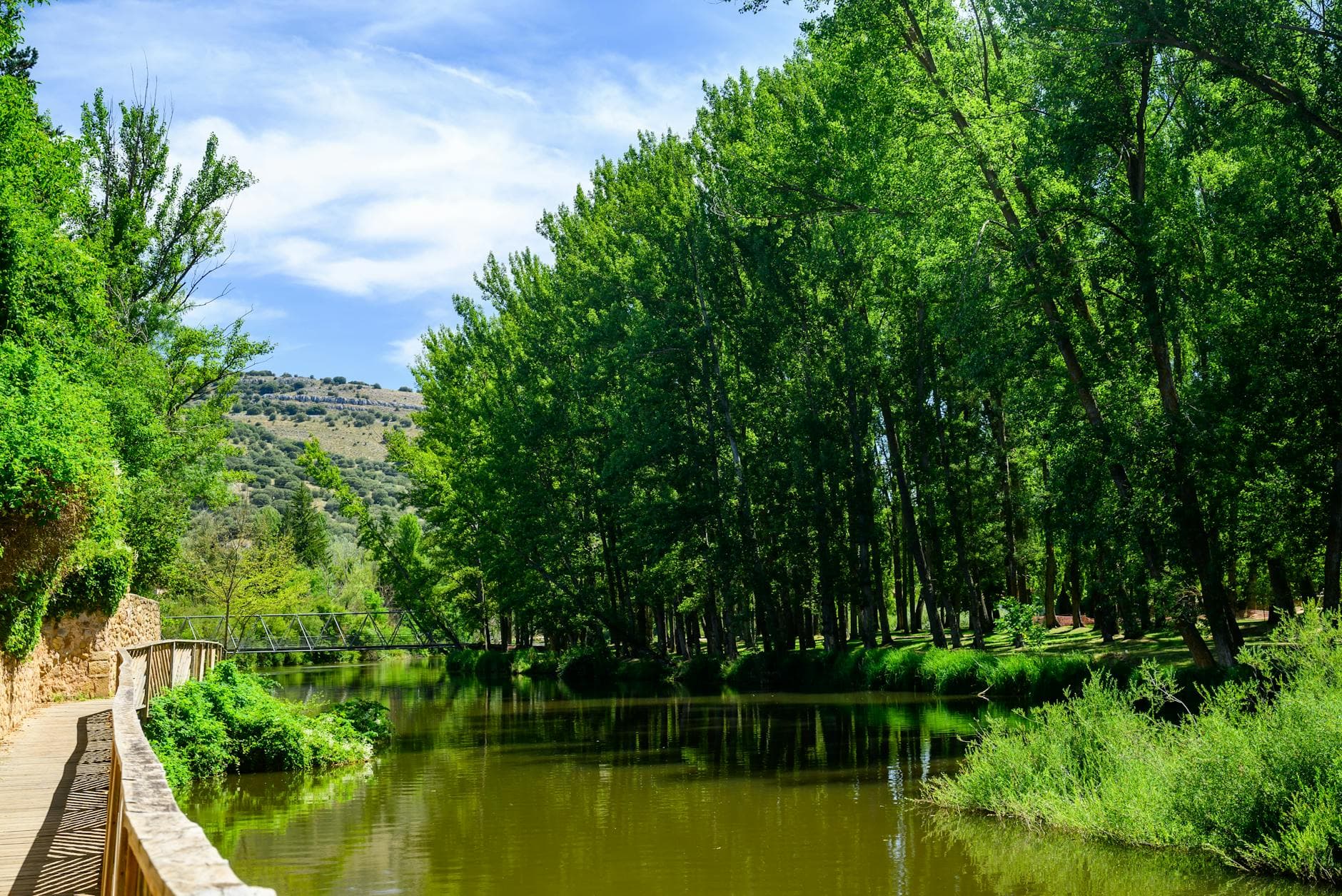
Where to Stay in Castilla y León Wine Country: Complete 2026 Guide
Find the best places to stay in Castilla y León for wine lovers. From Rueda Verdejo estates to Toro Tinta de Toro bodegas, discover the perfect base for Spain's largest wine-producing community.
Planning a trip to Castilla y Leon?
Compare hotels, vineyard B&Bs and rentals across Booking, Airbnb and more in one search.
Castilla y León is Spain's vast interior heartland — the meseta that stretches across northwestern Spain, home to medieval cities (Segovia, Salamanca, León, Burgos), vast plains, and a wine diversity that surprises visitors expecting only Ribera del Duero (covered in its own guide). Beyond Ribera, this autonomous community harbours some of Spain's most exciting wines: Rueda's crisp Verdejo whites, Toro's thunderous Tinta de Toro reds, Bierzo's elegant Mencía, and lesser-known gems like Cigales rosados and Arribes reds.
The altitude is defining — most vineyards sit between 600 and 900 metres, creating extreme continental conditions: freezing winters, scorching summers, and dramatic day-night temperature swings. These extremes give Castilla y León's wines their hallmark combination of power and freshness.
Best Areas to Stay in Castilla y León Wine Country at a Glance:
- For Ribera del Duero: See dedicated Ribera del Duero guide
- For Verdejo whites: Rueda (Medina del Campo, La Seca) — Spain's top white DO
- For power reds: Toro — Tinta de Toro, big reds, growing quality
- For elegant reds: Bierzo — Mencía, green hills, Camino heritage
- For city base: Valladolid — regional capital, gateway to Rueda + Ribera + Cigales
Best Areas to Stay for Wine Tasting

Rueda (Medina del Campo, La Seca)
Spain's most important white wine DO. Rueda's sandy, stony soils at 700-800m altitude produce Verdejo — a crisp, herbal, aromatic white that has become Spain's go-to quality white. La Seca, a dusty wine village, has the highest Verdejo concentration. Medina del Campo offers the castle where Queen Isabella died and one of Spain's great plazas.
Why wine lovers choose Rueda:
- Spain's best white wines (Verdejo)
- Growing quality movement — old-vine, barrel-fermented styles
- Medina del Campo's castle and plaza
- Close to Valladolid (45 min)
- Affordable, uncrowded
Price range: €40-140/night
Best for: White wine lovers, those wanting a Ribera counterpoint, value seekers
Wine access: Several bodegas open for visits in La Seca and surrounding villages. Book 1 week ahead.
Where to stay: El Jaraiz de Don Marciano, a well-reviewed guesthouse near the bodegas of Medina del Campo, or Hotel Villa de Ferias in the town centre.
Toro
Toro produces Spain's most powerful reds — Tinta de Toro (the local Tempranillo clone, thick-skinned, intense) on sandy soils at 620-750m altitude. For decades this meant rustic, over-extracted wines. No longer. Producers like Pintia (Vega Sicilia's Toro project), Numanthia, and Elías Mora now make wines of concentration with finesse.
Why wine lovers choose Toro:
- Spain's most powerful reds
- Historic Tinta de Toro — unique Tempranillo expression
- Medieval town on the Duero River
- Improving quality dramatically
- Excellent value
Price range: €35-130/night
Best for: Big-red lovers, Spanish wine geeks, value seekers
Wine access: Several bodegas welcome visitors. Book a few days ahead.
Where to stay: Valbusenda Hotel Bodega & Spa, built around its own winery and vineyards, or Country Escape, a design hotel nestled among the vines of Vega de Toro.
Bierzo (Ponferrada, Villafranca del Bierzo)
Northwestern Castilla y León's green, hilly corner — dramatically different from the dry meseta. Mencía, an elegant red grape, produces wines of freshness, mineral complexity, and floral perfume that have drawn comparisons to Pinot Noir. The Camino de Santiago passes through, adding cultural depth.
Why wine lovers choose Bierzo:
- Mencía — Spain's most exciting red grape variety
- Green, mountainous landscape (unlike the meseta)
- Camino de Santiago heritage
- Ponferrada's Templar castle
- Emerging producer quality (Descendientes de J. Palacios)
Price range: €35-130/night
Best for: Mencía enthusiasts, Camino walkers, nature lovers
Wine access: Growing number of producers open. Ponferrada wine bars.
Where to stay: Parador de Villafranca del Bierzo, or the highly-rated Venecia Bed & Breakfast in town.
Valladolid
The regional capital and practical gateway to three DOs: Ribera del Duero (east), Rueda (south), and Cigales (north). The city has excellent restaurants, a wine-focused food scene, and the Museo Nacional de Escultura.
Why wine lovers choose Valladolid:
- Gateway to Ribera, Rueda, and Cigales
- Best restaurant scene in the region
- Train hub (AVE high-speed from Madrid)
- Cultural attractions
- More accommodation options
Price range: €50-200/night
Best for: Urban travellers, those without a car (rent here), multi-DO explorers
Wine access: City wine bars. Day trips to three DOs (30-60 min each).
Where to stay: Abadía Retuerta Le Domaine, a restored 12th-century abbey overlooking its own vineyards, or AC Hotel Palacio de Santa Ana by Marriott in the city.
Cigales

A small DO between Valladolid and Ribera del Duero, historically known for rosados (rosés) but increasingly producing serious Tempranillo reds. The underground bodegas (cellars beneath village streets) are fascinating.
Why wine lovers choose Cigales:
- Underground cellar village tours
- Excellent rosado tradition
- Improving reds
- Very close to Valladolid (15 min)
- Undiscovered — almost no tourists
Price range: €35-110/night
Best for: Off-the-beaten-path seekers, rosé lovers, underground cellar enthusiasts
Where to stay: Castilla Termal Valbuena, a former monastery-turned-hotel with vineyard views, or Hotel & Spa Arzuaga with its own wine-therapy spa.
Types of Wine Country Accommodation
Posadas & Rural Hotels (€40-140/night)
Traditional Castilian inns in stone buildings throughout the wine zones. Simple, comfortable, and serving excellent regional cuisine (roast lamb, suckling pig).
What to expect:
- Castilian stone architecture
- Traditional cuisine (wood-fired roasts)
- Central town locations
- Good value
- Hearty breakfasts
Best for: Traditionalists, food lovers, budget-conscious travellers
Parador Hotels (€90-220/night)
Castilla y León has some of Spain's finest paradors — in León, Salamanca, and other historic cities.
What to expect:
- Historic buildings
- Traditional hospitality
- Regional cuisine
- Prime locations
- Excellent value for quality
Best for: History lovers, city base stays, special occasions
Casas Rurales (€30-90/night)
Rural stone houses throughout the region — self-catering or B&B format. Extraordinary value.
What to expect:
- Traditional architecture
- Village settings
- Self-catering or breakfast included
- Fireplaces (winter)
- Rock-bottom prices
Best for: Budget travellers, families, longer stays
Budget Options (Under €40/night)
Castilla y León is Spain's best-value wine destination.
Options:
- Simple casas rurales
- Hostales in wine towns
- Pensiones in cities
- Camino albergues (if walking)
Best for: Budget travellers, pilgrims, students
When to Visit

High Season (May-June, September-October)
What to expect:
- Warm to hot (72-95°F)
- Harvest in October
- Spring and autumn ideal for wine touring
- Not crowded (this region is never crowded)
Best months: October (harvest) or May (warm, green)
Avoid (July-August)
What to expect:
- Extreme heat on the meseta (35-40°C)
- Cities empty
- Not ideal for wine touring
| Month | Weather | Crowds | Prices | Highlights |
|---|---|---|---|---|
| Jan-Mar | Cold, frost | Very low | Lowest | Quiet, matanza season |
| Apr-May | Mild, spring | Low-Medium | Medium | Wildflowers, pleasant |
| Jun | Warm | Medium | Medium | Pre-heat, long days |
| Jul-Aug | Very hot | Low | Low-Medium | Too hot for touring |
| Sep-Oct | Warm, harvest | Medium | Medium | Harvest season |
| Nov-Dec | Cold | Very low | Lowest | Quiet, roast season |
Insider Tips
- Try Verdejo old-vine cuvées — Beyond the fresh, young Rueda style, barrel-fermented old-vine Verdejo from producers like Belondrade and Menade is Spain's finest white wine.
- Discover Mencía — If you love Pinot Noir, Bierzo's Mencía will captivate you. Álvaro Palacios' Corullón bottlings are benchmark.
- Eat roast lamb — Lechazo asado (wood-oven roast milk-fed lamb) is Castilla's greatest dish. Pair with Toro or Ribera.
- Visit underground Cigales — The village's subterranean bodegas are extraordinary and almost unknown to tourists.
- Combine DOs from Valladolid — Ribera east, Rueda south, Cigales north, Toro west. One city, four wine regions.
- Don't skip Toro — The quality leap in the past decade is remarkable. Prices remain a fraction of Ribera del Duero.
- Travel by AVE — High-speed rail from Madrid to Valladolid takes 55 minutes. Rent a car there.
Book Your Castilla y León Stay
Browse curated wine country stays — from Rueda wine estates to Bierzo mountain hotels.
More Wine Travel Guides
Word Count: ~1,750
Last Updated: March 2026
Author: WineTravelGuides Editorial Team
Ready to visit Castilla y Leon?
Build your personalised day-by-day itinerary — choose your travel style and trip length, get accommodation and tour picks per day, and email it to yourself to take along.
Upcoming Wine Festivals in Spain
See all festivalsHidden Gems Nearby
Discover more hidden gemsClos Mogador
WTG PickPriorat, Spain
One of Priorat's founding five estates, perched on terrifying slate terraces that you can walk through with the winemaker himself.
Grenache · Carignan · Syrah
Envínate
WTG PickCanary Islands, Spain
Pre-phylloxera vines on a volcano at 1,700 metres — Spain's most exciting young winemakers in the most unlikely of locations.
Listán Negro · Listán Blanco
Bodegas Forjas del Salnés
Galicia, Spain
Single-vineyard Albariños that prove this grape belongs in the conversation with great white Burgundy, from a quiet Galician village.
Albariño
Book Your Castilla y Leon Wine Country Stay
Compare hotels, vineyard B&Bs and rentals across Booking, Airbnb and more in one search.
Compare stays near the vineyardsStay22
Plan Your Where to Stay in Castilla y León Wine Country: Complete 2026 Guide Trip
Estimate your Where to Stay in Castilla y León Wine Country: Complete 2026 Guide trip cost
Budget calculator with accommodation, food, wine, and transport estimates.
Try itCompare Where to Stay in Castilla y León Wine Country: Complete 2026 Guide with other regions
Side-by-side comparison of cost, climate, wine styles, and more.
Try itWhen to visit Where to Stay in Castilla y León Wine Country: Complete 2026 Guide
Harvest dates, peak season, and the best months for wine travel.
Try itThis page contains affiliate links. We may earn a commission at no extra cost to you.