 Photo: Susanna Marsiglia / Pexels
Where to Stay in Douro Valley, Portugal: Complete 2026 Guide
Find the best places to stay in Portugal's Douro Valley for wine lovers. From Pinhão luxury quintas to Porto Port lodges, discover the perfect base for your Douro wine trip.
Planning a trip to Douro Valley?
Compare hotels, vineyard B&Bs and rentals across Booking, Airbnb and more in one search.
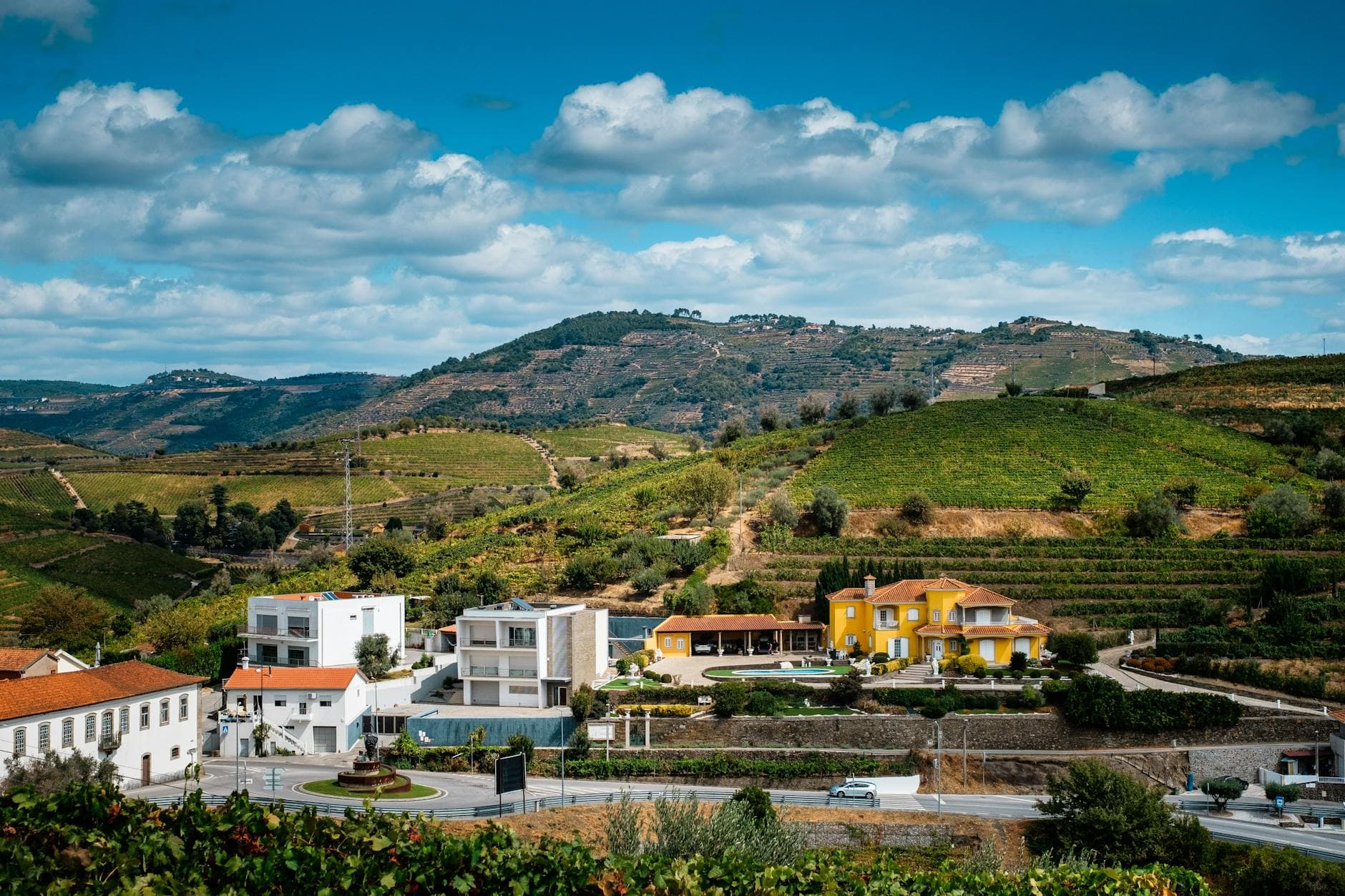
The Douro Valley is the world's oldest officially demarcated wine region. The Marquis of Pombal drew its boundaries in 1756—more than a century before Bordeaux or Chianti followed suit. UNESCO agreed with his instincts, inscribing the Alto Douro Wine Region as a World Heritage Site in 2001. The valley's terraced vineyards, carved into steep schist slopes above the Douro River, produce some of Europe's most distinctive wines: Port, obviously, but also the still reds and whites labelled Douro DOC that are quietly building a reputation to rival anything from Iberia.
Getting your base right matters more here than in most wine regions. The Douro stretches over 250 km from Porto to the Spanish border, and the terrain is rugged. Roads wind along cliff edges. Public transport is limited to one narrow-gauge rail line and a handful of buses. Where you sleep determines whether you'll spend your days walking to tastings or white-knuckling a rental car around blind hairpins. This guide covers the five best areas, what each costs, and who they suit.
Best Areas to Stay in Douro Valley at a Glance:
- For vineyard immersion: Pinhao — valley's heart, luxury quintas, river views
- For practical access: Peso da Regua — gateway town, more services, Douro Museum
- For hilltop charm: Lamego — Sanctuary of Remedios, sparkling wine, cooler nights
- For urban convenience: Porto / Vila Nova de Gaia — Port lodges, restaurants, day trips
- For wild remoteness: Upper Douro / Foz Coa — prehistoric rock art, frontier character
Best Areas to Stay for Wine Tasting
Pinhao
The undisputed heart of the Douro. Pinhao sits where the River Pinhao meets the Douro, surrounded on all sides by classified vineyards. The tiny railway station — decorated with hand-painted azulejo tiles depicting harvest scenes — is worth a visit in itself. This is where the major port houses own their flagship quintas, and where the valley feels most dramatic.
Why wine lovers choose Pinhao:
- Surrounded by A-grade classified vineyards on every slope
- Walking distance to Quinta do Bomfim (Symington), Quinta de la Rosa, and Quinta do Noval
- Azulejo tile railway station, one of Portugal's most photographed
- Rabelo boat cruises depart from the village
- The N222 road passes through — often called the world's best driving road
Nearby quintas: Quinta do Crasto, Quinta do Vallado, Quinta da Roeda (Croft), Quinta de la Rosa, Quinta do Bomfim (Dow's)
Price range: €120-400/night
Best for: Serious wine lovers, couples, photographers, anyone wanting full vineyard immersion
Wine access: Several quintas within walking or short taxi distance. Most offer tastings with advance booking. Some serve lunch with wine pairings.
Trade-off: Very limited shops and restaurants. Summer temperatures regularly hit 40°C+. Book accommodation well ahead — Pinhao has fewer than 200 rooms total.
Where to stay: The Vintage House, overlooking the Douro River in the town centre, or Quinta de la Rosa, a family-run riverside estate pouring its own wine since 1906.
Peso da Regua (Regua)
The Douro's commercial hub and the most practical base for a wine trip. Regua sits at the western edge of the demarcated region where the Corgo River joins the Douro. It has actual supermarkets, pharmacies, ATMs, and the excellent Douro Museum, which explains the region's winemaking history from Roman times to today.
Why wine lovers choose Regua:
- More hotels, restaurants, and services than anywhere else in the valley
- Douro Museum — the best wine museum in Portugal
- Train connections to Porto (2 hours) and Pinhao (30 minutes)
- River cruise embarkation point
- Central location between lower and upper Douro
Price range: €70-200/night
Best for: First-time visitors, families, those without a car, travellers wanting convenience
Wine access: Several producers nearby. Easy day trips to Pinhao or Lamego. Tour operators run full-day tasting excursions from Regua.
Trade-off: Less scenic than Pinhao — more town, less vineyard. The Douro's charm is in its rural quintas, and Regua can feel like you've stopped short.
Where to stay: Six Senses Douro Valley, a terracotta-hued manor house on the riverbank with a gourmet restaurant and spa, or Quinta do Vallado, a wine hotel in an 18th-century manor.
Lamego
Perched on a hilltop above the Douro Valley's south bank, Lamego offers something the riverside towns cannot: relief from the heat. At 500 metres altitude, nights are cooler and the air carries the scent of pine and chestnut. The town is dominated by the Sanctuary of Nossa Senhora dos Remedios, a Baroque church reached by a monumental 686-step staircase — Portugal's answer to Bom Jesus in Braga.
Why wine lovers choose Lamego:
- Cooler temperatures than the valley floor (a real factor in July-August)
- Sanctuary of Remedios — one of northern Portugal's finest monuments
- Raposeira sparkling wine cellars (Portugal's oldest sparkling producer, est. 1898)
- Historic town centre with good restaurants
- Less touristy than Pinhao, more character than Regua
Price range: €60-180/night
Best for: History lovers, budget-conscious travellers, summer visitors escaping valley heat
Wine access: Raposeira cellars in town. Douro vineyards 20-30 minutes downhill. A car is necessary.
Trade-off: You're above the valley, not in it. Driving to quintas adds 20-40 minutes each way.
Where to stay: The Wine House Hotel at Quinta da Pacheca, surrounded by private vineyards, or Lamego Hotel & Life, between the town centre and the valley.
Porto and Vila Nova de Gaia
Porto needs no introduction — but its role as a Douro wine base is worth spelling out. The Port wine lodges of Vila Nova de Gaia, directly across the river from Porto's Ribeira district, are where Port has been aged and blended since the 18th century. Taylor's, Graham's, Sandeman, Ramos Pinto, and dozens more offer cellar tours and tastings. You can spend two full days in Gaia alone without repeating a lodge.
Why wine lovers choose Porto:
- Port wine lodges across the river in Gaia — dozens within walking distance
- World-class restaurants (several Michelin stars)
- Direct international flights to Porto Airport
- Train to Regua and Pinhao follows the Douro River — one of Europe's great rail rides
- Cultural depth: Livraria Lello, Sao Bento station, Ribeira riverside
Price range: €80-350/night
Best for: Urban travellers, short trips, those combining city and wine country, first-time Portugal visitors
Wine access: Excellent for Port tasting in Gaia. For Douro Valley quintas, plan a full-day trip (1.5 hours each way by car, 2-3 hours by train).
Trade-off: You're not in wine country — you're in a city. The Douro Valley experience (terraces, silence, river bends) requires committing to the drive or train ride.
Where to stay: The Yeatman Hotel, carved into the hillside with a Michelin-starred restaurant and an encyclopaedic wine cellar, steps from Taylor's Port Cellars, or Pestana Freixo, a UNESCO-listed baroque palace on the riverbank.
Upper Douro and Foz Coa
East of Pinhao, the valley opens up and dries out. The landscape turns wilder — hotter summers, colder winters, fewer tourists. This is the Douro Superior, where some of the region's most concentrated wines originate. The town of Vila Nova de Foz Coa sits near the Coa Valley Archaeological Park, home to thousands of Palaeolithic rock engravings (another UNESCO site, predating the cave paintings at Lascaux).
Why wine lovers choose the Upper Douro:
- Wildest, least-visited stretch of the demarcated region
- Coa Valley rock art — 25,000-year-old open-air engravings
- Remote quintas with frontier character
- Some of the Douro's most intense wines come from here
- Genuine solitude — no tour buses, no crowds
Price range: €50-150/night
Best for: Adventurous travellers, archaeology enthusiasts, those who've already done the "main" Douro
Wine access: Fewer quintas open to visitors. Those that are tend to give you more time and attention. Appointments essential.
Trade-off: Remote means remote. Limited accommodation, few restaurants, long drives to Pinhao or Regua. A car is non-negotiable.
Where to stay: Casa do Rio Wine Hotel, an eight-suite boutique property surrounded by organic vineyards with kayaks and daily tastings included.
Types of Wine Country Accommodation
Quintas and Wine Estates (€120-500/night)
The signature Douro experience. A quinta is a wine estate, and several now offer guest rooms ranging from converted farmhouses to architect-designed suites overlooking the terraces. Staying at a working quinta means vineyard walks before breakfast, tastings in the cellar, and dinners paired with wines made from the grapes growing outside your window.
Notable quintas with accommodation:
- Quinta do Vallado (Regua) — historic estate, modern wine hotel wing
- Quinta da Roeda (Pinhao) — Croft's flagship, stunning river position
- Quinta de la Rosa (Pinhao) — family-run, excellent restaurant
- Quinta do Crasto (between Regua and Pinhao) — dramatic hilltop, award-winning oils and wines
Best for: Wine enthusiasts, couples, special occasions
River Hotels (€100-300/night)
A handful of modern hotels occupy prime riverside positions, offering pools, spas, and terraces facing the Douro. These tend to be larger properties with more amenities than quintas — good for travellers who want wine country without roughing it.
What to expect:
- River-view rooms, often with balconies
- Swimming pools (essential in Douro summers)
- On-site restaurants with regional cuisine
- Organised wine tours and boat trips
- Air conditioning — do not underestimate this
Best for: Families, comfort-oriented travellers, summer visitors
Village Guesthouses and Casas de Campo (€50-120/night)
Small guesthouses in villages like Provesende, Favaios, and Barcos offer an authentic alternative to quintas. Expect thick stone walls, home-cooked breakfasts with local honey and cheese, and hosts who know every winemaker within 20 km.
What to expect:
- Converted granite or schist houses
- Home-cooked meals featuring regional specialities
- Local knowledge no guidebook matches
- Quiet village atmosphere
- Often family-run with genuine hospitality
Best for: Budget travellers, those seeking local immersion, longer stays
Porto City Hotels (€80-350/night)
Porto's hotel scene ranges from riverside hostels to five-star palaces. For wine-focused travellers, look for hotels in the Ribeira (riverside), Gaia waterfront (walking distance to lodges), or Cedofeita (residential, good restaurants).
What to expect:
- Full urban amenities and nightlife
- Easy access to Gaia's Port lodges
- International dining alongside traditional tascas
- Metro/bus/taxi coverage
- Day-trip logistics to Douro Valley
Best for: Short breaks, urban travellers, Porto + Douro combination trips
When to Visit Douro Valley
Harvest Season — Vindima (September)
The most exciting time to visit. Grapes are picked by hand on the steep terraces — mechanical harvesting is impossible on most Douro slopes. Some quintas invite guests to join the vindima, treading grapes in granite lagares the way it's been done for centuries. Book months ahead; this is peak season.
Summer (June-August)
The Douro is one of the hottest wine regions in Europe. Temperatures on the valley floor regularly exceed 40°C in July and August. The schist slopes radiate heat well into the evening. If you visit in summer, stay at altitude (Lamego), choose accommodation with a pool, and schedule tastings for early morning or late afternoon.
Spring (March-May)
The valley is at its most beautiful in spring. Wildflowers cover the terraces, almond trees blossom white and pink, and the river runs full. Temperatures are comfortable (18-25°C). Fewer tourists, easier bookings, lower prices.
Winter (November-February)
Quiet and cold, especially at altitude. Many quintas close for the season. Porto and Gaia remain fully operational year-round. If you visit, focus on Porto's lodges and Regua's museum. Accommodation prices drop significantly.
| Month | Weather | Crowds | Prices | Highlights |
|---|---|---|---|---|
| Jan-Feb | Cold, 5-12°C | Very low | Lowest | Almond blossom (late Feb), quiet lodges |
| Mar-Apr | Mild, 15-22°C | Low-medium | Medium | Wildflowers, comfortable walking |
| May-Jun | Warm, 22-32°C | Medium-high | High | Long days, pre-harvest calm |
| Jul-Aug | Hot, 35-42°C | Medium | High | Valley heat, pool essential |
| Sep | Warm, 25-32°C | Highest | Highest | Vindima harvest, must-book ahead |
| Oct | Mild, 18-25°C | Medium | Medium-high | Autumn colours, post-harvest tastings |
| Nov-Dec | Cool, 8-15°C | Low | Low | Many quintas closed, Porto focus |
Insider Tips for Staying in Douro Valley
- Take the train from Porto to Pinhao. The Linha do Douro follows the river for three hours through tunnels and along cliff edges. It's one of Europe's finest train rides, and it costs under €15. Sit on the right side heading east.
- Douro DOC reds are the real story now. Port gets the fame, but the unfortified Douro DOC reds — made from the same grape varieties (Touriga Nacional, Touriga Franca, Tinta Roriz) — are what serious Portuguese wine drinkers are most excited about. Ask for them at every tasting.
- Book quintas early for September. Vindima accommodation sells out months ahead. If you want to participate in a harvest experience (grape picking, foot-treading), contact quintas directly by May or June.
- Drive the N222. The road from Regua to Pinhao along the north bank of the Douro has been called the world's best road to drive. It earned that reputation. Allow extra time — you'll stop constantly for photos.
- River cruises vs. self-drive are different trips. A day cruise (Regua to Pinhao or vice versa) gives you the river views and a relaxed lunch. Driving gives you access to hilltop quintas and villages the boats cannot reach. Ideally, do one of each.
- Summer heat is serious, not quaint. At 40°C+, the Douro valley floor feels like a furnace. Plan tastings before 11am or after 4pm. Always carry water. Air conditioning and a pool are not luxuries — they're necessities from late June through August.
- Learn some Portuguese. English is widely spoken at the major quintas, but smaller producers and village guesthouses operate in Portuguese. Even basic phrases open doors and get you poured things that aren't on the official tasting list.
- Don't skip the food. Douro cuisine is built on the same rugged terrain as its wines — grilled meats, river fish (especially lamprey in spring), alheira sausage, chestnuts, and olive oil from the same estates that produce the wine. Ask your quinta or guesthouse to arrange a meal.
Book Your Douro Valley Wine Country Stay
Ready to explore Portugal's original wine country? Browse curated wine country stays — from riverside quintas in Pinhao to boutique hotels in Porto, all selected for wine lovers who want more than a hotel room.
The Douro rewards those who slow down. Pick a quinta, pour a glass of aged tawny on the terrace, and watch the light change across the terraces. This valley has been making wine for over two thousand years. It's in no hurry, and neither should you be.
More Douro Valley Wine Travel Guides
- Douro Valley Wine Region Overview
- Porto Wine Guide
- Portugal Wine Regions
- Port Wine Guide
- Touring Douro by Train
Word Count: ~2,450
Last Updated: March 2026
Author: WineTravelGuides Editorial Team


Ready to visit Douro Valley?
Build your personalised day-by-day itinerary — choose your travel style and trip length, get accommodation and tour picks per day, and email it to yourself to take along.
Upcoming Wine Festivals in Portugal
See all festivalsHidden Gems Nearby
Discover more hidden gemsHerdade do Esporão
Alentejo, Portugal
A complete wine tourism destination in the Alentejo with a restaurant, museum, and amphora wines — yet almost unknown outside Portugal.
Touriga Nacional · Aragonez · Antão Vaz
Quinta do Vallado
Douro Valley, Portugal
A 300-year-old Douro estate with a stunning modern wine hotel, making table wines that rival the best in Portugal — yet overshadowed by the port houses.
Touriga Nacional · Tinta Roriz · Port
Quinta dos Roques
Dão, Portugal
A Dão pioneer making some of Portugal's most elegant reds in a region that's a fraction of the price and crowds of the Douro.
Touriga Nacional · Encruzado · Tinta Roriz
Book Your Douro Valley Wine Country Stay
Compare hotels, vineyard B&Bs and rentals across Booking, Airbnb and more in one search.
Compare stays near the vineyardsStay22
Plan Your Where to Stay in Douro Valley, Portugal: Complete 2026 Guide Trip
Estimate your Where to Stay in Douro Valley, Portugal: Complete 2026 Guide trip cost
Budget calculator with accommodation, food, wine, and transport estimates.
Try itCompare Where to Stay in Douro Valley, Portugal: Complete 2026 Guide with other regions
Side-by-side comparison of cost, climate, wine styles, and more.
Try itWhen to visit Where to Stay in Douro Valley, Portugal: Complete 2026 Guide
Harvest dates, peak season, and the best months for wine travel.
Try itThis page contains affiliate links. We may earn a commission at no extra cost to you.