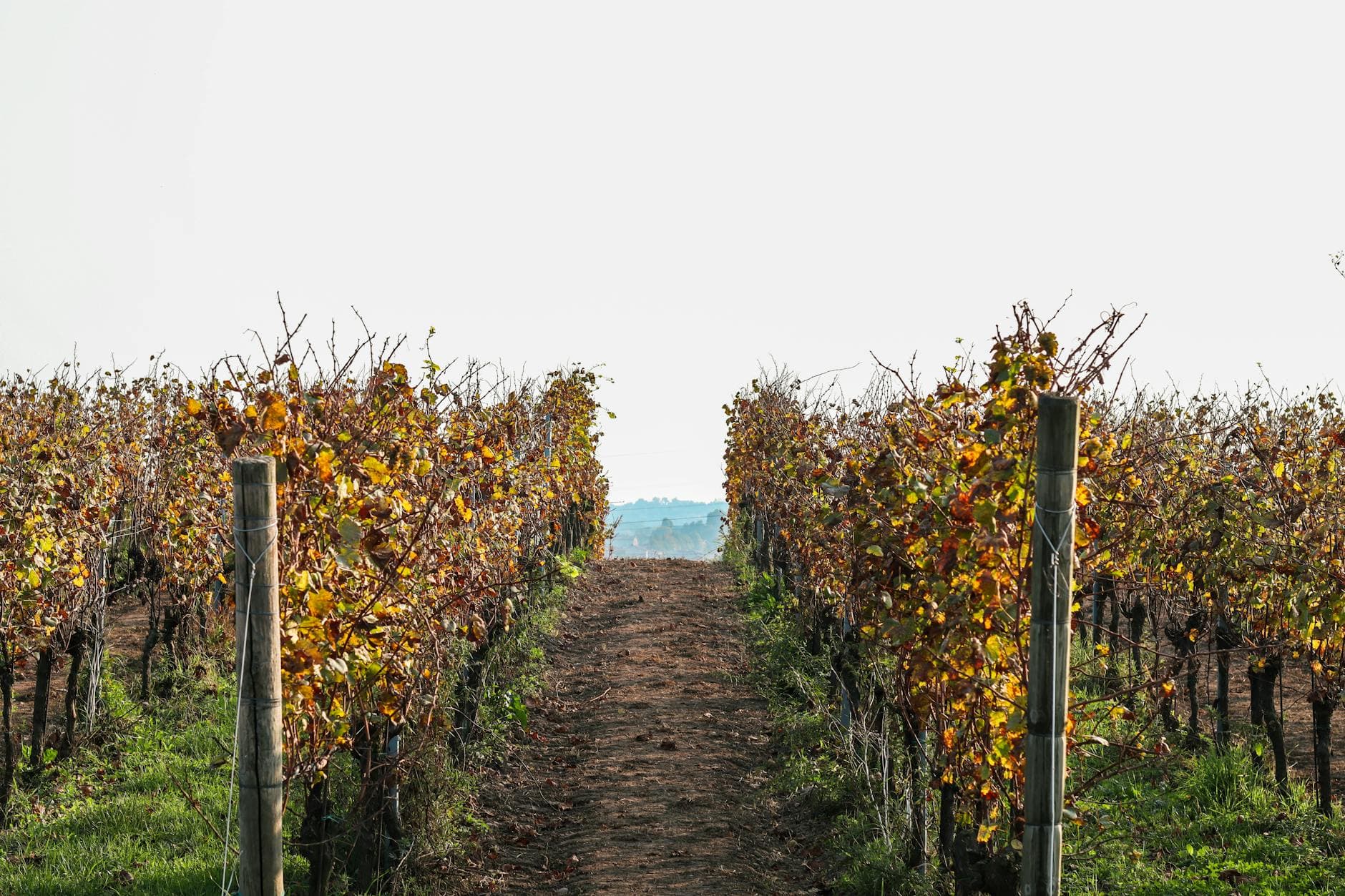
 Photo: Vladimir Srajber / Pexels
Where to Stay in Galicia Wine Country: Complete 2026 Guide
Find the best places to stay in Galicia, Spain for wine lovers. From Cambados and the Albariño heartland to Ribeira Sacra's terraced canyons, discover the perfect base for exploring Spain's Atlantic wine coast.
Planning a trip to Galicia?
Compare hotels, vineyard B&Bs and rentals across Booking, Airbnb and more in one search.
Galicia is the Spain most people don't expect. The northwest corner of the Iberian Peninsula sits above Portugal on the Atlantic coast, where the climate is wet, the hills are green, and the culture is closer to Celtic Britain than to Andalusian sunshine. This is where the Albariño grape reaches its finest expression — grown across the Rías Baixas DO on granite-soiled slopes, trained on distinctive pergola trellises (parrales) that lift the fruit canopy above the damp ground. The rías themselves — long, narrow inlets where rivers meet the Atlantic — shape everything here: the cool maritime air that preserves acidity in the grapes, the shellfish and seafood culture that defines the table, and the misty, moody atmosphere that makes the region feel more like Brittany than Barcelona. Santiago de Compostela, the end point of the Camino pilgrimage route, sits at Galicia's centre, its granite cathedral drawing walkers from across Europe.
But Galicia's wine story extends well beyond Albariño and the coast. Head inland to Ourense province and you'll find O Ribeiro, one of Spain's oldest wine zones, where the Treixadura grape produces textured, aromatic whites alongside Godello and Lado. Further east, Ribeira Sacra delivers some of the most visually extraordinary viticulture in Europe: steep, terraced vineyards clinging to the walls of the Sil River canyon, where red Mencía grapes are harvested by hand on gradients that would trouble a mountain goat. The terraces, some dating to Roman times, drop hundreds of metres to the river below. Between the Atlantic coast and these river gorges, Galicia offers a wine trip unlike anything else in Spain — quieter, wetter, stranger, and deeply tied to a food culture built on octopus, percebes (goose barnacles), and the freshest shellfish on the continent.
Best Areas to Stay in Galicia at a Glance:
- For Albariño immersion: Cambados — wine capital of Rías Baixas, seafood market, Festa do Albariño
- For a walkable base: Pontevedra — stunning old town, excellent restaurants, easy Rías Baixas access
- For culture + food: Santiago de Compostela — pilgrimage city, cathedral, Galician gastronomy hub
- For inland wines + thermal springs: O Ribeiro / Ourense — Treixadura country, hot springs, different character
- For dramatic scenery: Ribeira Sacra — terraced Sil canyon, Mencía vineyards, remote and spectacular
Best Areas to Stay for Wine Tasting

Cambados
The self-proclaimed capital of Albariño, and it earns the title. This small coastal town on the western shore of the Ría de Arousa is the administrative heart of the Val do Salnés sub-zone — widely considered the finest terroir within Rías Baixas. Pazo Bazán, one of Galicia's grand manor houses, sits in the town centre and houses both a winery and a hotel. The seafood market operates daily, and the restaurants here serve Albariño with the shellfish it was born to accompany. In early August, the Festa do Albariño takes over the town — three days of tastings, music, and crowds.
Why wine lovers choose Cambados:
- Geographic and spiritual centre of Albariño production
- Pazo Bazán winery and hotel in the town itself
- Walking distance to multiple producers in Val do Salnés
- Daily seafood market — razor clams, oysters, percebes
- Festa do Albariño held here every August (first weekend)
- Ethnographic Museum of Wine (Museo Etnográfico do Viño)
Price range: €70–180/night
Best for: Albariño devotees, seafood lovers, those wanting to be at the centre of Rías Baixas wine culture
Wine access: Several producers within a short drive, including Pazo de Señoráns, Mar de Frades, and Do Ferreiro. Pazo Bazán is in town. Most cellars welcome visitors with advance notice.
Trade-off: Small town with limited nightlife. Peak season (July–August, especially during the Festa) books out fast. Rain is frequent year-round.
Where to stay: Parador de Cambados, a restored noble house overlooking the Arousa estuary, or Hotel Quinta de San Amaro, a rural retreat surrounded by vineyards.
Pontevedra
One of Spain's most underrated cities. Pontevedra's old town is almost entirely pedestrianised — a maze of granite arcades, small plazas, and tapas bars that feels both medieval and alive. The city won the 2014 European Prize for Urban Public Space for its car-free centre, and the effect on daily life is immediate: families, students, and old men sharing plazas without competing with traffic. As a wine base, Pontevedra sits roughly 20 minutes from the Albariño heartland of Cambados and the Salnés valley, with easy road access to the southern Rías Baixas sub-zones of O Rosal and Condado do Tea near the Portuguese border.
Why wine lovers choose Pontevedra:
- Beautiful, walkable, pedestrianised old town
- Best restaurant density in the Rías Baixas area
- Central location between coastal and southern sub-zones
- Real city amenities — shops, pharmacies, transport links
- Train connections to Santiago, Vigo, and Porto
Price range: €60–160/night
Best for: Couples, food-focused travellers, those who want a comfortable urban base with wine country on the doorstep
Wine access: 20–30 minutes by car to Cambados and the Salnés valley. Southern sub-zones (O Rosal, Condado do Tea) are 40–50 minutes south. Day-trip range to all five Rías Baixas sub-zones.
Trade-off: You're in a city, not among vineyards. Every tasting requires a drive. Pontevedra itself has no wine production.
Where to stay: Parador de Pontevedra, set in a former counts' residence in the old town, or a restored 16th-century palace hotel in the historic quarter.
Santiago de Compostela
The end of the Camino de Santiago — one of Europe's great pilgrimage routes — and a city that has built an extraordinary food and cultural scene on the back of centuries of walker traffic. The granite cathedral, Romanesque old town (a UNESCO World Heritage site), and the Mercado de Abastos (one of Spain's best food markets) make Santiago a destination independent of wine. As a base for Galician wine touring, it works best for travellers who want cultural richness alongside their cellar visits, or who plan to explore multiple wine zones across the region.
Why wine lovers choose Santiago:
- UNESCO World Heritage old town and cathedral
- Mercado de Abastos — outstanding food market
- Best flight connections in Galicia (Santiago airport, SCQ)
- Strong restaurant scene with Galician classics done well
- Feast of Santiago (July 25) — fireworks, botafumeiro ceremony
- Within day-trip range of Rías Baixas, Ribeiro, and Ribeira Sacra
Price range: €70–220/night
Best for: Cultural travellers, first-time Galicia visitors, those exploring multiple wine zones from a single base
Wine access: 45–60 minutes to Cambados and the Salnés valley by car. Ribeiro is about 90 minutes southeast. Ribeira Sacra is a longer drive (2+ hours). Santiago works as a hub, not a vineyard-adjacent base.
Trade-off: The furthest option from any vineyard. Pilgrimage-season crowds (summer, Holy Years) can overwhelm the old town. Accommodation prices spike during the Feast of Santiago.
Where to stay: Hotel Rua Villar, steps from the cathedral, or Hotel Miguel, tucked into a quiet Old Town square.
O Ribeiro / Ourense
Head inland and Galicia changes character entirely. The Atlantic moisture fades, the terrain dries out, and the vineyards shift from coastal pergola trellises to more conventional training on slopes above the Miño and Avia rivers. O Ribeiro — one of Galicia's oldest DOs — produces aromatic whites from Treixadura (the flagship grape), often blended with Godello, Lado, and Torrontés. The wines are fuller and rounder than coastal Albariño, with a honeyed, almost waxy texture. The city of Ourense itself is famous for its thermal hot springs — public pools fed by naturally heated water along the Miño riverbank, free to use and steaming year-round.
Why wine lovers choose O Ribeiro / Ourense:
- Distinct wine character — Treixadura, Godello, different terroir from the coast
- Ourense thermal springs (As Burgas, Outariz, Chavasqueira) — free, open-air, spectacular
- Coto de Gomariz, one of Spain's finest white wine producers, based here
- Less touristy than the coast — genuine inland Galician life
- Excellent tapas scene in Ourense old town (Rúa do Paseo area)
Price range: €50–140/night
Best for: Hot spring enthusiasts, white wine connoisseurs looking beyond Albariño, travellers wanting a quieter, less conventional Galician experience
Wine access: Multiple O Ribeiro producers within 20–30 minutes of Ourense. Coto de Gomariz is a standout visit. The DO is compact and easy to tour by car.
Trade-off: No coastal scenery or seafood market culture. Fewer international tourists means fewer English-speaking hosts. Limited accommodation in the wine villages themselves — Ourense city is the practical base.
Where to stay: Parador de Ourense, a converted monastery with spa and river-view terraces, or the centrally located Barceló Ourense.
Ribeira Sacra

The most visually dramatic wine region in Spain, and one of the most dramatic anywhere. The Sil River has carved a deep canyon through Galicia's interior, and for centuries — possibly since Roman times — viticulture has clung to its near-vertical walls on hand-built stone terraces. The drops are severe: some vineyards sit at gradients exceeding 60%, and grapes must be carried out by hand or cable. The primary grape is Mencía, producing fragrant, medium-bodied reds with a minerality that reflects the granite and schist soils. Getting here requires commitment — the roads are winding, the villages are tiny, and tourism infrastructure is minimal. The payoff is wine country that stops you in your tracks.
Why wine lovers choose Ribeira Sacra:
- Terraced canyon vineyards — among the steepest in Europe
- Mencía reds with genuine sense of place
- Guímaro, one of the region's top producers, offers visits
- Romanesque churches scattered across the countryside (over 60 in the DO)
- Sil River canyon catamaran cruises through the vineyard terraces
- Monasteries of Santo Estevo and San Pedro de Rocas
Price range: €55–150/night
Best for: Adventure-minded wine travellers, photographers, hikers, those who want wine country without any tourist polish
Wine access: Guímaro (Amandi sub-zone) is the benchmark producer — book well ahead. Several smaller growers welcome visitors. The sub-zones are spread along the river, so plan routes carefully.
Trade-off: Remote. Limited accommodation and restaurants. A car is essential, and the roads demand full attention. Poor mobile signal in the canyon. At least 2 hours from Santiago, further from the coast.
Where to stay: Parador de Santo Estevo, a converted monastery surrounded by vineyards with its own spa, or Casa Grande de Rosende, a rural manor offering wine tastings on-site.
Types of Accommodation
Pazos (Manor Houses) — €90–250/night
Galicia's pazos are granite-built noble houses, many dating to the 16th–18th centuries, surrounded by gardens, vineyards, or woodland. Several have been converted into hotels or guest houses, offering a uniquely Galician accommodation experience — think thick stone walls, carved coats of arms, creaking wooden staircases, and gardens lush with camellias and hydrangeas. Pazo Bazán in Cambados and Pazo de Señoráns (primarily a winery) are among the most recognisable names.
What to expect:
- Historic granite architecture with period furnishings
- Gardens, courtyards, sometimes private chapels
- 5–15 rooms, often with vineyard or garden views
- Breakfast featuring local cheeses, breads, and preserves
- Strong sense of Galician history and landed culture
Best for: Couples, history lovers, those wanting the most distinctly Galician accommodation experience
Coastal Hotels — €70–200/night
Along the rías and Atlantic coast, a range of hotels serve both wine travellers and summer beachgoers. These tend to be modern or recently renovated, with sea views, seafood restaurants, and proximity to fishing harbours. The coast between Cambados and Sanxenxo is the busiest stretch.
What to expect:
- Sea views and proximity to fishing ports
- On-site or nearby seafood restaurants
- Modern amenities, air conditioning, parking
- Beach access in summer months
- 20–80 rooms
Best for: Families, summer visitors combining wine with beach, seafood-focused travellers
Rural Casas (Country Houses) — €45–120/night
The Galician equivalent of casas rurales — stone farmhouses and village properties converted into small guest houses or self-catering rentals. These are the most common accommodation type in the inland wine areas (O Ribeiro, Ribeira Sacra) and in the smaller Rías Baixas villages.
What to expect:
- Granite and wood construction, rustic interiors
- 2–6 rooms, often family-run
- Self-catering kitchens in many properties
- Rural settings among vineyards, forests, or river valleys
- Hosts with deep local knowledge and producer connections
Best for: Budget-conscious travellers, self-caterers, those wanting authentic rural Galician life
City Hotels — €60–220/night
Santiago de Compostela, Pontevedra, and Ourense all offer standard city hotel options, from paradores (state-run heritage hotels) to modern business hotels and boutique conversions. Santiago's Parador de los Reyes Católicos — a 15th-century royal hospital on the cathedral square — is one of Spain's most famous hotels.
What to expect:
- Full hotel services — reception, restaurant, concierge
- Central locations in walkable old towns
- Restaurant recommendations and tour booking assistance
- Air conditioning, reliable Wi-Fi
- 30–200 rooms
Best for: First-time visitors, those using cities as multi-zone touring hubs, comfort-oriented travellers
When to Visit Galicia
Galicia's climate is Atlantic — expect rain in any month. This is the wettest corner of Spain. Summers are warm but rarely hot by Iberian standards, and winters are mild but grey. The upside of all that rain: everything is green, the rivers run full, and the shellfish thrive.
| Month | Weather | Crowds | Prices | Notes |
|---|---|---|---|---|
| Jan–Feb | Cool (8–14°C), frequent rain | Very low | Lowest | Quiet, atmospheric. Some rural properties closed |
| Mar–Apr | Mild (12–18°C), rain easing | Low–medium | Medium | Camellia season. Vines budding. Good shoulder period |
| May–Jun | Warm (16–24°C), driest months | Medium | Medium–high | Best weather window. Long days. Book ahead for June |
| Jul–Aug | Warm (18–28°C), least rain | High | Highest | Festa do Albariño (early Aug). Santiago feast (Jul 25). Peak tourist season |
| Sep–Oct | Warm then cooling (14–24°C), harvest | Medium–high | Medium–high | Grape harvest (vendimia). Rain returns in October. Excellent food season |
| Nov–Dec | Cool (8–14°C), heavy rain | Low | Low–medium | Pulpo season peaks. Atmospheric but wet. Good availability |
Best months: May through June for weather, September for harvest atmosphere, early August for the Festa do Albariño in Cambados. Pack rain gear regardless of when you visit — Galicia averages 150+ rain days per year.
Insider Tips for Staying in Galicia
- Albariño and shellfish is the pairing. This is not a suggestion — it's the entire gastronomic identity of coastal Galicia. Albariño's salinity, citrus, and bracing acidity were shaped by centuries alongside razor clams (navajas), mussels (mejillones), cockles (berberechos), and goose barnacles (percebes). Order both. Always.
- Know the benchmark producers. In Rías Baixas: Pazo de Señoráns (textured, age-worthy Albariño), Do Ferreiro (wild-ferment, old-vine), Mar de Frades (crisp, immediately appealing), and Zárate (biodynamic, volcanic soils in Val do Salnés). In Ribeira Sacra: Guímaro (terraced Mencía, the region's standard-bearer). In O Ribeiro: Coto de Gomariz (Treixadura at its most refined). Ask to visit — most welcome serious enthusiasts with advance notice.
- Understand parral (pergola) training. Unlike most of the wine world, Rías Baixas vines are trained high on granite pergola trellises, lifting the grape canopy above ground-level humidity to prevent rot in the wet Atlantic climate. Walking under a canopy of hanging Albariño grapes is one of the defining images of the region. Ask producers to show you their parrales — it's a viticultural technique you won't see in Bordeaux or Barolo.
- Rain gear is not optional. Galicia can rain any day of the year, often without warning. A waterproof jacket and closed shoes are permanent kit, even in July. The locals don't cancel plans for rain — they just get on with it.
- Eat pulpo á feira. Galician octopus, boiled tender, sliced onto a wooden plate, dressed with olive oil, coarse salt, and pimentón (smoked paprika). It's served everywhere from market stalls to Michelin-starred restaurants. Inland Ourense claims the best pulpeiras (octopus specialists). Pair with a Godello or Treixadura from O Ribeiro.
- The Camino wine route exists. The Ruta do Viño Rías Baixas is a marked wine route connecting producers, restaurants, and accommodation across the Albariño zone. It's well-organised with maps and suggested itineraries, and provides a structure for self-guided touring that many wine regions lack. Pick up a map at any Rías Baixas tourist office.
- Ribeira Sacra by catamaran. The most spectacular way to see the terraced canyon vineyards is from the river itself. Catamaran cruises run along the Sil through the Cañón do Sil, passing directly below vertical vineyard walls. Departures from Santo Estevo or Abeleda — book ahead in summer.
- Don't skip the thermal springs. If you're visiting O Ribeiro or Ribeira Sacra, Ourense's riverside thermal pools are free and open daily. Outariz and Chavasqueira are the best — hot mineral water in stone-lined pools beside the Miño River. Bring a swimsuit and a towel. After a day of winding canyon roads and cellar visits, there is no better recovery.
Book Your Galicia Wine Country Stay
Ready to explore Spain's green, rain-soaked, shellfish-rich Atlantic wine coast? Browse curated wine country stays — from Cambados pazos to Ribeira Sacra canyon retreats, all selected for wine lovers who want Galicia on its own terms.
Galicia doesn't sell itself the way Rioja or Tuscany does. There are no wine theme parks, no hop-on buses, no tasting rooms designed for Instagram. What it offers instead is a wine culture built around a kitchen table — Albariño poured with a plate of percebes by someone whose grandfather planted the vines. Bring a raincoat. Bring an appetite. Leave the expectations of sunny Spain at the border.
More Galicia Wine Travel Guides
- Rías Baixas Wine Region Overview
- Ribeira Sacra Wine Guide
- Spain Wine Regions
- Where to Stay in Rioja
- Where to Stay in Priorat
- Albariño Grape Guide
Word Count: ~1,850
Last Updated: March 2026
Author: WineTravelGuides Editorial Team
Ready to visit Galicia?
Build your personalised day-by-day itinerary — choose your travel style and trip length, get accommodation and tour picks per day, and email it to yourself to take along.
Upcoming Wine Festivals in Spain
See all festivalsHidden Gems Nearby
Discover more hidden gemsEnvínate
WTG PickCanary Islands, Spain
Pre-phylloxera vines on a volcano at 1,700 metres — Spain's most exciting young winemakers in the most unlikely of locations.
Listán Negro · Listán Blanco
Bodegas Forjas del Salnés
Galicia, Spain
Single-vineyard Albariños that prove this grape belongs in the conversation with great white Burgundy, from a quiet Galician village.
Albariño
Bodegas y Viñedos Raúl Pérez
Bierzo, Spain
Spain's most prolific genius winemaker, hiding in a tiny Bierzo village, making 40+ different wines from forgotten vineyards across northwest Spain.
Mencía · Godello
Book Your Galicia Wine Country Stay
Compare hotels, vineyard B&Bs and rentals across Booking, Airbnb and more in one search.
Compare stays near the vineyardsStay22
Plan Your Where to Stay in Galicia Wine Country: Complete 2026 Guide Trip
Estimate your Where to Stay in Galicia Wine Country: Complete 2026 Guide trip cost
Budget calculator with accommodation, food, wine, and transport estimates.
Try itCompare Where to Stay in Galicia Wine Country: Complete 2026 Guide with other regions
Side-by-side comparison of cost, climate, wine styles, and more.
Try itWhen to visit Where to Stay in Galicia Wine Country: Complete 2026 Guide
Harvest dates, peak season, and the best months for wine travel.
Try itThis page contains affiliate links. We may earn a commission at no extra cost to you.