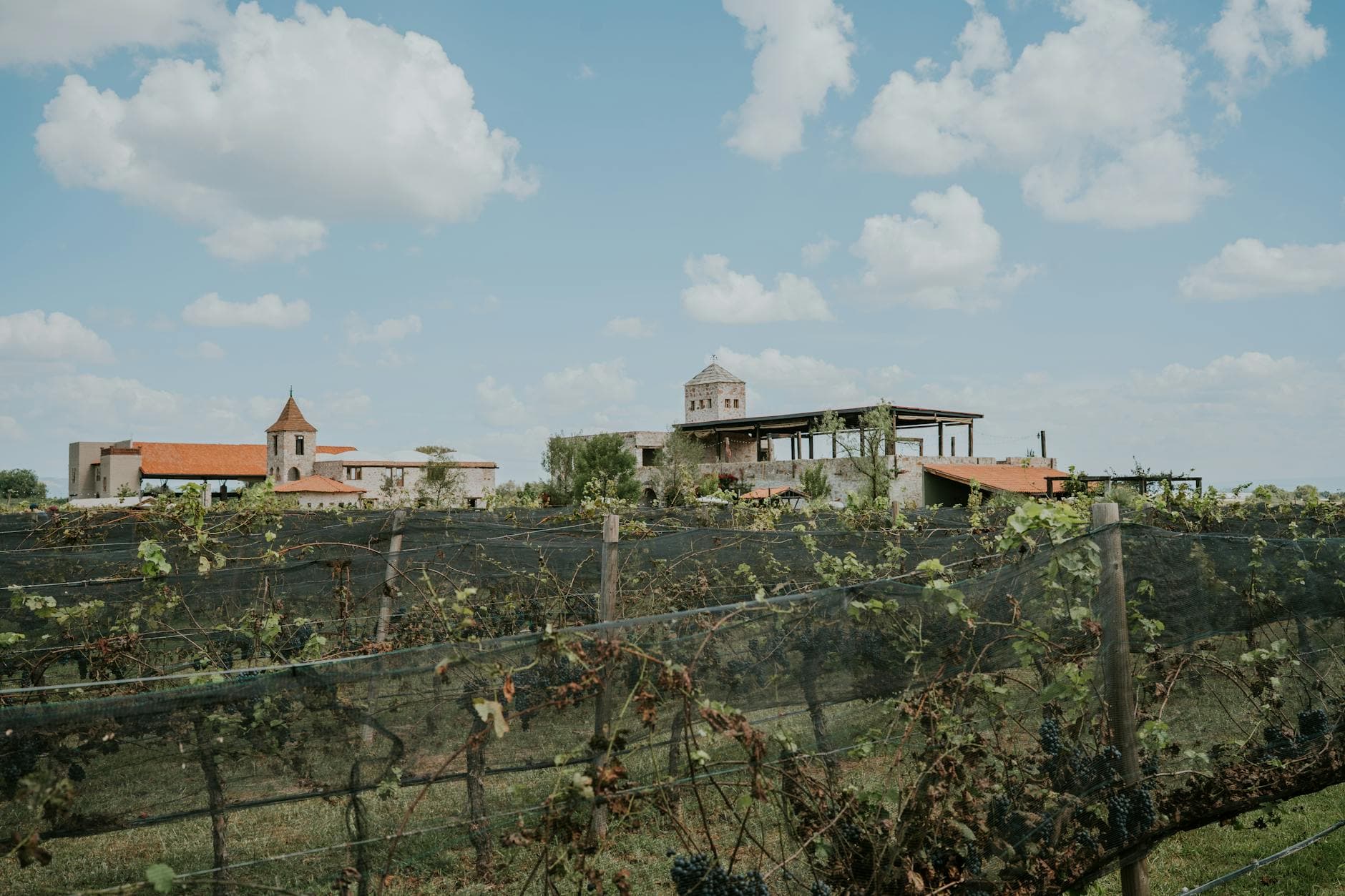
 Photo: Matteo Mazza / Pexels
Where to Stay in Jerez & Sherry Country: Complete 2026 Guide
Find the best places to stay in Jerez de la Frontera and the Sherry Triangle. From bodega hotels in Jerez to beachside stays in Sanlúcar de Barrameda, plan your Andalusian wine trip.
Planning a trip to Jerez (Sherry Triangle)?
Compare hotels, vineyard B&Bs and rentals across Booking, Airbnb and more in one search.
The Sherry Triangle — formed by Jerez de la Frontera, Sanlúcar de Barrameda, and El Puerto de Santa María — is home to Spain's oldest denominación de origen and one of the world's most misunderstood wine styles. The chalky albariza soils of western Andalusia, the warm Levante and cool Poniente winds, and a biological ageing process unlike anything else in winemaking produce Fino, Manzanilla, Amontillado, Oloroso, Palo Cortado, and Pedro Ximénez. A film of flor yeast sits on the wine's surface inside old American oak casks, stacked in solera systems that blend vintages across decades. No other wine region works quite like this.
But Sherry Country is about more than what's in the glass. Jerez is the birthplace of flamenco — the real kind, performed in intimate peñas and tabanco bars, not hotel dinner shows. The Royal Andalusian School of Equestrian Art stages Carthusian horse ballets set to Spanish guitar. The tabancos (old-fashioned Sherry bars) serve fino straight from the barrel alongside plates of prawns, chicharrones, and salmorejo. Between the Atlantic beaches of El Puerto, the Guadalquivir marshlands of Sanlúcar, and the whitewashed hill towns of the interior, this corner of Andalusia rewards visitors who settle in for more than a single afternoon.
Best Areas to Stay in Sherry Country at a Glance:
- For bodegas + flamenco: Jerez de la Frontera — historic centre, biggest producer concentration
- For Manzanilla + seafood: Sanlúcar de Barrameda — estuary town, beach, Barbadillo and more
- For beach + bodegas: El Puerto de Santa María — quieter triangle vertex, Osborne, coast
- For city life + coast: Cádiz — ancient port city, restaurants, 30 min from Jerez
- For mountain wines: Ronda — gorge views, new-wave Andalusian wines, Serranía de Ronda DO
Best Areas to Stay for Wine Tasting
Jerez de la Frontera
The capital of Sherry and the largest town in the triangle. The old quarter contains an extraordinary density of bodegas — González Byass (Tio Pepe), Lustau, Bodegas Tradición, El Maestro Sierra, and Bodegas Fundador are all within walking distance of each other. The Alcázar fortress, the cathedral, and Santiago quarter's flamenco peñas are woven between them. This is where the Royal Andalusian School of Equestrian Art performs its "How the Andalusian Horses Dance" show every Tuesday and Thursday.
Why wine lovers choose Jerez:
- Highest concentration of Sherry bodegas anywhere
- González Byass, Lustau, Tradición, El Maestro Sierra within walking distance
- Birthplace of flamenco — authentic peñas and tabanco bars
- Royal Andalusian School of Equestrian Art
- Cathedral, Alcázar, and Moorish old quarter
- Best transport links (train to Seville, Cádiz, El Puerto)
Price range: €60–180/night
Best for: First-time Sherry visitors, flamenco lovers, those wanting walkable bodega access
Wine access: Walk to most major bodegas. González Byass and Lustau run daily tours; smaller houses like Tradición and El Maestro Sierra need advance booking.
Trade-off: Not on the coast. Summer temperatures regularly hit 40°C. Less polished for tourists than Cádiz.
Where to stay: Hotel Bodega Tío Pepe, the world's first sherry hotel, set inside the González Byass winery complex next to the cathedral, or Hotel Villa Jerez, on the edge of the old town with a 4,000m² garden.
Sanlúcar de Barrameda
The only place on earth where Manzanilla is made. Sanlúcar sits at the mouth of the Guadalquivir River, where humid Atlantic breezes keep the flor yeast alive year-round, producing a lighter, saltier style of fino. Barbadillo, Hidalgo, and Bodegas La Cigarrera are here. The town has two levels — the hilltop Barrio Alto with its castle and churches, and the Bajo de Guía fishing quarter where langoustine tortillitas and fried cazón are served with cold Manzanilla at beachside chiringuitos. Across the river lies Doñana National Park.
Why wine lovers choose Sanlúcar:
- Only source of authentic Manzanilla
- Barbadillo, Hidalgo-La Gitana, La Cigarrera, Delgado Zuleta
- Beach horse racing on the sand (August)
- Bajo de Guía seafood quarter
- Doñana National Park boat trips
- Relaxed, non-touristy atmosphere
Price range: €55–160/night
Best for: Manzanilla devotees, seafood lovers, those wanting coast + wine
Wine access: Walk to bodegas in the centre. Most open for tours; Barbadillo's museum is the standout. Several en rama seasonal releases (spring).
Trade-off: Fewer accommodation options than Jerez. Limited nightlife outside summer.
Where to stay: Posada de Palacio, a characterful townhouse around a tiled courtyard, or Hotel Guadalquivir on the main boulevard near the tapas quarter.
El Puerto de Santa María
The third vertex of the triangle and historically a major Sherry shipping port. Osborne — the company behind Spain's iconic roadside bull silhouettes — is headquartered here. The town has good beaches, a quieter feel than Jerez, and ferry connections across the Bay of Cádiz. Bodegas Gutiérrez Colosía sits right on the Guadalete River, ageing Sherry in the salt air.
Why wine lovers choose El Puerto:
- Osborne and Gutiérrez Colosía bodegas
- Beaches (Playa de la Puntilla, Playa de Valdelagrana)
- Ferry to Cádiz (30 min, runs frequently)
- Quieter, more residential atmosphere
- Good seafood restaurants along the river
- Castle of San Marcos (13th century)
Price range: €50–150/night
Best for: Beach lovers who want bodega access, families, those splitting time between coast and wine
Wine access: Osborne and Gutiérrez Colosía walkable. Ferry to Cádiz, short drive to Jerez and Sanlúcar.
Trade-off: Fewer bodegas than Jerez. Town centre less characterful than Sanlúcar.
Where to stay: ALEGRIA Bodega Real, a converted winery with an Andalusian courtyard, or Soho Boutique Vistahermosa near Puerto Sherry marina.
Cádiz
Not technically in the Sherry Triangle, but this ancient Phoenician port city is just 30 minutes south of Jerez by train and makes an excellent base — particularly if you want urban energy, beaches, and restaurants alongside your bodega visits. Cádiz claims to be Europe's oldest continuously inhabited city. The old town is almost entirely surrounded by sea, with golden-stone buildings, a spectacular cathedral, and a food scene that punches well above its weight.
Why wine lovers choose Cádiz:
- Outstanding restaurant and tapas scene
- Atlantic beaches within the city
- 30-minute train to Jerez, ferry to El Puerto
- Rich history and beautiful architecture
- Carnival (February) — one of Spain's biggest
- More accommodation variety than the triangle towns
Price range: €70–220/night
Best for: Urban travellers, foodies, those making day trips to bodegas
Wine access: No bodegas in town, but every good restaurant stocks serious Sherry. Day trips to Jerez (30 min by train), El Puerto (ferry), and Sanlúcar (45 min drive).
Trade-off: Not in wine country — all bodega visits require transport.
Where to stay: Hotel Casa de las Cuatro Torres, an 18th-century mansion in the old town, or Hotel Argantonio, with Moorish arches and colourful tiles.
Ronda
An hour and a half inland from the coast, Ronda sits dramatically atop a gorge carved by the Guadalevín River. The Puente Nuevo bridge, one of Spain's most photographed structures, spans the 100-metre drop. While not part of the Sherry DO, Ronda has become the centre of a new-wave Andalusian wine movement. The Serranía de Ronda DO, granted in 2023, produces reds and whites from Garnacha, Petit Verdot, Syrah, and Tempranillo at altitude. Producers like Descalzos Viejos (in a former monastery) and F. Schatz (biodynamic, German-born winemaker) are worth seeking out.
Why wine lovers choose Ronda:
- Spectacular gorge and Puente Nuevo
- Serranía de Ronda DO — exciting new wines
- Descalzos Viejos, F. Schatz, Bodega Doña Felisa
- Altitude vineyards (700–1,100m)
- Ernest Hemingway and bullfighting connections
- Cooler temperatures than the coast
Price range: €65–250/night
Best for: Wine adventurers, mountain lovers, those combining Sherry with still wines
Wine access: Small producers, most requiring appointments. Wine shops in town carry local bottles.
Trade-off: 90 minutes from Jerez. Mountain roads. Not practical as a Sherry Triangle base without a car.
Where to stay: Parador de Ronda, perched beside the Puente Nuevo overlooking the Tajo Gorge.
Types of Wine Country Accommodation
Boutique Hotels (€90–250/night)
Small, design-conscious hotels in converted townhouses or historic buildings, concentrated in Jerez's old quarter and Cádiz's centro histórico. Many have rooftop terraces with cathedral or bodega views.
What to expect:
- 8–25 rooms, individual character
- Wine-focused minibars and local recommendations
- Central locations near bodegas and restaurants
- Air conditioning (non-negotiable in Andalusian summers)
- Breakfast with local products
Best for: Couples, wine-focused travellers, those wanting a curated experience
Casas Palacio (€100–350/night)
Andalusia's grand merchant houses — originally built by wealthy Sherry trading families — have been converted into guesthouses and small hotels. High ceilings, tiled courtyards, wrought-iron balconies, and thick walls that keep the heat out. Jerez has the best selection.
What to expect:
- Historic grandeur with modern updates
- Interior courtyards (patios) with fountains
- Azulejo tiles, exposed stone, period furniture
- Often family-run with personal service
- Connection to Sherry trading history
Best for: History lovers, architecture enthusiasts, those wanting an authentic Andalusian stay
Beach Hotels (€70–200/night)
Along the coast from El Puerto de Santa María through to Cádiz, beach hotels and aparthotels cater to summer visitors. Most are modern, functional, and within walking distance of sand. Quality varies — look for properties with sea views and avoid large package-tour blocks.
What to expect:
- Direct beach access or short walk
- Pools (essential for summer)
- Restaurants with seafood focus
- Sea breezes that offset summer heat
- More family-oriented
Best for: Families, beach-and-wine combination trips, summer visitors
Rural Cortijos (€50–150/night)
Traditional Andalusian farmhouses in the countryside between the triangle towns. Some sit among vineyards, others among olive groves and bull-breeding pastures. Increasingly available on rental platforms. A car is required.
What to expect:
- Whitewashed farmhouse architecture
- Gardens, pools, and rural quiet
- Self-catering kitchens
- Space and privacy
- Vineyard or countryside settings
Best for: Groups, families, longer stays, those with a car who want a rural base
When to Visit Sherry Country
Best Season (March–May, October–November)
Spring is ideal. Temperatures sit between 18–28°C, the bodegas are open, wildflowers cover the countryside, and the Feria del Caballo (Horse Fair) fills Jerez in the first or second week of May with equestrian parades, casetas, flamenco, and enormous quantities of fino.
Autumn brings the vendimia (grape harvest) in September, cooler temperatures in October, and the release schedule for many Sherry producers. November is quiet, mild, and excellent value.
Summer (June–September)
Expect 35–42°C in July and August. The heat is brutal inland — bodegas stay cool thanks to their thick walls and high ceilings, but walking between them is hard work. Sanlúcar's August horse races on the beach are a highlight. The coast (Cádiz, El Puerto) is more bearable than inland Jerez.
Winter (December–February)
Mild by northern European standards (10–16°C) but wet. Fewer tourists, lower prices, and bodegas operate on reduced schedules. Cádiz Carnival (February) is a major draw.
| Month | Avg High | Crowds | Prices | Highlights |
|---|---|---|---|---|
| Jan | 16°C | Very low | Lowest | Quiet, uncrowded bodegas |
| Feb | 17°C | Medium | Low | Cádiz Carnival |
| Mar | 20°C | Medium | Medium | Spring begins, pleasant touring |
| Apr | 22°C | Medium-High | Medium | Semana Santa (Easter week) |
| May | 26°C | High | High | Feria del Caballo, peak season |
| Jun | 30°C | High | High | Long days, warming up fast |
| Jul | 36°C | Medium | Medium | Hot inland, coast busy |
| Aug | 36°C | High | High | Sanlúcar horse races, beaches |
| Sep | 32°C | Medium | Medium | Vendimia (harvest), cooling off |
| Oct | 26°C | Medium | Medium | Excellent touring weather |
| Nov | 20°C | Low | Low | Quiet, good value |
| Dec | 17°C | Low | Low | Mild winter, holiday atmosphere |
Insider Tips for Staying in Sherry Country
- Know your Sherry styles — Fino is bone-dry and pale, aged under flor. Manzanilla is fino made only in Sanlúcar. Amontillado starts under flor, then ages oxidatively — deeper, nuttier. Oloroso is fully oxidative, rich and dark but still dry. Palo Cortado is the rarest — somewhere between Amontillado and Oloroso. Pedro Ximénez (PX) is the sweet one, made from sun-dried grapes. Ask for them all.
- Seek out en rama releases — Several producers (Tio Pepe, Barbadillo, Lustau) release unfiltered, straight-from-the-cask versions of their finos and manzanillas in spring. These seasonal bottlings show more texture and complexity than the standard filtered versions. Worth timing your visit around.
- Drink at the tabancos — Tabancos are Jerez's answer to the English pub — old-fashioned bars that sell Sherry directly from the barrel. Tabanco El Pasaje, Tabanco San Pablo, and Tabanco Las Banderillas in Jerez are the real deal. Flamenco often breaks out spontaneously. Order a copa of fino and whatever's on the food board.
- Visit the small producers — González Byass (Tio Pepe) and Lustau are essential, but leave time for the smaller houses. Bodegas Tradición holds a private fine art collection alongside its aged sherries. El Maestro Sierra is run by one of Sherry's great characters, Pilar Pla Pechovierto. Equipo Navazos doesn't own a bodega at all — they select exceptional single casks from across the region.
- Pair Sherry with food properly — Fino and Manzanilla with jamón, olives, almonds, fried fish, and shellfish. Amontillado with aged cheese, chicken, and mushroom dishes. Oloroso with stewed meats and game. PX over vanilla ice cream or blue cheese. Every tabanco and restaurant in the triangle understands this instinctively.
- Attend a flamenco peña — Jerez's peñas (private flamenco clubs) sometimes open to visitors. Peña La Bulería and Peña Tío José de Paula are among the most respected. Check schedules locally — performances are irregular but authentic in a way that staged tablao shows rarely match.
- Use the train network — Cercanías commuter trains connect Jerez, El Puerto de Santa María, and Cádiz frequently and cheaply. The catamaran ferry from Cádiz to El Puerto is another good option. For Sanlúcar and Ronda, you'll need a car or bus.
- Budget for Sherry shopping — Prices in the bodegas and local shops are absurdly low compared to export markets. Aged Amontillados and Olorosos that cost €40+ abroad sell for €12–18 at source. Stock up.
Book Your Sherry Country Stay
Ready to explore Spain's oldest wine region? Browse curated wine country stays — from bodega-adjacent hotels in Jerez to beachside stays in El Puerto and Sanlúcar, all selected for wine lovers.
The Sherry Triangle rewards slow travel. Pick a base, settle in, drink fino at a tabanco, eat prawns at Bajo de Guía, watch the horses at the Real Escuela, and let Andalusia's most distinctive wine culture unfold at its own pace.
More Sherry Country Wine Travel Guides
Word Count: ~1,850
Last Updated: March 2026
Author: WineTravelGuides Editorial Team


Ready to visit Jerez (Sherry Triangle)?
Build your personalised day-by-day itinerary — choose your travel style and trip length, get accommodation and tour picks per day, and email it to yourself to take along.
Upcoming Wine Festivals in Spain
See all festivalsHidden Gems Nearby
Discover more hidden gemsClos Mogador
WTG PickPriorat, Spain
One of Priorat's founding five estates, perched on terrifying slate terraces that you can walk through with the winemaker himself.
Grenache · Carignan · Syrah
Envínate
WTG PickCanary Islands, Spain
Pre-phylloxera vines on a volcano at 1,700 metres — Spain's most exciting young winemakers in the most unlikely of locations.
Listán Negro · Listán Blanco
Bodegas Forjas del Salnés
Galicia, Spain
Single-vineyard Albariños that prove this grape belongs in the conversation with great white Burgundy, from a quiet Galician village.
Albariño
Book Your Jerez (Sherry Triangle) Wine Country Stay
Compare hotels, vineyard B&Bs and rentals across Booking, Airbnb and more in one search.
Compare stays near the vineyardsStay22
Plan Your Where to Stay in Jerez & Sherry Country: Complete 2026 Guide Trip
Estimate your Where to Stay in Jerez & Sherry Country: Complete 2026 Guide trip cost
Budget calculator with accommodation, food, wine, and transport estimates.
Try itCompare Where to Stay in Jerez & Sherry Country: Complete 2026 Guide with other regions
Side-by-side comparison of cost, climate, wine styles, and more.
Try itWhen to visit Where to Stay in Jerez & Sherry Country: Complete 2026 Guide
Harvest dates, peak season, and the best months for wine travel.
Try itThis page contains affiliate links. We may earn a commission at no extra cost to you.