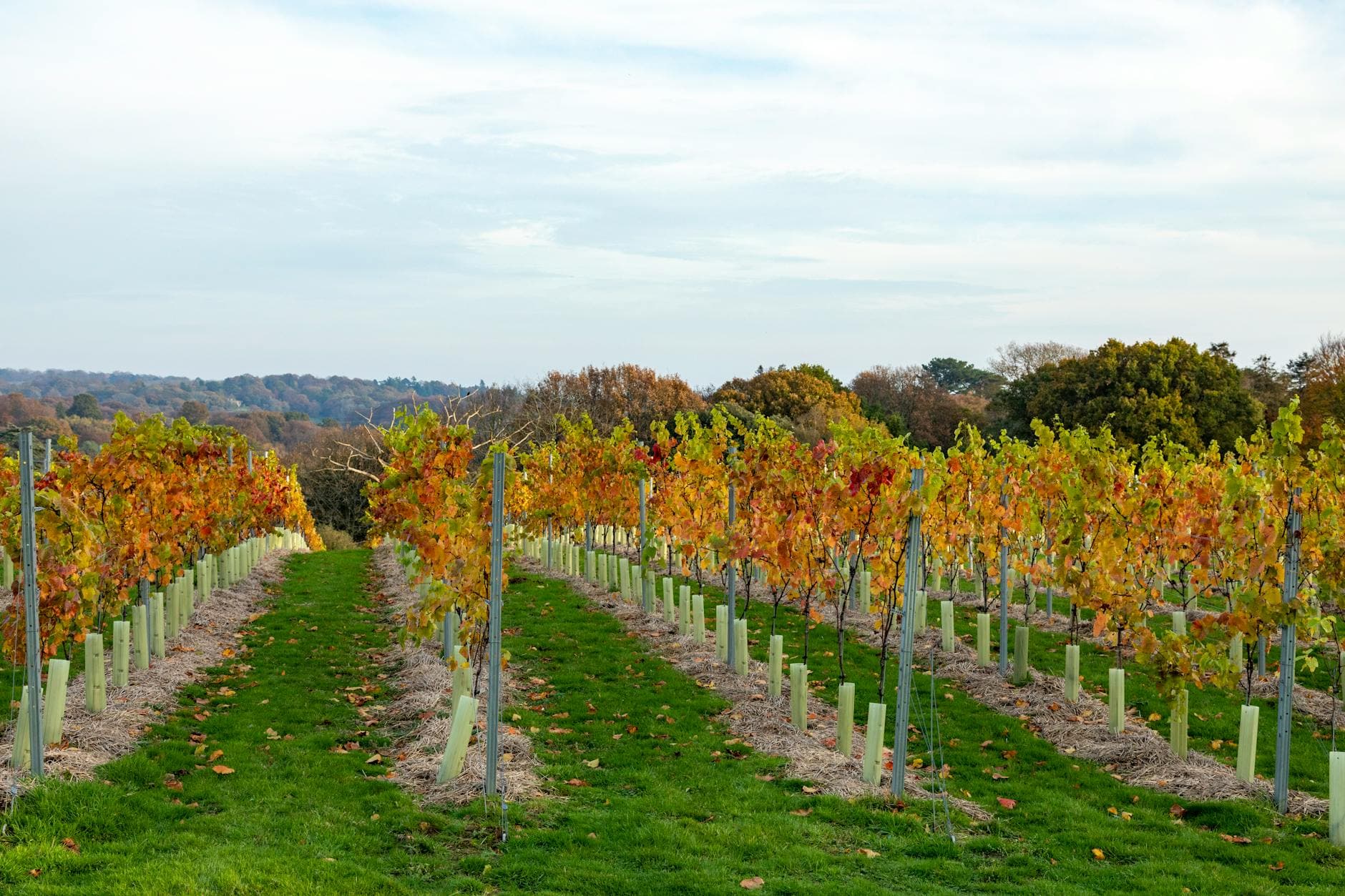
 Photo: Ben Young / Pexels
Where to Stay in Marlborough Wine Country: Complete 2026 Guide
Find the best places to stay in Marlborough for wine tasting. From Blenheim hotels to Renwick vineyard stays and Picton harbourside, discover the perfect base for New Zealand's largest wine region.
Planning a trip to Marlborough?
Compare hotels, vineyard B&Bs and rentals across Booking, Airbnb and more in one search.
Marlborough is New Zealand's largest wine region by a wide margin, producing roughly 77% of the country's wine. The numbers alone make it significant, but what put Marlborough on the world stage was a single grape: Sauvignon Blanc. When Cloudy Bay released its first vintage in 1985, it rewrote expectations for the variety—intensely aromatic, bracing acidity, and flavours that tasted nothing like what was coming out of the Loire or anywhere else. Within a decade, Marlborough Sauvignon Blanc had become one of the most recognisable wine styles on earth.
The region sits at the top of the South Island, split between two main valleys. The Wairau Valley runs east from Blenheim toward the coast—flat, warm, and home to the greatest concentration of wineries. The Awatere Valley lies to the south, cooler and windier, producing a leaner, more mineral-driven style of Sauvignon Blanc. With over 2,400 sunshine hours per year and reliably dry autumns, Marlborough gives growers the kind of consistency that winemakers elsewhere can only envy. This guide covers where to base yourself, what each area actually delivers, and honest price expectations for wine country stays.
Best Areas to Stay in Marlborough at a Glance:
- For convenience: Blenheim — main town, restaurants, supermarkets, central to everything
- For wine immersion: Renwick — quiet wine village, 30+ cellar doors within cycling distance
- For vineyard stays: Wairau Valley — heart of Sauvignon Blanc production, flat cycling terrain
- For a different perspective: Awatere Valley — remote, windswept, cooler-climate wines
- For scenery + seafood: Picton / Marlborough Sounds — ferry port, kayaking, harbour dining
Best Areas to Stay for Wine Tasting

Blenheim
Blenheim is Marlborough's main town and the practical base for most visitors. It won't win awards for charm—it's a working agricultural town, not a tourist village—but it has the widest range of restaurants, the only supermarkets, and a central location that puts both the Wairau and Awatere valleys within easy reach. The town sits at the confluence of the Taylor and Opawa rivers, with the Wairau Plain stretching out in every direction under big, dry skies. Several wineries sit right on the edge of town, including Allan Scott and Wairau River.
Why wine lovers choose Blenheim:
- Most restaurants, cafes, and services in the region
- Central location—Renwick 10 minutes, Awatere Valley 30 minutes, Picton 25 minutes
- Widest range of accommodation at every price point
- Marlborough Airport is here (direct flights from Auckland, Wellington, Christchurch)
- Saturday morning Marlborough Farmers' Market at A&P Park
- Omaka Aviation Heritage Centre for a non-wine afternoon
Price range: NZ$100–400/night
Best for: First-time visitors, those wanting restaurants and services, practical base for day trips in every direction
Wine access: 10 minutes to Renwick and the Wairau Valley winery cluster. 30 minutes to the Awatere Valley. Several cellar doors on the outskirts of town.
Trade-off: Blenheim itself is functional rather than beautiful. The town centre can feel quiet in the evenings. You're close to everything but not among the vines.
Where to stay: The Peppertree (an Edwardian villa-turned-boutique hotel) and Chateau Marlborough (overlooking Seymour Gardens) are two named options in town.
Renwick
Renwick is the wine village. A small settlement about 10 minutes west of Blenheim, it sits right in the middle of the Wairau Valley's densest concentration of cellar doors—over 30 wineries within cycling distance. The village has a handful of cafes, a general store, and a relaxed, unhurried feel that suits a few days of slow wine touring. Cloudy Bay, Framingham, Allan Scott, Forrest, and Wairau River are all close enough to reach on two wheels.
Why wine lovers choose Renwick:
- Walking or cycling distance to 30+ cellar doors
- Quieter and more relaxed than Blenheim
- Heart of the Wairau Valley winery cluster
- Flat terrain—easy cycling even after a few tastings
- Small-village atmosphere, no traffic, no rush
- Several vineyard B&Bs and lodges in the area
Price range: NZ$130–500/night
Best for: Cyclists, wine-focused visitors, couples who want quiet evenings and short distances to cellar doors
Wine access: Outstanding. Many wineries are a 5–15 minute bike ride. Marlborough's best cellar door density is right here.
Trade-off: Very limited dining—a couple of cafes and that's about it. You'll drive to Blenheim for dinner options. The village is small and very quiet after dark.
Where to stay: Antria Boutique Lodge and St Leonards Vineyard Cottages are two named options right among the vines near Renwick.
Wairau Valley
The Wairau Valley is where Marlborough wine happens. Stretching from the hills behind Blenheim toward the coast, this broad, flat river valley is blanketed in Sauvignon Blanc vines as far as you can see. The free-draining alluvial soils, long sunshine hours, and cool nights create the conditions that define Marlborough's signature style—punchy tropical fruit, fresh-cut herbs, and racy acidity. Most of the region's big names have their vineyards here: Cloudy Bay, Villa Maria, Brancott Estate (where the first Sauvignon Blanc was planted in 1973), and dozens more.
Why wine lovers choose the Wairau Valley:
- Among the vineyards—you see vines from your window
- Flat cycling terrain along the Marlborough wine trail
- Brancott Estate Heritage Centre and restaurant with valley views
- Closest to the greatest number of wineries
- Several vineyard lodges and holiday homes scattered through the valley
- Golden hour light across the vines is extraordinary
Price range: NZ$150–600/night
Best for: Wine enthusiasts wanting full vineyard immersion, cyclists, photographers, couples on wine-focused trips
Wine access: Directly among the vineyards. Multiple cellar doors within 5–15 minutes by car or bike.
Trade-off: Accommodation is scattered and mostly self-catering or B&B. No town centre, no restaurants within walking distance of most properties. A car is essential for evening dining.
Where to stay: Marlborough Vintners Hotel — a heritage property surrounded by orchards and vineyards, with kitchenette suites — is the named standout in the valley.
Awatere Valley
South of the Wairau, across the Wither Hills, the Awatere Valley feels like a different region. It's windier, drier, and cooler—and the wines show it. Sauvignon Blanc from the Awatere tends to be leaner and more mineral, with herbal, almost savoury characters that contrast sharply with the riper Wairau style. Fewer visitors make it down here, but producers like Vavasour, Yealands (whose massive coastal vineyard is one of the most photographed in New Zealand), and Delta are well worth seeking out.
Why wine lovers choose the Awatere Valley:
- A distinctly different Sauvignon Blanc style—mineral, herbal, wind-driven
- Far fewer tourists than the Wairau Valley
- Yealands' stunning coastal vineyard
- Rugged, windswept scenery with views to the Kaikoura Ranges
- A sense of being off the beaten track
Price range: NZ$100–300/night
Best for: Experienced wine travellers seeking terroir contrast, those who dislike crowds, visitors combining wine with a Kaikoura day trip
Wine access: A handful of cellar doors spread over a wider area. 30–40 minutes from Blenheim. Appointments recommended.
Trade-off: Remote. Very limited accommodation—mostly holiday homes and farmstays. No restaurants, no services. You need a car and a plan. Most visitors treat this as a day trip from Blenheim rather than a base.
Where to stay: Omaka Heights offers named bed-and-breakfast style accommodation on the edge of the valley.
Picton & Marlborough Sounds
Picton is where the Interislander ferry from Wellington arrives, and it's the gateway to the Marlborough Sounds—a maze of drowned river valleys, forested headlands, and sheltered waterways that stretch along the northern coast. The town itself has a working harbour, a handful of seafood restaurants, and a pleasant waterfront. Queen Charlotte Sound extends behind it, offering kayaking, boat cruises, and the Queen Charlotte Track (a 70 km multi-day walk). The Sounds are about seafood, scenery, and water—a completely different experience from the wine flats inland.
Why wine lovers choose Picton/Marlborough Sounds:
- Spectacular coastal scenery unlike any wine region
- Fresh Marlborough green-lipped mussels, salmon, and crayfish
- Queen Charlotte Sound kayaking and boat trips
- Queen Charlotte Track (walking or mountain biking)
- Ferry connection to Wellington and the North Island
- Waterfront dining with harbour views
Price range: NZ$120–500/night
Best for: Those combining wine with coastal activities, ferry travellers, seafood lovers, visitors wanting a few days of water and hills before or after the vineyards
Wine access: 25–30 minutes to Blenheim and the Wairau Valley wineries. No cellar doors in Picton itself, though several Sounds restaurants pour excellent local wine.
Trade-off: You're 25+ minutes from any winery. Picton is a small port town—limited evening entertainment. The Sounds are about nature, not wine, so this works best as a split-stay: a few nights in Picton for scenery and seafood, then move to Renwick or Blenheim for wine.
Where to stay: Escape to Picton (overlooking the marina) and Historic Sennen House (an 1886 homestead) are two named options in town; Bay of Many Coves is the named luxury option further into the Sounds.
Types of Wine Country Accommodation
Vineyard Lodges (NZ$250–700/night)
Several Marlborough producers offer accommodation on their estates. These range from architect-designed lodges with views across rows of Sauvignon Blanc to converted farm buildings with a few well-appointed rooms. Expect vineyard views, a complimentary tasting on arrival, and hosts who can tell you exactly which cellar doors to visit (and which to skip).
What to expect:
- Vineyard views from your room or terrace
- Complimentary or discounted tastings at the host winery
- Hosts with deep local knowledge
- Peaceful, rural settings
- Small and personal—often only 2–4 rooms
Best for: Couples, wine enthusiasts wanting immersion, special occasions
Blenheim Hotels & Motels (NZ$90–350/night)
Blenheim has a strip of motels along Middle Renwick Road and a few newer hotels in the town centre. Quality varies—some are modern and well-maintained, others are dated. The Chateau Marlborough and the Scenic Hotel Marlborough are among the better mid-range options. For budget stays, motels with kitchenettes offer practical value.
What to expect:
- Widest price range in the region
- Easy parking (essential for wine touring)
- Walking distance to Blenheim restaurants
- Kitchenettes in most motels
- Variable quality—check recent reviews
Best for: Budget-conscious visitors, short stays, those prioritising convenience and services
B&Bs & Homestays (NZ$150–400/night)
Marlborough has a strong B&B tradition, particularly around Renwick and the Wairau Valley. Hosts tend to be locals who've lived in the region for decades and know every winemaker by first name. Breakfast often features local produce—Marlborough honey, free-range eggs, homemade preserves. Some of the best accommodation in the region falls into this category.
What to expect:
- Generous breakfast with local produce
- Hosts who'll plan your cellar door route
- Characterful rooms, often in converted homesteads
- Personal service and local recommendations
- Typically 2–4 rooms, quiet atmosphere
Best for: Couples, those wanting local knowledge, visitors who prefer personal service over hotel anonymity
Holiday Homes (NZ$120–500/night)
Self-catering houses and apartments through Airbnb and Bookabach. Particularly good value for groups or families, and essential if you want to buy wine at cellar door and open it at home that evening with cheese from the farmers' market.
What to expect:
- Full kitchen facilities
- More space than hotels or B&Bs
- Some rural properties among vineyards
- Variable quality and service
- Often minimum 2-night stay in peak season
Best for: Groups, families, longer stays, self-caterers who want to cook with local produce
When to Visit Marlborough
Marlborough is one of New Zealand's sunniest and driest regions. The top of the South Island gets reliably warm, dry summers and mild winters, making it one of the most weather-consistent wine regions in the country.
High Season (December–March)

Peak summer. Long, hot days with temperatures reaching 28–32°C. The vines are in full leaf, cellar doors are all open, and restaurants and accommodation run at capacity. Harvest begins in late February and runs through April—visit during harvest and you'll see the region at full intensity, with trucks of grapes on every road and the smell of fermentation in the air. The Marlborough Wine & Food Festival (usually the second Saturday of February) is the region's biggest event—outdoor tastings from 40+ wineries, live music, and local food stalls at Brancott Estate vineyard.
Shoulder Season (October–November, April–May)
Excellent conditions and fewer crowds. Autumn (April–May) brings golden vine colours and post-harvest calm. Spring (October–November) has warm days and blossom across the vineyards. Accommodation is easier to book and often 20–30% cheaper. Some smaller cellar doors may have reduced hours, but the major producers are open year-round.
Winter (June–August)
Quiet and cool but not cold—Blenheim rarely drops below 5°C. Some smaller cellar doors close or operate by appointment only. Prices are at their lowest. This is a good time for Marlborough Sounds walks and local seafood without the summer crowds.
| Month | Weather | Crowds | Prices | Highlights |
|---|---|---|---|---|
| Jan–Feb | Hot, dry (25–32°C) | Highest | Highest | Peak summer, Wine & Food Festival (Feb) |
| Mar–Apr | Warm, harvest (18–25°C) | High | High | Harvest season, autumn colours |
| May–Jun | Cooling (10–16°C) | Low | Low | Late autumn, quiet cellar doors |
| Jul–Aug | Cool, dry (5–12°C) | Lowest | Lowest | Winter walks, Sounds kayaking |
| Sep–Oct | Warming (12–18°C) | Low–Medium | Medium | Spring blossom, bud break |
| Nov–Dec | Warm, dry (20–26°C) | Medium–High | Medium–High | Early summer, long evenings |
Insider Tips for Staying in Marlborough
- Get beyond Sauvignon Blanc. Marlborough's calling card is obvious, but the region also produces exceptional Pinot Noir, Pinot Gris, Chardonnay, and some of the best Methode Traditionnelle sparkling wine in the Southern Hemisphere. Ask specifically for these at cellar doors—most producers make them, but they don't always promote them to tourists expecting Sauvignon Blanc.
- Seek out the serious producers. Cloudy Bay is the famous name and worth visiting for the history, but Dog Point (founded by former Cloudy Bay winemaker Ivan Sutherland), Greywacke (Kevin John, also ex-Cloudy Bay), Fromm (one of the first to prove Marlborough Pinot Noir could be world-class), Framingham (outstanding aromatics and Riesling), and Huia (certified organic, beautiful wines) are where the real depth lies. These are the producers sommeliers drink.
- Cycle the wine trail. The Marlborough wine trail is flat, well-signposted, and runs past dozens of cellar doors. Rent bikes in Renwick or Blenheim. The terrain is dead flat—river plain, no hills—so even casual cyclists manage it comfortably. Several operators offer guided bike-and-wine tours with lunch stops and a van for your purchases.
- Combine Sounds and vines. Split your stay: two or three nights in Renwick or Blenheim for wine, then two nights in Picton for the Marlborough Sounds. A half-day kayak in Queen Charlotte Sound followed by mussels and Sauvignon Blanc at a waterfront restaurant is one of the best days you can have in New Zealand.
- Day trip to Kaikoura. Two hours south on State Highway 1, Kaikoura sits between mountains and ocean, famous for whale watching (sperm whales year-round), dolphin encounters, and crayfish (the town's name literally means "to eat crayfish" in te reo Maori). Leave early, do a whale watch, eat crayfish at Nin's Bin roadside caravan, and be back for dinner in Blenheim.
- Book the Wine & Food Festival early. The Marlborough Wine & Food Festival in February sells out. Tickets go on sale months in advance. If your visit coincides, book immediately—it's the best single-day wine event in New Zealand. Accommodation in Blenheim and Renwick fills completely that weekend.
- Try Methode Traditionnelle. Marlborough's cool nights and acidic base wines make it ideal sparkling territory. No. 1 Family Estate is dedicated entirely to Methode Traditionnelle and pours some of the finest bubbles in Australasia. Pelorus by Cloudy Bay is another standout. These wines rival good Champagne at a fraction of the price.
- Bring a cooler bag for wine purchases. Marlborough summer heat can cook a bottle left in a hot car. Most cellar doors will chill your purchases if you ask, but a good insulated bag means you can buy freely without worrying about temperature damage on the drive back to your accommodation.
Book Your Marlborough Wine Country Stay
Planning a trip to the Sauvignon Blanc capital of the world? Browse curated wine country stays—from Renwick vineyard lodges to Blenheim hotels and Marlborough Sounds waterfront stays, all selected for wine lovers.
Marlborough doesn't have the architectural grandeur of Bordeaux or the dramatic mountains of Central Otago, but it has something neither can match: a single grape variety, grown in one place, that changed how the world thinks about wine. The flat, sun-drenched plains, the easy cycling, and the sheer concentration of cellar doors make it one of the most accessible and rewarding wine regions anywhere. Add the Sounds and Kaikoura, and you have a week that covers wine, coast, and wildlife without ever feeling rushed.
More Marlborough Wine Travel Guides
- Marlborough Wine Region Overview
- New Zealand Wine Regions
- Where to Stay in Hawke's Bay
- Where to Stay in Central Otago
- Marlborough Sauvignon Blanc Guide
Word Count: ~2,200
Last Updated: March 2026
Author: WineTravelGuides Editorial Team
Ready to visit Marlborough?
Build your personalised day-by-day itinerary — choose your travel style and trip length, get accommodation and tour picks per day, and email it to yourself to take along.
Upcoming Wine Festivals in New Zealand
See all festivalsHidden Gems Nearby
Discover more hidden gemsBook Your Marlborough Wine Country Stay
Compare hotels, vineyard B&Bs and rentals across Booking, Airbnb and more in one search.
Compare stays near the vineyardsStay22
Plan Your Where to Stay in Marlborough Wine Country: Complete 2026 Guide Trip
Estimate your Where to Stay in Marlborough Wine Country: Complete 2026 Guide trip cost
Budget calculator with accommodation, food, wine, and transport estimates.
Try itCompare Where to Stay in Marlborough Wine Country: Complete 2026 Guide with other regions
Side-by-side comparison of cost, climate, wine styles, and more.
Try itWhen to visit Where to Stay in Marlborough Wine Country: Complete 2026 Guide
Harvest dates, peak season, and the best months for wine travel.
Try itThis page contains affiliate links. We may earn a commission at no extra cost to you.