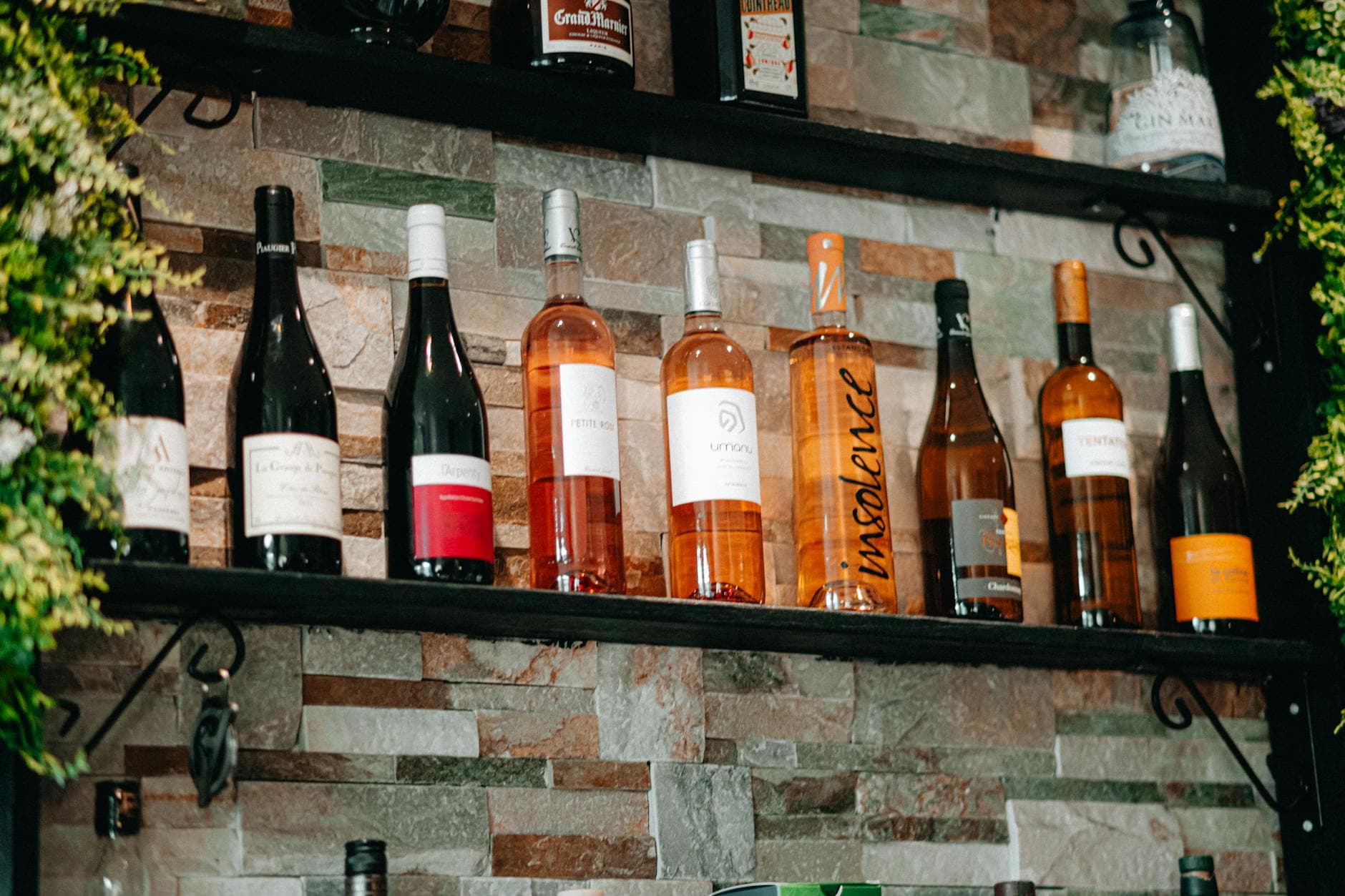
Winter Wine Travel: Cozy Tastings, Truffle Pairings, and Off-Season Value
Winter strips wine country to its essentials: wine, food, winemakers with time, and 30-50% cheaper hotels. Here are 9 regions where the cold season is genuinely superior.
Winter is when wine country belongs to the locals. The tour buses are gone. The tasting rooms are half-empty. The winemaker who was too busy to talk during harvest is now sitting across the table from you, pulling corks from library vintages and telling stories about the 2019 frost that nearly killed the crop. This is wine travel without the performance — just wine, food, and genuine hospitality.
There are practical advantages too. Hotel rates drop 30-50% in most regions. Restaurant reservations that required three weeks of planning in summer are available tonight. And the wines themselves take on a different character in winter context — a heavy Barolo or a warming Port that might feel out of place on a hot August terrace is exactly right beside a fireplace on a January evening.
Here are nine wine regions where winter travel is not just viable but genuinely superior, along with the unique experiences that make the cold season worthwhile.
1. Burgundy, France — Truffle Season and Barrel Tastings
Burgundy in winter is a truffle-scented, firelit wonderland for food-and-wine obsessives. From November through February, the black Périgord truffle (Tuber melanosporum) and the Burgundy truffle (Tuber uncinatum) appear in the forests surrounding the vineyards. This transforms the region's cuisine: every restaurant runs truffle menus, and the combination of fresh truffle with aged Burgundy is one of gastronomy's great pleasures.
Why winter works:
- Truffle season runs November-February. The Nuits-Saint-Georges truffle market (Sunday mornings) is where professionals buy — you can watch and purchase
- Barrel tastings of the new vintage are common from November-March. This is your chance to taste the future before it is bottled
- Hotel rates in Beaune drop 40-50% from October through February. The Hôtel-Dieu (Hospices de Beaune) is tourist-free
- The Hospices de Beaune wine auction (third Sunday of November) is Burgundy's most prestigious event — the charity auction sets price expectations for the entire vintage
What to expect:
Temperatures hover between 2-7°C from December through February. The vine-covered hillsides are bare and brown, which has its own stark beauty — you can see the contours of the terrain that define each climat (vineyard parcel) more clearly than at any other time. Many small producers are open by appointment only; call or email ahead rather than dropping in.
Specific recommendations:
- Dine at Ma Cuisine in Beaune — a wine bar with one of Burgundy's deepest cellars, where every bottle is priced near retail. The truffle omelette in January is legendary
- Book a private barrel tasting at Domaine de la Romanée-Conti (if you have access) or more accessibly at Domaine Faiveley, Bouchard Père et Fils, or Joseph Drouhin
2. Porto and the Douro Valley, Portugal — Port Lodge Season
Winter is Port wine season. The lodges of Vila Nova de Gaia — where Port ages in barrel across the river from Porto — operate year-round, but winter is when you taste without the crowds, when the lodge masters have time for extended conversations, and when Porto's cosy restaurants serve the rich, warming food that pairs perfectly with Tawny Port.
Why winter works:
- Port lodge tastings in winter mean personal attention. Summer groups of 30 become winter groups of 6-8
- Porto's restaurant scene is at its best: francesinha sandwiches, bacalhau (salt cod), and tripas à moda do Porto — all warming winter fare
- Hotel rates in Porto are 40-50% below summer. Boutique hotels in the Ribeira district are genuinely affordable
- The Douro Valley itself is quieter — river cruise boats are mostly docked, but quintas welcome visitors and winter mist over the terraced hills is hauntingly beautiful
Specific recommendations:
- Do a vertical Tawny tasting at Taylor's or Graham's — 10-year, 20-year, 30-year, 40-year side by side. In winter, they have time to walk you through each decade
- Catch a Fado performance in the Alfama district — Portugal's soul music pairs with Port wine the way nothing else does
3. Mendoza, Argentina — Winter Malbec and Andes Snow
Mendoza's winter (June-August) is the Northern Hemisphere traveller's counter-seasonal opportunity. While temperatures drop to 8-16°C in the wine regions, the Andes behind are snow-covered and spectacular. The combination of Argentina's top Malbecs, steak culture, and snow-capped mountain vistas creates a winter wine experience unlike any other.
Why winter works:
- Combine wine touring with skiing at Las Leñas or Penitentes — two world-class Andean ski resorts within driving distance of the vineyards
- Bodega visits are uncrowded. Many estates that require summer reservations welcome winter walk-ins
- Argentina's asado (barbecue) culture reaches peak satisfaction in winter — whole-animal grills paired with Malbec beside an open fire
- Accommodation rates drop 35-45% from June through August across Luján de Cuyo and the Uco Valley
Specific recommendations:
- Stay at The Vines Resort & Spa in the Uco Valley for mountain views and vineyard-adjacent luxury at winter rates
- Visit Catena Zapata, Achaval-Ferrer, and Zuccardi — three different expressions of high-altitude Malbec — in a single day without rushed appointments
4. Hunter Valley, Australia — Winter Warmth Without Crowds
The Hunter Valley sits just 2 hours north of Sydney, making it one of the world's most accessible wine regions. In winter (June-August), temperatures settle at a mild 14-18°C (this is Australia's subtropics), and the valley empties of the weekend crowds that flood in from Sydney during summer. The 150+ cellar doors operate year-round but with far more personal attention in winter.
Why winter works:
- Weekend cellar door visits that require 30-minute summer queues become instant in winter
- The Lovedale Long Lunch (May, technically autumn but close enough) is the Hunter's best food-and-wine event
- Aged Hunter Semillon — the region's unique specialty — is a winter wine par excellence: rich, toasty, honeyed
Specific recommendations:
- Visit Tyrrell's (established 1858) for the Vat 1 Semillon — one of Australia's most iconic wines — and tour the original wooden vats
- Book a truffle hunting experience at the Barrington Tops estates, just north of the Hunter — Australia's truffle season runs June-August
5. Barossa Valley, Australia — Off-Season Depth
The Barossa in winter (June-August) is for the serious wine drinker. Temperatures of 12-16°C make for comfortable cellar-door visits, and the region's food scene — Germanic-influenced, meat-heavy, bread-basket rich — is built for cold weather. This is when you can sit down with a winemaker at Penfolds or Henschke and taste through a library selection that summer visitors never see.
Why winter works:
- Library tastings and vertical sessions are available at estates that are too busy in summer to offer them
- The Saturday Barossa Farmers' Market in Angaston runs year-round — winter produce includes olives, bread, and preserves that pair with Shiraz
- Accommodation at The Louise or Novotel Barossa costs 30-40% less than peak season
Specific recommendations:
- Book the Penfolds Make Your Own Blend experience — available year-round but winter sessions run with smaller groups, often just 2-4 people
- Explore the Seppeltsfield road — a straight 5km drive past cellar doors, ending at the historic Seppeltsfield estate where you can taste Tawny from your birth year
6. Rioja, Spain — Winter Gastronomy Capital
Rioja in winter is Spain's most underrated food-and-wine destination. While temperatures drop to 8-13°C, the bodegas' thick stone walls keep their cellars at perfect tasting temperature, and the tapas bars of Logroño on Calle Laurel operate with all the energy of summer but without the pavement overflow. Rioja's long-aged wines (Reserva and Gran Reserva) are built for winter drinking — rich, warm, and savoury.
Why winter works:
- Bodega visits run on quiet, personalised schedules. The architectural showpieces (Marqués de Riscal, Ysios, Vivanco) are photogenic against winter skies
- Logroño's tapas scene is a year-round institution. Winter specialties include patatas a la riojana and chuletillas al sarmiento (lamb chops grilled over vine cuttings)
- Hotel rates drop 30-40% and Michelin-starred restaurants like Marqués de Riscal or Calle Mayor have immediate availability
Specific recommendations:
- Do a Gran Reserva vertical tasting at CVNE or López de Heredia — the latter's Viña Tondonia Gran Reserva can age 30+ years and tastes best on a cold day
- Combine Rioja with a day trip to San Sebastián (1.5 hours) for Basque Country pintxos and Michelin stars
7. Tokaj, Hungary — Sweet Wine and Thermal Baths
Tokaj's legendary sweet wines (Aszú) are among the most age-worthy in the world, and winter is when the medieval cellars dug into volcanic tuff reveal their magic. The cellar walls are coated in a unique black mould (Cladosporium cellare) that thrives in the humid conditions and contributes to Tokaj's mystique. Temperatures drop to 0-5°C, but the cellars stay at a constant 10-12°C.
Why winter works:
- The volcanic cellar tours are atmospheric at any time but genuinely magical in winter — torchlit tastings of 5-6 puttonyos Aszú from centuries-old barrels
- Combine with thermal baths in Egerszalók or Budapest (2.5 hours) — soak in 38°C mineral water after a morning of cellar tastings
- Tokaj is one of Europe's most affordable wine regions. A premium cellar tasting costs €5-10, and village guesthouses are €30-50/night
Specific recommendations:
- Visit Disznókő or Royal Tokaji for benchmark Aszú, then Oremus (owned by Vega Sicilia) for a Spanish-Hungarian fusion perspective
- Drive the wine route between Tokaj and Mád villages — every cellar is within walking distance in each village
8. Piedmont, Italy — Truffle Season and Barolo
November through February in Piedmont is arguably the greatest food-and-wine season anywhere in the world. The white Alba truffle (October-December) and black truffle (January-March) overlap with Barolo and Barbaresco at their most profound. Mist rolls through the Langhe hills at dawn, and every trattoria offers truffle shavings with tajarin pasta, fonduta, and fried eggs.
Why winter works:
- The Alba International White Truffle Fair runs October through December — but the real truffle dining continues through February at village restaurants
- Barolo and Barbaresco producers release their top wines in January-February. Barrel tastings of the new vintage are available at most estates
- The Langhe in winter mist is hauntingly beautiful. The UNESCO-listed vineyard landscape takes on a different, more intimate character
- Hotel rates in Barolo, La Morra, and Alba drop 40-50% from November through February
Specific recommendations:
- Book lunch at Piazza Duomo in Alba (3 Michelin stars) — winter availability is realistic, summer is months-out waitlists
- Visit Bartolo Mascarello, Giuseppe Rinaldi, or Giacomo Conterno for traditional-style Barolo that rewards winter contemplation
9. Finger Lakes, New York, USA — Ice Wine Country
The Finger Lakes in winter is for the adventurous wine traveller. Temperatures drop well below freezing (highs of 0-4°C, lows of -10°C or colder), and the deep glacial lakes develop stunning ice formations. But the wineries stay open, the ice wine production is in full swing, and the hardy souls who visit are rewarded with intimate tasting experiences and one of wine's rarest products.
Why winter works:
- Ice wine production: Grapes freeze on the vine at -8°C or below, then are pressed while still frozen. The concentrated, intensely sweet juice makes some of the wine world's most expensive per-bottle products
- Many wineries host 'Deck the Halls' holiday events and winter wine trails with paired food and discounted flights (tasting sets)
- The deep lakes moderate temperatures enough that lakeside wineries are warmer than you'd expect — some maintain outdoor fire pits for winter tasting
Specific recommendations:
- Visit Dr. Konstantin Frank and Hermann J. Wiemer for world-class Riesling that competes with Germany's best
- Time your visit for one of the Finger Lakes Wine Alliance winter trail events — they run multiple themed weekends January through March
The Economics of Winter Wine Travel
Winter wine travel is not just a nice idea — it is a financially compelling one. Here is what the numbers look like across the regions covered in this guide:
- Accommodation: 30-50% savings in every region except Stellenbosch and Hunter Valley (which have mild winters and year-round demand). A Beaune boutique hotel that costs €220/night in September is €120 in January. A Barolo agriturismo drops from €180 to €95.
- Flights: European flights in November-February are 25-40% cheaper than June-September. South American flights (to Mendoza) are cheapest in June-July, their winter.
- Dining: No savings on food prices, but you gain access. Winter tables at Michelin restaurants require days of notice instead of weeks or months. The food itself is often better — hearty winter cuisine in wine country is built for wine pairing.
- Tasting fees: Generally the same year-round, but winter often includes bonuses: extended tastings, library wines opened, winemaker conversations that run an extra 30 minutes because nobody is waiting behind you.
Practical winter wine travel tips:
- Check winery hours. Some smaller producers close entirely from December to February, while others switch to appointment-only. Always call ahead.
- Pack for indoor-outdoor transitions. Cellars are 10-12°C year-round. Outside may be 2°C. You will be moving between the two constantly.
- Embrace the food. Winter wine travel is fundamentally about food-and-wine pairing in a way that summer is not. The cuisine is richer, the wines are bigger, and the match between the two is tighter.
- Drive carefully. Vineyard roads in Burgundy, Piedmont, and the Finger Lakes can be icy in early morning. Allow extra travel time between stops.
- Book fewer wineries per day. Winter visits tend to run longer — winemakers have more time, and you will spend longer in conversation. Two to three estates per day is ideal.
Winter strips wine country back to its essentials. No festivals, no tour groups, no picture-perfect weather. What remains is the wine, the food, the people who make it, and the landscape they work in. For many travellers who have visited the same region in both seasons, winter is the trip that sticks. It is the one where you stop being a tourist and start feeling like a guest.


Book Your Winter Wine Travel: Cozy Tastings, Truffle Pairings, and Off-Season Value Wine Country Stay
Compare hotels, vineyard B&Bs and rentals across Booking, Airbnb and more in one search.
Compare stays near the vineyardsStay22
Plan Your Winter Wine Travel: Cozy Tastings, Truffle Pairings, and Off-Season Value Trip
Estimate your Winter Wine Travel: Cozy Tastings, Truffle Pairings, and Off-Season Value trip cost
Budget calculator with accommodation, food, wine, and transport estimates.
Try itCompare Winter Wine Travel: Cozy Tastings, Truffle Pairings, and Off-Season Value with other regions
Side-by-side comparison of cost, climate, wine styles, and more.
Try itWhen to visit Winter Wine Travel: Cozy Tastings, Truffle Pairings, and Off-Season Value
Harvest dates, peak season, and the best months for wine travel.
Try itThis page contains affiliate links. We may earn a commission at no extra cost to you.