Barossa Valley Wine Guide: Wineries, Regions & What to Know Before You Go
Barossa Valley Wine Guide: Wineries, Regions & What to Know Before You Go
The Barossa Valley is where Australian wine earned its reputation for producing something genuinely its own rather than a pale imitation of European models. Located 70 kilometres northeast of Adelaide in South Australia, the Barossa is home to old vine Shiraz that has no real equivalent anywhere in the world. Vine stocks from the 1840s, 1850s, and 1860s still produce fruit commercially here, and the wines made from them have a concentration and complexity that younger plantings simply cannot replicate.
The region draws around three million visitors a year, not only for the wine. The German and Silesian settlers who arrived from the 1840s onwards brought with them a strong food culture -- smoked meats, bratwurst, pretzels, hand-crafted smallgoods -- that has evolved into one of Australia's most distinctive regional food scenes. The Lutheran churches, stone architecture, and family names on winery labels (Seppelt, Henschke, Langmeil) are all legacies of that migration.
There are more than 150 wineries in the Barossa, covering a geographic area that splits into two distinct zones: the warmer Barossa Valley floor, and the cooler, elevated Eden Valley to the east. Understanding that difference is the starting point for making sense of the wine styles you will encounter.
For practical guidance on planning your visit, see our how to plan a wine tour guide for general frameworks that apply across all major wine regions.
The Barossa Valley Floor
The valley floor sits at elevations between 240 and 320 metres above sea level. The soils here are predominantly red-brown earths and sandy loams over clay subsoils -- deep, fertile ground that allows vines to push roots down several metres in search of water and nutrients. Summers are warm, sometimes very warm, with January temperatures regularly reaching 35 degrees Celsius. Harvest typically runs from late February through April.
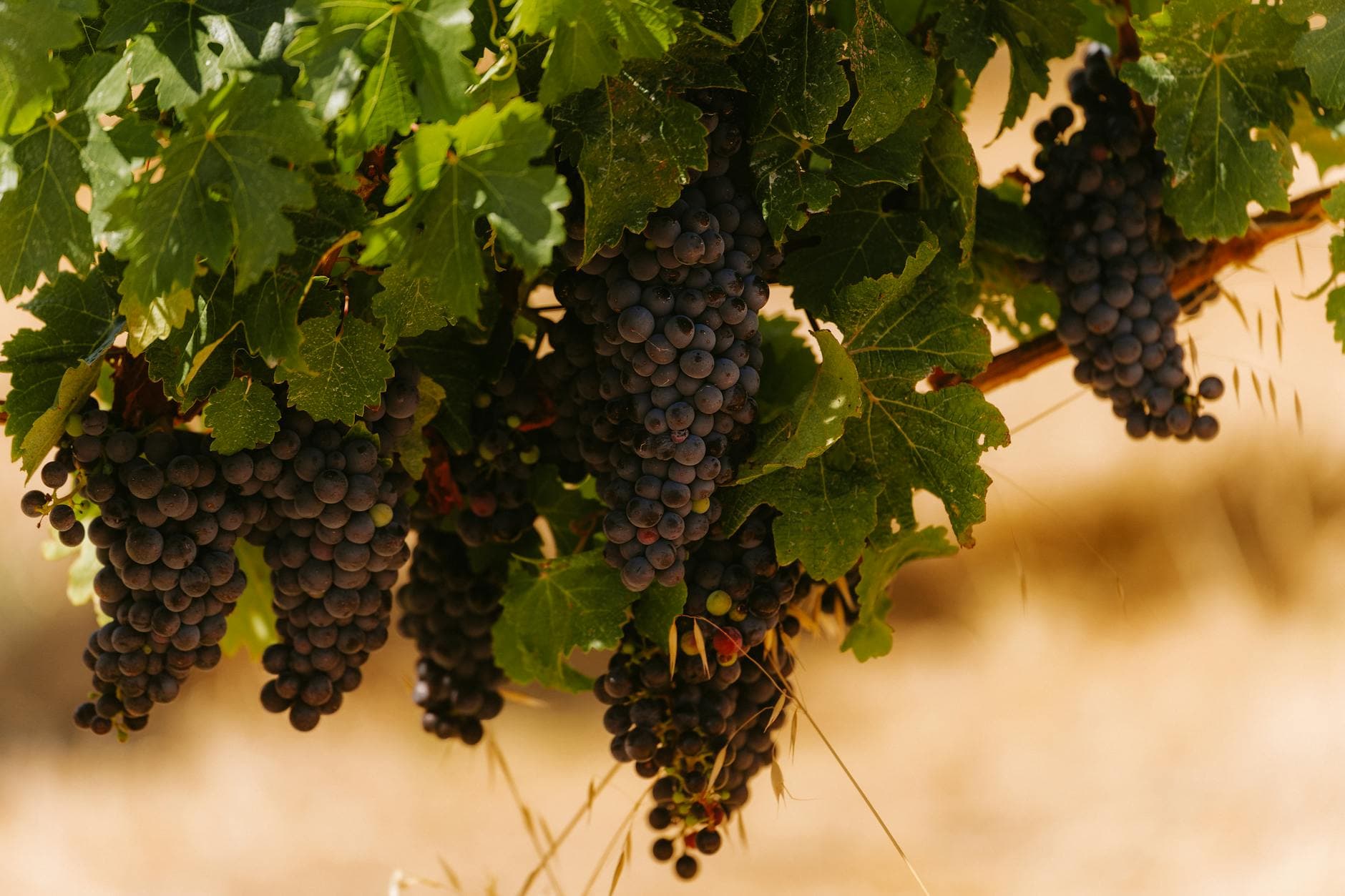
These warm conditions suit Shiraz particularly well. The grape develops full, generous flavours with naturally high sugar accumulation, producing wines that tend toward richness and concentration. The style that made the Barossa famous internationally is deeply coloured, full-bodied, and opulent -- often with notes of blackberry, chocolate, plum, and warm spice. But the best producers draw complexity from low yields and old vine intensity rather than simply from ripeness.
Grenache and Mourvèdre also thrive on the valley floor, where they were traditionally blended with Shiraz in the classic GSM (Grenache-Shiraz-Mourvèdre) combination. These varieties had largely fallen out of favour by the late twentieth century, but a significant reassessment over the past two decades has restored their standing. Old vine Grenache in particular has become one of the Barossa's most exciting wines.
Cabernet Sauvignon grows well in the warmer, flatter areas toward the southern end of the Barossa Valley floor, around Koonunga and Kalimna. Penfolds drew heavily on these vineyards for decades in building Bin 389 and related blends.
The Barossa Valley GI (Geographical Indication) encompasses the valley floor. When you see "Barossa Valley" on a label rather than simply "Barossa," the fruit comes specifically from this lower-elevation zone.
Eden Valley: The Cooler, Higher Ground
Eden Valley lies immediately east of the Barossa Valley proper, at elevations ranging from roughly 400 to 550 metres. The altitude brings cooler temperatures -- nights are noticeably cooler than the valley floor, which lengthens the growing season and preserves natural acidity in the grapes.
The soils in Eden Valley are different too: shallower, more rocky, with higher clay content and significant ironstone. Vines have to work harder here, producing lower yields but often wines with more precise, defined fruit characters.

Riesling is Eden Valley's great grape. The combination of elevation, cool nights, and reliable acidity produces wines with an intensity of citrus and mineral character that ages exceptionally well. Eden Valley Rieslings are not typically opulent in youth -- they can be quite austere -- but given several years of bottle age, they open into wines with remarkable complexity. Producers like Henschke, Pewsey Vale, and Mountadam have built reputations specifically on Eden Valley Riesling.
Shiraz performs differently here than on the valley floor. Eden Valley Shiraz tends toward elegance rather than power: finer tannins, brighter acidity, cooler fruit characters (more black pepper and dark cherry than chocolate and plum). The most famous example is Henschke Hill of Grace, a single vineyard wine made from vines planted in the 1860s. It is one of Australia's most celebrated wines and one of the world's most collectable.
The broader Barossa label on a bottle may blend fruit from both the valley floor and Eden Valley. Many producers do this deliberately to combine the richness of lower-elevation fruit with the structure and aromatics from altitude.
Key Grape Varieties
Shiraz (Syrah) is the Barossa's defining grape. Old vine examples from the valley floor produce wines of extraordinary concentration, with flavour profiles built around black fruit, dark chocolate, dried herbs, and earth. Eden Valley Shiraz is typically more peppery and structured. The Barossa is one of the few places in the world where a continuous record of vine age can be traced back over 150 years, and the old vine wines reflect that heritage directly in the glass.
Grenache was long considered a bulk variety here but has undergone a serious reassessment. Old vine Grenache from the Barossa often shows red fruit, dried flowers, and a silky texture that rewards those who explore beyond Shiraz. Producers like Spinifex, Cirillo, and Langmeil make compelling single-varietal examples.

Mourvèdre (Mataro) is the third pillar of the classic GSM blend. On its own it can be quite firm and gamey, but in combination with Grenache and Shiraz it adds structure, earthy depth, and aging capacity. Several producers offer it as a varietal, and it rewards patience in the cellar.
Riesling dominates Eden Valley production. Young Eden Valley Rieslings show lime, lemon, and floral notes with piercing acidity. Aged examples take on toast, honey, and petrol notes while retaining freshness. They are almost always dry in style.
Cabernet Sauvignon appears most often in blends -- with Shiraz (an Australian classic) and in standalone varietal form. The Barossa does not produce the most elegant Australian Cabernet (that honour typically goes to Coonawarra or Margaret River), but the best examples offer genuine richness and structure.
Semillon and Chardonnay are grown in smaller quantities. Eden Valley Chardonnay, particularly from Mountadam, has developed a following among those who prefer the cooler-climate style to the fuller Barossa Valley floor versions.
Top Wineries to Visit
The Barossa has cellar doors ranging from grand estate facilities with restaurant bookings required months in advance, to small family operations where you pull into a gravel car park and knock on the door. What follows covers the range, from the most famous names to some worth seeking out.
Penfolds Magill Estate (and Nuriootpa Barossa Cellar)
Penfolds is Australia's most famous wine producer, and its cellar door experience at Nuriootpa gives access to the full portfolio including verticals of Grange and Bin 707. The Grange Heritage Experience (a seated, guided tasting of multiple Grange vintages) is one of the most memorable tastings you can do in Australia -- but it books out months ahead and carries a significant per-person cost. The standard cellar door tasting is more accessible and still worthwhile. Note that Penfolds' primary estate is Magill Estate near Adelaide city; the Barossa facility is their main blending and storage hub.

Seppeltsfield
The Seppeltsfield property is one of the most historically significant wine estates in Australia. The founding family built an entire village here from the 1850s, and the bluestone buildings, palm tree avenues, and Centennial Cellar are listed on the state heritage register. The winery is famous for its solera system: a continuous fractional blending method that means every year they can release a 100-year-old Para Tawny, and visitors can taste wine from the exact year of their birth. The cellar door also pours Barossa Blend fortifieds and a strong table wine lineup. The site has multiple food and dining options on the property. It is among the most complete winery visit experiences in Australia.
Jacob's Creek
Owned by Pernod Ricard, Jacob's Creek is one of the best-known Australian wine brands internationally. The visitor centre on the banks of Jacob's Creek near Rowland Flat is well set up for a range of tasting experiences, from the core range tasting to more in-depth explorations of the Reserve and Single Vineyard tiers. The educational exhibits on the history of Australian wine are accessible and well done. It is suited to visitors who are newer to wine and want a guided, well-organised introduction to Barossa Shiraz.
Wolf Blass
Wolf Blass built his reputation on Cabernet Sauvignon blended from multiple South Australian regions, winning the Jimmy Watson Trophy at the Royal Melbourne Wine Show three times in four years in the 1970s. The cellar door at Sturt Highway offers a wide tasting menu, from the accessible Yellow Label range through to the ultra-premium Platinum Label. The facility is modern and visitor-oriented. Good for those who want to understand how a major Australian wine brand constructs multi-regional blends.
Henschke
Henschke is a family estate that has been farming in Eden Valley since the 1860s. The sixth generation, Stephen and Prue Henschke, run it today with their children increasingly involved. The cellar door at Keyneton is in the Eden Valley proper, a 25-minute drive from Tanunda -- deliberately off the beaten path, which contributes to the appointment-only atmosphere. You taste here by appointment, and the tasting includes some of the Hill of Grace library, subject to availability and your willingness to plan ahead. Even setting aside Hill of Grace, the Henschke lineup (Mount Edelstone Shiraz, Cyril Henschke Cabernet, Joseph Hill Gewurztraminer) is one of the most consistently excellent in the Barossa. This is the right visit for serious wine enthusiasts.
Yalumba
Yalumba is Australia's oldest family-owned winery, founded in 1849. The Angove-Smith family still owns it. The estate at Angaston in the Eden Valley makes wines across a wide range, but the things to taste at the cellar door are the flagship Signature Shiraz-Cabernet, the Virgilius Viognier (one of Australia's finest examples of the variety), and any of the museum releases on offer. Yalumba also runs a nursery that has been instrumental in reintroducing and preserving old Spanish and Rhone varieties in the Barossa. The cellar door itself is in a converted bluestone building and takes walk-ins.
The Barossa Food Scene
Barossa food is not a backdrop to the wine -- it is an equal draw. The German and Silesian heritage of the founding settlers survives most tangibly in the smallgoods culture. Butchers in Tanunda, Angaston, and Nuriootpa still produce mettwurst, bratwurst, and smoked pork products using methods brought from Europe in the nineteenth century. The Apex Bakery in Tanunda has been running since 1924 and is worth a stop for its traditional breads.
The Barossa Farmers Market runs every Saturday morning in Angaston and draws producers from across the region. It is one of the better regional farmers markets in Australia -- the selection includes local cheeses, smallgoods, seasonal produce, olive oil, and honey. Arriving around opening time gives you the best selection and the opportunity to talk to producers directly.

Maggie Beer's Farm Shop on Pheasant Farm Road in Nuriootpa is a pilgrimage point for anyone with an interest in Australian food. Beer -- a Barossa institution and television personality -- has been championing the Barossa food scene since the 1970s. The Farm Shop sells her jams, pates, verjuice, and seasonal products, and there is a cafe on site. Arrive before noon if you want lunch.
Fine dining has arrived in the Barossa over the past fifteen years. 1918 Bistro and Grill in Tanunda is reliable for a proper sit-down meal with a thoughtful local wine list. The Louise restaurant at the Seppeltsfield-associated Louise accommodation has a menu built entirely around Barossa producers.
When to Visit the Barossa Valley
Harvest season (February to April) is the most atmospheric time to visit. Vineyards are active, cellar doors have their full team on, and many producers run harvest events or open their gates for special tastings. The Barossa Vintage Festival happens in even-numbered years across April and early May -- it is a week of dinners, vineyard tours, cellar door events, and a parade through Tanunda that has been running since 1947. If you can time a visit to coincide with the festival, it is worth doing.
Autumn (March to May) is generally the best time weather-wise: the summer heat has passed, the vines begin to turn gold and red, and the roads are quieter than during peak summer. Daytime temperatures are comfortable and the light is excellent for photography.
Winter (June to August) sees pruning underway. It is the quietest period commercially and some smaller cellar doors reduce their hours or close for private events. However, accommodation is cheaper and the landscape has its own appeal in the cooler months. Some of the premium winery experiences are easier to book in winter.
Spring (September to November) brings the vines back into growth and some wildflower displays across the region. Weather is variable -- cool days and warm spells mix -- but it is a pleasant time to visit before the summer crowds build.
Summer (December to February) is hot, particularly in January. Temperatures regularly exceed 38 degrees Celsius and occasional heatwaves push well beyond 40. Tastings can be uncomfortable in poorly air-conditioned cellar doors. If visiting in summer, plan to be at cellar doors in the morning and save afternoons for air-conditioned restaurants or winery dining rooms.
Getting There
The Barossa Valley sits approximately 70 kilometres, or about 45 minutes by car, northeast of Adelaide. The most direct route runs via the Sturt Highway and approaches from the south, entering the valley near Lyndoch.
Self-drive is the standard approach for most visitors. Having your own vehicle gives flexibility to move between cellar doors on your own schedule, stop at the farmers market, and explore Eden Valley without being tied to a tour timetable. The roads in the valley are straightforward, and most cellar doors have ample parking. The obvious caveat: designated drivers or careful management of sample quantities is essential. Barossa tastings can be generous.
Wine tours from Adelaide are widely available, ranging from half-day group tours with fixed stops to full-day private tours with a guide. Group tours typically visit three or four cellar doors and include lunch. Private tours allow you to customise the itinerary. If your group wants to taste freely without anyone acting as driver, a guided tour is the practical choice.
From Adelaide by public transport is technically possible but not practical for a proper winery visit. Bus services from Adelaide to Nuriootpa and Tanunda run, but frequency is limited and getting between wineries without a car is difficult.
From interstate: Adelaide Airport has direct flights from all major Australian cities. Most visitors combine the Barossa with Adelaide city and potentially McLaren Vale or Clare Valley into a longer South Australian wine trip.
If you are planning to visit multiple South Australian wine regions, see our South Australia wine guide for an overview of the broader region.
Where to Stay in Barossa
Tanunda is the valley's main town and the logical base for most visitors. It has the widest range of accommodation, good access to grocery stores and cafes, and sits centrally between the major cellar doors. Smaller B&Bs and guesthouses in Tanunda are often hosted by locals with genuine knowledge of the region.
Seppeltsfield and surrounds have seen significant investment in boutique accommodation. Several vineyard cottages and boutique properties have opened near the heritage estate. Staying here gives the sense of being embedded in the landscape rather than in a service town.
Eden Valley and Keyneton offer smaller, quieter options for those focused on the higher-elevation zone. If you are visiting Henschke and other Eden Valley producers, a night here removes the need to drive back to the valley floor in the evening.
Angaston is worth considering for proximity to Yalumba and the Saturday farmers market. It is a quieter town than Tanunda.
Luxury options: The Louise at Seppeltsfield and Novotel Barossa Valley Resort (Rowland Flat) are the two most established luxury properties. Both have pools and in-house dining, which matters in summer.
For a guide on what to wear to winery visits across different contexts, see our wine tasting dress code guide.
Frequently Asked Questions
Can you do the Barossa Valley as a day trip from Adelaide?
Yes, and many people do. The 45-minute drive makes it perfectly feasible. A day trip typically allows time to visit three or four cellar doors comfortably, with lunch somewhere in between. The practical constraint is the return drive -- if your group wants to taste freely, you will need a designated driver or should book a tour. If you want to visit both the Barossa Valley floor and Eden Valley in a single day, plan carefully: Eden Valley wineries like Henschke are a 25-minute drive from Tanunda, so the round trip takes time from your visiting window.
What is the best time of year for harvest in the Barossa?
Harvest runs from late February through April, with Shiraz typically picked in March or early April on the valley floor. Eden Valley varieties, including Riesling, harvest slightly later. Visiting during harvest means you may see picking crews in the vineyards, activity at winery loading bays, and the atmosphere of the season. Some producers run harvest experiences or open days during this period. The Barossa Vintage Festival (even-numbered years, late April/early May) is the most structured way to engage with the harvest season.
What is the difference between Barossa Valley and Eden Valley?
Barossa Valley refers specifically to the lower-elevation valley floor, warmer and better suited to full-bodied red wines, particularly Shiraz and Grenache. Eden Valley is the higher-elevation zone to the east, cooler and more suited to Riesling and more elegant styles of Shiraz. Both sit within the broader Barossa GI, and many producers source fruit from both zones. When a label says "Barossa Valley" rather than just "Barossa," it indicates the fruit comes from the valley floor specifically.
Do I need to book cellar door tastings in advance?
For the large, well-known producers -- Jacob's Creek, Wolf Blass, Yalumba -- walk-in tastings are generally fine. For smaller or more prestigious producers, and particularly for premium experiences at Penfolds (Grange tastings) or Henschke (appointment only), advance booking is essential. The Seppeltsfield centennial release tasting (tasting wine from your birth year) also books up quickly. A rule of thumb: book anything that involves a specific experience or guide, and walk in for standard cellar door pours.
What makes Barossa Shiraz different from Shiraz made elsewhere?
The key factors are vine age and climate. The Barossa has some of the world's oldest continuously producing Shiraz vines -- stocks from the 1840s through 1860s that predate the phylloxera epidemic that destroyed most European vineyards. Old vines naturally produce smaller yields with more concentrated flavour. Combined with the warm valley floor climate, this produces wines with a particular richness, generosity of texture, and complexity that younger vineyards in warmer new-world regions can mimic in style but not in detail. For comparison with other prominent Shiraz/Syrah regions, see our how to plan a wine tour guide.
Is the Barossa suitable for non-wine drinkers?
More so than many wine regions. The food culture is strong enough to justify a visit independently. The Barossa Farmers Market, Maggie Beer's Farm Shop, the smallgoods butchers in Tanunda, and several good restaurants all offer strong reasons to visit beyond the cellar doors. Seppeltsfield's heritage site is worth exploring for anyone with an interest in Australian history. Eden Valley's landscape is genuinely beautiful.
What should I eat at the Barossa Farmers Market?
The market runs Saturday mornings in Angaston. The Barossa specialty is smallgoods: mettwurst, bratwurst, and smoked pork products made by local butchers using German recipes that go back generations. Barossa Valley Cheese Company typically has a stall. Seasonal produce from local growers varies by month -- stone fruits in summer, brassicas and root vegetables in winter. Arrive by 9am for the widest selection before the popular stalls sell out.
Can I pick grapes during harvest?
Casual grape picking work is less commonly available than it once was -- most large producers now use contracted crews. However, some smaller family estates still welcome visitors who want to participate in picking during harvest, particularly if arranged in advance. Checking directly with smaller wineries in January or February is the best approach. For more general guidance on working in vineyards, see our grape picking guide.
How many wineries should I try to visit in a day?
Three to four is a reasonable target. More than that tends to mean rushed visits, waning palate sensitivity, and less retention of what you actually tasted. If you are doing a full-day visit, plan for one winery in the morning (with breakfast or coffee first), a proper lunch stop at a winery restaurant or in Tanunda, then two more afternoon visits ending by 5pm when most cellar doors close. Quality of experience is substantially higher when you allow time to talk to the winemaker or cellar door team rather than rushing through a tasting list.
Is Barossa wine expensive to buy at the cellar door?
The range is wide. Entry-level wines from the major producers can be under AUD 20. The premium single-vineyard and old vine releases from respected estates run into the hundreds of dollars. Cellar door exclusives -- wines not available at retail -- often represent the best value proposition when buying direct. Most cellar doors will pack bottles safely for travel or arrange shipping. If you are considering purchasing, the cellar door is often the right place for the estate's top-tier wines that are harder to find at retail.
Wines of Barossa Valley Wine Guide: Wineries, Regions & What to Know Before You Go
Key grape varieties and wine styles produced in the region
Primary Grape Varieties
Wine Styles
Ready to visit Barossa Valley?
Build your personalised day-by-day itinerary — choose your travel style and trip length, get accommodation and tour picks per day, and email it to yourself to take along.
Upcoming Wine Festivals in Australia
See all festivalsHidden Gems Nearby
Discover more hidden gemsLark Hill Winery
Canberra District, Australia
Australia's biodynamic pioneer, making the country's first Gruner Veltliner and experimental amphora wines in a region nobody associates with fine wine.
Riesling · Grüner Veltliner · Pinot Noir
Seville Estate
WTG PickYarra Valley, Australia
A pioneering Upper Yarra estate run by the founding family's third generation — Burgundian-style Pinot Noir and Chardonnay with incredible tension and age-worthiness.
Pinot Noir · Chardonnay · Shiraz
Oakridge Wines
Yarra Valley, Australia
Australia's leading site-specific Chardonnay and Pinot Noir producer — the 864 series is a masterclass in Australian terroir that flies under the international radar.
Chardonnay · Pinot Noir · Pinot Meunier
Book Your Barossa Valley Wine Country Stay
Compare hotels, vineyard B&Bs and rentals across Booking, Airbnb and more in one search.
Compare stays near the vineyardsStay22
Plan Your Barossa Valley Wine Guide: Wineries, Regions & What to Know Before You Go Trip
Estimate your Barossa Valley Wine Guide: Wineries, Regions & What to Know Before You Go trip cost
Budget calculator with accommodation, food, wine, and transport estimates.
Try itCompare Barossa Valley Wine Guide: Wineries, Regions & What to Know Before You Go with other regions
Side-by-side comparison of cost, climate, wine styles, and more.
Try itWhen to visit Barossa Valley Wine Guide: Wineries, Regions & What to Know Before You Go
Harvest dates, peak season, and the best months for wine travel.
Try itThis page contains affiliate links. We may earn a commission at no extra cost to you.