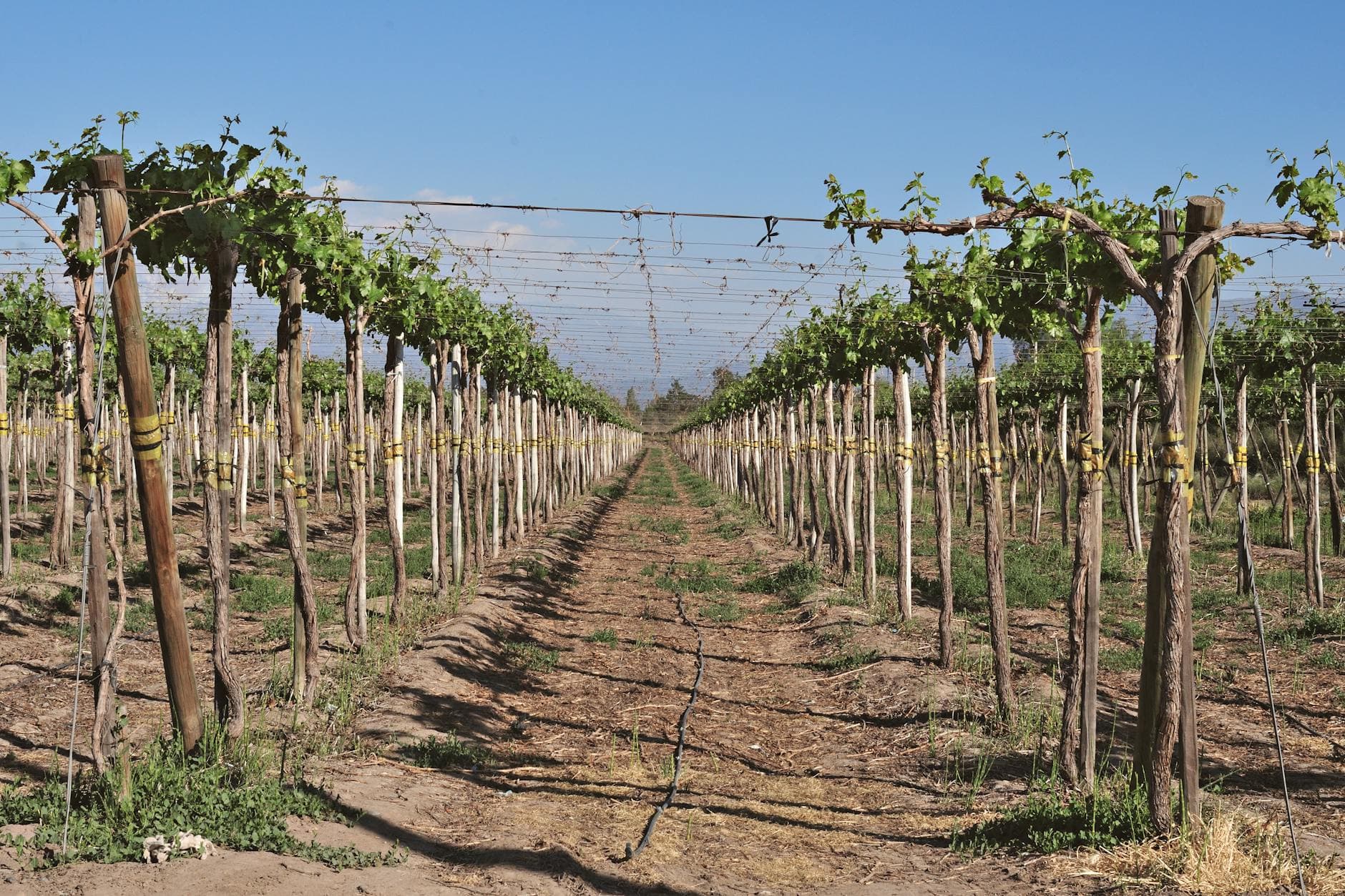
10 Best Wine Regions to Visit in Summer 2026: Europe's Peak Season Guide
Where to go wine tasting this summer: 10 European wine regions at their peak from June to August, with what to taste and what to expect.
10 Best Wine Regions to Visit in Summer 2026: Europe's Peak Season Guide
Introduction
Summer is when European wine country operates at full volume. Vineyards are thick with green canopy, tasting rooms extend onto terraces, and harvest season — the most exciting time to be near a winery — begins in late August across southern Europe. The stretch from June through August also brings the longest daylight hours, outdoor festivals, and the widest selection of open cellar doors.
This list focuses on 10 regions where summer specifically improves the wine travel experience, not just the weather. We weighted four factors: seasonal wine releases and events, quality of summer-specific experiences (outdoor tastings, harvest overlap, festivals), accessibility from major airports, and value across a range of budgets. Every region on this list is worth visiting year-round, but each one has a particular reason to go between June and August 2026.
If you're planning a spring trip instead, see our best European wine regions for spring 2026.
1. Provence, France
Summer in Provence and rosé are nearly synonymous at this point. The region produces more rosé than any other in France, and the pale, dry style that dominates here — made primarily from Grenache, Cinsault, and Mourvèdre — drinks best when it's warm outside. Summer is also when Provence's lavender fields bloom alongside the vineyards, which makes the landscape unusually photogenic for wine country.
What to taste: Current-vintage rosé from Bandol or Côtes de Provence, plus the underrated whites from Cassis (Marsanne and Clairette blends).
One experience worth booking: Château d'Esclans, the estate behind Whispering Angel, runs guided tastings of their full range including the top-end Garrus — a rosé that routinely sells for over €90 a bottle. Tasting here in context, surrounded by the actual vines, reframes what rosé can be.
Logistics: Fly into Marseille or Nice. Budget €120–180/day for mid-range accommodation, meals, and tasting fees.
Read the full Provence wine region guide →
2. Santorini, Greece
Santorini's wine scene is built on Assyrtiko, a white grape that thrives in volcanic soil and produces wines with razor-sharp acidity and mineral depth. The vines here are trained in low basket shapes called "kouloura" to protect against the fierce Aegean winds — a technique used for centuries that makes the vineyards look like nothing else in Europe. Summer is high season on the island, and several wineries position their tasting terraces to face the caldera at sunset.
What to taste: Dry Assyrtiko (the island's flagship), Nykteri (a barrel-aged style with more weight), and Vinsanto (a sweet wine made from sun-dried grapes — no relation to Vin Santo from Italy).

One experience worth booking: Santo Wines cooperative sits on the caldera rim in Pyrgos. The wine is solid, but the real draw is tasting Assyrtiko while watching the sun drop into the sea. Arrive by 6pm to secure a spot during peak summer.
Logistics: Fly into Santorini (JTR) from Athens. Budget €150–220/day — the island runs expensive in July and August.
Explore the Santorini wine festival calendar →
3. Douro Valley, Portugal
The Douro is one of Europe's most dramatic wine landscapes: steep terraced hillsides dropping down to the river, with quintas (wine estates) carved into the slopes. Summer here is hot — regularly above 35°C in July — but the river moderates the heat and makes early mornings and evenings comfortable. This is port country, but the Douro's dry red wines have become some of Portugal's most interesting bottles over the past decade. Summer also brings river cruise season, which lets you taste along the valley without driving the narrow roads.
What to taste: Tawny port (served slightly chilled, it's a genuine summer drink), dry reds from Touriga Nacional and Touriga Franca, and white port with tonic — the Douro's answer to G&T.
One experience worth booking: Take the historic Linha do Douro train from Porto to Pinhão. The final stretch hugs the river through terraced vineyards and is one of the best rail journeys in southern Europe. From Pinhão, Quinta do Bomfim offers walk-in tastings.
Logistics: Fly into Porto (OPO), then drive 90 minutes east or take the train. Budget €80–130/day — the Douro is strong value compared to western European wine regions.
Read the full Douro Valley wine region guide →
4. Mosel, Germany
The Mosel River carves through some of the steepest vineyards on earth — slate slopes pitched at gradients that require hand-harvesting. Riesling grown here produces wines that range from bone-dry to lusciously sweet, all with a signature nerve of acidity that keeps them lively. Summer brings the best weather for cycling the Mosel bike path, which runs 250km from Trier to Koblenz and passes dozens of small producer tasting rooms along the way.
What to taste: Kabinett Riesling (low alcohol, high acid, the Mosel's sweet spot), trocken (dry) Riesling from top sites like Ürziger Würzgarten or Erdener Prälat, and Sekt (German sparkling wine).
One experience worth booking: Weingut Dr. Loosen in Bernkastel runs cellar tours that explain the difference between the Mosel's famous vineyard sites. The entry-level wines start at €8, and the single-vineyard bottles demonstrate how slate, blue slate, and red slate produce markedly different Rieslings.
Logistics: Fly into Frankfurt-Hahn (HHN) or Luxembourg (LUX). Budget €90–140/day — the Mosel remains one of Germany's more affordable wine regions.
Read the full Mosel wine region guide →
5. Tuscany, Italy
Tuscany in summer is crowded, expensive, and hot. It also happens to be when the region is at its most alive: outdoor concerts in hill town piazzas, long dinners on winery terraces, and new vintage releases across Chianti Classico. The key is knowing where to go. Skip the tour-bus stops in central Chianti and head south to Montalcino (Brunello) or the Maremma coast, where the crowds thin and the wines are just as serious.
What to taste: Chianti Classico Riserva (Sangiovese-based, firm and savoury), Brunello di Montalcino (if your budget allows — the 2021 vintage releases are arriving), and Vernaccia di San Gimignano (a crisp white that doesn't get enough attention).

One experience worth booking: Biondi-Santi in Montalcino is the estate that essentially invented Brunello. They now offer by-appointment tastings of their current releases and, occasionally, library wines going back decades. Book at least two weeks ahead in summer.
Logistics: Fly into Florence (FLR) or Pisa (PSA). Budget €140–200/day — costs rise sharply in July and August, especially near Florence.
Read the full Tuscany wine region guide →
6. Alsace, France
Alsace sits in a rain shadow created by the Vosges mountains, making it one of the driest and sunniest regions in France — a useful trait in summer. The Route des Vins d'Alsace runs 170km from Marlenheim to Thann and passes through medieval villages with half-timbered houses and winery signs on every corner. This is white wine country: Riesling, Gewürztraminer, Pinot Gris, and Muscat dominate, and summer is when the lighter styles drink best.
What to taste: Grand Cru Riesling (mineral-driven and age-worthy), Gewürztraminer (aromatic, works surprisingly well with spicy food), and Crémant d'Alsace (a sparkling wine that outsells Champagne in French restaurants by volume).
One experience worth booking: Domaine Weinbach in Kaysersberg, run by the Faller family for generations, produces some of Alsace's most precise Rieslings. Their tasting room sits at the base of the Schlossberg Grand Cru, and summer appointments include wines not available through export.
Logistics: Fly into Strasbourg (SXB) or Basel-Mulhouse (BSL). Budget €100–150/day — Alsace is moderate by French standards.
Read the full Alsace wine region guide →
7. Rioja, Spain
Rioja runs hot in summer, but the region's three sub-zones — Rioja Alta, Rioja Alavesa, and Rioja Oriental — sit at different altitudes and produce distinct styles of Tempranillo. The higher-altitude vineyards in Alavesa stay cooler and are comfortable for touring even in July. Summer 2026 also coincides with several bodega festivals: harvest prep begins in late August, and many estates host open-air dinners paired with Reserva and Gran Reserva wines.
What to taste: Crianza (fresh, 1 year in oak), Reserva (the sweet spot for most drinkers), and white Rioja made from Viura — an overlooked style that's making a comeback.
One experience worth booking: Bodegas López de Heredia in Haro has been making wine since 1877 and ages its wines far longer than most. A tour here includes the original underground cellars and a tasting of Viña Tondonia, their flagship red, which spends 6 years in barrel. The bodega is a working museum of traditional Rioja winemaking.
Logistics: Fly into Bilbao (BIO), 90 minutes north. Budget €90–130/day — Rioja remains excellent value for the quality on offer.
Read the full Rioja wine region guide →
8. Wachau Valley, Austria
The Wachau is a 30km stretch of the Danube west of Vienna, UNESCO-listed and planted with Grüner Veltliner and Riesling on steep terraced slopes. Summer turns the valley into a cycling and wine corridor: the Danube bike path passes directly through the wine towns of Dürnstein, Spitz, and Weißenkirchen, and most wineries operate Heurigen (wine taverns) serving cold plates alongside their own wines. The classification system here — Steinfeder, Federspiel, Smaragd — reflects ripeness at harvest, and summer is when the lighter Federspiel wines are at their best.
What to taste: Grüner Veltliner Federspiel (peppery, lean, built for warm weather), Smaragd Riesling (richer, with stone fruit and power), and apricot brandy — the Wachau's other specialty.

One experience worth booking: Domäne Wachau in Dürnstein is the region's largest cooperative and offers a terrace tasting overlooking the blue-painted church tower and the river. Their entry-level Federspiel costs €6 per glass and is one of the better-value pours in Austrian wine.
Logistics: Fly into Vienna (VIE), then drive or take the train 80 minutes west. Budget €100–150/day.
Read the full Wachau Valley wine region guide →
9. Languedoc, France
The Languedoc stretches across southern France from the Spanish border to the Rhône delta, and it produces more wine than any other region in the country. Historically dismissed as bulk wine territory, the Languedoc has transformed over the past 20 years. Estates like Gérard Bertrand and smaller producers in appellations like Pic Saint-Loup and La Clape now make wines that compete with bottles costing twice as much from Bordeaux or the Rhône. For summer travellers, this is also a beach-and-wine destination: the Mediterranean coast is never more than an hour from any vineyard.
What to taste: Red blends from Pic Saint-Loup (Syrah and Grenache at altitude), white wines from Limoux (including some of France's best-value Chardonnay), and Fitou (deep, structured reds from old-vine Carignan).
One experience worth booking: Château de Lascaux in Pic Saint-Loup runs vineyard walks through garrigue-scented hills followed by tastings of their single-parcel reds. The wines retail for €12–20 — a fraction of equivalent quality from the northern Rhône.
Logistics: Fly into Montpellier (MPL) or Perpignan (PGF). Budget €80–120/day — the Languedoc is the best-value major wine region in France.
10. Piedmont, Italy
Piedmont in summer occupies an interesting niche: it's too early for harvest, but the new Barolo and Barbaresco vintages (typically 3–4 years old) are being released and poured at estates across the Langhe hills. The weather is warm but not as punishing as Tuscany, and the region's food culture — white truffles arrive in autumn, but summer brings hazelnuts, peppers, and tajarin pasta — gives every winery visit a strong culinary dimension. The town of Alba is the hub, with dozens of producers within a 20-minute drive.
What to taste: Barolo (Nebbiolo aged 38+ months, powerful and tannic), Barbaresco (Nebbiolo with a bit more approachability), and Barbera d'Alba (the everyday red that locals actually drink at lunch).
One experience worth booking: Produttori del Barbaresco is a cooperative of 50+ growers that produces single-vineyard Barbaresco at prices well below the big-name estates. Their tasting room in Barbaresco village is open in summer without appointment, and a flight of three Riserva wines costs €15.
Logistics: Fly into Turin (TRN) or Milan (MXP). Budget €120–170/day — less than Tuscany, more than the Languedoc.
Honorable Mentions
A few regions that nearly made the top 10:
- Swartland, South Africa — technically not Europe, but its old-vine Chenin Blanc and Syrah are world-class, and South African winter (June–August) means cool, comfortable tasting conditions.

- Tokaj, Hungary — famous for sweet Aszú wines, but the dry Furmint movement is gaining ground. Summer is lovely here; it just lacks the infrastructure depth of the top 10.
- Etna, Sicily — volcanic Nerello Mascalese from high-altitude vineyards. Summer is hot at sea level but pleasant on Etna's slopes above 600m. Watch this region closely.
- Priorat, Spain — Intense Garnacha and Cariñena from slate soils. Stunning landscape, but the summer heat above 40°C and limited winery opening hours kept it off the main list.
Planning Tips for Summer 2026 Wine Travel
Book early, especially for July and August. The most popular estates in Tuscany, Provence, and Santorini fill their tasting slots 4–6 weeks ahead during peak summer. Smaller producers are more flexible, but emailing ahead is always a good idea — many family-run wineries close for a week or two in August.
Rent a car for most regions, but not all. The Mosel, Wachau, and Douro all have strong cycling or rail alternatives. In regions where you do drive, designate a non-drinking driver or use local taxi services — wine country DUI enforcement in France, Italy, and Spain has increased significantly.
Mornings are for vineyards, afternoons are for shade. In southern regions (Languedoc, Rioja, Douro, Tuscany), temperatures above 35°C are common from 1pm to 5pm in July and August. Schedule cellar visits and tastings for before noon or after 4pm.
Budget for the unexpected. The best wine travel moments tend to be unplanned — a producer you meet at a market, a bottle opened on a terrace at dusk. Leave room in your itinerary and your budget for those moments.
FAQ
Q: What is the best month for wine travel in Europe?
A: September and October are traditionally the top months because harvest is underway, but June offers warm weather with fewer crowds and lower prices. July and August are hottest and busiest but bring the most events and festivals. Your best month depends on whether you prioritize weather, crowds, or harvest activity.
Q: How much does a wine tasting cost in Europe?
A: It varies widely. In Germany's Mosel and Portugal's Douro, many tastings are free or under €10. In Tuscany and Provence, expect €15–30 for a guided tasting of 4–6 wines. Premium experiences (library wines, vertical tastings, private tours) can run €50–100+. Booking directly through the winery is almost always cheaper than going through a tour operator.
Q: Do I need to book winery visits in advance?
A: In summer, yes — for any well-known estate. Smaller producers may accept walk-ins, but calling or emailing a day ahead is standard practice across Europe. Some regions (Burgundy, parts of Tuscany) require appointments year-round. The wineries mentioned in this guide all accept advance bookings through their websites.
Q: Is it worth visiting wine regions in August when many businesses close?
A: The August closure tradition has faded in wine tourism — most tasting rooms stay open because summer visitors are their main audience. However, some family estates in France and Italy do close for 1–2 weeks, typically mid-August. Check before you go, and have backup options.
Q: Can I ship wine home from European wineries?
A: Most established wineries offer international shipping, but costs and customs regulations vary by destination country. Expect to pay €15–30 per case for shipping within Europe. Shipping to the US, UK, or Australia adds customs duties and can double the cost. For small quantities, packing bottles in your checked luggage (wrapped in clothing) is the most practical option.
Related Guides
Book Your 10 Best Wine Regions to Visit in Summer 2026: Europe's Peak Season Guide Wine Country Stay
Compare hotels, vineyard B&Bs and rentals across Booking, Airbnb and more in one search.
Compare stays near the vineyardsStay22
Plan Your 10 Best Wine Regions to Visit in Summer 2026: Europe's Peak Season Guide Trip
Estimate your 10 Best Wine Regions to Visit in Summer 2026: Europe's Peak Season Guide trip cost
Budget calculator with accommodation, food, wine, and transport estimates.
Try itCompare 10 Best Wine Regions to Visit in Summer 2026: Europe's Peak Season Guide with other regions
Side-by-side comparison of cost, climate, wine styles, and more.
Try itWhen to visit 10 Best Wine Regions to Visit in Summer 2026: Europe's Peak Season Guide
Harvest dates, peak season, and the best months for wine travel.
Try itThis page contains affiliate links. We may earn a commission at no extra cost to you.