12 Best Wineries to Visit in Barossa Valley
The best wineries to visit in Barossa Valley in 2026, from legendary Shiraz estates with century-old vines to innovative producers redefining Australian wine. Tasting fees, tips, and what to expect.
12 Best Wineries to Visit in Barossa Valley (2026 Guide)
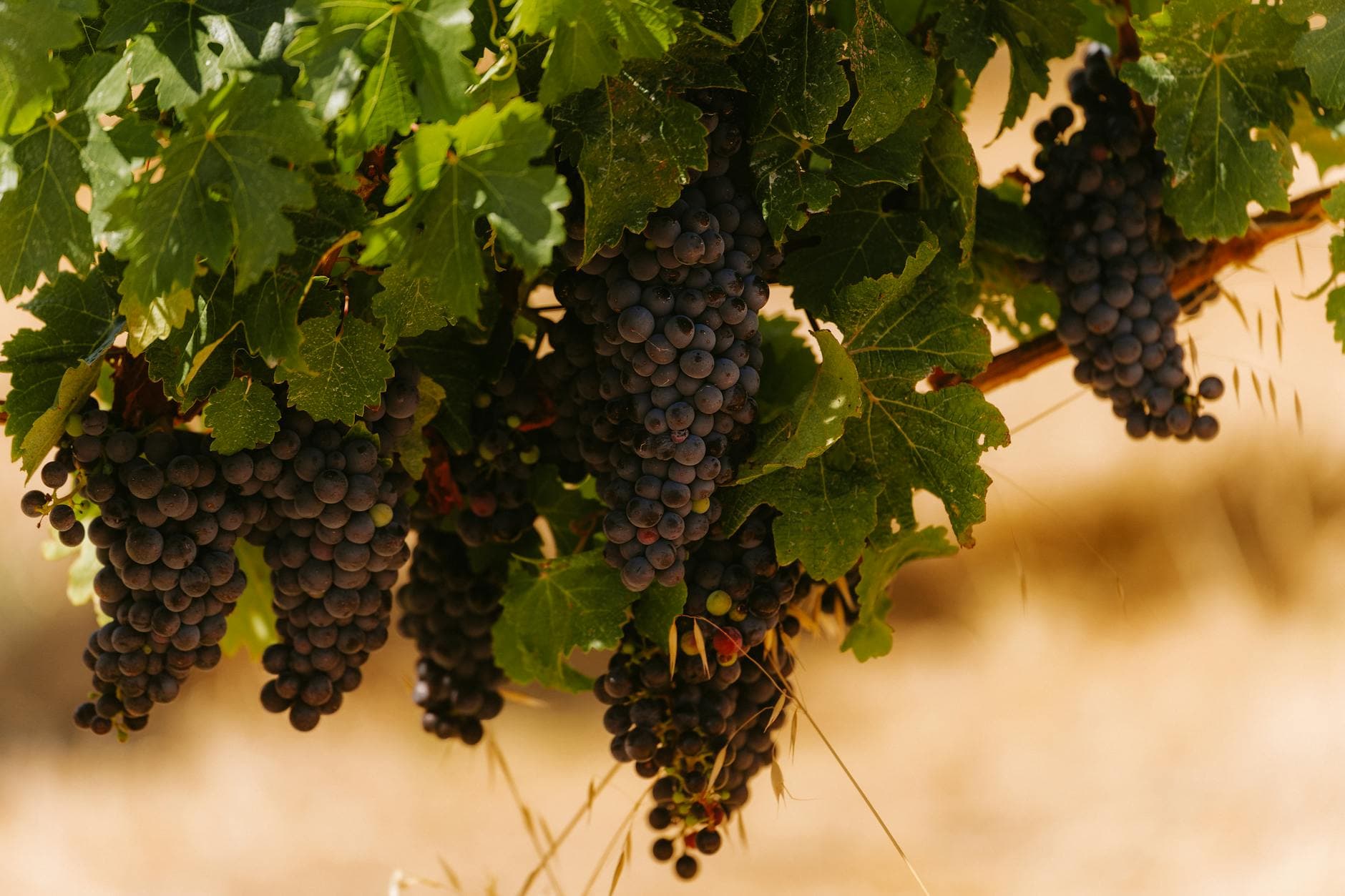
Barossa Valley has one asset that no other wine region on earth can replicate: old vines. When South Australian viticulture survived the phylloxera epidemic that destroyed most of the world's vineyards in the late 1800s, the Barossa's Shiraz, Grenache, Mataro, and Semillon vines continued growing undisturbed. Some of those vines are now over 100 years old. A handful are approaching 170 years.
Old-vine Shiraz from the Barossa Valley does things that young-vine wine cannot. The concentration, the complexity, the web of spice, dark fruit, dark chocolate, and earth that fills a glass of Penfolds Grange or Henschke Hill of Grace is inseparable from the age of the vines that produced it. These are wines that require no argument for Australian wine's place at the world's table.
Beyond the icon producers, the Barossa has evolved into one of the world's most dynamic wine regions. A generation of younger winemakers is working with the same old-vine material using minimal-intervention techniques, producing wines that are lighter, more precise, and more food-friendly than the powerhouse style that made Barossa famous.
This guide covers 12 wineries that represent the full range of what Barossa does. The old guard, the new guard, and the producers who bridge them.
Whether you're planning your first wine trip or adding Australia to a longer wine travel itinerary, Barossa Valley will recalibrate your sense of what Shiraz can be.
What to Know Before Visiting Barossa Valley Wineries
Before booking your first appointment, here's what matters for tasting in Barossa Valley in 2026:
- Most cellar doors are open without reservations. The Barossa has a stronger walk-in culture than most premium wine regions. That said, iconic estates like Henschke and some smaller producers require advance booking.
- Tasting fees are generally low. Most cellar doors charge $10-20 AUD for a standard tasting, with refunds or waivers on purchase common. Premium experiences run $30-50 AUD per person.
- The valley is compact. The Barossa Valley proper runs about 20km north to south. You can drive from Tanunda to Nuriootpa in 10 minutes. The Eden Valley (higher elevation, cooler) is a 30-45 minute drive from the valley floor.
- Heat is real. January and February can hit 40°C (104°F) and above. Visit in autumn (March-May) or spring (September-November) for comfortable temperatures and harvest energy. See our wine tour planning guide for seasonal advice.
- Designated driving or shuttle. South Australian drink-driving laws are strict. Many visitors use the Barossa Explorer bus service or book a tour operator for the day.
- Four to five wineries per day is achievable given the compact geography. Unlike Napa or Burgundy, you can cover serious ground without long drives between stops.
1. Penfolds (Nuriootpa)
Known for: Grange Shiraz, Bin 389 Cabernet Shiraz, Bin 707 Cabernet Sauvignon, RWT Shiraz
Why visit: Grange is Australia's most famous wine. First produced by Max Schubert in 1951 using a multi-regional blending philosophy borrowed from Bordeaux and applied to Shiraz, it has spent 70+ years at the top of Australian wine criticism and now regularly outperforms Bordeaux first growths in international tastings. Visiting the Penfolds cellar door in Nuriootpa is the closest you can get to the source of Grange without a very large credit card.
The experience: The cellar door tours are theatrical and deliberately grand --- this is a winery that understands its brand is as much legend as liquid. The Make Your Own Blend experience lets you work through individual varietal components before blending your own version of Bin 389. The Grange tasting, offered on select days, is the serious option: you'll taste through recent and library vintages of Australia's most iconic wine. Staff are exceptionally well-trained on the Penfolds story.
Best for: Icon wine enthusiasts, anyone who wants to taste Grange, visitors interested in Australian wine history.
Tasting fee: $20-150 AUD depending on experience tier
Reservations: Required for premium experiences. Walk-ins welcome for standard tasting.
Website: penfolds.com
2. Henschke (Eden Valley)
Known for: Hill of Grace, Mount Edelstone, Cyril Henschke Cabernet
Why visit: Hill of Grace is Penfolds' only genuine rival as Australia's greatest wine. Made from a single vineyard of Shiraz vines planted between 1860 and 1910 in Eden Valley, it is produced in tiny quantities and commands prices that reflect its status. The Henschke family has farmed this property for five generations, and winemaker Stephen Henschke and viticulturist Prue Henschke have spent 40 years perfecting the biodynamic approach that makes the vineyard's terroir so legible in the glass.

The experience: The cellar door at Keyneton (in the Eden Valley, not the Barossa floor) is low-key relative to the wine's status --- a single-room tasting room with the family home nearby. You'll taste through the range, which always includes the Mount Edelstone single-vineyard Shiraz and often the Cyril Henschke Cabernet. Hill of Grace itself is reserved for very specific tasting experiences. The contrast between the valley floor Barossa style and the Eden Valley elevation is made concrete here.
Best for: Collectors, serious wine enthusiasts, anyone who wants to taste the vineyard behind one of the world's great wines.
Tasting fee: $30-80 AUD
Reservations: Required. Book well in advance.
Website: henschke.com.au
3. Torbreck Vintners (Marananga)
Known for: The Laird, RunRig, The Descendant (Shiraz, Grenache-Shiraz-Mourvèdre blends)
Why visit: David Powell founded Torbreck in 1994 with a specific focus on old-vine Rhône varieties --- Shiraz, Grenache, Mataro, Viognier --- and a determination to make wines that expressed the Barossa's century-old vines with European-style restraint. RunRig, a co-fermentation of Shiraz and Viognier from 60-130 year-old vines, became one of Australia's most celebrated and collected wines within a decade of its first vintage.
The experience: The cellar door in Marananga has a warm, rustic feel that matches the wines' character. Tastings work through the tiered portfolio, from the accessible Woodcutter's range up to the reserve RunRig and the near-impossible-to-find Laird. The Grenache-dominant blends (The Struie, The Steading) are the hidden gems --- showing how the Barossa's Grenache, from 80-100 year-old vines, can produce wines of Châteauneuf-du-Pape complexity. Staff are knowledgeable and genuinely passionate about the old-vine story.
Best for: Rhône variety fans, old-vine enthusiasts, collectors of cult Australian wine.
Tasting fee: $20-50 AUD
Reservations: Recommended for larger groups.
Website: torbreck.com
4. Two Hands Wines (Marananga)
Known for: Ares, Bella's Garden, Lily's Garden (single-vineyard Shiraz)
Why visit: Michael Twelftree and Richard Mintz founded Two Hands in 1999 with the explicit goal of finding the best Shiraz vineyards in Australia and making them into single-vineyard wines that could be compared side by side. The "Garden Series" --- named blocks from McLaren Vale, Barossa, Heathcote, and Clare Valley --- is one of the most effective demonstrations of terroir in Australian wine: same winemaker, same approach, strikingly different wines.
The experience: The Marananga cellar door is one of the best designed in the Barossa --- large, modern, with excellent natural light and a focused approach to the tasting. You'll compare Garden Series Shiraz wines from different regions, followed by the flagship Ares (from old-vine Greenock Creek fruit) and Lily's Garden (Barossa floor, deep and concentrated). The vineyards-as-characters concept works because the wines genuinely taste different, and the staff are well-equipped to articulate why.
Best for: Terroir comparison tastings, Shiraz enthusiasts, anyone who wants to understand how site affects Australian wine.
Tasting fee: $20-45 AUD
Reservations: Recommended.
Website: twohandswines.com
5. Rockford Wines (Tanunda)
Known for: Basket Press Shiraz, Rifle Range Cabernet Sauvignon, Sparkling Black Shiraz
Why visit: Robert O'Callaghan founded Rockford in 1984 using rescued 19th-century equipment and a philosophy of traditional winemaking that would define the back-to-basics movement in Australian wine. The Basket Press Shiraz, made from old-vine fruit and pressed in the original basket press that gives it its name, has been called "the most traditional Australian wine made today." The Sparkling Black Shiraz --- a deep, inky, fizzing red --- is one of the world's most distinctive wine experiences.

The experience: The cellar door in a converted stone and corrugated iron building in Tanunda is the most atmospheric in the Barossa. The tasting feels like stepping back into the 1980s --- no digital displays, no fancy design, just wines poured from bottles by people who genuinely believe in what they're making. The Basket Press Shiraz is always the centerpiece. The Sparkling Black Shiraz is the wine to take home. Limited production and cult following mean allocations often sell out before the tasting is over.
Best for: Traditional wine lovers, Sparkling Shiraz enthusiasts, anyone who wants the authentic Barossa cellar door experience.
Tasting fee: $10-20 AUD
Reservations: Not required, but arrive early as allocation wines sell out.
Website: rockfordwines.com.au
6. Yalumba (Angaston)
Known for: Octavius Old Vine Shiraz, The Signature Cabernet Shiraz, Eden Valley Viognier
Why visit: Yalumba is the oldest family-owned winery in Australia, founded by Samuel Smith in 1849. The stone château and gardens in Angaston are the most visually impressive estate in the Barossa, and the winery's commitment to Viognier --- it manages its own nursery and has been instrumental in establishing the variety in Australia --- makes it the essential stop for anyone interested in Australian white wine.
The experience: The cellar door tour includes the original 1849 winery buildings, a cooperage where the winery still makes its own oak barrels, and a nursery that holds some of the most significant vine material in Australia. Tastings cover the full range from the accessible Y Series up to Octavius (old-vine Shiraz, typically 80-120 year-old fruit). The Eden Valley Viognier --- aromatic, textured, entirely unlike the heavy perfumed versions from other regions --- is the tasting's unexpected highlight for many visitors.
Best for: Wine history enthusiasts, Viognier fans, anyone who wants to see the most complete cellar door experience in the valley.
Tasting fee: $15-35 AUD
Reservations: Recommended for tours.
Website: yalumba.com
7. Charles Melton Wines (Krondorf)
Known for: Nine Popes (Grenache Shiraz Mourvèdre), Rose of Virginia, Sparkling Red
Why visit: Charlie Melton is one of the Barossa's most beloved figures and his Nine Popes --- a Grenache-Shiraz-Mourvèdre blend modeled loosely on Châteauneuf-du-Pape --- helped establish the Barossa as a world-class producer of Rhône-style blends, not just Shiraz. The rose-coloured Rose of Virginia is one of Australia's great rosés. The cellar door experience is as characterful as the man who runs it.
The experience: The Krondorf cellar door has Charlie Melton's personality stamped on every surface --- slightly eccentric, genuinely warm, completely uninterested in luxury branding. Tastings typically include a generous pour of Nine Popes from multiple vintages if they're open, which demonstrates how this blend develops over time better than any description can. The Rose of Virginia, made from old-vine Grenache bled juice, is the lunch wine you'll want to take home in quantity.
Best for: Rhône variety fans, anyone who values authenticity over polish, visitors who want to meet the winemaker behind the wine.
Tasting fee: $10-25 AUD
Reservations: Recommended on weekends.
Website: charlesmeltonwines.com.au
8. Sons of Eden (Springton, Eden Valley)
Known for: Remus Eden Valley Shiraz, Freya Eden Valley Riesling, Romulus Barossa Shiraz
Why visit: Corey Ryan and Simon Cowham founded Sons of Eden in 2000 with a focus on Eden Valley, the elevated plateau to the east of the Barossa floor. Eden Valley's cooler temperatures and different soils produce Shiraz and Riesling that are distinct from Barossa floor wines: more elegant, more restrained, with higher acidity and longer aging potential. The Remus Shiraz, from 60-100 year-old Eden Valley vines, is one of Australia's most age-worthy Shiraz wines.

The experience: The cellar door in Springton has views across the Eden Valley that explain why this cooler, quieter part of the region produces such different wines. Tastings focus on the comparison between Eden Valley fruit (Remus Shiraz, Freya Riesling) and Barossa floor fruit (Romulus), which is one of the valley's most educational side-by-sides. The Riesling here, dry and citrus-driven with a mineral finish, is a revelation for anyone who thinks Australian wine means big reds.
Best for: Riesling fans, cool-climate wine enthusiasts, visitors who want to understand the difference between Barossa and Eden Valley.
Tasting fee: $15-30 AUD
Reservations: Recommended.
Website: sonsofeden.com
9. Seppeltsfield (Seppeltsfield)
Known for: 100-Year-Old Para Tawny, DP Fortified Range, Barossa Shiraz
Why visit: Seppeltsfield holds one of the world's most remarkable wine collections: a continuous run of Para Tawny stretching back to 1878, with every single vintage still in barrel. Visitors can taste their birth-year wine --- if Seppeltsfield has it, they'll pour it. No other winery on earth offers this experience. The estate itself, a UNESCO Heritage-listed complex of bluestone buildings, is the most architecturally significant wine property in Australia.
The experience: The Centennial Para Tour takes visitors into the barrel hall where the complete Para collection is kept under lock and key. You'll taste the current release Para Tawny, an intermediate vintage, and --- the moment every visitor anticipates --- a pour from their birth year. The experience is emotional in a way that wine rarely is: tasting a wine made the year you were born, from a winery that has maintained it for a century, is genuinely moving. The standard cellar door tasting of the table wine range is excellent, but the Para experience is the reason to visit.
Best for: Anyone who wants their birth-year wine, fortified wine enthusiasts, visitors interested in wine history and heritage architecture.
Tasting fee: $20-200 AUD depending on experience
Reservations: Required for Centennial Para Tour. Book well in advance.
Website: seppeltsfield.com.au
10. Spinifex Wines (Nuriootpa)
Known for: Papillon (Grenache Mourvèdre), Indigene (Shiraz Viognier), Esprit (Mourvèdre)
Why visit: Peter Schell and Magali Gely arrived in the Barossa from southern France in 2000 with a mission to make wines inspired by the Languedoc and southern Rhône --- light-handed, food-driven, lower alcohol than the Barossa norm. Spinifex helped pioneer the lighter style of Barossa wine that is now the region's most interesting conversation, producing wines that show Grenache and Mourvèdre in the way Châteauneuf-du-Pape does: as food wines, not tasting room showpieces.
The experience: The home cellar door is intimate and personal --- you're visiting a working family farm, not a tourism operation. Magali is usually present and the conversation ranges from winemaking philosophy to the political question of whether the Barossa is ready to let go of its big, powerful identity. The Papillon, a Grenache-Mourvèdre blend of surprising delicacy, is the star of the tasting. The Indigene co-fermentation of Shiraz and Viognier shows how this technique --- borrowed from Côte-Rôtie --- adds perfume and texture to Barossa Shiraz.
Best for: New Barossa style explorers, fans of southern French wine, visitors who want to understand the contemporary direction of Australian wine.
Tasting fee: $15-25 AUD
Reservations: Required (small operation).
Website: spinifexwines.com.au
11. Grant Burge Wines (Jacobs Creek)
Known for: Meshach Shiraz, Filsell Shiraz, Thorn Riesling
Why visit: Grant Burge is one of the Barossa's most prolific producers, making wines across a wide range that demonstrates the full breadth of what the region can produce. The flagship Meshach Shiraz, from a single block of vines planted in 1902, is one of the valley's most consistent prestige bottlings. The cellar door experience is accessible and well-designed for visitors of all experience levels.

The experience: The cellar door at Jacobs Creek sits in a heritage stone building with wine education displays that provide context for the tasting. You'll work through a structured flight from the accessible Benchmark range up to Meshach, with the Filsell Old Vine Shiraz (from 1927 plantings) being the wine most visitors take home. The educational setup makes this a particularly good stop for visitors who want to learn about Barossa viticulture, not just taste the wines. Staff explain the old-vine story well.
Best for: First-time Barossa visitors, educational wine experiences, anyone who wants a well-organized overview of the valley's range.
Tasting fee: $10-30 AUD
Reservations: Walk-ins welcome. Reservations for larger groups.
Website: grantburge.com.au
12. Turkey Flat Vineyards (Tanunda)
Known for: Butchers Block Red (Grenache Shiraz Mourvèdre), Pedro Ximenez, Rosé
Why visit: The Turkey Flat property has been owned by the Schulz family since 1870, and their Grenache vines trace back to 1847 --- the oldest continuously producing Grenache vineyard in Australia. The Butchers Block Red, made from these ancient Grenache vines plus Shiraz and Mourvèdre, is a wine of remarkable depth and complexity for its price point. The Pedro Ximenez fortified wine, from vines planted in 1870, is one of Australia's most unusual and captivating bottles.
The experience: The cellar door is in the original 1870s farm butchery --- hence the Butchers Block name. The tasting is friendly and unhurried. The Grenache here is the focus: comparing the Butchers Block field blend with the single-variety Grenache (when available) shows what 170 years of vine age adds to a wine's texture and depth. The Pedro Ximenez, poured in tiny glasses as a bonus at the end of most tastings, is liquid history: treacle-dark, raisin-sweet, and entirely unlike anything produced from young vines.
Best for: Old-vine enthusiasts, Grenache fans, anyone who wants to taste Australian wine history in a genuine heritage setting.
Tasting fee: $10-20 AUD
Reservations: Walk-ins welcome. Recommended on weekends.
Website: turkeyflat.com.au
Planning Your Barossa Valley Winery Visits
Suggested Itineraries
Day 1 --- Icons + History:
- Morning: Seppeltsfield (Para Tawny experience, heritage buildings)
- Late morning: Rockford Wines (traditional cellar door, Basket Press Shiraz)
- Lunch: FermentAsian (Tanunda --- Asian-inspired, excellent wine list)
- Afternoon: Penfolds (Grange tasting experience)
Day 2 --- Old Vines + New Thinking:
- Morning: Turkey Flat Vineyards (1847 Grenache, Butchers Block)
- Late morning: Spinifex Wines (appointment, lighter style Barossa)
- Lunch: 1918 Bistro & Grill (Tanunda --- reliable, well-priced)
- Afternoon: Torbreck Vintners (RunRig, old-vine Rhône blends)
Day 3 --- Eden Valley Day Trip:
- Morning: Sons of Eden (Riesling, Eden Valley Shiraz comparison)
- Late morning: Henschke (Hill of Grace cellar door, book in advance)
- Lunch: Harvest Kitchen (Angaston --- local produce)
- Afternoon: Yalumba (heritage estate, Viognier, cooperage tour)
Where to Stay
Tanunda is the most central base with the most accommodation options, from budget B&Bs to boutique hotels. Seppeltsfield Road has several luxury properties set among vineyards. Angaston suits visitors focusing on Eden Valley. See our where to stay in Barossa Valley guide for specific recommendations.
Getting Around
- Self-drive with designated driver: Most practical option. The compact valley makes distances manageable.
- Barossa Explorer bus: Hop-on, hop-off bus service running between Tanunda, Nuriootpa, and key cellar doors. Limited but useful for valley floor wineries.
- Tour operators: Barossa Experience Tours and similar operators offer half-day and full-day guided winery visits with transport included.
- Cycling: The flat valley floor and designated bike paths make cycling practical between Tanunda and Nuriootpa. Bike hire available in both towns.
Budget Planning
| Expense | Per Person | Notes |
|---|---|---|
| Tasting fees (4-5 wineries) | $60-150 AUD | Most wineries charge $10-30 AUD |
| Lunch | $25-60 AUD | Tanunda has strong mid-range options |
| Transportation | $40-100 AUD | Tour operator or car hire |
| Wine purchases | $60-300 AUD+ | Old-vine wines represent genuine value |
| **Daily total** | **$185-610 AUD** | Per person, before accommodation |
Frequently Asked Questions
Q: What is Barossa Valley most famous for?
A: Old-vine Shiraz. The Barossa's phylloxera-free history means it has Shiraz vines over 100 years old --- and some approaching 170 years --- that produce wines of extraordinary concentration and complexity. Grenache, Mourvèdre, and Semillon also have significant old-vine plantings. The Barossa is also the home of Penfolds Grange, Australia's most iconic wine.
Q: How does Barossa Shiraz differ from other Shiraz/Syrah?
A: Barossa Shiraz tends to be richer, fuller-bodied, and more concentrated than Syrah from the Northern Rhône or cooler Australian regions like Eden Valley and Coonawarra. Typical flavors include dark plum, blackberry, dark chocolate, licorice, and violets, with a lush, almost velvety texture. Old-vine fruit adds layers of complexity and a silky tannin structure that young-vine wines lack.
Q: When is the best time to visit Barossa Valley?
A: Autumn (March to May) for harvest energy, comfortable temperatures, and vineyard color. Spring (September to November) for wildflowers and mild weather. Avoid January-February when temperatures regularly exceed 40°C. Winter is cool and quiet, with some wineries reducing hours.
Q: Do I need to book Barossa Valley wineries in advance?
A: For most cellar doors, walk-ins are fine. The exceptions are Henschke (always book ahead), Seppeltsfield's Centennial Para Tour (book several weeks ahead), and smaller appointment-only producers like Spinifex. It's worth calling ahead for any weekend visit.
Q: What is the difference between Barossa Valley and Eden Valley?
A: The Barossa Valley floor is warmer, lower in elevation, and produces the rich, full-bodied Shiraz the region is famous for. Eden Valley sits at 400-500 meters elevation with cooler temperatures and produces more elegant, restrained Shiraz and excellent Riesling. Both are part of the broader Barossa GI but produce distinctly different wines.
Q: How far is Barossa Valley from Adelaide?
A: The town of Tanunda is about 70 kilometers northeast of Adelaide, roughly a one-hour drive. It's an easy day trip from the city, though most visitors benefit from staying one or two nights to cover the valley properly.
Planning a broader South Australia wine trip? Also read our Barossa Valley region guide and how to plan a wine tour for multi-region itinerary ideas.
Ready to visit Barossa Valley?
Build your personalised day-by-day itinerary — choose your travel style and trip length, get accommodation and tour picks per day, and email it to yourself to take along.
Upcoming Wine Festivals in Australia
See all festivalsHidden Gems Nearby
Discover more hidden gemsLark Hill Winery
Canberra District, Australia
Australia's biodynamic pioneer, making the country's first Gruner Veltliner and experimental amphora wines in a region nobody associates with fine wine.
Riesling · Grüner Veltliner · Pinot Noir
Seville Estate
WTG PickYarra Valley, Australia
A pioneering Upper Yarra estate run by the founding family's third generation — Burgundian-style Pinot Noir and Chardonnay with incredible tension and age-worthiness.
Pinot Noir · Chardonnay · Shiraz
Oakridge Wines
Yarra Valley, Australia
Australia's leading site-specific Chardonnay and Pinot Noir producer — the 864 series is a masterclass in Australian terroir that flies under the international radar.
Chardonnay · Pinot Noir · Pinot Meunier
Book Your Barossa Valley Wine Country Stay
Compare hotels, vineyard B&Bs and rentals across Booking, Airbnb and more in one search.
Compare stays near the vineyardsStay22
Plan Your 12 Best Wineries to Visit in Barossa Valley Trip
Estimate your 12 Best Wineries to Visit in Barossa Valley trip cost
Budget calculator with accommodation, food, wine, and transport estimates.
Try itCompare 12 Best Wineries to Visit in Barossa Valley with other regions
Side-by-side comparison of cost, climate, wine styles, and more.
Try itWhen to visit 12 Best Wineries to Visit in Barossa Valley
Harvest dates, peak season, and the best months for wine travel.
Try itThis page contains affiliate links. We may earn a commission at no extra cost to you.