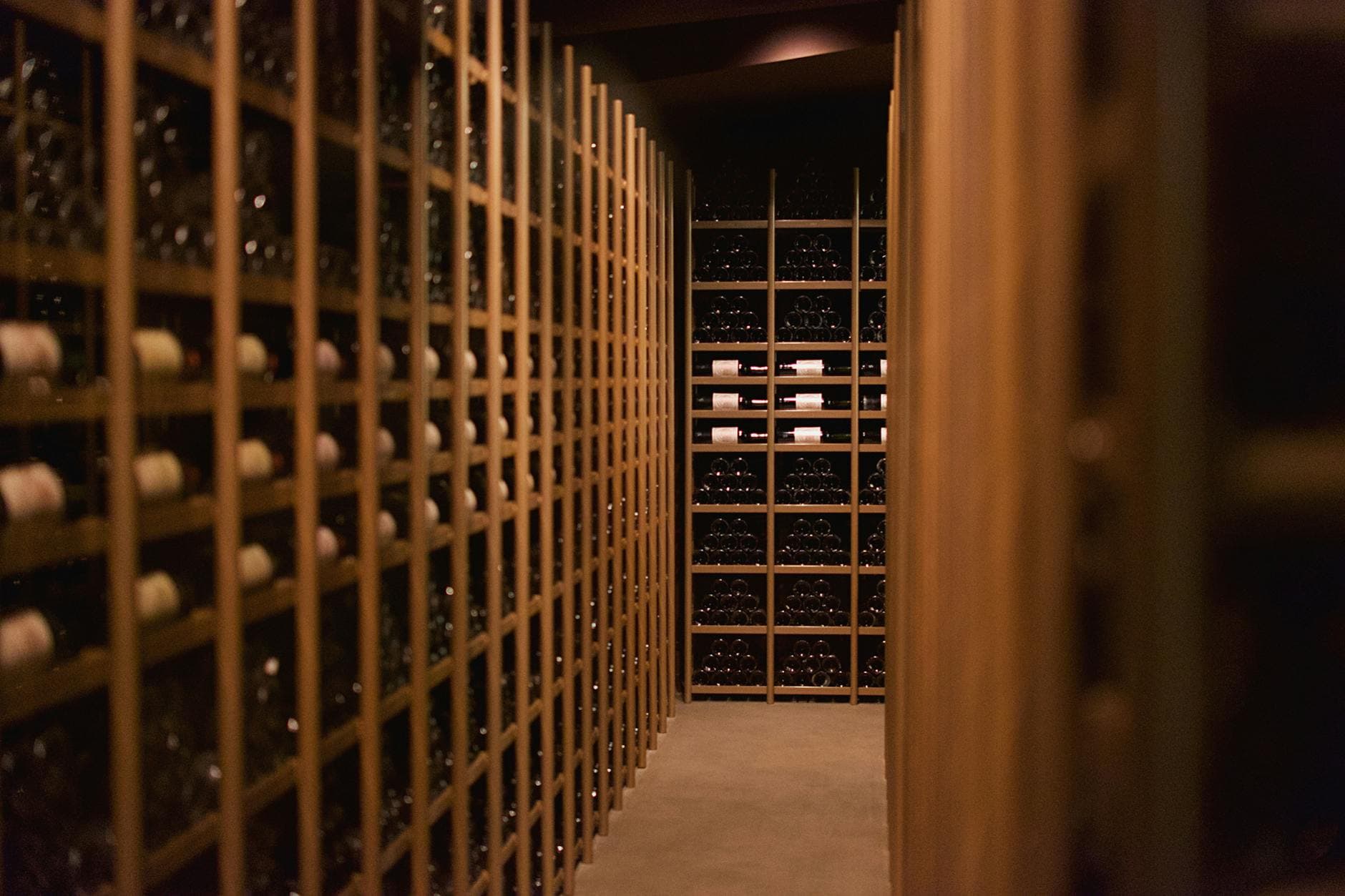
15 Best Wineries to Visit in Bordeaux
The best wineries and chateaux to visit in Bordeaux in 2026, from legendary First Growths to accessible family estates. Tasting fees, booking tips, and what to expect.
15 Best Wineries to Visit in Bordeaux (2026 Guide)
Bordeaux has over 6,000 chateaux spread across 60 appellations on both sides of the Gironde estuary. That number is paralysing. Most visitors default to the biggest names --- Lafite, Margaux, Mouton --- only to discover that First Growth estates are difficult to access, sometimes unwelcoming, and occasionally less interesting to visit than smaller properties down the road.
This guide picks 15 chateaux that are genuinely worth visiting. Some are famous. Others are family-run estates where the winemaker pours your tasting personally. All of them accept visitors (with a reservation --- one notable exception aside), and all of them will teach you something real about why Bordeaux produces the most imitated wines on Earth.
Whether you're planning your first wine trip or returning to Bordeaux for a deeper exploration, this list covers the full range --- Left Bank power, Right Bank finesse, golden Sauternes, and everything between.
What to Know Before Visiting Bordeaux Wineries
Bordeaux operates differently from wine regions in the US, Australia, or even other parts of France. Understanding a few things before you book will save frustration and improve every visit.
Reservations Are Non-Negotiable
Almost every Bordeaux chateau requires an appointment. This is not optional politeness --- it is how the region works. Most estates accept visitors only during specific hours, with guided tours led by staff who speak French and English. Walk-ins will almost always be turned away, even at tourist-friendly properties. Book at least 2-4 weeks ahead, and for First Growth estates, a month or more is sensible. Email is the standard booking method, and many chateaux respond slowly. Be patient.
The Classification System
Bordeaux's most famous chateaux are ranked by the 1855 Classification, which divided the top Left Bank estates into five tiers (Premier Cru through Cinquieme Cru). This ranking has changed exactly once in 170 years --- Mouton Rothschild was promoted from Second to First Growth in 1973.
Saint-Emilion has its own separate classification, updated roughly every decade (most recently in 2022). Pomerol, confusingly, has no official classification at all --- which is why Petrus, arguably the most expensive wine in Bordeaux, carries no Grand Cru title.
You don't need to memorise every classification to enjoy visiting, but understanding that "Premier Grand Cru Classe A" (Saint-Emilion) and "Premier Cru Classe" (1855 Medoc) are different systems will help you make sense of the labels.
En Primeur and Timing
Bordeaux's unique en primeur (futures) system means that every spring, the wine trade descends on the region to taste barrel samples of the newest vintage. During this period (typically April), many chateaux are closed to private visitors or have limited availability. Avoid booking during en primeur week unless you're in the trade.
The best months for visiting are May through October. Harvest (vendanges) in September and early October is exciting, though some estates restrict visits during this busy period. Winter visits are possible but hours are shorter and some smaller estates close entirely from December through February.
Getting Around
The Bordeaux wine region covers a large area. Saint-Emilion is 40 minutes east of Bordeaux city. Pauillac is an hour north along the Gironde estuary. Sauternes is 40 minutes south. You will need a car, a hired driver, or a wine tour service to visit multiple appellations in a day.
French drink-driving laws are strict (0.5g/L blood alcohol limit, lower than the UK or US). If you're driving, use the spittoons --- they exist for exactly this reason.
Language and Chateau Etiquette
Most major chateaux offer tours in English, but calling ahead to confirm is wise. At smaller estates, some French goes a long way. Learn basic tasting vocabulary: sec (dry), tannique (tannic), boise (oaky), fruite (fruity), la robe (the colour). Staff will appreciate the effort.
Dress code is smart casual. Chateaux are private estates, not tasting rooms. Collared shirts, clean trousers, and closed-toe shoes are appropriate. See our wine tasting dress code guide for region-specific advice. Don't wear heavy perfume (it interferes with tasting), and don't touch the barrels or equipment.
For detailed trip logistics, see our how to plan a wine tour guide and where to stay in Bordeaux.
The 15 Best Chateaux and Wineries to Visit in Bordeaux
1. Chateau Lynch-Bages (Pauillac)
Why visit: A Fifth Growth that consistently overperforms its ranking --- critics and collectors treat it like a Second Growth. The Cazes family has run the estate since 1939 and invested heavily in a modern visitor experience. The new winery, completed in 2020, was designed by Chien Chung Pei (son of I.M. Pei) and is one of Bordeaux's most striking pieces of contemporary architecture.

The experience: The Discovery Tour (EUR 25) covers the new winery, barrel cellars, and a tasting of two wines. The Prestige Tour (EUR 45) adds older vintages and a deeper look at the winemaking. The wine is classic Pauillac --- dark fruit, graphite, cedar, built on Cabernet Sauvignon with Merlot filling out the blend. The estate also owns the restaurant Cafe Lavinal and hotel Cordeillan-Bages in the adjacent village, which has been restored into a small hub with a bakery, wine shop, and several restaurants.
Best for: Architecture enthusiasts, visitors who want a polished Pauillac experience without First Growth prices or booking hassle.
Tasting fee: EUR 25-45
Reservations: Required. Book online 1-2 weeks ahead.
Website: lynchbages.com
2. Chateau Margaux (Margaux)
Why visit: One of five First Growths, and arguably the most beautiful chateau in the entire Medoc. The neoclassical facade, designed by Louis Combes in the 1810s, is instantly recognisable. The wine is defined by perfume, silk texture, and extraordinary finesse --- Margaux is often described as the most elegant of the First Growths, and the estate has produced wine since the 16th century.
The experience: Visits are by appointment only and limited in number. The tour includes the barrel cellar (chai), the original 19th-century vat room, and a tasting of the current vintage of Chateau Margaux and Pavillon Rouge (the second wine). The 2015 renovation by Norman Foster added a striking modern research centre behind the historic facade. Tours are conducted in small groups, and the pace is unhurried.
Best for: Serious wine lovers willing to plan ahead, architecture enthusiasts. This is a once-in-a-lifetime tasting for most people.
Tasting fee: Complimentary with the tour (by appointment only)
Reservations: Required 3-4 weeks ahead. Email visites@chateau-margaux.com.
Website: chateau-margaux.com
3. Chateau Smith Haut Lafitte (Pessac-Leognan)
Why visit: A Grand Cru Classe estate that has become one of Bordeaux's most complete wine-tourism destinations. The Cathiard family purchased the property in 1990 and transformed it from a declining estate into one of the region's best. The grounds include Les Sources de Caudalie --- a luxury spa hotel using grape-derived skincare treatments.
The experience: The Essential Visit (EUR 20) includes the barrel room, cooperage (they make their own barrels on-site), and a tasting of one red and one white. The Premium Visit (EUR 40) adds the underground cellars and a vertical tasting. The white wine (Sauvignon Blanc/Semillon) is often considered among the best dry whites in all of Bordeaux. The estate is 15 minutes from Bordeaux city centre, making it the most accessible top chateau for visitors without a car.
Best for: Couples (combine wine with spa), visitors based in Bordeaux city, anyone who wants to taste excellent white Bordeaux alongside the reds.
Tasting fee: EUR 20-40
Reservations: Required. Online booking available.
Website: smith-haut-lafitte.com
4. Chateau Pape Clement (Pessac-Leognan)
Why visit: The oldest recorded vineyard in Bordeaux, planted in 1300 by Bertrand de Goth --- who later became Pope Clement V. Seven centuries of continuous winemaking. The estate sits within Bordeaux's suburban sprawl, surrounded by housing developments, which makes the vineyard feel like a time capsule. Under Bernard Magrez's ownership since 1998, quality has risen sharply. Reachable by tram from the city centre.
The experience: The Discovery Tour (EUR 15) covers the history, cellars, and a tasting of the red (Merlot and Cabernet Sauvignon blend) and white. The Prestige Experience (EUR 35) includes older vintages and a food pairing. The 14th-century chapel on the grounds is worth seeing. The formal gardens are well maintained and add to the sense of visiting a property with genuine historical weight.
Best for: History enthusiasts, visitors staying in Bordeaux city who want a chateau experience without a long drive.
Tasting fee: EUR 15-35
Reservations: Required. Book online or by phone.
Website: pape-clement.com
5. Chateau Mouton Rothschild (Pauillac)
Why visit: The only estate ever to change its 1855 Classification ranking --- promoted from Second to First Growth in 1973. Mouton is famous for its art: since 1945, a different artist has designed each vintage's label (Picasso, Warhol, Bacon, Chagall, among others). The on-site Museum of Wine in Art houses centuries of wine-related artistic works and is unique in Bordeaux.
The experience: Tours are well-structured and cover the Grand Chai --- a spectacular 100-metre-long barrel hall --- the art museum, the label gallery, and a tasting of the current vintage. The wine is powerful, concentrated Pauillac, built on Cabernet Sauvignon with blackcurrant, cedar, and graphite character. Mouton is more accessible to visitors than some First Growths, though booking well ahead is still essential.
Best for: Art lovers, First Growth enthusiasts, anyone interested in the intersection of wine and culture.
Tasting fee: EUR 25-70 depending on the experience
Reservations: Required 3-4 weeks ahead. Book through their website.
Website: chateau-mouton-rothschild.com
6. Chateau Lafite Rothschild (Pauillac)
Why visit: Arguably the most famous wine estate in the world. Lafite's reputation, particularly in Asia, pushed prices into the stratosphere in the 2000s. But the wine itself justifies the renown --- subtle, mineral-driven Pauillac with a finesse that the more powerful Mouton and Latour don't aim for. The circular underground cellar designed by Ricardo Bofill is an architectural landmark.
The experience: Visits are very limited and must be requested well in advance. Lafite is more reserved than Mouton --- there's no museum or gift shop. The experience focuses entirely on the wine and the estate. Tours cover the vineyards (averaging 40+ years old), the Bofill cellar, and a tasting of the grand vin. The property is understated, which makes it somehow more impressive. Having a wine trade connection helps with booking, but public requests are accepted.
Best for: Serious collectors, wine professionals, anyone who has tasted Lafite and wants to understand where it comes from.
Tasting fee: Complimentary with the tour (strictly by appointment)
Reservations: Required well in advance. Availability is very limited.
Website: lafite.com
7. Chateau Figeac (Saint-Emilion)
Why visit: Elevated to Premier Grand Cru Classe A in the 2022 reclassification --- the highest tier in Saint-Emilion. What makes Figeac unusual is its grape blend: roughly equal parts Cabernet Sauvignon, Cabernet Franc, and Merlot. In a region dominated by Merlot, Figeac tastes closer to a Medoc wine --- structured, mineral, and built for long ageing.
The experience: A new cellar designed by Jean-Pierre Errath opened in 2022, with a gravity-fed structure partially buried in the vineyard. Tours (EUR 35-50) include the new facility, the gravel-rich vineyard (similar terroir to neighbouring Cheval Blanc), and a tasting of the grand vin. The wine rewards patience --- young vintages can be austere, but with 10-15 years of bottle age, Figeac develops extraordinary complexity.
Best for: Serious collectors, architecture enthusiasts, visitors interested in how terroir and grape variety shape a wine's character.
Tasting fee: EUR 35-50
Reservations: Required 2-3 weeks ahead. Email or book online.
Website: chateau-figeac.com
8. Chateau Cheval Blanc (Saint-Emilion)
Why visit: One of two Premier Grand Cru Classe A estates in Saint-Emilion (alongside Ausone and Pavie, following the 2022 reclassification). Cheval Blanc is famous for its unusual blend --- roughly equal parts Cabernet Franc and Merlot --- which gives it a character quite different from the Cabernet Sauvignon-dominated Left Bank wines. The 1947 Cheval Blanc is one of the most legendary bottles in all of Bordeaux.
The experience: The estate completed a dramatic new cellar in 2011, designed by Christian de Portzamparc. The curved concrete structure, draped in vines, looks like nothing else in Bordeaux. Tours include the vineyard (which sits on an extraordinary patchwork of gravel, clay, and sand soils), the futuristic cellar with concrete vats shaped to match individual vineyard plots, and a tasting of the current vintage. The wines are powerful but refined, with Cabernet Franc contributing floral, spicy complexity.
Best for: Architecture enthusiasts, serious collectors, anyone who wants to experience Saint-Emilion at its highest level.
Tasting fee: EUR 30-50 (varies by experience)
Reservations: Required well in advance. Email or book through their website.
Website: chateau-cheval-blanc.com
9. Chateau d'Yquem (Sauternes)
Why visit: The only Premier Cru Superieur in the entire 1855 Classification --- ranked above every other Sauternes and given a class entirely its own. Yquem produces what many consider the greatest sweet wine on earth. Each vine yields barely a glass of wine. The estate's commitment to quality is obsessive --- in years when the vintage doesn't meet their standards, they produce no wine at all (as in 2012).
The experience: Visits are limited and formal, and must be requested well in advance. You'll see the chateau (dating to the 15th century), the vineyard, and the painstaking grape selection process --- hand-picked berry by berry over multiple passes as noble rot (botrytis cinerea) concentrates the sugars. The tasting of a current or recent vintage is the highlight: golden, complex, with layers of apricot, honey, saffron, and citrus peel, balanced by acidity that keeps it from tasting heavy. A bottle of Yquem can age for 50-100 years.
Best for: Serious wine lovers, collectors, anyone who wants to understand why great Sauternes is considered one of wine's highest achievements.
Tasting fee: EUR 75 (approximate)
Reservations: Required far in advance. Apply through their website. Availability is limited and not guaranteed.
Website: yquem.fr
10. Chateau Canon (Saint-Emilion)
Why visit: A Premier Grand Cru Classe B estate owned by Chanel (yes, the fashion house) since 1996. Canon has been quietly restored to its historic best, and recent vintages rival the A-classified estates at prices that haven't caught up. The chateau sits on the limestone plateau of Saint-Emilion, with some of the appellation's finest terroir.
The experience: Tours (EUR 30) take you through an extensive network of underground limestone quarries --- kilometres of tunnels carved from the stone that built Saint-Emilion --- which serve as natural cellars, maintaining a constant temperature of 12-13C year-round. Then into the modern chai for a tasting of the grand vin and the second wine, Croix Canon. The wine is pure Merlot and Cabernet Franc, with a precision and freshness that stands out. The attention to detail reflects Chanel's ownership --- everything is immaculate without feeling corporate.
Best for: Anyone who appreciates craftsmanship, underground cellar tours, visitors already exploring the Saint-Emilion village.
Tasting fee: EUR 30
Reservations: Required. Email or call.
Website: chateau-canon.com
11. Chateau Guiraud (Sauternes)
Why visit: A Premier Cru Classe Sauternes estate and the first major Bordeaux property to achieve organic certification. Guiraud is one of the most open and visitor-friendly chateaux in the appellation, with a genuine commitment to education and hospitality. While Yquem is the pinnacle, Guiraud offers a more accessible introduction to Sauternes without sacrificing quality.
The experience: The Discovery Tour (EUR 12) includes the vineyard, chai, and a tasting of both the sweet Premier Cru and a dry white wine (G de Guiraud). The Gourmet Experience (EUR 25) adds a food pairing. The grounds are beautiful --- 100 hectares of parkland with a biodiversity trail, beehives, and insect hotels as visible proof of their organic commitment. The estate also has an on-site restaurant, making it easy to combine a tasting with lunch.
Best for: First-time Sauternes tasters, visitors travelling with someone who "doesn't like sweet wine" (Guiraud often converts them), anyone interested in organic viticulture.
Tasting fee: EUR 12-25
Reservations: Required but generally available with 1-2 weeks' notice.
Website: chateauguiraud.com
12. Petrus (Pomerol)
Why visit: You probably can't. Petrus is included here because any list of Bordeaux's greatest estates would be incomplete without it, but the reality is that Petrus does not offer public visits or tastings. There is no sign on the road, no tasting room, no visitor centre, and no official website. The estate is a modest farmhouse surrounded by 11.5 hectares of vines on a unique blue clay plateau. The wine --- 100% Merlot --- sells for thousands of euros per bottle.
The experience: If you have a connection to a negociant or the Moueix family (who own Petrus), a private visit may be arranged. Otherwise, your best option is to taste Petrus at a restaurant or wine bar in Bordeaux city. Standing outside the estate and looking at the vines is free, though there's genuinely nothing to see except remarkably ordinary-looking rows of Merlot on an unremarkable-looking plot of clay. That's rather the point --- Bordeaux's most expensive wine comes from one of its least showy properties.
Best for: Context. Understanding that the region's most sought-after wine has no visitor programme says something important about how Bordeaux works.
Tasting fee: N/A (no public tastings)
Reservations: Private visits only, by personal connection.
Website: None
13. Chateau Palmer (Margaux)
Why visit: A Third Growth that frequently performs at First Growth level. Palmer is known for its unusually high proportion of Merlot for a Margaux estate, giving the wine a richness and generosity that pure Cabernet Sauvignon-dominant wines don't always achieve. The estate converted to biodynamic farming in 2014 --- a bold move for a classified growth in the Medoc.
The experience: Tours cover the biodynamic approach (cover crops, compost preparations, lunar planting calendars), the historic chateau with its distinctive Dutch-style turrets and three national flags (representing the original French, British, and Dutch owners), and the cellars. The tasting highlights why Palmer is considered an overperformer --- the wine has a lush, aromatic character that's immediately appealing but also ages beautifully. The second wine, Alter Ego, offers excellent value.
Best for: Biodynamic and organic wine enthusiasts, visitors looking for a top Margaux experience that's more approachable than Chateau Margaux itself.
Tasting fee: EUR 20-50
Reservations: Required. Book via their website.
Website: chateau-palmer.com
14. Chateau Pontet-Canet (Pauillac)
Why visit: The leading biodynamic estate in Bordeaux and one of the most talked-about properties in the Medoc. Alfred Tesseron converted Pontet-Canet to organic farming in 2004 and full biodynamics by 2010 --- radical for a classified Pauillac chateau. The result: wines with a purity and energy that critics have scored alongside First Growths. Horses plough the vineyard. Clay amphorae sit alongside oak barrels in the chai.
The experience: The tour (EUR 25-40) covers the biodynamic philosophy in detail, the amphora ageing programme (a growing experiment that produces a distinct, more mineral style of wine), and a tasting of the grand vin. The wine is predominantly Cabernet Sauvignon with Merlot and small amounts of Cabernet Franc and Petit Verdot. It's dark, intense, and mineral --- distinctly different from the more polished style of neighbouring Mouton Rothschild. The estate also has a small shop selling current and older vintages.
Best for: Organic and biodynamic enthusiasts, anyone interested in how traditional classification estates are evolving their farming. A must-visit if you care about sustainable winemaking.
Tasting fee: EUR 25-40
Reservations: Required. Book online.
Website: pontet-canet.com
15. Chateau de Pressac (Saint-Emilion)
Why visit: A Grand Cru Classe estate that represents something increasingly rare in Saint-Emilion: a family-owned, mid-sized chateau that prioritises genuine hospitality over prestige. The Quenin family has owned Pressac since 1997 and has invested in making the estate a complete visitor experience --- chateau tours, tastings, picnics in the grounds, and even accommodation in restored estate buildings.
The experience: The chateau itself is a 14th-century fortified manor with panoramic views over the Dordogne valley. Tours are personal and often led by family members or long-standing staff. The wines are honest, terroir-driven Saint-Emilion --- Merlot-dominant, medium-bodied, and priced fairly for the quality (EUR 20-30 per bottle retail). The estate also produces a rose and a white, which are uncommon for classified Saint-Emilion properties. Picnic options on the grounds make this an easy half-day destination, especially for families.
Best for: Families, visitors who want a personal, non-corporate chateau experience, anyone looking for great Saint-Emilion wines at accessible prices.
Tasting fee: EUR 10-30
Reservations: Required but easy to arrange with a few days' notice.
Website: chateaudepressac.com
Planning Your Bordeaux Wine Tour
Suggested 3-Day Itinerary
Bordeaux's appellations are spread across two banks of the Gironde and Garonne rivers, plus the Sauternes region to the south. Here's a logical 3-day route that covers the key areas without excessive driving.

Day 1 --- Left Bank: Medoc (Pauillac + Margaux)
- Morning: Drive north from Bordeaux city along the D2 (Route des Chateaux) to Pauillac (~1 hour)
- 10:00: Chateau Mouton Rothschild (art museum + tasting, 90 minutes)
- 12:00: Lunch in Pauillac --- Cafe Lavinal at Chateau Lynch-Bages village
- 14:00: Chateau Lynch-Bages (afternoon tour + architecture)
- 16:00: Drive south to Margaux (~30 minutes)
- 16:30: Chateau Palmer (biodynamic tour + tasting)
- Evening: Return to Bordeaux city or stay in Margaux
Day 2 --- Right Bank: Saint-Emilion + Pomerol
- Morning: Drive east from Bordeaux to Saint-Emilion (~40 minutes)
- 10:00: Chateau Figeac (vineyard + new cellar tour)
- 12:00: Lunch in Saint-Emilion village --- L'Envers du Decor or Le Tertre
- 14:00: Walk through Saint-Emilion's medieval streets and underground catacombs (UNESCO World Heritage Site)
- 15:30: Chateau de Pressac (personal tour + picnic if weather allows)
- 17:00: Drive through Pomerol (10 minutes from Saint-Emilion) to see the Petrus plateau
- Evening: Dinner in Saint-Emilion or return to Bordeaux
Day 3 --- Pessac-Leognan + Sauternes
- Morning: Chateau Pape Clement (20 minutes from Bordeaux centre --- start without a long drive)
- 11:00: Chateau Smith Haut Lafitte (tour + lunch at their restaurant, spa visit if desired)
- 14:30: Drive south to Sauternes (~40 minutes)
- 15:30: Chateau Guiraud (organic Sauternes tour + tasting)
- Late afternoon: If a Chateau d'Yquem visit was arranged, slot it here; otherwise, explore the quiet Sauternes countryside
- Evening: Return to Bordeaux for a final dinner
Where to Stay
For detailed accommodation recommendations, see our where to stay in Bordeaux guide. Key options:
- Bordeaux city centre: Best base for flexibility. Saint-Emilion, the Medoc, and Pessac-Leognan are all reachable within an hour.
- Saint-Emilion village: Ideal if you're spending multiple days on the Right Bank. Medieval streets, excellent restaurants, and walking distance to several estates.
- On-estate: Chateau Smith Haut Lafitte (Les Sources de Caudalie) and Chateau de Pressac both offer accommodation for a fully immersive wine country stay.
Getting Around
- Hire a driver or guide: EUR 350-600 per day depending on the route and duration. This is the most comfortable option and solves the drink-driving problem entirely. Split among 4 people, it's surprisingly reasonable. Many guides speak English and handle all chateau bookings.
- Rent a car: Flexible and cheaper, but you'll need to use the spittoons seriously. Roads between chateaux are narrow country lanes --- GPS is essential.
- Organised group tours: Several Bordeaux-based operators run day trips to the Medoc, Saint-Emilion, and Sauternes. Expect EUR 80-150 per person for a group tour, EUR 300+ for a private experience. See our wine tour planning guide.
- Train to Saint-Emilion: The TER train from Bordeaux Saint-Jean to Libourne runs several times daily (35 minutes). From Libourne, taxis reach Saint-Emilion in 10-15 minutes.
Budget Guide
All prices in euros (EUR). Ranges reflect typical 2026 pricing and may vary seasonally.
| Expense | Per Person | Notes |
|---|---|---|
| Tasting fees (2-3 chateaux) | EUR 40-120 | Budget EUR 15-40 per estate |
| Lunch | EUR 20-50 | Village bistro to chateau restaurant |
| Transportation | EUR 90-150 | Hired driver split 4 ways, or group tour |
| Wine purchases | EUR 30-200+ | Grand Cru Classe bottles start at EUR 30-50 retail |
| **Daily total** | **EUR 180-520** | Per person, before accommodation |
Key difference from Napa: Bordeaux tasting fees are significantly lower than California --- many chateaux charge EUR 15-25 or include tastings complimentary with the tour. This means you can visit more properties per day without burning through your budget on fees alone. However, wine purchases at classified growths can be expensive: a recent vintage of a Grand Cru Classe wine typically costs EUR 30-80 at the chateau, and First Growths run into the hundreds.

Money-saving tips:
- Visit the lesser-known appellations (Entre-Deux-Mers, Fronsac, Cotes de Bourg) for excellent wines at a fraction of classified growth prices
- Eat lunch in village restaurants rather than estate dining rooms
- Buy second wines (Pavillon Rouge from Margaux, Petit Mouton from Mouton Rothschild, Carruades de Lafite from Lafite) for classified-growth quality at lower prices
- Visit during weekdays when some chateaux offer lower-priced tasting options
Old World vs New World: How Bordeaux Compares
If you've tasted primarily in California or Australia, Bordeaux wines will feel different. Alcohol levels are lower (12.5-14% vs 14-15.5%). Oak influence is more restrained. Acidity and tannin are more prominent than fruit sweetness. Bordeaux wines are often described as "intellectual" rather than immediately crowd-pleasing --- they reward attention and food pairing.
For a deeper comparison, read our Old World vs New World wine guide. Understanding the differences will sharpen your palate before you arrive in Bordeaux.

Frequently Asked Questions
Q: What are the best wineries to visit in Bordeaux for a first-time visitor?
A: Start with Chateau Lynch-Bages (polished experience, excellent Pauillac, no First Growth gatekeeping), Chateau Pape Clement (close to the city, 700 years of history), and Chateau Guiraud (accessible Sauternes with a restaurant on-site). These three cover different wine styles and appellations without requiring connections or months of advance planning.
Q: Do I need reservations for Bordeaux wineries?
A: Yes --- almost without exception. Unlike some regions where walk-ins are common, Bordeaux chateaux are private estates that require advance bookings. Email at least two weeks ahead, and three to four weeks for classified estates. A few tourist-oriented shops in Saint-Emilion village offer walk-in tastings, but these are not the same as chateau visits.
Q: What is the best time of year to visit Bordeaux wineries?
A: May through October offers the best weather and longest visiting hours. September is harvest season (vendanges) --- exciting but busy. April is en primeur season, when the trade descends on Bordeaux and some chateaux restrict tourist visits. Winter visits are possible but some estates close or reduce hours from November through March.
Q: How many chateaux should I visit in one day?
A: Two to three is ideal. Bordeaux tours tend to run 60-90 minutes, and driving between appellations takes longer than you'd expect on narrow country roads. Factor in lunch and travel time. Trying to fit in four or more leads to rushing and palate fatigue. See our wine tour planning guide for pacing advice.
Q: Can I visit the First Growth chateaux (Lafite, Margaux, Mouton, Latour, Haut-Brion)?
A: Mouton Rothschild and Chateau Margaux are the most visitor-friendly and accept bookings from the public (though well in advance). Lafite is possible but more restricted. Chateau Haut-Brion accepts visitors by appointment. Chateau Latour is the most difficult --- visits are extremely limited. Having a wine trade connection helps at all five.
Q: Is Bordeaux wine only red?
A: No. Bordeaux produces excellent dry white wines (Sauvignon Blanc and Semillon blends, primarily from Pessac-Leognan and Entre-Deux-Mers) and some of the world's greatest sweet wines (Sauternes, Barsac). White Bordeaux is underrated and often excellent value. Visit Smith Haut Lafitte or Guiraud to taste both styles.
Q: What grapes are used in Bordeaux wines?
A: Red Bordeaux is built on six permitted varieties: Cabernet Sauvignon and Merlot dominate, with Cabernet Franc, Petit Verdot, Malbec, and Carmenere playing supporting roles. Left Bank wines (Medoc, Pessac-Leognan) are typically Cabernet Sauvignon-led. Right Bank wines (Saint-Emilion, Pomerol) are Merlot-dominant. White Bordeaux uses Sauvignon Blanc, Semillon, and Muscadelle.
Q: How does visiting Bordeaux compare to other wine regions?
A: Bordeaux is more formal and appointment-driven than most New World wine regions. Tasting fees are lower than Napa but the classified wines you purchase cost more. The architecture is grander, the history deeper, and the pace slower. It rewards planning and patience in ways that a casual drop-in region doesn't.
Planning a Bordeaux trip? Also read our where to stay in Bordeaux guide, how to plan a wine tour, and our 3 days in Bordeaux itinerary.
Ready to visit Bordeaux?
Build your personalised day-by-day itinerary — choose your travel style and trip length, get accommodation and tour picks per day, and email it to yourself to take along.
Upcoming Wine Festivals in France
See all festivalsHidden Gems Nearby
Discover more hidden gemsDomaine de la Bongran
WTG PickBurgundy, France
A Burgundy rebel who makes Chardonnay on their own terms, far from the tourist trail of Beaune and Puligny.
Chardonnay
Domaine Huet
WTG PickLoire Valley, France
World-class Chenin Blanc with no queues, no hype, just pure Loire magic in a village setting.
Chenin Blanc
Mas de Daumas Gassac
Languedoc, France
Grand cru quality at a fraction of Bordeaux prices, in a wild, beautiful valley most tourists never find.
Cabernet Sauvignon · Rosé · White Blend
Book Your Bordeaux Wine Country Stay
Compare hotels, vineyard B&Bs and rentals across Booking, Airbnb and more in one search.
Compare stays near the vineyardsStay22
Plan Your 15 Best Wineries to Visit in Bordeaux Trip
Estimate your 15 Best Wineries to Visit in Bordeaux trip cost
Budget calculator with accommodation, food, wine, and transport estimates.
Try itCompare 15 Best Wineries to Visit in Bordeaux with other regions
Side-by-side comparison of cost, climate, wine styles, and more.
Try itWhen to visit 15 Best Wineries to Visit in Bordeaux
Harvest dates, peak season, and the best months for wine travel.
Try itThis page contains affiliate links. We may earn a commission at no extra cost to you.