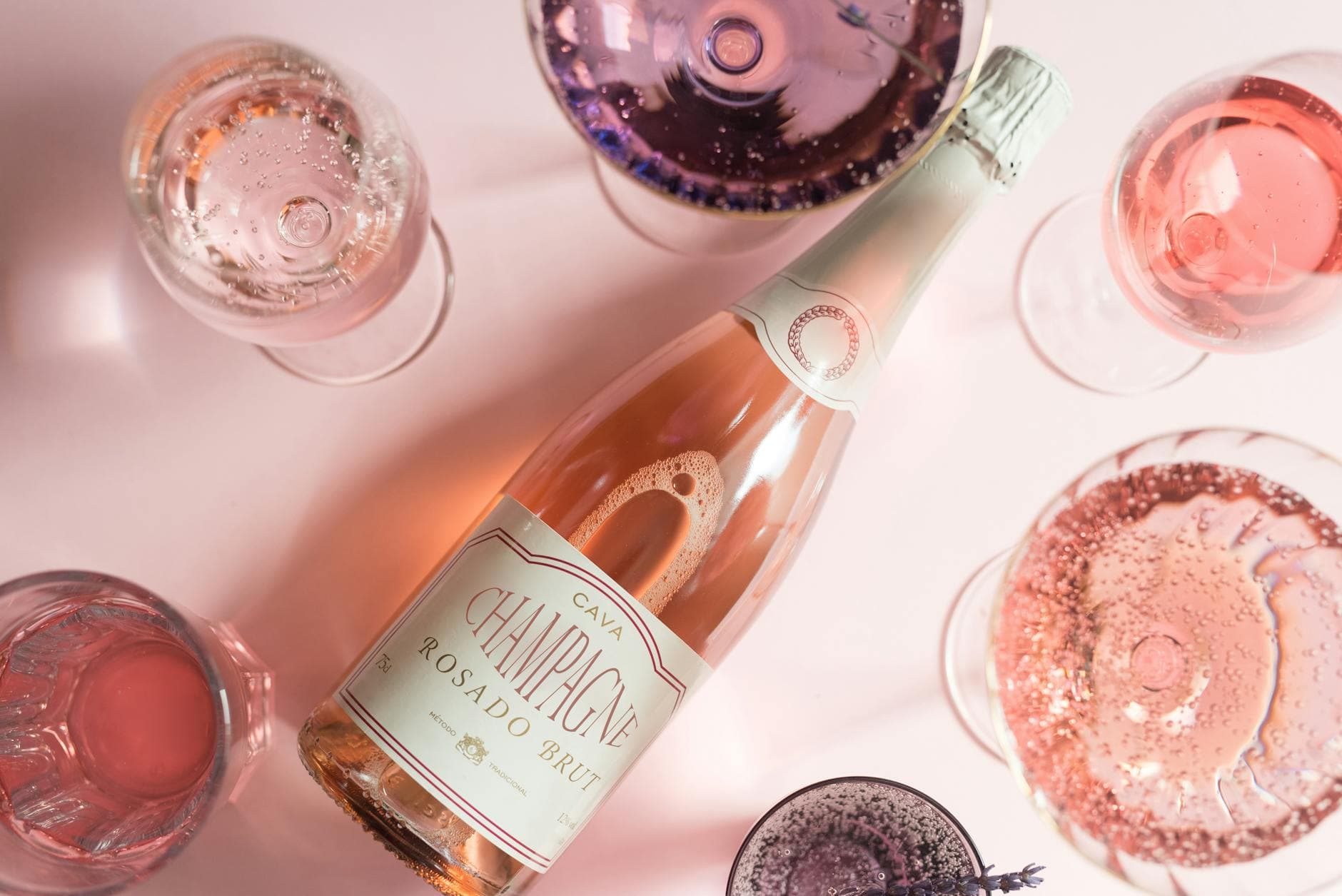
Champagne vs Cava
Champagne or Cava? Compare France's legendary sparkling wine capital with Spain's value-driven alternative — wines, visits, costs, and which region suits your trip.
Champagne vs Cava: Which Sparkling Wine Region Should You Visit?
Both make sparkling wine using the traditional method — secondary fermentation in the bottle. Both have centuries of history. But Champagne and Cava represent almost opposite ends of the sparkling wine world: one defined by exclusivity, prestige, and extraordinary prices; the other by value, accessibility, and quiet competence.
Choosing between them for a wine trip depends on what you want from the experience.
Head-to-Head Comparison
| Category | Champagne | Cava |
|---|---|---|
| **Country** | France (Marne, Aube) | Spain (primarily Penedes, Catalonia) |
| **Primary grapes** | Chardonnay, Pinot Noir, Pinot Meunier | Macabeo, Xarel-lo, Parellada; also Chardonnay |
| **Production method** | Traditional method (Methode Champenoise) | Traditional method (Methode Tradicional) |
| **Wine style** | Complex, toasty, precise, age-worthy | Fresh, fruit-driven, accessible, great value |
| **Price range (entry)** | EUR 35-60 for NV Champagne | EUR 5-20 for Cava |
| **Price range (top)** | EUR 150-500+ (prestige cuvees) | EUR 20-60 (Gran Reserva) |
| **Top houses/producers** | Krug, Dom Perignon, Louis Roederer, Bollinger | Gramona, Raventos i Blanc, Recaredo, Codorniu |
| **Landscape** | Chalk hillsides, Gothic cathedral, grand Maisons | Mediterranean countryside, Roman ruins, sea views |
| **Tasting fees** | EUR 20-60 (major Maisons) | EUR 10-25 |
| **Accommodation/night** | EUR 100-350 | EUR 70-180 |
| **Car needed?** | Helpful (not essential for Epernay/Reims) | Yes (outside Penedes towns) |
| **Best season** | May-June, September-October | April-June, September-October |
| **Nearest major city** | Paris (1.5hr TGV) | Barcelona (45min) |
The Wines
Champagne
Champagne is the world's most prestigious sparkling wine. The Champagne region in northern France — with its chalk subsoil, cool climate, and centuries of craft — produces wines of unique complexity. The combination of three grapes (Chardonnay for freshness and elegance, Pinot Noir for structure and red fruit, Pinot Meunier for roundness) blended across vintages and villages creates the iconic Champagne style: toasty autolytic complexity, fine persistent bubbles, precise acidity, and extraordinary aging potential.

Non-Vintage (NV) Champagne is the workhorse of every house — a consistent style year after year, built from reserve wines. Vintage Champagne is produced only in exceptional years. Prestige Cuvees (Dom Perignon, Krug Grande Cuvee, Cristal) represent the pinnacle of the region and its most recognisable ambassadors globally.
Blanc de Blancs (100% Chardonnay) and Blanc de Noirs (red grapes, white wine) offer stylistic alternatives. Grower Champagnes — from small single-estate producers — have become increasingly sought-after as an alternative to the big Maisons.
Key names to taste: Taittinger Brut Reserve, Pol Roger White Foil, Billecart-Salmon Blanc de Blancs, Pierre Peters Cuvee de Reserve (Grower), Egly-Ouriet (Grower).
Cava
Cava is made in the same way as Champagne — bottle-fermented, with extended lees ageing creating those toasty secondary flavours — but with Spanish grapes on warmer Mediterranean soils. The result is a wine with more fruit-forward character, less acidity than Champagne, and considerably lower prices.
The classification system: Cava (minimum 9 months ageing), Cava Reserva (15 months), Cava Gran Reserva (30+ months), and the highest tier, Cava de Paraje Calificado (a single vineyard designation, minimum 36 months). The Gran Reserva and Paraje categories can be genuinely impressive — complex, toasty, capable of challenging Champagne in blind tastings.
Penedes, the heartland west of Barcelona, accounts for 95% of Cava production. But Cava can technically be made in several Spanish regions; Rioja, Aragon, and the Basque Country all produce small quantities.
Key names to taste: Gramona Imperial Gran Reserva, Recaredo Terrers Brut Nature, Raventos i Blanc de Nit, Jaume Serra Cristalino (excellent entry-level).
The Landscapes
Champagne
The Champagne region is dominated by two cities: Reims (cathedral, royal coronations, major Maisons) and Epernay (Avenue de Champagne, underground cellars stretching for kilometres). The landscape itself — gentle chalk hills, orderly vineyards, quiet villages — is pleasant but not dramatic. The interest is underground: every major Maison maintains vast chalk caves (crayeres) dug by the Romans, now housing millions of bottles ageing at constant 11°C.

Reims Cathedral is a UNESCO World Heritage Site and one of France's great Gothic masterpieces — well worth several hours. The Avenue de Champagne in Epernay, lined with the headquarters of Moet, Perrier-Jouet, Pol Roger, and others, is one of wine tourism's most concentrated streets.
The Montagne de Reims, the Vallee de la Marne, and the Cote des Blancs offer scenic driving routes through the region's most famous villages (Ay, Hautvillers, Cramant, Le Mesnil-sur-Oger).
Cava Country
The Penedes wine country west of Barcelona is Mediterranean in character — warm, dry, with views toward the sea and inland toward the pre-Pyrenees. The landscape is gentler than the Champagne region's chalk slopes, with vineyards often interspersed with olive trees and pine forests.
Sant Sadurni d'Anoia is the Cava capital — a small, unpretentious town with dozens of producers ranging from massive operations (Freixenet, Codorniu) to tiny artisanal farms. Vilafranca del Penedes, nearby, has a wine museum in a medieval palace and excellent tapas bars.
The proximity to Barcelona is the major advantage: you can be in working vineyards within 40 minutes of Las Ramblas, then back for dinner in El Born by evening.
Access & Logistics
Champagne
From Paris: TGV to Reims takes 45 minutes. Epernay is an additional 30 minutes by train or road. You can visit Champagne as a day trip from Paris, though 2-3 nights based in Reims or Epernay allows proper exploration.

Major Maisons (Moet & Chandon, Veuve Clicquot, Taittinger) offer well-organised visits in English, often including cellar tours and multiple tastings. Book online well in advance for peak season. Grower Champagnes require more research but often deliver the most memorable experiences.
A car is helpful for the Montagne de Reims and Cote des Blancs wine routes but not essential for Epernay and Reims themselves. If you prefer not to drive, several companies offer guided half-day Champagne tours from Reims (EUR 60-90) that cover 2-3 Grower Champagne producers in the surrounding villages.
Cava
From Barcelona: FGC train to Sant Sadurni d'Anoia runs roughly every hour and takes about 40 minutes. This makes Cava country one of the most accessible wine regions in Europe from a major city — no car needed for the main producers.
For smaller artisanal producers and the wider Penedes wine routes, a car from Barcelona opens up much more of the region. Many visitors combine Cava with a few days in Tarragona (Roman ruins) or Sitges (beach resort).
Costs
Champagne is one of the world's most expensive wine regions to visit. Entry-level tastings at major Maisons start at EUR 20-30, with premium cellar tours reaching EUR 60-80+. The wines themselves — even the entry-level NV expressions — cost EUR 35-60 retail in the region.
Cava offers dramatically better value. Winery visits often cost EUR 10-20. An excellent Gran Reserva Cava might cost EUR 15-25 at the winery. Accommodation around Sant Sadurni is affordable; even Barcelona, as a city base, has far more budget options than Reims or Epernay.

Budget estimate:
- Champagne: EUR 150-250+/day per person (accommodation, meals, 1-2 cellar visits, some bottles)
- Cava: EUR 80-150/day per person for comparable experience
Food & Dining
Champagne
Champagne cuisine leans refined and northern French. Think andouillette de Troyes (tripe sausage -- an acquired taste but a local classic), jambon de Reims (pressed ham in a parsley aspic), and biscuit rose (the pink biscuit traditionally dipped in Champagne). The Aube district south of Epernay produces excellent Chaource cheese -- soft, creamy, and a perfect Champagne pairing.
Reims has the better restaurant scene: Le Foch (one Michelin star) serves modern French cuisine with a deep Champagne list, while Brasserie Le Boulingrin has served Art Deco-era Champagne dining since 1925. In Epernay, La Grillade Gourmande offers reliable bistro cooking near the Avenue de Champagne.
Cava Country
The Penedes sits in Catalonia, which means the food is exceptional. Calcots (grilled spring onions dipped in romesco sauce, January-March), escalivada (smoky roasted vegetables), and botifarra amb mongetes (white sausage with beans) are local staples. Barcelona's influence means that even small Penedes towns have tapas bars serving Iberian ham, anchovies, and pan con tomate.
Vilafranca del Penedes has the best dining in wine country: Cal Ton serves updated Catalan cuisine with an all-Penedes wine list. In Sant Sadurni, most visitors eat at winery restaurants -- Codorniu and Freixenet both have decent on-site dining.
The value gap extends to food: a multi-course Catalan lunch with wine costs EUR 15-25 per person. The equivalent in Reims runs EUR 35-55.
Which Should You Choose?
Choose Champagne if:
- You love Champagne and want to taste it where it's made
- The history and grandeur of the great Maisons excites you
- You're combining with a Paris trip (it's only 45 min by TGV)
- You want to taste Grower Champagnes that rarely export
- Budget is not a primary constraint
Choose Cava if:
- You're already visiting Barcelona and want accessible wine country
- You value outstanding quality-to-price ratio
- You want to explore an under-appreciated sparkling wine tradition
- You prefer smaller producers and more personal tasting experiences
- You want to combine sparkling wine with Mediterranean food and culture
Visit both: Champagne works perfectly as an add-on to a Paris trip; Cava slots naturally into a Barcelona itinerary. There's no logistical reason to combine the two in one trip unless you're doing a longer European journey.
FAQ
Q: Is Cava as good as Champagne?
A: They are different styles. Top Cava Gran Reservas can match mid-tier Champagne in complexity — the method is identical, the grapes and terroir are different. Champagne's prestige cuvees represent a level of precision and complexity Cava does not currently match. But for everyday drinking and value, Cava is extraordinary.
Q: Can I visit Champagne as a day trip from Paris?
A: Yes. Reims is 45 minutes by TGV; Epernay is about 1h20m by direct train. A day trip works well for 1-2 Maison visits. Two nights gives you time for wine routes and Grower Champagnes.
Q: Can I visit Cava as a day trip from Barcelona?
A: Yes, easily. Sant Sadurni d'Anoia is 40 minutes by FGC train. The Freixenet and Codorniu visitor centres welcome walk-ins.
Q: What's the best time to visit both regions?
A: September and October (harvest, although Champagne harvest is later, typically October). May-June for pleasant weather. Both regions are quiet and atmospheric in November — cooler, fewer tourists, and many producers welcoming.
Q: What food pairs with Champagne and Cava?
A: Both pair beautifully with seafood and light starters. Champagne pairs classically with oysters, lobster, fried chicken, and aged cheeses. Cava pairs well with Iberian ham, anchovies, seafood tapas, and Catalan dishes.
Q: How do Champagne and Cava compare to Prosecco?
A: Champagne and Cava are both bottle-fermented (traditional method), giving them finer bubbles and more complexity. Prosecco is tank-fermented (Charmat method), producing a fruitier, simpler style. For sparkling wine travel, Champagne is prestige, Cava is value, and Prosecco is casual charm. See our Champagne vs Prosecco comparison for the full breakdown.
Q: Which region produces better rose sparkling wine?
A: Champagne rose is more complex and structured -- made by blending still red Pinot Noir with white base wine, or by short skin contact (saignee). It is also significantly more expensive (EUR 45-80+). Cava rosado, made primarily from Trepat or Garnacha, is lighter and fruitier at EUR 8-20. Both are excellent; Champagne rose is a special-occasion wine, while Cava rosado is an everyday pleasure.
Wines of Champagne vs Cava: Which Sparkling Wine Region Should You Visit?
Key grape varieties and wine styles produced in the region
Primary Grape Varieties
Wine Styles
Ready to visit Champagne?
Build your personalised day-by-day itinerary — choose your travel style and trip length, get accommodation and tour picks per day, and email it to yourself to take along.
Upcoming Wine Festivals in France
See all festivalsHidden Gems Nearby
Discover more hidden gemsDomaine de la Bongran
WTG PickBurgundy, France
A Burgundy rebel who makes Chardonnay on their own terms, far from the tourist trail of Beaune and Puligny.
Chardonnay
Domaine Huet
WTG PickLoire Valley, France
World-class Chenin Blanc with no queues, no hype, just pure Loire magic in a village setting.
Chenin Blanc
Mas de Daumas Gassac
Languedoc, France
Grand cru quality at a fraction of Bordeaux prices, in a wild, beautiful valley most tourists never find.
Cabernet Sauvignon · Rosé · White Blend
Book Your Champagne Wine Country Stay
Compare hotels, vineyard B&Bs and rentals across Booking, Airbnb and more in one search.
Compare stays near the vineyardsStay22
Plan Your Champagne vs Cava: Which Sparkling Wine Region Should You Visit? Trip
Estimate your Champagne vs Cava: Which Sparkling Wine Region Should You Visit? trip cost
Budget calculator with accommodation, food, wine, and transport estimates.
Try itCompare Champagne vs Cava: Which Sparkling Wine Region Should You Visit? with other regions
Side-by-side comparison of cost, climate, wine styles, and more.
Try itWhen to visit Champagne vs Cava: Which Sparkling Wine Region Should You Visit?
Harvest dates, peak season, and the best months for wine travel.
Try itThis page contains affiliate links. We may earn a commission at no extra cost to you.