Champagne vs Prosecco
Both produce famous sparkling wines. But as travel destinations, Champagne and Prosecco's Conegliano-Valdobbiadene hills couldn't be more different.
Champagne and Prosecco are the world's two best-selling sparkling wines. As bottles, they are defined by method: Champagne uses secondary fermentation in bottle (méthode traditionnelle), creating fine persistent bubbles and the characteristic biscuit-yeast-brioche complexity. Prosecco uses the Charmat method — secondary fermentation in pressurised tanks — producing fresher, fruitier, more approachable bubbles at a lower price point. As travel destinations, they are even more different than their contents.
The Champagne Region: Scale, History, and Exclusivity

The Champagne region in northeastern France is built around two cities: Reims and Epernay. Reims has the cathedral; Epernay has the Avenue de Champagne, arguably the most valuable stretch of road in France, where the cellars of Moët & Chandon, Perrier-Jouët, Pol Roger, and Mercier run for miles beneath the street. These grand houses have perfected the art of the visitor experience: guided cellar tours, formal tastings, and a seamless transition from cave to boutique.
Beyond the big houses, grower-producers (look for RM — Récoltant-Manipulant — on the label) offer a completely different experience. Small family operations in the Côte des Bar, the Montagne de Reims, and the Vallée de la Marne make site-specific, lower-production Champagnes that represent some of the best-value fine wine experiences in France. Tastings run €15–40 per person for the big houses; grower visits are often more flexible and personal.
Champagne accommodation runs: budget ~€70/night, mid-range ~€170/night, luxury ~€450/night. Meals mid-range ~€80/person. The region is 90 minutes from Paris by TGV — perfectly viable as a day trip from Paris, though a two-night stay gives you far more time in the cellars.
The landscape of Champagne is rolling chalk downland: beautiful but understated. Reims Cathedral is magnificent. The cellars are the star — 110km of tunnels beneath Reims alone, carved from chalk by Romans, now holding millions of bottles.
The Prosecco Hills: UNESCO Landscape and Relaxed Access
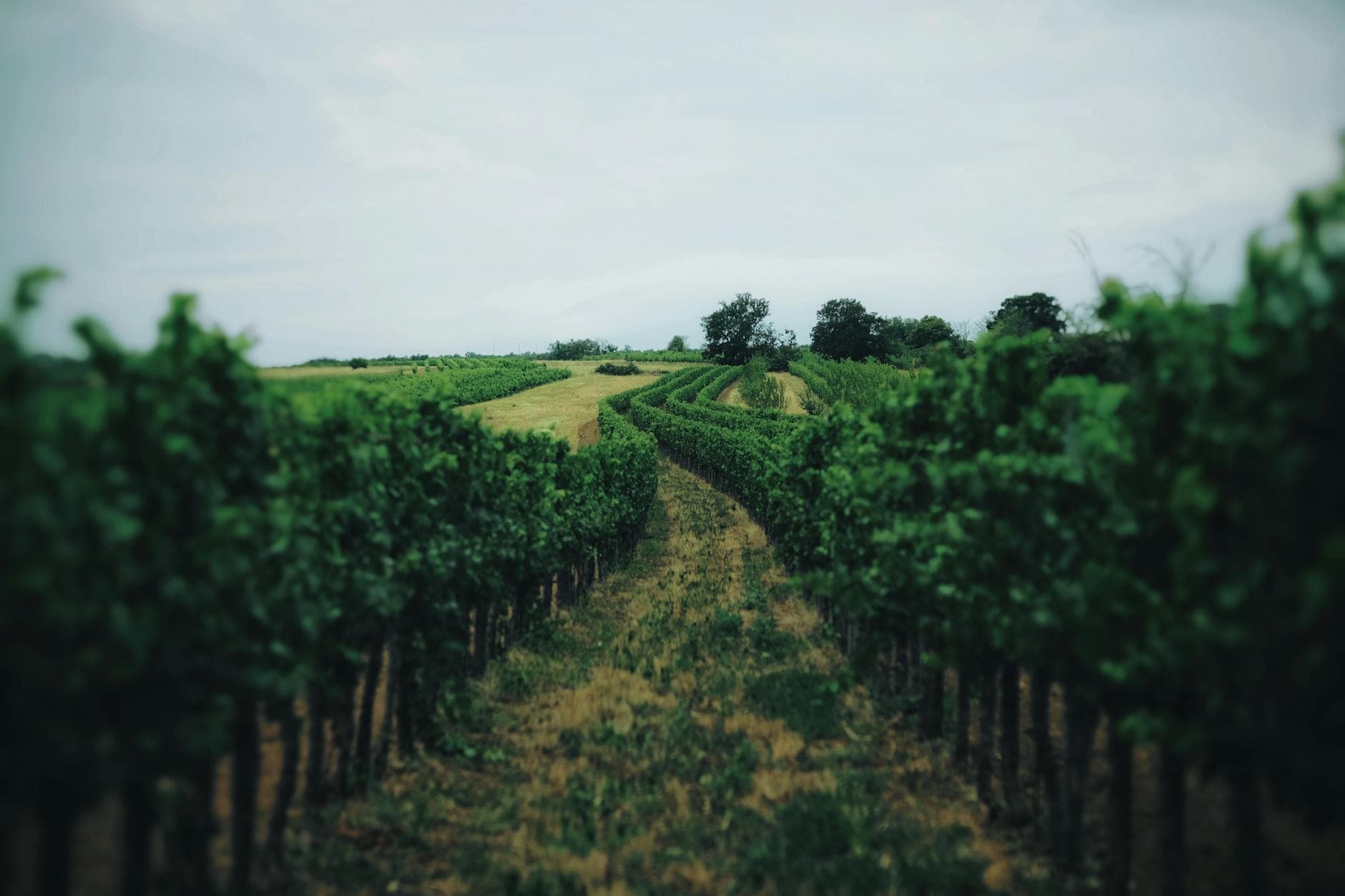
The Prosecco DOCG of Conegliano Valdobbiadene occupies a UNESCO World Heritage-listed hillscape of steep, terraced vineyards north of Venice and west of the Dolomites. The scenery is among the most dramatic of any wine region in Europe: vertiginous Glera vineyards cut into hillsides above medieval towns, with the Alps visible to the north on clear days.
Visiting the Prosecco hills is far more informal than Champagne. Most producers (there are around 3,000 growers in Valdobbiadene alone) do not have purpose-built tasting rooms, but will generally open a bottle if you arrive and ask. Many agriturismo properties combine vineyard visits with meals and accommodation. The Prosecco Road (Strada del Prosecco) is a well-signed route connecting villages, producers, and osterie — self-driving it over two days is a relaxed, pleasure-focused experience.
Veneto accommodation starts ~€55/night budget, €135/night mid-range. Meals are excellent value — a three-course dinner with local Prosecco will cost €40–60 per person. Tasting fees are minimal (often just the cost of a glass) compared to Champagne.
Wine Quality and Style
Be honest about what you're tasting. Champagne, at its best, is one of the world's great wines — complex, age-worthy, capable of rivalling great white Burgundy in a mature vintage. Visiting the region and tasting a blanc de blancs from a single-vineyard grower, or a late-disgorged vintage from a Grandes Maisons, is an epiphany.
Prosecco is not that. Prosecco, even from the DOCG hillsides, is an apéritif wine: fresh, fruity, low in tannin, not built to age, not trying to be complex. This is not a criticism — Prosecco in its context, with cicchetti in Venice or antipasti on a hill terrace, is one of the purest pleasures in Italian wine. But if you are primarily interested in serious wine and cellar complexity, Champagne is the more rewarding destination.
Practicalities
Champagne is a short, easy trip from Paris. Reims by TGV, a couple of days in the cellars, back to Paris. The language barrier exists (French, though English is spoken at all major houses). The formality is real — book ahead for the big houses, especially in high season.
The Prosecco hills require more planning to reach from the UK or US — fly to Venice Marco Polo, rent a car, drive north about an hour. Once there, it is deeply easy and relaxed. The Veneto in general is one of Italy's most underrated travel destinations: Venice, Verona, Vicenza, the Dolomites, and the Prosecco hills within a manageable radius.
The Verdict
Choose Champagne if:
- You want to understand how the world's most famous sparkling wine is actually made
- The combination of history, grand cellar architecture, and refined tasting experiences appeals
- You're already going to Paris — Champagne is an easy extension
- You want to try grower-Champagnes that never leave France at accessible prices
- Wine complexity and cellaring potential matter to you
Choose the Prosecco hills if:
- Scenery matters as much as wine — the UNESCO hillscape is genuinely spectacular
- You want a relaxed, unpretentious experience rather than formal cellar tours
- You are combining with Venice, Verona, or the Dolomites
- Budget is a consideration: Prosecco region delivers far more for less
- You want to eat brilliantly alongside your wine at minimal cost
One more option: the Franciacorta region of Lombardy produces metodo classico sparkling wine (méthode traditionnelle, like Champagne) in a hilly lake district setting between Milan and Brescia. If you want Italian sparkling wine with Champagne-level seriousness, this is where to go. See our guides to Champagne and Veneto for detailed recommendations. Use the /tools/compare tool to compare wine styles and costs side by side.
Wines of Champagne vs Prosecco — Visiting Both Wine Regions Compared
Key grape varieties and wine styles produced in the region
Primary Grape Varieties
Wine Styles
Ready to visit Champagne?
Build your personalised day-by-day itinerary — choose your travel style and trip length, get accommodation and tour picks per day, and email it to yourself to take along.
Upcoming Wine Festivals in France
See all festivalsHidden Gems Nearby
Discover more hidden gemsDomaine de la Bongran
WTG PickBurgundy, France
A Burgundy rebel who makes Chardonnay on their own terms, far from the tourist trail of Beaune and Puligny.
Chardonnay
Domaine Huet
WTG PickLoire Valley, France
World-class Chenin Blanc with no queues, no hype, just pure Loire magic in a village setting.
Chenin Blanc
Mas de Daumas Gassac
Languedoc, France
Grand cru quality at a fraction of Bordeaux prices, in a wild, beautiful valley most tourists never find.
Cabernet Sauvignon · Rosé · White Blend
Book Your Champagne Wine Country Stay
Compare hotels, vineyard B&Bs and rentals across Booking, Airbnb and more in one search.
Compare stays near the vineyardsStay22
Plan Your Champagne vs Prosecco — Visiting Both Wine Regions Compared Trip
Estimate your Champagne vs Prosecco — Visiting Both Wine Regions Compared trip cost
Budget calculator with accommodation, food, wine, and transport estimates.
Try itCompare Champagne vs Prosecco — Visiting Both Wine Regions Compared with other regions
Side-by-side comparison of cost, climate, wine styles, and more.
Try itWhen to visit Champagne vs Prosecco — Visiting Both Wine Regions Compared
Harvest dates, peak season, and the best months for wine travel.
Try itThis page contains affiliate links. We may earn a commission at no extra cost to you.