7 Days in Chilean Wine Country — Maipo, Colchagua, Casablanca
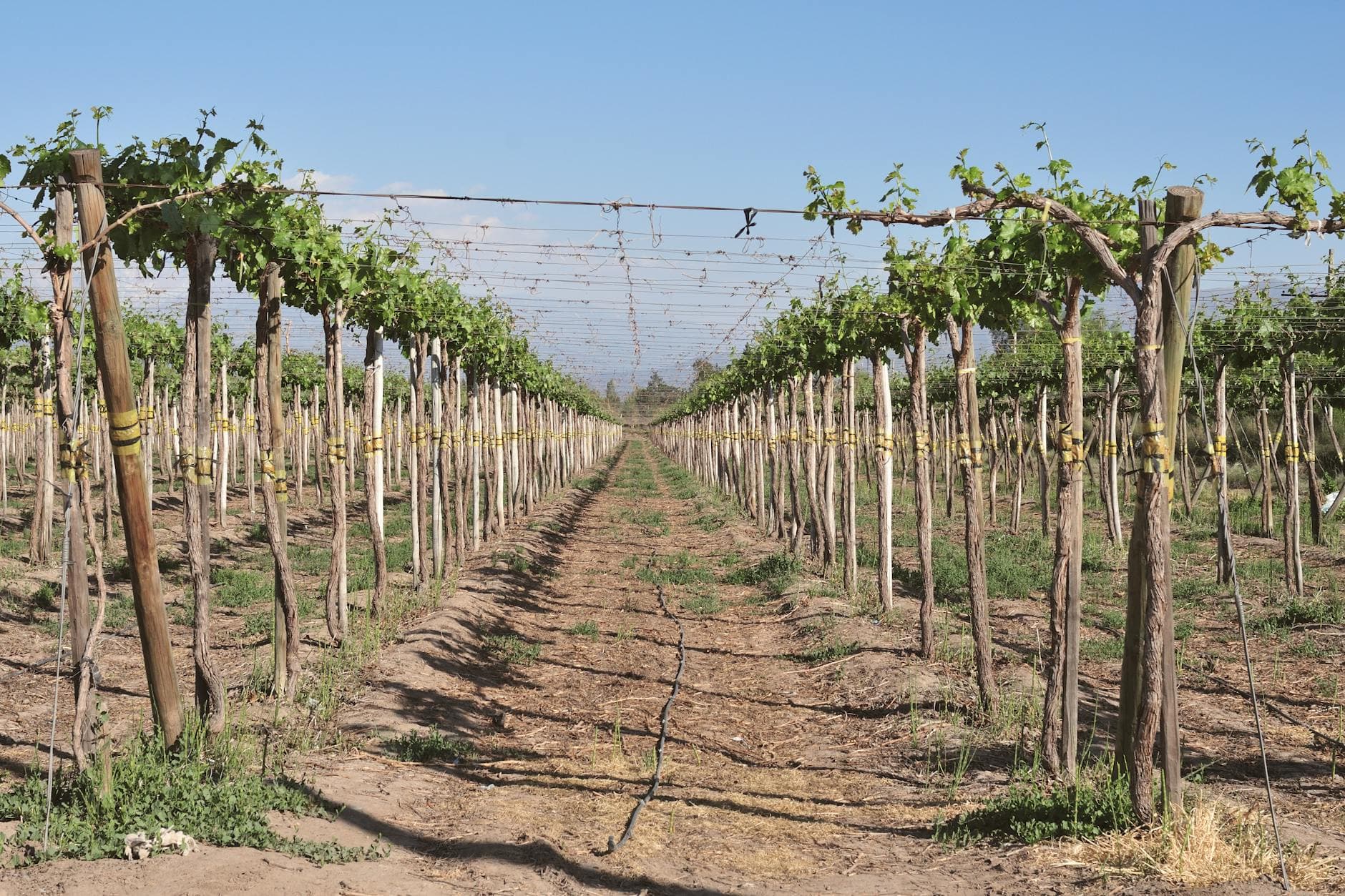
Chile's wine country is surprisingly diverse — cool maritime whites in Casablanca, bold Carménère in Colchagua, and classic Cabernet in Maipo. Here's how to see them all.
Chile is the only major wine country that has never been affected by phylloxera — the vine louse that devastated European vineyards in the 19th century. Chilean vines grow on their own roots, some for 100+ years, without the grafting that every other wine country requires. The combination of the Andes to the east (cold air drainage), the Pacific Ocean to the west (coastal fog and cool winds), the Atacama Desert to the north (natural barrier to insects), and Antarctic currents to the south creates a uniquely protected environment.
This 7-day itinerary covers three of Chile's most contrasting regions: the cool coastal Casablanca Valley (Sauvignon Blanc and Pinot Noir), classic Maipo Valley (Cabernet Sauvignon within 30 minutes of Santiago), and the hot continental Colchagua Valley (Carménère and Cabernet from Chile's most ambitious estates). Budget: US$130/day mid-range. Accommodation US$55–110/night. Tastings US$10–20.
Day 1 — Arrive Santiago, Maipo Valley Afternoon

Fly into Santiago Arturo Merino Benítez Airport (SCL). Most intercontinental flights arrive in the morning — perfect timing for a same-day Maipo visit. The valley sits within 30–60 minutes of the airport via the Camino a Melipilla or the Panamericana Sur.
Concha y Toro in Pirque is Chile's largest producer and one of the world's top 10 wine brands — their Don Melchor Cabernet Sauvignon is the country's most celebrated red wine (US$80+) and the Marqués de Casa Concha range at US$20–25 is excellent value. The guided tour of the historic Casillero del Diablo cellar (1883) is theatrical and popular (US$15–20). Book ahead for the premium experience.
Santa Rita nearby in Buin, established 1880, is the second pillar of Chilean wine history — the Medalla Real and Casa Real Cabernets are the estate's signatures. The 19th-century hacienda and museum are open for tours. Drive into Santiago for the evening — the Lastarria and Barrio Italia neighbourhoods have excellent wine bars and restaurants.
Day 2 — Maipo Valley: The Classic Heartland
The Maipo Valley sits at 500–700 metres altitude on alluvial gravel soils washed down from the Andes. This is Chile's oldest and most prestigious appellation for Cabernet Sauvignon — the variety has been grown here since the 1850s and the combination of warm days, cold nights, and well-draining gravels produces Cabernets of Bordeaux-like structure.
De Martino in Isla de Maipo runs one of Chile's most ambitious wine programmes — their Legado and Gallardia range from old-vine Carignan, Cinsault, and País (the variety planted by Spanish missionaries) shows a completely different face of Chilean wine. The cellar tour (US$15) is intellectually stimulating. Antiyal is a small biodynamic producer in Maipo Alto making excellent Carménère and Syrah — the winery is a garage operation run by Alvaro Espinoza, often called the "father of organic wine in Chile", but the quality is compelling.
Almaviva — the joint venture between Concha y Toro and Château Mouton Rothschild — makes one of South America's most prestigious wines. Visits are limited and expensive (US$80+/person) but the Almaviva red is an extraordinary expression of what Chilean Cabernet can achieve.
Day 3 — Drive to Casablanca Valley

Drive 1.5 hours northwest on the Route 68 to the Casablanca Valley — the pass through the Coastal Range is dramatic, with the sudden appearance of Pacific fog as you descend towards the coast. Casablanca was Chile's first cool-climate wine region, established in the 1980s by Pablo Morandé who correctly identified that the Pacific influence would allow aromatic varieties and Pinot Noir to thrive here.
Matetic Vineyards is the most sophisticated estate in Casablanca — their EQ (Equilibrio) range (Sauvignon Blanc, Chardonnay, Syrah, Pinot Noir) is biodynamically farmed and demonstrates the valley's full versatility. The cellar door tasting (US$15–20) includes a panoramic view across the valley to the Andes. Emiliana Organic Vineyards is Chile's most important organic producer — their Gé Carménère-Cabernet blend is outstanding and the extensive ranch facilities include a farm tour (US$20).
Stay overnight in Casablanca town or at one of the valley guesthouses (US$60–90/night) — this allows an early start for the next day's tastings without the Santiago commute.
Day 4 — Casablanca: Kingston Family and the Coast
Kingston Family Vineyards at the northern end of Casablanca is the most charming estate in the region — an Anglo-Chilean farming family that planted vines on their historic rancho in the 1990s. Their Alazan Sauvignon Blanc and Bayo Oscuro Pinot Noir are made in a rustic converted barn with a relaxed, family tasting atmosphere. Book the asado lunch experience (US$35–50 including 4 wines) for the full experience.
Drive 20 minutes west to the coast for lunch at Quintay fishing village — fishermen sell direct from the pier: sea urchin, congrio (a large eel-like fish), and locos (abalone) at market prices. Return to Casablanca for an afternoon at Viña Casas del Bosque — their Gran Reserva Pinot Noir and Sauvignon Blanc represent the valley's best value at US$18–25. The estate also has an excellent restaurant, Tanino, serving Mediterranean-Chilean fusion with estate wines by the glass.
Days 5–7 — Colchagua Valley
Drive 3.5 hours south on the Panamericana to the Colchagua Valley, turning west at San Fernando towards Santa Cruz. Colchagua is Chile's most internationally celebrated wine region — a warm, dry, and somewhat remote valley where Carménère, Cabernet Sauvignon, Merlot, and Syrah produce wines of extraordinary richness and concentration. Check into accommodation in or near Santa Cruz (US$65–110/night).
Santa Cruz is a pleasant town with an exceptional private wine museum — the Museo de Colchagua (US$10) is one of the best in South America, covering pre-Columbian artefacts, Spanish colonial history, and Carménère wine culture. Casa Lapostolle (the Marnier-Lapostolle family of Grand Marnier fame) runs one of the valley's most prestigious estates — the Clos Apalta single-vineyard wine made from old-vine Carménère, Merlot, and Cabernet Franc has been rated one of the top 10 wines in the world. Visits to Clos Apalta require advance booking and cost US$50–80/person including a vineyard walk and tasting.
Day 6: Montes is the most internationally recognised Colchagua producer — the Alpha M Bordeaux blend and the Purple Angel Carménère are the flagship wines. The winery architecture (designed around feng shui principles) and the panoramic hillside Montes Restaurant are both worth the visit. The Alpha Cabernet Sauvignon at US$20–25 is outstanding for the price. Viu Manent on the Santa Cruz road has an excellent horseback riding and wine tour (US$40, 90 minutes) that covers the estate vineyards and traditional hacienda before a tasting.
Day 7: Clos Apalta (if booked) or visit Luis Felipe Edwards for their Gran Reserva Carménère and Cabernet — one of the valley's most accessible and reliable estates at US$15–30 per bottle. The Colchagua Wine Train (runs Saturdays from San Fernando, US$35) is a vintage train excursion that stops at three wineries along the valley — a leisurely and convivial alternative to driving.
Drive back to Santiago (3.5 hours) for evening departure or stay a final night in Santiago's Lastarria neighbourhood for a last dinner at Bocanáriz — the most comprehensive Chilean wine bar in the country, with 280 labels available by the glass and an exceptional small-plates menu.
Budget Breakdown (7 Days, Mid-Range)
- Accommodation: US$55–110/night (US$385–770 total)
- Wine tastings: US$10–20 per visit, 2–3 per day (US$140–420 total)
- Meals: US$25–50/day (US$175–350 total)
- Car rental + fuel + tolls: US$400–650 for 7 days
- Total: approx US$1,100–2,190 per person
Practical Tips
- Carménère: Chile's flagship variety was thought to be extinct after phylloxera wiped it out in France. It was rediscovered in Chile in 1994, where it had been growing as "Merlot" for 140 years.
- Maipo is best visited Mon–Fri to avoid Santiago weekend traffic.
- Currency: Chilean Peso (CLP). ATMs widely available. Credit cards accepted at most wineries.
- Safety: Exercise normal urban precautions in Santiago; the wine valleys are very safe.
- Full regional guides: Maipo | Colchagua | Casablanca
Wines of 7 Days in Chilean Wine Country — Maipo, Colchagua, Casablanca
Key grape varieties and wine styles produced in the region
Primary Grape Varieties
Wine Styles
Ready to visit Chile?
Build your personalised day-by-day itinerary — choose your travel style and trip length, get accommodation and tour picks per day, and email it to yourself to take along.
Upcoming Wine Festivals in Chile
See all festivalsHidden Gems Nearby
Discover more hidden gemsViña Vik
Millahue Valley, Chile
Chile's most architecturally stunning winery in a valley most people have never heard of, with a luxury hotel overlooking a private vineyard amphitheatre.
Cabernet Sauvignon · Carménère · Bordeaux Blend
Matetic Vineyards
WTG PickCasablanca Valley, Chile
Biodynamic cool-climate Syrah on coastal foothills — Chile's most compelling argument that Syrah belongs in the Pacific ocean breeze, not Colchagua's heat.
Syrah · Pinot Noir · Chardonnay
Cono Sur Winery
Casablanca Valley, Chile
The commercial face hides a serious Casablanca estate producing world-class Pinot Noir — the 20 Barrels limited release rivals Chilean Pinot peers at half the price.
Pinot Noir · Chardonnay · Gewurztraminer
Book Your Chile Wine Country Stay
Compare hotels, vineyard B&Bs and rentals across Booking, Airbnb and more in one search.
Compare stays near the vineyardsStay22
Plan Your 7 Days in Chilean Wine Country — Maipo, Colchagua, Casablanca Trip
Estimate your 7 Days in Chilean Wine Country — Maipo, Colchagua, Casablanca trip cost
Budget calculator with accommodation, food, wine, and transport estimates.
Try itCompare 7 Days in Chilean Wine Country — Maipo, Colchagua, Casablanca with other regions
Side-by-side comparison of cost, climate, wine styles, and more.
Try itWhen to visit 7 Days in Chilean Wine Country — Maipo, Colchagua, Casablanca
Harvest dates, peak season, and the best months for wine travel.
Try itThis page contains affiliate links. We may earn a commission at no extra cost to you.