All Festivals
Bad Dürkheim Wurstmarkt — Bad Dürkheim, Germany

Photo by Busenur Demirkan on Pexels

Bad Dürkheim Wurstmarkt

Two weekends in September (Fri–Mon format), first weekend + third weekendBad Dürkheim, GermanyFood & Wine FestivalFree
5/5 · Must-go

Best for

GroupsFoodiesWine Enthusiasts

Going to Bad Dürkheim Wurstmarkt?

Free printable weekend plan — 3-day schedule, nearby hotels for the festival window, one winery worth a detour, and where to eat in Pfalz.

Free weekend planner →

Officially the world's largest wine festival, drawing over 700,000 visitors to this Palatinate spa town since 1417. Despite the name 'Sausage Market,' wine is the star — 300+ varieties from local growers flow across two weekends under massive festival tents. The Dürkheimer Riesenfass (world's largest wine barrel) alone is worth the trip.

Estimated Attendance

~700,000 visitors

Nearest Airport

Frankfurt (FRA) — 80 km

When

Two weekends in September (Fri–Mon format), first weekend + third weekend

Price

Free

The Bad Dürkheim Wurstmarkt is officially the largest wine festival in the world, drawing more than seven hundred thousand visitors across two weekends each September to a small spa town in the Palatinate wine region of south-west Germany. The festival has been held continuously since 1417 — six centuries of unbroken tradition — and the format combines a full traditional fairground (rides, music tents, parades) with the central wine experience: more than three hundred Palatinate wines poured from local growers across the festival grounds, and the famous Dürkheimer Riesenfass, the world's largest wine barrel by volume, converted into a restaurant that seats four hundred and fifty inside the cask.

The "Wurstmarkt" — literally "sausage market" — name reflects the festival's medieval origins as a fair on the pilgrimage route to the Michaelsberg chapel above the town. The sausages remain, but six centuries of evolution have shifted the centre of gravity to the wine. For visitors, understanding that this is a German wine fair held in the form of a traditional Volksfest — rather than a curated international tasting event — is the first thing to know.

Why the Palatinate matters in German wine

The Palatinate (Pfalz) is Germany's second-largest wine region by hectarage and one of its warmest, with roughly twenty-three thousand hectares of vineyard stretching along the eastern edge of the Haardt mountains. Riesling is the leading variety and the basis of the region's international reputation, but the Palatinate also produces meaningful volumes of Müller-Thurgau, Spätburgunder (Pinot Noir), Weissburgunder (Pinot Blanc), and the increasingly serious Dornfelder red. The warmer climate compared to the Mosel produces fuller-bodied, riper Rieslings — closer in style to dry Alsace whites than to the more austere Mosel mineral profile.

The region's leading producer cohort — Müller-Catoir, Reichsrat von Buhl, Bürklin-Wolf, Christmann, and the broader VDP Pfalz membership — sits at the apex of German fine wine and produces wines that compete with the best of the Mosel and Rheingau in international markets. The Wurstmarkt does not focus on these top-tier estates; the producer mix at the festival is overwhelmingly the smaller and mid-tier Palatinate growers from the immediate surroundings of Bad Dürkheim, pouring their commercial-tier wines at festival-friendly prices.

The festival ground and the Riesenfass

The festival grounds occupy a large permanent fairground site at the edge of Bad Dürkheim, with the main wine tents (Schubkärchler) arranged in two long rows that visitors walk between. Each tent represents a single Palatinate grower or wine cooperative, with the grower's own family typically pouring and serving. The wines are sold by the glass at festival prices — typically two to five euros per glass — and visitors are expected to drink at the tent rather than carry the wine away. Food is sold from adjacent stalls and from the family restaurants inside the tents themselves.

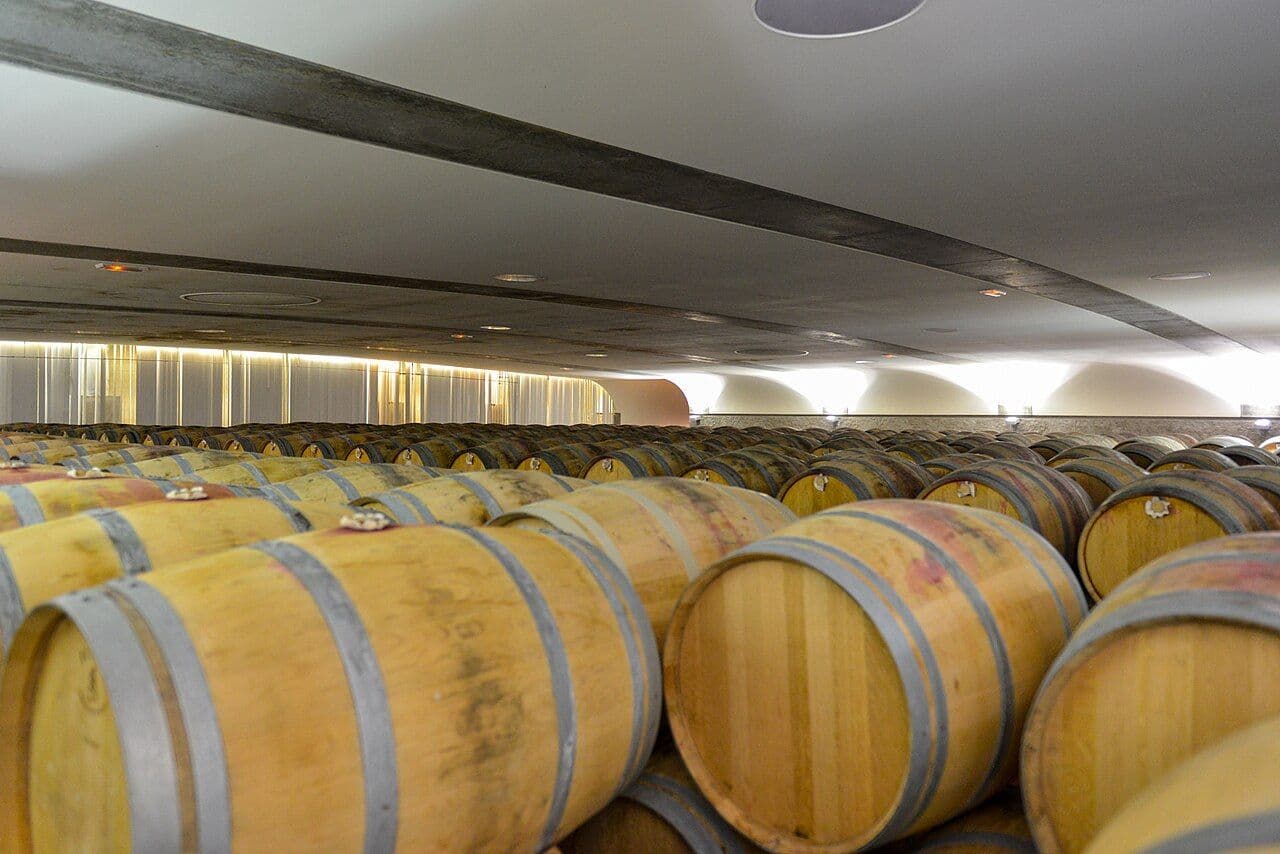
The Dürkheimer Riesenfass — the giant barrel-restaurant — sits at the centre of the festival ground and is the single most photographed feature. The structure is a fully built wooden cask, roughly fifteen metres in diameter and eight metres tall, with a restaurant carved into the interior that seats four hundred and fifty diners. It is functional rather than a museum piece; the restaurant operates as a normal Palatinate restaurant throughout the festival and visitors eat traditional regional food (Saumagen, Pfälzer Bratwurst, Leberknödel) while drinking the local Riesling at long communal tables.

How the two weekends work

The Wurstmarkt runs two weekends in September in a Friday-through-Monday format, with the first weekend traditionally and the third weekend as a shorter Nachkerwe (after-fair) finale. The first weekend is the larger and more heavily attended of the two; the Saturday and Sunday of the first weekend regularly exceed two hundred thousand attendees in a single day. The Monday closing of each weekend is meaningfully quieter and is the day that working sommeliers and locals tend to attend.

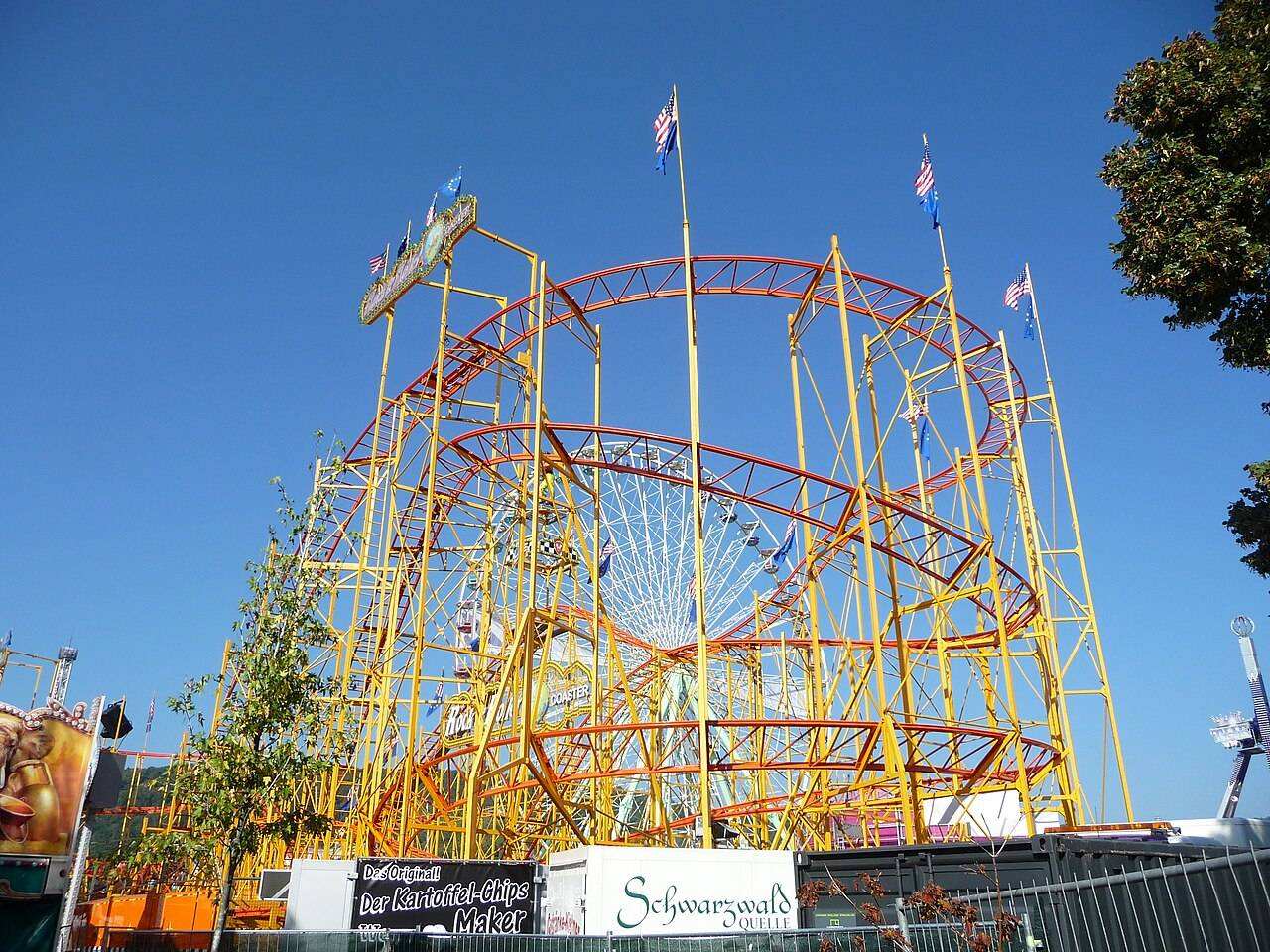
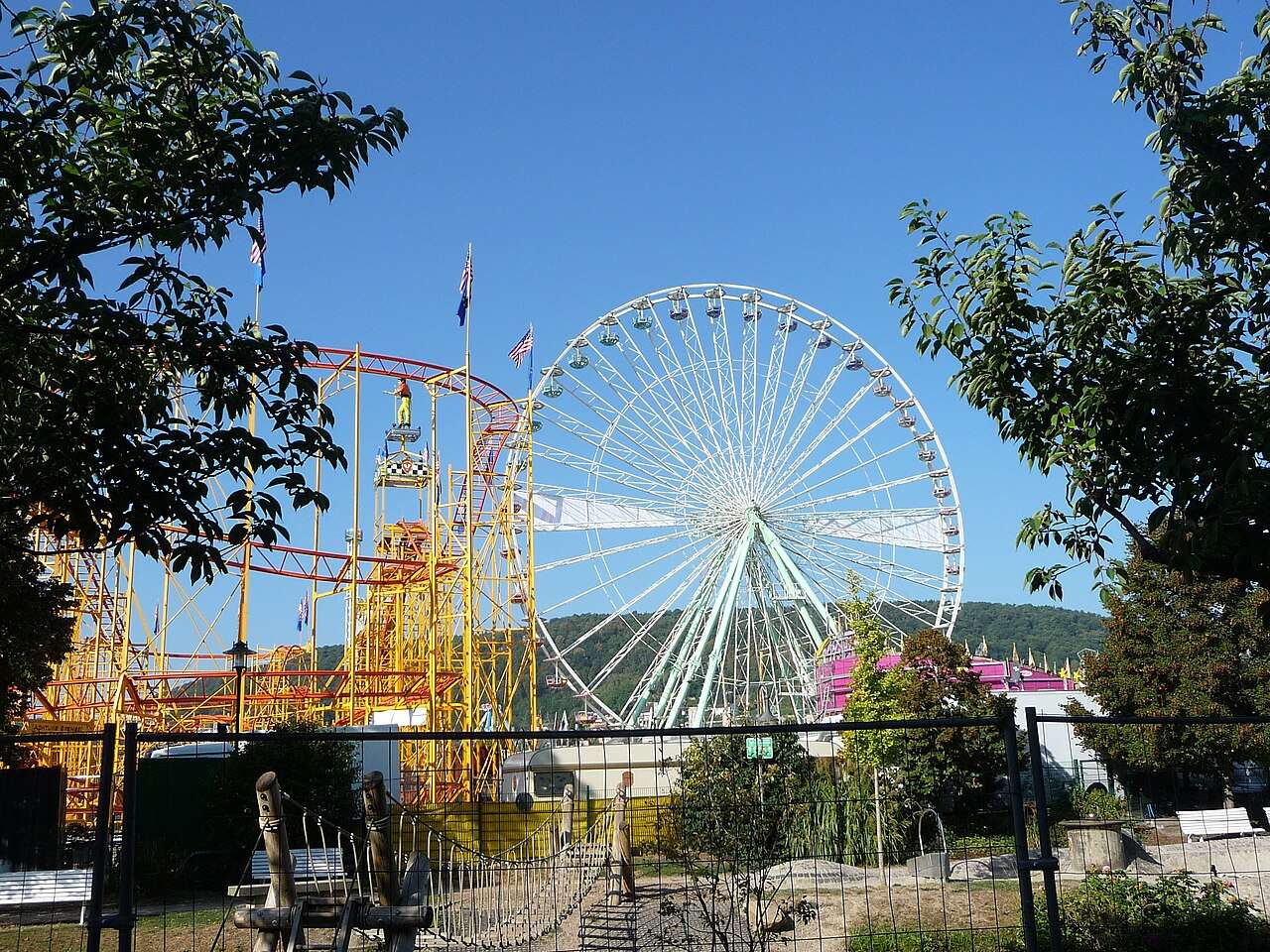
The festival is genuinely a Volksfest format — entry is free, there is no ticketed access, the wine is sold by the glass, and the atmosphere is closer to a large German beer festival than to a curated international wine event. The traditional fairground rides (Ferris wheel, carousels, rollercoasters), the live music in the larger tents, and the parade on the opening Saturday all run alongside the wine tents and are an integral part of the experience. Visitors who want a quiet focused tasting event will find this disorienting; visitors who want the wine within a wider cultural festival find this is the format's defining strength.

Practical access and the crowd realism

Entry to the festival is free; wine is paid by the glass at the individual tents. The realistic arrival pattern is the Thursday evening before the first weekend — the festival is technically open for set-up and informal pours on the Thursday, the crowds are still small, and locals do exactly this to get the relaxed experience before the weekend crowds arrive. Friday is the build-up day; Saturday and Sunday are the peak attendance; Monday is the wind-down. The second weekend (the Nachkerwe) consistently runs at lower attendance than the first.

Frankfurt Airport (FRA) is the main international gateway, eighty kilometres north of Bad Dürkheim and roughly an hour by car. Within Germany, Bad Dürkheim is served by direct rail connections to Mannheim, Heidelberg, and Karlsruhe. The town itself has reasonable hotel inventory but is heavily saturated across the festival weekends; booking by April for a September visit is realistic. The alternative is to stay in nearby wine villages like Deidesheim or Wachenheim (ten minutes by car or local bus) or in Mannheim (twenty-five minutes by train), which keep more normal hotel rates across the festival weekends.

Pair the festival with the Palatinate Wine Route

The Deutsche Weinstraße — the German Wine Route — runs ninety kilometres along the eastern flank of the Haardt mountains from Bockenheim in the north to Schweigen on the French border, with Bad Dürkheim sitting roughly at its centre. The route passes through the small wine villages that produce most of the Palatinate's top wines — Deidesheim, Forst, Wachenheim, Ruppertsberg, Königsbach — all within twenty minutes of Bad Dürkheim and all home to multiple top producers with cellar doors open by appointment.

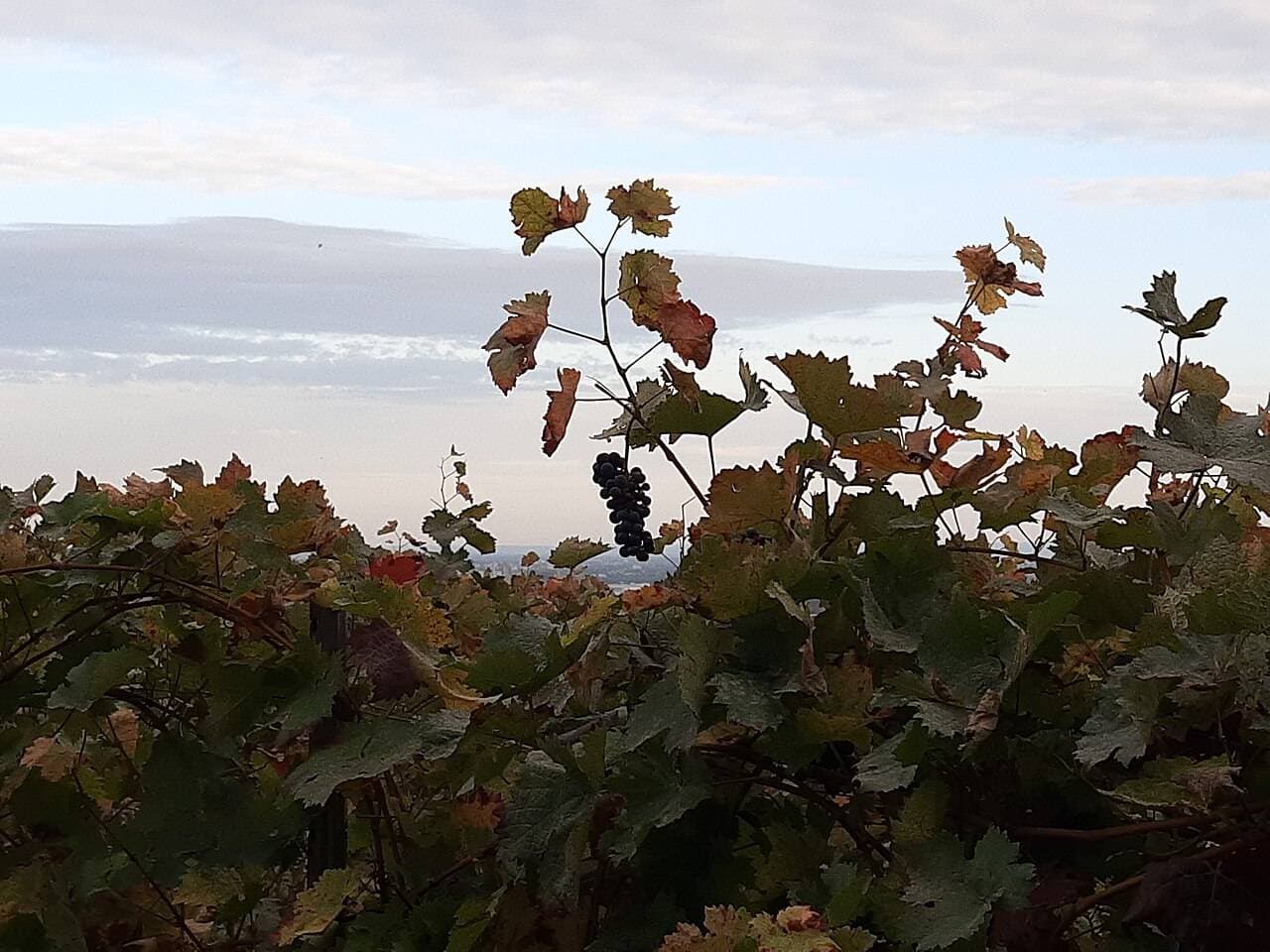
September is harvest season in the Palatinate with the vineyards in full fruit and the producers genuinely busy in the cellars. The Wurstmarkt weekends are the social and commercial centre of the local wine year, but the days between the two weekends are an excellent window for serious cellar visits with the top producers — many of whom will receive serious visitors by appointment between the festival weekends. Our Palatinate guide has the cellar door logistics and a recommended itinerary that combines the Wurstmarkt with three days of cellar visits along the Deutsche Weinstraße.

Never miss a wine festival — get our monthly alerts.

No spam. Unsubscribe anytime.

Where it is

Bad Dürkheim, Germany

Official Website

Visit the official site for tickets, schedules, and the latest updates.

Visit Website

Explore the wine region:

Pfalz Wine Guide →

Book Your Pfalz Wine Country Stay

Compare prices on hotels, vineyard B&Bs, and vacation rentals near the best wineries in Pfalz.

Search Hotels on Booking.com

Festivals around the same time

Within two weeks of Bad Dürkheim Wurstmarkt — plan a single trip with multiple stops.
Frequently asked questions

When is Bad Dürkheim Wurstmarkt held?

Two weekends in September (Fri–Mon format), first weekend + third weekend

Where does Bad Dürkheim Wurstmarkt take place?

Bad Dürkheim Wurstmarkt is held in Bad Dürkheim, Germany.

How much does it cost to attend Bad Dürkheim Wurstmarkt?

Free entry.

How many people attend Bad Dürkheim Wurstmarkt?

~700,000 visitors attend each edition.

What's the nearest airport to Bad Dürkheim Wurstmarkt?

The nearest airport is Frankfurt (FRA) — 80 km.

Who is Bad Dürkheim Wurstmarkt best for?

Best for groups, foodies and wine enthusiasts.