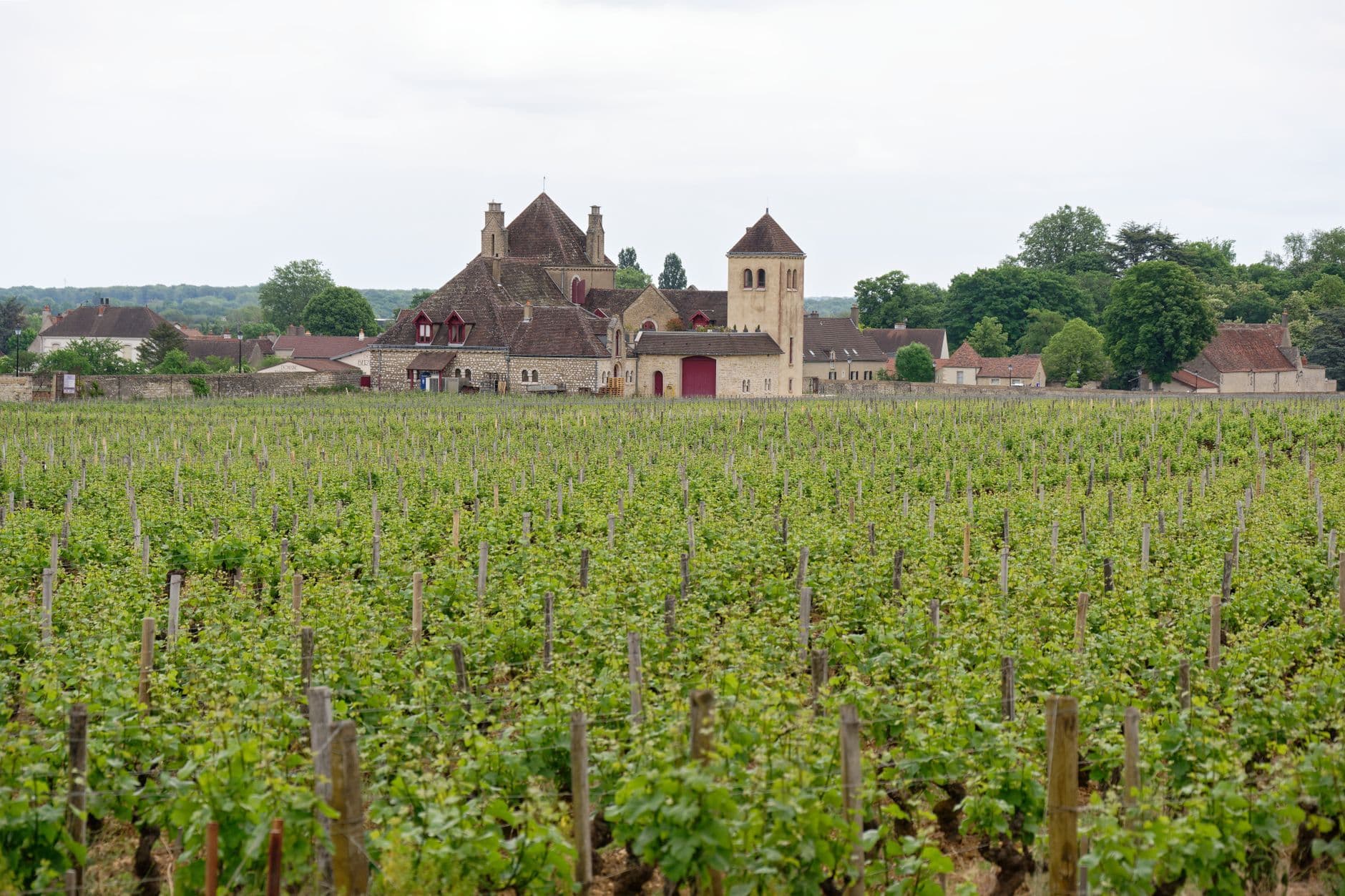
 Photo: Gu Bra / Pexels
Burgundy Wine Region Guide
Burgundy's 1,247 classified terroirs produce the world's most sought-after Pinot Noir and Chardonnay. Navigate appellations, domaines, and harvest seasons.
Key takeaways
- Trip length: 3 days minimum to cover Beaune + Côte de Beaune + Côte de Nuits; 5–7 days ideal to add Chablis day-trip, Côte Chalonnaise value-hunting, or a Saint-Vincent Tournante weekend.
- Best months are May–June or September; harvest mid-September to early-October is most atmospheric. Avoid August — many growers close, midi closures (12:00–14:00) are universal year-round.
- Base in Beaune — non-negotiable for first visits. Walled medieval town, Hospices de Beaune at its centre, walking distance to 30+ cellars, 1h35 TGV from Paris. Other bases only for return trips.
- Email Grandes Maisons (Faiveley, Bouchard, Jadot) 4–6 weeks ahead for May–September; growers 1–2 weeks. Walk-ins virtually impossible in peak season. Daily budget: €130 / €250 / €500–600.
Where to Stay in Burgundy
Make the most of your Burgundy wine trip by staying in the heart of wine country. From luxurious vineyard estates to cozy B&Bs, find the perfect accommodation near world-class wineries.
Top areas to stay
- Beaune€€-€€€
Wine capital of Burgundy, walk to tasting rooms and Hospices
- Meursault€€€
Quiet white wine village with top Chardonnay domaines
- Nuits-Saint-Georges€€
Gateway to Côte de Nuits, many caves open for tasting
Beaune fills up during the Hospices wine auction (3rd weekend of November)
Stay22
Compare Booking, Airbnb, Hotels.com and more in one search
Editorial pick
Best chateaux to visit in Burgundy — top 10 picks 2026
Read the listicle →
Sample itinerary
3 days in Burgundy — full day-by-day plan
Read the itinerary →
Vineyard hotels
Vineyard hotels in Burgundy — 10 estates where you can stay
Read the guide →
Plan your visit: Plan your Burgundy trip — free printable planner for the Côte de Nuits and Côte de Beaune.
Burgundy is the region that forces you to abandon shortcuts. There is no such thing as a quick tasting here — every glass is an argument about a specific plot of land, a single winemaker's choices, and decades of agrarian tradition compressed into a 75cl bottle. The Côte d'Or, that narrow limestone escarpment running 50 kilometres south from Dijon, produces some of the most analytically studied and compulsively discussed wine on earth. If you are the kind of traveller who wants a winery selfie and a cheese plate, you will be happier in Alsace or the Rhône. If you want to stand in the same vineyard rows that shaped how the entire world thinks about Pinot Noir and Chardonnay, Burgundy is irreplaceable.
The practical reality is more complex than the mythology. Access to the great domaines — the names you recognise from auction catalogues — requires personal connections or years on waiting lists. Domaine de la Romanée-Conti does not accept visitors. Domaine Leroy requires two months' notice minimum and a credible introduction. But this isn't the whole story. Burgundy has hundreds of village-level producers who are genuinely pleased to receive visitors with a week's notice, charge €15–35 for a tasting of four to six wines, and whose bottles at €25–60 are extraordinary value relative to their appellation neighbours. The skill is in finding them.
What sets Burgundy apart from Bordeaux — its perennial rival in the great French wine conversation — is scale and philosophy. Where Bordeaux operates on château logic (large estates, négociant blending, corporate ownership), Burgundy is a patchwork of tiny parcels, often divided among siblings at each generation, worked by families who may own less than two hectares across a dozen different appellations. This fragmentation is the source of the region's complexity and its occasional frustration. It is also why a three-day visit barely scratches the surface, and why people return annually for a decade and still feel like beginners.
Wine Regions & Appellations
Burgundy runs roughly 300 kilometres from Auxerre in the north to Mâcon in the south, but its hierarchy is built around a much smaller core. The Côte d'Or is the spine — split into Côte de Nuits (red wine country, north) and Côte de Beaune (predominantly white, south). Below them, the Côte Chalonnaise offers similar geology at lower prices, and the Mâconnais produces Chardonnay on a larger canvas. Chablis, though technically part of Burgundy's administrative region, operates as its own world 100 kilometres to the northwest.
Côte de Nuits
The Côte de Nuits runs from Marsannay-la-Côte south to Corgoloin — a strip of Kimmeridgian limestone and clay that accounts for the majority of Burgundy's Grand Cru red wine. Gevrey-Chambertin, Morey-Saint-Denis, Chambolle-Musigny, Vougeot, Vosne-Romanée, and Nuits-Saint-Georges line up in sequence, each village with its own character. Gevrey-Chambertin tends toward structure and backbone; Chambolle-Musigny toward fragrance and silk; Vosne-Romanée — home of DRC — is the most coveted address. The dominant grape is Pinot Noir exclusively, on Bajocian and Premeaux limestone with varying amounts of clay. Village-level wines from serious producers range from €30 to €80; Premier Cru starts at €80 and climbs sharply; Grand Cru rarely below €200.
Côte de Beaune
South of Nuits-Saint-Georges, the Côte de Beaune is Chardonnay's heartland — though it also produces excellent Pinot Noir in Pommard and Volnay. Aloxe-Corton marks the transition, followed by Beaune itself (the region's commercial capital), then the white wine villages of Meursault, Puligny-Montrachet, and Chassagne-Montrachet. The soil here is Argovian limestone with more clay than the Côte de Nuits, which is why Chardonnay thrives: it expresses texture and fat that Chablis never achieves. Meursault is the most visitor-friendly — many domaines accept appointments with one to two weeks' notice. Puligny-Montrachet is more guarded. A village Meursault at €35–55 from a serious grower is one of the best-value white wine experiences in France.
Côte Chalonnaise
The Côte Chalonnaise — the villages of Mercurey, Givry, Rully, Montagny, and Bouzeron — is where experienced Burgundy drinkers look for value. The geology is broadly similar to the Côte d'Or but less continuous, and the wines lack the precision of their northern neighbours. That is exactly the point. A village Mercurey from Domaine Faiveley or Michel Juillot costs €18–30 and drinks beautifully at three to five years. Rully produces excellent sparkling Crémant de Bourgogne — the region's alternative to Champagne at a fraction of the price. This is also the most walk-in-friendly part of Burgundy: many caves open without appointment during the week.
Mâconnais
The Mâconnais is Burgundy for people who want Chardonnay without the anxiety. Pouilly-Fuissé is the prestige appellation — it received Premier Cru classification in 2020, finally giving its best vineyards official recognition. Mâcon-Villages is the everyday tier at €12–18 a bottle. The landscape here is softer and more rural than the Côte d'Or; the Rock of Solutré provides dramatic visual contrast. Producers like Château Fuissé, Domaine Valette, and Domaine des Deux Roches offer excellent cellar-door experiences without Côte d'Or formality.
Chablis
Chablis is 100 kilometres northwest of Beaune, closer to Auxerre than to Dijon, and it produces Chardonnay of a completely different character: flinty, austere, high-acid, with the gunflint mineral quality that comes from Kimmeridgian limestone rich in ancient oyster fossils. Premier Cru Chablis at €25–40 from growers like Domaine William Fèvre, Domaine Raveneau, or Daniel-Etienne Defaix offers a stylistic counterpoint to Meursault that is worth a day trip. The town itself is small and the number of wineries open for visits is limited, but the cellar door experiences at the major domaines are unhurried and educational.
Beaujolais
Beaujolais is technically a separate wine region � its own appellation, its own soils, its own grape � but historically and administratively it has long been bound to Burgundy, and any honest map of the Bourgogne wine world puts Beaujolais at the southern end. The grape is Gamay, not Pinot Noir, and the soils are granite rather than limestone, which produces a wine of a fundamentally different character: lighter-bodied, lower in tannin, driven by fresh red fruit and a certain bounce that makes it the most useful red on a warm afternoon.
The ten Cru Beaujolais villages are the serious end of the appellation: Moulin-�-Vent produces the region's most structured, age-worthy wines; Morgon develops a brooding, cherry-driven complexity at five to eight years that regularly surprises Burgundy drinkers; Fleurie is the most fragrant and approachable; Brouilly the most widely planted. The other seven � R�gni�, Ch�nas, Chiroubles, Juli�nas, Saint-Amour, C�te de Brouilly, and Moulin-�-Vent � each have a distinct character worth exploring at their price points of �12�22 per bottle. Beaujolais Nouveau, released on the third Thursday of November each year, is a phenomenon rather than a serious wine � fun, fruity, and consumed within months of harvest.
Visiting Beaujolais from Beaune takes roughly 45 minutes by car south toward M�con. The town of Villefranche-sur-Sa�ne is the regional capital; most Cru villages are 20�40 minutes further south or west. Domaine Marcel Lapierre in Morgon, Ch�teau Thivin on C�te de Brouilly, and Domaine Chignard in Fleurie all receive visitors by appointment. Tasting fees are generally lower than C�te d'Or (�5�15), and the welcome more relaxed. For a full Beaujolais guide, see the Heart of Beaujolais page.
The Climats: Burgundy's UNESCO Heritage
In July 2015, UNESCO inscribed Burgundy's climats as a World Heritage Site — 1,247 named vineyard parcels stretching 60km from Dijon to Santenay, recognised as the world's most precise expression of terroir. A climat is not a generic vineyard; it is a specific plot with documented historical boundaries, distinct soils, and a name used continuously for centuries.
The mapping work began in the 12th century, when Cistercian monks at Clos de Vougeot walked the hillsides tasting plot by plot and noting which parcels produced consistently different wines. That medieval cadastre is the direct ancestor of today's climat map — almost every named site on a modern Burgundy label appears in 14th-century monastic records.
This is why "Chambolle-Musigny Les Amoureuses" or "Meursault Les Caillerets" appears on labels: village name first, then a specific 2- or 5-hectare climat. Bordeaux's château system covers entire estates under one name; Burgundy goes the opposite direction. Same grape, same village, but a 200-metre walk between two climats can mean a €40 wine becomes a €400 wine. Understanding climats is how you read Burgundy.
Grape Varieties
Vine Cycle — Burgundy
Full calendar →Harvest in Burgundy is intimate — small plots, hand-picking, family crews. The Hospices de Beaune auction in November caps the season. Cycling the Route des Grands Crus during harvest is magical.
Pinot Noir is the reason Burgundy exists in the global wine consciousness. It is a thin-skinned, temperamental grape that expresses its terroir more transparently than almost any other variety — which is both the source of Burgundy's greatness and its frustrating inconsistency. In the Côte de Nuits, Pinot Noir produces wines of structural precision: taut acidity, restrained fruit (red cherry, raspberry, dried rose petal), and earthy complexity that takes years to unfurl. Village wines from serious growers are approachable at four to eight years; Grand Cru typically needs ten to twenty. The best food pairing is slow-braised duck, roast game birds, or Époisses cheese — rich, savoury dishes that echo the wine's own depth.

Chardonnay produces Burgundy's greatest whites — arguably the greatest white wines of any kind. The Côte de Beaune expression is textural and golden: Meursault brings hazelnut and white peach with a rich mid-palate; Puligny-Montrachet is more tightly wound, citrus-driven, and mineral; Chassagne leans broader and buttery. Unlike Chardonnay from the New World, the best white Burgundy is not obviously oaky — top growers use older barrels for a proportion of the wine, with the goal of adding roundness rather than flavour. Pair with Beurre blanc sauces, sole meunière, or aged Comté cheese.
Gamay is the grape of the Mâconnais and the Côte Chalonnaise, though it is best associated with Beaujolais (technically a separate region). In Burgundy, it appears in Passe-Tout-Grains, a blend of at least one-third Pinot Noir with Gamay — a lighter-bodied, lower-priced red that pairs with charcuterie or simple bistro food. If you are looking for a casual house wine in a Beaune restaurant, Passe-Tout-Grains from a reputable producer is your best-value option.
Aligoté is Burgundy's other white grape — acidic, crisp, and historically underestimated. It is the traditional base for Kir (white wine with blackcurrant liqueur), but the best Aligoté, particularly from Bouzeron in the Côte Chalonnaise, is complex and genuinely interesting at €12–18 a bottle. Aubert de Villaine of DRC produces the benchmark Bouzeron Aligoté — an extraordinary wine for the price from someone whose red wines start at several hundred euros.
Understanding the Burgundy Classification System
No other wine region in the world has a classification system as granular or as legally precise as Burgundy. The same grape variety (Pinot Noir) grown in the same village (Gevrey-Chambertin) can produce four entirely different wines depending on which specific plot the grapes come from � and the price difference between those four tiers can be tenfold. Understanding the hierarchy is not optional for a serious visit; it is the key that makes everything else legible.
Regional Appellations (52% of production)
Bourgogne Rouge, Bourgogne Blanc, Bourgogne Aligot� � wines that can come from anywhere within the administrative region. These are everyday bottles at �12�22 and the best introduction to the regional style. A Bourgogne Rouge from a serious n�gociant like Louis Jadot or Maison Faiveley drinks well at two to four years and costs a fraction of village wines from the same house. Do not overlook them.
Village Appellations (37% of production)
Wines labelled with a specific village name � Gevrey-Chambertin, Meursault, Chambolle-Musigny � come from vineyards within that commune, but not from any designated premier or grand cru plot. There are 44 village appellations in Burgundy. Village wines represent the core of any serious cellar: at �25�65 from a quality producer, they offer the terroir character of their commune without the speculative pricing of classified vineyards. The difference between a generic Bourgogne and a village Pommard from the same producer is immediately apparent in texture and length.
Premier Cru (10% of production)
There are 640 Premier Cru plots (called lieux-dits or climats) in Burgundy � specific named vineyards within a village whose wines carry the village name plus the vineyard name on the label. Meursault Perri�res, Gevrey-Chambertin Lavaux Saint-Jacques, Chambolle-Musigny Les Amoureuses. Premier Cru wines start at �50 and stretch to �250+ for the most sought-after plots. The classification was originally established by the monks of C�teaux, who spent centuries mapping which plots consistently produced superior wine � their observations have not been materially challenged since.
Grand Cru (1% of production)
There are 33 Grand Cru appellations in Burgundy. Each is a single named vineyard that has its own AOC � not the village name plus vineyard, but just the vineyard name alone. Chambertin. Richebourg. Le Montrachet. Musigny. Clos de Vougeot. Grand Crus account for barely 1% of Burgundy's total production: 24 are in the C�te de Nuits, 8 in the C�te de Beaune, and 1 in Chablis (Chablis Grand Cru, which encompasses seven named lieux-dits). Prices rarely fall below �150 per bottle for younger vintages from entry-level Grand Crus; the most famous � La T�che, Roman�e-Conti, Chambertin from the best producers � routinely exceed �1,000 and are effectively inaccessible at retail.
The practical implication for visitors: tasting Grand Cru in Burgundy is not straightforward. Domaine de la Roman�e-Conti does not accept visitors at all. Leroy requires a credible introduction. The best accessible route to Grand Cru experience is through Beaune's n�gociant houses � Louis Jadot, Bouchard P�re & Fils, and Joseph Drouhin all offer structured tastings where Grand Cru bottles appear in the premium tier at �50�150 per head. It is not cheap, but it is possible without knowing anyone.
Tasting Room Guide
Burgundy's tasting culture is not built for walk-ins. The majority of serious domaines along the Route des Grands Crus operate by appointment only, and "appointment" often means emailing three to four weeks in advance, receiving a response in French, confirming, then showing up exactly on time. The reward for this effort is a visit with the winemaker or a family member rather than a hired hospitality manager — a genuinely different experience from a hotel-lobby tasting room.
Tasting fees vary considerably by domaine tier. At village-level producers, a tasting of four to six wines typically costs €15–25 and is often waived on a purchase of two or more bottles. At mid-tier Premier Cru domaines, expect €30–50 for a structured tasting with food. Top Grand Cru estates that do accept visitors — and some do, carefully — may charge €80–150 for a tasting that includes older vintages. Some domaines, particularly in Chablis and the Mâconnais, operate a simple cave door where you ring a bell, someone appears, and you taste from the barrel with no formality and no fixed fee.
Big-Name Estates
Domaine Faiveley (Nuits-Saint-Georges) is one of the largest domaine-owner operations in Burgundy with 120 hectares across the Côte d'Or. They accept visitors with two to three weeks' notice via their website and offer a structured tasting for €40–60 covering their range from village to Grand Cru. Louis Jadot operates Beaune's most professional visitor infrastructure — their Hôtel du Duc hospitality centre in central Beaune runs daily tours at €25–40 that are well-structured and entirely English-language friendly. Bouchard Père & Fils, with their Château de Beaune base, offers similar access at comparable pricing.
Mid-Range Family Producers
Domaine Henri Boillot (Volnay/Meursault) makes precise, terroir-driven whites and reds from exceptional parcels and accepts visitors with two weeks' notice — tasting fee around €20–35. Domaine Michel Lafarge in Volnay is a gold standard for Pinot Noir and genuinely family-run; you are likely to meet a Lafarge directly. Domaine Gros Frère et Sœur in Vosne-Romanée produces serious Pinot Noir at relatively accessible Premier Cru prices, accepts appointments, and charges around €30 for a tasting of five to seven wines.
Entry-Level & Walk-In Options
The Cave des Vignerons de Buxy (Côte Chalonnaise cooperative) operates a proper tasting room in Buxy — no appointment, well-signed, reasonable English spoken, tasting of eight to ten wines for €10–15. The Maison des Vins in Mâcon is another excellent walk-in resource: a regional showcase for Mâconnais and Côte Chalonnaise producers with fair retail prices. In Beaune, the tourist office maintains a list of domaines accepting walk-in visitors that is updated seasonally.
Worth knowing: Domaine Régis Rossignol-Changarnier in Volnay. Small, family-run, not internationally famous, producing village Volnay and Pommard of real quality at €28–45. They accept appointments with a week's notice via email, usually reply within 48 hours, and the tasting is unhurried, genuinely informative, and free with a bottle purchase. This is the Burgundy that the auction-catalogue crowd never discusses because the wines are bought and drunk locally.
A Practical 3-Day Burgundy Itinerary
Three days is the minimum to taste Burgundy's range without feeling rushed. It allows one domaine visit per day (the sensible limit given tasting volumes), two proper sit-down lunches, and enough time between appointments to walk vineyards and absorb the landscape. Base yourself in Beaune throughout � it is central to both C�te de Nuits and C�te de Beaune, walkable, and has the best concentration of restaurants. To build a personalised itinerary, use the WTG trip planner.
Day 1: Beaune & the C�te de Beaune
Begin with the Hospices de Beaune (H�tel-Dieu) in the morning � the 15th-century polychrome-tiled hospital that anchors the town and explains why Beaune became Burgundy's wine capital. Entry is around �10 and takes 90 minutes. From there, walk to the town's n�gociant houses: Bouchard P�re & Fils and Maison Louis Jadot both offer structured cellar tastings with advance booking � budget �45�95 per head for a five-wine flight. Afternoon: drive south 25 minutes to Meursault. The Domaine Comtes Lafon accepts appointments with three to four weeks' notice and produces benchmark Meursault at Premier Cru level (�60�120). Alternatively, Domaine des Comtes de Vog�� in Chambolle-Musigny if you are more interested in reds. Dinner in Beaune: Le Caveau des Arches for B�uf bourguignon at around �35�45 per head.
Day 2: C�te de Nuits � Gevrey to Vosne
Drive north 30 minutes from Beaune toward Gevrey-Chambertin. The village is the most immediately satisfying in the C�te de Nuits: it has a working village feel (not a museum), a handful of producers who see visitors, and its name on the label carries enough prestige to make bottles feel significant without reaching Grand Cru pricing. Domaine Faiveley in Nuits-Saint-Georges (20 minutes south) takes visitors with two to three weeks' notice � their tasting of six wines costs �20�30 and runs across multiple appellation tiers. Lunch in Nuits-Saint-Georges: there are four or five competent village restaurants around the main square at �20�35 for lunch menus. Afternoon: continue south to Vougeot and walk the Clos de Vougeot vineyard (the walled Grand Cru plot, viewable from outside the wall for free). Continue to Vosne-Roman�e: the village itself is quiet and residential but standing below the La Roman�e-Conti signpost is free and oddly moving. Domaine Drouhin in Beaune accepts bookings for a late afternoon tasting if needed � an excellent fallback.
Day 3: Chablis Day Trip or C�te Chalonnaise
Option A � Chablis: Drive 100 kilometres north to Chablis (around 1 hour 15 minutes). The town is small and the landscape is deliberately austere � chalky hillsides, no ch�teau architecture, just the vines and the geology. Domaine William F�vre and Domaine Raveneau (by appointment, very limited slots, book six to eight weeks ahead) are the benchmarks. A tasting at F�vre runs �25�45 for a six-wine flight from Petit Chablis through Grand Cru. Return via Auxerre for lunch at a riverside restaurant. Back in Beaune by early evening.
Option B � C�te Chalonnaise: Drive 25 minutes south from Beaune to Mercurey or Givry. The Cave des Vignerons de Buxy in Buxy accepts walk-ins for a 10-wine tasting at �10�15 � an excellent, pressure-free way to compare appellation styles. The C�te Chalonnaise is also where Cr�mant de Bourgogne comes from: Rully's cooperative has a visitor centre and is reliably open without appointments. Lunch at a village auberge in Givry (�25�30 set menu with local wine) before returning north in the afternoon.
Best Time to Visit
Monthly Climate — Burgundy
Full explorer →May and June are the most underrated months in Burgundy. The vines are at bud break and early leaf, the Côte d'Or is bright and photogenic, the roads are empty compared with summer, and accommodation prices are 20–30% lower than July peak. Temperatures range from 12°C to 20°C — perfect for cycling. The caveat: late frosts can hit in May (2021 was devastating) and some domaines are still in bottling or labelling mode and less receptive to visitors.
July and August are peak crowd months. Beaune fills with international tourists; accommodation doubles in price (budget B&Bs €90–120, mid-range €200+); restaurant queues form from 7pm. The wine landscape is at maximum visual beauty — flowering in June transitions to green canopy in July — but the tasting rooms are overbooked and the winemakers are in the vineyard, not in the cellar. If you must come in summer, book accommodation and tasting appointments three months in advance without exception.
September 15 to October 5 is the harvest window for Pinot Noir and Chardonnay — the best time to visit for anyone serious about wine. The activity in the vineyards is unlike any other time of year: hand-picking crews move through the rows, tractors carry full crates, and the smell of fermenting juice fills the villages by late September. Accommodation prices peak in late September and the third weekend of November (Hospices de Beaune auction). Book both six months ahead if possible.

October and early November are Burgundy's shoulder season — the crowds thin after harvest, prices drop, the vineyards turn gold and copper, and the domaines are in full cellar-work mode with new wine fermenting. Winemakers are busy but accessible; the villages feel local again. The contrarian recommendation: third week of October. The harvest is done, the leaves are turning, the caves are still alive with fermentation activity, and you can often visit domaines with 48 hours' notice rather than three weeks.
December through March is cold, dormant, and largely closed. Many domaines shut entirely after the Hospices de Beaune in November. Beaune itself remains open year-round — the wine merchants and cave shops operate normally — but expect grey skies, 2–6°C temperatures, and a region that is working, not performing.
Hospices de Beaune: The World's Greatest Wine Auction
The third Sunday of November is the most important date in the Burgundy calendar. The Hospices de Beaune charity auction — held continuously since 1443 — is the oldest wine auction in the world and the region's most theatrical annual event. Around 50 cuvées from the vineyards attached to Beaune's Hôtel-Dieu (a medieval charity hospital founded by Nicolas Rolin in 1443) go under the hammer, with proceeds funding the local hospital. Buyers bid on barrel-lots of Pinot Noir, Chardonnay, and occasional rarities — prices set here effectively benchmark Burgundy vintage values worldwide.
For visitors, the auction weekend is a three-day celebration of Burgundy wine culture. The Saturday and Sunday before the hammer falls, négociants and domaines open their cellars for public tastings across Beaune and surrounding villages — this is one of the few weekends when serious producers welcome walk-ins. Beaune's town centre fills with street food stalls, local producers pouring at the covered market, and the general atmosphere of a village fête scaled up to international proportions. On the Monday following the auction, the Paulée de Meursault takes place — an elaborate lunch at the Château de Meursault where vignerons bring their own bottles to share with guests, a tradition that requires booking many months ahead.
Access to the auction itself is via hospitality packages arranged through négociants such as Louis Jadot, Drouhin, or Bouchard Père & Fils — expect to pay €200–600 per person for a full package including a seat in the auction room and post-auction dinner. Public events in Beaune town centre are free or low-cost and arguably the more enjoyable way to experience the weekend. Book accommodation in Beaune and surrounds by July at the latest — the whole of the Côte d'Or fills completely for the third weekend of November. See the full festival listing at /festivals/hospices-de-beaune-wine-auction for dates and logistics.
Getting There & Around
Getting There
The most practical gateway is Lyon-Saint-Exupéry Airport (LYS), approximately 110 minutes by car from Beaune. Direct flights operate from London Heathrow and City (British Airways, easyJet), Amsterdam (KLM, Transavia), Brussels (Brussels Airlines), and from multiple UK regional airports. A taxi from LYS to Beaune costs approximately €120–150; car hire is available from all major operators at the airport and is strongly recommended for the entire trip.
The TGV from Paris Gare de Lyon to Beaune takes approximately 2 hours 15 minutes (via Dijon) and costs €40–90 depending on booking date. This is the best option if you are combining Burgundy with Paris. Dijon itself (45 minutes from Beaune by regional train, €12–18) has a TGV connection from Paris at under 1 hour 40 minutes. The regional TER trains are useful for getting between Dijon, Beaune, and Chalon-sur-Saône, but do not reach the villages where the great domaines are located.
Getting Around
A hire car is essential for exploring the Côte d'Or seriously. Public transport is limited: the TER train follows the valley floor, not the Route des Grands Crus on the hillside, and taxi services between villages are expensive and unreliable for multi-stop itineraries. Car hire from Lyon airport or Beaune station costs €40–70 per day for a mid-range vehicle. France's drink-driving limit is 0.5g/litre blood alcohol — stricter than the UK — which means one standard glass of wine puts a 70kg person at the legal limit. Plan your driving route before tasting, or use a designated driver arrangement.
Cycling is the exception to the car dependency. The Route des Grands Crus cycle path runs 60 kilometres from Dijon to Santenay along flat vineyard roads, passing through Gevrey-Chambertin, Vougeot, Vosne-Romanée, Nuits-Saint-Georges, Beaune, Meursault, and Puligny-Montrachet. Hire a bike in Beaune (€20–35/day from multiple operators including Bourgogne Randonnées) and use it for Côte de Beaune exploration while storing your car. This solves the drink-driving problem for village-to-village tasting days and is significantly more atmospheric than driving.
Guided wine tours are the best option for visitors who want to taste at the Grand Cru level without connections. Operators like Authentica Tours and Bourgogne Wine Tastings arrange access to small family domaines that do not normally receive independent visitors — the guide's relationship with the winemaker is the entry ticket. Half-day tours start at €80 per person; full-day tours covering three to four domaines run €150–200. For the Côte de Nuits Grand Cru experience specifically, this is worth every euro.
Cycling the Route des Grands Crus
The D122 — signposted as the Route des Grands Crus — is the most rewarding way to experience the Côte d'Or without a car. The road runs the entire length of the escarpment from Marsannay in the north to Santenay in the south, a distance of roughly 60 kilometres. Most cyclists focus on the northern Côte de Nuits section (Marsannay to Nuits-Saint-Georges, around 25 kilometres) or the southern Beaune to Chagny run through the Côte de Beaune. Either makes an excellent half-day ride; the full route is a long day trip best attempted in the direction that puts the wind at your back.
The route threads directly through every major wine village: Gevrey-Chambertin, Morey-Saint-Denis, Chambolle-Musigny, Vougeot (with its unmissable Château du Clos de Vougeot), Vosne-Romanée, and Nuits-Saint-Georges on the Côte de Nuits; then Aloxe-Corton, Beaune itself, Pommard, Volnay, Meursault, and Puligny-Montrachet on the Côte de Beaune. The road follows the base of the limestone hillside, making the gradient almost entirely flat — there are no significant climbs on the main D122 route. It is genuinely suitable for all fitness levels, including families with older children who can manage a half-day in the saddle.
E-bike rentals are available from several operators in Beaune, typically priced at €35–55 per day — the assist motor makes a meaningful difference on the return leg when fatigue sets in. Rando Vélo (near the Beaune tourism office) and Bourgogne Live are the most established rental operators; book online in advance from May through October as stock runs low at weekends. The best months to ride are May–June, when the vines are at bud break and the light is clean, and September, when the harvest creates a moving backdrop of activity at every estate. Avoid the full harvest crunch (mid-September to early October) on high-traffic weekends — the road carries a lot of tractor traffic during picking.
Where to Stay
Base yourself in Beaune. It is the most logistically central point — equidistant from Côte de Nuits (30 minutes north) and Côte de Beaune (immediately around you) — and has the best concentration of restaurants, wine bars, and cave shops. Staying in an individual wine village is atmospheric but limits your range and tends to be more expensive for less amenity.
Budget (€65–90/night)
Daily Costs — Burgundy
Full calculator →💡 Stay in Beaune, not the villages — much more affordable B&Bs
Chambres d'hôtes (French B&Bs) on the edge of Beaune and in the Côte Chalonnaise villages are the best budget option. Expect a simple en-suite room, a substantial breakfast, and a host who may produce their own wine. Rooms in the Mercurey/Givry area run €65–85 in shoulder season. Beaune's city-centre B&Bs edge up to €90–110 in summer. The ibis Beaune Centre (near the train station) is a reliable back-up at €75–95 with no surprises.
Mid-Range (€150–220/night)
Hôtel des Remparts in Beaune (around €150–180/night) is a solid mid-range choice: central, quiet courtyard, small but comfortable rooms, genuinely helpful staff. Domaine de Valmont near Meursault is a working vineyard guesthouse with four rooms (€170–200) — this is the option for those who want to wake up surrounded by Chardonnay vines and have a private host tasting arranged. Book three to four months ahead for peak season.
Luxury (€350–600+/night)

Château de Gilly in Vougeot (€350–500) is the classic Burgundy luxury address — a 14th-century Cistercian abbey directly adjacent to Clos de Vougeot, converted to a Relais & Châteaux hotel. The location is faultless, the rooms are variable in size, and dinner in the vaulted restaurant is memorable. Hôtel Le Cep in central Beaune (€280–450) is more reliably excellent across all rooms and is genuinely within walking distance of Beaune's best wine bars. For the full château-stay experience in the vineyards, Château de Meursault offers rooms from €400 with access to their cellar and tasting facilities.
Where to Eat
Burgundy feeds you as seriously as it wines you. The local cuisine — bœuf bourguignon, escargots in parsley butter, coq au vin, gougères straight from the oven, the pungent force of Époisses cheese — is both the best possible pairing for the wines and a distinct culinary tradition in its own right. Lunch is culturally important here: restaurants that close at 2pm sharp will often squeeze a three-course lunch into 90 minutes with wine, and it is the most economical way to eat well.
Serious (€120–200+ per head)
Maison Lameloise in Chagny (35 minutes south of Beaune) holds three Michelin stars and has been in the same family since 1921. The cooking is classical Burgundian with contemporary restraint — the Bresse chicken roasted under the breast skin with foie gras is a dish that justifies the drive. Expect €180–220 per head before wine. Reservations open three months in advance and fill within days; their wine list at €85 sommelier pairing is exceptional value relative to buying independently.
What the Vignerons Eat (€30–55 per head)
Le Caveau des Arches in Beaune (under the old city ramparts, around €35–50 per head) is a stone-vaulted cave restaurant serving traditional Burgundian cooking to a mixed local-tourist clientele. The oeufs en meurette (eggs poached in red wine sauce) is the dish to order; the house Côte de Beaune carafe is honest and fairly priced. Open for lunch and dinner, no dress code, no drama. This is where working winemakers eat during harvest week.
Practical (€25–40 per head)
L'Oiseau des Vignes (Bernard Loiseau group bistro in Beaune, €35–45 per head) opens later than most Beaune restaurants, takes walk-ins at the bar, and serves a reliable Burgundian menu with a wine list that includes well-chosen half-bottles — useful when you are tasting during the day and want to explore rather than commit. Order the gougères and whatever mushroom dish is on. They reliably stock a dozen Côte de Beaune producers by the glass at fair markups.
Practical Information
Daily Budget
At budget level — chambres d'hôtes, market lunches, cooperative cave tastings, hiring bikes rather than drivers — you can manage €130/day. A mid-range trip with a decent hotel in Beaune, one serious restaurant dinner, guided tasting at a named domaine, and a car hire share runs to €250/day. A proper luxury Burgundy week — Château de Gilly, Lameloise dinner, personalised Grand Cru access through an operator, old-vintage tastings — runs €500–600/day and is genuinely that expensive before you buy bottles to take home.
Currency is euro. Cards are accepted everywhere in Beaune and most restaurants, though a few small cave operations and rural B&Bs prefer cash — carry €100 in notes for the trip. Tipping is not expected at wineries; at restaurants, service is included by law but rounding up the bill by €5–10 is normal and appreciated. French VAT on wine is included in shelf prices.
English is spoken at the major domaines (Faiveley, Louis Jadot, Bouchard all employ English-speaking hospitality staff), at Beaune hotels, and at most restaurants in the city. In the villages, particularly in the Côte Chalonnaise and Mâconnais, French is more necessary. The wine vocabulary at least translates well — most winemakers understand domaine, appellation, millésime, and the Pinot Noir/Chardonnay question regardless of language.
The rookie mistake to avoid: Arriving without appointments in July or August and expecting village domaines to welcome you at the door. The winemaker is in the vineyard, the cellar is locked, and there is a sign in French saying Fermé. Burgundy rewards planning disproportionately. Email domaines six weeks before arrival, confirm your dates, and build your tasting schedule before you book flights. The best visits here are earned, not spontaneous.
The Hospices de Beaune wine auction on the third Sunday of November is the region's most dramatic annual event — not a tourist spectacle but a working charity auction that sets the price benchmark for the new vintage. Accommodation in Beaune and the surrounding villages books out six months ahead. Attending the auction itself requires registration; the surrounding weekend of open cellars and the Paulée de Meursault (a winemakers' lunch that goes on for most of the day) is open to those who book early enough.
Frequently Asked Questions
Do you need to book appointments to visit wineries in Burgundy?
Yes, for the majority of quality producers. Burgundy is not a walk-in cellar door region. The standard practice is to email the domaine two to four weeks in advance, explain briefly who you are, and request a tasting appointment between 10:00-12:00 or 14:00-16:30. Exceptions exist: the Cote Chalonnaise cooperative in Buxy, the negociant tasting rooms in Beaune, and a handful of village caves operate without strict advance booking.
How many days should you spend in Burgundy?
Three days is the practical minimum for a meaningful visit covering Beaune, one day on the Cote de Nuits, and one day on the Cote de Beaune. To add Chablis or the Cote Chalonnaise, extend to four or five days. A week allows coverage of the Maconnais and a day in Beaujolais without rushing.
What is the best base for visiting Burgundy?
Beaune is the clear first choice. It sits at the midpoint between the Cote de Nuits (north) and the southern Cote de Beaune villages, it is walkable with a genuine town character, and it has the best concentration of restaurants. Dijon works better for visitors arriving by TGV who want more city culture and can day-trip south. For a rural experience, a chambre d'hotes in Meursault or Volnay puts you directly among the vines at lower cost than Beaune hotels.
What is the difference between Premier Cru and Grand Cru in Burgundy?
Both are classified vineyard designations, but Grand Cru is the top tier. Premier Cru wines include the village name on the label (Meursault Perrieres, Gevrey-Chambertin Lavaux Saint-Jacques) and there are 640 Premier Cru plots, typically 50-250 euros per bottle. Grand Cru wines use only the vineyard name (Chambertin, Richebourg, Le Montrachet) and there are only 33 Grand Crus, with prices rarely below 150 euros. Premier Cru is occasionally tasted at domaine visits; Grand Cru is mostly accessible only through premium negociant tastings.
When is the Hospices de Beaune wine auction?
The Hospices de Beaune charity auction takes place on the third Sunday of November each year. It is the world's oldest active wine charity auction, running since 1443. The Hotel-Dieu sells roughly 50 cuvees from its own vineyards, and the prices achieved set the tone for the Burgundy market for the year. The surrounding Trois Glorieuses weekend makes this the most atmospheric time to visit Burgundy.
Is Beaujolais part of Burgundy?
Technically yes and practically no. Beaujolais is administratively linked to the Bourgogne wine region but it has its own appellation system, its own grape (Gamay rather than Pinot Noir), granite rather than limestone soils, and a completely different wine character. Most wine professionals treat it as a distinct region. Combining a Burgundy trip with a day in Beaujolais makes geographic sense since Beaujolais begins roughly 45 minutes south of Beaune.
Can you visit Domaine de la Romanee-Conti?
No. Domaine de la Romanee-Conti does not accept visitors under any circumstances. The estate is a working farm, not a tasting destination. You can walk the public road alongside the La Romanee-Conti plot at no cost and the wooden sign marking the vineyard boundary is one of Burgundy's most photographed objects. For DRC bottles, the only routes are secondary market auctions or fine wine merchants with allocated stock.
What does a Burgundy winery tasting typically cost?
Village-level producers typically charge 15-25 euros for a tasting of four to six wines, often waived on a bottle purchase. Mid-range family domaines run 20-40 euros per person. Premium negociant houses in Beaune (Jadot, Bouchard, Drouhin) offer tiered tastings from 45 euros (basic flight) to 150 euros and above for Grand Cru tier. Budget 25-50 euros per person per session as a planning baseline.
Must-Visit Domaines in Burgundy
The eight estates below define what Burgundy is. They are not the only great producers — Burgundy has hundreds of excellent vignerons — but these names set the benchmark against which every other Pinot Noir and Chardonnay in the world is measured. Access varies enormously: some offer tastings by appointment, others operate trade-only, and one accepts no visitors at all. Knowing this before you book saves time and disappointment.
Domaine de la Romanee-Conti (DRC)
Based in Vosne-Romanee, Domaine de la Romanee-Conti is the most celebrated wine estate in the world. It holds sole ownership of Romanee-Conti Grand Cru and La Tache Grand Cru, and holds majority or significant shares in Richebourg, Romanee-Saint-Vivant, Grands Echezeaux, Echezeaux, and Le Montrachet. Production is tiny — roughly 7,000 cases per year across all appellations — and allocation goes entirely through a negociant network to approved merchants. Bottle prices: Echezeaux from 600 euros, La Tache from 2,500 euros, Romanee-Conti from 12,000 euros on release (secondary market: multiples higher). Visits: DRC does not accept visitors under any circumstances. The estate gates are closed to the public. The closest you can get is standing at the small stone cross at the Romanee-Conti vineyard itself — accessible on foot from the village road in Vosne-Romanee.
Domaine Leroy
Lalou Bize-Leroy founded Domaine Leroy in 1988 after her departure from DRC, converting the estate to biodynamic viticulture immediately. The domaine holds Grand Cru parcels in Chambertin, Musigny, Richebourg, Clos de Vougeot, and Corton-Charlemagne among others. Yields are extraordinarily low — 8 to 15 hectolitres per hectare versus a region average of 35 to 45 — concentrating flavour to an intensity few producers match. Bottle prices: village Chambolle-Musigny from 300 euros, Premier Cru from 600 euros, Grand Cru from 2,000 to 8,000 euros. Visits: trade and press allocation only. No consumer tastings. Maison Leroy (the negociant arm) in Auxey-Duresses occasionally opens for professional visits by appointment.
Domaine Armand Rousseau
In Gevrey-Chambertin, Domaine Armand Rousseau holds the most complete collection of Gevrey Grand Cru parcels available from a single producer: Chambertin, Chambertin Clos de Beze, Charmes-Chambertin, Mazis-Chambertin, Ruchottes-Chambertin, and Clos Saint-Jacques Premier Cru — widely regarded as Grand Cru in quality. Charles Rousseau pioneered estate bottling in the 1950s when most producers sold to negociants. Bottle prices: village Gevrey from 80 euros, Clos Saint-Jacques from 350 euros, Chambertin from 800 to 1,500 euros. Visits: by appointment only, with priority given to established merchant relationships. Individual requests are rarely accepted, but the domaine does host a small number of trade visits annually. Contact 6 to 8 weeks in advance.
Domaine Dujac
Jacques Seysses founded Domaine Dujac in Morey-Saint-Denis in 1967. His winemaking style — whole-bunch fermentation, minimal sulphur, relatively early bottling — influenced a generation of Burgundy vignerons. The domaine holds Grand Cru parcels in Clos de la Roche, Clos Saint-Denis, Bonnes-Mares, Charmes-Chambertin, and Echezeaux. The current generation (Jeremy and Diana Seysses) has expanded into white Burgundy production. Bottle prices: village Morey from 65 euros, Premier Cru from 150 euros, Grand Cru from 400 to 1,200 euros. Visits: by appointment, with reasonable openness to serious buyers. The estate is one of the more visitor-accessible among Burgundy top domaines. Email 6 to 8 weeks in advance.
Domaine Leflaive
In Puligny-Montrachet, Domaine Leflaive is the benchmark for white Burgundy. The estate holds Grand Cru parcels in Le Montrachet, Chevalier-Montrachet, Batard-Montrachet, and Bienvenues-Batard-Montrachet, plus extensive Premier Cru holdings including Clavoillon, Les Pucelles, Les Folatieres, and Les Combettes. Anne-Claude Leflaive converted the estate to biodynamic certification in the 1990s. The Chardonnays are defined by precision and mineral tension. Premier Crus are the sweet spot of quality and relative accessibility. Bottle prices: village Puligny from 80 euros, Premier Cru from 250 euros, Grand Cru from 800 to 5,000 euros. Visits: by appointment, primarily trade. Individual requests should be made 8 to 10 weeks in advance via the estate website.
Domaine Coche-Dury
Jean-Francois Coche-Dury in Meursault built one of Burgundy most sought-after domaines on a portfolio including Corton-Charlemagne Grand Cru and Premier Cru Meursault — Perrieres, Genevrieres, and Narvaux. The wines are characterised by extraordinary texture and ageing potential. The Corton-Charlemagne averages around 800 bottles per year. The domaine is now run by Raphael Coche. Bottle prices: village Meursault from 120 euros, Premier Cru from 500 euros, Corton-Charlemagne from 2,500 to 4,000 euros. Visits: effectively impossible for consumers. The domaine maintains allocation through a closed list of long-standing merchant customers. Secondary market or specialist retailer allocation is the only realistic route for most buyers.
Domaine Comte Georges de Voguee
Domaine Comte Georges de Voguee holds the largest single share of Musigny Grand Cru — approximately 7 of the 10.7 total hectares — plus Bonnes-Mares Grand Cru and Chambolle-Musigny Premier Cru Les Amoureuses. Musigny is Burgundy most ethereal Grand Cru: lighter than Chambertin, more perfumed than Clos de Vougeot, capable of 30 to 50 years of ageing in great vintages. The domaine also produces a tiny quantity of white Musigny from a small Chardonnay parcel within the Grand Cru. Bottle prices: Chambolle-Musigny village from 90 euros, Les Amoureuses from 600 euros, Musigny from 1,500 to 3,500 euros. Visits: by appointment, with priority for established accounts. The estate in Chambolle-Musigny village does receive visits from importers and serious collectors.
Domaine Ramonet
Domaine Ramonet in Chassagne-Montrachet is the white Burgundy counterpart to Leflaive — richer, more opulent in style, and at its best among the most distinctive Chardonnays in the world. The estate holds parcels in Le Montrachet, Batard-Montrachet, Bienvenues-Batard-Montrachet, and Premier Cru Chassagne-Montrachet plots including Morgeots, Les Ruchottes, and Caillerets. Pierre and Noel Ramonet built the reputation; the current generation continues. Bottle prices: village Chassagne from 60 euros, Premier Cru from 200 euros, Batard-Montrachet from 700 to 1,800 euros. Visits: by appointment, with a reasonable level of openness to serious visitors. Chassagne-Montrachet is a natural base for visiting the southern Cote de Beaune, with Meursault 10 minutes north and Puligny-Montrachet between the two.
For most wine travellers, the practical route into these wines is through a specialist Beaune merchant: Athenaeum, La Caves de Patriarche, or Vins Milleret all stock selections including Grand Cru from these estates at retail. Small-group guided tastings organised by operators with pre-existing domaine relationships offer the most realistic access to producer visits. For timing your visit around harvest, use the WTG harvest calendar at /tools/harvest-calendar. For a planned route covering the Cote de Nuits and Cote de Beaune, start at /plan.
The Hospices de Beaune Auction: Burgundy's Greatest Wine Event
Held every third Sunday of November, the Hospices de Beaune wine auction is the oldest and largest charity wine auction in the world. Dating back nearly 800 years to the founding of the Hôtel-Dieu hospital in Beaune, the event raises funds that still benefit the Hospices Civils de Beaune hospital to this day. In 2023, the auction raised an extraordinary €12.4 million — a testament to the enduring prestige of Burgundy wines on the global stage.
The auction takes place over the celebrated Les Trois Glorieuses weekend — three days of festivities that fill Beaune to capacity. On Friday evening, a candlelit dinner is held in the atmospheric cellars of the Château du Clos de Vougeot. Saturday brings the auction itself at the Hôtel-Dieu, followed by a grand banquet on Sunday at the Meursault château. Visitors can attend ticketed tastings throughout the weekend at the Marché aux Vins and various domaines, sampling wines before the hammer falls.
Among the most sought-after lots are the Cuvée Charlotte Dumay from Corton and the Cuvée Docteur Peste from Corton-Renardes — named after historical benefactors of the hospital. These cuvées command premium prices and are watched closely as a barometer for the broader Burgundy market. Négociants, private buyers, and wine merchants from Japan, the United States, and across Europe compete in an electric atmosphere inside the Gothic halls of the Hôtel-Dieu.
Practical note: accommodation in Beaune and surrounding villages books out six or more months in advance for the November weekend. If you plan to attend Les Trois Glorieuses, secure your hotel by May at the latest. Tickets for the public tastings and gala events go on sale via the official Hospices de Beaune website — check in September for the current year's programme.
The Route des Grands Crus: Burgundy's Wine Road
Stretching 60 kilometres from Dijon in the north to Santenay in the south, the Route des Grands Crus threads through the heart of Burgundy wine country. The road passes through two great sub-regions: the Côte de Nuits, home to the great red Burgundies, and the Côte de Beaune, celebrated equally for red Pinot Noir and the world's finest Chardonnay. This is not a motorway — it is a slow road, designed to be savoured.
The Côte de Nuits section passes through Gevrey-Chambertin, Morey-Saint-Denis, Chambolle-Musigny, Vougeot, Vosne-Romanée, and Nuits-Saint-Georges — each village a name familiar to any serious wine lover. The Côte de Beaune continues through Aloxe-Corton, Beaune, Pommard, Meursault, and Puligny-Montrachet before reaching Santenay. Nearly every village has a cave (wine cellar) open for tastings, and most welcome walk-in visitors during the day.
The best way to travel the route is by bicycle. Cycle hire is available in Beaune from several outfitters, and the terrain is gently rolling through the vineyards — manageable for most fitness levels. If cycling is not your preference, organised half-day and full-day wine road tours depart from Beaune and Dijon. Driving the route yourself is also straightforward: it is clearly signposted from Dijon, though a GPS is recommended when you want to detour into the backroads between villages.
Do not miss the Château du Clos de Vougeot, an imposing 12th-century walled estate that is free to walk around the grounds. The château was built by the monks of Cîteaux and remains a symbol of Burgundian wine culture — it is now the headquarters of the Confrérie des Chevaliers du Tastevin, Burgundy's prestigious wine brotherhood. Even if you skip a formal tasting, standing in the vineyard with the château behind you is one of the great wine-country experiences in France.
Reading a Burgundy Wine Label: The Hierarchy Explained
Burgundy operates on a four-tier AOC hierarchy, and understanding it transforms a wine list from intimidating to readable. At the base is the Regional level: wines labelled simply Bourgogne AOC, sourced from anywhere in the region. Above that sit Village wines, labelled with the commune name — Gevrey-Chambertin or Meursault, for example. Next come Premier Cru wines, which carry both the village name and the words "1er Cru" or "Premier Cru" followed by the specific vineyard (climat) name.
At the apex sit the Grand Cru wines, and here is the key trick: on a Grand Cru label, the vineyard name is the AOC itself. You will see "Le Chambertin", "Musigny", or "Montrachet" as the main appellation — no village name appears. This is the fastest way to spot a Grand Cru: if the vineyard name stands alone as the AOC, you are looking at Burgundy's finest tier.
Three producer terms also appear on labels. A Domaine is an estate that grows its own grapes and makes its own wine — the gold standard for Burgundy purists. A Négociant buys grapes or finished wine from multiple growers and bottles under their own name; quality varies widely but top négociants (Jadot, Drouhin, Faiveley) are excellent. A Monopole means the vineyard is owned entirely by a single producer — Domaine de la Romanée-Conti's La Tâche and Richebourg monopoles are the most famous examples.
Saint-Vincent Tournante: Burgundy's January Wine Festival
The Hospices de Beaune gets all the press, but serious collectors know to book January first. The Saint-Vincent Tournante is Burgundy's other annual wine event — a confraternal festival founded in 1934 by the Confrérie des Chevaliers du Tastevin that rotates to a different village each year on the last weekend of January. The host village announces its selection in October; Volnay hosts in 2027, Maranges hosted in 2026. When a village is chosen, its cellars open and its streets fill with tasting stations from domaines across the Côte d'Or.
Entry works on a collector-glass kit: you pay €20–40 for a glass, a holder, and eight tasting tickets, and you redeem them at producer stalls set up across the village. The format means serious tasters can reach domaines they'd never get appointments with otherwise — growers who are invisible the rest of the year open their cellars for the weekend. Tickets sell out within weeks of the village announcement, and premier cru domaine slots fill in November. The morning church blessing ceremony, where the village saint's statue is carried through the vineyards, is the best time to access the most collector-focused cellars before tourist traffic arrives at noon. Book accommodation in Beaune or Dijon as the host village itself has minimal lodging.
Booking Appointments: The One Rule That Catches Every First-Time Visitor
Burgundy is not Napa. The words "cellar door open daily" do not apply here. The vast majority of Burgundy's greatest domaines — the names on the labels you've been studying — require appointments booked six to eight weeks in advance for visits in May through September. Email is standard; WhatsApp is increasingly accepted by younger producers. For small growers (one to three hectares), two weeks' notice is the minimum even in shoulder season. Walking in is not a fallback option; it is a firm refusal at most addresses, including some of the most internationally recognisable names.
Three practical additions most visitors miss: first, midi closure (12:00–14:00) is universal — every cellar door, including the négociant houses, closes for lunch with no exceptions. Arriving at 12:30 means waiting in a car park. Second, the grande maison négociants (Bouchard Père et Fils, Faiveley, Louis Jadot, Drouhin) accept online booking through their websites and are the most visitor-friendly entry point if you want a premium tasting without the six-week email lead time. Third, harvest dates (late September to mid-October) are effectively off-limits — producers are in the vineyard from 6am and will not respond to appointment requests during picking.
Why Each Vineyard Has a Name: The Climat System
The word appearing below the village name on a Burgundy label is the climat — a precisely bounded parcel of land with its own name, soil profile, aspect, and drainage characteristics, mapped and named by Cistercian monks from the 12th century onward. "Les Amoureuses" is not a brand or a marketing invention: it is a specific 5.4-hectare Premier Cru parcel inside the commune of Chambolle-Musigny, separated from the neighbouring "Les Charmes" parcel by a physical boundary line that has existed for centuries. The 2015 UNESCO World Heritage designation (Climats of Burgundy) recognised this naming system as culturally and historically significant — the oldest system of appellation by terroir in the world.
A lieu-dit is a named place on a cadastral map; a climat is a lieu-dit that has been classified within Burgundy's appellation system. Not all lieu-dits become climats — classification requires consistent evidence of distinctive character. On the label: if you see Chambolle-Musigny with no climat name, you're drinking village-level wine from various parcels blended. If you see "Chambolle-Musigny Les Amoureuses", you're drinking from that one named parcel. The price difference between the two can be €30 to €300 per bottle from the same producer. Understanding this distinction — village vs climat name — is the single biggest unlock for reading Burgundy labels correctly.
Beyond Tasting: Hot-Air Balloon Flights and Canal Cruises
The Côte d'Or from 300 metres up looks exactly like the map you've been studying — village after village, each with its own ribbon of vines, separated by hedgerows and stone walls that mark the appellation boundaries. Hot-air balloon flights over the vineyards launch at dawn from the Beaune area from May through October, running roughly an hour over the Côte de Nuits or Côte de Beaune depending on wind. Air Escargot (based in Remigny, near Santenay) and France Montgolfières are the established operators; flights run €220–280 per person and typically include champagne on landing. Booking two to three weeks ahead is sufficient outside August, when demand peaks.
The Canal de Bourgogne runs 242 kilometres from Migennes in the north to Saint-Jean-de-Losne in the south, passing through Tonnerre, Montbard, Pouilly-en-Auxois, and Dijon before joining the Saône. Barge holidays on the canal range from self-drive weekends (houseboat rental from €800–1,500 for four nights, available from Migennes or Montbard) to fully crewed hôtel-barge itineraries (Saint Louis and Hirondelle are the premium operators, from €1,200–3,500 per person for three to seven days, wine included). The bike-and-barge combination is the best single format for a Burgundy trip with non-wine partners: one person cycles the canal towpath while the barge carries luggage; everyone meets at the next wine village for lunch. Locks open at 9am and close at 7pm; no experience required for self-drive boats under 15 metres.
Planning Your Days: Sample Itineraries
Three structured Burgundy itineraries — a focused 3-day Côte d'Or circuit, a 5-day version that adds Chablis and the Hautes Côtes, and a weekend format for first-timers based in Beaune — are available at /itineraries/burgundy. Each is built around a Beaune base with day routes mapped to specific villages and domaine categories, with realistic driving times between tastings and the midi closure window accounted for. The 5-day version explicitly covers Chablis as a day-trip (130km north, best done by car, 2-3 producer appointments), which most in-region itineraries omit.
One decision most guides skip: choosing between Côte de Nuits and Côte de Beaune focus. The Côte de Nuits (Gevrey-Chambertin to Nuits-Saint-Georges) is the Grand Cru heartland for red Burgundy — Romanée-Conti, Chambertin, Clos de Vougeot. The Côte de Beaune (Aloxe-Corton to Santenay) is where the great white Burgundies come from — Meursault, Puligny-Montrachet, Corton-Charlemagne. Three days is not enough to do both properly. The 3-day itinerary forces the choice and explains the trade-offs. First-time visitors who want both typically need the 5-day format.
How Burgundy Differs From Bordeaux
Bordeaux operates on château logic: one estate makes one wine (or two, in first and second label), typically blended from several varieties, and the estate name on the label tells you everything. Burgundy inverts this entirely. One vineyard — say, Gevrey-Chambertin "Lavaux Saint-Jacques" — may be farmed by twelve different producers simultaneously, each making a different wine from their portion of the same parcel. The same appellation name appears on all twelve bottles. The producer name is the variable; the land is the constant. This is why Burgundy collectors study producers and vintages with such intensity: two bottles with identical appellations from the same vintage can taste completely different depending on who made them.
The numbers reflect this difference. Bordeaux has roughly 7,000 producers; Burgundy has around 4,500 — but Burgundy's average estate size is under 7 hectares, versus Bordeaux's 25+ hectares. In practical visitor terms: Bordeaux tastings are often arranged through château booking systems, with professional hospitality teams in purpose-built visitor centres. Burgundy tastings happen in working cellars, often with the vigneron themselves — the person who pruned the vines is pouring the wine. This comes with a trade-off: the cellar experience is more intimate and the wine more personal, but appointments are harder to get, hospitality is less polished, and English is less reliably spoken. The two regions also reward different visitor pacing: Bordeaux suits three to four châteaux per day comfortably; Burgundy suits two appointments plus a village walk, or three appointments with no detours.
Best for
- First-time visitorsBeaune base, Day 1 Hospices + Côte de Beaune whites (Meursault, Puligny), Day 2 Côte de Nuits reds (Gevrey through Vosne-Romanée), Day 3 Route des Grands Crus drive or e-bike.
- Pinot devoteesCôte de Nuits villages — Gevrey-Chambertin through Vosne-Romanée — focus Grand Cru border parcels (Clos de Vougeot, Chambolle Les Amoureuses). Domaine Faiveley, Dujac, Rousseau if you can secure them.
- Value huntersCôte Chalonnaise (Mercurey, Givry, Rully) and Mâconnais (Pouilly-Fuissé, Saint-Véran) — same grapes, 40–60% lower prices, easier visits, no appointment fatigue.
- CyclistsD122 Route des Grands Crus, Marsannay to Santenay (~60km), e-bike rental in Beaune (€35–55/day). Most photographed wine road in France; gentle gradients except the Hautes-Côtes spurs.
Getting There
LYS — Lyon-Saint Exupéry
110min drive
1h40 TGV from Paris to Dijon
excellentCar rental recommended
Where to Eat
French — Bourguignonne
- €€€€
Maison Lameloise
fine dining
- €€€
L'Oiseau des Vignes
fine dining
Where to Stay in Burgundy
- Beaune€€-€€€
Wine capital of Burgundy, walk to tasting rooms and Hospices
- Meursault€€€
Quiet white wine village with top Chardonnay domaines
- Nuits-Saint-Georges€€
Gateway to Côte de Nuits, many caves open for tasting
Beaune fills up during the Hospices wine auction (3rd weekend of November)
Stay22
Tours & Experiences
Burgundy, France
Côte de Nuits Grand Cru tour
Visit legendary Pinot Noir domaines along the Route des Grands Crus
Burgundy vineyard cycling tour
Cycle through Côte de Beaune vineyards with stops at 3 domaines
Wine Experiences
Visiting Wineries
Premier and Grand Cru domaines (DRC, Leroy, Rousseau) are almost impossible to visit without personal connections. Village producers are more accessible with 2–4 weeks notice. Many cellars along the Route des Grands Crus require appointments.
Book ahead: 1–3 months for top domaines · Top estates: Domaine de la Romanée-Conti: essentially by invitation only. Leroy: 2+ months.
Planning tools & local info
Best for
- First-time visitorsBeaune base, Day 1 Hospices + Côte de Beaune whites (Meursault, Puligny), Day 2 Côte de Nuits reds (Gevrey through Vosne-Romanée), Day 3 Route des Grands Crus drive or e-bike.
- Pinot devoteesCôte de Nuits villages — Gevrey-Chambertin through Vosne-Romanée — focus Grand Cru border parcels (Clos de Vougeot, Chambolle Les Amoureuses). Domaine Faiveley, Dujac, Rousseau if you can secure them.
- Value huntersCôte Chalonnaise (Mercurey, Givry, Rully) and Mâconnais (Pouilly-Fuissé, Saint-Véran) — same grapes, 40–60% lower prices, easier visits, no appointment fatigue.
- CyclistsD122 Route des Grands Crus, Marsannay to Santenay (~60km), e-bike rental in Beaune (€35–55/day). Most photographed wine road in France; gentle gradients except the Hautes-Côtes spurs.
Getting There
LYS — Lyon-Saint Exupéry
110min drive
1h40 TGV from Paris to Dijon
excellentCar rental recommended
Where to Eat
French — Bourguignonne
- €€€€
Maison Lameloise
fine dining
- €€€
L'Oiseau des Vignes
fine dining
Where to Stay in Burgundy
- Beaune€€-€€€
Wine capital of Burgundy, walk to tasting rooms and Hospices
- Meursault€€€
Quiet white wine village with top Chardonnay domaines
- Nuits-Saint-Georges€€
Gateway to Côte de Nuits, many caves open for tasting
Beaune fills up during the Hospices wine auction (3rd weekend of November)
Stay22
Tours & Experiences
Burgundy, France
Côte de Nuits Grand Cru tour
Visit legendary Pinot Noir domaines along the Route des Grands Crus
Burgundy vineyard cycling tour
Cycle through Côte de Beaune vineyards with stops at 3 domaines
Wine Experiences
Visiting Wineries
Premier and Grand Cru domaines (DRC, Leroy, Rousseau) are almost impossible to visit without personal connections. Village producers are more accessible with 2–4 weeks notice. Many cellars along the Route des Grands Crus require appointments.
Book ahead: 1–3 months for top domaines · Top estates: Domaine de la Romanée-Conti: essentially by invitation only. Leroy: 2+ months.
Explore Wine Regions in Burgundy (France)
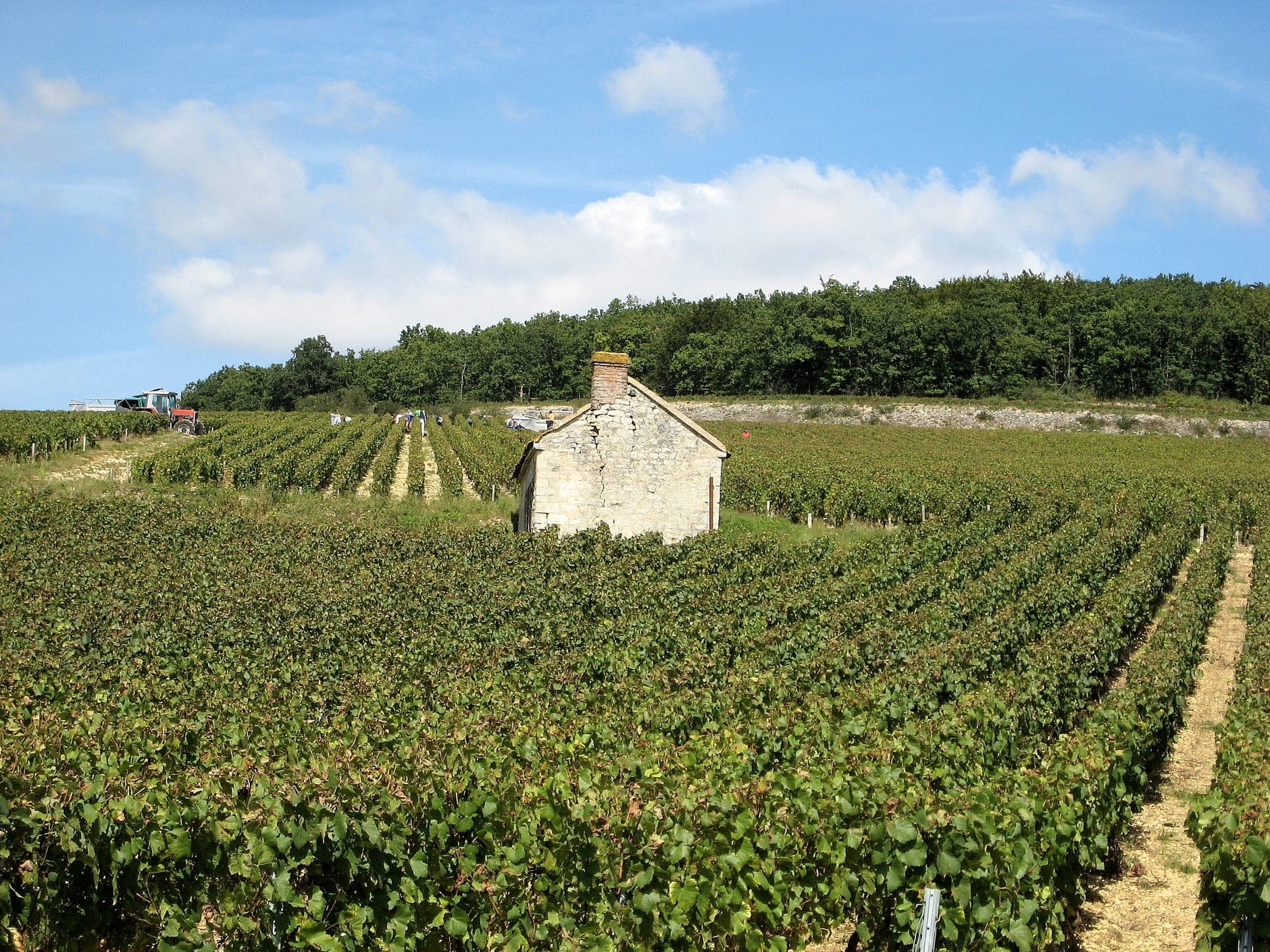
Chablis Wine Travel Guide (Burgundy, France)
Chablis, nestled in northern Burgundy, France, is renowned for its crisp, mineral-driven Chardonnay wines. This historic
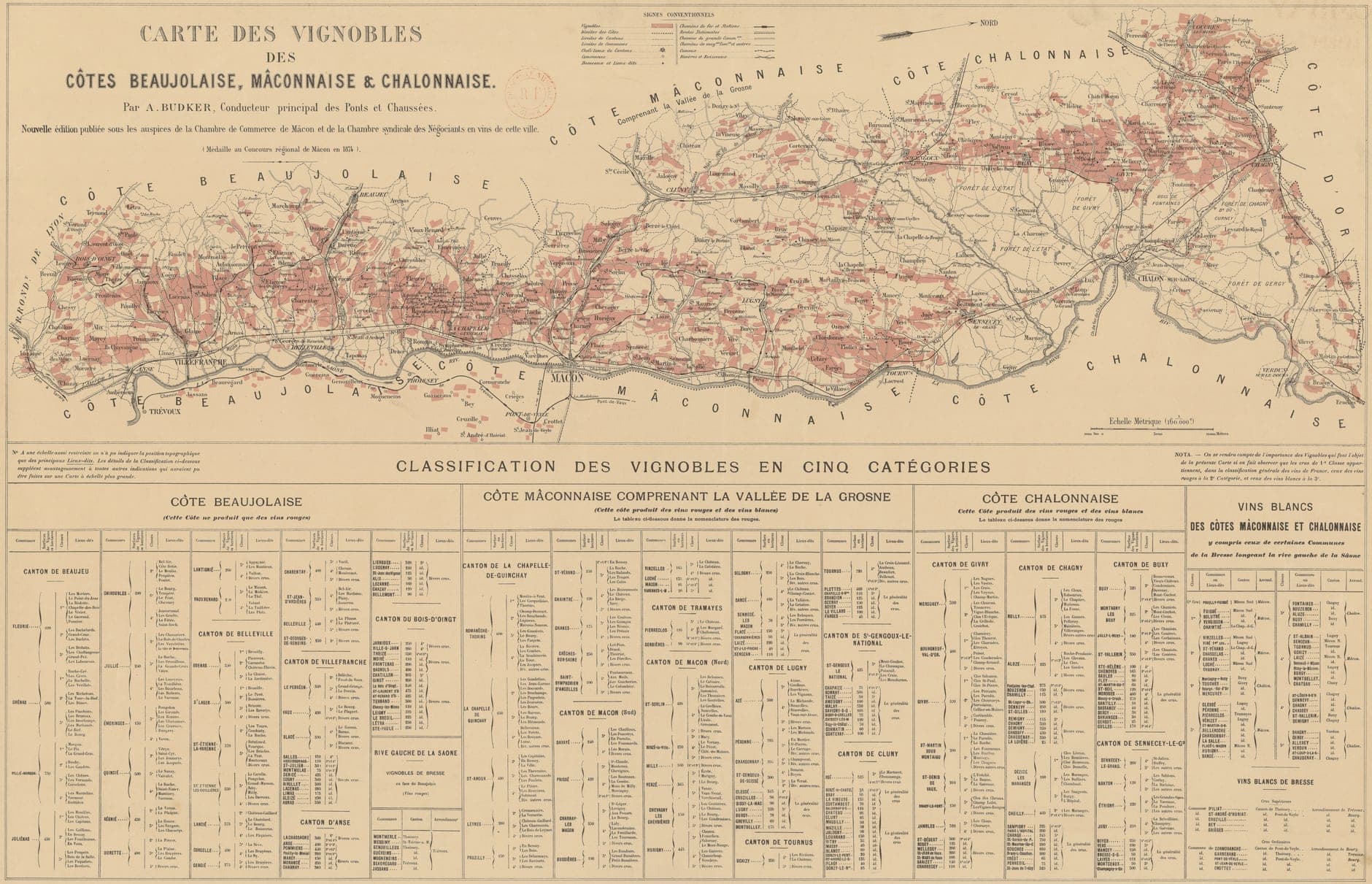
Côte Chalonnaise Wine Travel Guide (Burgundy, France)
The Côte Chalonnaise, nestled in the heart of Burgundy, France, offers wine enthusiasts a chance to explore lesser-known
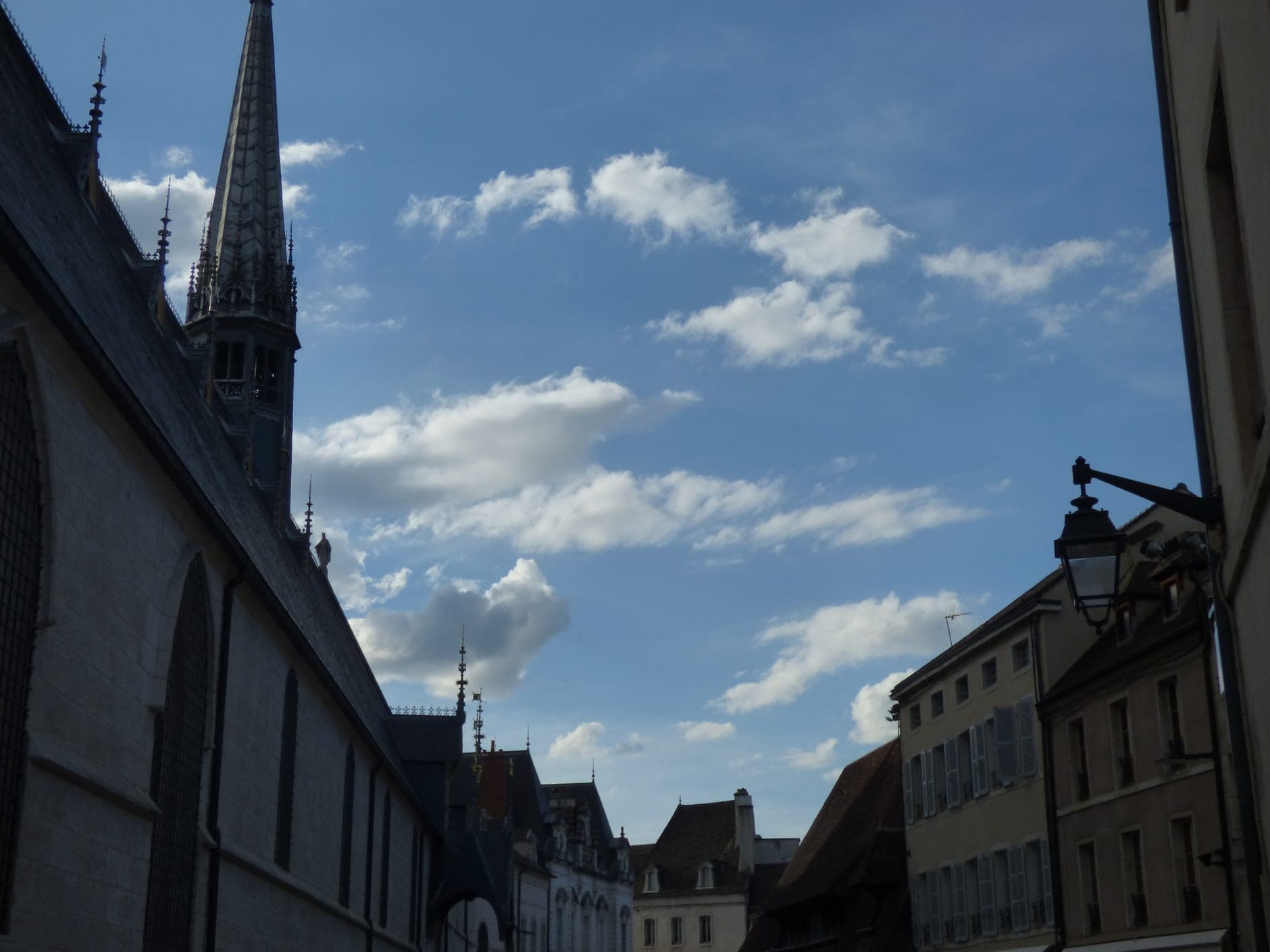
Côte de Beaune Wine Travel Guide (Burgundy, France)
The Côte de Beaune, nestled in the heart of Burgundy, France, is a wine lover's dream. This region produces some of the
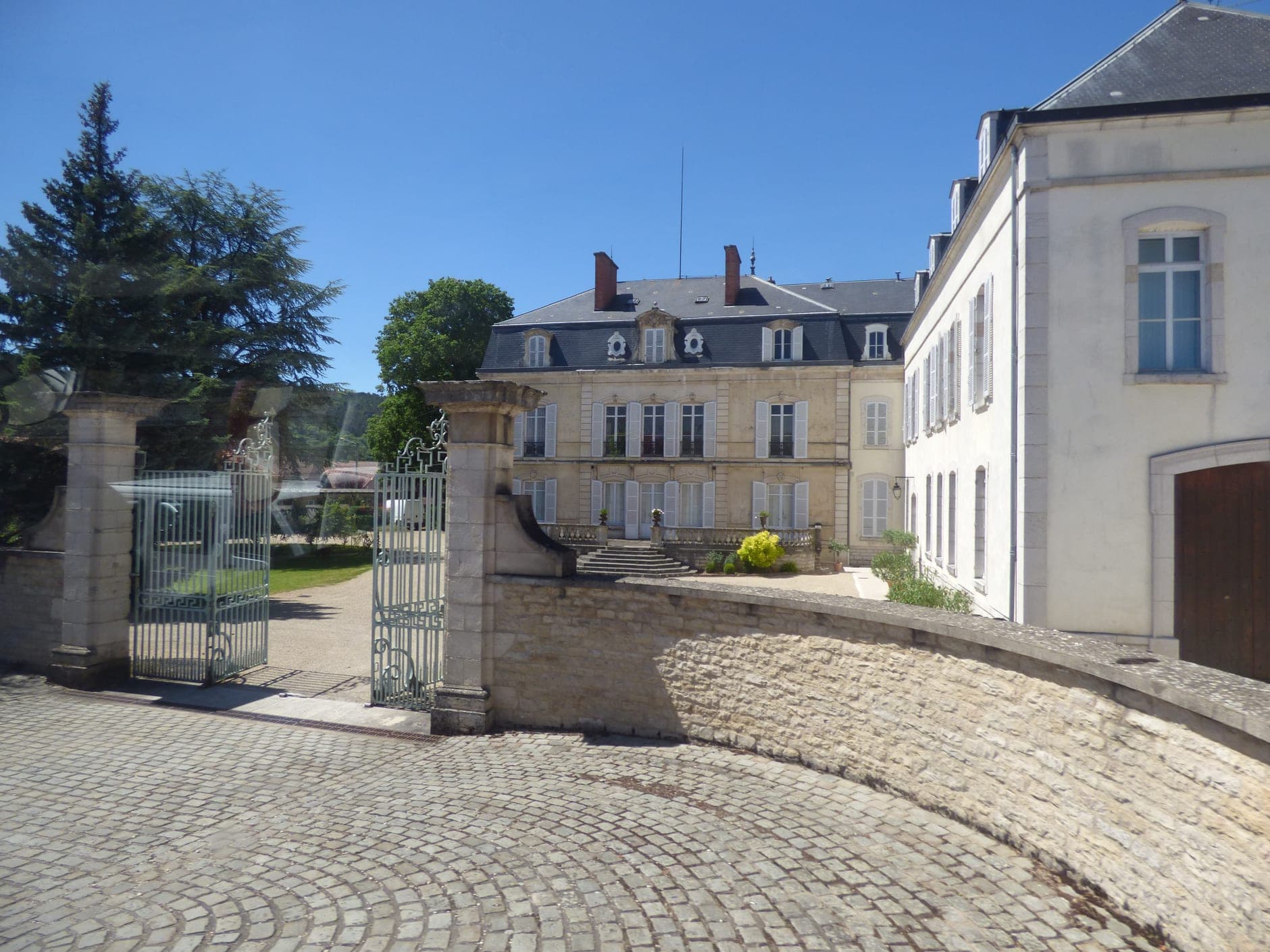
Côte de Nuits Wine Travel Guide (Burgundy, France)
The Côte de Nuits, a renowned wine region in Burgundy, France, is a must-visit destination for wine enthusiasts. This na
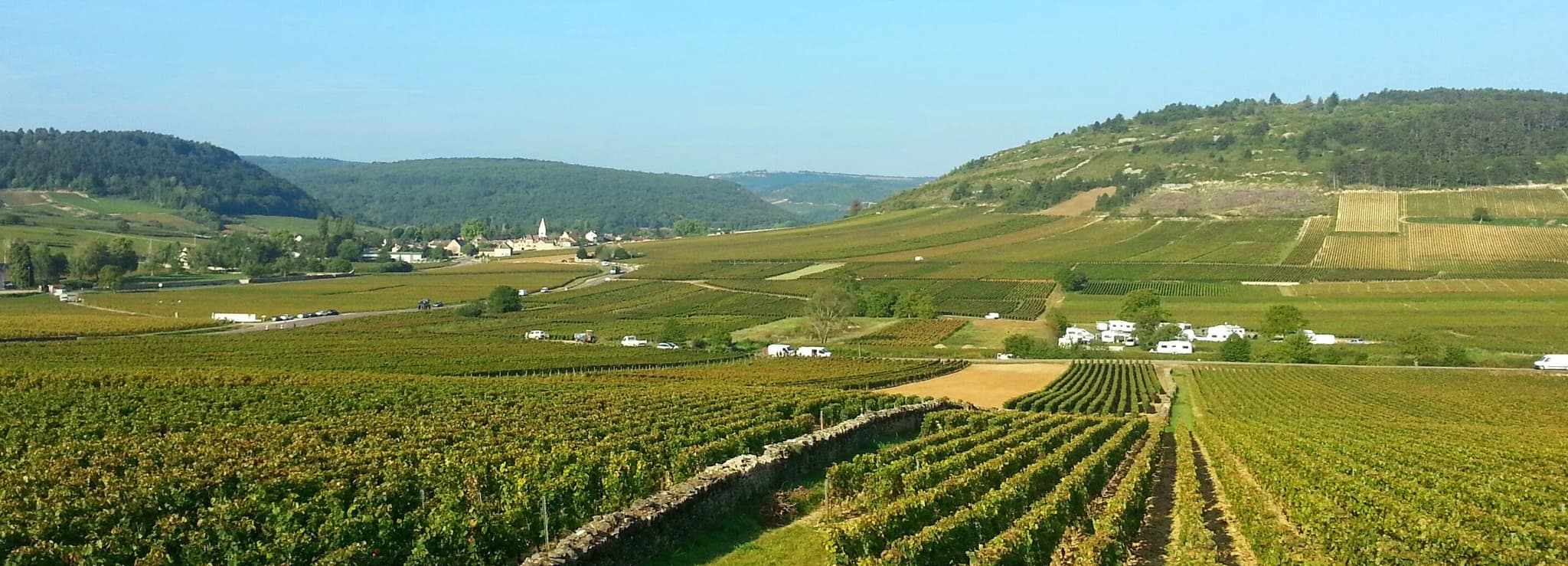
Hautes Côtes Wine Travel Guide (Burgundy, France)
Nestled in the heart of Burgundy, France, the Hautes-Côtes de Bourgogne region offers a picturesque escape for wine enth
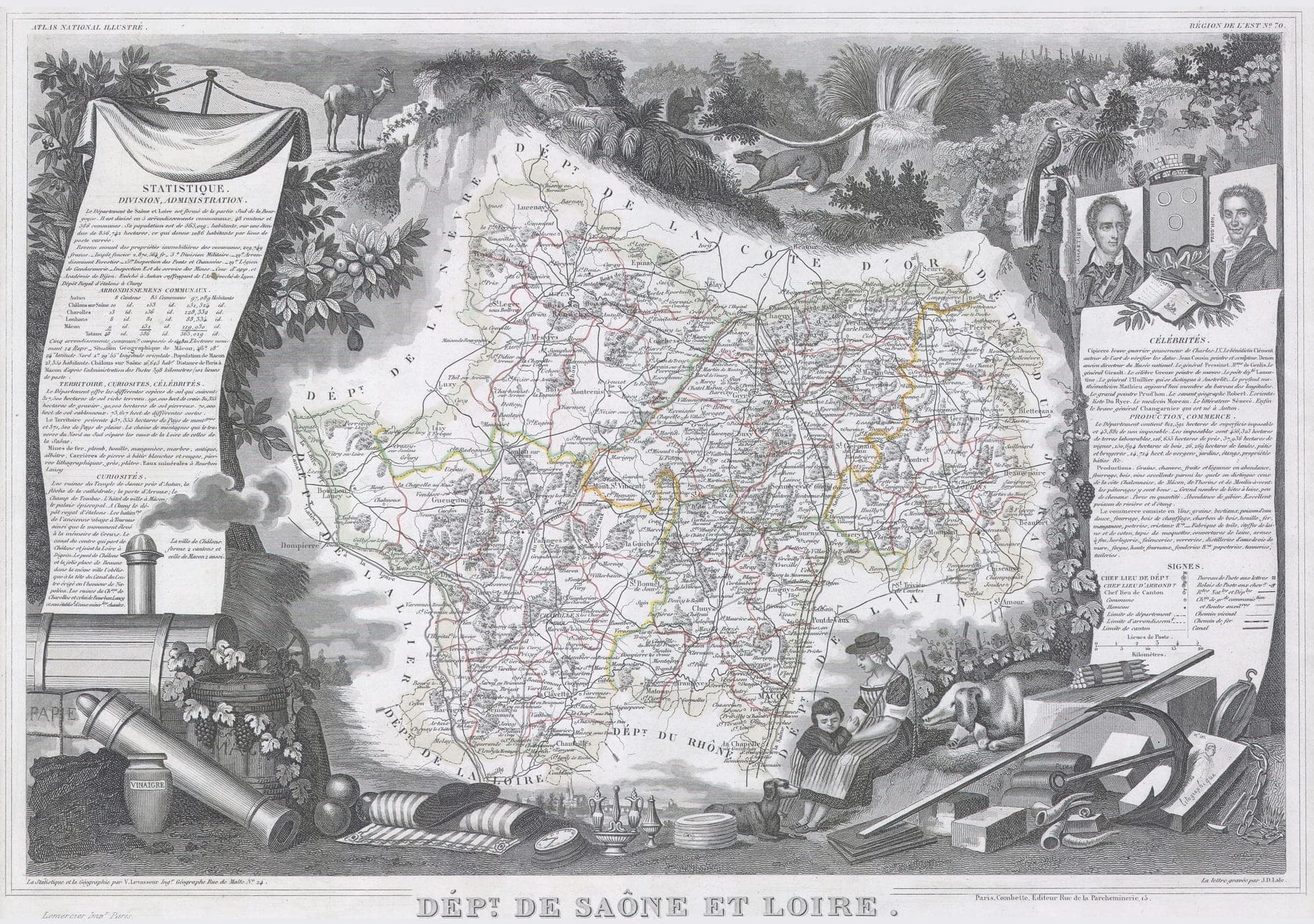
Heart of Beaujolais Wine Travel Guide (Burgundy, France)
Nestled in the rolling hills of eastern France, the Heart of Beaujolais offers a captivating blend of rustic charm and w
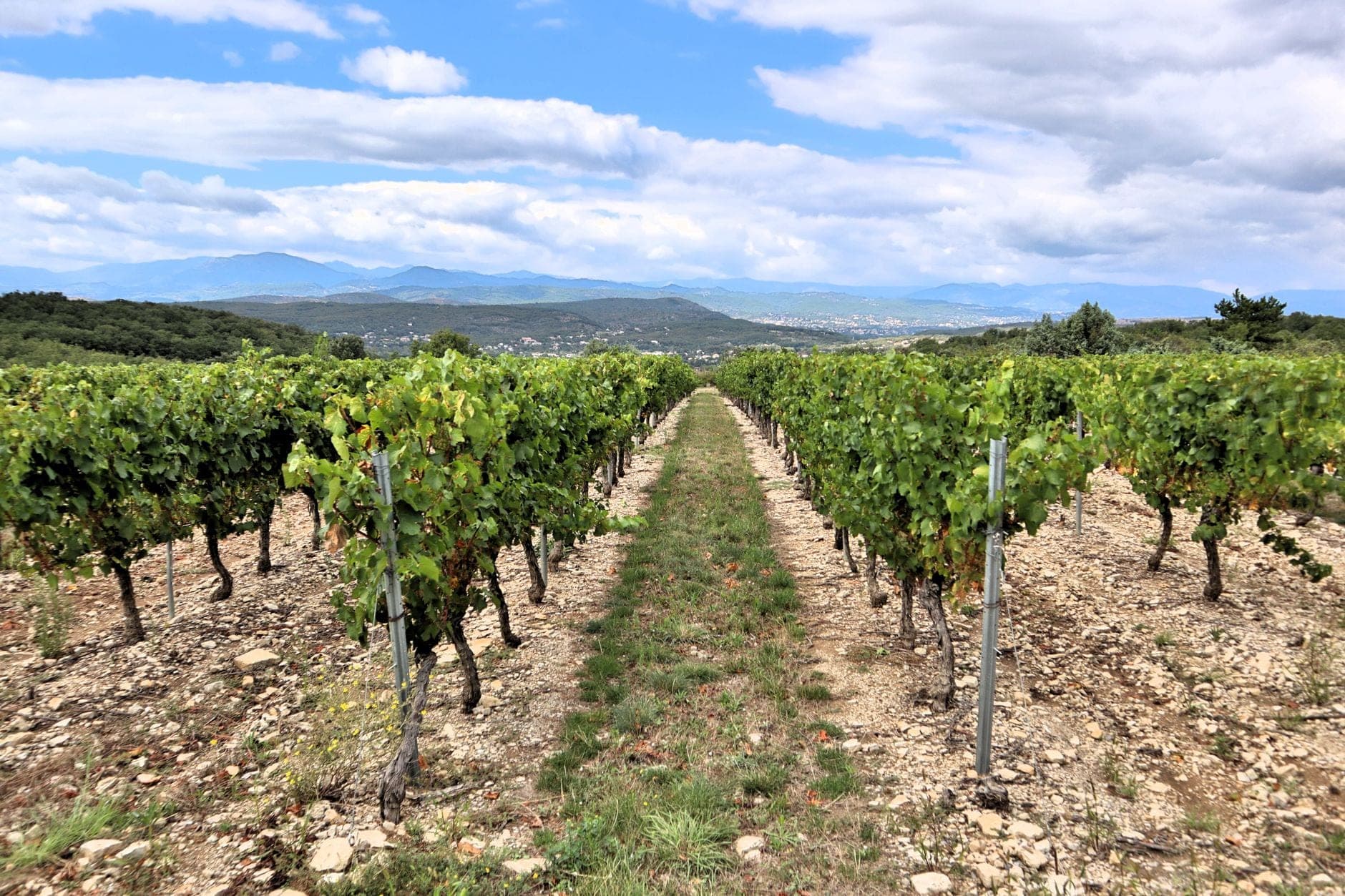
Mâconnais and Northern Beaujolais Wine Travel Guide (Burgundy, France)
The Mâconnais and Northern Beaujolais regions in Burgundy, France offer a captivating blend of picturesque landscapes, r
Best Time to Visit Burgundy
June-September
September-October
High during harvest, moderate otherwise
Average Monthly High (°C)
Moderate (750mm/year)Wines of Burgundy
Key grape varieties and wine styles produced in the region
Primary Grape Varieties
Wine Styles
Food & Dining in Burgundy
French — BourguignonneMust-Try Dishes
- Bœuf bourguignon
- Escargots de Bourgogne
- Coq au vin
Where to Eat
- €€€€
Maison Lameloise
Three Michelin stars in Chagny, one of Burgundy's most celebrated restaurants since 1921
- €€€
L'Oiseau des Vignes
Bernard Loiseau group bistro in Beaune with excellent Burgundy wine list
Essential for Michelin-starred restaurants year-round. Beaune bistros busier during November wine auctions.
Where to stay in the vineyard
Sleep among the vines — our pick of vineyard hotels and estate stays in France.
View France vineyard hotelsUpcoming Events in Burgundy
Upcoming Wine Festivals in France
See all festivalsHidden Gems Nearby
Discover more hidden gemsDomaine de la Bongran
WTG PickBurgundy, France
A Burgundy rebel who makes Chardonnay on their own terms, far from the tourist trail of Beaune and Puligny.
Chardonnay
Domaine Huet
WTG PickLoire Valley, France
World-class Chenin Blanc with no queues, no hype, just pure Loire magic in a village setting.
Chenin Blanc
Mas de Daumas Gassac
Languedoc, France
Grand cru quality at a fraction of Bordeaux prices, in a wild, beautiful valley most tourists never find.
Cabernet Sauvignon · Rosé · White Blend
Continue Exploring
Did You Know?
We’re still gathering facts about Burgundy. Tell us what makes it special
Ready to visit Burgundy?
Build your personalised day-by-day itinerary — choose your travel style and trip length, get accommodation and tour picks per day, and email it to yourself to take along.
Plan Your Visit to Burgundy
Tours & Experiences via GetYourGuide
This page contains affiliate links. We may earn a commission at no extra cost to you.