How to Visit Bordeaux — Everything You Need to Know
Bordeaux is the world's most famous wine region — but navigating the Left Bank, Right Bank, and 8,000+ châteaux requires a plan. Here it is.
Bordeaux contains over 8,000 wine-producing châteaux spread across an area roughly the size of Luxembourg. It produces more fine wine than any other single appellation in France. Its classification system — the 1855 Médoc Classification ranking 61 châteaux into five Cru Classé tiers — is the most famous (and most contested) in the wine world. For a first-time visitor, the scale is overwhelming. For a prepared visitor, it's one of the most rewarding wine destinations anywhere.
Left Bank vs Right Bank: Understanding the Geography

The Gironde estuary divides Bordeaux's wine country into Left Bank (west of the estuary) and Right Bank (east). The Left Bank is Cabernet Sauvignon country — the Médoc peninsula, home to Pauillac, Saint-Estèphe, Saint-Julien, and Margaux, contains most of the 1855 Classification properties. The soils here are deep Quaternary gravels that retain heat and drain perfectly for Cabernet.
The Right Bank is Merlot country — Saint-Émilion, Pomerol, and Fronsac are the main appellations. The soils are clay-limestone rather than gravel, and Merlot ripens more easily here. The iconic Right Bank wines — Pétrus (almost 100% Merlot), Le Pin, Cheval Blanc, Ausone — are smaller production and in many cases more expensive than their Left Bank equivalents.
Entre-Deux-Mers ("between two seas") is the region between the Dordogne and Garonne rivers — mostly white wine (Sauvignon Blanc, Sémillon), affordable, and largely off the tourist map. Excellent for self-drive exploration.
When to Visit

May and June: the most beautiful months in terms of vineyard appearance (bud break and early shoot development), good weather, and manageable tourist numbers. The cellar teams are relatively accessible before the summer crush. This is when Primeurs (en primeur tasting week) happens — not open to general public, but the region buzzes with wine trade activity.
September to early October: harvest season. The Médoc Marathon is run annually in September — thousands of runners race through the classified growth châteaux stopping for Bordeaux wine at every kilometre marker. A logistical spectacle worth seeing even if you're not running. Winery visits are possible but producers are distracted.
November to March: quiet season. Some châteaux close their visitor programmes. The weather is Atlantic — grey, wet, often mild. Accommodation is cheapest. For serious wine buyers wanting detailed conversations with cellar teams about specific vintages, this is the best time.
Which Châteaux Accept Visitors
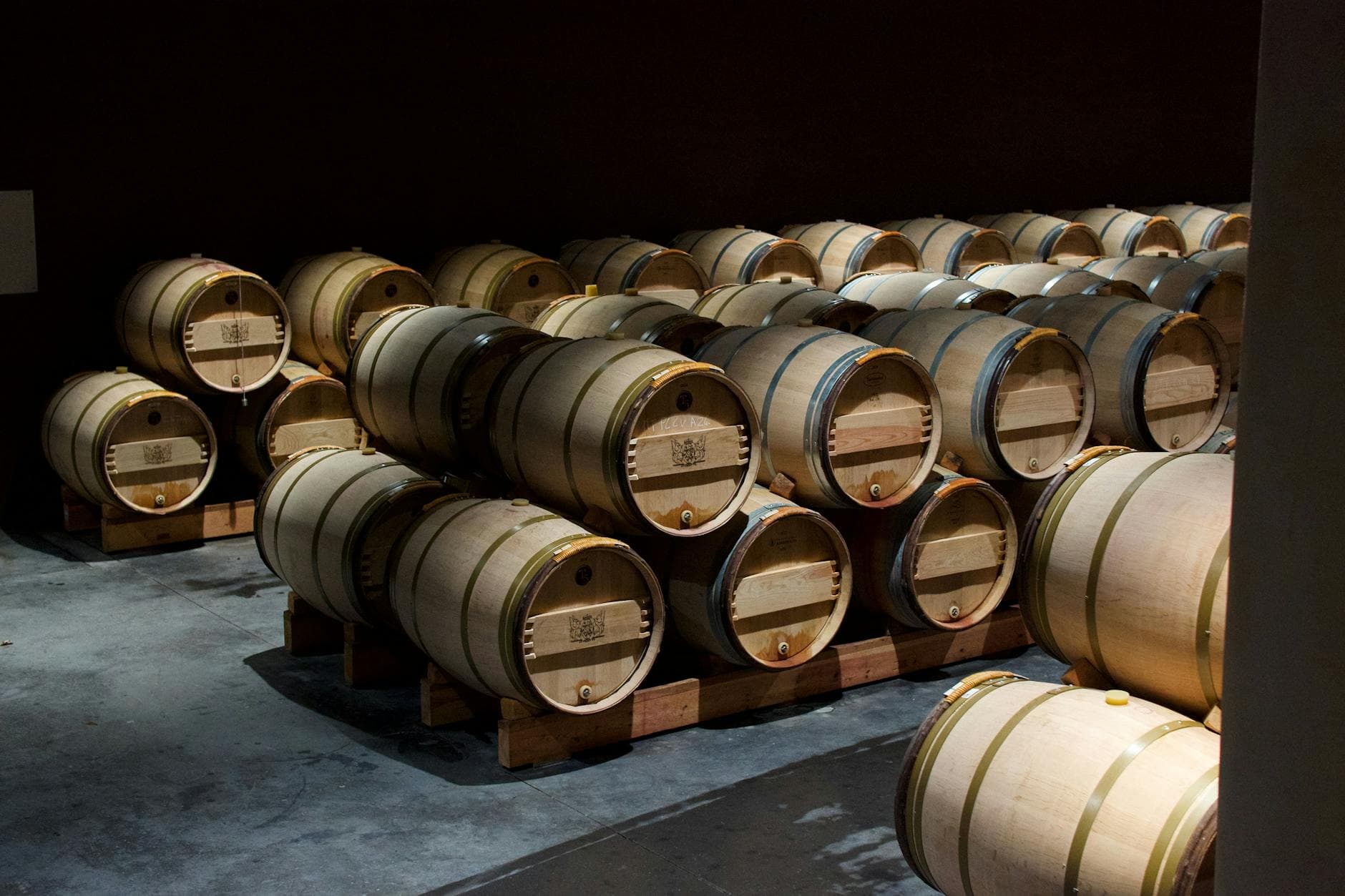
The 1855 First Growth classified châteaux (Lafite Rothschild, Mouton Rothschild, Latour, Margaux, Haut-Brion) all receive visitors but with restrictions. Mouton Rothschild has the most visitor-friendly setup — a full museum of wine-related art, tours of the barrel cellar and art collection, and a tasting room. Book three to six months ahead. Lafite Rothschild is more restrictive — individual visitors by appointment, priority given to wine trade and press.
For more accessible (and no less excellent) visits: Château Léoville-Barton in Saint-Julien offers friendly, relatively affordable tastings by appointment. Château Beychevelle in Saint-Julien is one of the most beautiful properties in the Médoc and runs daily tours. On the Right Bank, Château Pavie and Château Figeac in Saint-Émilion welcome visitors professionally and at accessible price points.
Where to Stay and Eat
Bordeaux city: the UNESCO-listed waterfront, the Quai des Chartrons wine merchant district, and the Cité du Vin museum (worth half a day) make the city a viable base. Hotels range from €90 (3-star in the Chartrons) to €350+ (InterContinental Bordeaux).
In the Médoc: the village of Pauillac has a small hotel (Château Cordeillan-Bages, part of the Relais & Châteaux network, expensive but extraordinary) and modest accommodation in the port village. Saint-Estèphe has less tourist infrastructure but cheaper rooms.
Restaurants worth the trip: Le Pressoir d'Argent (two Michelin stars, within the InterContinental, Gordon Ramsay food + exceptional Bordeaux cellar), La Tupina in Bordeaux city (classic Gascon cooking, duck and lamb, extraordinary local wine list at cellar prices), La Table d'Hôte in Pauillac (the local favourite for Sunday lunch in the Médoc — cassoulet de Saint-Émilion, roast lamb, Cru Bourgeois Médoc by the carafe).
See our full guide to visiting Bordeaux for more detail on specific châteaux, seasonal logistics, and the best producers in each appellation.
Ready to visit Bordeaux?
Build your personalised day-by-day itinerary — choose your travel style and trip length, get accommodation and tour picks per day, and email it to yourself to take along.
Upcoming Wine Festivals in France
See all festivalsHidden Gems Nearby
Discover more hidden gemsDomaine de la Bongran
WTG PickBurgundy, France
A Burgundy rebel who makes Chardonnay on their own terms, far from the tourist trail of Beaune and Puligny.
Chardonnay
Domaine Huet
WTG PickLoire Valley, France
World-class Chenin Blanc with no queues, no hype, just pure Loire magic in a village setting.
Chenin Blanc
Mas de Daumas Gassac
Languedoc, France
Grand cru quality at a fraction of Bordeaux prices, in a wild, beautiful valley most tourists never find.
Cabernet Sauvignon · Rosé · White Blend
Book Your Bordeaux Wine Country Stay
Compare hotels, vineyard B&Bs and rentals across Booking, Airbnb and more in one search.
Compare stays near the vineyardsStay22
Plan Your How to Visit Bordeaux — Everything You Need to Know Trip
Estimate your How to Visit Bordeaux — Everything You Need to Know trip cost
Budget calculator with accommodation, food, wine, and transport estimates.
Try itCompare How to Visit Bordeaux — Everything You Need to Know with other regions
Side-by-side comparison of cost, climate, wine styles, and more.
Try itWhen to visit How to Visit Bordeaux — Everything You Need to Know
Harvest dates, peak season, and the best months for wine travel.
Try itThis page contains affiliate links. We may earn a commission at no extra cost to you.