3 Days in Priorat — Wine Itinerary (2026)
Priorat essentials — the Gratallops Five estates, Porrera, and a morning at Scala Dei.
Last reviewed May 2026
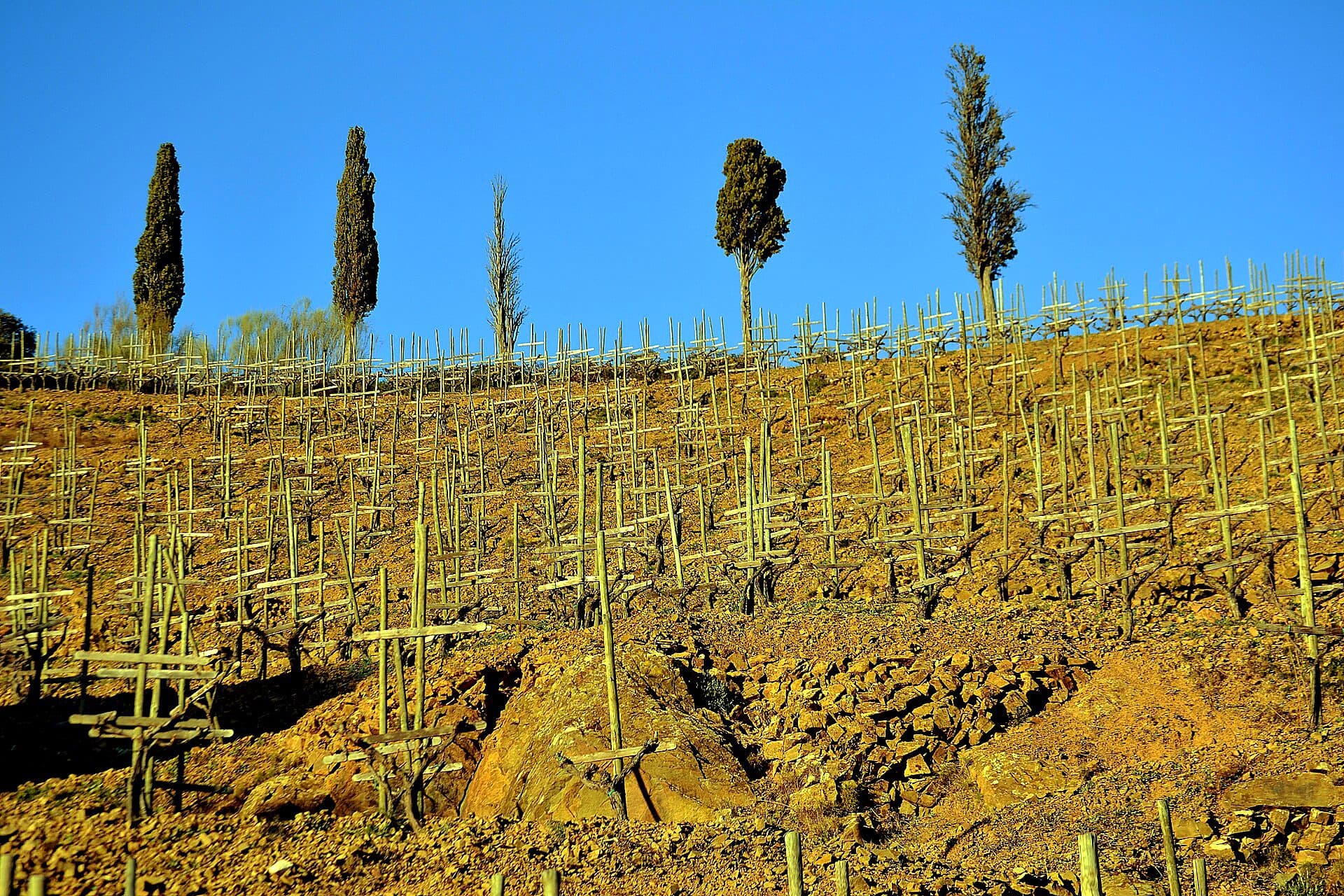
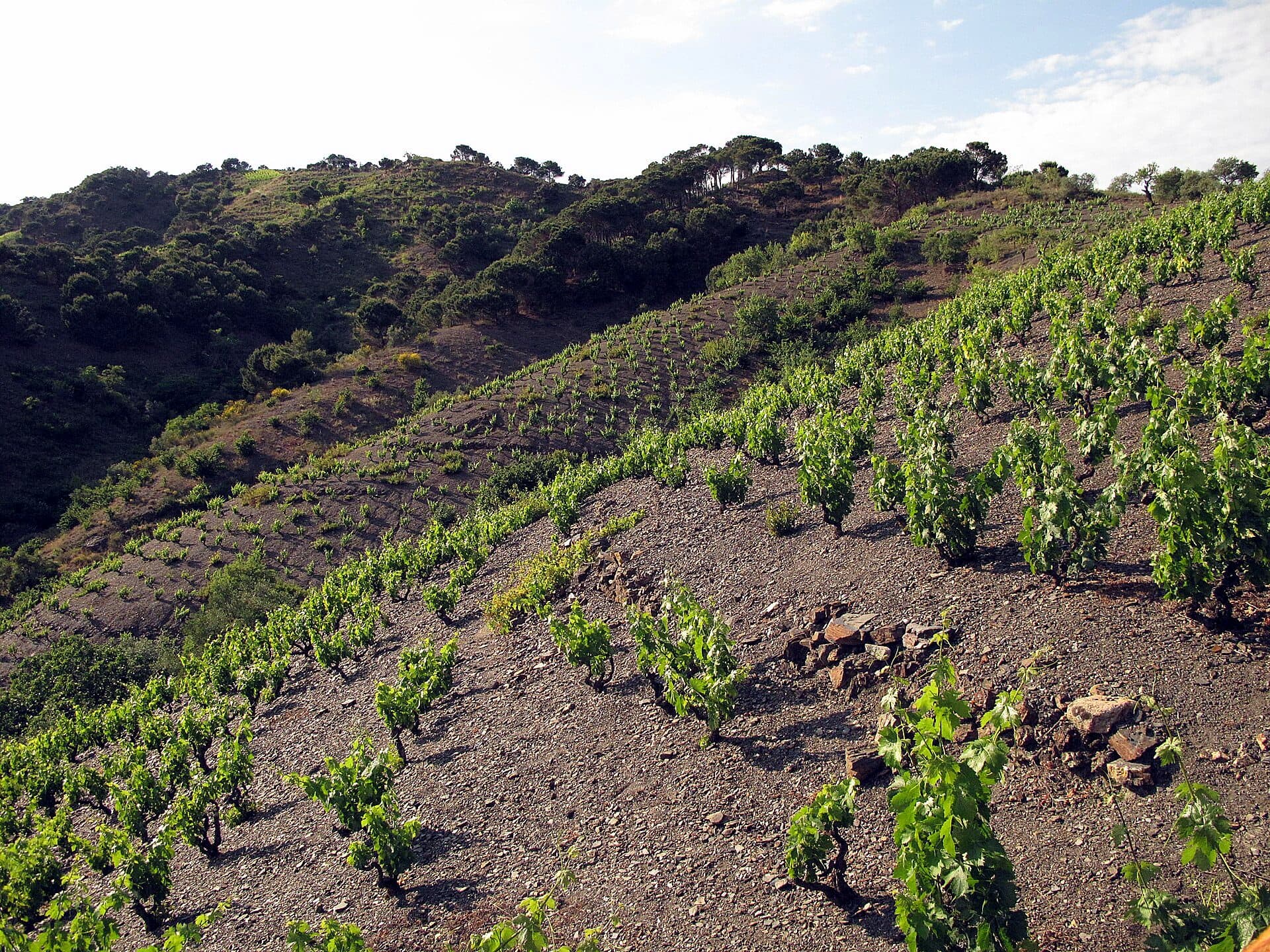
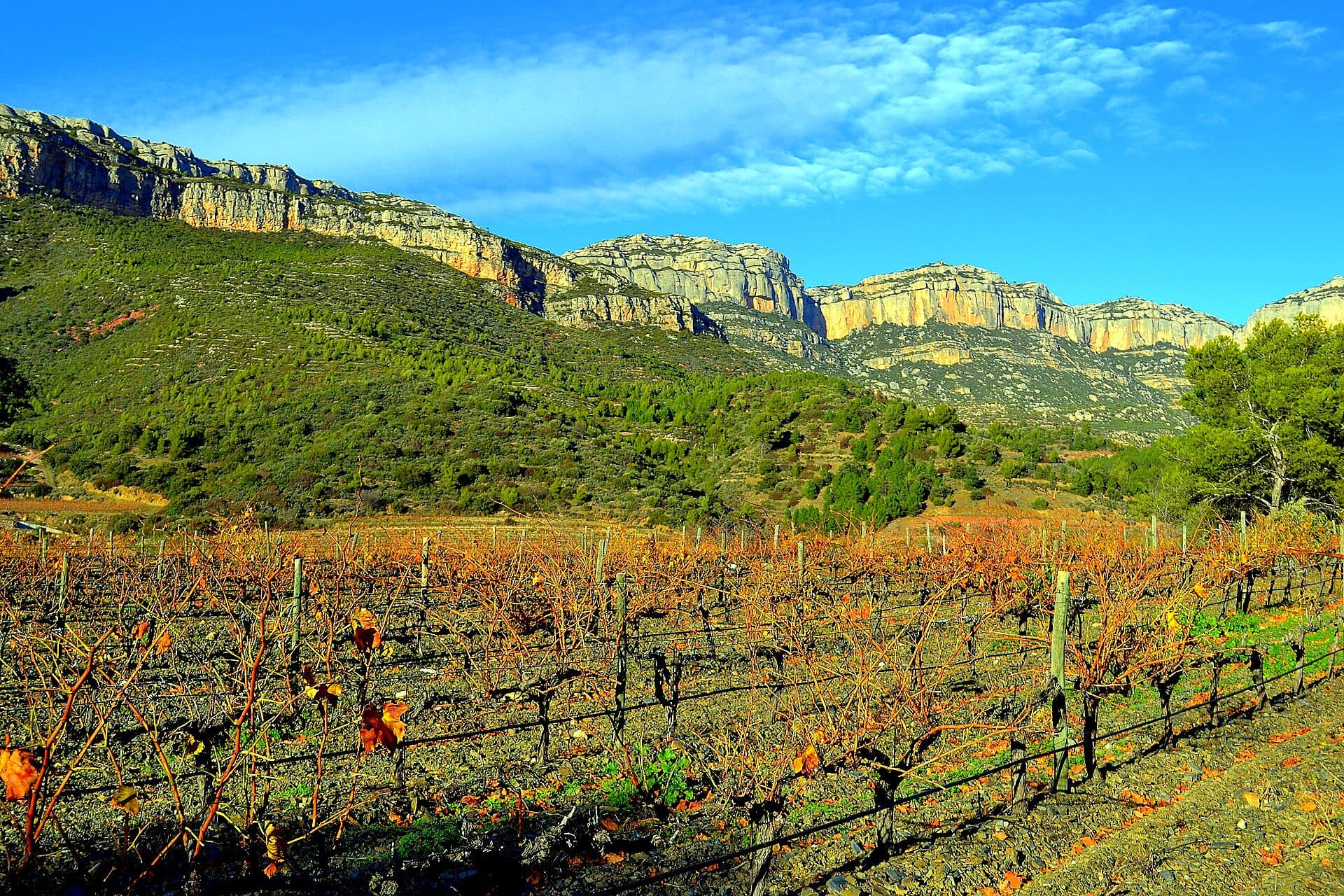
Three days gives you enough time to cover the core of Priorat without rushing: the founding Gratallops estates that put the region on the map, the quieter eastern villages of Porrera and Bellmunt, and the historical anchor of the Cartoixa de Scala Dei, the 12th-century Carthusian monastery whose monks established the winemaking tradition here before the region fell into obscurity for most of the 20th century. The wines are built on llicorella — the local name for the fractured black slate and quartz schist that covers the steep hillsides — and the combination of ancient soils, low yields, and extreme terrain explains both the character of the wines and their price. Grenache and Carignan dominate, often planted as old vines and farmed on terraces too steep for machinery. Base yourself in Falset, the region's main town. A rental car is essential throughout.
- Length
- 3 days
- Best for
- First-time Priorat visitors with a proper wine focus
- Cost estimate
- From €900 per person (mid-range, double occupancy, excluding flights or transport to Barcelona; boutique hotels in Falset typically €120–€200/night)
- Sub-regions
- Gratallops (founding estates) · Porrera (Celler Vall Llach) · Bellmunt del Priorat (Mas d'en Gil) · Torroja del Priorat (Terroir al Límit) · Cartoixa de Scala Dei (Escaladei)
Deliberately skipping: Montsant DOC (the surrounding appellation — for the 5-day trip), La Vilella Baixa, Tarragona's Roman sites. See the longer itineraries if you want to fit these in.
Book ahead
- Rental car from Barcelona — book before anything else. Drive time Barcelona → Falset is approximately 2 hours via the AP-2 / A-27 motorway.
- Álvaro Palacios winery visit — appointment required. Contact via the winery website. One of the region's five founding Gratallops estates; book months ahead for peak season.
- Clos Mogador (René Barbier) — appointment required. Contact via the winery website. The estate from which modern Priorat began in 1987.
- Celler Vall Llach (Porrera) — appointment required. Contact via the winery website. Luis Llach's estate in Porrera; among the most celebrated next-generation wineries.
- Terroir al Límit (Torroja del Priorat) — appointment required. Very small operation with strictly limited visit slots — book early.
- Cellers de Scala Dei is open for visits without appointment in season; check seasonal opening hours before you go.
- Falset has a Saturday morning market — if your day 3 falls on a Saturday, time the market before your winery visit.
Day 1 — Barcelona → Falset → Gratallops (founding estates)
Base: FalsetBarcelona → Falset: approximately 2 hours by car via AP-2 / A-27. Falset → Gratallops: 8 km, about 12 minutes.
- Morning
- Drive from Barcelona. The route via the AP-2 then A-27 through Tarragona is the fastest — around 2 hours to Falset. Check in, orient yourself. Falset is a small, unhurried market town of about 3,000 people; its central square is the social hub of the region and the best place to have a coffee and take stock before driving into the mountains.
- Afternoon
- Drive the 8 kilometres from Falset into Gratallops for your booked winery visit. The story of modern Priorat begins here: in 1987, a group of five producers made a joint vintage from old Grenache and Carignan vines on llicorella slopes that had been all but abandoned for decades. That experiment became the founding myth of the appellation's revival. Álvaro Palacios is the estate most associated with Priorat internationally — this is the home of his village-level wines and the legendary single-vineyard L'Ermita, made from Grenache on ancient llicorella terraces. René Barbier's Clos Mogador is the other anchor visit option: Barbier was the orchestrator of the 1987 joint vintage and Clos Mogador remains one of the appellation's most individual wines. Both require appointments arranged well in advance. The village of Gratallops itself is worth a slow walk after the visit — steep lanes, a Romanesque church, and views across terraced slate hillsides that make the word 'terroir' concrete rather than abstract.
- Evening
- Dinner in Falset. Eating options within the appellation are limited: the town centre has a small cluster of restaurants and the local Falset-Marçà Cooperative wine is worth ordering to contrast with the boutique estates visited today. Book the table when you book the room.
Day 2 — Porrera (Vall Llach) + Bellmunt (Mas d'en Gil) + Cartoixa de Scala Dei
Base: FalsetFalset → Porrera: approximately 15 minutes. Porrera → Bellmunt del Priorat: approximately 15 minutes. Bellmunt → Escaladei: approximately 20 minutes. Escaladei → Falset: approximately 15 minutes.
- Morning
- Drive east from Falset to Porrera (about 15 minutes) for your booked visit at Celler Vall Llach. The winery was founded by the Catalan folk singer Luis Llach and his partner, and the estate has become one of the benchmark producers for Porrera's particular expression of llicorella — the schist here is darker and denser than in Gratallops, and the wines have a different structural character. The visit covers the vineyards and the modern cellar; allow a couple of hours.
- Afternoon
- Continue south to Bellmunt del Priorat (about 15 minutes from Porrera) for a visit at Mas d'en Gil. This is a family estate that farms both old-vine Garnatxa (Grenache) and Cariñena (Carignan) on llicorella, with some white Garnatxa blanca; the cellar visit is personal and informative. From Bellmunt, drive north-west to Escaladei (about 20 minutes) for the Cartoixa de Scala Dei — the 12th-century Carthusian monastery that is the historical anchor of the whole region. The monks introduced vine cultivation systematically across the hillsides from this site; the ruins are partially restored and well-signed. Cellers de Scala Dei, the operating winery adjacent to the ruins, is open for visits in season and provides a useful contrast between the historical founding estate and the boutique newcomers you visited this morning.
- Evening
- Return to Falset for dinner. If a second night in the same restaurant feels repetitive, ask at your hotel for recommendations — some of the villages have a bar-restaurant that operates in season.
Day 3 — Torroja del Priorat (Terroir al Límit) + Falset market → Barcelona
Base: Falset (checkout)Falset → Torroja del Priorat: approximately 10 minutes. Torroja → Barcelona: approximately 1 hour 50 minutes via A-27 / AP-2.
- Morning
- If day 3 is a Saturday, Falset holds a morning market in the central square — worth a walk before departing, and a good moment to pick up local produce or a bottle to take home. From Falset, drive to Torroja del Priorat (about 10 minutes) for your booked visit at Terroir al Límit. Dominik Huber has been making wine here since 2001 with a rigorous focus on minimal intervention and the specific expression of llicorella in Torroja. The operation is very small and the visit format is correspondingly intimate — conversations here tend to go deep. Allow a full morning.
- Afternoon
- Check out of your hotel if you haven't already and drive back towards Barcelona. The route north past the Siurana gorge is worth a brief stop for the view — the limestone canyon is one of the most dramatic landscapes in southern Catalonia, and the medieval village perched above it is reachable in a few minutes by car. Arrive Barcelona by mid-afternoon.
- Evening
Frequently asked
Is a rental car really necessary?
Yes. There is no practical public transport between the wine villages of Priorat. Gratallops, Torroja, Porrera, Bellmunt, and Escaladei are spread across steep mountain terrain and are only linked by narrow mountain roads. If you plan to taste wine at each winery, you need to decide in advance who is driving and who is tasting — or arrange a local guide with a vehicle.
How far ahead do I need to book winery visits?
For the founding Gratallops estates (Álvaro Palacios, Clos Mogador) and for Terroir al Límit, book at minimum 2–3 months ahead for May–June or September–October visits. These are small productions with no walk-in tasting room culture — the appointment system exists because production volume is limited and the winemakers or their teams handle visits personally. Celler Vall Llach and Mas d'en Gil are somewhat easier to book but still require advance arrangement. Only Cellers de Scala Dei is likely to accommodate last-minute visits in season.
What are the wines like — what should I expect to taste?
Priorat's signature style is Grenache (Garnatxa) and Carignan (Cariñena) grown on llicorella — fractured black slate and quartz schist that retains almost no water and forces roots deep into the rock for moisture and nutrients. The resulting wines are concentrated, mineral, and high in alcohol (typically 14.5–16%), with a particular iron-and-graphite quality that is difficult to describe without tasting. The best examples are also capable of significant aging. Expect to pay €30–€80 per bottle for quality village-level wines; the flagship single-vineyard bottlings run considerably higher.
When is the best time to visit?
May–June and late September–October. The harvest in Priorat typically runs mid-September to early October; the steep hillsides are dramatic at this time but some wineries restrict visits during the harvest itself. Spring gives you the most photogenic landscapes — green vines against the grey-black slate. Avoid July and August: the llicorella reflects summer heat intensely, and several small wineries limit or close visits during the hottest weeks.
Want to customise this itinerary?
Use the trip planner to mix-and-match days, or read the full Priorat guide.
New Guides, Straight to Your Inbox
Get notified when we publish new wine travel guides — region deep-dives, hidden gems, and planning tools.
No spam. Unsubscribe anytime. We respect your privacy.
This page contains affiliate links. We may earn a commission at no extra cost to you.