5 Days in Priorat — Full Wine & Culture Itinerary (2026)
Priorat + Tarragona — Roman history, Grenache on slate, and a Penedès exit via Cava country.
Last reviewed May 2026
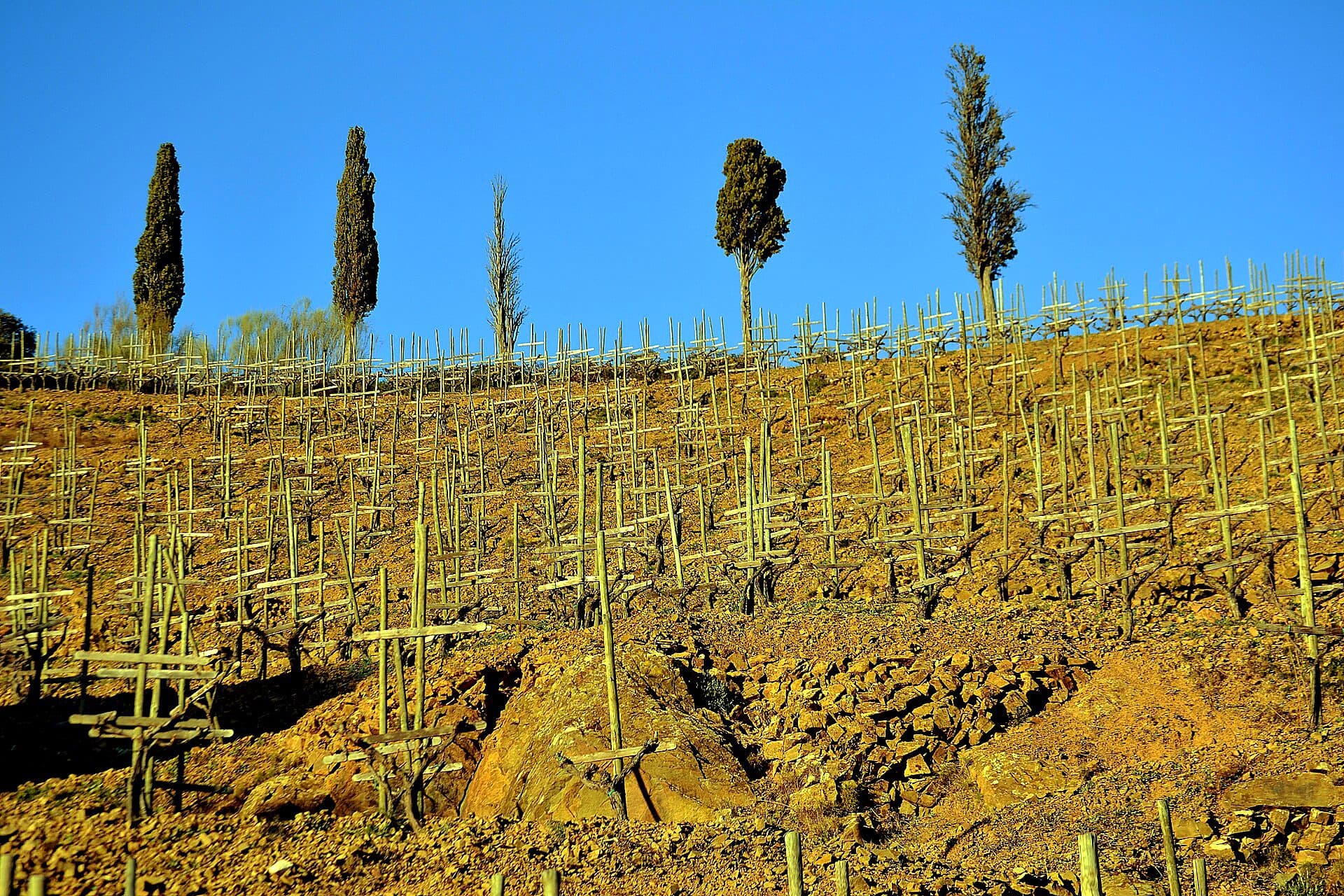
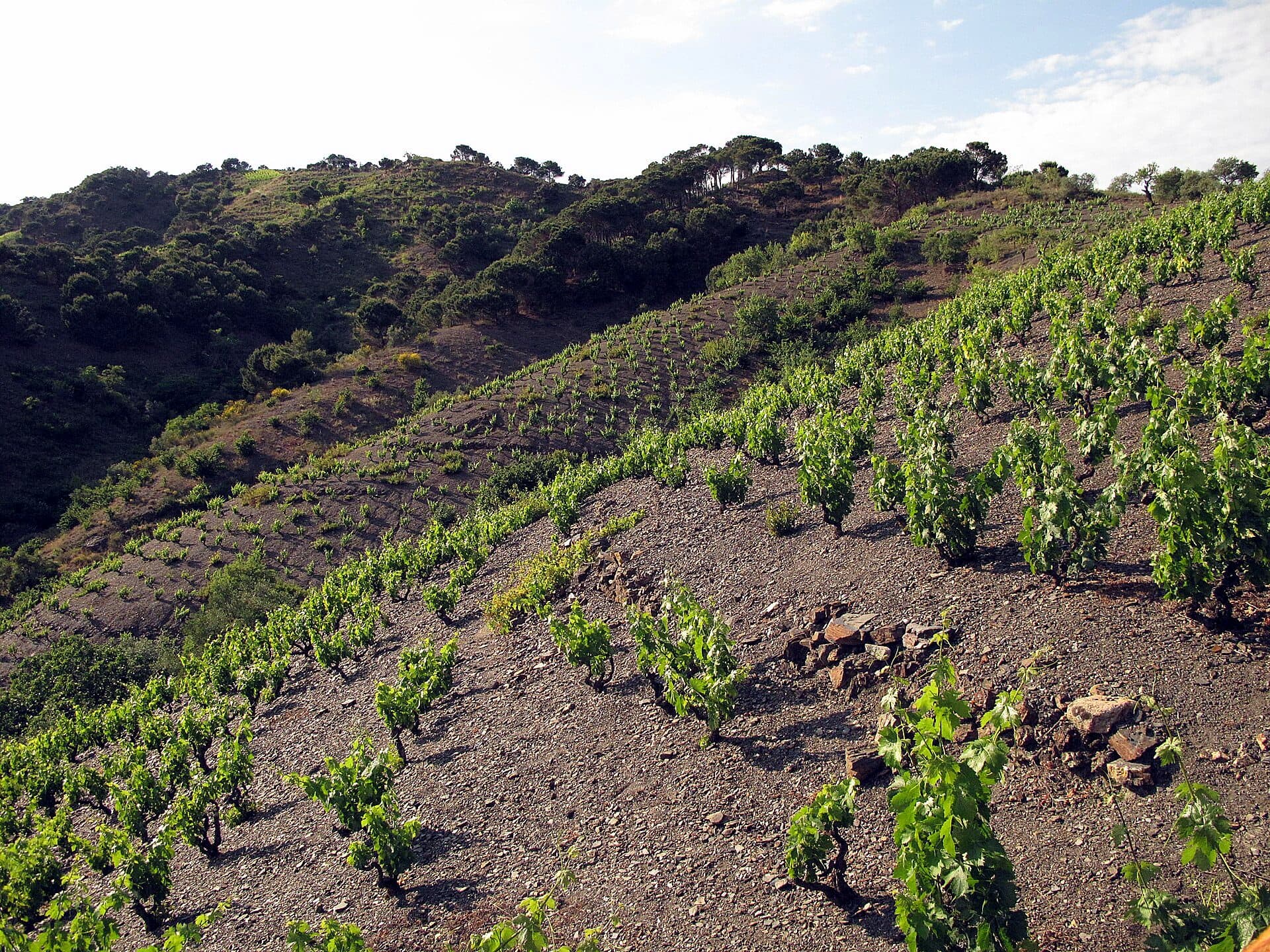
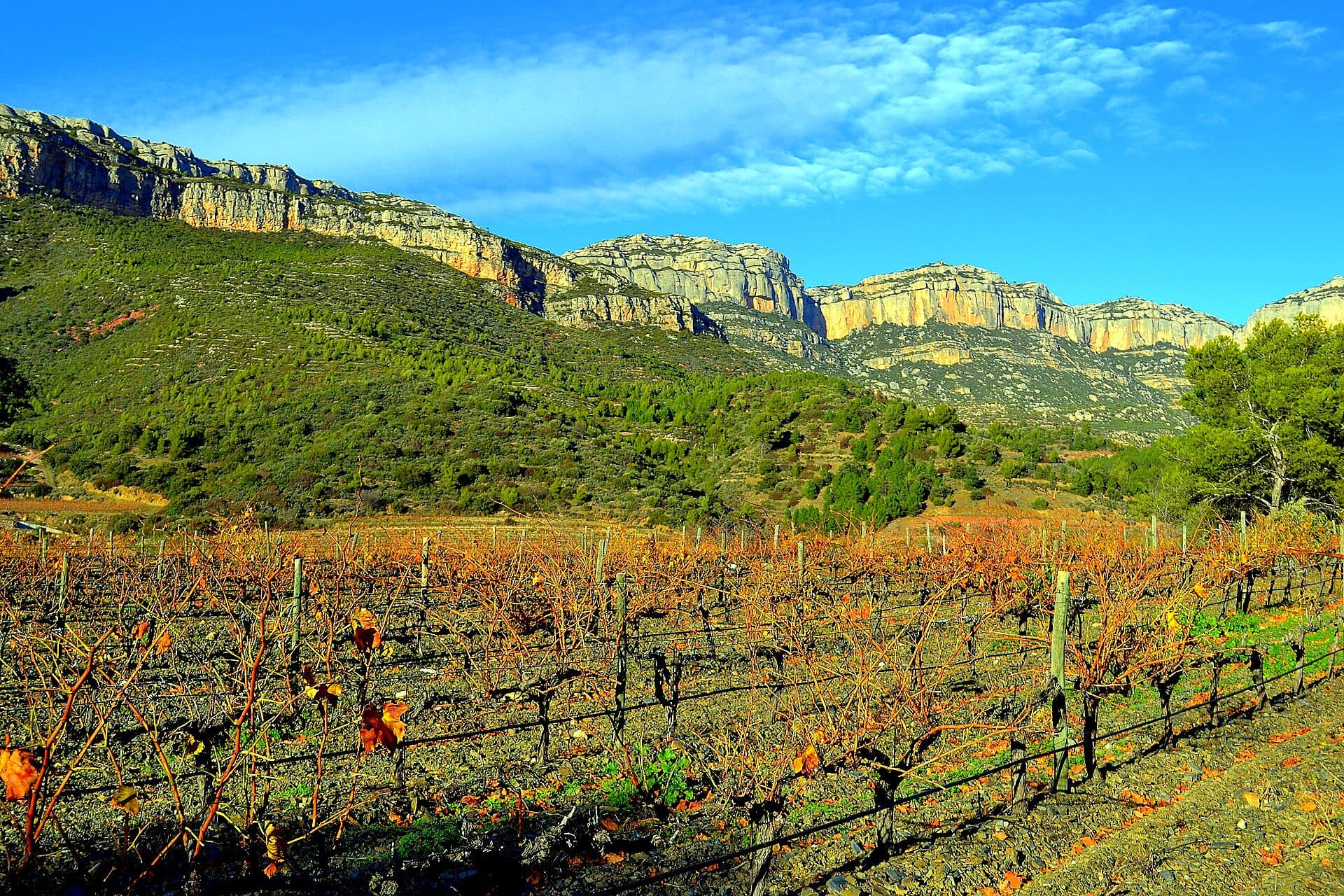
Five days opens up the full Priorat experience and lets you frame it properly: arrive through Tarragona, one of Spain's finest Roman cities and the natural gateway to the region; spend three days covering the appellation's key estates and villages; take a day in the neighbouring Montsant DOC, the ring of vineyards that surrounds Priorat and produces wines at a fraction of the price on similar terrain; and exit north through Penedès, the Cava country, for a final night's contrast before Barcelona. The wines throughout are Grenache and Carignan on llicorella — the fractured black schist and slate that gives Priorat its identity — but by the end of the trip you'll understand the differences between villages, the differences between old Priorat and young Montsant, and why the appellation trades at the prices it does. Base in Falset for four nights. A rental car is essential for the entire trip.
- Length
- 5 days
- Best for
- Serious wine travellers and those combining wine with broader Catalan culture
- Cost estimate
- From €1,100 per person (mid-range, double occupancy, excluding flights; 4 nights Falset at €120–€200/night, 1 night Penedès or Barcelona. Budget from €900 if you base 1–2 nights in Tarragona instead, where accommodation is significantly cheaper.)
- Sub-regions
- Tarragona (Roman amphitheatre, old quarter) · Gratallops (founding estates) · Porrera (Celler Vall Llach) · Bellmunt del Priorat (Mas d'en Gil) · Torroja del Priorat (Terroir al Límit) · Cartoixa de Scala Dei ruins · Montsant DOC (Celler de Capçanes) · Penedès / Cava country (exit day)
Deliberately skipping: Lleida wine regions (Costers del Segre), Terra Alta DOC, The Costa Daurada beaches (a different kind of trip). See the longer itineraries if you want to fit these in.
Book ahead
- Rental car — book before anything else. This is non-negotiable for the entire 5-day trip. Pick up in Barcelona, drop off in Barcelona on day 5.
- Álvaro Palacios winery visit (day 2) — appointment required, contact via winery website. Book months ahead for peak season.
- Clos Mogador (René Barbier, day 2) — appointment required, contact via winery website. Alternative or addition to Álvaro Palacios.
- Celler Vall Llach (Porrera, day 3) — appointment required, contact via winery website.
- Terroir al Límit (Torroja del Priorat, day 3) — appointment required, very small operation. Book early.
- Celler de Capçanes (Montsant, day 4) — contact via winery website. Capçanes is one of Montsant's best cooperatives and is generally more accessible than the Priorat boutiques, but still book ahead.
- Gramona or Raventós i Blanc (Penedès, day 5) — appointment recommended. Both welcome visits with advance notice.
Day 1 — Barcelona → Tarragona → Falset
Base: FalsetBarcelona → Tarragona: approximately 1 hour via AP-7. Tarragona → Falset: approximately 50 minutes via A-27.
- Morning
- Pick up your rental car in Barcelona and drive south on the AP-7 to Tarragona — about 1 hour. Tarragona (Tarraco) was the capital of Roman Hispania Citerior and contains some of the best-preserved Roman remains on the Iberian Peninsula. The amphitheatre sits directly on the seafront with the Mediterranean as backdrop — one of the most remarkable Roman sites in Spain. The old quarter (Part Alta) sits on the hill above, with the Roman Circus and medieval cathedral reusing the same ancient infrastructure. Allow a full morning to walk both the amphitheatre and the old town.
- Afternoon
- Lunch in Tarragona's old quarter, then drive north-west to Falset (about 50 minutes via the A-27). Check in and orient yourself. Falset is the main town of the Priorat comarca — population around 3,000, with a central square, a cooperative winery, and the region's best concentration of restaurants and accommodation. A quiet first afternoon here is the right pace before the winery visits begin.
- Evening
- Dinner in Falset. The town square area has a small cluster of restaurants; ask at your hotel for current recommendations. Try a glass from the Falset-Marçà Cooperative — a useful baseline for the region before the boutique visits start tomorrow.
Day 2 — Gratallops (founding estates)
Base: FalsetFalset → Gratallops: 8 km, approximately 12 minutes.
- Morning
- Drive from Falset into Gratallops (8 kilometres, about 12 minutes) for your morning winery appointment. Gratallops is the symbolic and historical core of modern Priorat: in 1987, five producers made a joint vintage from old Grenache and Carignan vines grown on llicorella — the fractured black schist and quartz slate that covers the steep hillsides — that had been largely abandoned for decades. That experiment launched one of the most dramatic appellation revivals in European wine history. Álvaro Palacios is the estate most associated with Priorat internationally; his village-level wines and the single-vineyard L'Ermita (from ancient Grenache on llicorella terraces) defined the appellation's international reputation through the 1990s and 2000s. René Barbier's Clos Mogador, the other strong morning visit option, is the estate from which Barbier orchestrated the 1987 collaborative vintage.
- Afternoon
- After the morning visit and lunch in Gratallops (the village has perhaps two small restaurant options — options are limited, so have a plan), return for a second winery visit in the afternoon if you booked one, or explore the village and surrounding terraces. Clos i Terrasses (Clos Erasmus, Daphne Glorian) and Costers del Siurana (Clos de l'Obac, Carles Pastrana) are the other two original Gratallops Five estates that take appointment visits. Even without a second formal visit, the landscape walk from the village down through the llicorella terraces is worthwhile — the combination of steep gradient, fractured black slate, and ancient vine training makes the geology of the wines legible.
- Evening
- Return to Falset for dinner.
Day 3 — Porrera (Vall Llach) + Torroja (Terroir al Límit) + Scala Dei ruins
Base: FalsetFalset → Porrera: approximately 15 minutes. Porrera → Torroja del Priorat: approximately 20 minutes. Torroja → Escaladei: approximately 5 minutes. Escaladei → Falset: approximately 15 minutes.
- Morning
- Drive east from Falset to Porrera (about 15 minutes) for your booked visit at Celler Vall Llach. Luis Llach's estate — Porrera is the village most associated with him — is now among the benchmark producers in the appellation. The schist in Porrera is denser and darker than in Gratallops; the wines have a different structural quality that is worth tasting side-by-side with yesterday's. Allow a couple of hours. From Porrera, drive back west and north to Torroja del Priorat (about 20 minutes) for your afternoon visit at Terroir al Límit.
- Afternoon
- Terroir al Límit (Dominik Huber) is one of the most intellectually interesting operations in the appellation — a very small, minimally interventionist estate that has been making wine in Torroja since 2001. The visit format is intimate, the conversation tends to be detailed, and the range spans from field-blend whites to single-parcel reds from different llicorella expressions across the village. Allow a full afternoon. After the visit, drive the short distance to Escaladei village for the Cartoixa de Scala Dei — the 12th-century Carthusian monastery ruins that are the historical anchor of winemaking in the region. The monks systematically established viticulture across the hillsides; the ruins are partially restored and well-signed, and the adjacent Cellers de Scala Dei (the oldest continuously operating winery estate in Priorat) is open for visits in season without an appointment.
- Evening
- Return to Falset. This is a full day — dinner back at the hotel or in town.
Day 4 — Montsant DOC (Celler de Capçanes + Serra de la Comtessa area)
Base: FalsetFalset → Capçanes: approximately 25 minutes. Largely rural roads through the Montsant hills.
- Morning
- A rest day from the intensity of Priorat's top estates — and a useful comparative session. Montsant DOC is the appellation that directly surrounds Priorat: the same terrain, similar soils (llicorella and limestone), similar grape varieties, but a classification level down and prices that reflect it. The wines are frequently excellent value. Celler de Capçanes, in the village of Capçanes (about 25 minutes from Falset), is one of Montsant's most respected producers — a cooperative with a quality orientation that has been making serious wine here for decades, including a celebrated kosher bottling that has been exported globally. Contact via their website to arrange a morning visit.
- Afternoon
- The Serra de la Comtessa and the broader Montsant landscape make for a good afternoon drive if the morning visit ends by midday. Alternatively, use the afternoon in Falset for a slower pace — the local wine shop, a long lunch, the market square. Falset is a working Catalan town and a rest afternoon here is more restful than it sounds.
- Evening
- Last full evening in Falset. A good night to try a Montsant alongside the Priorat bottles you've accumulated — the comparison is instructive.
Day 5 — Penedès (Cava country) → Barcelona
Base: Penedès overnight optional / BarcelonaFalset → Penedès (Sant Sadurní d'Anoia): approximately 1 hour 30 minutes via A-27 / AP-2 north. Sant Sadurní d'Anoia → Barcelona: approximately 45 minutes via AP-7.
- Morning
- Check out of Falset and drive north towards Barcelona via the Penedès wine country — an easy detour from the main AP-2 motorway route. Penedès is Cava country: Spain's DO for traditional-method sparkling wine, made primarily from Macabeo, Xarel·lo, and Parellada, with some Chardonnay and Pinot Noir in the newer premium expressions. The region is a complete tonal contrast to Priorat — flat or gently rolling landscape, large mechanised vineyards, industrial-scale Cava houses alongside boutique growers. Gramona, in Sant Sadurní d'Anoia, is one of the most respected quality producers; their cellar visits cover the riddling caves and the extended-ageing philosophy (Gramona ages its top Cavas for 10+ years). Raventós i Blanc, a family estate that left the DO system to pioneer their own Conca del Riu Anoia designation for natural, low-sulphur Cava-style wines, is another strong option. Both welcome visits with advance notice.
- Afternoon
- After the Penedès visit and lunch, drive the final 45 minutes into Barcelona. Drop the rental car at the airport or city centre depot. The rest of the afternoon is free in Barcelona.
- Evening
- Last night in Barcelona — the Eixample has the densest concentration of wine bars if you want to continue the theme, or the Barceloneta waterfront for a complete change of pace.
Frequently asked
Why start in Tarragona rather than going straight to Falset?
Tarragona is genuinely one of Spain's finest Roman cities and it sits directly on the route from Barcelona. The Roman amphitheatre with the Mediterranean behind it is one of the most dramatically sited ancient sites in Europe. If you drive straight through, you miss it. The detour adds perhaps 90 minutes to your arrival day and transforms day 1 from a transfer into a proper destination day.
Is Montsant DOC worth visiting — or is it just a cheaper Priorat?
Montsant surrounds Priorat on three sides and shares much of the same terrain and grape material. The best producers (Celler de Capçanes is a strong example) make wines that easily compete with mid-tier Priorat at half the price. It is worth a day both for the quality and for the calibration — tasting a Montsant Grenache alongside Priorat Grenache from the same harvest gives you a concrete sense of what the DOCa classification and the specific llicorella zones within Priorat actually add.
Is the Penedès Cava exit worth a detour, or should I drive straight back?
It depends on your interests. If five days of still red wine has you curious about how the same part of Catalonia makes sparkling wine, Penedès is a genuine contrast and Gramona or Raventós add only about 90 minutes to the return journey. If you're Cava-curious but not committed, you can buy good Cava at any wine shop in Barcelona. Skip the detour if you're tired — the direct drive from Falset to Barcelona is around 1 hour 50 minutes.
How does the cost compare to basing in Tarragona instead of Falset?
Tarragona has significantly cheaper accommodation than Falset's boutique rural hotels — you can typically find a comfortable hotel in the old quarter for €70–€120/night versus €120–€200/night in Falset. The trade-off is drive time: Tarragona to Gratallops is about 50 minutes versus 12 minutes from Falset, which adds up across three days of winery visits. For a 5-day trip, we recommend spending the first night in Tarragona on arrival, then basing the remaining nights in Falset — you get both the cost saving and the convenience.
Do I need to book all five winery visits before I leave home?
For the Priorat boutique estates — yes, well in advance. Álvaro Palacios, Clos Mogador, and Terroir al Límit are small operations that handle visits personally; peak season slots (May–June, September–October) fill months ahead. Celler Vall Llach and Celler de Capçanes in Montsant are somewhat more accessible but still need advance booking. Cellers de Scala Dei is the only estate likely to accept visits on shorter notice. The Penedès producers (Gramona, Raventós) are easier to book but still benefit from advance notice.
Want to customise this itinerary?
Use the trip planner to mix-and-match days, or read the full Priorat guide.
New Guides, Straight to Your Inbox
Get notified when we publish new wine travel guides — region deep-dives, hidden gems, and planning tools.
No spam. Unsubscribe anytime. We respect your privacy.
This page contains affiliate links. We may earn a commission at no extra cost to you.