Montefalco Wine Guide: Sagrantino, Top Wineries & Visiting Umbria's Wine Capital
Montefalco produces Sagrantino di Montefalco DOCG, one of Italy's most powerful and age-worthy red wines. Discover the top wineries, the hilltop town, and Umbria wine travel tips.
Montefalco Wine Guide: Sagrantino, Top Wineries & Visiting Umbria's Wine Capital
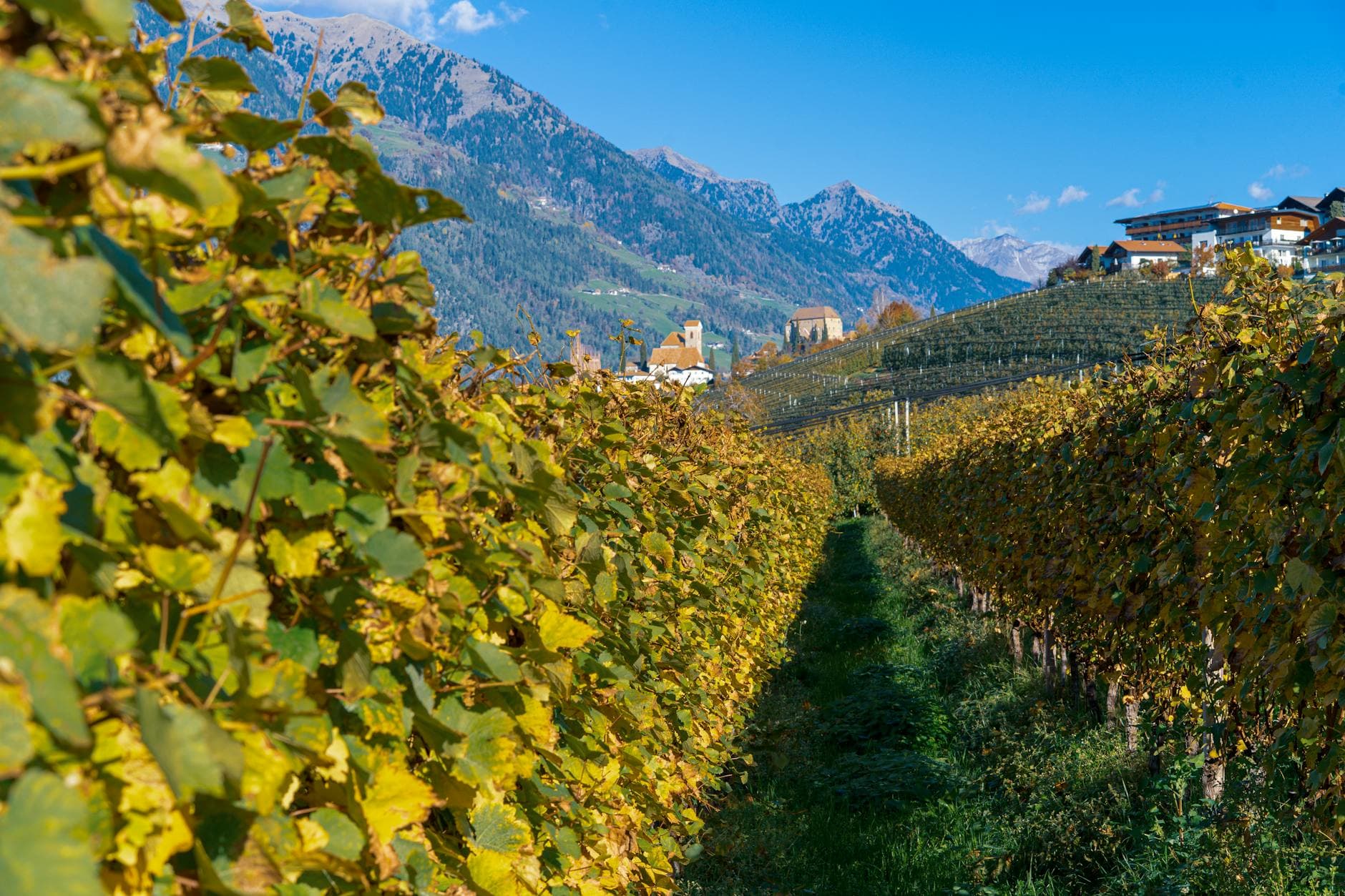
There is a local expression for Montefalco: "la ringhiera dell'Umbria" — the balcony of Umbria. The hilltop town at 472 metres above sea level looks out across the valley of the Clitunno River toward Assisi, Spello, and the mountains of the Apennines. On clear days in autumn, when the harvest is finishing and the first cold air arrives from the northeast, the view from the town walls extends to horizons that feel implausibly distant.
The town itself is compact and medieval in character: narrow stone streets, a central piazza with a clock tower, a 14th-century church converted into a civic museum, and a population of around 5,600 people. It receives far fewer tourists than Assisi or Spoleto, the larger Umbrian destinations nearby, which gives it a quieter, more functional character that serious wine visitors tend to appreciate.
The wine that has made Montefalco internationally significant is Sagrantino. The Sagrantino grape variety — grown only here and in a handful of surrounding communes — produces red wines with tannin levels so high that they can be almost unapproachable in youth. Given sufficient time in barrel and bottle, they develop into some of Italy's most complex and age-worthy wines. The DOCG designation, granted in 1992, covers Sagrantino di Montefalco in two styles: dry (the dominant and more internationally recognised form) and passito (from partially dried grapes, producing a sweet wine that was historically the more important local expression).
This guide covers the DOCG, the key producers, the town, and everything you need to plan a visit.
Sagrantino di Montefalco DOCG: The Grape, the Rules, the Wine
The grape variety
Sagrantino is one of the most localised grape varieties in Italy. Outside the Montefalco zone — which covers the town itself and four surrounding communes (Bevagna, Gualdo Cattaneo, Castel Ritaldi, and Giano dell'Umbria) — it barely exists. DNA analysis suggests the variety has been grown in this area for centuries, though its precise origins remain debated. What is not debated is its biochemical character: Sagrantino contains exceptionally high levels of polyphenols, including tannins, giving it one of the highest recorded tannin concentrations of any red wine grape in the world.
Raw Sagrantino, tasted from the vine or from a barrel of very young wine, carries an almost medicinal astringency. Winemakers who work with it describe the challenge as taming this intensity while preserving the variety's distinctive character: the dark fruit (blackberry, black cherry, dried plum), the iron-edged mineral quality, and the earthy, herbal secondary notes of sage, dried flowers, and tobacco that emerge with time.
The DOCG regulations
Sagrantino di Montefalco DOCG requires 100 percent Sagrantino grapes. The dry version must spend a minimum of 12 months in oak barrels and reach a minimum of 30 months total ageing (including time in barrel and bottle) before release. In practice, most serious producers exceed this minimum by a wide margin — releases of 36, 40, or even 48 months from harvest are common at quality-focused estates.
The minimum alcoholic content is 13 percent, though the full-ripeness conditions needed to soften Sagrantino's tannins typically push wines into the 14 to 15 percent range. Total production across the DOCG is relatively limited — the zone covers a small geographic footprint and many producers maintain low yields.
The passito version (from dried grapes) has less onerous ageing requirements and was historically the more important style — Sagrantino was used as a ceremonial wine and the dried-grape method produced something that could be kept for longer and was used in religious contexts. Today it is a minor category in commercial terms but worth seeking out from producers who still make it well.
What the wines taste like with age
Young Sagrantino di Montefalco (two to four years from harvest) is typically tannic to the point of austerity. The fruit is present — dark and concentrated — but the structure dominates. With five to eight years from vintage, the tannins begin to integrate and the wine opens into its full character: complex dark fruit, leather, dried herbs, licorice, and a mineral quality that is difficult to describe but unmistakable once encountered. The best wines from top producers in strong vintages are still drinking well at 15 to 20 years.
Montefalco Rosso DOC: The Accessible Entry Point
Before committing to a bottle of Sagrantino DOCG, most visitors to the region encounter Montefalco Rosso DOC. This is the second wine designation of the zone and it is more approachable in almost every sense: lower price, earlier drinking, and a blend-based structure that provides context for understanding what Sagrantino does to a wine.
Montefalco Rosso DOC requires a minimum of 60 percent Sangiovese as the base, with 10 to 15 percent Sagrantino and the remainder made up of other authorised varieties (often Merlot, Cabernet Sauvignon, or Montepulciano). The minimum ageing is 18 months, with at least six months in oak.
The result is a wine that drinks more like a structured Central Italian red than a full Sagrantino: red and dark fruit, medium tannins softened by the Sangiovese, and a lighter touch of the Sagrantino's characteristic herbal and mineral note. It is typically ready to drink two to four years from harvest and is substantially less expensive than the DOCG.
Many producers also make a Montefalco Rosso Riserva, with extended ageing requirements, which begins to approach the Sagrantino in concentration and structure while remaining more approachable.
Top Wineries to Visit in Montefalco
Arnaldo Caprai is the producer most responsible for Sagrantino's international profile. In the 1990s, Marco Caprai — taking over from his father Arnaldo, who founded the estate in 1971 — invested in a major research partnership with Milan's University of Milan and set out to systematically reduce Sagrantino's tannin astringency while preserving its essential character. The result was the "25 Anni" bottling, launched in 1993 and named for the estate's 25th anniversary, which became the reference point for modern Sagrantino. Caprai's estate in Bevagna (about 10 kilometres from Montefalco) is the largest operation in the DOCG and offers professional cellar tours and structured tastings. Booking in advance is essential.
Tabarrini is a smaller, family-run estate that has developed a devoted following for its single-vineyard approach to Sagrantino. Giampaolo Tabarrini produces three Sagrantino bottlings from distinct vineyard parcels (Colle Grimaldesco, Campo alla Cerqua, and Adarmando), each of which expresses a different facet of the denomination's terroir. The estate is deliberately small-scale and visits have a personal character that contrasts with the larger operations. Appointments are required. The Adarmando bottling is a dry white wine made from Trebbiano Spoletino that has become a significant reference point in Umbrian white wine.
Scacciadiavoli is one of the oldest estates in the Montefalco zone, with a production history going back to the 1880s. The name ("demon-chaser") reflects a local legend. The estate operates from a large, somewhat austere structure that has the feel of genuine antiquity rather than wine tourism infrastructure. Its Sagrantino is produced in a more traditional style than some of the modern estates, with firm tannins and a longer ageing potential. The estate is open for visits and has a wine shop.
Adanti is a small family producer that has been farming Sagrantino since the 1960s — before the DOCG existed — and maintains an approach that values tradition over innovation. The Adanti Sagrantino is produced in limited quantities and tends to be more austere and age-worthy than wines from producers targeting earlier approachability. Visits are possible by appointment and typically involve tasting from barrel for wines still in ageing.
Terre de la Custodia is a larger estate in the Gualdo Cattaneo commune, owned by a cooperative with significant vineyard holdings. It produces Montefalco Rosso and Sagrantino at a consistent quality level and at prices that are somewhat lower than the small independent producers. For visitors who want a comprehensive introduction to the DOC and DOCG without the constraints of appointment-only visits at smaller estates, it is a practical option.
For guidance on how to approach a cellar visit at any of these producers, see our wine cellar tours guide and wine tasting etiquette guide.
The Town of Montefalco
Montefalco's old town is entered through one of several medieval gates and resolves quickly into a single central piazza — the Piazza del Comune — flanked by a clock tower, a municipal building, and a small number of restaurants, wine bars, and a gelateria. The scale is intimate. You can walk the entire circumference of the medieval walls in 20 minutes.
The Museo Civico di San Francesco is the primary cultural attraction and deserves more time than most wine visitors allocate to it. The deconsecrated church of San Francesco contains a cycle of frescoes by Benozzo Gozzoli, a Florentine painter who worked across Umbria and Tuscany in the 15th century. The main apse fresco depicts scenes from the life of Saint Francis and is one of the most intact and well-preserved fresco cycles in Umbria. The museum also houses an archaeological collection covering the pre-Roman and Roman history of the area and a small collection of medieval and Renaissance paintings.
The town has several enoteca (wine bars) on and around the main piazza that stock a comprehensive range of local producers. These are useful for orienting yourself before committing to specific cellar visits — you can taste widely across producers and vintages in a single sitting. The Enoteca Properzio on the main piazza has a broad list. Prices by the glass are reasonable and the staff are generally knowledgeable about the local production landscape.
Accommodation in Montefalco itself is limited to a small number of hotels and agriturismi. For a wider range of options, Foligno (18 kilometres north) has more hotels at various price points and is well placed for day trips to Montefalco as well as Assisi and Spoleto.
Umbria Wine Tourism Context: Montefalco vs Orvieto vs Torgiano
Umbria is not a wine region that receives the attention it deserves compared to its neighbours in Tuscany and Lazio. It has three distinct wine zones that are worth understanding in relation to each other.
Montefalco is the region's prestige red wine zone. Sagrantino di Montefalco DOCG is the headline wine. The terrain is rolling central Umbrian countryside at moderate elevation. The visiting experience is centred on cellar appointments with independent producers.
Orvieto is Umbria's historic white wine zone, built around the town of the same name on a volcanic tufa cliff in the southwest of the region. Orvieto Classico DOC is made primarily from Grechetto and Trebbiano Toscano. It is a lighter, refreshing white wine that was historically exported widely. The town of Orvieto is worth visiting for the cathedral alone — one of the finest Gothic facades in Italy — and the wine zone adds context. Quality varies considerably among producers.
Torgiano is a small DOC east of Perugia most associated with the Lungarotti family, who essentially created the modern Torgiano denomination and run one of Umbria's most comprehensive wine tourism operations: a wine museum, a hotel within the estate, and structured tastings and tours. The Torgiano Rosso Riserva DOCG (the higher classification) can produce serious age-worthy wines.
Of the three, Montefalco offers the most compelling wine-first experience for visitors primarily interested in production, terroir, and serious tasting. Orvieto combines better with general sightseeing. Torgiano suits visitors who want an all-inclusive wine resort experience.
For comparison with other Italian wine regions, see our Tuscany wine guide for the neighbouring region's very different approach to red wine, and our Italy wine overview for broader context.
Getting There and Day Trips
Getting to Montefalco
Montefalco has no train station. The nearest rail hub is Foligno, approximately 18 kilometres northeast, which has regular connections on the Rome-Ancona line (approximately 90 minutes from Rome Termini and 2 hours from Florence) and is served by regional trains from Perugia.
From Foligno, the most practical option is a taxi (about 20 minutes) or a rental car. Local bus services operate between Foligno and Montefalco but are infrequent and timed around commuter rather than visitor needs.
Driving from Rome takes approximately two hours via the A1 motorway to Orte and then north on the E45 toward Perugia. From Florence, the journey is approximately two and a half hours. Montefalco itself is car-free within the medieval walls, with parking available outside the gates.
Day trips from Montefalco
Montefalco's location in central Umbria makes it a practical base for several significant day trips.
Assisi is 30 kilometres north. The Basilica di San Francesco, with its famous Giotto fresco cycle, is one of Italy's most important medieval monuments. The town is heavily visited in summer; a morning visit avoids the worst of the crowds.
Spoleto is 20 kilometres south. The city has a well-preserved Roman theatre, a spectacular Roman aqueduct, and a medieval cathedral with another significant fresco cycle. The Spoleto Festival (formerly the Festival of Two Worlds) attracts visitors from across Italy in June and July.
Spello is a small Roman town on the lower slopes of Monte Subasio, 12 kilometres from Foligno. It contains the Cappella Baglioni in the church of Santa Maria Maggiore, which has an exceptional fresco cycle by Pinturicchio. Spello also produces small quantities of olive oil considered among the finest in Umbria.
Bevagna, on the valley floor below Montefalco, is a quiet medieval town with a Roman mosaic floor visible beneath the central piazza and a medieval market fair (the Mercato delle Gaite) held in June. Several of Montefalco's major producers are based in the Bevagna commune.
Best Time to Visit Montefalco
Spring (April to June) is the ideal time for most visitors. The Umbrian countryside is green, temperatures are mild, and the combination of vineyard walking and cellar visits is most pleasant. Producer appointments are available without the competition from harvest-season visitors.
Autumn (September to November) is harvest season and the most atmospheric time to visit if you want to observe the winemaking process. October and early November in particular can produce exceptional clarity of light and the olive harvest runs parallel to the grape harvest. The downside is that producers are busy and cellar visits require earlier booking.
Summer (July to August) brings heat and Italian domestic tourism traffic. The hill towns are more comfortable than the valley floor, but Montefalco at altitude still gets genuinely hot. If you visit in summer, plan cellar visits for the morning before midday heat and keep afternoon activities within the shaded streets of the old town.
Winter (December to February) is quiet. Many smaller wine operations reduce their visiting hours significantly. The landscape is beautiful on clear cold days and the town has an authentic off-season character, but your wine tourism options will be limited.
FAQ: Montefalco and Sagrantino Wine
How long should I spend in Montefalco?
Two nights is the minimum for a wine-focused visit. On the first day, orient yourself with a morning walk around the town and an afternoon at a producer with a structured tour (Arnaldo Caprai is the most visitor-friendly option for a first appointment). On the second day, visit one or two smaller producers and spend the afternoon at the Museo Civico di San Francesco. A third night allows a day trip to Assisi or Spoleto while returning to Montefalco for dinner.
Is Sagrantino wine worth the price?
From serious producers, yes. The intensive farming requirements (very low yields, old vines in many cases), long mandatory ageing in wood and bottle, and the relatively limited total production from a small DOCG zone justify pricing that starts around 25 to 35 euros for a quality producer's basic Sagrantino and rises to 60 euros or more for top single-vineyard bottlings. At these prices it competes with Barolo and Brunello di Montalcino as Italy's most ambitious and expensive red wines, and it holds its own in quality if not yet in international name recognition.
What are the best Sagrantino vintage years?
Umbria's harvest conditions vary year to year and Sagrantino's high tannin levels mean that warm, dry years that allow full phenolic ripeness tend to produce the most balanced results. Without making specific claims about years not yet well documented, the general pattern is that producers in the zone consistently note that vintages with a warm September — allowing tannin ripening to complete before harvest — produce wines that age more gracefully. Ask producers directly about which vintages they recommend from their current cellar stock.
How does Montefalco Rosso DOC compare to Sagrantino DOCG?
Montefalco Rosso is the more accessible and significantly less expensive wine. It is ready to drink two to four years from harvest and works well with the full range of Umbrian food, from simple pasta dishes to roasted meats. Sagrantino DOCG at comparable ages is typically more tannic and structured, requiring either decanting or substantially more bottle age. If you are new to Montefalco wines, start with a Rosso DOC to understand the regional character before committing to a Sagrantino.
Can I visit Montefalco producers without a car?
For the town itself and the enoteca options, yes — once in Montefalco, everything within the walls is walkable. Getting to Montefalco without a car requires a train to Foligno and then a taxi. For visiting winery estates outside the town (Arnaldo Caprai is in Bevagna, Tabarrini is just outside the walls), a car or arranged transport is necessary. Some agriturismi and hotels in the area offer transfers to cellar appointments on request.
Is Sagrantino suitable for food pairing or is it too tannic?
Sagrantino is one of those wines that strongly prefers food to solo drinking, at least when young. High tannins that feel harsh without food soften considerably alongside protein — the combination with lamb, wild boar, or beef-braised dishes in the Umbrian tradition is one of Italian wine's more satisfying food-wine pairings. Aged pecorino cheese also works. Avoid delicate fish or vegetable dishes; the tannins will overwhelm them. With proper cellaring (eight-plus years from a strong vintage), Sagrantino becomes more flexible at the table.
Where can I buy Sagrantino wine outside Italy?
Arnaldo Caprai's Sagrantino di Montefalco and the "25 Anni" bottling are the most widely distributed internationally, available through specialist Italian wine importers in the UK, USA, Germany, and Japan. Smaller producers like Tabarrini and Scacciadiavoli have more limited international distribution but are available through specialist importers in major markets. Buying directly from the winery during a visit and arranging shipping (where legally possible) remains the most reliable way to access wines from smaller producers.


Ready to visit Umbria?
Build your personalised day-by-day itinerary — choose your travel style and trip length, get accommodation and tour picks per day, and email it to yourself to take along.
Upcoming Wine Festivals in Italy
See all festivalsHidden Gems Nearby
Discover more hidden gemsGiuseppe Mascarello e Figlio
WTG PickPiedmont, Italy
One of Barolo's last true traditionalists, producing monopole wines in a garage-sized cellar with zero marketing.
Nebbiolo · Barbera · Dolcetto
Benanti
Sicily, Italy
The original Etna pioneer, predating the volcanic wine hype by decades, with vineyard elevations reaching 1,000 metres.
Nerello Mascalese · Carricante
La Stoppa
Emilia-Romagna, Italy
A natural wine icon in a forgotten corner of Emilia, producing orange wines and skin-contact whites that are pilgrimages for the in-the-know.
Barbera · Bonarda · Malvasia
Book Your Umbria Wine Country Stay
Compare hotels, vineyard B&Bs and rentals across Booking, Airbnb and more in one search.
Compare stays near the vineyardsStay22
Plan Your Montefalco Wine Guide: Sagrantino, Top Wineries & Visiting Umbria's Wine Capital Trip
Estimate your Montefalco Wine Guide: Sagrantino, Top Wineries & Visiting Umbria's Wine Capital trip cost
Budget calculator with accommodation, food, wine, and transport estimates.
Try itCompare Montefalco Wine Guide: Sagrantino, Top Wineries & Visiting Umbria's Wine Capital with other regions
Side-by-side comparison of cost, climate, wine styles, and more.
Try itWhen to visit Montefalco Wine Guide: Sagrantino, Top Wineries & Visiting Umbria's Wine Capital
Harvest dates, peak season, and the best months for wine travel.
Try itThis page contains affiliate links. We may earn a commission at no extra cost to you.