 Photo: Chensiyuan / Wikimedia Commons
Bordeaux Wine Region Guide
Plan your Bordeaux wine trip — Left Bank vs Right Bank, chateau visits, Saint-Emilion day trips, Medoc cycling, tasting costs from free to EUR 50+, best season.
Key takeaways
- Plan 3–5 days minimum — the region splits into Left Bank (Médoc), Right Bank (Saint-Émilion) and Pessac-Léognan, and each side has its own grapes, soils and chateau culture.
- Best months are May–June and September–October — comfortable weather, working harvest energy in September, and you avoid the humid July–August peak when many top estates close for staff holidays.
- Base yourself in Bordeaux city for the Médoc and Pessac-Léognan, or in Saint-Émilion for the Right Bank — UNESCO old-town walking, tram links to the city, and short hops to Pomerol and Castillon.
- Book chateau visits 1–2 weeks ahead — the famous estates (Margaux, Latour, Cheval Blanc, Petrus and most Grand Cru Classés) require email reservations and do not accept walk-ins.
Where to Stay in Bordeaux
Make the most of your Bordeaux wine trip by staying in the heart of wine country. From luxurious vineyard estates to cozy B&Bs, find the perfect accommodation near world-class wineries.
Top areas to stay
- Saint-Émilion€€€
Walk to tastings, charming medieval village
- Libourne€€
40% cheaper than Saint-Émilion, 10 min drive
- Bordeaux city centre€€-€€€
Best for nightlife and restaurants, further from vineyards
Book 3-6 months ahead for summer; château hotels sell out fastest
We may earn a commission
Stay22
Compare Booking, Airbnb, Hotels.com and more in one search
Editorial pick
Best chateaux to visit in Bordeaux — top 10 picks 2026
Read the listicle →
Sample itinerary
3 days in Bordeaux — full day-by-day plan
Read the itinerary →
Vineyard hotels
Vineyard hotels in Bordeaux — 10 estates where you can stay
Read the guide →
Plan your visit: Plan your Bordeaux trip — free printable planner with day-by-day itinerary, top wineries, and budget tracker.
Bordeaux Region Map
Bordeaux is the region that built the global wine trade — and it knows it. The name alone commands a premium before you've tasted a drop, which means it attracts two very different types of visitor: serious collectors on a pilgrimage to the classified growths, and curious travellers who've heard the reputation but aren't sure where to start. Both will find what they came for, but the experience gap between them is enormous. The collector who books Château Pétrus six months in advance and pays €250 for a barrel sample lives in a different Bordeaux from the couple who rolls up to a Saint-Émilion cooperative on a Tuesday and pays €12 for a flight of four wines. The honest truth is that the second experience is often more fun.
The city of Bordeaux itself — renovated dramatically in the 2000s and now a UNESCO World Heritage Site — is one of France's most liveable and walkable urban centres. The Chartrons district runs along the Garonne and was historically the merchant quarter where négociants sat on the world's finest wine inventory; today it's wine bars, vintage shops, and good brasseries. The Cité du Vin museum opened in 2016 and is worth half a day for the permanent collection alone, though the temporary exhibitions are hit-or-miss. Base yourself in the city if you want restaurants, culture, and easy train access to both banks. Base yourself in Saint-Émilion if you want to wake up surrounded by vines and walk to three tastings before lunch.
What sets Bordeaux apart from comparable regions like Burgundy or Tuscany is scale combined with classification rigidity. The 1855 Classification — drawn up for Napoleon III's Exposition Universelle — still governs which châteaux command four-figure bottle prices, and it has barely changed in 170 years. That ossification creates both an opportunity and a frustration: the wines that benefit from the classification are extraordinary, but the classification itself has locked in mediocre performers and locked out brilliant ones. Smart visitors use that tension to their advantage — the overlooked appellations on the Right Bank fringe and the Côtes are producing wines of genuine quality at prices that make Left Bank collectors wince.
Wine Regions & Appellations

The Gironde estuary divides Bordeaux into Left Bank and Right Bank, and the distinction matters more than geography. Left Bank wines — led by Cabernet Sauvignon grown on Médoc gravel — are structured, slow-developing, often austere in youth. Right Bank wines — Merlot-dominant, grown on clay and limestone — are rounder and more immediately accessible. A third zone, Entre-Deux-Mers, sits between the Garonne and Dordogne rivers and produces the region's most food-friendly dry whites. The sweet wine country of Sauternes operates in its own gravitational field, southeast of the city.
Left Bank — Médoc, Graves & Pessac-Léognan
The Médoc peninsula stretches north from the city along the left bank of the Gironde. Its gravel-rich soil — the famous Médoc croupes, ridges of well-drained glacial gravel — is the reason Cabernet Sauvignon thrives here where it would otherwise fail. The 1855 Classification sorted the Médoc châteaux into five growth levels; only Château Mouton Rothschild has ever been promoted (in 1973, after decades of lobbying). The four communal appellations within the Médoc — Pauillac, Saint-Julien, Margaux, and Saint-Estèphe — each have a distinct character: Pauillac is the most powerful (Latour, Mouton Rothschild, Lafite Rothschild), Saint-Julien the most consistently elegant, Margaux the most perfumed, Saint-Estèphe the most tannic.
For visitors, Pauillac is the logical Médoc base. The town itself is unremarkable, but the concentration of great estates within cycling distance is unmatched anywhere in the wine world. Château Lynch-Bages (Fifth Growth but priced and regarded as a Second) runs accessible visits at €30–50 per person. Château Pichon Baron accepts visits with 2–3 weeks' notice and offers well-structured guided tours. Château d'Issan in Margaux offers a beautiful medieval moated château setting and tours at around €25. The Haut-Médoc and plain Médoc appellations to the north and around the communal zones are where you'll find cru bourgeois châteaux — Château Sociando-Mallet in Saint-Seurin-de-Cadourne is a perennial Médoc overachiever at under €30 a bottle.
South of the city, Pessac-Léognan and Graves are covered under a separate classification (1959) and produce Bordeaux's finest dry whites alongside excellent reds. The Haut-Brion family's three estates dominate the appellation — La Mission Haut-Brion, Haut-Brion, and Laville Haut-Brion — but Château Smith Haut Lafitte in Martillac is the visitor-friendly option, combining great wine with the celebrated Les Sources de Caudalie vinotherapy spa and two Michelin-starred restaurant.
Right Bank — Saint-Émilion & Pomerol
Saint-Émilion is Bordeaux's most visitor-friendly appellation by some margin. The medieval hilltop village — a UNESCO World Heritage Site in its own right — is compact, walkable, and surrounded by châteaux that have invested seriously in tourism infrastructure. The Saint-Émilion Classification is revised roughly every decade (controversially, given the legal battles following the 2012 edition) and divides estates into Grand Cru, Grand Cru Classé, and Premier Grand Cru Classé (with two special 'A' estates: Cheval Blanc and Ausone, though Ausone controversially resigned from the classification in 2021). Soil here is clay-limestone on the plateau and hillsides, gravel and sand on the lower slopes, which gives Saint-Émilion wines their characteristic plushness and floral lift compared to the Médoc.
Pomerol, immediately north of Saint-Émilion, has no classification at all. It is also home to Château Pétrus, which fetches higher prices than any First Growth in the Médoc. Pétrus is essentially unmissable as a visitor experience — the château is deliberately inaccessible, with no cellar door and visits reserved for négociants, collectors, and their guests booked 6–12 months out. For everyone else, Château Clinet, La Conseillante, and Château Gazin offer more realistic access (2–4 weeks' notice, €40–80 tastings) and wines that genuinely compete above their price point.
Entre-Deux-Mers & the Satellite Appellations
Entre-Deux-Mers produces exclusively dry white wine under its own appellation label — Sauvignon Blanc-dominant blends with some Sémillon and Muscadelle — that are among Bordeaux's best value. The reds from this zone sell under Bordeaux or Bordeaux Supérieur AOC and are ideal for everyday drinking. Fronsac, Canon-Fronsac, Lalande-de-Pomerol, Côtes de Bourg, and Blaye Côtes de Bordeaux make up the 'satellite' Right Bank appellations. Côtes de Bourg in particular is having a moment: estates like Château Roc de Cambes (made by the team behind Valandraud) and Château Falfas (biodynamic since the 1990s) are delivering wines of real ambition at €15–30 a bottle. Walk-in tastings are not unusual here.
Sauternes — The Great Sweet Wines
Sauternes sits 40 minutes southeast of Bordeaux city, tucked along the Ciron river where morning mists from the cold-water tributary create the humidity that encourages botrytis cinerea — the 'noble rot' that concentrates sugars in Sémillon, Sauvignon Blanc, and Muscadelle grapes. Château d'Yquem (the only Premier Cru Supérieur in the 1855 sweet wine classification) is the reference point: a bottle from a great vintage can cost €500–1,500. Visits are possible but demand booking 2–3 months ahead; the 75-minute tour and two-wine tasting runs €65 per person. For accessible Sauternes exploration, Château Guiraud (First Growth, certified organic) and Château Suduiraut both run welcoming visitor programmes at €20–40 per tasting.
Grape Varieties
Vine Cycle — Bordeaux
Full calendar →Bordeaux buzzes during harvest — expect tractors on narrow roads, the scent of fermenting juice, and open-air harvest lunches. Book top estates months ahead; smaller family domaines welcome drop-ins.
Cabernet Sauvignon dominates the Left Bank, thriving on the well-drained gravel soils that accelerate ripening by reflecting heat. In Bordeaux it produces wines with a dark-fruit core of blackcurrant and plum wrapped in pencil-shaving tannins — firm and closed in youth, revelatory after a decade. The finest expressions come from Pauillac and Saint-Estèphe, where the gravels run deepest. At the table, match with lamb cooked medium-rare, aged hard cheese, or duck confit.
Merlot is the workhorse of the Right Bank and, by volume, of the entire appellation. In Pomerol's blue clay soils it achieves a silkiness and density — truffles, iron, dark cherry — that Cabernet rarely matches for immediate pleasure. In the satellite appellations it produces approachable, fruit-forward wines meant to be drunk within five years. The best Saint-Émilion Merlots are the exceptions: Cheval Blanc and Angélus need ten years minimum despite feeling opulent young.
Cabernet Franc brings the floral component — violet, pencil shavings, a streak of red fruit — that gives the best Bordeaux blends their finesse. It's rarely the dominant grape outside of Cheval Blanc, where it makes up roughly 57% of the blend in most vintages, defying every convention about the variety and producing one of the world's great wines. On the Right Bank more broadly, Cabernet Franc adds lift to Merlot-heavy blends; in wet or cool vintages it's the blender's insurance policy.
Sauvignon Blanc drives the dry whites of Pessac-Léognan and Entre-Deux-Mers, bringing citrus, white peach, and cut-grass aromatics. Blended with Sémillon — which adds weight, texture, and ageing potential — the best Graves blancs rival white Burgundy in complexity and outlast their red Bordeaux counterparts in the cellar. Drink them young for freshness or after eight years for the honeyed, lanolin-rich tertiary character that converts people who insist they don't like white Bordeaux. In Sauternes, both Sémillon and Sauvignon Blanc are botrytis-affected; the resulting wines — amber, sweet, with extraordinary acidity to balance — are among the longest-lived wines on earth.
Tasting Room Guide
Bordeaux does not have a walk-in tasting culture — or rather, it has one, but it's concentrated in specific zones and largely absent elsewhere. The classified Médoc châteaux overwhelmingly require appointments; many require a professional introduction. Saint-Émilion is more open, with a dozen châteaux accepting visitors who call or email a week ahead. The satellite appellations (Côtes de Bourg, Blaye, Fronsac) are genuinely walk-in friendly — show up at a cooperative and you'll taste. Budget for tastings at €10–30 per person at mid-range estates; top classified growths charge €50–100 and include library wines.
Grand Châteaux (book 4–8 weeks ahead minimum)

Château Margaux (Margaux AOC) accepts a limited number of professional and collector visits; the estate is architecturally stunning but access is strictly managed through négociants and importers. Château Lynch-Bages (Pauillac, Fifth Growth) runs a more relaxed visitor programme — the village of Bages adjacent to the château has a bakery, restaurant, and wine shop that makes it the most genuinely touristy Médoc experience. Château Pichon Baron (Pauillac) offers 90-minute guided tours at €35–55 per person with booking 2–3 weeks ahead. Château Smith Haut Lafitte (Pessac-Léognan) combines an excellent tour with the Caudalie spa complex — book the 'Grand Tasting' at €50 for six wines including older vintages.
Mid-Range Family Estates (1–2 weeks' notice)
Château Fonréaud (Listrac-Médoc) is family-owned, genuinely welcoming, and charges €15 for a five-wine tasting with a cellar tour. Château Poujeaux (Moulis-en-Médoc) offers structured visits at €20 in a well-maintained 18th-century chai. On the Right Bank, Château Figeac (Saint-Émilion Premier Grand Cru Classé B) has a superbly managed visitor centre and runs tours at €30–50. Château La Fleur-Pétrus (Pomerol) is the approachable face of the Moueix family portfolio — visits at €40–60 with 2 weeks' notice, three wines including one with age.
Walk-In & Cooperative Options
The Bar à Vin du CIVB (Bordeaux Wine Council) on the Cours du 30 Juillet in Bordeaux city is the single best unannounced tasting option in the region: 20+ wines available by the glass at €3–10, staffed by trained sommeliers, no appointment necessary. Opening hours are 11am–10pm Tuesday to Saturday. La Maison du Vin de Saint-Émilion runs a similar programme in the village. In Côtes de Bourg, the Cave de Marquis cooperative welcomes walk-ins with tastings from €8 and an honest range of entry-level and reserve wines.
Worth knowing: Château Falfas in Côtes de Bourg has been certified biodynamic since 1993 — one of the earliest in the region. The tasting is often poured by the owners themselves, covers six to eight wines including their amphora-aged cuvée, and costs €15. Book 48 hours ahead by email. The wines retail at €12–25 and outperform estates charging three times as much from classified zones.
Best Time to Visit

Monthly Climate — Bordeaux
Full explorer →Bordeaux has a maritime climate — Atlantic weather systems keep temperatures moderate year-round, with warm summers rarely exceeding 32°C and mild winters averaging 8°C. The variables that matter most to wine visitors are crowds and harvest timing.
May and June offer the most pleasant combination of warmth (18–23°C), manageable crowds, and functioning châteaux. The vines are in full leaf and flowering by early June; the landscape looks exactly as you've imagined. Most estates are actively receiving visitors and staff haven't yet been diverted to harvest preparation. Accommodation runs at shoulder prices — roughly 30% below peak — and you'll spend under €220 per day at a mid-range level.
July and August are peak season. Accommodation costs jump 35% above shoulder prices; Saint-Émilion's narrow streets fill with day-trippers from the coast; some châteaux close visitor programmes during August for annual leave. The heat is usually enjoyable rather than oppressive. If you're going in peak season, book accommodation and estate visits 3–4 months ahead.
September 20 to October 10 is the harvest window across both banks — Merlot typically from mid-September, Cabernet Sauvignon through late October. This is when Bordeaux is most alive: tractors on the road, the smell of fermenting juice drifting from open chai doors, and harvesters gathering for outdoor lunches. Many smaller estates welcome visitors who are willing to help pick for a morning in exchange for a harvest lunch and a cellar tour. Book months ahead. The Fête de la Vendange in Saint-Émilion (third weekend of September) brings concerts, open tastings, and some of the most photogenic chaos the wine world produces.
October onwards sees the vines turn gold and red — the Médoc in autumn is genuinely scenic in a way that summer isn't. Estates are quieter, staff have emerged from harvest exhaustion, and you can often get impromptu cellar access that would have required months of planning in spring. Prices drop 30% below peak. The contrarian pick for those who want the most productive possible visit with the fewest crowds.
Months to avoid: November to February. Many family estates close for the pruning season or reduce visitor hours severely. The weather turns grey and occasionally wet. The vines are bare. Sauternes is accessible year-round but even Château d'Yquem scales back visits in mid-winter. If you do visit in winter, the city of Bordeaux is your main draw — the restaurants and bar à vin trade doesn't care about seasons.
Event highlight: The Bordeaux Fête le Vin is held biennially in June along the Quais de Bordeaux. The next edition is June 2026 — book accommodation 4–6 months ahead as the city fills completely during the four-day event.
Portes Ouvertes (Open Doors) is the other essential event for independent visitors. Held across three weekends in late May and early June — usually the same general window as the Fête le Vin — more than 100 châteaux that normally require advance booking open their doors to any visitor who arrives, typically at no charge or for a nominal €5–10 tasting token. Each appellation runs its own dedicated weekend: Saint-Émilion and Pomerol typically in the last weekend of May; the Médoc and Graves in early June; the Côtes de Bordeaux (Castillon, Francs, Blaye) on separate mid-June dates. The format is entirely self-guided — no group tour, no fixed itinerary, just arrive. Participation lists and maps are published in April by each appellation's wine trade body (Conseil des Vins de Saint-Émilion for the Right Bank; CIVB for the Médoc). If you are planning a May or June visit, search for the current year's Portes Ouvertes dates in early spring — availability at top-name estates fills up by mid-May.
For exact harvest dates by grape variety — Merlot pick windows, Cabernet Sauvignon end dates, and the optimal visitor window — use the Bordeaux harvest calendar to time your trip around peak vineyard activity.
Getting There & Around
Getting to Bordeaux
Bordeaux-Mérignac Airport (BOD) handles direct flights from most major European hubs: London Heathrow and Gatwick (British Airways, easyJet, 1h45), Amsterdam Schiphol (KLM, 2h), Dublin (Ryanair, 2h15), and seasonal connections from North American cities via Paris CDG. The airport is 12km west of the city centre. Taxi to the city centre costs €35–50 and takes 25 minutes outside rush hour; allow 40–50 minutes during morning or evening peaks. The BUS 1 tram line extension (Line D) connecting the airport directly to the city centre opened in 2021 and takes 35 minutes for €2.
By train from Paris Montparnasse, the TGV takes 2 hours 4 minutes and departs roughly every 30 minutes throughout the day. Fares range from €25 booked months ahead (Ouigo) to €120 for a flex ticket on the day. This is genuinely faster door-to-door than flying from central Paris, and the Bordeaux Saint-Jean station drops you directly into the city.
Getting Around the Wine Country
A hire car is the most practical option for anyone visiting more than one appellation. Enterprise, Hertz, and Europcar operate from both the airport and Bordeaux city. Budget €45–70 per day for a compact car. The roads through the Médoc run straight and well-signposted from the D2 wine route; the Right Bank around Saint-Émilion and Pomerol is tighter and occasionally signposted in a way that assumes you already know where you're going.
Cycling is a legitimate option in Saint-Émilion and the surrounding Right Bank. The village rents bikes at around €15 per day; the terrain is gently rolling and the distances between estates are manageable. The Médoc is less cycle-friendly — the D2 has no dedicated lane and truck traffic is heavy during harvest. If you want to cycle the Médoc, use the dedicated voie verte that runs from Bordeaux towards Lacanau through the coastal pines rather than the D2 wine road.
Guided wine tours are the sensible choice if you want to drink properly without the designated-driver problem. From Bordeaux city, operators including Bordeaux Wine Tours and Wine Tourism in Bordeaux run half-day Médoc or Saint-Émilion tours at €60–120 per person, including estate entries and tastings. The designated-driver rule in France sets the legal limit at 0.5g/L blood alcohol — lower than the UK — and enforcement at Médoc checkpoints during harvest season is genuine.
Visiting Without a Car
Saint-Émilion is the most car-free-friendly wine destination in the region. From Bordeaux Saint-Jean station, TER regional trains run to Libourne in roughly 25 minutes (€6 each way, departures every 30–60 minutes throughout the day). From Libourne, a taxi or pre-arranged shuttle covers the 8 kilometres to Saint-Émilion village in about 10 minutes (€12–15 each way). The village is entirely walkable: Château Ausone, Clos de l'Oratoire, and a dozen other estates are within 15 minutes on foot of the central square. Pomerol is also accessible from Libourne — most estates are within a €10–15 taxi ride from the station.
The Médoc is harder without a car but workable with planning. Transdev Gironde operates Line 705 from Bordeaux (Gare Routière) north along the D2 wine route through Margaux, Saint-Julien-Beychevelle, and on to Pauillac in roughly 90 minutes (€2 per journey). Departures are infrequent — four to six per day in each direction — so check the Transdev Gironde timetable online before you build your day around it. From Pauillac, most northern Médoc classified châteaux are within 5–15 kilometres; a local taxi can connect the final leg and is easier to negotiate in advance than on arrival.
For anyone wanting to visit multiple appellations in a single day without logistics headaches, the guided day-tour operators mentioned above remain the most practical car-free option. Bordeaux Wine Tours and Bordeaux Pauillac Tours both depart from central Bordeaux and combine two château visits with commentary for €80–120 per person; booking three to seven days ahead is typically sufficient outside harvest season. Sauternes is best reached this way if you lack a car — taxis from Bordeaux city run €50–60 each way, which becomes reasonable split between two people, but a half-day tour that pairs Sauternes with Graves at around €75–90 per person is the more common approach.
Where to Stay

Budget (€50–90/night): The area around Bordeaux Saint-Jean station and the Chartrons district has solid two-star hotel options from €55–70 a night. Libourne, 30 minutes east of Bordeaux city by train and 10 minutes from Saint-Émilion by car, is the budget base for the Right Bank — rooms at €60–80 versus €140–200 in Saint-Émilion village itself. Chambres d'hôtes (B&Bs) on working estates dot the satellite appellations; rates from €65 per night and the owners will often open bottles after dinner.
Mid-range (€120–220/night): Château de la Dauphine in Fronsac is a 17th-century working estate with seven guest rooms at around €160/night — breakfast included, wine from the estate in the evening, and tastings arranged on request. In Bordeaux city, the Mama Shelter and Hotel Seeko'o on the Chartrons waterfront both deliver design-forward rooms at €130–180 in shoulder season. Hotel des 4 Soeurs on the Allées de Tourny is the most central three-star option for those who want walkability to the city's best wine bars.
Luxury (€350–600+/night): Les Sources de Caudalie at Château Smith Haut Lafitte in Martillac (€380–700/night depending on season and room category) offers the complete Bordeaux wine-country experience: vinotherapy spa, two Michelin-starred La Grand'Vigne restaurant, and direct access to classified growth tastings. Château Cordeillan-Bages in Pauillac (Relais & Châteaux, €320–500/night) puts you inside the Lynch-Bages estate with the Bages village complex at your door. The InterContinental Bordeaux Grand Hotel (€280–480/night) is the city's grandest option, with Gordon Ramsay's Le Pressoir d'Argent on-site and an address on the Place de la Comédie that's hard to beat.
Where to Eat

Bordeaux cuisine is built on three things: the estuary (oysters from Arcachon, lamprey from the Gironde), the Landes border (foie gras, duck, lamb from Pauillac), and the entrecôte. The city's bistro culture is genuine — this is not Lyons-level food obsession but it's well above the national average, and the natural pairing with regional wines means even mid-range restaurants make an effort with their cellar lists.
Le Pressoir d'Argent — Gordon Ramsay (Two Michelin stars, €120–180 per head without wine). At the InterContinental on the Grand Théâtre square. The signature is a silver press for duck and lobster — the kind of theatrical service that works in the setting. The wine list runs 2,000 references and the sommelier team is serious about suggesting bottles outside the obvious First Growth choices. Booking essential; 3–4 weeks ahead in summer.
Le Petit Commerce (€30–50 per head, no reservation accepted for parties under 8). On the Rue du Parlement-Saint-Pierre, this is the seafood restaurant that vignerons actually go to on their day off. Oysters from Arcachon at €12 for six, sole meunière, moules marinières, and a brief but well-chosen wine list that reaches into the satellites and lesser appellations rather than defaulting to classified growths. Arrive before 12:30 for lunch or after 14:00 to avoid the queue.
Bar à Vin du CIVB (€15–30 for a tasting flight with charcuterie, open Tuesday–Saturday 11am–10pm). At 3 Cours du 30 Juillet, run by the Bordeaux Wine Council. This is the most reliable no-reservation option in the city: 20–30 wines available by the glass, a short menu of cheese and charcuterie boards, and staff who are there to teach rather than upsell. Order the three-wine flight for a specific theme (Médoc vs Right Bank, dry whites, Sauternes) and ask for the list of producers who aren't classified growths — some genuinely excellent finds at €4–6 a glass.
In Saint-Émilion, the options improve once you venture away from the main tourist drag of the Rue Guadet. L'Envers du Décor on the Rue du Clocher is a wine bar with serious cellar depth and bistro food at €35–50 per head — the terrace is excellent in good weather and the owner selects carefully across all price points. For canelés — the caramelised, rum-scented cylinders that are Bordeaux's signature pastry — the original is made by the Canelé de Bordeaux syndicate bakeries in the city; in the confectionery shops of Saint-Émilion, quality varies widely.
The City Beyond the Chateaux

Most wine itineraries treat the city of Bordeaux as a logistics hub — somewhere to sleep before driving to the Medoc. That is a waste. The city was comprehensively renovated from 2004 to 2012 and is now one of France's most walkable urban centres. Reserve one afternoon for it, particularly if you're travelling with someone who doesn't share your wine obsession.
The Place de la Bourse is the showpiece: classical 18th-century stonework, and the miroir d'eau at its feet. The world's largest reflecting pool covers 3,450 square metres of granite at a depth of a few millimetres, creating a mirror effect at low water and a steam cloud at timed intervals. It's free, draws visitors in every season, and is best photographed at dusk when the light turns amber on the stone. Cross the tram tracks and you're in the Quais district, which comes alive at the end of a working day.
La Cite du Vin opened in 2016 in a striking tower near the waterfront and is worth three hours. The permanent collection covers wine history from ancient Egypt to Bordeaux's first growths through interactive displays that work for both novices and experienced visitors. Entry is EUR 22 and includes a tasting flight at the top-floor belvedere with panoramic views across the Garonne. Go early in the day — afternoon queues build in summer.
The Chartrons district, north of the Quais along the waterfront, is where Bordeaux's wine merchant dynasties stored and traded the world's wine for two centuries. Today it is the city's best neighbourhood: antiques dealers, wine bars pouring regional bottles by the glass, and independent brasseries where locals eat. A tram from the city centre takes eight minutes. If you're eating in Bordeaux, book in Chartrons rather than the tourist-facing restaurants around the cathedral. The Sunday morning market on the Quai des Chartrons runs from 8am and sells cheese, charcuterie, and local wine at producer prices.
Practical Info
Daily costs in Bordeaux depend heavily on accommodation and how deep into the classified estate circuit you go. The Bordeaux cost calculator gives a breakdown by tier: budget travellers in gites with cooperative tastings average EUR 120 per day; mid-range with a chateau hotel and occasional classified estate visits, EUR 220; luxury with Les Sources de Caudalie and First Growth access, EUR 500+. Off-peak (November to March) cuts accommodation costs by roughly 30%, bringing luxury within reach of mid-range budgets in summer.
Currency is Euro. Credit cards accepted everywhere in Bordeaux city and at all major châteaux; smaller family estates in the satellites sometimes prefer cash, especially for tasting fees under €20. Service is included (service compris) in all restaurants — rounding up €2–5 on a meal is genuinely appreciated but not expected. Tipping at châteaux for guides is not customary unless the visit was exceptional.
French is the working language of the wine country, and proficiency among estate staff varies sharply. Bordeaux city staff and tourist-facing estates in Saint-Émilion are reliably English-fluent. Smaller Médoc and satellite châteaux — particularly family-run estates in Côtes de Bourg and Blaye — may have limited English. A handful of French phrases ("Avez-vous une visite en anglais?" — do you have an English tour? "Je voudrais déguster" — I'd like to taste) go a long way. The region's regions-master score of 5/10 for English-friendliness in the data is accurate for the broader appellation; in the city and major châteaux it's closer to 8/10.
The rookie mistake to avoid: Booking a classified growth visit without checking whether the estate is actually conducting tours that year. Several First and Second Growths cycle their visitor programmes annually, and some close entirely during en primeur tastings in April. Always confirm by email 2–4 weeks before arrival. The second most common mistake is ignoring the white wines entirely. The dry whites of Pessac-Léognan — Château Haut-Brion Blanc, Château Laville Haut-Brion, Domaine de Chevalier — are among the finest white wines produced anywhere in France and are systematically overlooked by red Bordeaux tourists who come for the Cabernet. Try one. You'll recalibrate your budget.
Planning where to sleep? See our dedicated Where to Stay in Bordeaux guide — with options from €50 gîtes to vineyard estates.
Frequently Asked Questions
How many days do you need in Bordeaux wine country?
Four days is the minimum to cover Left Bank (Medoc) and Right Bank (Saint-Emilion) without feeling rushed. Allow roughly one day per major appellation you want to explore seriously — the Medoc alone can fill three days. Add Sauternes and the city of Bordeaux and a full week makes sense. Any less than four days and you're sampling the surface rather than experiencing the region.
What is the best time to visit Bordeaux for wine?
May and June are the sweet spot: warm weather (18-23 degrees), vines in leaf and flowering, chateaux fully operational, and accommodation at shoulder prices (roughly 30% below summer peak). Harvest (late September to mid-October) is the most atmospheric but requires advance estate booking and accommodation fills fast. July and August are valid but expensive and crowded. October after harvest is the contrarian choice: quiet estates, autumn vine colour, and prices back at shoulder level.
Do you need a car to visit Bordeaux wineries?
For the Medoc, yes. The classified chateaux are spread across 80 kilometres of peninsula and public transport is negligible. For Saint-Emilion, you can manage without a car: the village is walkable and several estates are within 20 minutes on foot. For those who want to drink rather than drive, guided wine tours (EUR 60-120 per person for a half-day, covering two to three estates) are the practical solution. Uber operates in Bordeaux city but becomes expensive for vineyard crawls.
How much does a chateau visit cost?
Daily Costs — Bordeaux
Full calculator →💡 Visit smaller appellations like Cotes de Bourg for free tastings
Costs run from EUR 8 to EUR 100+. Walk-in cooperative tastings in Cotes de Bourg start from EUR 8-10. Mid-range family estates charge EUR 15-30 for a cellar tour plus four to six wines. Well-known classified growths like Chateau Pichon Baron charge EUR 35-55 per person. Top-tier experiences at estates like Chateau Smith Haut Lafitte run EUR 50 for six wines including older vintages. The Bar a Vin du CIVB in the city is the best-value option: 20+ wines by the glass from EUR 3-10, no booking required.
What is the difference between Left Bank and Right Bank Bordeaux?
Left Bank (Medoc, Graves, Pessac-Leognan) is Cabernet Sauvignon-dominant — wines are structured, tannic when young, and built to age for decades. This is where the 1855 Classification is concentrated: all five First Growths are here. Right Bank (Saint-Emilion, Pomerol) is Merlot-dominant — wines are rounder, more approachable young, and often lush and plummy. Petrus, the world's most expensive wine by volume, is Right Bank. For visitors, Right Bank is more accessible; Left Bank requires more planning and booking.
Can you visit Bordeaux chateaux without a wine background?
Yes. Most chateau guides pitch their tours for curious visitors, not collectors. You don't need to know vintages or the Classification — hosts adjust depth based on their audience. The most visitor-friendly starting points are the Bar a Vin du CIVB in the city, the cooperatives in Cotes de Bourg and Blaye, and the Saint-Emilion Maison du Vin. Guided tours are ideal for first-timers: the guide handles logistics and provides context as you taste. Book a half-day group tour via Viator or GetYourGuide as a foundation before planning independent estate visits.
Is Bordeaux worth visiting if you don't drink wine?
Yes — the city alone makes the journey worthwhile regardless of wine interest. Bordeaux's 18th-century waterfront is one of the finest neoclassical cityscapes in Europe: the Place de la Bourse, the Grand Théâtre, and the Quais des Chartrons are all UNESCO World Heritage-listed. The Cité du Vin is a genuinely world-class museum designed for all visitors — interactive exhibits trace wine's global cultural history across 19 themed spaces, and admission (around €22) includes a tasting at the rooftop wine bar with panoramic Garonne views; non-drinkers can take grape juice at the tasting counter. Beyond the city: Saint-Émilion village is a medieval UNESCO site worth visiting for its monolithic underground church, troglodyte caves, and limestone streets — the wine context is background, not prerequisite. The Arcachon Bay oyster coast (excellent for food even without wine) and the Dune du Pilat, Europe's tallest sand dune at 108 metres, are both under an hour by car or direct bus from Bordeaux city.
Best for
- First-time wine travellersThe most legible wine region in the world — clear Left Bank / Right Bank split, well-marked chateau routes, and Bordeaux city as an easy base.
- Serious oenophilesGrand Cru Classés, en primeur visits, and the chance to taste 1855 Classification icons (Margaux, Latour, Mouton) at source — if you book ahead.
- Anniversary or milestone tripStay at a working Grand Cru chateau, dine in three Michelin-starred restaurants, and ride the Garonne. Premium without feeling stuffy.
- Travelling with non-drinkersLa Cité du Vin, UNESCO Saint-Émilion, river cruises, and oyster lunches in Arcachon keep the rest of the family happy while you taste.
Getting There
BOD — Bordeaux-Mérignac
25min drive
2h TGV from Paris Montparnasse
excellentCar rental recommended
Where to Eat
French — Bordelaise
- €€€€
Le Pressoir d'Argent — Gordon Ramsay
fine dining
- €€€€
La Grand'Vigne — Les Sources de Caudalie
winery restaurant
Where to Stay in Bordeaux
- Saint-Émilion€€€
Walk to tastings, charming medieval village
- Libourne€€
40% cheaper than Saint-Émilion, 10 min drive
- Bordeaux city centre€€-€€€
Best for nightlife and restaurants, further from vineyards
Book 3-6 months ahead for summer; château hotels sell out fastest
Stay22
We may earn a commission
Tours & Experiences
Bordeaux, France
Half-day Médoc wine tour
Visit 2-3 classified growth estates with sommelier guide
Saint-Émilion village tour & tasting
Walking tour of UNESCO village + underground monuments + 3 wine tastings
On GetYourGuide: From Bordeaux: Half-Day Saint-Emilion Wine Tour
Book on GetYourGuideWe may earn a commission
Wine Experiences
Visiting Wineries
First Growths (Château Pétrus, Latour, Margaux) require months of advance notice. Many Médoc and Saint-Émilion properties accept visitors with 1–2 weeks notice, and some smaller châteaux welcome walk-ins.
Book ahead: 6+ months for First Growths, 2–4 weeks for others · Top estates: Pétrus, Latour: 6+ months. Mid-range châteaux: 2–4 weeks.
Planning tools & local info
Best for
- First-time wine travellersThe most legible wine region in the world — clear Left Bank / Right Bank split, well-marked chateau routes, and Bordeaux city as an easy base.
- Serious oenophilesGrand Cru Classés, en primeur visits, and the chance to taste 1855 Classification icons (Margaux, Latour, Mouton) at source — if you book ahead.
- Anniversary or milestone tripStay at a working Grand Cru chateau, dine in three Michelin-starred restaurants, and ride the Garonne. Premium without feeling stuffy.
- Travelling with non-drinkersLa Cité du Vin, UNESCO Saint-Émilion, river cruises, and oyster lunches in Arcachon keep the rest of the family happy while you taste.
Getting There
BOD — Bordeaux-Mérignac
25min drive
2h TGV from Paris Montparnasse
excellentCar rental recommended
Where to Eat
French — Bordelaise
- €€€€
Le Pressoir d'Argent — Gordon Ramsay
fine dining
- €€€€
La Grand'Vigne — Les Sources de Caudalie
winery restaurant
Where to Stay in Bordeaux
- Saint-Émilion€€€
Walk to tastings, charming medieval village
- Libourne€€
40% cheaper than Saint-Émilion, 10 min drive
- Bordeaux city centre€€-€€€
Best for nightlife and restaurants, further from vineyards
Book 3-6 months ahead for summer; château hotels sell out fastest
Stay22
We may earn a commission
Tours & Experiences
Bordeaux, France
Half-day Médoc wine tour
Visit 2-3 classified growth estates with sommelier guide
Saint-Émilion village tour & tasting
Walking tour of UNESCO village + underground monuments + 3 wine tastings
On GetYourGuide: From Bordeaux: Half-Day Saint-Emilion Wine Tour
Book on GetYourGuideWe may earn a commission
Wine Experiences
Visiting Wineries
First Growths (Château Pétrus, Latour, Margaux) require months of advance notice. Many Médoc and Saint-Émilion properties accept visitors with 1–2 weeks notice, and some smaller châteaux welcome walk-ins.
Book ahead: 6+ months for First Growths, 2–4 weeks for others · Top estates: Pétrus, Latour: 6+ months. Mid-range châteaux: 2–4 weeks.
Explore Wine Regions in Bordeaux (France)
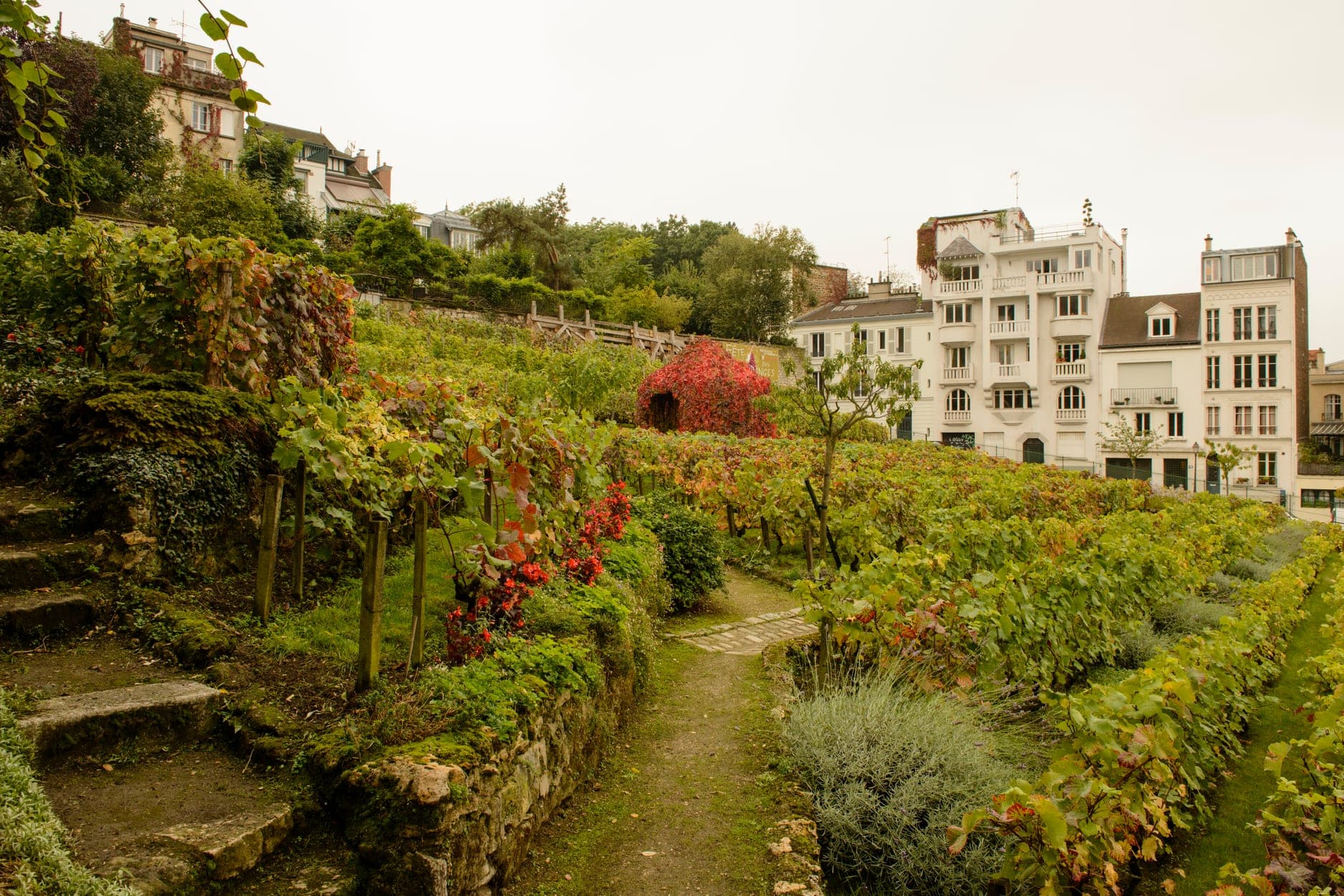
Bordeaux City and Its Négociants Wine Travel Guide (Bordeaux, France)
Bordeaux, the world's wine capital, offers a unique blend of history, culture, and oenological excellence. The city's né
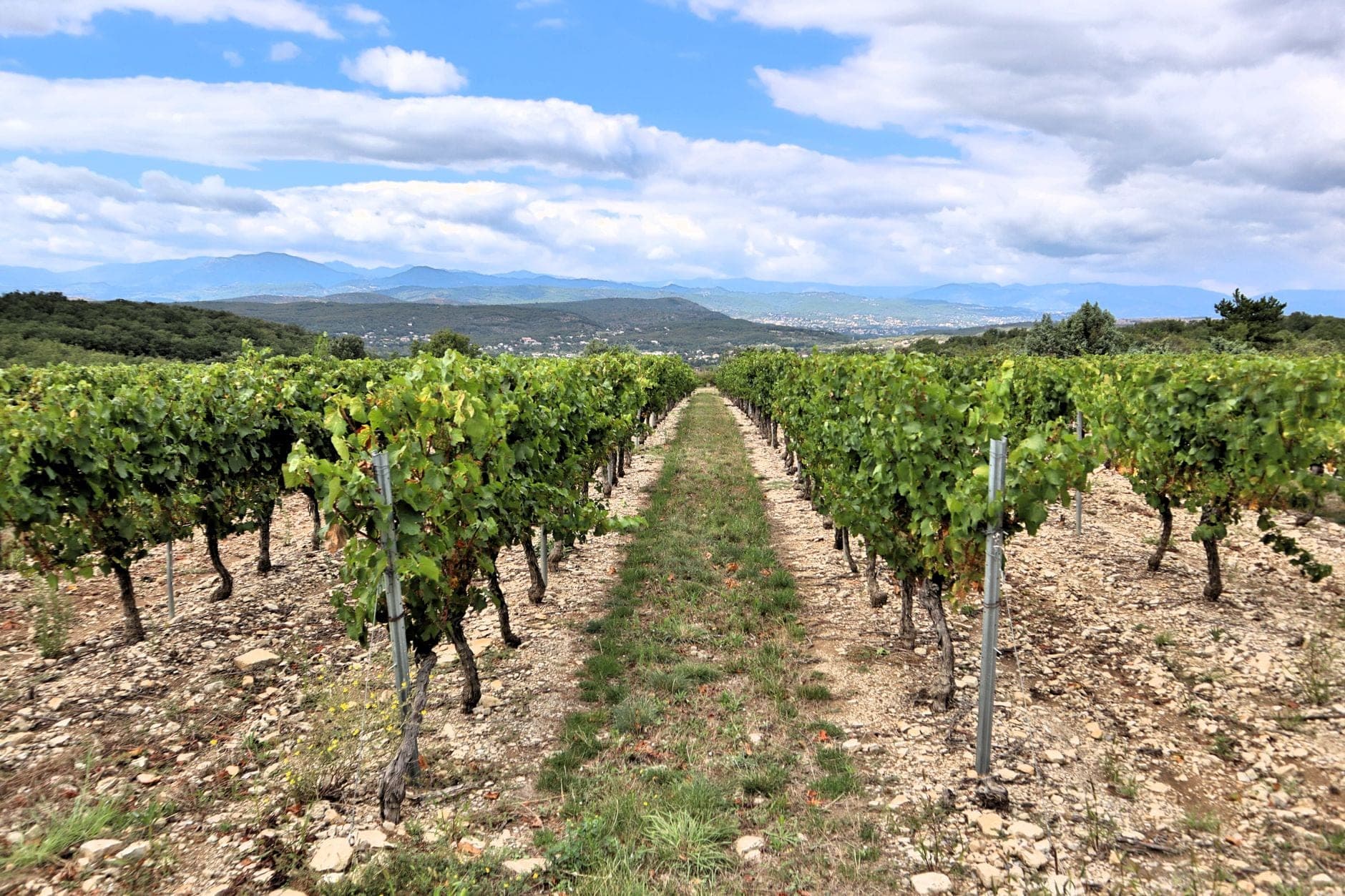
Entre-Deux-Mers, Bourg, and Blaye Wine Travel Guide (Bordeaux, France)
Nestled in the heart of Bordeaux, France, the regions of Entre-Deux-Mers, Bourg, and Blaye offer a captivating blend of
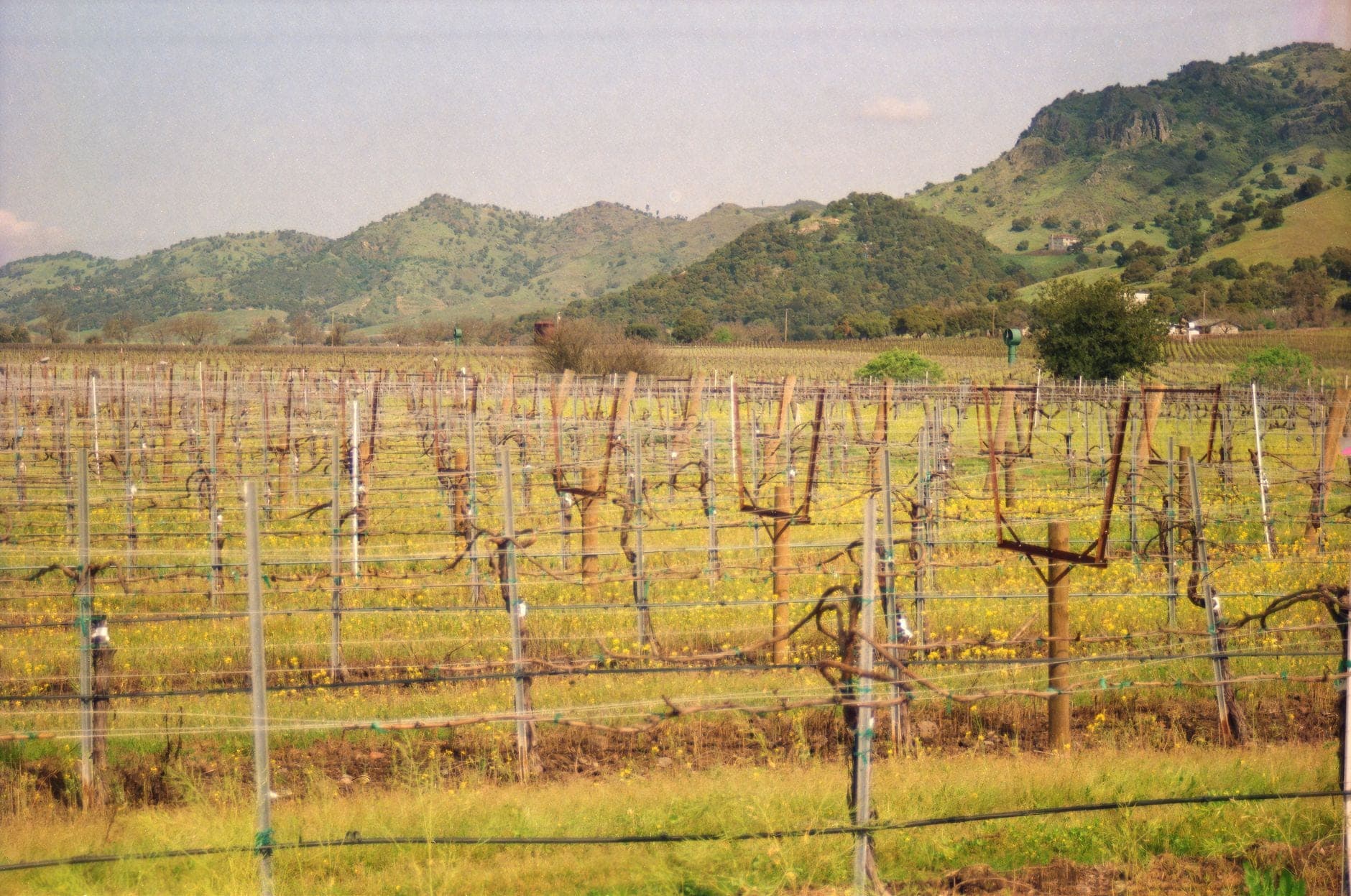
Northern Médoc Wine Travel Guide (Bordeaux, France)
Discover the prestigious wine region of Northern Médoc, home to some of Bordeaux's most renowned appellations. This peni
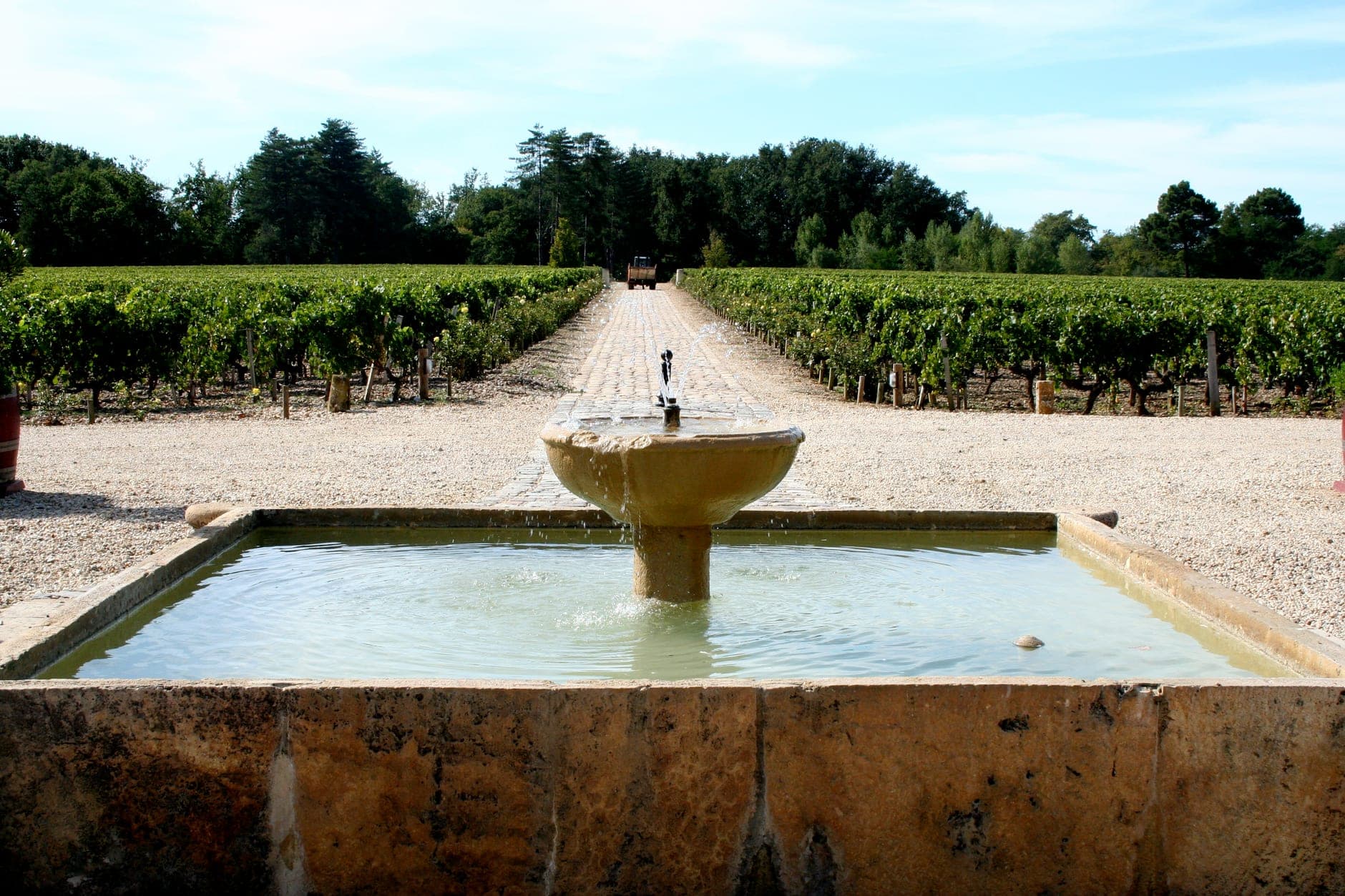
Pessac-Léognan Wine Travel Guide (Bordeaux, France)
Nestled in the heart of Bordeaux, Pessac-Léognan is a wine lover's paradise. This prestigious appellation offers a blend
Pomerol and Fronsac Wine Travel Guide (Bordeaux, France)
Nestled on the Right Bank of Bordeaux, Pomerol and Fronsac offer wine enthusiasts a captivating blend of world-class win
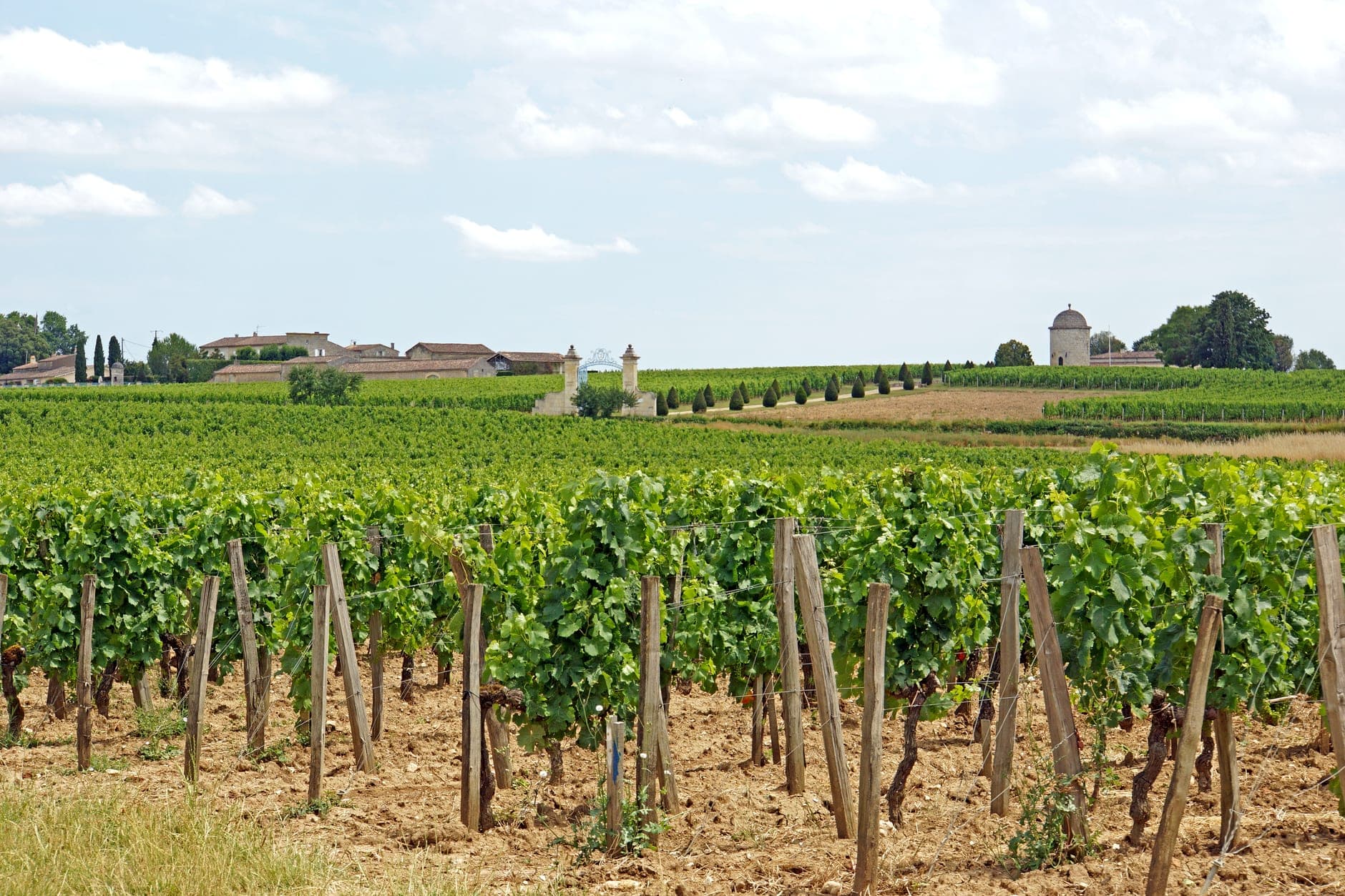
Saint-Émilion and Area Wine Travel Guide (Bordeaux, France)
Saint-Émilion, nestled in the heart of Bordeaux, France, is a UNESCO World Heritage site renowned for its exceptional wi
Southern Graves and Sauternes Wine Travel Guide (Bordeaux, France)
The southern Graves and Sauternes regions of Bordeaux offer a captivating blend of world-class wines and picturesque lan
Southern Médoc Wine Travel Guide (Bordeaux, France)
The Southern Médoc region, nestled within Bordeaux, offers a captivating blend of world-class wines and rustic charm. Th
Best Time to Visit Bordeaux
July-August
September-October
High in summer, moderate in spring/fall
Average Monthly High (°C)
Moderate (800mm/year)Wines of Bordeaux
Key grape varieties and wine styles produced in the region
Primary Grape Varieties
Wine Styles
Food & Dining in Bordeaux
French — BordelaiseMust-Try Dishes
- Entrecôte bordelaise
- Canelés
- Lamproie à la bordelaise
Where to Eat
- €€€€
Le Pressoir d'Argent — Gordon Ramsay
Two Michelin stars at the InterContinental Grand Hotel, known for silver press duck and lobster
- €€€€
La Grand'Vigne — Les Sources de Caudalie
Two Michelin stars at Château Smith Haut Lafitte's vinotherapy resort in Martillac
Book fine dining 2–3 weeks ahead in summer. Bistros are generally walk-in friendly.
Where to stay in the vineyard
Sleep among the vines — our pick of vineyard hotels and estate stays in Bordeaux.
View Bordeaux vineyard hotelsUpcoming Wine Festivals in France
See all festivalsHidden Gems Nearby
Discover more hidden gemsDomaine de la Bongran
WTG PickBurgundy, France
A Burgundy rebel who makes Chardonnay on their own terms, far from the tourist trail of Beaune and Puligny.
Chardonnay
Domaine Huet
WTG PickLoire Valley, France
World-class Chenin Blanc with no queues, no hype, just pure Loire magic in a village setting.
Chenin Blanc
Mas de Daumas Gassac
Languedoc, France
Grand cru quality at a fraction of Bordeaux prices, in a wild, beautiful valley most tourists never find.
Cabernet Sauvignon · Rosé · White Blend
Continue Exploring
Related Guides
France Vineyard Stays: Hotels and Châteaux on Wine Estates Beyond Bordeaux
Stay on a working French wine estate — Provence's Château La Coste with Tadao Ando architecture, Royal Champagne above Épernay, Hostellerie de Levernois in Burgundy, Château d'Isenbourg in Alsace, and Domaine des Hauts de Loire.
Vineyard Hotels in Bordeaux: 7 Wine Estates Where You Can Stay (2026)
Stay on a working Bordeaux wine estate — from Pauillac classed growths to Saint-Émilion Premier Grand Cru and Sauternes Premier Cru. Our guide to 7 vineyard hotels across the Left Bank, Right Bank and Sauternes, with rooms, grapes and what to expect.
How to Visit Bordeaux — Everything You Need to Know
Bordeaux is the world's most famous wine region — but navigating the Left Bank, Right Bank, and 8,000+ châteaux requires a plan. Here it is.
Did You Know?
We’re still gathering facts about Bordeaux. Tell us what makes it special
Ready to visit Bordeaux?
Build your personalised day-by-day itinerary — choose your travel style and trip length, get accommodation and tour picks per day, and email it to yourself to take along.
Plan Your Visit to Bordeaux
Tours & Experiences via GetYourGuide
We may earn a commission
This page contains affiliate links. We may earn a commission at no extra cost to you.