 Photo: Emilio Sánchez Hernández / Pexels
Ribera del Duero Wine Region Guide
Nestled along the Duero River in northern Spain, Ribera del Duero beckons wine lovers with its world-class red wines. This region, known for its robust Temprani
Key takeaways
- Ribera del Duero produces Spain's most structured, age-worthy red wines — entirely from Tempranillo (called Tinto Fino locally), grown at 800–900m altitude on the Castilian meseta. The elevation gives a much cooler climate than Rioja despite similar latitude, producing smaller berries, higher acidity, and deeper colour. The top wines (Vega Sicilia Único, Pesquera Gran Reserva, Aalto PS) age 15–25 years comfortably.
- The DO was only created in 1982. Before that, Vega Sicilia (founded 1864) operated with no regulatory framework as a private estate selling to a small international circle — its global reputation was built entirely without appellation protection. Robert Parker's comparison of the 1986 Pesquera Crianza to Petrus put the whole region on the international map. The recent DO history means most bodegas are still family-run with living founders or their children.
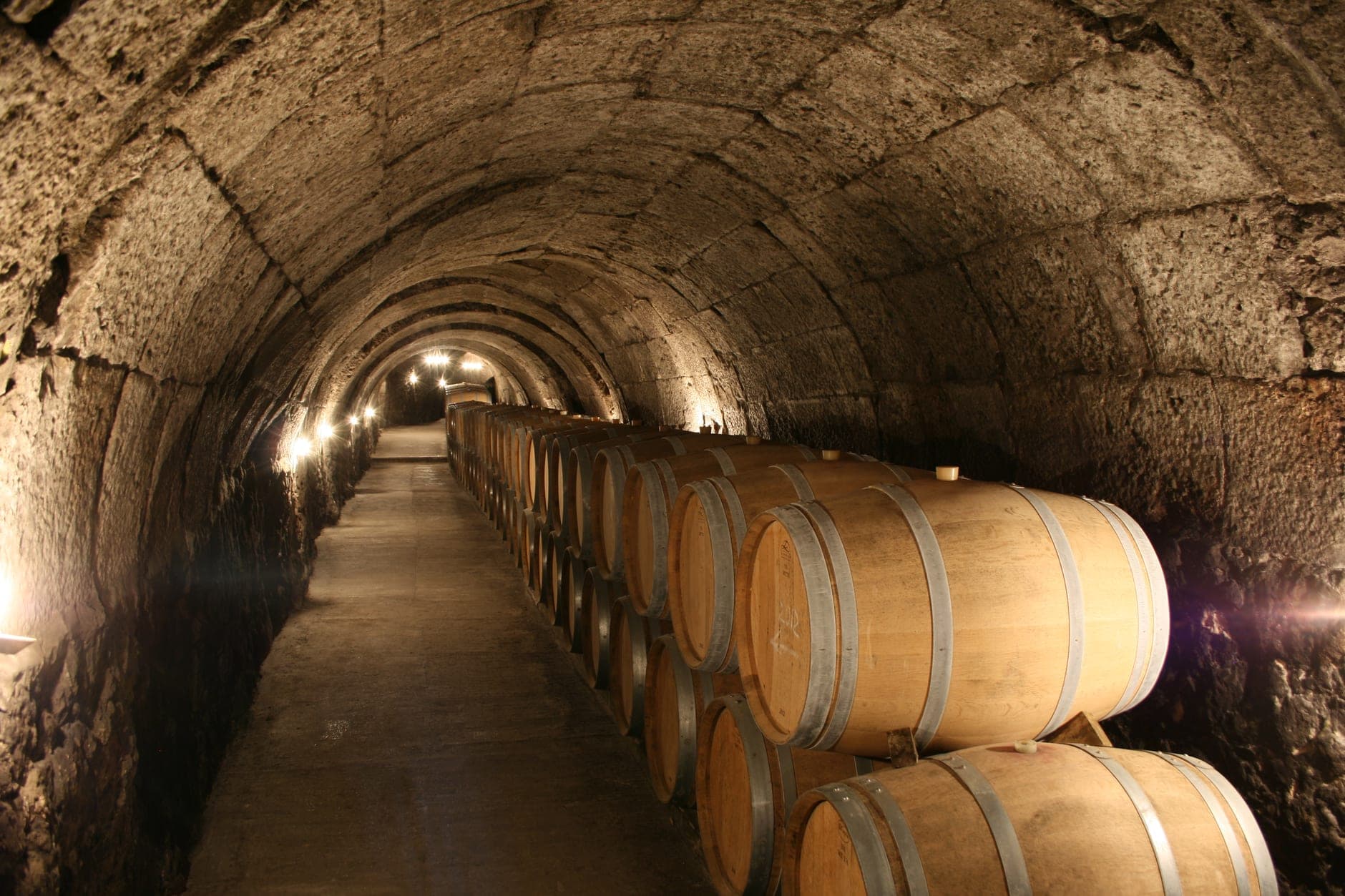
- Aranda de Duero is the best base: most accommodation, the region's most celebrated restaurants (Mesón de la Villa for lechazo — roasted suckling lamb on vine cuttings, the definitive Ribera meal), and the most remarkable piece of wine infrastructure anywhere in Spain: 35km of subterranean medieval cellars (bodegas) beneath the town streets, carved by families over centuries to store wine at 12°C naturally.
- Bodegas are spread across a 115km east–west river valley with no central village cluster. A car is essential; distances between western estates (Vega Sicilia, Abadía Retuerta, Pesquera de Duero) and eastern ones (Aalto, Emilio Moro, Arzuaga) are 40–60km. Budget 3 days minimum for a focused visit, 5 for the full width of the region.
Where to Stay in Ribera del Duero
Make the most of your Ribera del Duero wine trip by staying in the heart of wine country. From luxurious vineyard estates to cozy B&Bs, find the perfect accommodation near world-class wineries.
Top areas to stay
- Peñafiel€€
Castle-topped town with wine museum, central to top bodegas
- Aranda de Duero€-€€
Underground medieval wine cellars, famous lechazo (roast lamb)
- Roa de Duero€
Quiet village near legendary estates like Vega Sicilia
Less touristy than Rioja — easier to book last-minute except during harvest
Stay22
Compare Booking, Airbnb, Hotels.com and more in one search
Editorial pick
Best chateaux to visit in Ribera del Duero — top 10 picks 2026
Read the listicle →
Sample itinerary
3 days in Ribera del Duero — full day-by-day plan
Read the itinerary →
Vineyard hotels
Vineyard hotels in Ribera del Duero — 10 estates where you can stay
Read the guide →
Discover Ribera del Duero: Spain's Wine Heartland
Nestled along the Duero River in northern Spain, Ribera del Duero beckons wine lovers with its world-class red wines. This region, known for its robust Tempranillo grapes, offers a blend of historic charm and modern winemaking excellence.
Wine Regions
Towns and Villages
Explore the charming towns that dot the Ribera del Duero landscape:
- Aranda de Duero: The region's largest town, famous for its underground wine cellars.
- Peñafiel: Home to a stunning castle and the Wine Museum.
- Roa: A historic town with a rich winemaking heritage.
- La Horra: Known for its high-quality vineyards and boutique wineries.
Wine Producers
Visit some of the region's top wineries:
- Vega Sicilia: Spain's most prestigious winery, known for its iconic Unico wine.
- Dominio de Pingus: Produces the highly sought-after Pingus wine.
- Emilio Moro: A family-run winery with a modern approach to traditional winemaking.
- Pesquera: Pioneering winery that helped put Ribera del Duero on the global wine map.
Winery Tours
Many wineries offer guided tours and tastings. Book in advance, especially during peak season (September-October).
Accommodations
Choose from a range of lodging options:
- Hotel AF Pesquera (Peñafiel): Luxury hotel owned by Alejandro Fernández of Pesquera winery.
- Hotel Torremilanos (Aranda de Duero): A charming hotel set in a 14th-century palace.
- Posada Real de Canalejas (Gumiel de Izán): Rural hotel offering a tranquil countryside experience.
- Landa Palace (Burgos): Elegant 5-star hotel, perfect for a luxurious stay.
Dining
Savor local cuisine paired with excellent wines:
- Restaurante José María (Segovia): Known for its succulent roast lamb and extensive wine list.
- La Fábrica (Peñafiel): Modern takes on traditional Castilian dishes.
- El Lagar de Isilla (Aranda de Duero): Set in historic wine cellars, offering regional specialties.
- Mesón de Cándido (Segovia): Famous for its cochinillo asado (roast suckling pig).
Local Specialties
Don't miss trying lechazo (roast lamb) and morcilla (blood sausage), two regional delicacies that pair perfectly with Ribera del Duero wines.
Wine Shops & Bars
Explore the local wine scene at these establishments:
- Vinoteca El Lagar (Aranda de Duero): Extensive selection of Ribera del Duero wines

- La Bodeguilla de San Pedro (Peñafiel): Charming wine bar with tapas
- Enoteca Casajús (Quintana del Pidio): Family-run shop featuring artisanal wines
- Bar El Churro (Roa): Local favorite for wine and pintxos
Tasting Tips
Ask for "vino de la casa" (house wine) to try affordable local options. Many bars offer wine by the glass, allowing you to sample various styles.
Other Shops
Pick up local specialties and souvenirs:
- Quesos Cavia (Peñafiel): Artisanal cheese shop
- La Despensa Castellana (Aranda de Duero): Gourmet food products
- Alfarería Luis (Aranda de Duero): Traditional pottery
- Embutidos Moreno Sáez (Roa): High-quality cured meats
Attractions
Discover the region's cultural and historical sites:
- Peñafiel Castle: Houses the Wine Museum
- Aranda de Duero Underground Cellars: 7km network of wine caves
- Monasterio de Santa María de Valbuena: 12th-century Cistercian monastery
- Clunia Roman Ruins: Ancient Roman city near Peñalba de Castro
Outdoor Activities
Enjoy the landscape through vineyard hikes or cycling routes along the Duero River. Many wineries offer guided tours of their vineyards.
Events
Plan your visit around these wine-themed celebrations:
- Fiesta de la Vendimia (September): Harvest festival in various towns
- Riberjoven (November): Young wine tasting event in Aranda de Duero
- Sonorama Ribera (August): Music festival with wine tastings in Aranda de Duero
- Concurso de Catadores de Vino (May): Wine tasting competition in Peñafiel
Booking Advice
Reserve accommodations and winery tours well in advance for festival dates. Many events offer special wine tasting packages.
Appellations
Understand the region's wine classifications:
- DO Ribera del Duero: Main appellation for red wines
- DO Rueda: Neighboring region known for white wines
- VT Castilla y León: Regional wine designation
Quality Levels
Look for these terms on labels:
- Joven: Young wines
- Crianza: Aged for at least 2 years

- Reserva: Aged for at least 3 years
- Gran Reserva: Aged for at least 5 years
Grape Varieties
Vine Cycle — Ribera del Duero
Full calendar →Ribera del Duero's extreme continental climate means dramatic day-night temperature swings. Harvest is slightly later and more concentrated than Rioja. The lunar-landscape terrain of Pesquera and Roa is hauntingly beautiful in autumn.
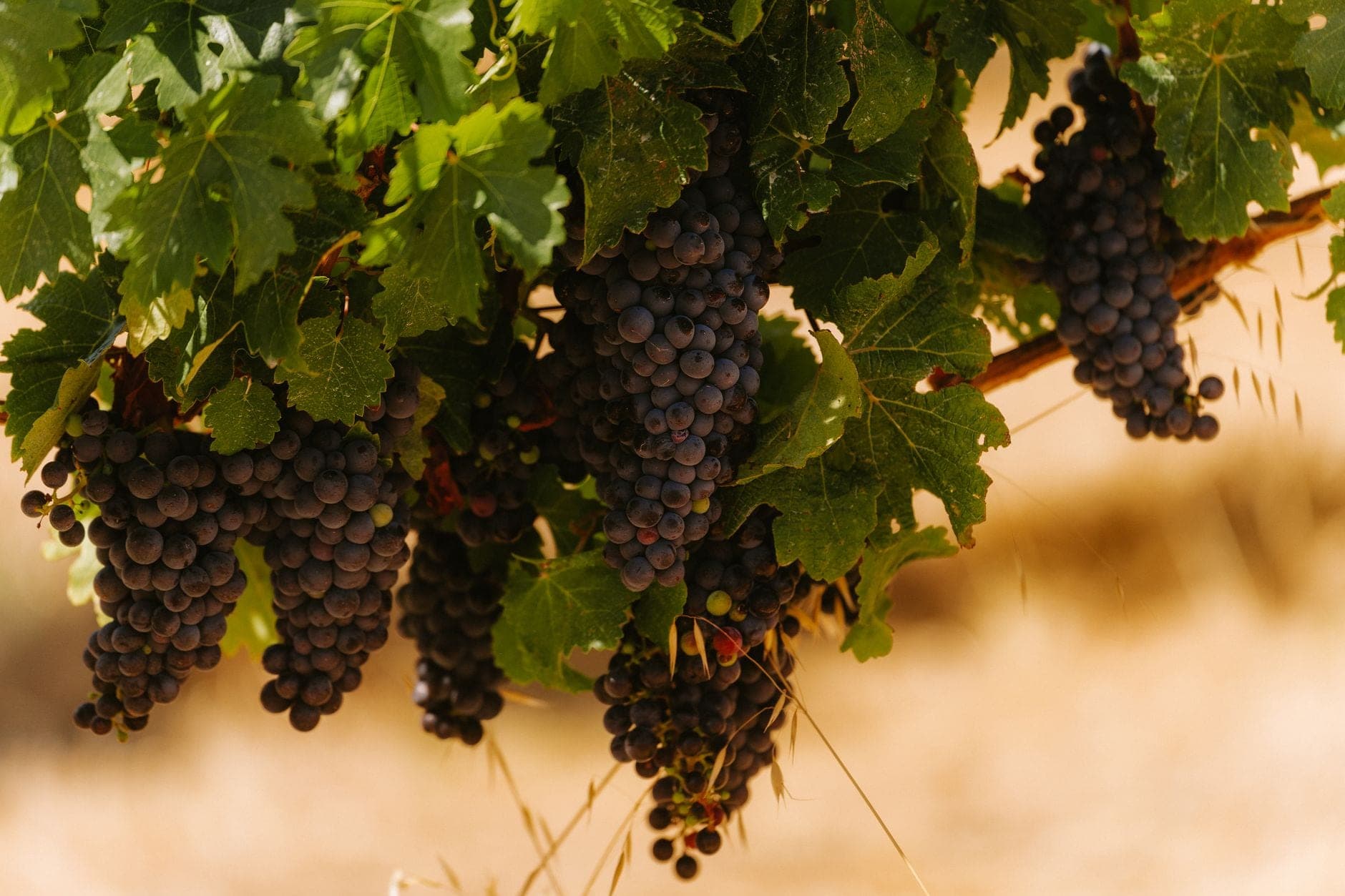
Tempranillo reigns supreme in Ribera del Duero, known locally as Tinto Fino or Tinta del País. It thrives in the region's harsh continental climate.
Other permitted varieties include:
- Cabernet Sauvignon
- Merlot
- Malbec
- Garnacha Tinta
- Albillo Mayor (white grape)
Main Wine Styles
Ribera del Duero is renowned for its bold red wines. The region's classifications are based on aging periods:
- Cosecha/Joven: Young wines with little or no oak aging
- Crianza: Aged for at least 2 years, with 12 months in oak
- Reserva: Aged for at least 3 years, with 12 months in oak
- Gran Reserva: Aged for at least 5 years, with 24 months in oak
White wines from Albillo Mayor are rare but gaining recognition.
Food Specialties
Ribera del Duero's cuisine pairs perfectly with its robust wines. Local specialties include:
- Lechazo: Roast suckling lamb
- Morcilla: Blood sausage
- Queso de oveja: Sheep's milk cheese
- Torta de Aranda: Traditional flatbread
Don't miss the opportunity to try tapas in local bars, often served free with drinks.
Drives & Walks
Explore the region's stunning landscapes and vineyards:
- Ruta del Vino Ribera del Duero: Official wine route connecting wineries and towns
- Sendero del Duero: Hiking trail along the Duero River
- Hoces del Río Riaza Natural Park: Scenic drive and hiking opportunities
Consider renting a car for flexibility in exploring remote wineries and villages.
Itineraries
Weekend Getaway
Day 1: Arrive in Aranda de Duero, visit underground cellars, enjoy tapas crawl
Day 2: Tour iconic wineries like Vega Sicilia or Pingus, lunch in Peñafiel, visit castle
Week-long Wine Immersion
Days 1-2: Explore Peñafiel and surroundings, visit Wine Museum

Days 3-4: Tour wineries in Pesquera de Duero and Quintanilla de Onésimo
Days 5-6: Discover Aranda de Duero and its gastronomy
Day 7: Relax at a wine spa or take a hot air balloon ride over vineyards
Getting There & Around
The closest major airports to Ribera del Duero are:
- Madrid-Barajas Airport (2-3 hours by car)
- Valladolid Airport (1 hour by car)
Renting a car is the best way to explore the region's wineries and villages. Many are not accessible by public transport.
For those preferring public transport:
- Trains connect Madrid to Aranda de Duero and Valladolid
- Buses run between major towns in the region
Best Time to Visit
Monthly Climate — Ribera del Duero
Full explorer →Spring (April-June) and Fall (September-October) offer the most pleasant weather for wine touring.
Key considerations:
- Summers can be extremely hot, with temperatures often exceeding 35°C (95°F)
- Winters are cold, with occasional snow
- Harvest season (September-October) provides a unique winery experience
Sustainability Efforts
Ribera del Duero is embracing sustainable practices:
- Organic viticulture is on the rise, with many wineries obtaining certification
- Water conservation techniques are being implemented due to the region's arid climate
- Some wineries use solar power and other renewable energy sources
Look for the "Wineries for Climate Protection" certification when visiting eco-conscious producers.
Language Tips
While English is spoken in larger towns and wineries, knowing some Spanish can enhance your experience:
- "Vino tinto" - Red wine
- "Bodega" - Winery
- "Cata de vinos" - Wine tasting
- "Salud!" - Cheers!
Learning wine-related terms in Spanish can impress locals and deepen your understanding of the region's wine culture.
Further Resources
For more information on Ribera del Duero:
- Official Ribera del Duero website
- Wines from Spain - Ribera del Duero
- "The Wine Region of Rioja" by Ana Fabiano (includes a section on Ribera del Duero)
Download wine apps like Vivino or CellarTracker to track and rate the wines you taste during your visit.
The Three Estates That Made Ribera del Duero Famous
No wine region earns a reputation overnight. Ribera del Duero's rise from an obscure Castilian backwater to one of the world's great red-wine destinations was driven almost entirely by three estates — each with a radically different story, and each still shaping how the region is understood today.
Vega Sicilia — Spain's Most Iconic Estate
Vega Sicilia was planted in 1864 when Eloy Lecanda Chaves returned from Bordeaux with cuttings of Cabernet Sauvignon, Merlot, Carmenere, Malbec, and Petit Verdot. He grafted them alongside the local Tinto Fino (Tempranillo) on a south-facing terrace above the Duero at Valbuena de Duero — and created something that had no equivalent anywhere in Spain.
The estate's flagship wine, Unico, is aged for a minimum of ten years before release — a combination of time in large French oak casks and bottle that is unique in the DO. In practice, many Unico releases spend 15 to 20 years before leaving the winery. The result is Spain's most expensive and most debated wine: simultaneously archaic and extraordinary. Vega Sicilia also produces Valbuena 5 (released after five years' ageing) and Alion, a more modern-style label from a separate estate.
Visiting is possible but not straightforward. Vega Sicilia requires an introductory letter from an importer or distributor — not simply an online booking. If you do not have a wine trade contact, the most reliable route is to ask a specialist wine retailer who stocks the estate to make the request on your behalf. Lead time is typically four to eight weeks minimum, and a waiting list is common. The cellars are at Valbuena de Duero, 40km east of Valladolid off the N-122.
Dominio de Pingus — 300 Cases That Changed Everything
Peter Sisseck is Danish, trained in Bordeaux, and arrived in Ribera del Duero in 1991 to manage Hacienda Monasterio. In 1995 he produced the first vintage of Pingus — 300 cases from three hectares of ancient, ungrafted Tinto Fino vines in the village of Pesquera de Duero. Robert Parker awarded it 98 points. The wine immediately sold for more than any other Spanish red, and the prestige Spain wine movement was effectively born.
Today Pingus releases fetch between 500 and 1,200 euros per bottle on the secondary market. Sisseck also produces Psi, a genuinely excellent everyday Ribera made from old-vine grapes across the DO — his way of making the region's terroir accessible at around 25 to 35 euros. Pingus as an estate has no visitor programme: it is three hectares of vines and a small cellar, and Sisseck is not interested in tourism. If you want to try the wine, source a bottle of Psi from a local wine shop — it is one of the best introductions to what Ribera del Duero can do at a fraction of the headline price.
Bodegas Pesquera — Opening the DO to the World
Alejandro Fernandez planted his first Tinto Fino vines in 1972, at a time when most of the Ribera del Duero was an agricultural afterthought. He believed the region's extreme continental climate — scorching summers, winters that regularly hit -20 degrees Celsius, altitude between 750 and 900 metres — produced a concentration and structure that Rioja could not match. He was right, but it took nearly a decade for the world to notice.
In the 1980s, Pesquera wines began winning blind tastings against top Bordeaux. A 1990 Wine Spectator feature gave Pesquera's 1982 vintage 96 points and coined the phrase 'the Petrus of Spain.' Unlike Vega Sicilia, the Fernandez estates are open to visitors. Book Pesquera or the adjacent Condado de Haza two to three weeks in advance via their website; tastings run around 15 to 20 euros per person. The winery in Pesquera town is a working bodega, not a wine tourist set piece — which gives it a different energy from the more polished operations further west.
Practical note: Vega Sicilia requires an importer introduction and significant advance planning. Pingus has no public visitor programme. Pesquera and Condado de Haza can be booked directly online with a few weeks' notice — they are the most accessible of the three, and a tasting here gives you the clearest reference point for understanding what made the DO famous.
The Golden Mile and the Four Zones of Ribera del Duero
Most visitors arrive in Ribera del Duero with a mental map that consists of two words: Penafiel and Vega Sicilia. The reality is more complex and, for a traveller, more interesting. The DO covers 115 kilometres from west to east across four provinces — Burgos, Valladolid, Soria, and Segovia — and each zone produces wine with a noticeably different character.
The Golden Mile (Milla de Oro) — Burgos Province
The densest concentration of prestige producers in Spain runs through a narrow corridor in southern Burgos province, centred on the villages of La Horra, Roa de Duero, and Pedrosa del Duero. Altitude here is 800 to 850 metres. The soils are a mix of chalky limestone and clay — thin, poor, and cold — which forces the Tinto Fino vine to dig deep and produce small, intensely flavoured berries.
This is where Pingus sources its three hectares of old ungrafted vines. It is also where you find Aalto (founded by the former technical director of Vega Sicilia), Vina Sastre (a family estate with some of the oldest vines in the DO, and a Michelin-starred restaurant attached), and a cluster of smaller producers making wine that punches well above its modest price. If you have a serious wine agenda, the Golden Mile is the first priority.
Penafiel Valley — Valladolid Province
Penafiel is the postcard image of Ribera del Duero: a 14th-century castle that looks like an anchored ship running along a narrow ridge, with the Duero valley and a sweep of vineyards below. The castle houses the Museo Provincial del Vino (8 euros entry, a useful orientation before you start tasting). Protos, the DO's largest commercial producer, is built directly into the hill beneath the castle — its cave cellars extend under the rock, and the winery building above them was designed by the Rogers Stirk Harbour practice. Tours run daily in English and Spanish; book online roughly two weeks ahead at approximately 15 euros per person including a two-wine tasting.
Just outside Penafiel: Pago de Carraovejas, one of the region's most visitor-friendly estates, with a Michelin-starred restaurant and tasting fees around 40 to 60 euros. Emilio Moro is a short drive away in Pesquera de Duero — a family estate that expanded from 75 to 500-plus acres over three generations, producing single-vineyard Tinto Fino at prices that still feel honest.
Aranda de Duero Corridor — South Burgos
Aranda de Duero is the DO's main commercial hub — a city of 30,000 with more restaurants, more hotel beds, and better transport links than Penafiel. Its wine identity is built around the medieval underground cellars that run beneath the old town. Winery density is lower here than the Golden Mile or Penafiel Valley, but Arzuaga Navarro in Quintanilla de Onesimo (a 30-minute drive northwest) and Abadia Retuerta in Sardon del Duero (technically just outside the DO boundary) are both within easy range.
Soria and Segovia — The Eastern Fringe
The easternmost sections of the DO, running into Soria and Segovia provinces, are the least visited and the least understood. Altitude climbs toward 900 metres and beyond, soils shift, and the wines tend toward a fresher, lighter style with more pronounced acidity — a useful counterpoint to the concentrated, muscular profile that defines the DO's commercial core. For value hunters and those who want to avoid the crowds, this fringe is worth exploring. Names to seek out include Bodegas Legaris (Pedrosa del Duero, Codorniu-owned, castle views) and Ferratus (Pedrosa, approachable family estate).
Best Wineries to Visit in Ribera del Duero
Not every great winery is a great place to visit, and not every visitor-friendly winery produces memorable wine. The list below is organised by how easy each estate is to access — because in Ribera del Duero, that variable matters more than in most wine regions.
Tier 1 — Open to the Public, Easy Booking
Protos (Penafiel): The oldest continuously operating winery in the DO, founded in 1927. The cave cellars beneath Penafiel Castle are genuinely spectacular — two kilometres of tunnels carved into the rock, maintained at a near-constant 12 degrees year-round. The building above ground was designed by the Rogers Stirk Harbour practice. Tours run daily in English and Spanish; book online roughly two weeks ahead. Cost: approximately 15 euros per person, including a two-wine tasting. The visit works well as a first stop in the region — it gives you the history and the geography in a single afternoon.
Emilio Moro (Pesquera de Duero): A family estate that grew from a small plot in Pesquera village to 500-plus acres across multiple sites. The winery is not dramatic architecturally, but the wines — particularly the single-vineyard Clunia and Malleolus labels — are among the most honest expressions of Tinto Fino in the DO. Family members often lead the tours. Book one week in advance via their website; tastings from 15 to 20 euros.
Pago de Carraovejas (Penafiel): Set in a natural amphitheatre just outside Penafiel, this estate has one of the best visitor experiences in the DO — the tour takes in both the production facility and the cave cellar, and there is a Michelin-starred restaurant on-site. Tasting fees run 40 to 60 euros per person. Book two to three weeks ahead; this one fills up fast, especially on summer weekends.
Arzuaga Navarro (Quintanilla de Onesimo, just off the N-122): A luxury hotel, spa, and winery combined on one estate. You do not need to stay to do the tour. The visit covers the cellar, the barrel room, and a tasting of their range from Roble to Gran Reserva. The setting — terraced vineyards running down to the Duero — is one of the most photogenic in the region. Book one week ahead; tours from 20 euros per person.
Abadia Retuerta (Sardon del Duero): Technically just outside the DO boundary, but it belongs in any Ribera del Duero itinerary. A 12th-century Premonstratensian abbey converted into a luxury hotel with a Michelin-starred restaurant on-site, with 700 hectares of vineyards running down to the river. Estate tours are available to non-guests; book through their website. Even if you only stop for a walk through the cloister, it is worth the detour.
Tier 2 — Worth Planning Ahead
Bodegas Pesquera and Condado de Haza (Alejandro Fernandez estates): Both can be booked directly through the Fernandez group website. Lead time: two to four weeks. Tastings are straightforward and unpretentious — you are visiting working bodegas, not wine resort complexes. The Condado de Haza facility in Roa uses a gravity-flow design that is interesting for anyone who wants to understand how modern Ribera winemaking works.
Hacienda Monasterio (Pesquera de Duero): This is where Peter Sisseck worked before launching Pingus, and the estate now operates in collaboration with the German winemaker Egon Muller. Not the easiest visit to arrange — contact them directly by email with reasonable notice. Worth the effort for serious wine travellers.
Tier 3 — Not Publicly Visitable
Dominio de Pingus: Three hectares, no tasting room, no visitor programme. Buy a bottle of Psi from a local wine shop instead.
Vega Sicilia: Requires an introductory letter from an importer or distributor. Without that connection, the winery does not accept bookings from individual visitors.
Aranda de Duero: Spain's Underground Wine City
Beneath the streets of Aranda de Duero runs one of the most extraordinary and least-known wine experiences in Europe. The old town sits above approximately 300 kilometres of hand-carved cellars — bodegas subterraneas — hewn from the soft calcareous rock between the 12th and 15th centuries. For medieval traders and local families, they solved a simple refrigeration problem: the underground temperature holds at a steady 11 to 12 degrees Celsius year-round, regardless of what happens above ground. Ribera del Duero summers can push 40 degrees; those cellars kept the wine alive.
Several of the larger cellar systems are now open for guided tours. The Bodega Municipal de Aranda and the Casa del Vino both run visits that take you through the tunnels, explain the medieval construction methods, and finish with a tasting. Tours cost approximately 5 to 8 euros per person and run 60 to 90 minutes; book through the Aranda de Duero tourism office, which lists current schedules and prices. For most visitors, this takes a morning and leaves the afternoon free for a winery.
The food angle is worth planning around. Aranda is the lechazo capital of Castilla y Leon — roast milk-fed lamb cooked in a wood-fired horno. The benchmark addresses are Casa Florencio (historic, three generations of the same family, famously no-frills) and Meson El Pastor (similar tradition, slightly more polished). Lunch here after a cellar tour is the classic local format: underground tour in the morning, roast lamb at 2pm.
As a base for a Ribera del Duero trip, Aranda has practical advantages over Penafiel. More hotels, more restaurants, a larger town centre, and a direct bus connection from Madrid's Estacion Sur (approximately two hours). The underground cellars are the reason to come; the food scene is the reason to stay an extra night.
Ribera del Duero vs Rioja: Which Should You Visit?
This is the most common question from travellers planning a Spanish wine trip, and it deserves a straight answer rather than diplomatic hedging. The two regions produce Spain's most celebrated red wines — both are dominated by Tempranillo (called Tinto Fino here, Tempranillo there), both are within two hours of Madrid, and both have world-class producers. But the experience of visiting them is genuinely different.
Rioja is the better-organised wine tourism destination. The infrastructure has been built up over decades: English is widely spoken at wineries, many cellars accept walk-in visits or can be booked the same week, and there is an established circuit of architecturally significant bodegas. Bilbao airport is under an hour from the Rioja Alavesa. If you have never visited a Spanish wine region before, Rioja is the easier first trip.
Ribera del Duero suits the visitor who wants something less packaged. The landscape is starker — limestone plateaus and river terraces at 750 to 900 metres, dramatic in autumn during harvest, lunar in winter. Wineries tend to require more advance planning. Even the accessible estates like Protos and Emilio Moro reward a booking made at least two weeks ahead. The wine style tends toward more muscular and structured reds that benefit from decanting.
For travellers who have already done Rioja and want to go deeper into Spanish wine: Ribera del Duero. For first-timers who want a smooth, accessible introduction: Rioja. For those with a week to spend: the classic combination is three nights in Rioja and two in Ribera. Both regions are reachable on the same Madrid-Bilbao drive if you add a loop south through Burgos. The 2.5-hour drive between them cuts across the Meseta and is one of the better Spanish road-trip corridors.
Reading a Ribera del Duero Wine Label
Ribera del Duero wines are labelled by ageing category — a system that tells you how long the wine has spent in oak and bottle before release. Understanding these designations is the most useful piece of prior knowledge you can bring to a bodega tasting, because it directly tells you what style to expect and roughly what you should pay.
Tinto Fino is the local name for Tempranillo, the only red variety permitted for Ribera del Duero reds. This is worth noting if you are comparing labels: in Rioja the same grape is called Tempranillo; in neighbouring Toro it is Tinta de Toro. Same vine, slightly different regional adaptations due to altitude and soil.
Joven: No oak, or very minimal. Made to drink within one to three years. Bright, fruity, low tannin. Good value for everyday drinking; buy it at the winery shop and open it that evening.
Roble: Short oak ageing, typically three to six months in French or American barrels. The entry point for structured Ribera. Still approachable young but with more texture than Joven. Typical winery price: 8 to 15 euros.
Crianza: Minimum 24 months total ageing, with at least 12 in oak. This is the sweet spot for price-to-quality in Ribera del Duero. The wine has sufficient structure to be interesting and sufficient time in barrel to have absorbed complexity. Typical winery price: 15 to 25 euros. A Pesquera Crianza or Emilio Moro Crianza from a good vintage is one of the best-value wine experiences in Europe.
Reserva: Minimum 36 months total, 12 of those in oak. More concentrated, more complex, more demanding of decanting. Winery price: 25 to 45 euros for most estates, higher for prestige labels.
Gran Reserva: Minimum 60 months total ageing, with at least 18 in oak. Only produced in the best vintages. Dense, structured, and usually needs at least two to five additional years in bottle after purchase before it is showing its best. Winery price: 50 euros and up, often significantly more. Buying Gran Reserva at the winery and drinking it young is the most common way to waste good money in Ribera del Duero.
One development worth knowing: since around 2015, a new generation of Ribera del Duero winemakers has been moving away from heavy oak extraction toward fresher, lighter expressions that show the region's terroir more clearly. Estates like Vina Sastre, Aalto, and the producers working in the Golden Mile corridor have led this shift. The result is that modern Ribera offers a range of styles — from the old-school oxidative richness of Vega Sicilia Unico to lean, almost Burgundian single-vineyard Tinto Fino from old bush vines at altitude. That range makes the DO one of the most dynamically interesting wine regions in Europe right now.
4-Day Ribera del Duero Itinerary from Madrid
Ribera del Duero is 170 kilometres north of Madrid on the A-1 motorway — a straightforward two-hour drive. A hire car is strongly recommended: regional train services to Penafiel and Aranda de Duero exist but are infrequent, and the taxi costs between villages make a guided tour competitive with renting a car. The itinerary below uses Penafiel as a base for the first two nights and Aranda de Duero for the third.
Day 1 — Madrid to Penafiel (170km, 2 hours)
Leave Madrid mid-morning on the A-1 toward Burgos, exit at Aranda de Duero, then follow the N-122 west along the Duero valley to Penafiel. Stop in Aranda for lunch at Casa Florencio or Meson El Pastor — you are arriving in the lechazo capital of Spain and there is no reason to delay that discovery.
Afternoon: check into a hotel in or near Penafiel (the Convento Las Claras — a converted convent with castle views — is the most atmospheric option), then spend 90 minutes at Protos. English-language tours run in the afternoon; the cave cellars under the castle hill are the best single winery visit in the DO for first-timers. The Museo Provincial del Vino in the castle above (8 euros) is worth 45 minutes if you want historical context before the tasting days begin.
Day 2 — Golden Mile Loop (40km circuit)
A day on the Milla de Oro, centred on La Horra, Roa de Duero, and Pesquera de Duero. Morning: Vina Sastre in La Horra — a family estate with some of the oldest bush-vine Tinto Fino in the DO and a Michelin-starred restaurant attached. Their standard tour takes 60 to 90 minutes; book at least a week ahead.
Lunch in Roa de Duero — a compact hilltop town with a fine Romanesque church and good restaurants on the main plaza. In the afternoon, drive to Pesquera de Duero for Emilio Moro. This is one of the most welcoming estates in the region — family-run, unpretentious, and producing some of the best-value single-vineyard wine in the DO. If your budget allows, end the day at Pago de Carraovejas for a tasting before dinner, or book their Refectorio restaurant for the evening.
Day 3 — Aranda de Duero (Penafiel to Aranda, 45km east)
Check out of Penafiel and drive east along the N-122 to Aranda de Duero (45 minutes). Morning: guided tour of the bodegas subterraneas — the medieval underground cellar network beneath the old town. Book through the Aranda tourism office before the trip; tours run at set times and fill up on weekends. The tunnels take 60 to 90 minutes and cost 5 to 8 euros per person.
Lunch: lechazo asado at Casa Florencio or Meson El Pastor. This is not optional.
Afternoon: drive 30 minutes northwest on the N-122 to Arzuaga Navarro at Quintanilla de Onesimo — estate tour and tasting against the backdrop of the Duero valley. Alternatively, continue to Abadia Retuerta at Sardon del Duero (20 minutes further): the 12th-century abbey converted to a luxury hotel has estate tours regardless of whether you are staying. If you are making one splurge on this trip, the Abadia Retuerta tasting paired with a walk through the cloister is it.
Day 4 — Optional Extension or Return to Madrid
From Aranda de Duero, Madrid is two hours on the A-1. If you have a fourth full day, consider a morning in Valladolid (45 minutes west on the A-11) — the old city has strong Renaissance architecture and a covered market that is among the best places in the region to buy wine to take home. Valladolid airport has direct flights to several European cities if you prefer not to return to Madrid.
Budget: a self-drive four-day trip including winery tasting fees runs approximately 350 to 500 euros per person excluding accommodation and restaurant meals. The main variable is whether you eat at Michelin level or stick to the local lechazo-and-wine-bar circuit — both are genuinely good options, and neither is a compromise. Use the trip planner at /plan to generate a customised itinerary with your preferred pace and interests.
Best for
- Collectors of age-worthy Spanish redsVega Sicilia Único, released after a minimum of 10 years ageing, is Spain's most prestigious wine and one of the world's most sought-after bottles — not through marketing but through consistent 50-year track record. Below it, Pingus (from one hectare of 70-year-old Tinto Fino vines in La Horra), Aalto PS, and Pesquera Janus Gran Reserva represent a bench of serious age-worthy wines at different price points. A Ribera visit provides context for these labels that no tasting room elsewhere can replicate.
- Architecture and design visitorsTwo of Spain's most remarkable winery buildings are in Ribera del Duero: Portia in Gumiel de Izán (a three-wing Norman Foster structure shaped like a propeller, 2010) and Abadía Retuerta's converted 12th-century Premonstratensian monastery (now a luxury hotel and restaurant in a UNESCO-listed building). Pago de Carraovejas sits below Peñafiel's red sandstone castle on a ridge — a photogenic setting matched by few European estates.
- Food-focused wine travellersLechazo (roast suckling lamb cooked in wood-fired clay ovens over vine cuttings) is the definitive Ribera del Duero food experience — served at Mesón de la Villa (Aranda de Duero), El Lagar de Isilla (Peñafiel), and a handful of other establishments that have been perfecting the same dish for decades. Abadía Retuerta's restaurant LeDomaine holds a Michelin star and sits inside a medieval monastery. The pairing of Tinto Fino Reserva with lechazo is one of Spain's great regional food-and-wine combinations.
- Rioja alternatives seeking more structureVisitors who find Rioja Gran Reserva's American oak and vanilla character too prominent often discover Ribera as the more austere alternative. Tinto Fino at 900m altitude produces tighter, more tannic wines — less generous on release but more compelling with 10+ years of bottle age. The best Ribera Reservas from mid-tier estates (Emilio Moro Malleolus, Condado de Haza Alenza) offer complexity at prices well below the region's headline names.
Getting There
VLL — Valladolid
50min drive
1h AVE from Madrid to Valladolid, then 50min drive
limitedCar rental recommended
Where to Eat
Spanish — Castilian
- €€€€
Refectorio — Abadía Retuerta
fine dining
- €€€
Portia Winery Restaurant
winery restaurant
Where to Stay in Ribera del Duero
- Peñafiel€€
Castle-topped town with wine museum, central to top bodegas
- Aranda de Duero€-€€
Underground medieval wine cellars, famous lechazo (roast lamb)
- Roa de Duero€
Quiet village near legendary estates like Vega Sicilia
Less touristy than Rioja — easier to book last-minute except during harvest
Stay22
Tours & Experiences
Ribera del Duero, Spain
Ribera del Duero Tempranillo tour
Visit 2-3 premium Tempranillo producers with barrel and bottle tastings
Peñafiel castle & wine museum visit
Castle tour with interactive wine museum + regional wine tasting
Wine Experiences
Visiting Wineries
Ribera del Duero has limited wine tourism infrastructure outside Valladolid. Most premium bodegas require appointments. Vega Sicilia is visit-by-invitation only. Plan well ahead for any quality tasting experience.
Book ahead: 2–4 weeks · Top estates: Vega Sicilia: invitation only. Pingus: not open to public. Others: 2–4 weeks.
Planning tools & local info
Best for
- Collectors of age-worthy Spanish redsVega Sicilia Único, released after a minimum of 10 years ageing, is Spain's most prestigious wine and one of the world's most sought-after bottles — not through marketing but through consistent 50-year track record. Below it, Pingus (from one hectare of 70-year-old Tinto Fino vines in La Horra), Aalto PS, and Pesquera Janus Gran Reserva represent a bench of serious age-worthy wines at different price points. A Ribera visit provides context for these labels that no tasting room elsewhere can replicate.
- Architecture and design visitorsTwo of Spain's most remarkable winery buildings are in Ribera del Duero: Portia in Gumiel de Izán (a three-wing Norman Foster structure shaped like a propeller, 2010) and Abadía Retuerta's converted 12th-century Premonstratensian monastery (now a luxury hotel and restaurant in a UNESCO-listed building). Pago de Carraovejas sits below Peñafiel's red sandstone castle on a ridge — a photogenic setting matched by few European estates.
- Food-focused wine travellersLechazo (roast suckling lamb cooked in wood-fired clay ovens over vine cuttings) is the definitive Ribera del Duero food experience — served at Mesón de la Villa (Aranda de Duero), El Lagar de Isilla (Peñafiel), and a handful of other establishments that have been perfecting the same dish for decades. Abadía Retuerta's restaurant LeDomaine holds a Michelin star and sits inside a medieval monastery. The pairing of Tinto Fino Reserva with lechazo is one of Spain's great regional food-and-wine combinations.
- Rioja alternatives seeking more structureVisitors who find Rioja Gran Reserva's American oak and vanilla character too prominent often discover Ribera as the more austere alternative. Tinto Fino at 900m altitude produces tighter, more tannic wines — less generous on release but more compelling with 10+ years of bottle age. The best Ribera Reservas from mid-tier estates (Emilio Moro Malleolus, Condado de Haza Alenza) offer complexity at prices well below the region's headline names.
Getting There
VLL — Valladolid
50min drive
1h AVE from Madrid to Valladolid, then 50min drive
limitedCar rental recommended
Where to Eat
Spanish — Castilian
- €€€€
Refectorio — Abadía Retuerta
fine dining
- €€€
Portia Winery Restaurant
winery restaurant
Where to Stay in Ribera del Duero
- Peñafiel€€
Castle-topped town with wine museum, central to top bodegas
- Aranda de Duero€-€€
Underground medieval wine cellars, famous lechazo (roast lamb)
- Roa de Duero€
Quiet village near legendary estates like Vega Sicilia
Less touristy than Rioja — easier to book last-minute except during harvest
Stay22
Tours & Experiences
Ribera del Duero, Spain
Ribera del Duero Tempranillo tour
Visit 2-3 premium Tempranillo producers with barrel and bottle tastings
Peñafiel castle & wine museum visit
Castle tour with interactive wine museum + regional wine tasting
Wine Experiences
Visiting Wineries
Ribera del Duero has limited wine tourism infrastructure outside Valladolid. Most premium bodegas require appointments. Vega Sicilia is visit-by-invitation only. Plan well ahead for any quality tasting experience.
Book ahead: 2–4 weeks · Top estates: Vega Sicilia: invitation only. Pingus: not open to public. Others: 2–4 weeks.
Explore Wine Regions in Ribera del Duero
Central Ribera Wine Travel Guide (Ribera del Duero, Spain)
Nestled in the heart of Spain, Ribera del Duero is a wine lover's dream. This region, known for its bold red wines, offe
Eastern Ribera Wine Travel Guide (Ribera del Duero, Spain)
Eastern Ribera del Duero is a renowned wine region in north-central Spain. It's famous for its bold red wines made prima
Western Ribera Wine Travel Guide (Ribera del Duero, Spain)
Western Ribera del Duero, a renowned wine region in northern Spain, offers a captivating blend of rich viticultural heri
Best Time to Visit Ribera del Duero
June-September
October
Moderate, less touristy than Rioja
Average Monthly High (°C)
Low (450mm/year)Wines of Ribera del Duero
Key grape varieties and wine styles produced in the region
Primary Grape Varieties
Wine Styles
Food & Dining in Ribera del Duero
Spanish — CastilianMust-Try Dishes
- Lechazo asado (roast suckling lamb)
- Morcilla de Burgos (blood sausage with rice)
- Sopa castellana (garlic-bread soup)
Where to Eat
- €€€€
Refectorio — Abadía Retuerta
Michelin-starred restaurant in a 12th-century monastery estate near Sardón de Duero, breathtaking setting
- €€€
Portia Winery Restaurant
Frank Gehry-designed winery near Gumiel de Izán with a restaurant focused on Tempranillo and roast lamb
Refectorio requires booking well ahead. Aranda de Duero asadores fill with weekenders — book Friday and Saturday meals.
Where to stay in the vineyard
Sleep among the vines — our pick of vineyard hotels and estate stays in Spain.
View Spain vineyard hotelsUpcoming Wine Festivals in Spain
See all festivalsHidden Gems Nearby
Discover more hidden gemsClos Mogador
WTG PickPriorat, Spain
One of Priorat's founding five estates, perched on terrifying slate terraces that you can walk through with the winemaker himself.
Grenache · Carignan · Syrah
Envínate
WTG PickCanary Islands, Spain
Pre-phylloxera vines on a volcano at 1,700 metres — Spain's most exciting young winemakers in the most unlikely of locations.
Listán Negro · Listán Blanco
Bodegas Forjas del Salnés
Galicia, Spain
Single-vineyard Albariños that prove this grape belongs in the conversation with great white Burgundy, from a quiet Galician village.
Albariño
Continue Exploring
Did You Know?
We’re still gathering facts about Ribera del Duero. Tell us what makes it special
Ready to visit Ribera del Duero?
Build your personalised day-by-day itinerary — choose your travel style and trip length, get accommodation and tour picks per day, and email it to yourself to take along.
Plan Your Visit to Ribera del Duero
This page contains affiliate links. We may earn a commission at no extra cost to you.