Slavonia Wine Region, Croatia: Graševina Country & Emerging Wine Destination
Slavonia Wine Region, Croatia: Graševina Country & Emerging Wine Destination
Introduction
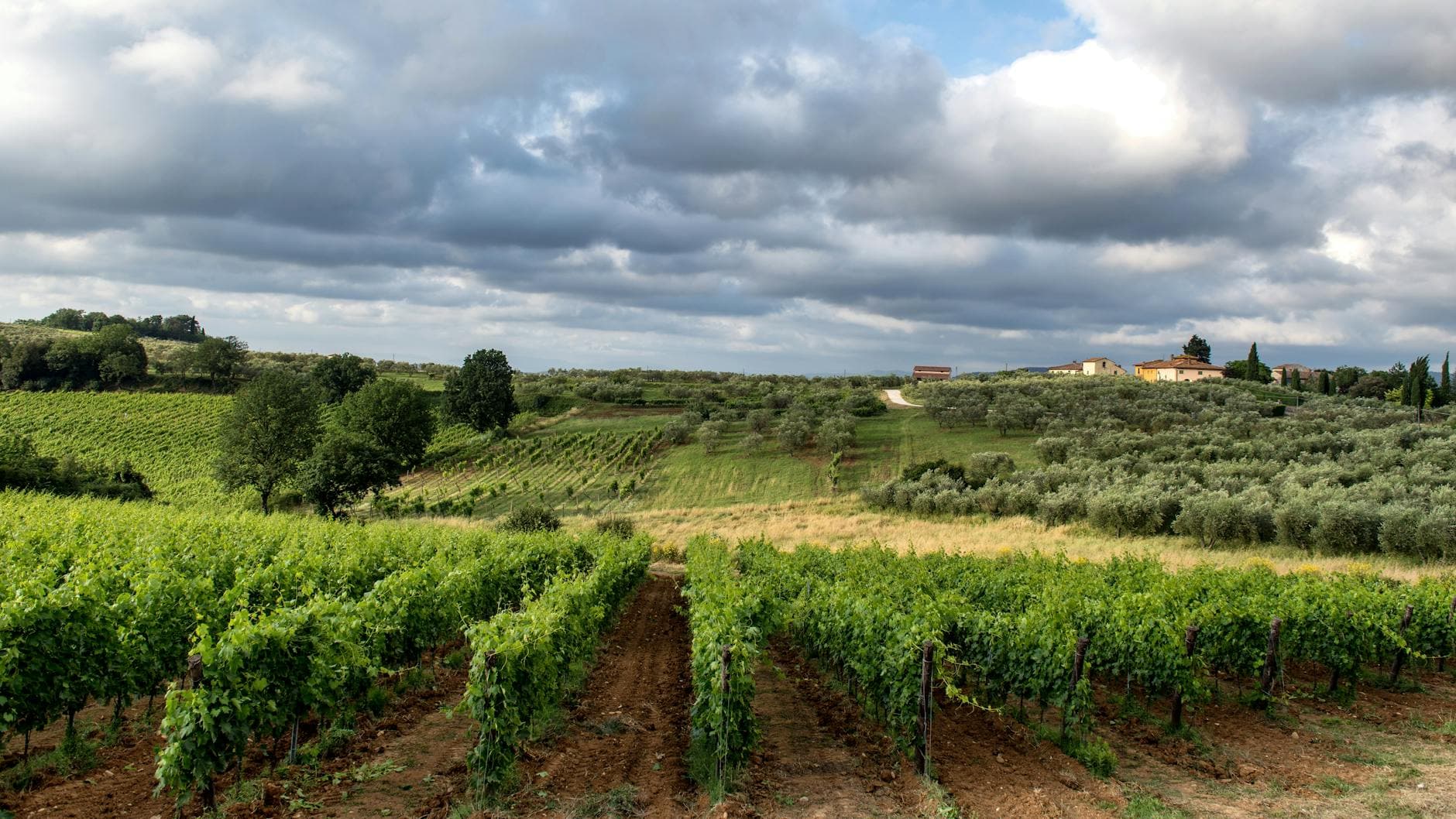
Most visitors come to Croatia for the coast — the Adriatic, Dubrovnik's walls, Dalmatia's Plavac Mali. Eastern Croatia barely registers on the wine tourist circuit, which is precisely why it is worth going. Slavonia is Croatia's largest wine-producing region by area, stretching across the flat Pannonian plain between the Drava and Sava rivers, pressed up against Hungary to the north and Serbia to the east. The landscape here has nothing in common with the rocky terraces of the Dalmatian islands: this is agricultural, continental, river-flat country, interrupted by the forested ridges of Papuk and Krndija — and those hills are where the best vineyards sit.
The grape that built Slavonia's reputation is Graševina, known elsewhere as Welschriesling or Italian Riesling. For decades this was treated as a workhorse variety, producing light, early-drinking whites at industrial scale. A generation of family producers changed that. The best Slavonian Graševina today — from single vineyards on the Kutjevo hillsides, harvested late, handled carefully — can age for a decade and hold its own against Burgundian Chardonnay or Alsatian Riesling in blind tastings.
Slavonia is also building a quiet case for continental reds. Frankovka (Blaufränkisch) performs well on the hillside sites, and Cabernet Sauvignon has surprised sceptics in the Feričanci area. This is a region in the middle of working out what it can do at its best, and the timing to visit is good: infrastructure is reasonable, prices are very low, and you will not be fighting tour buses at the cellar door.
Quick Facts
| Detail | Info |
|---|---|
| **Country** | Croatia |
| **Location** | Eastern Croatia (Pannonian plain, Osijek-Baranja and Požega-Slavonia counties) |
| **Key Grapes** | Graševina (Welschriesling), Traminac, Frankovka, Chardonnay |
| **Wine Style** | Dry whites, structured reds, late-harvest whites |
| **Best Months** | May–June, September–October (harvest) |
| **Main Base City** | Osijek |
| **Currency** | Euro (Croatia joined Eurozone January 2023) |
| **Daily Budget** | €40–70 covers accommodation, meals, and tastings comfortably |
| **Drive from Zagreb** | 2.5–3 hours on A3 motorway |
Slavonian Wine Sub-Regions
Slavonia is a single broad wine region under Croatian law but breaks into distinct sub-areas with different soil profiles, elevations, and dominant varieties. Understanding which zone you are in helps you choose the right producers.
Kutjevo
Kutjevo, in the Požega Valley surrounded by the Papuk hills, is the emotional centre of Slavonian wine. The town sits at around 200 metres altitude, with vineyards climbing higher on the surrounding slopes. The Cistercian monks who settled here in the 13th century established the first documented winery, and the Kutjevo winery that operates from those medieval cellars today is still Croatia's largest single producer.
The Kutjevo area produces the benchmark Graševina. The combination of loam and limestone soils, cool nights from the forested hills, and a slightly longer growing season than the open plains creates white wines with genuine structure and the acidity to age. Single-vineyard selections from producers like Krauthaker have put the sub-region on the international map.
Đakovo
Đakovo sits 40 kilometres east of Osijek and carries a particular cultural weight in Croatian winemaking — the bishop of Đakovo historically controlled some of the finest vineyards, and that episcopal connection to wine production goes back to at least the 14th century. Graševina is still the leading variety, but Đakovo has shown stronger results with Pinot Noir than most of inland Croatia, and a few estates are making a credible case for Chardonnay.
The Josić estate, which has pursued organic and eco-certification more seriously than most of its neighbours, operates here and offers one of the more accessible cellar-door experiences in the region.
Ilok
Ilok stands at Slavonia's eastern extreme, sitting on a limestone bluff above the Danube at the point where Croatia, Serbia, and the Vojvodina region converge. It is the oldest documented wine town in Croatia — Iločki Podrumi traces its foundations to a 1450 winemaking statute — and produces the wine for which Ilok is internationally known: Traminac, a local Traminer clone that produces intensely aromatic whites and, in its Predikat selections, some of Croatia's finest dessert wine.
The Danube creates a moderating influence on the local microclimate. The steep loess banks where the vines grow have more in common with the southern Hungarian wine regions across the river than with the rest of Slavonia. If you come to Slavonia for one reason, visiting Iločki Podrumi's fortress cellars and tasting a Traminac Predikat would justify the trip on its own.
Feričanci
Feričanci, in the area southeast of Papuk, has developed a reputation as Slavonia's best zone for structured reds. The heavier clay soils and the hillside exposure create conditions where Cabernet Sauvignon and Merlot accumulate phenolic ripeness that the hotter, flatter terrain cannot provide. Frankovka also performs well here, producing wines with the sour cherry and pepper character that the variety delivers at its best in this part of Europe.
Orahovica
Orahovica sits in the western shadow of the Papuk range and benefits from a slightly cooler microclimate than the plains. It is an emerging quality area rather than an established name — the number of serious producers is still small, but the combination of altitude and forest-moderated temperatures gives the vineyards here potential for aromatic whites that preserve freshness in warm vintages.
Slavonian Grape Varieties
Graševina (Welschriesling)
Graševina is the heart of Slavonian wine. In Austria and Germany it goes by Welschriesling; in Italy it is Riesling Italico; in Hungary, Olaszrizling. Despite the name, it has no genetic connection to Rhine Riesling — it is a distinct central European variety with its own character.
At the volume end, Graševina produces pale, crisp, low-complexity wines designed for early drinking. At the quality end — think Krauthaker's Mitrovac single-vineyard, or Kutjevo's Graševina de Luxe — the variety reveals a mineral backbone, firm citrus acidity, and a texture that can carry oak without losing freshness. The best examples from Kutjevo hillside sites age for 8–12 years, developing petrol, beeswax, and almond notes that the early-drinking versions never hint at.
When choosing Graševina from a wine list or shop, look for: single-vineyard designation, the word "kasna berba" (late harvest), or "de luxe" or "premium" in the producer's own hierarchy. These signal that more care and selection went into the wine.
Traminac
Traminac is Ilok's signature and Croatia's most distinctive indigenous white variety (though scholars debate whether it arrived as a Traminer/Gewurztraminer clone or developed locally). The style runs from dry to Predikat levels of sweetness depending on harvest timing and botrytis involvement. The dry versions are intensely floral — rose petal, lychee, ginger — with enough body and alcohol to carry the aromatics. The Predikat selections, which legally require a higher must weight and often involve noble rot, are among Croatia's most interesting dessert wines: unctuous, complex, and capable of decades in the cellar.
Frankovka / Blaufränkisch
Frankovka is the same variety as Austria's Blaufränkisch and Hungary's Kékfrankos — a vigorous, late-ripening red that requires hillside sites and careful canopy management to produce wine of quality. In Slavonia's best vineyard positions, it produces reds with sour cherry, black pepper, and earthy minerality, with the high acidity that lets the variety age. It is the best of Slavonia's indigenous red options and arguably more interesting than the international varieties that have colonised the hotter lowland sites.
Chardonnay, Pinot Blanc, Pinot Gris
These Burgundian varieties were planted extensively across inland Croatia during the 1990s expansion and have settled in reasonably well on the hillside sites. They lack the distinctiveness of Graševina or Traminac but are reliably produced at the better estates and offer a familiar entry point for visitors not yet comfortable with local varieties.
International Reds
Cabernet Sauvignon and Merlot appear widely across Slavonia, often producing uneven results in flatter, hotter sites. The Feričanci area is the exception: with hillside exposure and good drainage, the Bordeaux varieties ripen properly and produce wines with more structure and less jammy excess than the plains versions. Treat the basic regional designations cautiously; seek out estate labels from Feričanci specifically.
Indigenous Rarities
Škrlet and Zelenac are ancient Croatian varieties that survive in tiny quantities in Slavonia. You are unlikely to encounter them in standard tasting menus but worth asking about at family producers. If a winemaker mentions either name with pride, say yes.
Best Wineries to Visit in Slavonia
1. Kutjevo d.d. — Kutjevo
Croatia's largest single winery, operating from 13th-century vaulted cellars in Kutjevo town that the Cistercians built when they established the estate. The scale is significant — annual production runs into millions of litres — but the visitor experience does not feel corporate. The underground cellar tour is genuinely impressive: long limestone vaults, ageing barrels, and the specific cold smell of a cellar that has been in continuous use for eight centuries.
The benchmark wine is the Graševina de Luxe: unoaked, from selected hillside parcels, with the mineral tension that distinguishes the best Kutjevo production from commodity Graševina. Prices are very accessible by Western European standards.
Visit: Tours run regularly, book via the winery website. English-speaking guides available.
2. Iločki Podrumi — Ilok
Iločki Podrumi claims wine production documented to 1450, placing it among the oldest continuously operating wineries in Europe. The cellars are built into the limestone bluff of Ilok's medieval fortress — the same fortress where the Duke of Ilok stored wine in the 15th century. The setting alone justifies the visit.
The Traminac Predikat is the wine to seek: harvested late, with botrytis involvement in good vintages, it achieves a complexity and concentration that explains why Ilok Traminac was reportedly served at Queen Elizabeth II's coronation dinner in 1953. The dry Traminac is also excellent — full-bodied and aromatic without the sweetness, it pairs well with the region's fish dishes.
Visit: Winery tours include the fortress cellars. Ilok town is itself worth an afternoon — the old town on the bluff has views across the Danube to Serbia.
3. Krauthaker — Vetovo (near Kutjevo)
Vlado Krauthaker is the producer who arguably did more than anyone to demonstrate what Slavonian Graševina could achieve at serious quality levels. The family estate at Vetovo, in the Kutjevo hills, produces single-vineyard Graševina selections — most notably the Mitrovac vineyard — that regularly appear in serious wine press assessments of central European whites.
The wines are not cheap by Croatian standards, but by international standards they represent outstanding value. Krauthaker also produces Pinot Blanc and structured red blends. Visits require advance arrangement; this is a working estate rather than a tourist-oriented cellar door, and the welcome is warmer for it.
Visit: Contact in advance. No walk-in tastings. The wines are worth the coordination.
4. Galić — Brodski Stupnik
The Galić family estate south of Slavonski Brod produces some of Slavonia's most serious Graševina alongside structured reds. It is a boutique operation by Slavonian standards — annual production is modest — and the wines reflect close attention to each parcel. The Graševina selections show real site character, and the reds (including Frankovka) have the balance that the variety achieves when not pushed for ripeness.
Visit: Family-run, advance booking preferred. Good for visitors who want to understand the contrast between hillside and plain site production.
5. Josić — Đakovo
Josić has positioned itself as Slavonia's organic pioneer, working toward full eco-certification and reducing intervention in the cellar. The estate produces Graševina, Chardonnay, and a Pinot Noir that is the most convincing example of the variety in the region. Josić also offers lunch alongside tastings — the wine-and-food combination in the courtyard setting is one of the most pleasant visitor experiences in Slavonia.
Visit: Tastings and lunch available, book ahead. Eco-wine visitors will find the approach philosophically coherent.
6. Mandić — Baranjski Brijeg (Baranja)
Baranja is the wedge of Croatia north of Osijek, between the Drava and Danube rivers, pressing against Hungary — a distinct sub-region with its own character. Mandić produces premium Graševina and Chardonnay from Baranja hillside sites, with a precision and restraint that separates the estate from the volume producers. The wines are harder to find outside the region, which makes the cellar door experience particularly worthwhile.
Visit: Baranja is an easy day trip from Osijek. Combine with the Kopački Rit nature reserve nearby.
7. Erdutski Vinogradi — Erdut
Erdut sits where the Drava meets the Danube, on a gentle slope above the confluence with Serbia directly across the water. The winery produces standard Slavonian varieties but the visit is partly about the location: the terrace views over the river with Hungary and Serbia visible simultaneously are unlike anything else in the Croatian wine tour circuit.
Visit: The riverside setting makes this an atmospheric stop on the eastern Slavonia route.
8. Vinarija Đakovo — Đakovo
The cooperative winery of Đakovo carries the bishop's wine tradition into a more accessible visitor format. The "Blato" label covers solid Graševina and the obligatory Pinot Noir, at prices that allow confident experimentation. For visitors who want a structured tour experience without the advance-booking coordination required at smaller family estates, Vinarija Đakovo is the practical choice in the Đakovo area.
Visit: Regular tours, walk-ins possible.
9. Belje — Kneževi Vinogradi (Baranja)
Belje is a large agricultural estate in the Baranja region that produces wine alongside grain, livestock, and other products — not uncommon in the Pannonian tradition. The winery offers organised tours and a more commercialised visitor experience than the family estates, but the Baranja Graševina and Chardonnay are consistently well-made and the estate infrastructure handles groups efficiently.
Visit: Group-friendly, regular tours, easy to book. Combine with the Kopački Rit wetlands.
10. Zdjelarević — Brodski Stupnik
The Zdjelarević estate near Slavonski Brod is a reliable boutique producer with consistent quality across Graševina, Chardonnay, and red varieties. The estate has invested in modern cellar equipment without abandoning the site-specific approach that defines the better Slavonian producers. Worth including on a southern Slavonia route.
Visit: Advance booking recommended.
Slavonia Wine Tour Routes
Slavonia is too spread out to cover in a single day, but the distances are manageable by car on well-maintained roads. Three practical route configurations work depending on your time.
Route 1: Kutjevo Circuit (1–2 days)
Osijek → Đakovo (35 km) → Kutjevo (50 km from Đakovo) → Feričanci → Osijek
This is the most wine-dense route and covers Slavonia's most famous territory. Start in Đakovo for the morning — visit Vinarija Đakovo and the cathedral, then drive into the Kutjevo hills for the afternoon. Krauthaker (book ahead) and Kutjevo d.d. are both accessible. On day two, continue east via Feričanci for the red wine estates before returning to Osijek.
Recommended base: Osijek — the city has good hotels at very reasonable prices, solid restaurants in the Tvrđa fortress district, and is 2.5 hours from Zagreb by A3.
Route 2: Eastern Slavonia and Baranja (2 days)
Osijek → Baranja (Mandić, Belje, Kopački Rit) → Vukovar → Ilok → return
This route focuses on the eastern zones and the Danube riverfront. Baranja in the morning, then south along the river to Vukovar — the city's war memorial and documentation centre warrants an hour, and the Hotel Lav on the Danube is a good overnight stop. Continue to Ilok for the afternoon: Iločki Podrumi cellars and the fortress town before heading back.
Note: The Vukovar context is not optional background — understanding what happened to this city in 1991 changes how you read the wine region's recovery and current confidence. It is not heavy tourism; it is necessary history.
Route 3: Full Slavonia (3 days)
Combine routes 1 and 2 with Osijek as a base. Day 1: Kutjevo circuit. Day 2: Eastern route to Ilok. Day 3: Baranja wine estates and Kopački Rit. This covers all the major sub-regions and allows proper time at each cellar rather than rushed visits.
Getting to Slavonia
From Zagreb by car: The A3 motorway runs directly from Zagreb to Slavonski Brod and Đakovo, continuing to Osijek. Total journey 250–300 km, depending on destination, taking 2.5–3 hours. Toll costs are moderate.
Osijek Airport: Klisa Airport has limited scheduled connections — mostly to Zagreb (Croatia Airlines, short hop) and occasional seasonal European routes. Check current availability; it is useful if flying directly from a hub city.
Train: Zagreb to Osijek takes approximately 3.5–4 hours on the fastest service. The journey is comfortable but the station locations and onward transport require a rental car regardless. Taking the train to Osijek and renting a car there is a workable combination.
Car hire is essential for the wine region circuit. No winery in the Kutjevo hills or Baranja is accessible by public transport, and the distances between estates make taxis impractical for full day touring. Rent from Zagreb or Osijek; both have standard international agency desks.
Best Time to Visit
Harvest: September to October. Graševina harvest runs through September and into October. This is the most atmospheric time — grapes being picked on the hillside estates, cooperative wineries receiving deliveries, and cellar-door tastings that include barrel samples from the current vintage. Kutjevo holds a Graševina festival in late September that fills the town with a local wine fair atmosphere. Đakovo's harvest events are smaller but pleasant.
Summer (June–August): The Slavonian plain is hot — 35°C+ is standard in July and August. Winery visits work well in the morning before midday heat. The Baranja wetlands at Kopački Rit are in their green summer phase. Đakovački Vezovi, a major Croatian folklore festival in Đakovo, runs in early July and combines traditional embroidery, equestrian displays, and regional food and wine into a large cultural event that draws visitors from across Croatia and neighbouring countries.
Spring (April–May): Fewer visitors, cool weather, vineyards beginning to show green. Good for those who want leisurely cellar tours without any festival crowds. Wine tasting conditions are ideal — cellars are at their coolest, and winemakers have more time.
Winter: Not recommended. Many family estates suspend visitor hours. The plain is cold and flat. Unless you are specifically visiting the Advent market in Osijek, there is limited reason to visit in December–January.
Slavonia vs the Dalmatian Coast
Croatian wine tourism defaults to Dalmatia: Split as a base, a boat to Hvar or Brač, Plavac Mali from Dingač or Postup, and Pošip from Korčula. That circuit is beautiful and the wines are good, but it is not the whole picture of Croatian wine.
The practical differences are significant:
Dalmatia: Mediterranean climate, red-dominated (Plavac Mali), coastal tourist infrastructure, July prices match Western Europe, boat logistics required for island wineries.
Slavonia: Continental climate, white-dominated (Graševina, Traminac), agricultural and uncrowded, prices 40–50% lower than the coast, all wineries reachable by car.
The wines are genuinely different in character — you are not choosing between better and worse, but between different expressions of Croatian viticulture. Visitors who try both understand Croatian wine; those who only do Dalmatia have the postcard version.
If your trip allows, a combined itinerary is entirely feasible: fly into Zagreb, 3 days in Slavonia, then bus or rent a car south to Split for the coast. The contrast is as useful as the individual destinations.
Practical Information
Currency: Croatia joined the Eurozone in January 2023 and uses the Euro. Cash is accepted everywhere; card payment is increasingly common at wineries but not universal at family estates. Carry some cash in rural areas.
Language: Croatian. German is useful in the older generation due to historical connections — Austro-Hungarian administrative culture, and post-WWII labour migration. English is spoken at all the tourist-oriented wineries but less reliably at family estates; a few words of Croatian or a translation app will be appreciated.
Budget: Slavonia is very affordable by Western European standards. A good lunch with wine at a local restaurant costs €10–15 per person. Cellar tastings typically run €5–15 depending on the producer and number of wines. Mid-range hotels in Osijek cost €50–80 per night. A serious two-day wine trip with accommodation, meals, and tastings at five wineries can be done for €150–200 per person.
Driving: Croatia's traffic laws are enforced. Drink-driving limits are low (0.5 promille BAC, effectively zero for any meaningful tasting). Designate a driver or plan a driver service for winery days — several Osijek-based operators offer wine tour packages with a driver included.
Mobile: Standard EU roaming applies for European visitors. Coverage is good on main roads; rural areas may have patchy signal. Download offline maps before heading into the Kutjevo hills.
Frequently Asked Questions
What is Graševina wine?
Graševina is Croatia's most widely planted white variety, the same grape known in Austria as Welschriesling and in Italy as Riesling Italico. In Slavonia it ranges from simple early-drinking whites to serious single-vineyard selections that age for a decade or more. It is not related to Rhine Riesling despite the similar name.
Is Slavonia worth visiting for wine tourism?
Yes, for the right traveller. If you want an uncrowded, affordable, authentically agricultural wine experience with genuinely interesting wines — particularly Graševina and Traminac — Slavonia delivers. If you want Mediterranean scenery, boat trips, and beach-adjacent wineries, Dalmatia is more appropriate.
What is the best Croatian wine from Slavonia?
Krauthaker's Mitrovac Graševina and Iločki Podrumi's Traminac Predikat are the two wines most frequently cited by wine professionals as the region's benchmarks. Kutjevo d.d.'s Graševina de Luxe is the most accessible quality option at cellar-door prices.
Do I need to speak Croatian to visit Slavonian wineries?
Not strictly, but it helps. English is spoken at Kutjevo d.d. and Iločki Podrumi, which both handle international visitors regularly. Smaller family estates may have limited English. A translation app covers most situations.
How does Slavonian wine compare to Hungarian wine?
The comparison is natural given the shared Pannonian geography and overlapping varieties. Hungarian Olaszrizling (the same grape as Graševina) from the Badacsony or Balaton region offers a useful comparison. Slavonian Graševina tends to be lighter and fresher in style; the best Hungarian examples can be more mineral and structured. The Croatian Traminac from Ilok has clear stylistic overlap with Furmint-dominated Tokaj whites in terms of aromatic intensity, though the grape varieties differ.
Can I visit Slavonian wineries without a car?
Not effectively. Osijek has some wine bars and restaurants serving regional wines, which works for a taste of the region without driving. But the wineries themselves — in Kutjevo, Ilok, Baranja — require a car. Wine tour operators based in Osijek offer chauffeured half-day and full-day options if you prefer not to drive.
See also: Georgia Wine Country Guide for another eastern European wine destination off the standard tourist circuit. The wine tasting for beginners guide covers how to approach unfamiliar varieties like Graševina and Traminac.


Ready to visit Croatia?
Build your personalised day-by-day itinerary — choose your travel style and trip length, get accommodation and tour picks per day, and email it to yourself to take along.
Upcoming Wine Festivals in Croatia
See all festivalsHidden Gems Nearby
Discover more hidden gemsBook Your Croatia Wine Country Stay
Compare hotels, vineyard B&Bs and rentals across Booking, Airbnb and more in one search.
Compare stays near the vineyardsStay22
Plan Your Slavonia Wine Region, Croatia: Graševina Country & Emerging Wine Destination Trip
Estimate your Slavonia Wine Region, Croatia: Graševina Country & Emerging Wine Destination trip cost
Budget calculator with accommodation, food, wine, and transport estimates.
Try itCompare Slavonia Wine Region, Croatia: Graševina Country & Emerging Wine Destination with other regions
Side-by-side comparison of cost, climate, wine styles, and more.
Try itWhen to visit Slavonia Wine Region, Croatia: Graševina Country & Emerging Wine Destination
Harvest dates, peak season, and the best months for wine travel.
Try itThis page contains affiliate links. We may earn a commission at no extra cost to you.