Washington State Wine Guide: Regions, Wineries & Where to Visit
Washington State Wine Guide: Regions, Wineries & Where to Visit
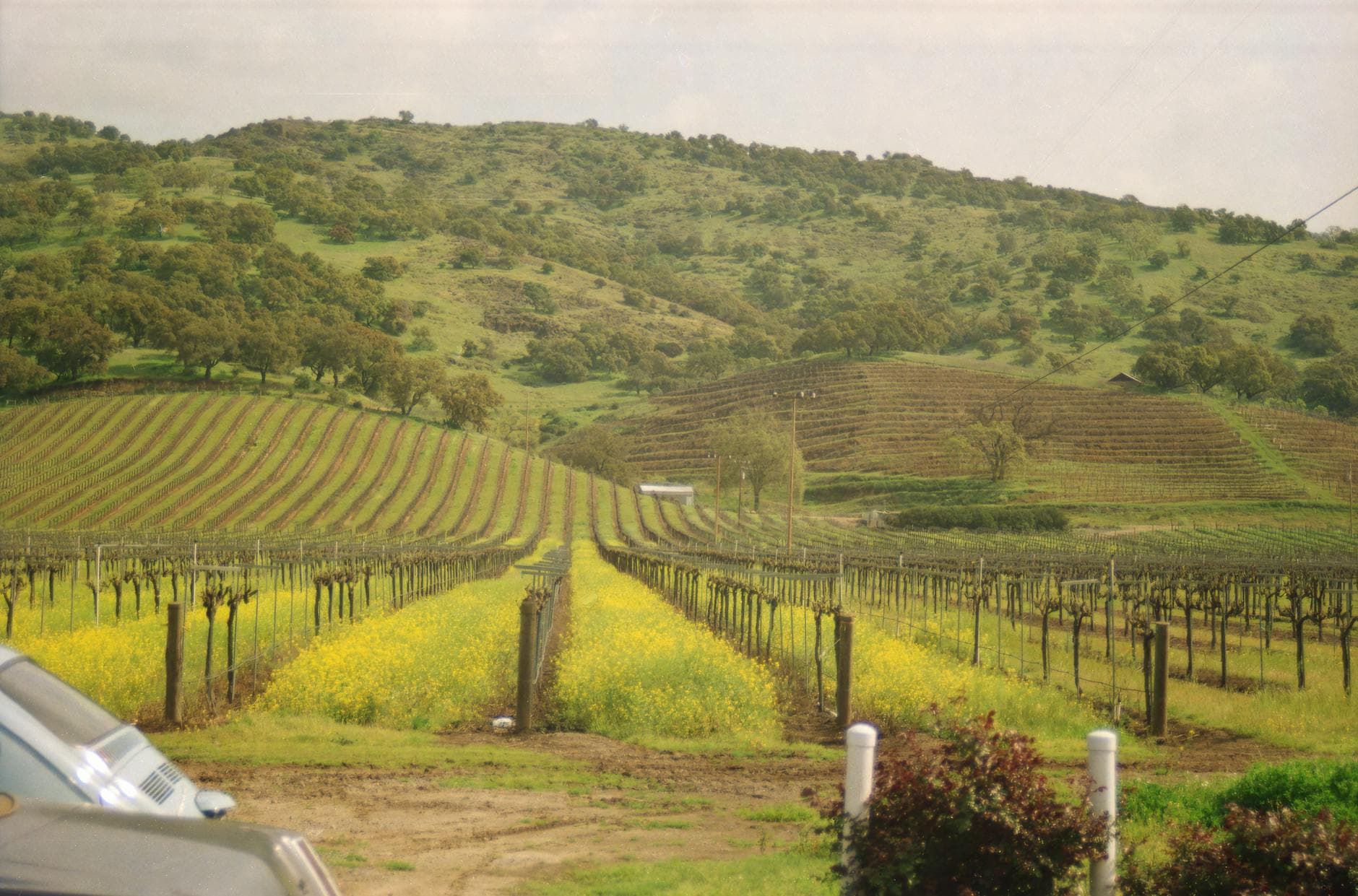
Washington produces more wine than any state except California, with over 1,000 wineries spread across 15 American Viticultural Areas. What makes Washington genuinely different is the combination of extreme latitude and extreme aridity: the vineyards sit at 46-47 degrees north, similar to Burgundy and Bordeaux, yet they receive as little as 6-8 inches of rainfall per year. That aridity is the key. Without it, the latitude would make viticulture marginal. With it, the grapes hang on the vine through long, dry summers and cool nights without disease pressure, building flavor slowly before harvest.
The Columbia River does two things for Washington wine. Geologically, it carved through ancient lava flows and deposited alluvial soils that drain quickly, stressing vines just enough to concentrate fruit. Meteorologically, it moderates temperature: the river holds warmth that prevents frost from settling into the low-lying vineyards on cold autumn nights. Most of the state's wine production happens east of the Cascade Mountains, in a high desert that looks nothing like the rain-soaked western coast that most visitors associate with Washington.
The result is a wine state with a legitimately distinct character: Cabernet Sauvignon, Merlot, and Syrah that carry ripe fruit without the heat-driven overripeness that plagues some California bottlings; Riesling with the kind of precise, fruit-forward character that makes it one of Washington's most underrated wines; and a growing body of Grenache, Sangiovese, and other varieties finding their footing in the state's varied AVAs.
Washington wine is not attempting to replicate somewhere else. It has its own terroir, its own producers, and increasingly, its own story to tell.
Columbia Valley AVA: The Mothership Appellation
Columbia Valley is Washington's largest and most significant appellation, covering roughly 11 million acres of eastern Washington and extending into Oregon. Approximately 99% of Washington wine production takes place within Columbia Valley's boundaries. It is the umbrella under which most of the state's sub-AVAs nest: Walla Walla Valley, Red Mountain, Yakima Valley, Horse Heaven Hills, Wahluke Slope, Rattlesnake Hills, and several others all fall within it.
Understanding Columbia Valley means understanding what makes eastern Washington suitable for viticulture in the first place. The Cascade Mountains to the west create a rain shadow: Pacific moisture is captured on the western slopes, leaving the eastern side dry and sunny. Summers bring intense heat during the day and marked cooling at night -- the diurnal temperature swings in Columbia Valley regularly reach 30-40 degrees Fahrenheit. Hot days promote sugar development and ripening; cold nights preserve acidity and aromatic complexity. The combination produces wines that are simultaneously ripe and structured, with enough acid to age.
The soils across Columbia Valley are primarily wind-deposited loess (fine silt) sitting atop ancient basalt lava flows. Sandy loam near the Columbia River gives way to heavier clay soils further from the water. The variety means that grapes grown at different sites within the same umbrella AVA can taste quite different from one another -- which is part of why the sub-appellations matter.
Columbia Valley wines labeled simply as such are typically broader blends drawing on fruit from across the region. They tend to be more affordable than single-AVA or single-vineyard bottlings and offer a reliable introduction to Washington's dominant red varieties. Chateau Ste. Michelle, Washington's largest and most historically significant producer, sources heavily from Columbia Valley for its main-line Cabernet Sauvignon, Merlot, and Riesling.
Walla Walla Valley: Washington's Prestige Region
Walla Walla sits in the southeast corner of Washington, with the valley extending across the Oregon border. It is a small AVA in terms of acreage but outsized in terms of reputation: the concentration of quality producers here is higher than anywhere else in the state, and the town of Walla Walla has built a wine tourism infrastructure that makes it the easiest place to visit Washington wine country.
The climate in Walla Walla is warmer and more continental than the rest of Columbia Valley, with less of the moderating marine influence from the west. The growing season is long, and Cabernet Sauvignon ripens fully without the struggle it faces in cooler climates. The soils range from the rocky, gravelly ground of the valley floor -- deposited by the same Missoula Floods that shaped much of the Columbia Basin -- to the volcanic basalt of the Blues Mountains foothills to the east.
Walla Walla's reputation rests on Cabernet Sauvignon, Syrah, and Merlot, with Sangiovese also gaining ground. The wines are generally fuller-bodied than those from the cooler parts of the state, with dark fruit concentration and firm tannins that reward cellaring.
Leonetti Cellar, founded in 1977, is the producer most associated with Walla Walla's rise to prominence. Gary Figgins started bottling Cabernet Sauvignon and Merlot when the region had barely a handful of producers, and the wines built a national reputation for Washington's potential. Today Leonetti remains family-run, with Chris Figgins now making the wine, and the Cabernet Sauvignon and Sangiovese remain among the state's most allocated wines. L'Ecole No. 41, Cayuse Vineyards, and Woodward Canyon Winery represent different facets of what Walla Walla can do -- Cayuse farming biodynamically on the rocky Rocks District soils, Woodward Canyon making age-worthy Cabernets from old vines, L'Ecole producing consistent, accessible wines across a broad range.
The Rocks District of Milton-Freewater, a sub-appellation that extends into Oregon, has attracted significant attention for its unusual soils: river cobblestones deposited thousands of years ago by the Walla Walla River. These rocks absorb heat during the day and release it at night, creating a microclimate distinct from the surrounding valley. Cayuse Vineyards farms entirely within the Rocks District, and the wines -- Syrah in particular -- have a mineral, savory character that wine critics have compared to northern Rhone Syrah.
The town of Walla Walla itself is worth a day or two. It has concentrated tasting rooms in its downtown historic district, a walkable hotel and restaurant scene, and the kind of small-city character that makes wine tourism feel genuine rather than manufactured. The Walla Walla Valley Wine Alliance organizes wine events throughout the year, including a spring release weekend in May that draws visitors from across the Pacific Northwest.
Red Mountain AVA: Small but Concentrated
Red Mountain is Washington's smallest AVA and by several measures its most densely concentrated. The appellation covers approximately 4,040 acres in Benton County, on a long, sloping bench above the Yakima River Valley. Fewer than 20 producers maintain estates here, but the reputation-to-acreage ratio is striking: Red Mountain Cabernet Sauvignon has become one of Washington's most consistently cited expressions of what the state can do with the variety.
The name is a slight misnomer -- the hill is not particularly red, and the color that exists comes from dry bunch grass that turns russet in summer and fall. What the site has is exceptional sun exposure, south-facing slopes that capture maximum radiation, and the lowest rainfall of any AVA in Washington (under 6 inches annually). Wind is constant, which reduces disease pressure and keeps the canopy dry. The soils are a mix of sandy loam, silt, and gravel, with irrigation from the Yakima River keeping the vines alive through dry summers.
Cabernet Sauvignon dominates plantings. The combination of intense heat, rocky soils, and extended hang time produces Cabernets with deep color, high tannin, and substantial concentration -- wines that need time in bottle but reward patience. Merlot and Syrah also do well here, along with smaller plantings of Cabernet Franc and Petit Verdot.
Quilceda Creek has been making Red Mountain Cabernet Sauvignon since 1979, and the estate has built one of the strongest reputations in Washington wine. Alex and Paul Golitzin (Paul is a nephew of Andre Tchelistcheff, the legendary California winemaker) produce a Cabernet that receives serious scores and commands a mailing list allocation. Col Solare, a joint venture between Chateau Ste. Michelle and Antinori of Italy, produces a Bordeaux-style blend from Red Mountain fruit. Kiona Vineyards, one of the original Red Mountain producers, continues to farm the site where they planted the first commercial vines in 1975.
Red Mountain is not heavily oriented toward casual wine tourism -- the small number of producers means fewer open tasting rooms than Walla Walla or Woodinville -- but the producers who do welcome visitors offer focused, serious experiences centered on their flagship Cabernets.
Yakima Valley: Washington's Oldest AVA
Yakima Valley became Washington's first federally recognized AVA in 1983, predating Walla Walla Valley and Red Mountain by more than a decade. The region stretches along the Yakima River from Ellensburg in the northwest to the Tri-Cities area in the southeast, covering over 665,000 acres. It has the most diverse range of varieties of any Washington AVA, from Riesling and Chardonnay in its cooler sections to Syrah, Grenache, and Cabernet Sauvignon in the warmer parts.
The Yakima Valley sits at higher elevation than the Columbia River basin downstream, and the morning air is noticeably cooler. The diurnal temperature swings are particularly pronounced here: summer daytime temperatures regularly exceed 90 degrees Fahrenheit, while nights can drop into the 50s. The valley floor is planted heavily with hops and apples alongside vineyards, and the agricultural character of the region is more evident here than in Walla Walla's more wine-focused landscape.
Riesling has a long history in Yakima Valley. The grape's ability to preserve acidity in warm climates while developing complex aromatics makes it well-suited to the region's warm days and cool nights. Chateau Ste. Michelle has farmed Riesling in the valley since the 1970s, and its collaboration with Mosel producer Ernst Loosen -- producing the Eroica Riesling -- helped establish that Washington could compete with German and Alsatian versions of the grape.
Syrah has found a strong footing in Yakima Valley, particularly in the warmer, south-facing sections of the appellation. The grape's ability to handle heat while retaining savory structure has led producers including DeLille Cellars, Gramercy Cellars, and Waterbrook Winery to focus increasingly on Syrah-based wines. The results tend toward dark fruit with peppery, meaty qualities that differ from both California and Rhone expressions of the variety.
Horse Heaven Hills, a sub-AVA within the broader Columbia Valley that spans Yakima Valley's southern end and extends southeast, has also gained recognition. The sustained winds off the Columbia River keep the vines stressed and the canopy dry, and the combination of warm temperatures and river influence produces Cabernet Sauvignon and Merlot with good concentration and freshness. Chateau Ste. Michelle's Cold Creek Vineyard, one of Washington's most famous individual vineyard sites, sits within Horse Heaven Hills.
Other Washington AVAs
Rattlesnake Hills
A sub-AVA within Yakima Valley, Rattlesnake Hills occupies the high slopes of the Rattlesnake Hills range north of the valley floor. The elevation -- up to 1,500 feet -- gives cooler temperatures than the valley below, extending the growing season and preserving natural acidity. The AVA covers approximately 68,000 acres, though planted acreage remains modest. Wineries including Hogue Cellars have sourced from this area.
Wahluke Slope
The Wahluke Slope faces south over the Columbia River at a consistent grade that maximizes sun exposure and heat accumulation. It is one of the warmest growing areas in Washington, with minimal frost risk and reliable ripening for heat-loving varieties. The AVA has expanded significantly over the past two decades. Vine, Washington's largest organic winery, operates here.
Lake Chelan
In the north-central part of the state, Lake Chelan is a long glacial lake that moderates temperatures for the vineyards planted on its shores. The site is far north and at significant elevation, making it genuinely cooler than the main Columbia Valley production area. Varieties including Pinot Gris, Riesling, and even Pinot Noir find their way into bottles labeled Lake Chelan. It is a small, scenic AVA that attracts visitors drawn as much by the lake itself as by the wine.
Puget Sound
Washington's westernmost AVA encompasses the maritime lowlands around Seattle and the Puget Sound, including the San Juan Islands. The climate here is fundamentally different from eastern Washington: wetter, cooler, and more influenced by the Pacific. Production is small and the varieties reflect the cooler conditions -- Pinot Gris, Madeleine Angevine, Siegerrebe, and Muller-Thurgau are found here, along with small quantities of Pinot Noir. The wines are lighter and more aromatic than eastern Washington's bold reds, and the producers serving the local Seattle market have built a modest but loyal following.
Washington's Key Grape Varieties
Cabernet Sauvignon
Washington's flagship red grape accounts for roughly 20% of all vineyard plantings statewide. The combination of long, warm growing seasons east of the Cascades and the diurnal temperature swings that preserve structure allows Washington to produce Cabernet Sauvignon with genuine depth and aging potential. The wines tend toward dark fruit (blackcurrant, plum, blackberry) with firm tannins, good structure, and enough natural acidity to develop complexity over time. Red Mountain and Walla Walla produce the most concentrated and age-worthy versions; Columbia Valley bottlings from across the region offer more accessible expressions.
Merlot
Merlot was Washington's dominant variety through much of the 1990s, before Cabernet Sauvignon overtook it in plantings. The grape still performs exceptionally well in the state's warm, dry conditions, producing wines with plum and chocolate character and softer tannins than the Cabernets. Leonetti's Merlot helped establish the variety's credentials nationally, and producers across the Columbia Valley continue to make some of America's most serious examples.
Syrah
Washington Syrah has found a distinct voice. At its best -- in the rocky soils of Walla Walla's Rocks District or the sloped vineyards of Yakima Valley -- it produces a savory, structured wine with dark fruit, pepper, and a mineral quality that differentiates it from the richer, more fruit-forward style common in Californian expressions. Gramercy Cellars and Cayuse are among the producers most focused on elevating Washington Syrah's profile.
Riesling
Washington is America's largest producer of Riesling, and the variety thrives in the cooler sections of the Columbia Valley and Yakima Valley. The style ranges from off-dry to fully dry, but the best examples share high aromatic intensity, crisp acidity, and fruit precision. Eroica (the Chateau Ste. Michelle and Dr. Loosen collaboration) introduced Washington Riesling to a broad international audience. The variety pairs exceptionally well with Washington's Pacific Rim-influenced food culture -- sushi, Thai, Vietnamese -- and deserves more attention than it typically receives.
Chardonnay
Chardonnay is widely planted but occupies a different position in Washington wine culture than in California. The state's cool nights and moderate humidity in better vineyards produce Chardonnay with good natural acidity that suits both unoaked and lightly oaked styles. Producers including Chateau Ste. Michelle and DeLille Cellars make serious examples; the variety is also reliable in the Lake Chelan and Puget Sound AVAs.
When to Visit Washington Wine Country
Harvest Season (September to October)
The harvest window for Washington wine country runs from early September through mid-October depending on the variety and the vintage. Whites and lighter reds come off the vines first; Cabernet Sauvignon and Merlot in Walla Walla and Red Mountain are often harvested in late September to mid-October. Visiting during harvest means encountering the rhythms of winery life at their most intense: picking crews at dawn, fruit arriving at the crush pad through the morning, fermentation tanks active by afternoon. Many wineries release their newest vintage during harvest events, and the energy in both Walla Walla and the Yakima Valley is heightened. Book accommodation well in advance.
Spring Release Weekend (May)
The Walla Walla Valley Wine Alliance hosts a spring release weekend, typically in May, when producers release new vintages and open their cellars to visitors. It is one of the better-attended wine events in the Pacific Northwest and combines vineyard access with vertical tastings at individual wineries. The weather in May is generally pleasant: warm enough for outdoor tastings, not yet at the summer heat extremes.
Barrel Tasting Events
Several Washington wine regions host barrel tasting events in winter and early spring, offering access to wines still in development. These are generally lower-key than the large public events but give a more intimate look at the production process.
Summer (June to August)
Summer in eastern Washington means heat -- 95-100 degree days are common in July and August. Vineyards are dormant in their public-facing sense (not much to see), and the heat can make afternoon tastings less comfortable. That said, this is when the landscape is in its most dramatic agricultural mode, with the vines in full canopy. If visiting in summer, plan tastings for morning hours.
Getting to Washington Wine Country
Seattle as the Hub
Most visitors to Washington wine country fly into Seattle-Tacoma International Airport (SEA). From there, the drive to Walla Walla is approximately 4.5 hours via Interstate 82 east and US 12 southeast -- a straightforward drive through the Columbia Gorge and into wine country. Yakima Valley is closer, about 2.5 hours from Seattle via I-90 east and I-82 south, and can be done as a day trip if you leave early.
Woodinville: Wine Country Near Seattle
Woodinville, located 30 minutes northeast of Seattle, hosts tasting rooms for over 100 Washington producers who source fruit from eastern Washington but bottle in a location more accessible to the Seattle metro. Chateau Ste. Michelle's main campus, the state's largest and most visited winery, is in Woodinville. Columbia Winery and dozens of boutique producers maintain tasting rooms in the Hollywood Schoolhouse district. For visitors without the time or inclination to drive to eastern Washington, Woodinville provides a legitimate introduction to the state's wines.
Driving the Wine Route
The main eastern Washington wine route runs along Highway 12 from Yakima east through the Yakima Valley, then south via I-82 and US 12 to Walla Walla. Benton City (near Red Mountain) and Prosser (in Horse Heaven Hills and Rattlesnake Hills) are stops along the way. The route is straightforward to navigate and the distances between major regions are manageable. A weekend allows time to visit both Yakima Valley and Walla Walla; a four-day trip allows for more depth in each region.
For those planning a longer wine tour through the Pacific Northwest, Washington pairs naturally with Oregon's wine country to the south -- specifically the Willamette Valley for Pinot Noir contrast with Washington's bold reds. See our guide to Willamette Valley wineries for the comparison.
Practical Tips for Visiting
Dress and What to Wear
Eastern Washington wine country is warm in summer and cool in spring and fall. Agricultural settings mean comfortable shoes are appropriate for vineyard visits. See our wine tasting dress code guide for what to expect at different types of tastings, from casual walk-in tasting rooms to seated estate experiences.
Before You Go
Planning ahead matters more in Washington than in some wine regions. The best producers in Walla Walla -- Leonetti, Cayuse, Quilceda Creek -- are allocation-only with mailing lists, not open to walk-in visitors. Producers like L'Ecole No. 41, Woodward Canyon, and Seven Hills Winery are more accessible and welcome visits without extensive advance booking. Check individual winery websites for tasting hours and reservation requirements. Our wine tour planning guide covers the logistics of multi-day wine country visits.
Harvest Experiences
If you are interested in experiencing harvest first-hand, some Washington wineries offer grape picking experiences for visitors during the September-October window. Contact individual producers directly to ask about harvest participation programs, as arrangements vary significantly by producer.
Washington vs Oregon Wine: A Brief Comparison
Washington and Oregon wine represent two distinct approaches to Pacific Northwest viticulture. Oregon's Willamette Valley -- the state's dominant wine region -- focuses on Pinot Noir and Chardonnay in a cool, humid climate with a Burgundian character. Washington's eastern wine country, east of the Cascades, is warmer, drier, and produces primarily Cabernet Sauvignon, Merlot, Syrah, and Riesling.
The two states suit different wine preferences. Oregon Pinot Noir is lighter, higher in acid, and more savory than California versions. Washington Cabernet Sauvignon is riper and more structured than Oregon's, with a different fruit profile. A trip covering both -- Walla Walla for bold reds, Willamette Valley for Pinot Noir -- makes a genuinely comprehensive Pacific Northwest wine tour. See our Willamette Valley wine guide for Oregon context.
FAQ
How many wineries are in Washington State?
Washington has over 1,000 licensed wineries, making it the second-largest wine state by production in the United States after California. The Woodinville area near Seattle hosts the highest concentration of tasting rooms in a single location; Walla Walla has the highest density of quality-focused estate producers.
What wine is Washington State best known for?
Washington is best known for Cabernet Sauvignon, Merlot, and Riesling. The state produces fuller-bodied, ripe Cabernet and Merlot that benefit from long, dry growing seasons in the Columbia Valley, and some of the country's finest dry and off-dry Riesling from cooler vineyard sites in Yakima Valley.
What is the difference between Columbia Valley and Walla Walla Valley AVAs?
Columbia Valley is the umbrella AVA that covers approximately 11 million acres of eastern Washington and parts of Oregon. Walla Walla Valley is a sub-appellation within Columbia Valley, covering a much smaller area in the southeast corner of the state. Walla Walla wines command a premium and are generally fuller-bodied, while Columbia Valley wines draw on a broader geographic range.
Is Washington wine better than California wine?
Neither is universally better -- they have different characters suited to different preferences. Washington Cabernet Sauvignon and Merlot tend to have more structure and slightly lower alcohol than comparable California bottlings, with a balance of ripeness and acidity that many wine drinkers find compelling. California produces a wider range of varieties at the highest quality level. Both states are producing genuinely world-class wines.
Where is the best place to stay for Washington wine country?
Walla Walla has the best infrastructure for wine tourism: concentrated tasting rooms, independent restaurants, and accommodation ranging from boutique hotels to vacation rentals. For Yakima Valley, the city of Yakima offers standard hotel options, though the valley itself is more oriented toward driving between producers than as a pedestrian destination. Woodinville is the most accessible base for visitors staying in the Seattle area.
What is Red Mountain AVA known for?
Red Mountain is Washington's smallest AVA, known specifically for Cabernet Sauvignon produced from south-facing slopes above the Yakima River. The combination of intense sun exposure, very low rainfall, and thin loam soils over rocky basalt produces intensely concentrated, tannic Cabernets that rank among Washington's most age-worthy wines.
Can you visit Washington wine country without a car?
Not conveniently. Eastern Washington wine country requires a car to navigate between producers, and the distances between towns and wineries make walking or cycling impractical except within the downtown tasting room areas of Walla Walla. Woodinville, near Seattle, is more accessible by public transit and rideshare for visitors based in the Seattle area.
When does grape harvest happen in Washington?
Harvest in Washington typically runs from early September (for Riesling, Pinot Gris, and lighter reds) through mid-October (for Cabernet Sauvignon and Merlot in Walla Walla and Red Mountain). The exact timing varies by vintage and by region -- cooler sites in Yakima Valley and Lake Chelan harvest later than the warmer low-elevation sites in Columbia Valley.
What should I know before visiting Walla Walla wineries?
Many of Walla Walla's most acclaimed producers -- Leonetti Cellar, Cayuse Vineyards, Quilceda Creek -- are mailing list-only and not open to general visitors. Wineries that are open to visitors, including L'Ecole No. 41, Woodward Canyon, and Seven Hills, generally require reservations. Walk-in tasting rooms are concentrated in downtown Walla Walla, where smaller producers have opened street-level tasting spaces. Check each winery's website before visiting.
How does Washington Syrah compare to other regions?
Washington Syrah, especially from the Rocks District of Walla Walla and the slopes of Yakima Valley, tends toward savory, structured expressions with dark fruit, white pepper, and mineral qualities. It sits between northern Rhone Syrah (which it resembles more than California versions) and Australian Shiraz in style. The state has attracted attention for producing Syrah with genuine terroir expression rather than generic new-world richness.
Related guides: Willamette Valley Wine Region | Wine Tasting Dress Code | How to Plan a Wine Tour | Grape Picking Guide


Wines of Washington State Wine Guide: Regions, Wineries & Where to Visit
Key grape varieties and wine styles produced in the region
Primary Grape Varieties
Wine Styles
Ready to visit Washington?
Build your personalised day-by-day itinerary — choose your travel style and trip length, get accommodation and tour picks per day, and email it to yourself to take along.
Upcoming Wine Festivals in United States
See all festivalsHidden Gems Nearby
Discover more hidden gemsMontinore Estate
Willamette Valley, United States
America's largest Demeter-certified biodynamic estate, hiding in plain sight with Pinot Noir that punches way above its price.
Pinot Noir · Pinot Gris · Riesling
Ravines Wine Cellars
WTG PickFinger Lakes, United States
A French-trained winemaker producing America's most underrated Rieslings on a glacial lake that most wine lovers have never visited.
Riesling · Cabernet Franc · Pinot Noir
Barboursville Vineyards
Virginia, United States
Thomas Jefferson's vision of Virginia wine fulfilled — world-class Bordeaux blends and Italian varieties on a historic plantation most oenophiles overlook.
Bordeaux Blend · Vermentino · Nebbiolo
Book Your Washington Wine Country Stay
Compare hotels, vineyard B&Bs and rentals across Booking, Airbnb and more in one search.
Compare stays near the vineyardsStay22
Plan Your Washington State Wine Guide: Regions, Wineries & Where to Visit Trip
Estimate your Washington State Wine Guide: Regions, Wineries & Where to Visit trip cost
Budget calculator with accommodation, food, wine, and transport estimates.
Try itCompare Washington State Wine Guide: Regions, Wineries & Where to Visit with other regions
Side-by-side comparison of cost, climate, wine styles, and more.
Try itWhen to visit Washington State Wine Guide: Regions, Wineries & Where to Visit
Harvest dates, peak season, and the best months for wine travel.
Try itThis page contains affiliate links. We may earn a commission at no extra cost to you.