Where To Stay In Barolo
Planning a trip to Where To Stay In Barolo?
Compare hotels, vineyard B&Bs and rentals across Booking, Airbnb and more in one search.
Where to Stay in Barolo Wine Country: Complete 2026 Guide
Barolo is Italy's answer to Burgundy — a small patch of Piedmont hills where Nebbiolo grapes produce wines of staggering complexity, built for decades of aging. The entire Barolo zone covers just 2,000 hectares (smaller than many single Australian estates), divided among 11 communes, each with its own soil, exposure, and style. Barolo from La Morra tastes different from Barolo from Serralunga, and both differ from Monforte. Understanding why is half the pleasure of visiting.
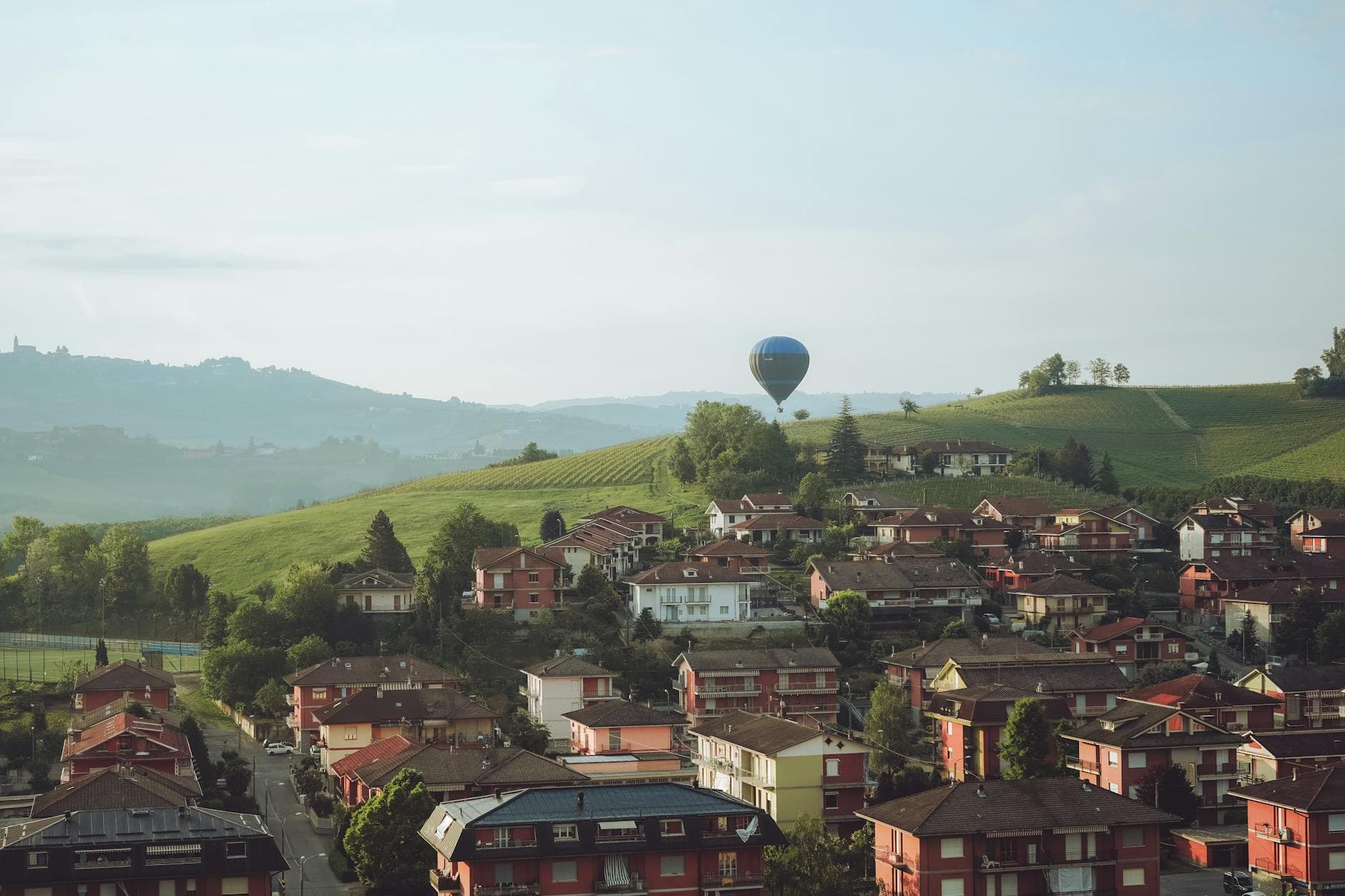
The Langhe — the UNESCO-listed hills where Barolo and Barbaresco are produced — roll in every direction, planted with vines, hazelnuts, and the occasional truffle oak. In autumn, the fog (nebbia, which gives Nebbiolo its name) settles in the valleys while the hilltop villages sit above it in sharp sunlight. The cuisine matches the wine: rich, seasonal, and deeply rooted in the land. Tajarin pasta with butter and white truffle. Vitello tonnato. Agnolotti del plin.
Alba, the largest town, is the commercial and gastronomic capital. The wine villages — La Morra, Barolo, Serralunga, Castiglione Falletto, Monforte d'Alba — are tiny, often just a church, a castle ruin, a few houses, and vineyards beginning at the last garden wall.
Best Areas to Stay in Barolo at a Glance:
For panoramic views: La Morra - highest hilltop village, 360-degree vineyard panorama
For the village experience: Barolo village - castle, wine museum, compact and walkable
For powerful wines: Serralunga d'Alba - fortress village, iron-rich soil, intense Nebbiolo
For food & city life: Alba - truffle capital, restaurants, services, market
For winery density: Castiglione Falletto - central position, surrounded by top producers
For quiet & character: Monforte d'Alba - amphitheatre piazza, food-focused, fewer tourists
Best Areas to Stay for Wine Tasting
La Morra
La Morra sits at 513 metres — the highest village in the Barolo zone — with views that extend across the entire Langhe to the Alps on a clear day. The belvedere (viewpoint) at the edge of town is the single best panorama in Piedmont wine country. Below, the south-facing vineyards of Brunate, Cerequio, and Rocche dell'Annunziata produce Barolo of elegance and perfume — rounder and more approachable in youth than the firmer wines of Serralunga.
The village has a surprising number of restaurants for its size, a few wine shops, and a handful of agriturismi and B&Bs. The Cappella del Barolo — a small chapel painted in primary colours by Sol LeWitt and David Tremlett — is a 20-minute walk through the vineyards.
Why wine lovers choose La Morra:
- The belvedere viewpoint — the Langhe's defining panorama
- Walk to Brunate and Cerequio crus (two of Barolo's greatest vineyards)
- Renato Ratti, Mauro Veglio, Roberto Voerzio, and Elio Altare are based here or nearby
- Cappella del Barolo (LeWitt/Tremlett chapel) is a unique vineyard walk destination
- Several good trattorias: Osteria Veglio, Bovio (Michelin-starred with a view)
Price range: EUR 80-300/night
Best for: Photographers, first-time visitors, those who want elegance in their Barolo
Wine access: Walk to several producers from the village. Drive 5-10 minutes to Barolo village, 15 minutes to Alba.
Where to stay: Arborina Relais (ten rooms on the edge of La Morra, amongst the vines) and Palàs Cerequio (a Michele Chiarlo-owned property with a Michelin-starred restaurant) are two named options.
Barolo Village
The village that gives the wine its name is smaller than you expect — a cluster of stone houses around a medieval castle that now hosts the WiMu (Wine Museum of Barolo), designed with input from a Swiss scenographer. The museum is worth 90 minutes and covers the cultural history of wine rather than just production facts. The village has several enotecas (wine bars) where you can taste across producers without driving.
Barolo village's own vineyards (Cannubi is the most famous) produce wines that combine the elegance of La Morra with the structure of Serralunga — a middle ground that many consider the appellation's most complete expression.
Why wine lovers choose Barolo village:
- WiMu wine museum in the castle
- Cannubi — perhaps Barolo's single most celebrated vineyard — is below the village
- Multiple enotecas for tasting without driving (Enoteca Regionale, Enoteca Barolo)
- Marchesi di Barolo, E. Pira & Figli (Chiara Boschis), and Fratelli Borgogno are village producers
- Compact and walkable — everything within 5 minutes on foot
Price range: EUR 75-280/night
Best for: Wine museum visitors, those who want to taste widely from one base, walkers
Wine access: Walk to village enotecas and several domaines. Cannubi vineyard is a 10-minute walk downhill.
Where to stay: Villa La Madonna (vineyard views, infinity pool) and Casa di Langa (a sustainability-focused retreat) are two named options in the village.
Serralunga d'Alba
Serralunga's narrow medieval tower rises like a needle from its hilltop, visible from across the Langhe. The village is austere compared to La Morra — fewer restaurants, no viewpoint piazza, more working agricultural character. But the wines from Serralunga's iron-rich soils are among Barolo's most powerful and long-lived. Producers like Giacomo Conterno (whose Monfortino is one of Italy's most collectible wines), Giovanni Rosso, and Luigi Pira work vineyards that demand patience — these wines often need 15-20 years to reveal themselves.
The Fontanafredda estate, founded by the son of Italy's first king in 1858, is just below the village and is one of Barolo's largest and most visitor-friendly producers.
Why wine lovers choose Serralunga:
- Powerful, structured Barolo from iron-rich soils — the opposite of La Morra's elegance
- Fontanafredda estate — historic cellars, restaurant, hotel, accessible tastings
- Giacomo Conterno (Monfortino), Giovanni Rosso, Luigi Pira are based here
- Medieval tower castle (guided tours available)
- Quieter and less touristic than La Morra or Barolo village
Price range: EUR 65-250/night
Best for: Collectors of structured Barolo, those seeking quiet, Fontanafredda visitors
Wine access: Walk to Fontanafredda (10 minutes downhill). Other producers within 5-10 minutes by car.
Where to stay: Cascina Galarej (on the historic Fontanafredda estate) and Il Boscareto Resort & Spa are two named options.
Alba
Alba is the Langhe's capital — a prosperous town of 32,000 known for two things: white truffles (the annual Fiera del Tartufo runs October-November) and Ferrero (Nutella, Ferrero Rocher, and Kinder are all made here). The town has the best restaurant concentration in Piedmont outside Turin, a twice-weekly market (Tuesday and Saturday), handsome medieval towers, and proper shopping.
Alba is not in the Barolo zone itself — it sits in the Langhe between Barolo to the southwest and Barbaresco to the northeast, making it an excellent base for visiting both appellations. The town is 10-15 minutes from most Barolo producers and equally close to Barbaresco's top domaines (Gaja, Produttori del Barbaresco, Bruno Giacosa).
Why wine lovers choose Alba:
- Access both Barolo AND Barbaresco from one base
- Best restaurant scene in the Langhe (Piazza Duomo — 3 Michelin stars, Larossa, Vincafe)
- White truffle fair (October-November) is a food event without equal
- Ferrero factory shop (Via Vivaro) for chocolate lovers
- Good hotel supply, easier to find last-minute availability than village stays
Price range: EUR 70-350/night
Best for: Foodies, those wanting both Barolo and Barbaresco access, truffle season visitors, those preferring town life
Wine access: 10-15 minutes to the Barolo villages (La Morra, Barolo, Serralunga). 10 minutes to Barbaresco. Enoteca Regionale in town for broad tastings.
Where to stay: Relais San Maurizio (a converted 17th-century monastery) and Relais Villa d'Amelia (a restored farmhouse with truffle hunts) are two named options nearby.
Castiglione Falletto
Castiglione Falletto occupies a central position in the Barolo zone — equidistant from La Morra, Serralunga, and Monforte. The village is tiny (population under 700) with a castle, a few houses, and vineyards on every side. Its wines fall between La Morra's perfume and Serralunga's power, which has made its crus — Monprivato, Rocche di Castiglione, Villero — increasingly sought after.
Giuseppe Mascarello & Figlio (whose Monprivato bottling is legendary) is based here, along with Vietti and Cavallotto.
Why wine lovers choose Castiglione Falletto:
- Central location — every Barolo village within 10 minutes
- Monprivato, one of Barolo's greatest single vineyards, is here
- Vietti, Cavallotto, and Giuseppe Mascarello are village producers
- Very quiet — no tourist infrastructure means genuine village immersion
- Wines combine the best qualities of La Morra and Serralunga
Price range: EUR 60-200/night
Best for: Experienced Barolo visitors, those wanting centrality without tourism, vineyard walkers
Wine access: Walk to Cavallotto and Vietti. Short drive to producers in every direction.
Where to stay: Le Torri (in the heart of the Langhe, vineyard and mountain views) and Villa Vitae (with a rooftop terrace) are two named options.
Monforte d'Alba
Monforte is the dark horse of Barolo villages. Its natural amphitheatre piazza (the Horszowski Auditorium, named after the pianist who performed here) hosts summer concerts with Langhe hills as the backdrop. The village has better restaurants than its size suggests — Trattoria della Posta and Giardino da Felicin are local institutions. The wines from Monforte's south-facing slopes (Bussia, Ginestra, Mosconi) are full-bodied and structured.
Monforte feels slightly off the main tourist circuit, which is precisely its appeal. Domaine Conterno Fantino, Giacomo Conterno's nephew Paolo Conterno, and Elio Grasso are all based here.
Why wine lovers choose Monforte:
- Amphitheatre piazza with summer concert series
- Excellent restaurants for a village of 2,000 people
- Bussia and Ginestra crus produce powerful, age-worthy Barolo
- Less tourist traffic than La Morra or Barolo village
- Conterno Fantino, Elio Grasso, Flavio Roddolo are local producers
Price range: EUR 60-220/night
Best for: Food lovers, concertgoers (June-August), those seeking authentic village life
Wine access: Several producers within walking distance or 5-minute drive. Barolo village is 10 minutes west.
Where to stay: Hotel Villa Beccaris and La Ribezza Boutique Hotel are two named options.
Practical Tips for Staying in Barolo Country
- Rent a car — there is no alternative — Public transport between Barolo villages is almost non-existent. The roads are narrow, winding, and sometimes steep, but distances are short (the entire zone is about 15 km across). Alba has the nearest car hire offices.
- Book producer visits in advance — Most Barolo estates require appointments (email 1-2 weeks ahead). Unlike Napa or Barossa, there are no open cellar doors or walk-in tasting rooms at most domaines. The enotecas in Barolo village and Alba are the exception — these are designed for drop-in tastings.
- Visit in October for truffles — The Alba white truffle fair (mid-October to late November) is one of Europe's great food events. Truffle-shaved tajarin, truffle eggs, truffle risotto — the combination with aged Barolo is extraordinary. Hotels fill up: book 6-8 weeks ahead.
- Agriturismo is the local accommodation style — Working farms that offer rooms, often with dinner included (EUR 30-45 for a multi-course meal with wine). Quality ranges from basic to excellent. This is the most authentic way to stay, and the food is often better than restaurant dining.
- Walk the vineyards — Several marked trails connect the villages through the crus. The Sentiero del Barolo from La Morra to Barolo village passes through Brunate and Cerequio. Spring (April-May) and autumn (October) are the best walking months.
- Don't ignore Barbaresco — Just 15 minutes northeast of Alba, Barbaresco produces Nebbiolo with more immediate accessibility. Produttori del Barbaresco (the co-op) offers outstanding tastings at fair prices. Gaja is appointment-only and expensive, but the village has several welcoming producers.
- Budget for the wines, not the hotels — Accommodation in the Langhe is reasonable (EUR 80-150 for good agriturismi). The wines are where costs climb: a current-vintage Barolo starts at EUR 25-35 at the domaine, and single-vineyard bottlings from top producers run EUR 50-120. Older vintages at restaurants carry steep markups.
Frequently Asked Questions
Q: How many days do I need in Barolo country?
A: Three days is ideal for focused wine tasting — enough to visit 6-8 producers across different communes and understand the style differences. Add a fourth day for Barbaresco, a fifth for Alba and truffle hunting. Two days feels rushed but workable if you focus on one area and the enotecas.
Q: What is the best time to visit?
A: October stands alone — harvest atmosphere, truffle season, autumn colours, and pleasant temperatures (15-20°C). April-May offers wildflowers and green vineyards without the crowds. June-September is warm to hot (30°C+ in July-August). November through March is foggy, cold, and atmospheric — many producers are available and happy to spend time with visitors, but some agriturismi close.
Q: Is Barolo country expensive?
A: Less than you might expect. Hotels and agriturismi run EUR 70-200/night. Restaurant meals (multi-course with wine) cost EUR 30-60. Tasting fees at domaines are typically EUR 15-30, often including 4-6 wines. The wines themselves range from EUR 25 (entry Barolo) to EUR 100+ (single-cru from top producers). By French Grand Cru standards, it is excellent value.
Q: What is the difference between Barolo from different villages?
A: In simplified terms: La Morra and Barolo village produce more perfumed, elegant wines (think silk); Serralunga and Monforte produce more structured, powerful wines (think iron); Castiglione Falletto falls in between. These are generalisations — individual producers and vineyard sites create endless variation — but they hold as starting points.
Q: Can I visit without speaking Italian?
A: Yes, though some effort is appreciated. Most producers who welcome visitors speak some English, especially the younger generation. At small family domaines, you may need basic Italian or gestures. In Alba's restaurants and hotels, English is widely understood. Bring a translation app as backup.
Q: Should I visit Barolo or Barbaresco?
A: Both, if time allows. They are 20 minutes apart and use the same grape (Nebbiolo), but Barbaresco tends to be softer and more approachable young. Produttori del Barbaresco (the village cooperative) is one of Italy's best-value quality producers and welcomes visitors. If you must choose one, Barolo offers more commune-to-commune variation and more to explore.
Q: What food should I eat with Barolo?
A: Traditional Piedmont cuisine was designed for Nebbiolo: brasato al Barolo (beef braised in Barolo), tajarin al burro (thin egg pasta with butter), agnolotti del plin (tiny stuffed pasta), raw meat (carne cruda), and aged cheeses. In truffle season, shaved white truffle over fresh tajarin with a 10-year Barolo is an experience that justifies the trip.
Q: Can I combine Barolo with other Italian wine regions?
A: Turin is 90 minutes north (with its own food scene). The Roero wine zone (Arneis white) is 30 minutes east of Alba. Asti (Moscato, Barbera) is 45 minutes southeast. For a longer trip, the Italian Riviera (Cinque Terre, Ligurian coast) is 2.5 hours south. Milan is 2.5 hours northeast.
More Barolo Wine Travel Guides
Word Count: ~2,800
Last Updated: March 2026
Author: WineTravelGuides Editorial Team


Book Your Where To Stay In Barolo Wine Country Stay
Compare hotels, vineyard B&Bs and rentals across Booking, Airbnb and more in one search.
Compare stays near the vineyardsStay22
Plan Your Where To Stay In Barolo Trip
Estimate your Where To Stay In Barolo trip cost
Budget calculator with accommodation, food, wine, and transport estimates.
Try itCompare Where To Stay In Barolo with other regions
Side-by-side comparison of cost, climate, wine styles, and more.
Try itWhen to visit Where To Stay In Barolo
Harvest dates, peak season, and the best months for wine travel.
Try itThis page contains affiliate links. We may earn a commission at no extra cost to you.