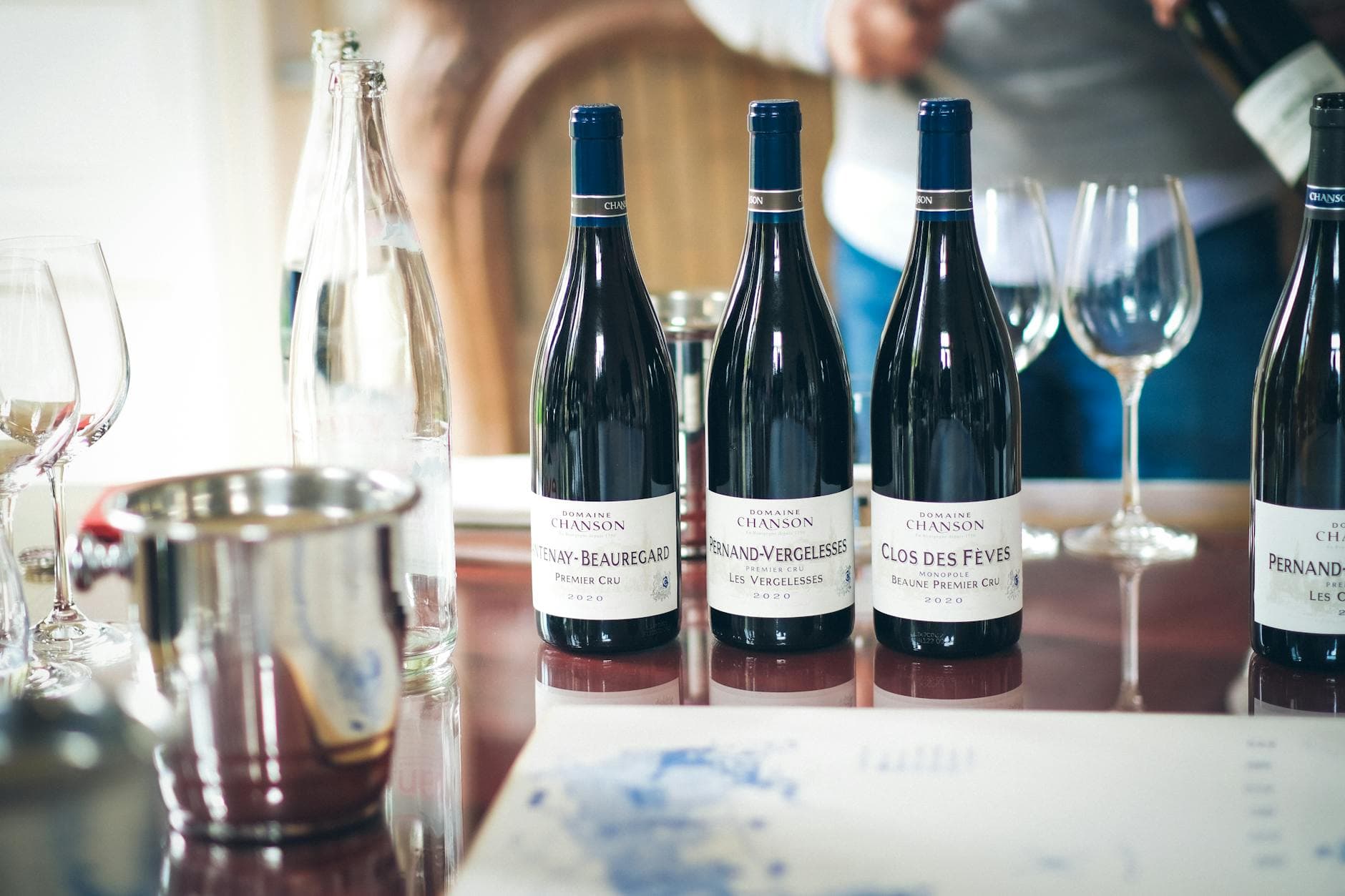
 Photo: Edouard CHASSAIGNE / Pexels
Where to Stay in Languedoc Wine Country: Complete 2026 Guide
Find the best places to stay in Languedoc for wine lovers. From Montpellier city breaks to Corbières domaine stays and Canal du Midi houseboats, discover the perfect base for exploring France's largest wine region.
Planning a trip to Languedoc?
Compare hotels, vineyard B&Bs and rentals across Booking, Airbnb and more in one search.
Languedoc is France's largest wine region by area, a vast arc of vineyards running from the Mediterranean coast west to the Spanish border and north into the wild Cévennes foothills. For decades, this was bulk wine country—anonymous reds shipped by the tanker to fill supermarket shelves across Europe. That era is over. A generation of ambitious winemakers has turned Languedoc into one of the most exciting wine regions in the world, producing serious reds, distinctive whites, and rosés that rival Provence at a fraction of the price. The value here is staggering: bottles that would cost €30–50 in Bordeaux or the Rhône sell for €8–15 from Languedoc producers of equal talent.
The region rewards travellers who explore beyond the obvious. Cathar castles cling to impossible cliff edges above the Corbières. The Canal du Midi—a 17th-century UNESCO waterway—threads through vineyards between Béziers and Carcassonne. Appellations read like a wine lover's treasure map: Corbières for rugged mountain reds, Minervois for generous Syrah-Grenache blends, Fitou for deep Mediterranean warmth, Faugères and Saint-Chinian for elegant schist-driven wines, and Pic Saint-Loup for what many consider the finest reds in all of southern France. This is a region with more personality per square kilometre than anywhere else in French wine.
Best Areas to Stay in Languedoc Wine Country at a Glance:
- For a city base: Montpellier — restaurants, culture, tram to the beach
- For medieval atmosphere: Carcassonne — iconic citadel, Corbières + Minervois doorstep
- For premium wines: Pic Saint-Loup / Hérault — garrigue hills, top estates
- For wild wine country: Narbonne / Corbières — Roman heritage, Fitou, raw hinterland
- For artisan villages: Pézenas / Faugères / Saint-Chinian — hilltop charm, boutique producers
Best Areas to Stay for Wine Tasting

Montpellier
Montpellier is Languedoc's largest city and the most comfortable base for anyone who wants wine touring by day and proper dining at night. This is a lively university town—young, cosmopolitan, with a 1,000-year-old medical school and a car-free old centre packed with restaurants, wine bars, and markets. The tram runs from the centre to the coast at Palavas-les-Flots in 30 minutes, and the city's Place de la Comédie is one of the great public squares of the French south.
Why wine lovers choose Montpellier:
- Walkable city centre with specialist wine bars and cavistes (Trinque Fougasse, Le Petit Jardin)
- Tram line 3 runs to the Mediterranean beach at Palavas in 30 minutes
- 30–45 min drive to Pic Saint-Loup, Grès de Montpellier, and Terrasses du Larzac appellations
- Exceptional restaurant scene for a city this size, from market bistros to starred tables
- TGV from Paris in 3h 20min; Montpellier-Méditerranée airport with European connections
- Cultural calendar: Comédie opera house, Fabre museum, Antigone district by Ricardo Bofill
Price range: €80–250/night
Best for: First-time Languedoc visitors, food lovers, couples wanting city life plus wine day trips
Wine access: City wine bars pour Languedoc producers by the glass. Pic Saint-Loup and Terrasses du Larzac domaines are 30–45 min north. Most welcome visitors by appointment, and the atmosphere is far less formal than Burgundy or Bordeaux.
Trade-off: You're in a city, not the vineyards. Wine country starts 30 minutes out. Summer can be very hot (35°C+).
Where to stay: Hôtel Richer De Belleval, a restored 17th-century mansion on Place de la Canourgue, or Domaine de Verchant & Spa, a Relais & Châteaux estate with its own 2,000m² spa.
Carcassonne
Carcassonne's double-walled medieval citadel is one of the most recognisable silhouettes in France—53 towers rising above the Aude river plain, fully restored and UNESCO-listed. Yes, it's touristy. The narrow streets inside the walls fill with day-trippers by 10am, and the souvenir shops are relentless. But stay overnight, when the crowds drain away and the floodlit ramparts glow against a black sky, and you'll understand why three million people come here every year. More importantly for wine travellers, Carcassonne sits at the junction of two outstanding appellations: Corbières to the south and Minervois to the north.
Why wine lovers choose Carcassonne:
- Corbières vineyards start 20 min south, Minervois 20 min north—two appellations from one base
- Medieval citadel atmosphere, especially after dark when day-trippers leave
- Ville Basse (lower town) has local restaurants and wine shops without the tourist markup
- Canal du Midi passes through town—rent a bike or take a boat trip along the towpath
- Limoux sparkling wines (Blanquette de Limoux, older than Champagne) are 25 min south
- Easy car access to Cathar castle circuit (Peyrepertuse, Quéribus, Lastours)
Price range: €70–220/night
Best for: History buffs, photographers, those wanting a dramatic base with dual-appellation access
Wine access: Corbières and Minervois cooperatives welcome walk-ins. Private domaines prefer appointments but are relaxed about timing. The Cité hosts a handful of tasting shops, though prices are inflated. Buy from producers directly.
Trade-off: The citadel area is packed in summer. Quality dining options are better in the Ville Basse than inside the walls. Not close to the Hérault appellations (Faugères, Pic Saint-Loup are 60–90 min away).
Where to stay: Hôtel de la Cité Carcassonne, set inside a medieval château within the walled city, or Domaine d'Auriac, with a Michelin-starred restaurant and pool.
Pic Saint-Loup / Hérault Hinterland
North of Montpellier, the garrigue-covered hills rise sharply toward the Cévennes. The Pic Saint-Loup itself—a dramatic 658m limestone peak—marks the boundary of what many critics now call the finest red wine appellation in the Languedoc. This is premium territory: lower yields, cooler nights from altitude, and a concentration of ambitious domaines that have put this small appellation on wine lists in London, New York, and Tokyo.
Why wine lovers choose Pic Saint-Loup:
- Home to some of Languedoc's most celebrated producers (Mas Jullien, Clos Marie, Ermitage du Pic Saint-Loup)
- Cooler microclimate than coastal Languedoc—altitude brings freshness to Syrah, Grenache, and Mourvèdre
- Wild garrigue landscape: thyme, rosemary, cistus, and scrub oak scent the air
- Hiking the Pic Saint-Loup summit for vineyard panoramas (2h round trip)
- Nearby Terrasses du Larzac appellation is equally exciting and even wilder
- Saint-Martin-de-Londres and Ganges are charming small towns for dinner and markets
Price range: €70–200/night
Best for: Serious wine enthusiasts, hikers, couples seeking quiet countryside immersion
Wine access: Domaines here are small and personal. Most welcome visitors by appointment—email a week ahead. Tastings feel like visiting a friend's farm, not a corporate cellar. Expect to taste 4–6 wines and leave with a case in the boot.
Trade-off: Very rural. Limited restaurants—you'll eat well but won't have much choice. A car is essential. Accommodation is mostly chambres d'hôtes and gîtes, not hotels.
Where to stay: Auberge du Cèdre, a 13-room hotel and restaurant inside a historic winegrower's house at the heart of the Pic Saint-Loup vineyards.
Narbonne / Corbières
Narbonne was the first Roman colony outside Italy—capital of Gallia Narbonensis before Paris was anything more than a river settlement. The Via Domitia, Rome's oldest road in Gaul, is exposed under the Place de l'Hôtel de Ville. The unfinished Gothic cathedral is enormous. And the covered market (Les Halles de Narbonne) is one of the best food markets in the French south. Behind the city, the Corbières stretches into some of the most dramatic, least-visited wine country in France: limestone gorges, abandoned Cathar fortresses, vineyards clinging to impossible slopes.
Why wine lovers choose Narbonne / Corbières:
- Les Halles de Narbonne: outstanding covered market with oysters, charcuterie, and wine by the glass
- Gateway to Corbières—wild, rugged, and virtually free of tourists
- Fitou appellation: France's oldest AOC for red wine (granted 1948), split between coastal lagoon and mountain zones
- Cathar castles at Peyrepertuse and Quéribus are staggering (and nearly empty on weekdays)
- La Clape massif: emerging appellation between Narbonne and the sea, with white wines gaining serious attention
- Mediterranean beaches at Gruissan and Narbonne-Plage within 20 minutes
Price range: €60–180/night
Best for: History enthusiasts, off-the-beaten-path explorers, those who want raw wine country and Roman ruins
Wine access: Corbières cooperatives are everywhere and welcome drop-ins. Private domaines are friendly and informal—some will wave you in from the road. The Maison des Terroirs en Corbières in Boutenac provides a good orientation tasting before you head into the hills.
Trade-off: Corbières is genuinely remote in parts—narrow roads, no mobile signal, limited fuel stations. Narbonne itself has fewer restaurants than Montpellier. The wines are outstanding value but lack the name recognition of Pic Saint-Loup.
Where to stay: Château L'Hospitalet Wine Resort Beach & Spa, with its own vineyards and Gérard Bertrand wines poured at every course, or Château Capitoul, a 200-acre hilltop estate over the Mediterranean.
Pézenas / Faugères / Saint-Chinian
The hill country between Béziers and the Cévennes foothills contains some of Languedoc's most refined wines and most attractive small towns. Pézenas was Molière's home during his touring years—a beautifully preserved 16th-century town with art galleries, antique dealers, and a Saturday market that draws the whole district. North of here, the twin appellations of Faugères and Saint-Chinian produce wines from schist soils—the same fractured metamorphic rock found in the Douro Valley and Priorat—giving reds a mineral intensity and floral lift unusual in the warm south.
Why wine lovers choose this area:
- Pézenas: one of Languedoc's prettiest towns, with a vibrant arts and market scene
- Faugères: 100% schist soils producing distinctive, mineral-driven reds
- Saint-Chinian: diverse terroir split between schist (north) and limestone (south)—two styles in one appellation
- Boutique domaines run by winemakers who poured their savings into 10 hectares and a dream
- Roquebrun, the "Little Nice" of the Hérault, sits in a sun-trap along the Orb river gorge
- Less commercial than Montpellier, less touristy than Carcassonne—the real Languedoc
Price range: €60–170/night
Best for: Wine purists, village-life seekers, artists and writers, those wanting authentic southern France
Wine access: Many producers sell from their garage or cellar door. Faugères has a well-organised Maison des Vins on the village square. Saint-Chinian's cooperative is worth a visit for orientation. Appointments preferred but not always required.
Trade-off: Small-town infrastructure. Limited hotel options—mostly chambres d'hôtes and converted farmhouses. Evening dining is good but not abundant. You'll need a car for everything.
Where to stay: Garrigae Distillerie de Pezenas, a spa hotel in the town, or Hotel Saint Alban for a family-friendly stay.
Types of Wine Country Accommodation in Languedoc
Mas & Domaine Stays (€100–350/night)
A mas is a traditional Languedoc stone farmhouse, and many wine domaines have converted outbuildings into guest rooms or self-catering gîtes. You'll sleep surrounded by vines, taste with the winemaker over breakfast, and buy direct from the cellar. These stays are Languedoc's greatest strength—the intimacy is hard to find in more famous regions.
Best for: Wine immersion. Book 2–4 weeks ahead in summer, though availability is generally better than Burgundy or Bordeaux.
Village Chambres d'Hôtes (€60–150/night)
Languedoc's hilltop villages—Minerve, Lagrasse, Roquebrun, Caunes-Minervois—are full of small B&Bs run by French and expat hosts. Rooms are typically in restored stone houses, and hosts know every producer within 20 km. Breakfast on a shaded terrace overlooking the garrigue is the standard morning here.
Best for: Budget-conscious wine travellers, couples, those who want local knowledge and personal attention.
City Hotels (€70–250/night)
Montpellier has the widest range, from boutique hotels in the Écusson (old town) to business hotels near the Gare Saint-Roch. Carcassonne and Narbonne offer mid-range options. Inside the Carcassonne citadel, the Hôtel de la Cité is the prestige option (a Grandes Étapes property), though you'll pay for the location.
Best for: City-base explorers, those wanting reliable amenities, business travellers adding a wine extension.
Canal du Midi Houseboats (€800–2,500/week)
Renting a houseboat on the Canal du Midi between Béziers and Carcassonne is one of the most distinctive ways to experience Languedoc wine country. No licence required. You motor at walking pace through vineyard-lined reaches, moor at villages, walk to domaines along the towpath, and open a bottle of Minervois on deck at sunset. The canal passes through the Fonseranes staircase locks at Béziers—nine locks in a 300m cascade, a 17th-century engineering marvel.
Best for: Groups, families, couples wanting a slow-travel wine experience unlike anything else in France.
When to Visit Languedoc
Shoulder Season (April–May, September–October) — Ideal
The best months. Spring brings wildflowers to the garrigue, warm days (18–25°C), and empty roads. Autumn means harvest activity, golden light, and vine colours turning red and amber. Producers are busy during vendange (usually mid-August to mid-September for reds) but happy to see visitors either side of it.
Summer (June–August)

Hot. Seriously hot. Inland Corbières and the Hérault plain regularly hit 35–40°C in July and August. The tramontane—a cold, dry wind blasting down from the Pyrenees—brings relief but can blow hard for days. Coastal towns are packed with French holidaymakers. Wine touring in air-conditioned cellars is actually pleasant; vineyard walks are not.
Winter (November–March)
Mild compared to northern France (8–14°C most days), though the tramontane can make it feel bitter. Many rural chambres d'hôtes close from November to March. Montpellier, Narbonne, and Carcassonne stay lively year-round. Prices drop sharply, and you'll have domaines almost to yourself.
| Month | Weather | Crowds | Prices | Highlights |
|---|---|---|---|---|
| Jan–Feb | Mild, 6–12°C, tramontane | Very low | Lowest | Truffle markets, quiet tastings |
| Mar–Apr | Warm, 14–20°C, wildflowers | Low–medium | Medium | Garrigue in bloom, spring releases |
| May–Jun | Hot, 22–30°C | Medium–high | Medium–high | Long days, rosé season, outdoor dining |
| Jul–Aug | Very hot, 30–40°C | High (coast) | Highest | Beach + wine combo, fêtes de village |
| Sep–Oct | Warm, 20–28°C | Medium | Medium–high | Harvest, golden light, best month |
| Nov–Dec | Cool, 8–14°C, wind | Low | Low | Olive harvest, Christmas markets |
Insider Tips for Languedoc Wine Country
- Seek out Mas de Daumas Gassac. Often called "the Lafite of the Languedoc," this Aniane estate proved in the 1970s that Languedoc could produce world-class wine. Their red (a Cabernet Sauvignon-based blend, rare for the south) ages for decades. Visit the domaine in the Gassac valley—it's a pilgrimage for anyone serious about Languedoc wine history.
- Visit a Gérard Bertrand property. Love him or not, Gérard Bertrand is Languedoc's most visible ambassador—a former rugby international who built an empire across the region. His Château l'Hospitalet near Narbonne-Plage combines tastings, a restaurant, a jazz festival, and vineyard views to the sea. It's polished, but the wines (especially Clos d'Ora) are genuinely excellent.
- The value under €15 is extraordinary. Languedoc's greatest strength for travellers is price. Serious domaine wines—Corbières, Minervois, Saint-Chinian—cost €8–15 at the cellar door. Buy a case. You won't find this quality-to-price ratio anywhere else in France, and possibly anywhere in Europe.
- Follow the natural wine trail. Languedoc is a stronghold of France's natural wine movement. Producers like Domaine Gauby (Côtes du Roussillon, just south of traditional Languedoc borders), Domaine Turner Pageot, and Maxime Magnon farm organically or biodynamically and make wines with minimal intervention. Ask at any Montpellier wine bar for current recommendations—the scene moves fast.
- Cycle the Canal du Midi towpath. The tree-lined canal towpath between Béziers and Carcassonne is flat, shaded (mostly by plane trees, though replanting is underway after canal boats carried away many), and passes through Minervois wine country. Rent bikes in Béziers or Homps and ride between domaines. It's 100 km total, best done over 2–3 days with overnight stops in canal-side villages.
- Pair wine with Cathar castles. The ruined Cathar fortresses perched on Corbières ridgelines—Peyrepertuse, Quéribus, Aguilar, Lastours—are among the most dramatic historical sites in France. Plan a day that alternates castle visits with domaine tastings in the valleys below. Quéribus to the Fitou coast is a particularly spectacular drive.
- Don't skip Banyuls. At the Spanish border, the tiny appellation of Banyuls produces France's answer to Port—a sweet, fortified wine from old-vine Grenache grown on terraced hillsides plunging into the sea. It's a 90-minute drive from Narbonne but worth every minute. Domaine du Mas Blanc and Domaine de la Rectorie are two of the best. Pair Banyuls with dark chocolate and stare at the Mediterranean.
- Mas Jullien and Clos Marie are non-negotiable. If you visit Pic Saint-Loup and taste nothing else, taste these two. Olivier Jullien at Mas Jullien essentially created the modern reputation of Terrasses du Larzac. Christophe Peyrus at Clos Marie makes some of the most precise, perfumed reds in the south. Both are small, personal, and require appointments.
Book Your Languedoc Wine Country Stay
Ready to explore France's most exciting wine frontier? Browse curated wine country stays—from Pic Saint-Loup domaine stays to Canal du Midi houseboats and Montpellier boutique hotels, all selected for wine lovers.
Languedoc doesn't trade on prestige. It doesn't have Burgundy's hierarchy or Bordeaux's châteaux. What it has is better: winemakers who moved here because the land was cheap and the potential was obvious, who make extraordinary wine and sell it for honest prices, and who'll pour you a glass in a stone cellar while the cicadas scream outside. Bring a cooler for the boot. You'll need it.
More Languedoc Wine Travel Guides
- Languedoc Wine Region Overview
- Montpellier Wine Guide
- France Wine Regions
- 5 Days in Languedoc Itinerary
- Languedoc vs Rhône Valley Comparison
Word Count: ~2,200
Last Updated: March 2026
Author: WineTravelGuides Editorial Team
Ready to visit Languedoc?
Build your personalised day-by-day itinerary — choose your travel style and trip length, get accommodation and tour picks per day, and email it to yourself to take along.
Upcoming Wine Festivals in France
See all festivalsHidden Gems Nearby
Discover more hidden gemsDomaine de la Bongran
WTG PickBurgundy, France
A Burgundy rebel who makes Chardonnay on their own terms, far from the tourist trail of Beaune and Puligny.
Chardonnay
Domaine Huet
WTG PickLoire Valley, France
World-class Chenin Blanc with no queues, no hype, just pure Loire magic in a village setting.
Chenin Blanc
Mas de Daumas Gassac
Languedoc, France
Grand cru quality at a fraction of Bordeaux prices, in a wild, beautiful valley most tourists never find.
Cabernet Sauvignon · Rosé · White Blend
Book Your Languedoc Wine Country Stay
Compare hotels, vineyard B&Bs and rentals across Booking, Airbnb and more in one search.
Compare stays near the vineyardsStay22
Plan Your Where to Stay in Languedoc Wine Country: Complete 2026 Guide Trip
Estimate your Where to Stay in Languedoc Wine Country: Complete 2026 Guide trip cost
Budget calculator with accommodation, food, wine, and transport estimates.
Try itCompare Where to Stay in Languedoc Wine Country: Complete 2026 Guide with other regions
Side-by-side comparison of cost, climate, wine styles, and more.
Try itWhen to visit Where to Stay in Languedoc Wine Country: Complete 2026 Guide
Harvest dates, peak season, and the best months for wine travel.
Try itThis page contains affiliate links. We may earn a commission at no extra cost to you.