 Photo: Samir Smier / Pexels
Where to Stay in Priorat Wine Country: Complete 2026 Guide
Find the best places to stay in Priorat, Spain for wine lovers. From Gratallops village houses to Falset hotels, discover the perfect base for exploring Catalonia's most prestigious wine region.
Planning a trip to Priorat?
Compare hotels, vineyard B&Bs and rentals across Booking, Airbnb and more in one search.
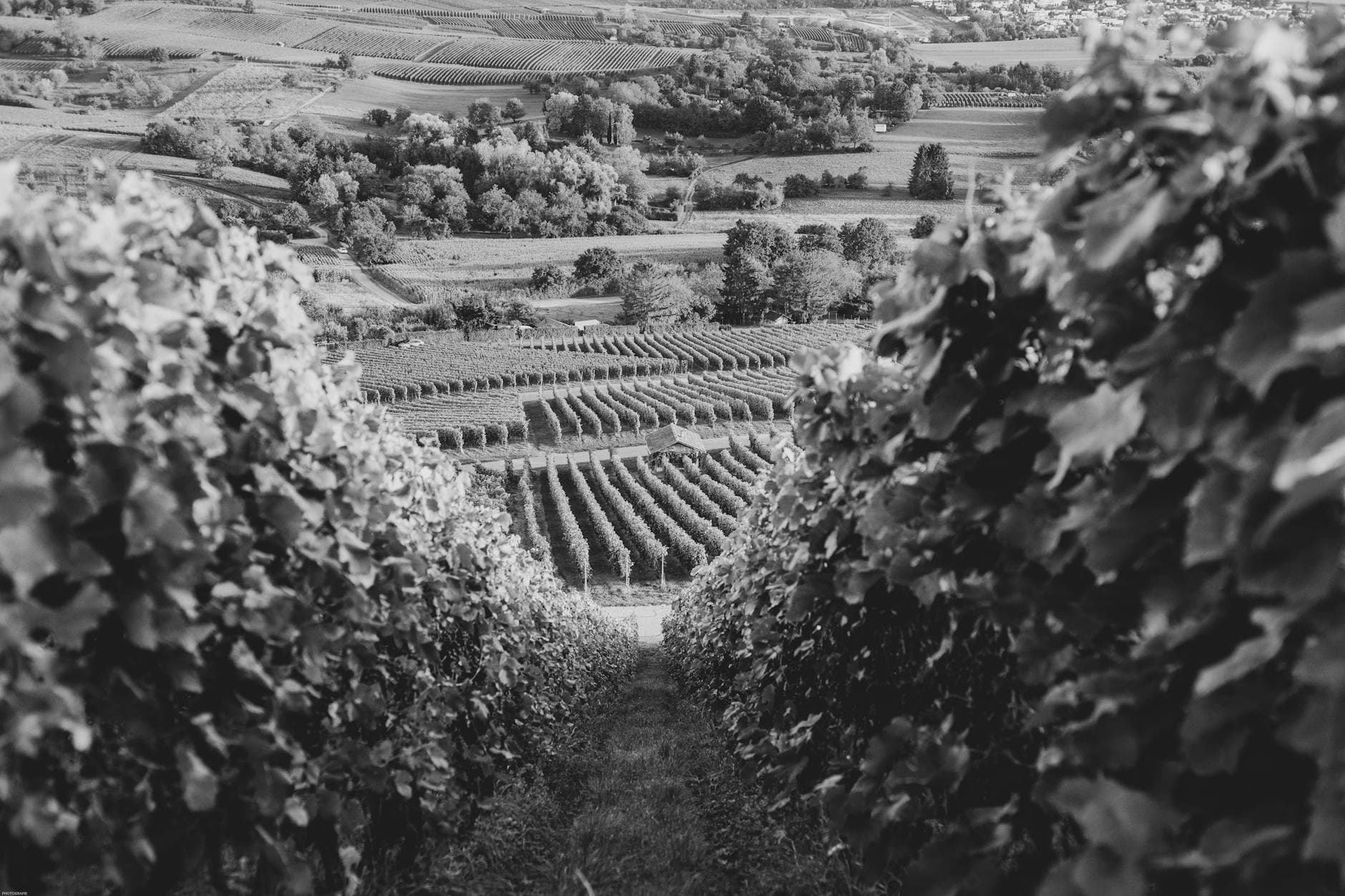
Priorat holds a distinction shared by only one other Spanish wine region: DOCa status, the country's highest classification, alongside Rioja. That alone tells you something. But where Rioja is expansive, well-trodden, and tourist-ready, Priorat is its wild, vertiginous opposite — a small, rugged territory of terraced hillsides carved into llicorella slate, where old-vine Garnacha and Cariñena (Carignan) produce some of Spain's most concentrated and sought-after reds. Álvaro Palacios' L'Ermita, produced from a single steep vineyard above Gratallops, regularly commands €1,000+ per bottle and stands among Spain's greatest wines. Clos Mogador, Clos Erasmus, and Clos Figueras sit in the same postal code. For a region of fewer than 2,000 hectares under vine, the density of world-class producers is extraordinary.
Getting here is straightforward: two hours south of Barcelona by car, inland from the Costa Daurada coast. But Priorat feels far more remote than that. The villages are tiny — Gratallops has roughly 250 residents — the roads are narrow and winding through steep valleys, and accommodation is limited. This is not Napa Valley. There are no tasting room strips, no tour buses, no wine trains. What you get instead is something increasingly rare in European wine tourism: direct, unhurried access to producers who are making history, in a setting that hasn't been polished for visitors. Plan carefully, book ahead, and you'll have one of the most rewarding wine trips available anywhere.
Best Areas to Stay in Priorat at a Glance:
- For wine access: Gratallops — wine capital, highest producer density, tiny village
- For services: Falset — comarca capital, restaurants, shops, practical base
- For authenticity: Porrera — remote, old-vine Cariñena heartland, quiet
- For history: Scala Dei — Carthusian monastery ruins, dramatic mountain setting
- For beaches + wine: Tarragona coast — 45 min drive, Roman ruins, seafood, summer base
Best Areas to Stay for Wine Tasting
Gratallops
The undisputed capital of Priorat wine. This village of around 250 people sits at the geographic and spiritual centre of the DOCa, surrounded by some of the most valuable vineyard land in Spain. Within a few kilometres you'll find Álvaro Palacios (L'Ermita, Finca Dofí), Clos Mogador (René Barbier), Clos Figueras, Terroir al Límit, and a growing number of smaller producers. For serious wine visitors, there is no better base.
Why wine lovers choose Gratallops:
- Walking distance to multiple top producers
- Geographic centre of DOCa Priorat
- Álvaro Palacios, Clos Mogador, Clos Figueras all based here
- Genuine village atmosphere — wine community, not tourism industry
- Best position for reaching all Priorat sub-zones by car
Price range: €80–200/night
Best for: Serious wine travellers, those wanting maximum producer access, small-group trips
Wine access: Several top producers within walking distance. Most require advance appointments — email 2–3 weeks ahead, and don't expect English at every cellar.
Where to stay: Hotel Cal Llop (individually designed rooms atop a steep hill) and Buil & Giné Wine Hotel are two named options.
Trade-off: Very limited accommodation (perhaps 30–40 rooms total in the village). One or two restaurants. No shops to speak of. Book everything well in advance.
Falset
The capital of the Priorat comarca and by far the largest town in the area (~3,000 residents). Falset offers what no Priorat village can: multiple restaurants, a supermarket, a pharmacy, petrol, and reliable accommodation. The town itself sits just outside the DOCa boundary (technically in DO Montsant territory), but the drive to Gratallops or Porrera is only 15–20 minutes.
Why wine lovers choose Falset:
- Most restaurants and services in the region
- Comfortable hotels and rental apartments
- Easy access to both Priorat DOCa and Montsant DOC
- Wine cooperative with excellent value wines
- Less pressure to book months ahead
Price range: €60–150/night
Best for: Families, longer stays, those wanting a practical base with daily comforts
Wine access: 15–20 minutes by car to Gratallops and the DOCa heartland. Falset's own cooperative (Cooperativa Falset-Marçà) produces strong Montsant wines worth tasting.
Where to stay: Hotel Restaurant Lotus Priorat is the named standout in Falset.
Trade-off: You're not waking up among the vineyards. The town is functional rather than picturesque. You'll drive to every tasting.
Porrera
If Gratallops is the wine capital, Porrera is the soul. This remote village at the eastern edge of the DOCa is old-vine Cariñena territory — gnarly, low-yielding bush vines on pure llicorella slate, some over 80 years old. Cims de Porrera, Vall Llach (co-founded by singer Lluís Llach), and several small growers work these dramatic slopes. The village is quieter and harder to reach than Gratallops, which is exactly the point.
Why wine lovers choose Porrera:
- Old-vine Cariñena heartland — the grape at its most expressive
- Genuinely remote, undiscovered atmosphere
- Vall Llach and Cims de Porrera based here
- Spectacular terraced hillside scenery
- Furthest from any tourist trail
Price range: €70–160/night
Best for: Those seeking solitude, Cariñena enthusiasts, hikers, photographers
Wine access: A handful of producers in and around the village. Appointments essential. The drive to Gratallops takes 15–20 minutes on winding roads.
Where to stay: Cal Porrerà: Lo Molló (a historic building in the village) is the named standout in Porrera.
Trade-off: Very few accommodation options and almost no restaurant choices. A car is non-negotiable. Mobile signal can be patchy.
Scala Dei
The birthplace of Priorat winemaking. Carthusian monks founded a monastery here in the 12th century — the name "Priorat" derives from their priory — and planted the region's first vines. The monastery is now a ruin (worth visiting), and the village is tiny, but the setting is powerful: the Serra de Montsant mountain wall rises directly behind, creating a natural amphitheatre. Celler Scala Dei, the modern winery that takes the village name, produces excellent wines and is one of the easier cellar visits to arrange.
Why wine lovers choose Scala Dei:
- Historic origin of all Priorat winemaking
- Carthusian monastery ruins
- Dramatic mountain backdrop (Serra de Montsant)
- Celler Scala Dei winery visits
- Gateway to hiking in the Montsant natural park
Price range: €70–180/night
Best for: History buffs, hikers combining wine with walking, those drawn to dramatic settings
Wine access: Celler Scala Dei is the main producer. Other DOCa wineries are 10–20 minutes by car.
Where to stay: ORA Hotel Priorat (an adults-only 18th-century abbey nearby in Torroja) and Hotel Trossos del Priorat ('rooms in a winery') are two named options within reach.
Trade-off: Isolated. Very few rooms available. Limited dining options — you may need to drive to Falset for dinner.
Tarragona & the Costa Daurada
If you want Mediterranean beaches alongside your wine trip, the coastal city of Tarragona makes a viable base. A UNESCO World Heritage site with outstanding Roman ruins (amphitheatre, aqueduct, necropolis), a lively old town, excellent seafood restaurants, and proper hotels, Tarragona offers everything Priorat's villages cannot. The drive inland to Gratallops takes about 45 minutes.
Why wine lovers choose the coast:
- Full urban amenities — hotels, restaurants, nightlife
- Roman ruins and Mediterranean beaches
- Seafood and Catalan coastal cuisine
- Family-friendly (beach days + wine day trips)
- Easy rail connections from Barcelona
Price range: €80–250/night
Best for: Families, mixed-interest groups, summer visitors who want beach + wine
Wine access: 45-minute drive to Priorat. Consider hiring a driver or joining a guided wine tour so nobody has to tackle mountain roads sober.
Where to stay: Beach-town hotels along the Costa Daurada are the practical base if combining wine with coast — no single named standout dominates here.
Trade-off: You're not in wine country. Each visit means a 90-minute round trip, and you lose the experience of being immersed in the vineyards.
Types of Accommodation
Cases Rurals (Rural Houses) — €60–150/night
The most common and authentic accommodation in Priorat. Cases rurals are traditional Catalan stone houses converted into guesthouses, often family-run. Some offer full self-catering kitchens, which is useful given the scarcity of restaurants.
What to expect:
- Thick stone walls, terracotta floors, rustic charm
- 2–6 rooms, intimate atmosphere
- Breakfast often included (local bread, cured meats, olive oil)
- Hosts who know every producer personally
- Often the only option in smaller villages
Best for: Couples, small groups, anyone wanting authenticity over polish
Village Hotels & Boutique Stays — €100–250/night
A small but growing number of renovated village properties offer a step up in comfort while keeping Priorat's character. Expect contemporary interiors behind ancient stone facades, local wine lists, and occasionally a pool — a genuine luxury in Priorat's summer heat.
What to expect:
- Renovated historic buildings
- Air conditioning (check before booking — not guaranteed everywhere)
- Wine-focused service and local recommendations
- Small pools or terraces with vineyard views
- 6–15 rooms
Best for: Couples, wine-focused travellers wanting comfort without resort artifice
Winery Accommodation — €120–300/night
A handful of Priorat producers offer rooms on their estates. This is the most immersive option — you're sleeping among the vines, tasting in the cellar before breakfast, and getting access that day visitors never see.
What to expect:
- Rooms within or adjacent to working wineries
- Private tastings and vineyard walks
- First-hand education from winemakers
- Very limited availability — often just 2–4 rooms
Best for: Deep wine enthusiasts, special occasions, those who want the full story behind the bottle
Tarragona / Coast Hotels — €80–300/night
Standard Mediterranean hotels ranging from three-star city properties to beachfront resorts. Tarragona's old town has several well-located boutique options near the cathedral and Roman sites.
What to expect:
- Full hotel services (reception, restaurant, pool)
- Beach access
- Air conditioning guaranteed
- Wider dining and nightlife options
- Easy public transport connections
Best for: Families, summer holidays combining coast and wine, those who prefer urban comforts
When to Visit Priorat
Priorat's climate is extreme by European wine region standards. Summers are scorching — temperatures above 38°C (100°F) are common in July and August, and the steep slate hillsides amplify the heat. Winters are cold and very quiet, with some producers closed entirely. The sweet spots are spring and autumn.
| Month | Weather | Crowds | Prices | Notes |
|---|---|---|---|---|
| Jan–Feb | Cold (5–12°C), occasional rain | Very low | Lowest | Many producers closed. Quiet but stark beauty |
| Mar–Apr | Mild (12–20°C), wildflowers | Low–medium | Medium | Almond blossoms, comfortable hiking, producers reopening |
| May–Jun | Warm (20–30°C), dry | Medium | Medium–high | Ideal conditions. Vines in full leaf. Book ahead |
| Jul–Aug | Hot (30–40°C), intense sun | Low–medium | Medium | Too hot for comfortable vineyard walks. Coastal base advisable |
| Sep–Oct | Warm (18–28°C), harvest | Highest | Highest | Harvest (vendímia) from mid-September. Electric atmosphere. Book months ahead |
| Nov–Dec | Cool (8–15°C), autumn colour | Low | Low–medium | Post-harvest calm. Beautiful foliage on the vines. Good availability |
Best months: Late April to mid-June, and mid-September through October. Harvest season (late September) is the most exciting time to visit, but accommodation fills fast — the region has very few beds.
Insider Tips for Staying in Priorat
- Understand llicorella. Priorat's signature is its llicorella — dark, layered slate and quartz soil that fractures into thin sheets. Vines send roots deep through the cracks to find moisture, producing tiny yields of extraordinarily concentrated fruit. When producers talk about terroir here, llicorella is what they mean. Pick up a piece in the vineyard and you'll see it glint in the sun.
- Book everything ahead. This cannot be overstated. Gratallops has roughly 250 residents and perhaps 30–40 guest rooms. Porrera has fewer. During harvest or holiday weekends, there is simply nowhere to sleep if you haven't booked. Cellar visits require appointments at virtually every producer — drop-ins are rare.
- Know the top producers. The names that put Priorat on the world stage: Álvaro Palacios (L'Ermita, Finca Dofí, Les Terrasses), Clos Mogador (René Barbier), Clos Erasmus, Clos Figueras, Terroir al Límit, Mas Doix, Vall Llach, Cims de Porrera, and Torres' Perpetual project. Not all offer visits — check ahead.
- Pair Priorat DOCa with Montsant DOC for value. Montsant literally surrounds Priorat like a doughnut and uses similar grapes on similar (though less extreme) terrain. Bottles cost a fraction of DOCa prices. Falset and Cornudella de Montsant are good Montsant bases. Tasting both regions side by side is one of the best wine education experiences in Spain.
- Respect the mountain roads. The roads between Priorat villages are narrow, steep, and full of hairpin turns. Beautiful, yes — but not after a full day of tasting. Designate a driver, hire a guide with transport, or stay in a village where you can walk to producers.
- Summer heat is serious. July and August temperatures regularly exceed 38°C, and the slate landscape radiates heat. If you visit in summer, do vineyard walks early morning, retreat indoors by noon, and consider basing yourself on the Tarragona coast with day trips inland.
- Learn a few words of Catalan. Priorat is deeply Catalan — not Castilian Spain. Menus, signs, and casual conversation default to Catalan (or a mix). Producers speak Spanish too, but a few Catalan pleasantries (gràcies, bon dia, molt bé) go a long way.
- Bring cash. Some smaller producers and village restaurants don't accept cards. ATMs exist in Falset but are scarce elsewhere.
Book Your Priorat Wine Country Stay
Ready to experience one of the most dramatic and rewarding wine regions on earth? Browse curated wine country stays — from Gratallops village houses to Scala Dei mountain retreats, all selected for wine lovers who want the real thing, not the brochure version.
Priorat isn't the easiest wine region to visit. The villages are small, the roads are steep, the accommodation is limited, and nothing is set up to hold your hand. That's what makes it worth the effort. Old-vine Garnacha on ancient slate, poured by the people who made it, in a valley that looks unchanged in centuries — this is wine travel at its most raw and most rewarding.
More Priorat Wine Travel Guides
- Priorat Wine Region Overview
- Gratallops Wine Guide
- Spain Wine Regions
- Where to Stay in Rioja
- Garnacha & Cariñena Guide
Word Count: ~1,700
Last Updated: March 2026
Author: WineTravelGuides Editorial Team


Ready to visit Priorat?
Build your personalised day-by-day itinerary — choose your travel style and trip length, get accommodation and tour picks per day, and email it to yourself to take along.
Upcoming Wine Festivals in Spain
See all festivalsHidden Gems Nearby
Discover more hidden gemsClos Mogador
WTG PickPriorat, Spain
One of Priorat's founding five estates, perched on terrifying slate terraces that you can walk through with the winemaker himself.
Grenache · Carignan · Syrah
Envínate
WTG PickCanary Islands, Spain
Pre-phylloxera vines on a volcano at 1,700 metres — Spain's most exciting young winemakers in the most unlikely of locations.
Listán Negro · Listán Blanco
Bodegas Forjas del Salnés
Galicia, Spain
Single-vineyard Albariños that prove this grape belongs in the conversation with great white Burgundy, from a quiet Galician village.
Albariño
Book Your Priorat Wine Country Stay
Compare hotels, vineyard B&Bs and rentals across Booking, Airbnb and more in one search.
Compare stays near the vineyardsStay22
Plan Your Where to Stay in Priorat Wine Country: Complete 2026 Guide Trip
Estimate your Where to Stay in Priorat Wine Country: Complete 2026 Guide trip cost
Budget calculator with accommodation, food, wine, and transport estimates.
Try itCompare Where to Stay in Priorat Wine Country: Complete 2026 Guide with other regions
Side-by-side comparison of cost, climate, wine styles, and more.
Try itWhen to visit Where to Stay in Priorat Wine Country: Complete 2026 Guide
Harvest dates, peak season, and the best months for wine travel.
Try itThis page contains affiliate links. We may earn a commission at no extra cost to you.