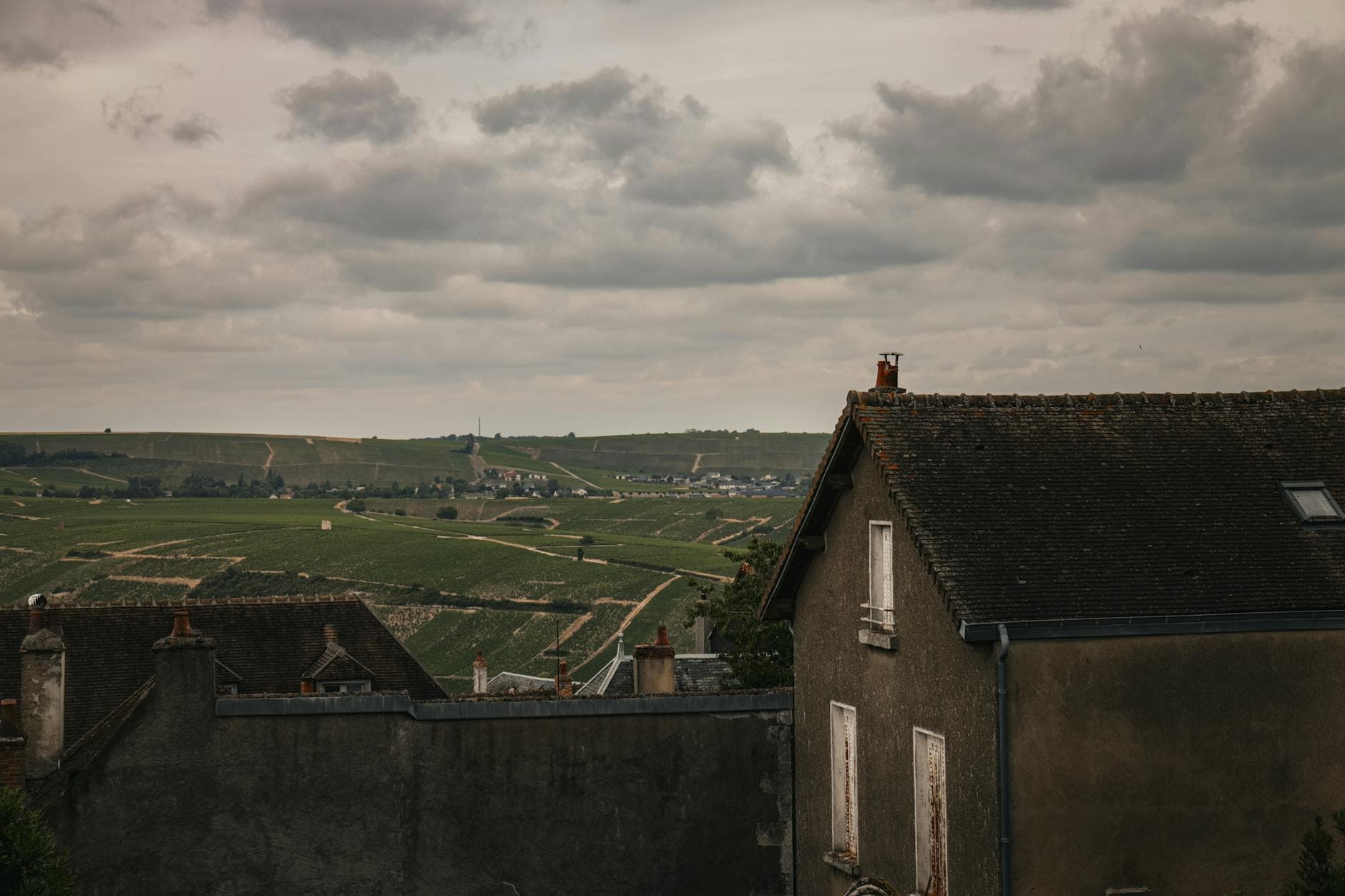
Loire Valley Wine Region: Complete Guide to Wineries, Tours & Where to Stay
Loire Valley Wine Region: Complete Guide to Wineries, Tours & Where to Stay
France has no shortage of famous wine regions, but the Loire Valley operates differently from the rest. Where Bordeaux trades in power and prestige, and Burgundy deals in rarity and obsession, the Loire is wilder, more varied, and considerably less predictable. A 300-kilometre stretch of river from the Atlantic coast at Pays Nantes to the flint-covered hills around Sancerre, it produces more distinct wine styles than almost any other single region in the world.
The Loire has been producing wine continuously for over a thousand years. The Plantagenet kings drank Saumur. The courts of Renaissance France kept Vouvray in their cellars. Long before appellation laws or wine critics, the valley's producers were supplying the tables of Europe. UNESCO recognised the entire Loire Valley as a World Heritage Site in 2000 — not just for the châteaux, but for a cultural landscape shaped by human hands over many centuries, vineyards included.
What makes this region worth a dedicated wine trip? The diversity, the value relative to Burgundy or Champagne, and the fact that many of France's most interesting winemakers have chosen to work here. The Loire suits visitors who want to actually explore rather than just collect stamps at famous appellations.
Loire Valley Wine Appellations

The Loire Valley has around 60 appellations, which can feel overwhelming at first. The region divides logically into four main zones, each anchored by a dominant grape variety and a distinct personality.
Muscadet & Pays Nantes
The Loire begins at the sea, and so does its wine. Muscadet covers the vineyards around Nantes, making it the westernmost and most Atlantic-influenced zone in the valley. The grape is Melon de Bourgogne — a variety that arrived from Burgundy in the 17th century but has made the Loire its permanent home.
Muscadet's reputation went through a rough period, largely due to cheap, watery versions flooding the market. The quality end of the appellation tells a different story. The best wines carry the designations Muscadet Sèvre et Maine, Muscadet Coteaux de la Loire, or Muscadet Côtes de Grandlieu, and the finest go further still: they are labelled sur lie, meaning they have spent extended time (sometimes years) resting on their spent yeast cells before bottling. The result is a wine with unusual texture, a slight saline edge, and a yeasty depth that plain Muscadet never achieves.
Crus Communaux — a relatively new tier — identifies specific communes producing the best wines: Clisson, Gorges, Le Pallet, Goulaine, Château-Thébaud, and a handful of others. These are worth seeking out. Pair Muscadet sur lie with Breton oysters, grilled langoustine, or any shellfish — it is one of wine's most reliable food matches.
Anjou-Saumur
Moving east, the Loire enters Anjou and Saumur — Chenin Blanc country. This grape, sometimes called Pineau de la Loire locally, is the Loire's most versatile variety. Dry, off-dry, sparkling, late-harvest, and botrytised sweet wines are all made here, often within a few kilometres of each other.
Savennières, on a narrow strip of schist above the south bank of the Loire, produces some of France's most demanding dry whites. Nicolas Joly's Coulée de Serrant, a monopole appellation containing a single 7-hectare vineyard, sits at the extreme end of this style — mineral, long-lived, and requiring years of patience. Savennières Les Roche aux Moines is the other major cru.
At the sweet end of the spectrum, Quarts de Chaume holds Grand Cru status — the only such designation in the Loire. Its wines come from Chenin Blanc affected by botrytis cinerea (noble rot), harvested in multiple passes through October and November. They age for decades. Bonnezeaux is a close neighbour and nearly as fine.
Saumur sits south of the Loire around a striking white-tuffeau stone château. The region produces two wines worth knowing: Saumur Blanc (Chenin Blanc, often crisp and direct) and Saumur-Champigny (red, from Cabernet Franc). Saumur-Champigny is among the Loire's most drinkable reds — lighter in body than Bordeaux, with a signature freshness, graphite note, and cassis character that makes it ideal for a summer afternoon, or alongside river fish.
Touraine
The Touraine sits at the geographical and cultural heart of the Loire Valley, flanked by more châteaux per square kilometre than anywhere else in France. It also contains the valley's most varied vineyards.
Vouvray, east of Tours on the north bank, is Chenin Blanc in all its forms. A Vouvray label alone tells you almost nothing — it could be bone dry (sec), lightly sweet (demi-sec), fully sweet (moelleux), or sparkling (pétillant or mousseux). Producers like Domaine Huet and François Pinon make Vouvray at multiple sweetness levels each year, decided by the ripeness of each harvest rather than a fixed formula. This makes Vouvray endlessly interesting and occasionally confusing. When in doubt, ask the producer.
Across the river, Montlouis-sur-Loire makes nearly identical wine to Vouvray but has been historically overlooked. Producers like Jacky Blot at Domaine de la Taille aux Loups have been changing that perception for two decades.
Chinon, Bourgueil, and Saint-Nicolas-de-Bourgueil produce the Loire's most serious red wines, all from Cabernet Franc. Chinon centres on the medieval town of the same name and produces reds that range from easy and fresh (from gravel soils) to structured and cellar-worthy (from tuffeau). The benchmark is terroir-honest winemaking rather than extraction. Good Chinon at five years old drinks beautifully; the best from producers like Clos Rougeard needs a decade.
Central Vineyards: Sancerre & Pouilly-Fumé
The Loire's easternmost wine zone sits on a series of hills and slopes around the town of Bourges, far from the Atlantic, closer in climate to northern Burgundy than to Nantes. Two appellations dominate the conversation: Sancerre and Pouilly-Fumé.
Both are made from Sauvignon Blanc, and both grow on a mixture of limestone (Kimmeridgian chalk), flint (silex), and clay soils — the same geology that gives Chablis its character. The best wines from each appellation carry a distinct mineral quality, the flint-and-citrus sharpness that has made Loire Sauvignon Blanc famous worldwide.
Sancerre makes red and rosé wines from Pinot Noir as well. These are lighter in body than Burgundy equivalents but at their best show real elegance, especially from north-facing slopes. The white wines are the reason most people visit, however.
The difference between Sancerre and Pouilly-Fumé? Both are outstanding at the top level. Sancerre tends toward more floral and herbal character; Pouilly-Fumé from the best producers (particularly the Dagueneau estate) has a smokier, flintier edge. The local phrase "fusil à silex" — flintlock — describes what good Pouilly-Fumé tastes like in the glass.
Menetou-Salon sits just west of Sancerre and makes very similar wine at lower prices. It is worth knowing.
Best Wineries to Visit in Loire Valley
The Loire has hundreds of domaines worth visiting. These ten represent the range of styles, appellations, and approaches the valley offers, and all accept visitors (though booking ahead is essential for several of them).
Domaine Huet — Vouvray
Domaine Huet is the reference point for Vouvray and, arguably, for Chenin Blanc in France. The estate's three single-vineyard sites — Le Haut-Lieu, Le Mont, and Clos du Bourg — each produce dry, demi-sec, and moelleux wines in years when the fruit allows. Huet has been farmed biodynamically since 1990. The wines are long-lived: a Huet Clos du Bourg Moelleux from a great vintage (1989, 1997, 2002) can still be a vivid, complex wine at 30 years old. Tastings are offered at the domaine; book well in advance.
Domaine Henri Bourgeois — Sancerre
One of Sancerre's largest family estates, Bourgeois makes wine across multiple cuvées from various soil types. The entry-level Les Baronnes is reliable and widely distributed. At the top, La Bourgeoise is a concentrated, barrel-aged Sancerre for those who want structure with their minerality. The estate also produces Pouilly-Fumé. The tasting room in the village of Chavignol — home of the famous goat cheese Crottin de Chavignol — is well set up for visitors.
Domaine de la Taille aux Loups — Montlouis-sur-Loire
Jacky Blot has spent three decades making the case that Montlouis-sur-Loire deserves equal billing with Vouvray. His estate produces dry, demi-sec, sparkling, and sweet Chenin Blanc from old vines on tuffeau soils. The Remus cuvée (dry) and Triple Zéro (a natural sparkling wine) are the best known. Blot is precise and methodical in the cellar, which shows in the consistency of his wines across vintages.
Château de Villeneuve — Saumur-Champigny
Jean-Pierre Chevallier farms around 30 hectares in Saumur-Champigny, producing some of the appellation's most structured reds. The Grand Clos cuvée is a serious wine — Cabernet Franc from 40-year-old vines on tuffeau, aged in oak — while Le Chemin is more approachable in youth. The estate also makes a clean, mineral Saumur Blanc. The château itself is worth seeing: it sits inside a network of tuffeau caves used for ageing, the same soft limestone that was quarried to build the nearby Saumur château above the town.
Domaine Didier Dagueneau — Pouilly-Fumé
Dagueneau changed how the world thought about Pouilly-Fumé. Before Didier (who died in 2008), the appellation was respectable but rarely exciting. He applied Burgundian rigour — low yields, parcel-specific vinifications, serious barrel ageing — to Sauvignon Blanc, producing wines unlike anything the Loire had seen. Silex and Pur Sang remain the benchmark cuvées. His son Louis-Benjamin continues the work. Visits and allocations are tightly managed; contact the domaine directly.
Domaine des Baumard — Quarts de Chaume
The Baumard family has been farming in the Loire since 1634. Their Quarts de Chaume — one of the Loire's two Grand Cru appellations for sweet wine — is produced only in years with sufficient botrytis development, which means not every vintage carries the label. The wines are sweet without being heavy, with a honeyed, apricot and ginger character that evolves for decades in bottle. The estate also produces dry Savennières and Crémant de Loire sparkling wine. Florent Baumard is known as a traditionalist in style.
Clos Rougeard — Saumur-Champigny
Clos Rougeard is a cult estate in the true sense — tiny production, decades-long waiting lists, and wines that demonstrate what Cabernet Franc from tuffeau soils can achieve with age. The Chênes and Poyeux cuvées are both single-vineyard Saumur-Champigny aged in barrel. The estate was run for decades by the Foucault brothers (Charly and Nady) before passing to the Bouygues family, who have maintained the approach. At ten years, Clos Rougeard reds show the tobacco, graphite, and dried herb complexity that puts them in conversation with serious Burgundy.
Nicolas Joly — Coulée de Serrant, Savennières
Nicolas Joly is biodynamic viticulture's most vocal and polarising advocate. His Coulée de Serrant — a single 7-hectare parcel with its own appellation, planted on steep schist above the Loire — produces Chenin Blanc of extraordinary mineral intensity. The wines are not easy: they can be austere and require time to open. But they are unlike anything else in the Loire. Joly also owns La Coulée de Serrant château on the hill above the vineyard. Tastings and visits are possible; email the estate.
Domaine Vacheron — Sancerre
Vacheron has been organic since 2004 and is one of Sancerre's most consistent producers for both whites and reds. The white Belle Dame cuvée — from a single parcel of old-vine Sauvignon Blanc on silex and limestone — is among the appellation's finest wines, combining the citrus precision of the variety with a weight and persistence that cheaper Sancerre lacks. Their Pinot Noir-based Sancerre Rouge is also worth trying. The domaine is in the village of Sancerre itself and is set up for visitors.
Henry Pellé — Menetou-Salon
Menetou-Salon sits just west of Sancerre and uses the same grape varieties on similar soils. Henry Pellé is the appellation's reference producer — his Morogues vineyard, on Kimmeridgian limestone, produces Sauvignon Blanc with genuine depth and mineral character at a price point well below comparable Sancerre. The reds, from Pinot Noir, are equally impressive. For visitors who want the Sancerre experience without the most inflated prices, starting here makes good sense.
Loire Valley Wine Tour Routes
The Loire Valley covers too much ground to visit in one trip without a plan. These three itineraries cover the main zones at a pace that allows for proper winery visits and some exploration of the surrounding landscape.
Route 1: The Châteaux & Caves Circuit — 3 Days
Base: Tours
Day 1 heads east from Tours to Vouvray. The drive takes 20 minutes. Visit Domaine Huet in the morning (book ahead), then spend the afternoon exploring the cave dwellings and tuffeau cellars that tunnel into the hillside throughout the village. Vouvray's finest wineries age their wines in these natural cave cellars, where temperature stays constant year-round.
Day 2 crosses west to Chinon — an hour by car through Touraine. The medieval town sits beneath a ruined castle on a rocky promontory above the Vienne River. Morning: visit a Chinon producer (Domaine Philippe Alliet or Bernard Baudry are both excellent and take visitors). Afternoon: the château, then a drive through the tuffeau-lined roads of Bourgueil.
Day 3 takes in Amboise — Francis I's favourite château, now one of the Loire's most-visited — before returning to Tours. Stop at a Montlouis-sur-Loire producer on the way back. The D road along the south bank of the Loire between Amboise and Tours passes through small villages largely ignored by the main tourist routes.
The Loire à Vélo cycling path runs alongside this entire route — a flat, well-marked 800-kilometre network connecting the whole valley. For those with time and inclination, cycling between Chinon, Bourgueil, and the Vouvray hillsides is a genuinely good way to cover the vineyards at a pace that allows you to stop where instinct suggests.
Route 2: Sancerre & Pouilly Road Trip — 2 Days
Base: Sancerre or Pouilly-sur-Loire
This route covers the Central Vineyards zone, which sits at the eastern end of the Loire, closer to Burgundy than to Nantes. Sancerre is a steep village with views over the river and the vineyards of Pouilly-Fumé on the opposite bank. The village has good restaurants and a few decent hotels.
Day 1: morning visit to Domaine Vacheron or Henri Bourgeois in Sancerre, then lunch in the village with Crottin de Chavignol cheese and a glass of local white. Afternoon: drive north along the D road through the Sancerre vineyards to Henri Pellé in Menetou-Salon — 40 minutes west and worth the detour.
Day 2: cross the river to Pouilly-sur-Loire. The Dagueneau estate is in Saint-Andelain, just outside the town. Book well ahead. The drive between the two appellation villages takes 15 minutes; the landscape of low-growing vines on flint and chalk looks similar, but the wines taste different. Afternoon: the village of La Charité-sur-Loire, 30 minutes south, has a Benedictine priory and good riverside lunch options.
Route 3: Atlantic Loire — 2 Days
Base: Nantes
This route explores the western end of the valley, which most visitors skip in favour of the châteaux country farther east. That is their loss. Nantes is a large, lively city with good food and the most interesting urban food scene in the Loire.
Day 1: drive south and east from Nantes into the Muscadet Sèvre et Maine zone. The village of Le Pallet — birthplace of the medieval philosopher Abélard — is surrounded by some of the appellation's best vineyards. Domaine de l'Ecu (organic) and Château de la Ragotière both offer tastings. Afternoon: the coast at Noirmoutier, an hour west, if time allows.
Day 2: head north along the Loire to Ancenis, where the Muscadet Coteaux de la Loire sub-appellation produces wines with a slightly different, more inland character. The drive along the river road between Nantes and Ancenis passes through small riverside towns that have changed little in 50 years.
Self-drive tip: GPS coverage is generally good throughout the Loire, but many individual domaine driveways are unmarked on mapping apps. Download wine maps from the relevant appellation syndicates before departure — Sancerre and Muscadet Sèvre et Maine both produce good printed maps.
Best Time to Visit Loire Valley

The Loire Valley is accessible and enjoyable for most of the year. The most atmospheric time and the practical sweet spot are not quite the same period.
Harvest Season (Mid-September to Mid-October)
Harvest is the most visually dramatic period. Tractors move through the vineyards, sorting tables run outside cellar doors, and the smell of fermenting juice carries through the villages. Most producers are too busy to take casual visitors during harvest itself — if you want to see inside the cellar during this period, book an appointment explicitly mentioning harvest timing, and accept that the welcome may be brief.
The weeks immediately after harvest (late October, November) are excellent for visits. Winemakers have more time, the season's work is mostly complete, and the vineyards turn gold and copper. Autumn light on the Loire tuffeau cliffs is notable.
Spring (May to June)
This is arguably the best time for a first visit. The vines are in flower, temperatures are mild, crowds have not yet built to summer levels, and producers are between busy periods. The châteaux gardens are at their best. Accommodation is easier to book and cheaper than summer rates.
Vine flowering (typically late May to early June) is a nervous time for producers — rain or cold during flowering can dramatically reduce yields — which means winemakers are watchful and animated, usually happy to discuss the upcoming vintage's prospects.
Summer
July and August bring the most visitors and the highest prices. Heat can make afternoon tastings uncomfortable — the tasting rooms of domaines without climate control become challenging. Book morning appointment slots wherever possible. The cave-cellar tastings in Vouvray and Saumur are naturally cool even in summer.
Winter
December through February is quiet. The châteaux remain open but tourist infrastructure slims down. The cave cellars stay open because temperature in tuffeau caves stays around 12°C year-round. Winemakers have time to talk. For a serious visit focused on cellars and conversations rather than tourism, winter is underrated.
Getting to Loire Valley
The Loire Valley's accessibility from Paris is one of its practical advantages over more remote French wine regions.
By Train
TGV high-speed trains from Paris Montparnasse reach Tours in approximately 1 hour, Angers in 1.5 hours, and Nantes in 2 hours. The train station at Tours (Saint-Pierre-des-Corps) is the most useful hub for the Touraine, Vouvray, Chinon, and Saumur zones. For Sancerre and Pouilly-Fumé, the closest TGV stop is Nevers (2 hours from Paris) or Bourges (also about 2 hours), with a car needed from there.
By Car
Driving from Paris to Tours takes approximately 2.5 hours on the A10 motorway — longer in summer Friday afternoon traffic. A rental car from Tours or Nantes is the most practical way to visit multiple appellations. The Loire vineyards are spread over too large an area to navigate without transport.
For Sancerre and Pouilly-Fumé, the A77 from Paris runs south to Cosne-sur-Loire, from which the vineyards are 20 minutes east. The drive from Paris takes around 2.5 hours.
From Other European Cities
Eurostar from London to Paris, then TGV to Tours, gives a London-to-Loire journey of under 4.5 hours with a smooth connection. From Brussels, the TGV via Paris takes around 3.5 hours to Tours total. Lyon to Tours by TGV runs around 2 hours.
Wine Tasting Practical Guide
A few practical points that will make a Loire Valley winery visit run more smoothly.
Tasting fees: Most Loire domaines charge between €8 and €15 for a structured tasting of three to five wines. At the top estates, this is occasionally waived with a purchase. At cooperative cellars and less prestigious producers, tastings are sometimes free. Do not assume either way — ask when you book.
Booking requirements: Several of the most sought-after estates require advance booking, sometimes weeks ahead. Domaine Huet, Domaine Didier Dagueneau, Clos Rougeard, and Nicolas Joly all work by appointment. A polite email in French or English several weeks before your trip is the standard approach. For other producers, calling the day before or even on the day often works.
Language: Most top Loire Valley domaines have at least one English-speaking staff member and can provide tasting notes in English. In Sancerre and Pouilly-Fumé particularly, producers are very accustomed to international visitors. In the Muscadet zone and some smaller Touraine estates, French will take you further.
What to ask for: Always inquire about old vine (vieilles vignes) or single-vineyard (parcellaire) cuvées, even if they are not on the main tasting menu. Many domaines save their finest wines for visitors who show genuine interest. In Vouvray, ask the producer to explain the current vintage's sweetness profile and whether the wines are drinking now or need time. In Sancerre, ask about soil types and whether they produce from flint, chalk, or clay plots separately.
Dress and demeanour: See our wine tasting dress code guide and wine tasting etiquette guide for full guidance. In practice, neat casual is appropriate for most Loire domaines. The most traditional estates (particularly in Saumur and Savennières) appreciate more formal dress.
Driving: If you are self-driving, one person in the group should be designated to spit at tastings. Spitting is completely normal and expected at professional tastings in France — no one will interpret it as rudeness.
Where to Stay in Loire Valley
Accommodation in the Loire Valley ranges from city hotels in Tours and Angers to wine country chambre d'hôtes (B&Bs) operating out of working châteaux and farmhouses.
For full accommodation recommendations by appellation and budget, see our dedicated guide: Where to Stay in Loire Valley.
Tours is the best general base for a first visit. The city is compact, has good restaurants focused on local charcuterie and river fish, and puts you within an hour's drive of Vouvray, Montlouis, Chinon, Bourgueil, and Saumur. The old city centre around Place Plumereau has several excellent mid-range hotels.
Saumur makes a good base for the Anjou-Saumur zone. The château above town and the network of tuffeau cave streets around it are worth a half-day of exploration.
Sancerre has a handful of hotels in the hilltop village itself, mostly small and with views over the vineyards. Booking well ahead in summer is essential.
Wine country gîtes and B&Bs are often the most enjoyable option. Several châteaux and domaines operate guest accommodation on the estate — waking up in a tuffeau farmhouse surrounded by Chenin Blanc vines, with the option to walk directly into the cellar for breakfast wine, is a better experience than any hotel. These properties book directly rather than through major booking platforms; asking your shortlist of domaines whether they know of nearby accommodation often turns up options not listed online.
Loire Valley Wine & Food Pairing
The Loire Valley's food culture and wine culture developed together over centuries. The pairings that work best are the ones that locals arrived at without thinking about it.
Muscadet with shellfish is one of wine's most reliable partnerships. The wine's briny, saline edge and high acidity cut through the richness of oysters, moules marinières, or langoustines. Muscadet sur lie has enough texture to handle more substantial shellfish dishes. Along the Atlantic Loire, stopping at a roadside oyster stall and opening a bottle of Muscadet Sèvre et Maine is as good as wine pairing gets at any price level.
Sancerre with goat cheese is a local rule backed by geography — the Crottin de Chavignol cheese appellation sits inside the Sancerre appellation. The wine's citrus acid and mineral edge are an exact match for fresh, slightly tangy chèvre. Older, drier goat cheeses work equally well, though they suit a more textured Sancerre with a few years of age.
Vouvray demi-sec or moelleux with foie gras follows the logic of complementary sweetness — a slightly sweet Vouvray has the residual sugar and acidity to handle foie gras without either element overwhelming the other. Dry Vouvray works better with richer fish dishes, freshwater fish in cream sauces, or local Loire pike (brochet au beurre blanc is the classic regional preparation).
Chinon and Bourgueil with charcuterie is another regional self-sufficiency: the Loire valley's tradition of pork butchery — rillettes de Tours (slow-cooked pork preserved in its own fat), rillons (slow-braised pork belly cubes), andouillettes — has a direct counterpart in Cabernet Franc's herbal, fresh character. A cold plate of rillettes with a bottle of young Chinon chilled to 16°C is one of the region's most satisfying lunches.
Saumur-Champigny with river fish or light meats shows Cabernet Franc's versatility. The wine's freshness and relatively light tannin structure make it genuinely food-flexible — it handles grilled Loire salmon, rabbit with mustard, or simple roast chicken with equal ease. For visitors used to heavier red wines, Saumur-Champigny slightly chilled in warm weather can be a revelation.
Quarts de Chaume and late-harvest Vouvray with desserts — the Loire's sweet wines are underused in pairing. A moelleux Vouvray alongside a tarte tatin, a caramelised pear tart, or simply a plate of local farmhouse butter and brioche gives the wine's honeyed, quince-and-ginger complexity something to work against.
Frequently Asked Questions
What is Loire Valley famous for in wine?
The Loire Valley is France's most diverse wine region, producing dry whites, sparkling wines, sweet wines, and reds from a stretch of vineyards covering 300 kilometres. It is particularly associated with Chenin Blanc (Vouvray, Savennières, Anjou), Sauvignon Blanc (Sancerre, Pouilly-Fumé), Cabernet Franc (Chinon, Saumur-Champigny, Bourgueil), and Melon de Bourgogne (Muscadet). The combination of styles, the presence of serious biodynamic and organic producers, and wine prices that remain below Burgundy and Bordeaux equivalents has made it increasingly popular with wine enthusiasts.
What grapes are grown in Loire Valley?
The four main grapes are Chenin Blanc (the Loire's most important and versatile white variety), Sauvignon Blanc (dominant in the Central Vineyards), Cabernet Franc (the primary red variety), and Melon de Bourgogne (used exclusively for Muscadet). Secondary varieties include Grolleau (for Anjou rosé), Pineau d'Aunis, and Côt (Malbec), which appear in small quantities across the region. Pinot Noir is grown in Sancerre for red and rosé wines.
Is Loire Valley worth visiting for wine?
Yes, particularly if you have visited Bordeaux or Burgundy already. The Loire offers more variety, more direct access to producers (the region has fewer corporate estates and more family-run domaines than Bordeaux), and a wider range of accommodation and activity options. The presence of hundreds of châteaux means non-wine-drinking travelling companions are accommodated. Value relative to wine quality is better here than in most comparable French regions.
How do I get from Paris to Loire Valley wine country?
The fastest option is TGV from Paris Montparnasse to Tours (approximately 1 hour) or Nantes (2 hours). For Sancerre and Pouilly-Fumé, take the train to Nevers or Bourges and rent a car. Driving from Paris to Tours takes around 2.5 hours on the A10. Renting a car from Tours or Nantes is the most practical way to visit multiple domaines.
What is the difference between Sancerre and Pouilly-Fumé?
Both are Sauvignon Blanc wines from the eastern Loire, grown on similar soils (flint, chalk, clay). Sancerre sits on the west bank of the Loire, Pouilly-Fumé on the east. In general terms, Sancerre tends toward more floral and herbal expression; Pouilly-Fumé from the best producers has a smokier, flintier character (hence fumé, the French word for smoked). Both can be excellent; the differences between producers within each appellation are often larger than the differences between the appellations themselves.
When is the best time to visit Loire Valley for wine?
For atmosphere and access, May–June (spring) and October–November (post-harvest) are the best periods. Spring has the best weather-to-crowd ratio and the vines in flower. Post-harvest autumn gives the best access to winemakers, who are between busy periods and have the newest vintage to discuss. Summer is viable but busy; winter is quiet and suits serious cellar visits.
What is Muscadet wine like?
Basic Muscadet is light, dry, and neutral — which is why the appellation's reputation suffered. Good Muscadet sur lie (extended lees ageing) is a different wine: it has more texture, a yeasty complexity, and a mineral, saline edge that makes it one of the better food wines produced in France. Crus Communaux Muscadet from specific communes goes further still, with real depth and age-worthiness. Expect high acidity and relatively low alcohol (around 12%). It is one of the world's best shellfish wines.
How long do you need in Loire Valley wine country?
Three days is enough for a focused single-zone visit — the Touraine (Vouvray, Chinon, Montlouis) or the Central Vineyards (Sancerre, Pouilly-Fumé). A week allows you to cover two or three zones with time for the châteaux, good meals, and unhurried domaine visits. Two weeks is enough for a comprehensive end-to-end traverse from Nantes to Sancerre. Most visitors underestimate the distances involved — Muscadet to Sancerre is a three-hour drive — so building in travel time between zones is important.
Planning Your Loire Valley Wine Trip
The Loire Valley rewards planning more than most wine regions because the distances between appellations are significant, the top producers require advance booking, and the best accommodation fills quickly in the main season. The broad structure to follow: decide which appellations interest you most, book winery visits 2–4 weeks ahead for top estates, and arrange accommodation that puts you within 30 minutes of your main area of focus.
For three-day itinerary inspiration that can run alongside a Loire wine trip, our 3 Days in Bordeaux guide shows the same planning approach applied to France's other major wine region — useful for comparison or as the second leg of a longer wine tour of France.
The Loire is not a region for passive wine tourism. The best visits happen when you arrive with some knowledge of what makes each appellation different, a list of producers whose work genuinely interests you, and the flexibility to follow a recommendation from one winemaker to visit their neighbour. That is how the Loire works at its best.

Wines of Loire Valley Wine Region: Complete Guide to Wineries, Tours & Where to Stay
Key grape varieties and wine styles produced in the region
Primary Grape Varieties
Wine Styles
Ready to visit Loire Valley?
Build your personalised day-by-day itinerary — choose your travel style and trip length, get accommodation and tour picks per day, and email it to yourself to take along.
Upcoming Wine Festivals in France
See all festivalsHidden Gems Nearby
Discover more hidden gemsDomaine de la Bongran
WTG PickBurgundy, France
A Burgundy rebel who makes Chardonnay on their own terms, far from the tourist trail of Beaune and Puligny.
Chardonnay
Domaine Huet
WTG PickLoire Valley, France
World-class Chenin Blanc with no queues, no hype, just pure Loire magic in a village setting.
Chenin Blanc
Mas de Daumas Gassac
Languedoc, France
Grand cru quality at a fraction of Bordeaux prices, in a wild, beautiful valley most tourists never find.
Cabernet Sauvignon · Rosé · White Blend
Book Your Loire Valley Wine Country Stay
Compare hotels, vineyard B&Bs and rentals across Booking, Airbnb and more in one search.
Compare stays near the vineyardsStay22
Plan Your Loire Valley Wine Region: Complete Guide to Wineries, Tours & Where to Stay Trip
Estimate your Loire Valley Wine Region: Complete Guide to Wineries, Tours & Where to Stay trip cost
Budget calculator with accommodation, food, wine, and transport estimates.
Try itCompare Loire Valley Wine Region: Complete Guide to Wineries, Tours & Where to Stay with other regions
Side-by-side comparison of cost, climate, wine styles, and more.
Try itWhen to visit Loire Valley Wine Region: Complete Guide to Wineries, Tours & Where to Stay
Harvest dates, peak season, and the best months for wine travel.
Try itThis page contains affiliate links. We may earn a commission at no extra cost to you.